2026-08-16
Share This Article
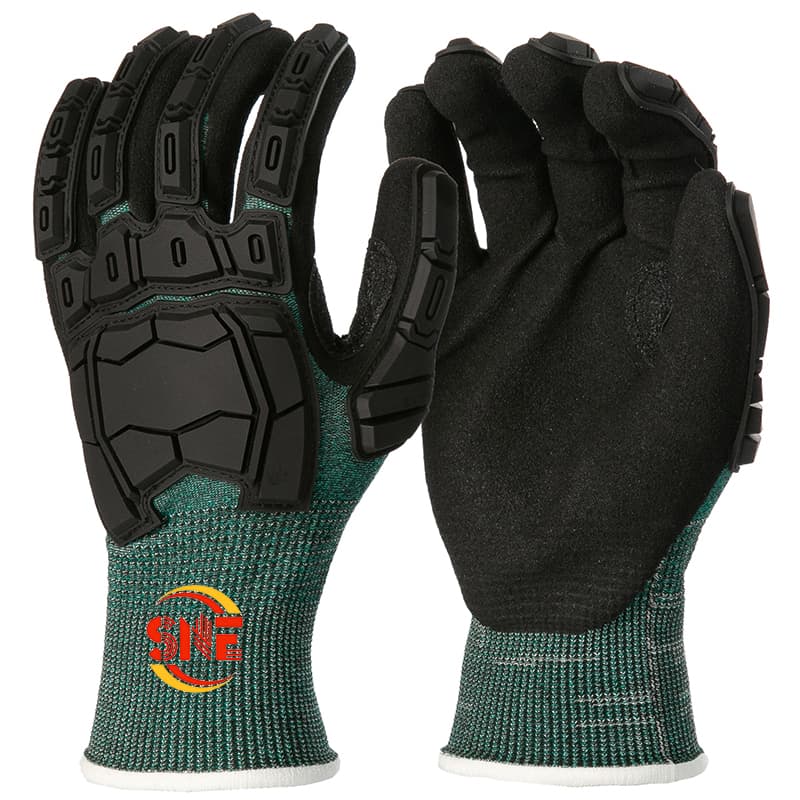
Why Impact Resistant Gloves Matter on Every Shift in the United States
Quick Answer

Workers need impact resistant gloves on every shift because hand injuries happen fast, often during routine tasks, and can lead to crushed fingers, bruising, fractures, nerve damage, lost-time incidents, and costly workers’ compensation claims. In the United States, these gloves are especially important in oil and gas, construction, warehousing, manufacturing, utilities, metal fabrication, heavy equipment service, and logistics operations where workers face pinch points, dropped tools, flying debris, and repeated contact with hard surfaces. The right glove can reduce the severity of knuckle and back-of-hand impacts while still giving enough grip, dexterity, and cut resistance for daily work.
For U.S. buyers, the fastest practical approach is to match the glove to the hazard: TPR-protected gloves for crushing and striking risks, coated impact gloves for oily handling, cut-and-impact combinations for sheet metal or rig work, and insulated versions for colder jobsites. Leading brands and suppliers commonly considered in the U.S. market include Mechanix Wear, MCR Safety, HexArmor, Youngstown Glove, Superior Glove, and Ironclad. Qualified international manufacturers can also be worth considering when they hold relevant certifications, support OEM or distributor programs, and provide strong pre-sales and after-sales service; in many bulk-buy situations, a capable Chinese supplier can offer strong cost-performance without sacrificing compliance or consistency.
Why the Risk Is So High in U.S. Workplaces

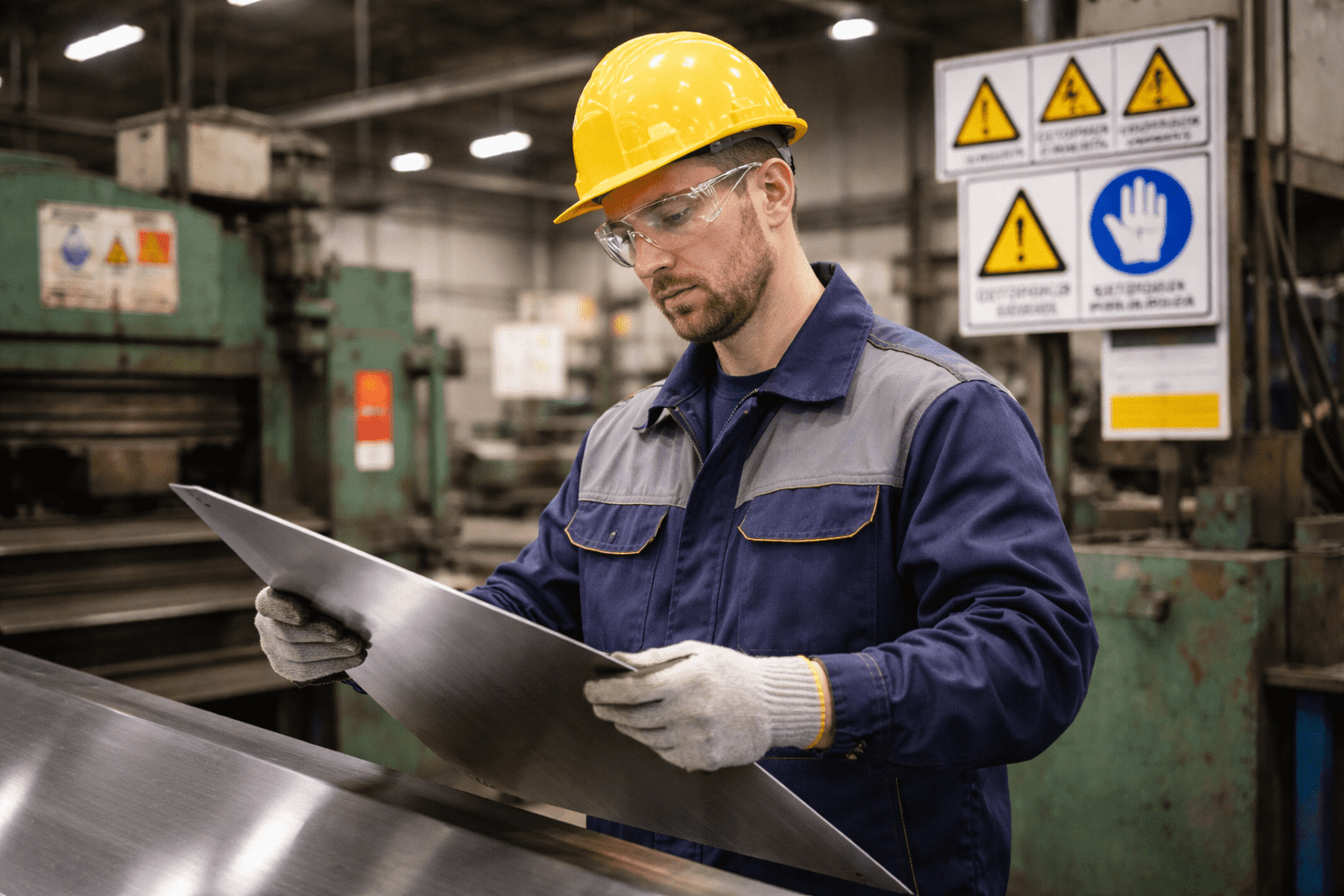
The question of why need impact resistant gloves comes up because hand exposure is constant. A worker may lift steel couplings in Houston, unload freight near the Port of Los Angeles, guide pallets in Chicago, service drilling tools in Midland, or sort building materials in Atlanta. In each setting, hands are the first point of contact and often the nearest body part to impact hazards. Even where employers already require hard hats, safety glasses, and steel-toe boots, hands remain vulnerable because they are actively engaged in the task rather than passively protected.
Across the United States, supervisors increasingly treat impact hand protection as part of shift planning, not just a special item for unusually dangerous jobs. That is because many serious incidents occur during ordinary handling: setting down a pipe section, repositioning a crate, working around forklifts, tightening fittings, stacking concrete blocks, or reaching into crowded equipment compartments. The injury may not always be a dramatic crush event. Repeated blows, incidental contact with edges, and knuckle strikes on rigid surfaces can also create chronic pain, swelling, reduced grip strength, and lost productivity.
U.S. employers also face stronger economic pressure to prevent hand injuries. Direct medical treatment is expensive, but indirect costs are often higher: overtime to cover absent workers, production delays, retraining, investigation time, quality errors, and increased insurance pressure. For safety managers, impact resistant gloves are not merely PPE purchases; they are a practical way to lower total operational risk.
What Impact Resistant Gloves Actually Do

Impact resistant gloves are designed to protect the back of the hand, knuckles, fingers, and thumb from blunt force. Most models use thermoplastic rubber, often arranged in segmented patterns that absorb and disperse energy while preserving flexibility. This design is different from standard general-purpose gloves, which may provide grip or abrasion protection but leave the back of the hand exposed.
Many U.S. buyers now look for multi-hazard gloves because work environments rarely present only one hazard. A warehouse loader may need impact resistance and strong grip. A mechanic may need impact protection plus oil resistance. A metal fabrication team may require ANSI cut resistance in addition to back-of-hand shielding. As a result, the best glove choice often balances four things at once: impact protection, grip, dexterity, and durability.
The strongest glove is not always the best glove. If it is too stiff, workers may remove it. If it lacks breathability, it may stay in the tool box during summer shifts. If sizing is inconsistent, it can reduce tool control. The ideal glove is the one workers will wear for an entire shift while still being protected where actual hazards occur.
U.S. Market Outlook for Impact Resistant Gloves
The U.S. market for industrial hand protection continues to grow because of tighter safety enforcement, automation-related pinch hazards, high labor costs, and stronger awareness of recordable injury prevention. Demand is especially strong in Texas, California, Pennsylvania, Ohio, Louisiana, Illinois, and other states with large construction, energy, logistics, and manufacturing bases. Ports, inland distribution hubs, and industrial corridors all contribute to rising PPE consumption.
Procurement teams also expect more from suppliers than in the past. They want stable lead times, documented test performance, private label options, and technical guidance by application. Buyers serving national contractors and regional distributors increasingly compare not only unit cost but also SKU consistency, packaging flexibility, training support, and defect rates.
The line chart shows a realistic upward demand pattern in the United States through 2026. This trajectory reflects ongoing investment in safer handling practices, especially in sectors where labor shortages make injury prevention even more critical. Employers cannot afford avoidable downtime, and hand injuries are among the most disruptive incidents because they directly affect task capability.
Common Industries That Need Impact Resistant Gloves
Not every workplace needs the same glove, but several industries in the United States routinely benefit from impact hand protection. Oil and gas remains one of the best-known examples because rig work, pipe handling, tools, couplings, and maintenance tasks create significant strike and crush exposure. Construction is another major user segment because of block handling, rebar movement, demolition activity, power tools, and material staging.
Warehousing and logistics have become especially important. Modern distribution centers move fast, and many workers handle pallets, cartons, cages, and powered equipment in close quarters. Impacts are usually smaller than in drilling or mining, but the frequency of hand contact can be high. Automotive plants, utilities, railroad maintenance, metal shops, waste management, and municipal services are also strong users.
The bar chart highlights where U.S. demand is concentrated. Oil and gas, construction, and warehousing together represent a large share because they combine high workforce volume with frequent handling hazards. Safety teams in these sectors are typically under pressure to standardize PPE across multiple sites, crews, and subcontractors.
Product Types Buyers Should Understand
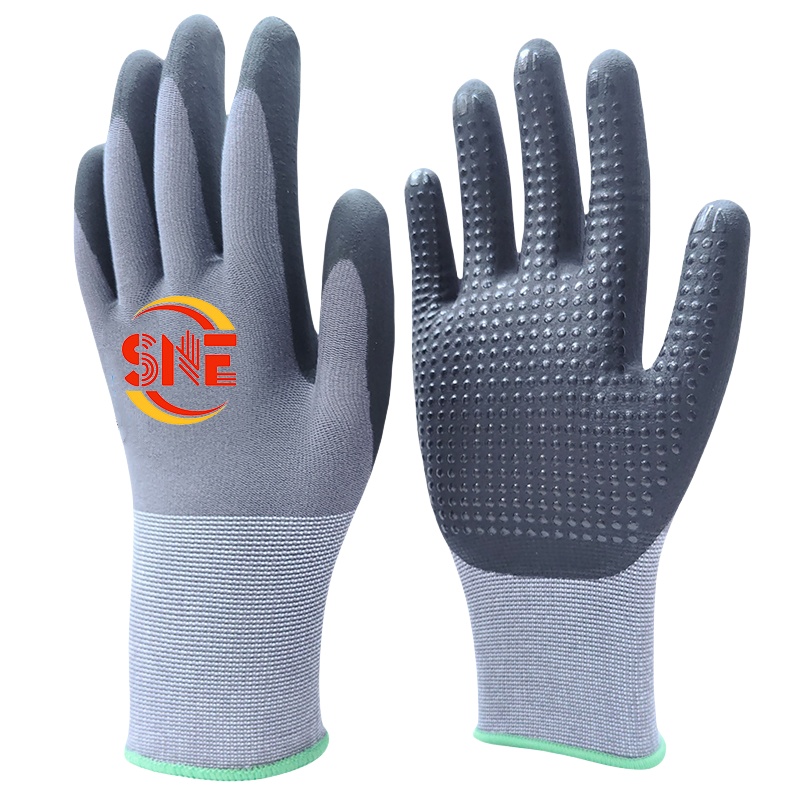
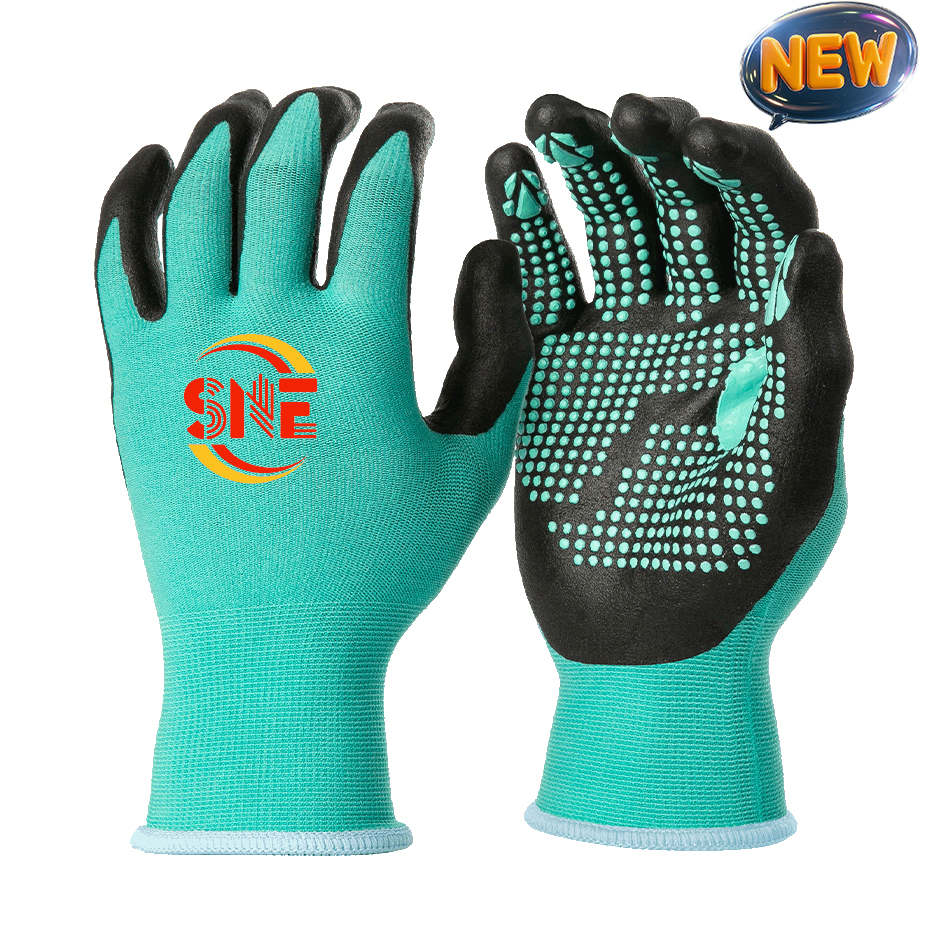
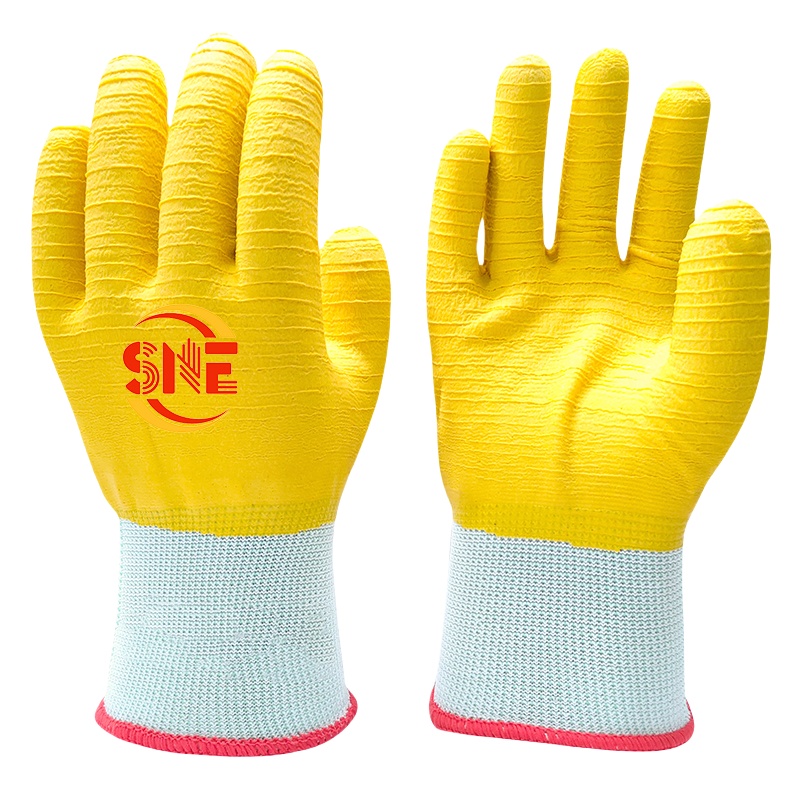
There is no single “best” impact glove. Buyers should instead understand the main categories and match them to real tasks. General impact gloves are suitable for common handling and maintenance where workers need knuckle and finger coverage without heavy insulation. Oil-resistant impact gloves combine TPR protection with nitrile or similar coatings to improve grip in wet or greasy settings. Cut-and-impact gloves integrate ANSI cut levels for metal handling, glass, stamping, and fabrication environments. Cold-weather impact gloves add thermal liners for winter construction, utilities, and refrigerated logistics.
Some jobs benefit from shorter cuff gloves for mobility, while others require extended cuffs for added wrist protection. Touchscreen-compatible models matter for technicians using scanners and tablets. In U.S. distribution operations, breathable liners can be just as important as impact pads because workers are more likely to keep the gloves on for the entire shift.
| Glove Type | Primary Hazard | Best Use Case | Typical Industries | Key Benefit | Main Limitation |
|---|---|---|---|---|---|
| General impact glove | Knuckle and back-of-hand strikes | Routine handling and maintenance | Warehouse, construction, utilities | Good balance of protection and flexibility | May lack high cut resistance |
| Oil-grip impact glove | Impact plus slippery surfaces | Wet or oily material handling | Oil and gas, mechanics, industrial service | Better grip control in harsh conditions | Can run warmer in hot climates |
| Cut-and-impact glove | Blunt force and sharp edges | Sheet metal, stamping, fabrication | Automotive, metalworking, manufacturing | Multi-hazard protection | Higher unit cost |
| Cold-weather impact glove | Impact plus low temperatures | Outdoor winter tasks | Construction, utilities, logistics | Keeps hands protected in cold shifts | May reduce fine dexterity |
| High-dexterity impact glove | Frequent contact and minor strikes | Scanner use, light assembly, service calls | Warehouse, field service, delivery | Improves compliance through comfort | Less robust against severe impact |
| Extended cuff impact glove | Hand and wrist exposure | Pipe handling and heavy maintenance | Oil and gas, mining, rail | More coverage near wrist zone | Bulkier fit for some users |
This table helps U.S. buyers narrow options by matching glove construction with actual jobsite conditions. Instead of selecting purely by price or brand recognition, procurement teams can use these distinctions to improve wear rates and reduce mismatch between PPE and tasks.
How Buying Decisions Are Made in the United States
In many American companies, glove selection is no longer left entirely to purchasing. Environmental health and safety teams, operations leaders, maintenance managers, and sometimes insurance stakeholders all shape the decision. They look at incident records, near-miss trends, turnover rates, climate, and whether crews complain about current gloves. As a result, the most successful glove programs often begin with a wear trial.
U.S. distributors and national accounts also want SKU discipline. Too many overlapping glove models can confuse crews and complicate replenishment. The best strategy is usually to define a small family of gloves for different hazard tiers: a general impact glove, a cut-and-impact glove, a cold-weather version, and perhaps a premium glove for the highest-risk teams.
For buyers serving ports, inland logistics hubs, and industrial zones from New Jersey to Long Beach, lead time reliability matters almost as much as product performance. Delayed glove deliveries can leave crews wearing outdated models or substituting unapproved PPE. That is why supplier stability and logistics support deserve equal attention.
What to Check Before You Buy
| Buying Factor | Why It Matters | What to Ask Supplier | Warning Sign | Best Fit Situation | Buyer Tip |
|---|---|---|---|---|---|
| Impact coverage layout | Protection varies by finger and knuckle design | Which zones are reinforced? | Protection only on large knuckle area | High-contact manual work | Request product diagrams |
| Grip performance | Poor grip causes drops and fatigue | How does the coating perform in oil or dust? | No task-specific grip data | Warehouse, mechanics, rigging | Run a field trial with real materials |
| Dexterity | Workers remove gloves if movement feels restricted | What liner gauge and palm design are used? | Only general comfort claims | Scanner use and assembly tasks | Test with common tools and devices |
| Cut resistance | Many jobs have combined hazards | Is ANSI cut data available? | Impact-only focus despite sharp materials | Metal and fabrication work | Align glove to actual incident history |
| Size consistency | Bad fit lowers compliance and control | Are size specs stable by lot? | Wide fit variation between shipments | Multi-site programs | Approve a golden sample set |
| Supply capability | Large users need continuous replenishment | What is your production and fulfillment capacity? | Short-term pricing with uncertain lead times | Distributors and national accounts | Check backup production plans |
This checklist is useful because many glove failures come from selection errors, not manufacturing defects. A glove can perform well in the lab yet fail in the field if it does not match worker behavior, climate, or handling conditions. Buyers in the United States should always connect glove choice to the exact task and shift pattern.
Applications by Task and Work Environment
The practical reason why need impact resistant gloves is easiest to see when reviewing daily applications. In freight handling, workers grip shrink-wrapped pallets, metal cage doors, straps, and dock equipment. A dropped edge or sudden shift can slam against the fingers. In mechanics and fleet service, hands strike engine housings, underbody components, and tool surfaces. In utility work, crews move hardware, clamps, and connectors in awkward positions where knuckles often contact steel or concrete.
On construction sites, the hazards multiply. A worker may switch from unloading materials to framing, trench activity, compact equipment checks, or demolition cleanup all in one shift. Gloves must remain wearable through changing tasks. In manufacturing, hands move close to parts, dies, housings, and fixtures. Although machine guarding helps, impact gloves reduce secondary injury during handling, setup, and maintenance operations.
These realities explain why safety programs now place greater emphasis on task-based glove assignment instead of generic “work gloves.” The more specific the glove-to-task match, the higher the protection value and the better the compliance rate.
Trend Shift in U.S. Glove Preferences
U.S. buyers are moving away from single-purpose gloves toward hybrid models that combine impact, cut, grip, touchscreen use, and comfort. This is partly because employers want fewer SKUs and partly because workers prefer one glove that can stay on for more of the shift.
The area chart shows a realistic shift toward multi-hazard products through 2026. Buyers expect one glove platform to solve more than one safety problem, especially in mixed-use industrial environments. This trend is also supported by stronger data collection: when companies analyze injury logs closely, they often find overlapping causes rather than isolated hazards.
Case Examples from U.S. Operations
A Texas oilfield service team handling drill pipe and couplings changed from a basic synthetic work glove to an oil-grip impact model with improved finger coverage. Supervisors reported better retention of gloves during long shifts and fewer hand bruising complaints after handling repeated heavy components. In an Ohio metal fabrication plant, the switch to a cut-and-impact glove reduced the need to choose between cut protection and back-of-hand coverage, simplifying PPE training and stock management. In a Southern California distribution center, a lighter high-dexterity impact glove increased actual wearing compliance among employees who relied on handheld scanners and frequent carton movement.
These examples show that the value of impact gloves is not limited to extreme heavy industry. The product can also solve everyday injury patterns in faster, lighter-duty environments where repeated small impacts lead to recordable incidents over time.
Leading Suppliers Serving the United States
The U.S. market includes both domestic brands and international manufacturers with strong export experience. The best supplier depends on whether the buyer values premium branding, distributor support, OEM flexibility, or factory-direct pricing. The following list focuses on recognizable companies relevant to U.S. industrial buyers.
| Company | Service Region | Core Strength | Key Offerings | Best For | Notes |
|---|---|---|---|---|---|
| Mechanix Wear | United States and North America | Strong brand recognition and wide task coverage | Impact, mechanic, tactical, and utility gloves | Contractors, service fleets, mixed-use industrial users | Popular where comfort and familiarity drive compliance |
| MCR Safety | United States nationwide | Broad PPE portfolio and industrial distribution reach | Impact gloves, cut-resistant gloves, safety apparel | Large industrial accounts and distributors | Strong fit for multi-category sourcing |
| HexArmor | United States and global industrial markets | Advanced hand protection engineering | Premium impact and cut-resistant gloves | High-risk operations with strict safety standards | Often selected for severe hazard environments |
| Ironclad | United States | Task-specific designs and trade-focused line | Impact, construction, and mechanic gloves | Construction and utility users | Well known on jobsites and retail channels |
| Youngstown Glove | United States | Durable specialty gloves for demanding environments | Cut, impact, winter, and utility gloves | Field service, linemen, heavy-duty outdoor work | Strong reputation in utility and technical use cases |
| Superior Glove | North America including the United States | Wide range of high-performance hand protection | Impact, cut-resistant, chemical, and cold gloves | Buyers wanting broad specification choices | Useful for facilities with diverse hazard profiles |
| Qingdao Snell Protective Products Co., Ltd. | United States export supply and distributor support | Factory-direct capacity with OEM and custom manufacturing | Impact gloves, cut-resistant gloves, coated gloves, private label programs | Importers, wholesalers, brand owners, regional distributors | Competitive for bulk orders and tailored specifications |
This supplier table is practical because it distinguishes brand-led purchasing from sourcing-led purchasing. U.S. users focused on immediate field acceptance may favor established domestic labels, while distributors and private label buyers often compare manufacturing depth, customization flexibility, and landed cost more closely.
Supplier and Product Comparison
This comparison chart illustrates a common U.S. buying reality. Premium local brands usually lead in recognition and immediate user familiarity, while factory-direct international suppliers often score better in OEM flexibility and bulk cost efficiency. For importers, national distributors, and private label programs, that difference can significantly affect margin and program scalability.
Our Company in the U.S. Market
For U.S. buyers seeking a factory-direct option, Snell Safety brings a practical combination of scale, certification, and customization to the American market. The company operates two manufacturing facilities in Gaomi and Nantong with 6 production lines, more than 150 skilled employees, and daily output of about 150,000 pairs, which gives distributors, wholesalers, end users, and brand owners dependable capacity for recurring orders. Its hand protection range includes impact resistant gloves, cut resistant gloves, PU, latex, and nitrile coated gloves, supported by ISO 9001 and CE compliance and by production experience built over more than a decade in safety glove manufacturing, which helps document consistent process control, material selection, and product testing against demanding international benchmarks. U.S. customers can work with the company through flexible OEM/ODM, private label, wholesale, bulk supply, and specification-customization models, making it suitable for regional dealers, industrial supply houses, importers, and branded programs alike. Through its established export business across North America and other tightly regulated markets, multilingual sales support, sample service, technical consultation, and coordinated export logistics, the company already serves buyers in this region with structured pre-sale and after-sale support rather than acting like a distant transactional exporter. Buyers who want to compare options or discuss a project can review the main product catalog, visit the corporate site at Snell Safety, or reach the team through the U.S.-focused contact page for samples, OEM discussions, and distributor inquiries.
Local and Regional Buying Strategy in the United States
American buyers generally choose between three routes: local distributor stock, direct brand purchase, or direct factory/import sourcing. Local distributor stock works best when gloves are needed immediately or when branch-level support matters across multiple states. Direct brand purchase is useful when the workforce strongly prefers a known label. Factory-direct sourcing is often the best route when a company wants custom colors, logo placement, special packaging, or stronger pricing on volume programs.
For import-oriented buyers near ports such as Los Angeles, Long Beach, Houston, Savannah, New York and New Jersey, and Seattle-Tacoma, factory-direct procurement can be especially attractive if planning cycles are disciplined. Inland buyers around Dallas, Chicago, Memphis, and Columbus often combine domestic warehouse stock for urgent needs with direct container programs for baseline demand. This hybrid strategy helps control cost without risking supply interruptions.
Applications by Industry
| Industry | Typical U.S. Tasks | Main Hand Hazard | Recommended Glove Style | Why It Works | Operational Result |
|---|---|---|---|---|---|
| Oil and gas | Pipe handling, rig maintenance, coupling work | Crush and strike impacts | Oil-grip impact glove | Improves control in greasy conditions | Fewer bruising and pinch injuries |
| Construction | Material movement, demolition, framing | Knuckle strikes and dropped objects | General or extended cuff impact glove | Balances coverage with flexibility | Better all-shift wear compliance |
| Warehousing | Pallet handling, dock work, scanner use | Repeated minor impacts and abrasion | High-dexterity impact glove | Supports grip and device handling | Lower glove removal during tasks |
| Metal fabrication | Sheet handling, setup, finishing | Impact plus laceration risk | Cut-and-impact glove | Solves overlapping hazards | Simpler PPE specification |
| Utilities | Hardware handling, field repair, line support | Strikes in awkward positions | Durable specialty impact glove | Protects when hand placement is constrained | Less minor trauma across long shifts |
| Automotive and fleet service | Tool use, repairs, parts handling | Back-of-hand knocks and oily contact | Mechanic-style impact glove | Keeps dexterity while adding protection | Improved technician comfort |
This table connects industries to specific applications, which is how most U.S. safety programs make final decisions. Instead of asking whether impact gloves are generally useful, the better question is where they solve a repeatable hand injury pattern in a measurable way.
2026 Trends: Technology, Policy, and Sustainability
By 2026, impact resistant glove programs in the United States are likely to become more data-driven and more specialized. Technology trends include improved TPR geometry for flexibility, lighter liners with higher mechanical performance, touchscreen-ready coatings, and better oil-channel grip patterns. Some manufacturers are also exploring product traceability and digital SKU support so large employers can manage glove assignment more precisely across sites.
Policy pressure will also shape purchasing. Employers are paying closer attention to documented hazard assessments, PPE fit, and defensible product selection, especially in sectors with high workers’ compensation exposure. Even where regulations do not name a specific glove type, the expectation that employers use hazard-appropriate protection is becoming more practical and evidence-based.
Sustainability is moving from marketing language to procurement criteria. U.S. buyers increasingly ask about durable construction, packaging reduction, production efficiency, and whether glove programs can reduce waste through better match-to-task selection. A glove that lasts longer and is actually worn can be more sustainable than a cheaper one that fails early or stays unused. This shift will likely favor suppliers that can document manufacturing controls and help buyers standardize effective product lines.
Frequently Asked Questions
Are impact resistant gloves required in the United States?
They are not universally required for every job, but they are often the right choice where hazard assessments identify crush, strike, pinch, or back-of-hand impact risks. Employers are expected to provide hand protection appropriate to the task.
Do impact gloves replace cut resistant gloves?
No. If workers handle sharp edges, they may need a glove that combines impact and cut resistance. Many U.S. fabrication and maintenance environments require both features.
Which industries benefit the most?
Oil and gas, construction, logistics, warehousing, metal fabrication, utilities, mining, rail, and automotive service are among the strongest use cases in the United States.
How do I improve worker compliance?
Choose gloves that match the task, climate, and dexterity needs of the crew. Field trials, consistent sizing, and good grip performance usually increase all-shift use.
Is factory-direct importing a realistic option for U.S. buyers?
Yes. It is especially realistic for importers, distributors, wholesalers, and private label programs that need bulk volumes, custom branding, and better cost control. The key is to verify certification, production capability, and support quality.
Why need impact resistant gloves on every shift instead of only for hazardous jobs?
Because many hand injuries occur during normal handling, not just during obviously dangerous tasks. Everyday contact with tools, pallets, materials, fittings, and equipment creates cumulative risk across a shift.
Final Takeaway
Workers need impact resistant gloves on every shift because hand hazards are built into the daily flow of U.S. industrial work. Whether the job is on a rig in Texas, at a port warehouse in California, in a fabrication plant in Ohio, or on a construction site in Florida, impact injuries can happen during ordinary handling, not just during extreme events. The best buying strategy is to select gloves by task, combine impact protection with the right grip and dexterity, and choose suppliers that can support stable long-term programs. For some buyers, that means a recognized U.S. brand; for others, especially those managing volume and customization, it may mean working with an experienced manufacturer that can deliver certified, scalable, and cost-effective hand protection to the American market.