2026-08-13
Share This Article
Why Cut Resistant Gloves Wear Out Faster in the United States
Quick Answer

Cut-resistant gloves wear out because the protective fibers, coatings, and grip surfaces gradually break down under real jobsite conditions. In the United States, the most common causes are repeated abrasion, sharp-edge contact, oily or wet handling, poor fit, incorrect glove selection for the task, aggressive laundering, UV exposure, and overuse beyond the glove’s intended service life. The fastest way to reduce glove failure is to match the glove gauge, cut level, coating type, and cuff style to the exact hazard instead of buying only by price.
For buyers in major U.S. industrial markets such as Houston, Chicago, Los Angeles, Atlanta, and Detroit, the most practical approach is to compare established suppliers with strong documentation, reliable inventory, and clear testing data. Well-known names in this market include Ansell, HexArmor, Superior Glove, MCR Safety, PIP, and Mechanix Wear. Qualified international suppliers can also be worth considering, especially manufacturers in China that carry recognized certifications and offer strong pre-sales and after-sales support, because factory-direct sourcing often improves cost-performance for distributors, importers, and private-label buyers.
Direct Answer: What Actually Makes Cut-Resistant Gloves Wear Out?

Cut-resistant gloves are engineered to slow or prevent lacerations, but no glove remains at peak performance forever. Even high-grade materials such as HPPE, fiberglass blends, steel fiber, aramid, and engineered yarns lose effectiveness when subjected to repeated friction and flexing. In U.S. workplaces, glove wear is often accelerated by mixed-task use. A worker may handle sheet metal in the morning, oily parts at noon, and rough pallets in the afternoon while wearing the same pair. That combination causes cumulative damage much faster than laboratory testing suggests.
The protective yarn structure can weaken from repeated contact with abrasive surfaces like concrete, raw castings, sharp burrs, metal studs, and unfinished wood. Coatings such as nitrile, PU, or latex improve grip and abrasion resistance, but they also thin out at high-contact points including the palm, thumb crotch, and fingertips. Once the coating deteriorates, the underlying liner is exposed to more direct stress. That is usually the point where users begin to notice faster fraying, decreased grip, and less confidence in hand protection.
Another reason gloves wear out is confusion between cut resistance and abrasion resistance. A glove can test well for cut protection but still fail early in rough, repetitive handling if its coating or knit structure is not designed for abrasive tasks. This is especially important in logistics hubs such as Memphis and Inland Empire warehouses, where workers frequently move cartons, stretch wrap, and pallet edges. The glove may not be cut by a blade, but it can still be destroyed by repetitive rubbing and compression.
Temperature and contamination also matter. Oil, solvents, concrete dust, metal fines, and repeated washing can all change the glove surface and reduce durability. In sectors such as oil and gas near Houston or fabrication shops around Cleveland, glove wear often comes less from a single damaging event and more from continual micro-damage that builds over time.
Key Wear Factors in the United States Market

| Wear Factor | How It Damages Gloves | Typical U.S. Work Environments | Buyer Response |
|---|---|---|---|
| Abrasion | Gradually removes coating and weakens yarn at contact points | Construction, warehousing, metal fabrication | Choose higher abrasion-rated coatings and reinforced palms |
| Sharp Edge Contact | Creates localized cuts, nicks, and fiber breakage | Sheet metal, glass handling, stamping plants | Match ANSI cut level to hazard and edge profile |
| Oil and Chemicals | Softens or degrades coating, reduces grip, increases slip stress | Automotive, maintenance, machinery service | Use nitrile or task-specific coated gloves |
| Poor Fit | Causes extra tension, seam stress, and premature finger wear | General industrial use across mixed crews | Stock full size ranges and test fit before rollouts |
| Improper Laundering | Shrinks liner, hardens coating, weakens fibers | Shared PPE programs and industrial laundry setups | Follow supplier wash protocols and retirement rules |
| Overextended Use | Workers keep gloves beyond safe service life | Cost-controlled procurement environments | Set inspection and replacement intervals |
| UV and Heat Exposure | Degrades some yarns and coatings over time | Outdoor construction, port work, utilities | Use task-appropriate materials and storage methods |
This table shows why glove failure is rarely caused by one issue alone. In practice, buyers in the United States should treat glove lifespan as a combination of hazard level, environment, laundering, worker habits, and product specification. When a team complains that gloves “wear out too fast,” the underlying cause is often a mismatch between real work conditions and the selected glove design.
How the U.S. Market for Cut-Resistant Gloves Is Changing
The U.S. market continues to expand because OSHA awareness, automation, e-commerce fulfillment growth, and reshoring in manufacturing are all increasing hand protection needs. Buyers are also becoming more data-driven. Instead of asking only for “cut gloves,” many distributors and safety managers now request ANSI cut levels, EN abrasion data, coating chemistry, touchscreen functionality, and washability details before approving a product line.
Ports and distribution corridors play an important role in this shift. Import traffic through Los Angeles, Long Beach, Savannah, and New York/New Jersey supports broad product availability, while regional demand is especially strong in Texas energy operations, Midwest manufacturing, Southeast construction, and West Coast warehousing. That diversity means there is no single ideal glove for the whole U.S. market.
The line chart illustrates a realistic upward demand trend through 2026. Growth is supported by stricter PPE procurement standards, warehouse automation maintenance work, and broader use of cut-protective gloves in sectors that previously relied on basic general-purpose hand protection.
Product Types and Why Their Lifespan Differs
Different cut-resistant gloves wear out at different rates because their material blends and coatings are optimized for different hazards. A thin 18-gauge PU-coated glove may provide dexterity for electronics assembly or light metal handling, but it will not last as long in a rebar yard as a heavier nitrile-coated glove with a stronger palm. Likewise, gloves designed for dry precision work can fail quickly in oily machine maintenance.
| Glove Type | Typical Materials | Best Use Case | Common Wear Pattern |
|---|---|---|---|
| PU-Coated Cut Gloves | HPPE, glass fiber, spandex, PU palm | Precision handling, light assembly, small parts | Finger and palm coating thinning |
| Nitrile-Coated Cut Gloves | HPPE or blended liner with nitrile coating | Oily parts, automotive, metal handling | Palm cracking or abrasion after repeated flexing |
| Latex-Coated Cut Gloves | Engineered yarn liner with latex palm | Construction, masonry, rough dry grip tasks | Surface abrasion and grip texture loss |
| Sandy Nitrile Gloves | Cut liner with textured nitrile finish | Wet or oily grip applications | Texture flattening and localized palm wear |
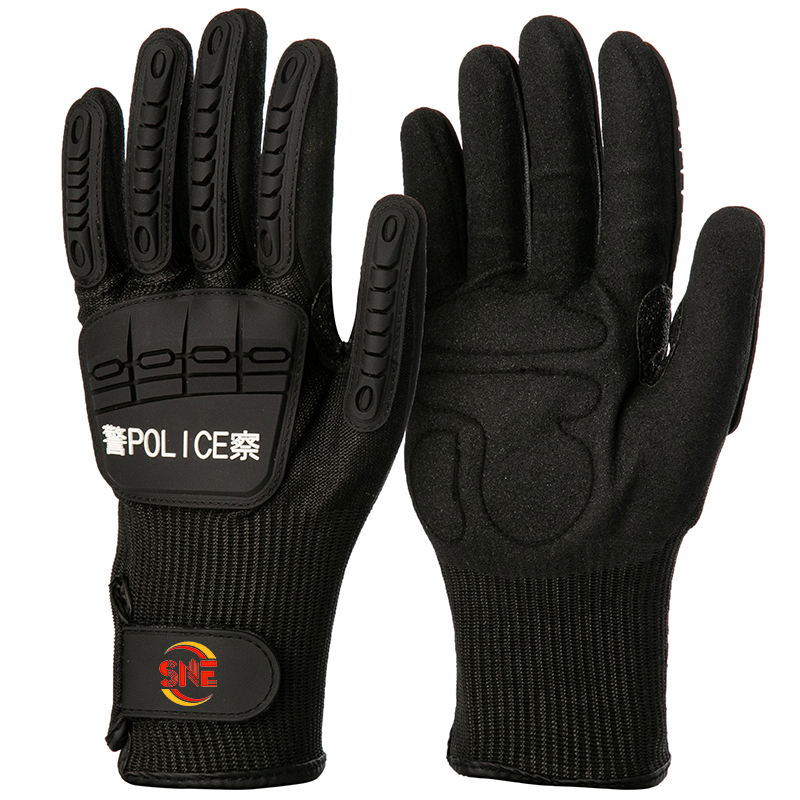
| Cut-Impact Combination Gloves | Cut liner with TPR back-of-hand protection | Oil and gas, heavy maintenance, rigging | Palm wear plus stress at flex zones |
| Sleeves and Extended Cuff Systems | Aramid or HPPE blends | Forearm protection in glass and metal work | Edge fraying and wrist opening distortion |
This comparison matters because many U.S. buyers unintentionally judge all cut-resistant gloves by one performance metric. In reality, service life depends on balancing cut level, abrasion resistance, grip environment, dexterity, and worker comfort. Gloves that are safer on paper can still wear out faster if they are too thin, poorly fitted, or used outside their intended environment.
Which Industries Create the Fastest Glove Wear?
Industries with high friction, rough surfaces, repetitive handling, and variable contaminants usually consume gloves more quickly. Metal fabrication remains one of the harshest sectors because sharp edges and abrasive surfaces appear together. Construction is also demanding because workers transition between lumber, concrete, hardware, and tools without changing gloves often enough. Warehousing and logistics can surprise buyers too: cardboard, tape, plastic banding, and pallet contact generate constant abrasion over long shifts.
The bar chart highlights where glove demand is strongest. High-demand sectors are also where durability complaints are most frequent, because users expect one glove to handle multiple tasks across long work cycles. For procurement teams, this is a sign to segment glove programs by application instead of standardizing one model for everyone.
Application Scenarios That Shorten Service Life
Specific applications are often more important than industry labels. For example, deburring metal parts is harder on gloves than many general assembly tasks in the same plant. Handling galvanized studs, castings, cable, scrap, stone, or jagged plastic waste can all wear gloves at very different speeds. In distribution centers near Louisville or Columbus, picker-packer staff may need a lighter glove than dock crews unloading mixed freight. If both teams wear the same glove, one group may complain about poor dexterity while the other sees premature wear.
Another common issue is task switching. A glove chosen for sheet handling may not hold up when the same worker starts climbing ladders, moving pallets, and tightening hardware. This is why some large U.S. employers build two-tier or three-tier glove programs: a precision glove, a medium-duty cut glove, and a heavy-duty high-abrasion glove. That structure usually reduces total glove spend by limiting misuse.
Wear Trend Shift Through 2026
As U.S. buyers push for better productivity, glove preferences are shifting from simple cut ratings toward total life-cycle performance. Procurement teams increasingly want gloves that last longer, wash better, reduce hand fatigue, and support touchscreen use. Sustainability is also influencing vendor selection, especially when buyers compare disposable PPE waste, washability, and packaging efficiency.
The area chart reflects a realistic shift in buyer thinking. Rather than purchasing the lowest unit price, more U.S. safety managers are evaluating cost per week of wear, worker acceptance, injury reduction, and laundering performance. This trend is expected to strengthen in 2026 as ESG reporting, PPE traceability, and procurement accountability become more common.
Buying Advice for U.S. Importers, Distributors, and End Users
The best buying strategy starts with accurate hazard mapping. Before comparing brands, buyers should identify whether glove failure comes from edge cuts, rough abrasion, oil exposure, repeated impact, high heat, or laundering damage. Then they should test multiple gloves under the same shift conditions. A field trial in a Chicago fabrication plant or Dallas distribution center is usually far more valuable than relying on catalog claims alone.
It is also important to examine failure points. If fingertips wear first, the task may require thicker fingertip reinforcement or a different grip surface. If palms crack, coating flexibility may be the issue. If the thumb crotch fails, glove patterning or fit may be wrong. If workers remove gloves because of sweat and discomfort, actual service life drops even when lab specs are strong. Comfort is not a soft issue; it is directly tied to compliance and replacement frequency.
For importers and private-label buyers, consistency matters just as much as glove design. A glove that performs well in one shipment but varies in coating weight or sizing in the next can damage distributor credibility. That is why stable production lines, quality control records, and repeatable testing are essential when selecting a manufacturing partner.
| Buying Criterion | What U.S. Buyers Should Check | Why It Matters | Practical Tip |
|---|---|---|---|
| ANSI Cut Level | A2 to A9 suitability for actual hazards | Prevents under- or over-specification | Match to edges and force, not assumptions |
| Abrasion Performance | Palm coating type and wear data | Drives glove lifespan in rough handling | Request field samples for abrasive tasks |
| Grip Environment | Dry, wet, oily, or mixed handling | Wrong grip causes slips and faster wear | Select PU, nitrile, or latex accordingly |
| Sizing Range | Availability from small to XXL or more | Poor fit increases tearing and fatigue | Run size trials across user groups |
| Laundering Guidance | Wash cycles and retirement rules | Improves hygiene without damaging gloves | Ask for written care instructions |
| Supply Stability | Lead time, capacity, backup production | Reduces stock-outs for distributors and plants | Prefer suppliers with scalable lines |
| Documentation | Test reports, compliance files, QC records | Supports audits and procurement confidence | Review before contract awards |
This buying table gives a practical checklist for U.S. purchasers. The goal is not simply to buy the toughest glove, but to buy the most suitable glove for each workstream while ensuring consistent supply and measurable performance.
Local Suppliers and Major Brands Serving the United States
The U.S. market includes domestic brands, North American specialists, and international manufacturers with extensive local distribution. Buyers in cities such as Houston, Charlotte, Phoenix, and Newark generally compare lead time, application fit, price stability, and technical support. The following suppliers are real companies commonly recognized in the hand protection market.
| Company | Service Region | Core Strengths | Key Offerings |
|---|---|---|---|
| Ansell | Nationwide United States through industrial channels | Broad industrial PPE portfolio, strong technical documentation, recognized safety brand | HyFlex cut-resistant gloves, chemical gloves, disposable and specialty hand protection |
| HexArmor | United States with strong industrial and oilfield presence | High-performance cut and impact protection, premium application-focused designs | Cut-resistant gloves, impact gloves, needle-resistant options, task-specific PPE |
| Superior Glove | United States and Canada via distributors | Wide range of cut levels, sleeve options, strong manufacturing heritage | TenActiv cut gloves, sleeves, impact gloves, heat-resistant gloves |
| MCR Safety | Nationwide, especially strong in industrial distribution | Established U.S. safety brand with broad catalog and distributor reach | CutPro gloves, Memphis Glove lines, glasses, garments, industrial PPE |
| PIP | United States with broad regional warehousing support | Large-scale distribution, multiple brands, broad application coverage | G-Tek cut-resistant gloves, coated gloves, impact gloves, hi-vis PPE |
| Mechanix Wear | Nationwide retail and industrial channels | Strong user recognition, comfort, dexterity, automotive and trade appeal | Utility gloves, cut-resistant gloves, specialty mechanic and trade gloves |
| Magid | United States, especially Midwest and national accounts | Custom sourcing, safety program support, industrial PPE depth | Cut-resistant gloves, sleeves, disposable PPE, managed safety solutions |
For practical sourcing, these companies differ in channel strategy and product focus. Ansell and PIP are often attractive for large corporate standardization. HexArmor is widely considered for high-risk applications where cut and impact protection must work together. Superior Glove and Magid are often strong options when buyers need sleeves, specialty blends, or broader program support. MCR Safety remains relevant for value-conscious industrial distributors. Mechanix Wear is commonly selected when comfort, fit, and user acceptance are major concerns.
Supplier Comparison by Fit for Different Buyer Types
This comparison chart is not a formal ranking, but it reflects a realistic market pattern. U.S. buyers often see strong program flexibility from broad-line suppliers and good cost-performance from qualified factory-direct import partners, especially for OEM and private-label projects. Premium brands may score higher in niche performance areas, while direct manufacturing sources can offer stronger unit economics and customization.
Case Studies from Realistic U.S. Use Scenarios
A Midwest metal stamper near Detroit faced repeated complaints that its cut gloves lasted only three shifts. A glove audit showed the company had selected a thin glove with good cut performance but modest abrasion resistance. Workers were handling oily blanks and stacking parts against steel bins. After switching to a nitrile-coated cut glove with a stronger palm and better oil grip, average wear life improved significantly and glove consumption fell over the next quarter.
In a Texas maintenance environment outside Houston, technicians used one glove model for valve work, pipe handling, and general mechanical repair. The glove passed cut tests but cracked at the palm after exposure to oil and frequent flexing. The solution was not a higher cut level; it was a more flexible coating and better task segmentation. Precision mechanical work moved to one glove, while rough handling moved to a heavier option.
A logistics operation near Savannah saw premature fingertip wear in carton handling. The issue turned out to be constant contact with corrugated edges and scanner use. Management assumed gloves were low quality, but field checks showed workers were dragging fingertips while opening packages. A thinner but better-fitted glove with touchscreen compatibility improved both compliance and service life because users no longer removed gloves for scanning.
Our Company
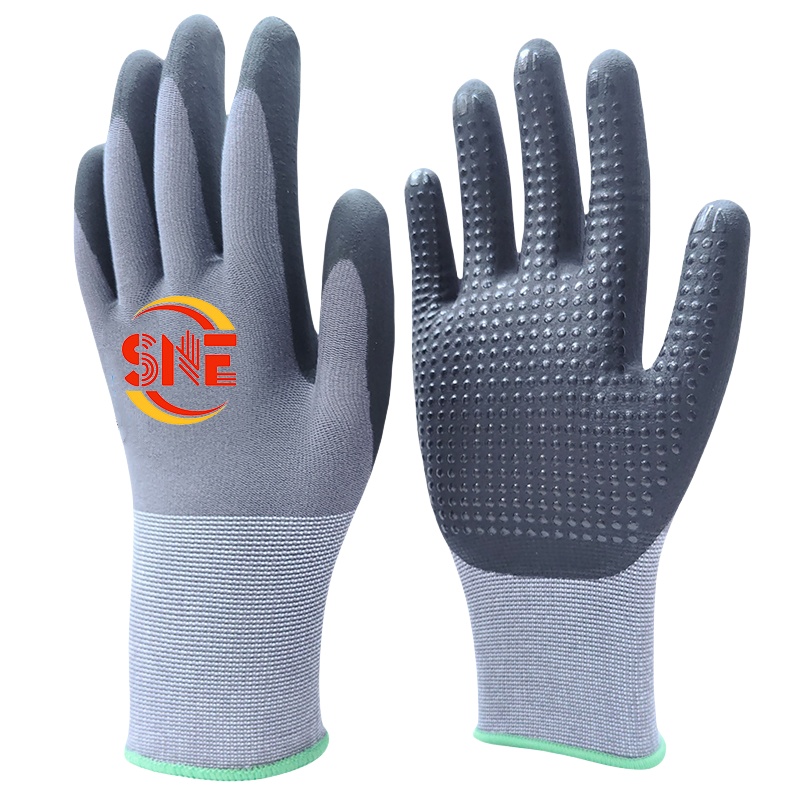
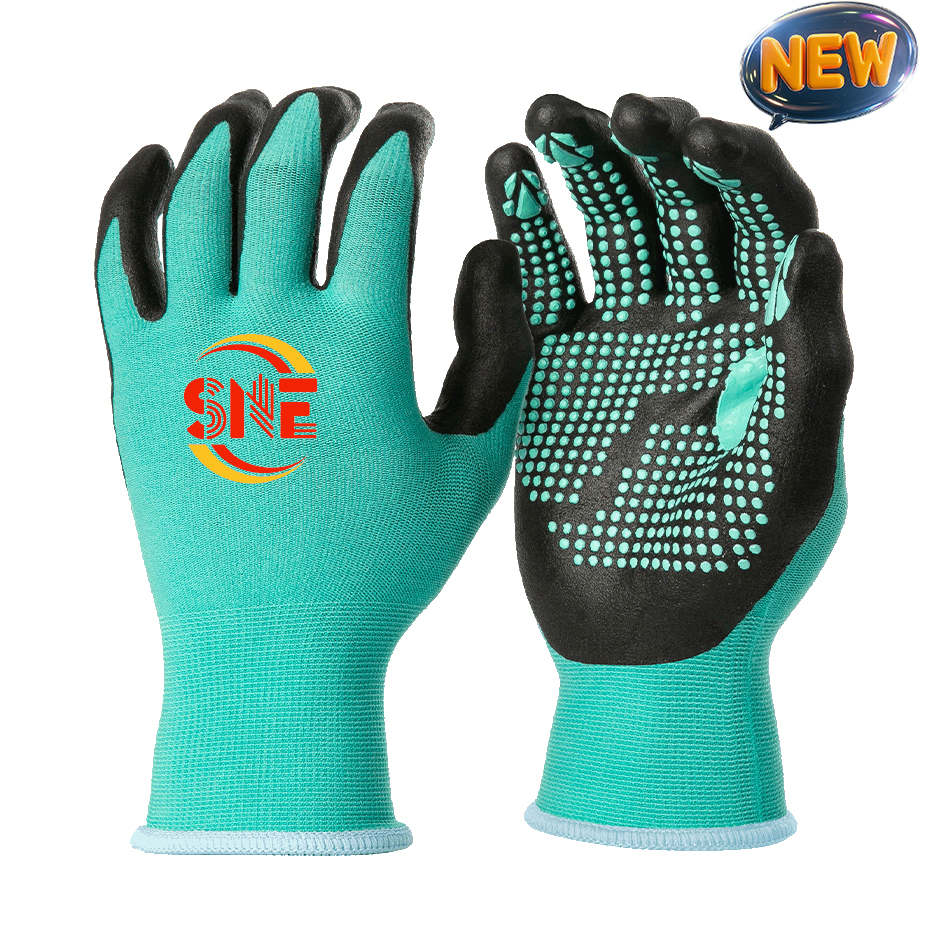
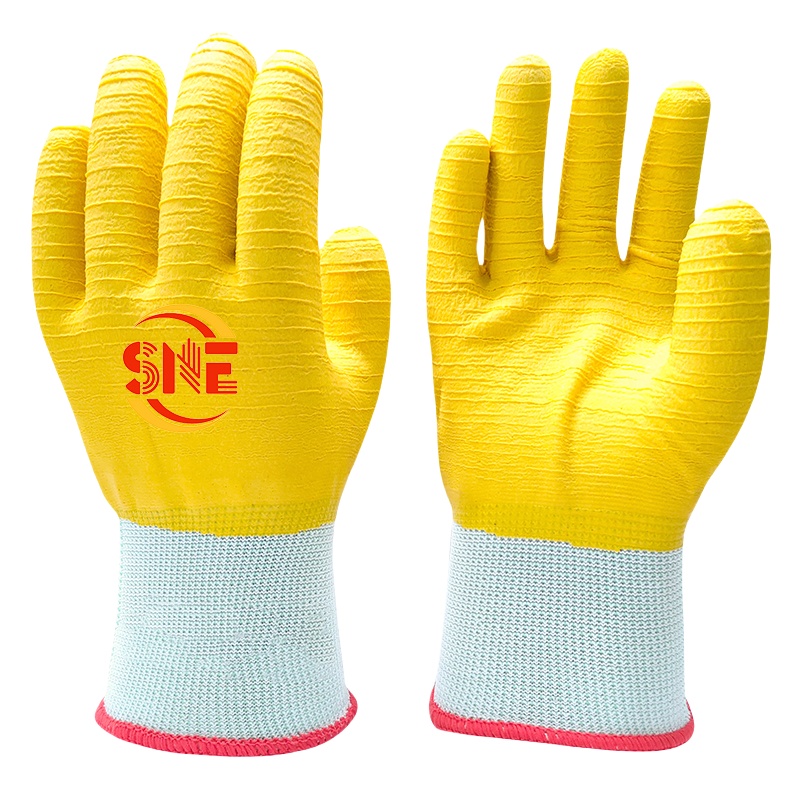
For buyers in the United States who want a factory-direct alternative, Snell Safety offers a practical model built around scalable industrial glove manufacturing and export experience in markets with strict compliance expectations. The company operates two production facilities with six dedicated production lines and daily capacity of 150,000 pairs, supporting steady supply for distributors, wholesalers, brand owners, and large end users. Its product range covers PU, latex, and nitrile coated gloves as well as specialized cut-resistant, impact-resistant, oil-resistant, cold-protection, and industry-specific hand protection, backed by ISO 9001 and CE credentials that help demonstrate disciplined production control and quality consistency for international buyers. In commercial terms, Snell supports OEM, ODM, private label, bulk wholesale, and custom manufacturing, which makes it suitable for regional distributors, dealer networks, brand owners, and procurement teams that need tailored sizing, coatings, branding, and packaging. For U.S. customers seeking responsive support rather than a distant transactional exporter, the company already serves North American demand through multilingual sales coordination, sample programs, technical consultation, export logistics support, and structured pre-sale and after-sale communication designed for long-term account development. Buyers exploring factory-direct cooperation can review the company background at the company introduction page, browse available lines through the product catalog, or request project support through the contact team.
How to Extend the Life of Cut-Resistant Gloves
Extending glove life starts with task matching. Buyers should classify applications by edge severity, friction level, and contamination. Precision work should use lighter gloves only when abrasion is modest. Heavy handling should move to stronger coatings and possibly thicker gauges. Mixed-task environments may require multiple glove types issued by department or station.
Inspection routines also help. Supervisors should train workers to look for palm thinning, fuzzy yarn exposure, seam stress, thumb crotch damage, and reduced grip texture. If gloves are washable, follow supplier instructions carefully. Overheating during drying or using harsh chemicals can shorten service life as much as the job itself. Storage matters too. Gloves left in direct sunlight, truck dashboards, or damp lockers degrade faster than gloves stored in clean, shaded conditions.
Replacement strategy should be based on risk, not guesswork. In high-cut environments, visible wear may already mean reduced protection. Safety managers should define retirement triggers and avoid rewarding overextended glove use just to reduce immediate PPE spending. A cheap glove that fails early or encourages non-compliance is often more expensive over time.
Future Trends for 2026: Technology, Policy, and Sustainability
Looking toward 2026, several developments are likely to shape how cut-resistant gloves are designed and purchased in the United States. First, material engineering will continue to improve. Expect broader use of engineered yarn blends that aim to increase cut resistance without making gloves too stiff or heavy. Coating technology is also evolving, with better textured nitrile and low-foam finishes designed to keep grip while reducing coating loss.
Second, policy and compliance pressure will keep rising. U.S. employers are paying closer attention to documented PPE programs, hazard-specific training, and auditable product selection. This does not necessarily mean new federal mandates every year, but it does mean stronger internal procurement controls, insurer scrutiny, and customer-driven safety requirements, especially in automotive, aerospace, and advanced manufacturing supply chains.
Third, sustainability is becoming a practical sourcing factor rather than a marketing slogan. Buyers increasingly ask whether gloves last longer, can be laundered safely, generate less packaging waste, or come from factories with consistent quality systems. Longer glove life itself is a sustainability advantage because it reduces replacement frequency and transport impact. For importers, suppliers that can combine durability, certification, stable quality, and efficient bulk shipping through major gateways such as Los Angeles, Savannah, Houston, and New York will be especially well positioned.
FAQ
Do cut-resistant gloves lose protection before they look damaged?
Yes. The protective structure can weaken before the glove shows obvious holes. Repeated abrasion, sharp contact, and laundering can reduce performance even when the glove still looks usable at a glance.
Is a higher ANSI cut level always more durable?
No. Higher cut resistance does not automatically mean better abrasion resistance or longer wear life. The coating, yarn blend, glove gauge, and fit all affect durability.
Why do fingertips wear out first?
Fingertips take concentrated stress during gripping, sorting, scanning, and edge control. In warehousing and assembly work, this is often the first failure point because workers rely heavily on finger contact.
Are nitrile-coated gloves better than PU-coated gloves?
It depends on the job. Nitrile usually performs better in oily or abrasive environments, while PU is often preferred for precision handling and tactile tasks. Neither is universally better.
Can washing gloves extend service life?
Sometimes, if washing is done according to the manufacturer’s instructions. Proper laundering can remove oils and debris, but aggressive washing or heat drying can damage fibers and coatings.
How often should a company replace cut-resistant gloves?
Replacement depends on the hazard and wear pattern. High-risk applications may require daily or shift-based checks, while lower-risk applications can use scheduled inspections and documented retirement criteria.
Should U.S. buyers consider overseas manufacturers?
Yes, if the supplier can provide reliable testing data, stable quality control, consistent sizing, responsive support, and certifications relevant to the target market. Factory-direct sourcing can be especially attractive for OEM, wholesale, and private-label programs.
What is the biggest mistake buyers make?
The most common mistake is choosing one glove model for too many tasks. That usually leads to premature wear, worker dissatisfaction, and higher total glove consumption.