2026-08-05
Share This Article

Construction Workers Hand Protection in the United States
Quick Answer

Construction workers need proper hand protection because hands are the most exposed body part on active jobsites, and the right gloves reduce cuts, abrasions, punctures, crush injuries, vibration stress, chemical contact, and weather-related damage. In the United States, the best practical approach is to match gloves to the task rather than buying one style for every crew. For concrete handling, rebar work, demolition, roofing, framing, equipment operation, and utility installation, employers should select gloves based on cut level, grip, impact protection, coating type, dexterity, and compliance with recognized safety standards. Reliable suppliers serving the U.S. market include Grainger, Fastenal, MCR Safety, Magid, Superior Glove, and HexArmor, all of which offer concrete product data, broad distribution, and support for contractor purchasing.
For buyers focused on bulk supply, private labeling, or distributor growth, qualified international manufacturers can also be a smart option. Chinese factories with strong certification records, tested materials, and responsive pre-sale and after-sale support can offer strong cost-performance advantages, especially when they understand U.S. compliance expectations, provide sample programs, and support long-term stocking plans for local contractors and industrial distributors.
Why Hand Protection Matters on U.S. Construction Sites

Construction remains one of the most hand-intensive industries in the United States. Whether crews are working on commercial high-rises in Chicago, bridge upgrades near Houston, logistics hubs in Southern California, or residential framing in Florida, workers constantly handle rough materials, sharp edges, wet surfaces, heavy tools, and vibrating equipment. Hands are used to lift drywall, tie rebar, pull wire, operate compactors, guide masonry units, fasten steel components, and move debris. Because of this constant exposure, even a small glove mismatch can lead to frequent minor injuries that slow the job, increase workers’ compensation costs, and lower crew morale.
Proper construction workers hand protection does more than prevent obvious cuts. It improves grip in oily or wet conditions, reduces fatigue during repetitive handling, protects knuckles during impact events, and supports better control when using powered tools. In practical terms, this means fewer dropped materials, fewer lost-time incidents, and better overall productivity. U.S. contractors are also under pressure to maintain tighter safety performance on public infrastructure projects, private developments, and subcontractor-managed jobs, making glove selection a purchasing decision with direct operational impact.
In many states, large builders and general contractors expect subcontractors to show documented personal protective equipment programs. Gloves are part of that expectation. Site safety managers increasingly review task-specific PPE, not just whether workers are wearing any glove at all. A thin warehouse glove may be acceptable for light material handling, but it is not enough for sheet metal, demolition, or jackhammer support work. That is why serious glove sourcing is now part of project planning, especially in major regional markets such as Dallas-Fort Worth, Atlanta, Phoenix, Los Angeles, New York, and Seattle.
How the U.S. Construction Hand Protection Market Is Evolving

The market for hand protection in the United States is growing because construction activity remains broad-based across transportation, energy, manufacturing facilities, data centers, public works, and housing. Demand is especially strong for coated cut-resistant gloves, impact-resistant gloves, and cold-weather styles for northern states. Contractors increasingly want one supplier that can support standard issue gloves for labor crews, premium gloves for specialty trades, and branded programs for large enterprise accounts.
Another shift is the move from simple leather gloves to engineered hand protection. Modern gloves now combine seamless liners, nitrile or latex palm coatings, touchscreen capability, reinforced thumb crotches, TPR impact guards, and ANSI cut performance categories. Buyers are asking more detailed questions about abrasion life, grip performance on wet block or steel, breathability in hot climates, and all-day wear comfort. This trend is especially visible around large distribution corridors and port-linked building activity, including Long Beach, Savannah, Newark, and Houston, where fast-moving project schedules punish avoidable downtime.
The line chart shows a realistic upward demand trend, reflecting growth in jobsite safety requirements, broader infrastructure spending, and greater acceptance of task-specific gloves. The strongest gains are in premium coated and impact-resistant categories, not only in basic economy gloves.
Common Hazards That Require Better Glove Selection
Hand injuries on construction sites usually happen because workers face multiple hazards at once. A framer may need abrasion resistance, moderate cut protection, and secure dry grip. A concrete finisher may need wet grip and chemical splash tolerance. A utility worker may need dexterity plus impact protection. A demolition worker may need a glove that resists tearing while protecting knuckles from pinch points and debris strike.
The most common injury sources in the United States include sheet metal edges, broken concrete, masonry block, wire rope, splinters, hand tools, repetitive friction, drilling vibration, and exposure to oils, sealants, and adhesives. Winter conditions in states such as Minnesota, Wisconsin, and New York add cold stress and reduced finger mobility, while southern and southwestern states create heat and sweat issues that can reduce grip if gloves are not breathable.
| Hazard | Typical Construction Task | Recommended Glove Feature | Why It Matters |
|---|---|---|---|
| Cuts | Metal stud framing, sheet handling, glass-adjacent work | ANSI cut-resistant liner | Helps reduce lacerations from sharp edges |
| Abrasions | Block laying, concrete handling, hauling debris | Durable palm coating or reinforced palm | Extends glove life and protects skin during rough handling |
| Punctures | Demolition cleanup, scrap removal, rebar ties | Dense outer surface and strong liner construction | Improves resistance to nails, wire ends, and splinters |
| Impact | Heavy material movement, rigging, tool use | TPR back-of-hand protection | Shields knuckles and fingers from crush and strike risks |
| Wet grip loss | Concrete, masonry, rain-exposed site work | Textured nitrile or latex coating | Improves control on slick materials and tools |
| Cold stress | Winter framing, utility work, road construction | Insulated liner with grip coating | Maintains dexterity while protecting from cold conditions |
| Vibration | Jackhammers, compactors, demolition hammers | Anti-vibration palm padding | Reduces fatigue during prolonged powered tool use |
This table shows why one glove cannot serve every activity. Buyers who map tasks to hazards usually reduce waste and improve compliance, because workers are more likely to wear gloves that genuinely fit the work.
Best Product Types for Construction Workers Hand Protection
Construction glove buying in the United States usually falls into six practical categories. Coated general-purpose gloves are the most common because they balance grip, comfort, and price. Cut-resistant gloves are preferred for trades handling metal, glass-adjacent materials, and sharp fasteners. Impact gloves suit oil and gas construction, utility projects, heavy civil, and demolition. Leather gloves remain useful for welding, rough outdoor work, and high-heat contact situations. Cold protection gloves are essential in northern states. Anti-vibration gloves are valuable for certain tool-intensive applications but should be chosen carefully so they do not reduce control.
| Glove Type | Best Use Cases | Main Materials | Key Advantage |
|---|---|---|---|
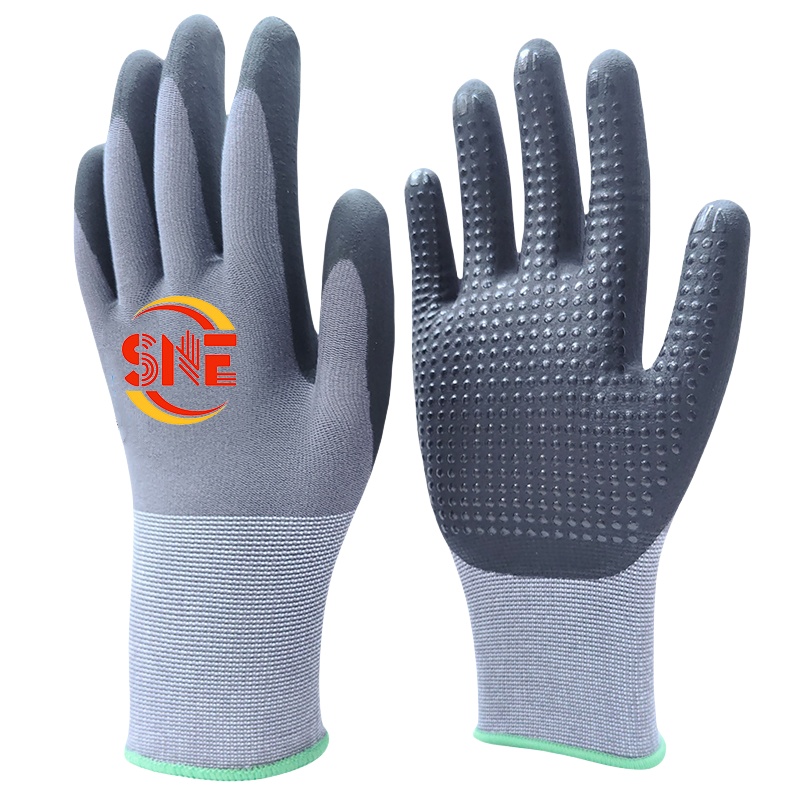
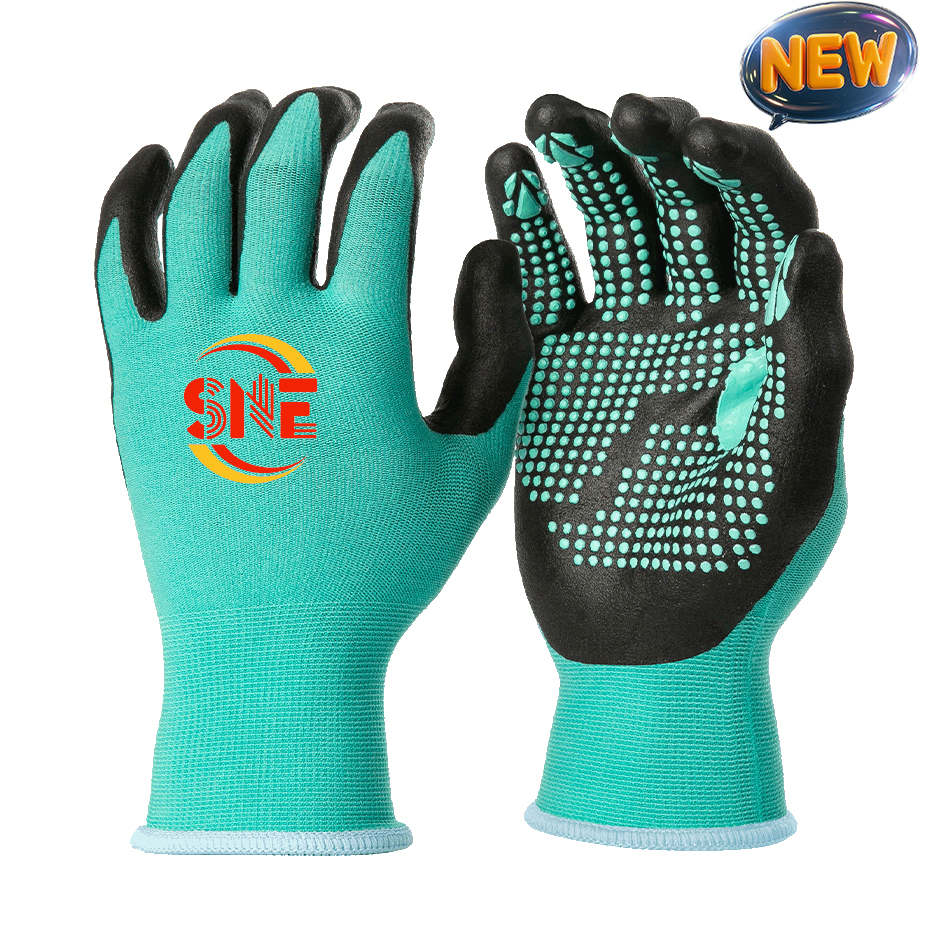
| Nitrile coated gloves | General construction, material handling, wet surfaces | Seamless liner with nitrile palm | Strong grip and good oil resistance |
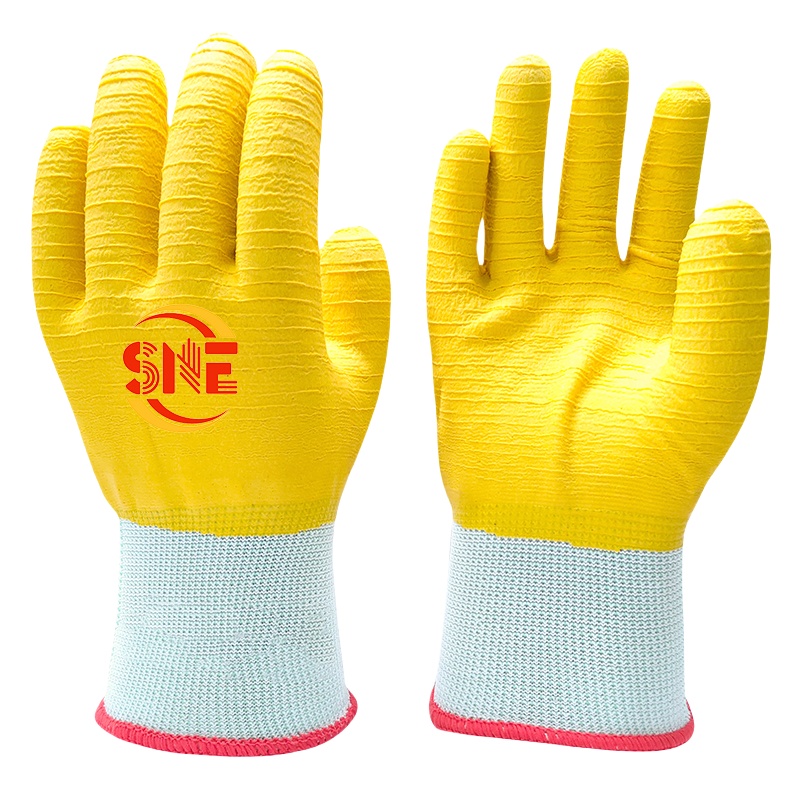
| Latex coated gloves | Masonry, roofing, dry-to-wet outdoor work | Polyester or mixed liner with latex coating | Excellent grip on rough surfaces |
| PU coated gloves | Light assembly, finishing, detail handling | Fine-gauge liner with PU palm | High dexterity and touch sensitivity |
| Cut-resistant gloves | Framing, metal work, HVAC, glazing support | HPPE, glass fiber, steel or engineered yarn blends | Higher cut protection with better durability |
| Impact-resistant gloves | Heavy civil, demolition, utilities, rigging | TPR back plus coated or reinforced palm | Protects against knocks, crushes, and pinch points |
| Leather work gloves | Welding support, rough outdoor jobs, hot surfaces | Cowhide, goatskin, split leather | Traditional durability and heat tolerance |
| Insulated gloves | Winter construction and outdoor maintenance | Thermal liner plus grip coating | Warmth without losing too much grip |
For most U.S. contractors, nitrile-coated cut-resistant gloves cover the widest range of site tasks. They work well for framing, MEP rough-in, logistics movement, and general material handling. Latex-coated styles are often preferred for block, brick, and other rough-surface tasks because of superior grip. Premium impact gloves should be reserved for crews with meaningful strike and pinch exposure, since they are more expensive and can reduce dexterity for fine tasks.
Industry Demand Across U.S. Construction Segments
Not every trade buys gloves in the same way. Residential builders often prioritize affordability and comfort because crews wear gloves all day and replace them frequently. Heavy civil contractors put more emphasis on durability and impact protection. Mechanical, electrical, and plumbing trades often want better dexterity without giving up cut resistance. Roofing and exterior envelope crews value grip and weather adaptability. This variation affects distributor strategy, stocking plans, and supplier positioning.
The bar chart highlights where glove demand tends to be strongest. Heavy civil and industrial buildouts often require more specialized hand protection, while residential volume stays high because of workforce size and frequent replacement cycles.
How to Buy the Right Gloves for U.S. Contractors
The smartest buying process begins with task mapping. Start by listing the top ten activities performed by each crew, then match those tasks to cut, abrasion, impact, wet grip, cold, and dexterity needs. After that, run controlled wear trials with at least two or three glove models per trade. Crew feedback matters because workers quickly reject gloves that are too bulky, hot, slippery, or stiff. The best glove on paper is useless if people keep taking it off.
Buyers should also compare true cost per wear, not carton price alone. A glove that costs slightly more but lasts twice as long may significantly reduce total spend. This is particularly important for large contractors operating across multiple branches or projects in regions such as the Midwest, Gulf Coast, and Northeast corridor. Consistency of supply is also essential. Delayed replenishment can force site managers into buying whatever is available locally, which raises cost and weakens standardization.
Good suppliers provide size curves, test data, sample support, and advice on task matching. They also help buyers plan around seasonality. Northern states often increase insulated glove demand from late fall through early spring, while Gulf and Southwest markets need more breathable options during extended hot-weather work. Contractors working near major logistics hubs like Memphis, Kansas City, and Inland Empire distribution corridors often value next-day fulfillment because project tempo is high.
Supplier Comparison for the United States
The U.S. market includes national industrial distributors, PPE specialists, and international manufacturers with local-facing support. The table below compares notable options relevant to construction workers hand protection. These companies are real market participants with strong visibility among contractors, distributors, and industrial buyers.
| Company | Service Region | Core Strengths | Key Offerings |
|---|---|---|---|
| Grainger | Nationwide United States | Large branch network, fast fulfillment, broad contractor access | General-purpose gloves, cut-resistant gloves, impact gloves, vendor-managed options |
| Fastenal | Nationwide United States with local branches | Strong onsite customer relationships, industrial inventory programs | Construction gloves, vending support, branch stock, PPE procurement integration |
| MCR Safety | United States and North America | Established PPE brand, broad hand protection catalog | Nitrile, latex, leather, cut-resistant, impact-resistant gloves |
| Magid | United States with national distribution reach | Private label support, managed safety programs, custom sourcing | Task-specific work gloves, cut and impact solutions, safety program support |
| Superior Glove | United States and Canada | Technical glove engineering, strong cut-resistant portfolio | Construction gloves, sleeves, specialty cut solutions, cold-weather options |
| HexArmor | United States with global industrial reach | Premium protection, high-performance cut and impact products | Heavy-duty impact gloves, advanced cut protection, premium jobsite PPE |
| Ergodyne | United States | Jobsite-oriented PPE branding, practical trade-focused products | Utility gloves, cold-weather gloves, rigging and site-support hand protection |
| Qingdao Snell Protective Products Co., Ltd. | United States through export and B2B supply partnerships | Factory-direct pricing, scalable manufacturing, OEM/ODM flexibility | Construction gloves, cut-resistant gloves, impact gloves, nitrile, latex, and PU coated lines |
This comparison helps buyers distinguish between fulfillment-driven distributors and manufacturing-driven suppliers. National distributors are ideal for immediate local availability, while factory-direct manufacturers can be more competitive for private label, large-volume procurement, and tailored product specifications.
Trend Shift in Product Preference
Over the past few years, U.S. buying patterns have shifted away from simple cotton and basic split-leather gloves toward engineered coated products. Contractors now want better dexterity, improved fit, stronger grip, and more measurable protection. This is particularly true on projects where labor productivity and safety reporting are tightly tracked by owners and general contractors.
The area chart illustrates the continuing move toward advanced gloves in the U.S. construction market. Buyers are no longer choosing products based only on initial cost. They are increasingly looking for measurable safety and productivity gains over the life of a project.
Applications by Trade and Job Function
Different construction applications require different glove designs. Framing crews often need medium cut resistance with flexible grip. Drywall crews want dexterity and abrasion protection. Masons and concrete workers value rough-surface grip and durable coatings. Utility crews often need all-weather performance and impact protection. Sheet metal, HVAC, and steel-related work typically demand higher cut resistance and secure handling. Landscapers and civil support teams often prefer gloves that can handle mud, water, and repeated contact with abrasive materials.
When buyers standardize gloves by trade category, they usually see better compliance and less misuse. A common mistake is forcing all employees into one low-cost glove model. This causes workers to switch to personal purchases or remove gloves during precision work, increasing risk. Strong programs give each crew a practical glove family rather than a single universal SKU.
| Trade or Application | Primary Hazard | Best Glove Style | Typical U.S. Use Region |
|---|---|---|---|
| Concrete and masonry | Wet grip loss, abrasion, cement contact | Latex or sandy nitrile coated gloves | Texas, Florida, Arizona, Georgia |
| Framing and carpentry | Splinters, abrasions, light cuts | Nitrile coated cut-resistant gloves | Nationwide residential markets |
| HVAC and sheet metal | Sharp edges, precision handling | Higher cut-level gloves with dexterity | Commercial projects in major metros |
| Demolition | Impact, punctures, debris handling | Impact-resistant reinforced gloves | Urban redevelopment zones |
| Utility and line support | Impact, weather, rough handling | Impact and all-weather grip gloves | Midwest, South, Mountain states |
| Roofing and exterior work | Grip loss, abrasion, heat exposure | Coated gloves with breathable liner | Sunbelt and coastal states |
| Winter roadwork | Cold stress, reduced dexterity | Insulated grip gloves | Northeast, Great Lakes, Upper Midwest |
The practical value of this table is simple: it translates glove selection from catalog language into jobsite reality. Contractors can use it to build trade-specific issue lists or bid packages for recurring projects.
Case Studies from Typical U.S. Buying Scenarios
A commercial subcontractor in the Dallas-Fort Worth area moved from a single low-cost glove program to two task-matched options: one nitrile-coated cut-resistant glove for framing and MEP rough-in, and one higher-impact model for material handling and exterior steel support. The result was fewer glove replacements on rough tasks and fewer complaints from crews needing finger control. The purchasing manager also reduced emergency branch buys because the program was easier to forecast.
A Midwest utility contractor operating in Illinois and Indiana tested insulated coated gloves against traditional bulky winter gloves. Crew feedback showed improved tool handling and fewer glove removals during cold weather. The company kept a premium winter glove for severe conditions and a lighter thermal model for shoulder-season work, which improved both comfort and usage rates.
A distributor serving port-linked construction and warehouse buildouts near Savannah found that customers increasingly wanted private label gloves with consistent packaging and reorder speed. Instead of relying only on domestic branded stock, it added a factory-direct sourcing line for selected coated gloves while keeping premium U.S. brands for specialty cut and impact needs. This blended sourcing model improved margin and gave customers more pricing options.
Local Suppliers and Distribution Networks
For many buyers in the United States, local access still matters. Branch service, regional warehouse stock, and quick jobsite delivery can be critical when crews burn through gloves faster than expected. Grainger and Fastenal remain strong options because of nationwide footprints. Specialized PPE distributors can offer deeper technical guidance, especially in regions with concentrated industrial or infrastructure work. In Gulf Coast markets, buyers often want gloves that handle moisture, oils, and heavy wear. In the Northeast, winter inventory planning becomes more important. In California and the Pacific Northwest, dexterity and all-day comfort often get more attention due to high labor costs and productivity pressure.
That said, local does not always mean domestic manufacturing. Many U.S. glove programs are built from globally manufactured products stocked through local distributors. What matters most is whether the supplier can document performance, maintain availability, and support buyer decisions with real product knowledge.
This comparison chart gives a realistic purchasing perspective rather than claiming a single “best” supplier. Some companies lead in local fulfillment, others in technical specialization, and others in private-label or factory-direct economics.
Our Company
Qingdao Snell Protective Products Co., Ltd. serves the U.S. market as a factory-direct hand protection partner with practical strengths that matter to contractors, distributors, brand owners, and procurement teams. The company manufactures construction gloves, cut-resistant gloves, impact-resistant gloves, cold-protection gloves, and coated work gloves using PU, latex, and nitrile technologies in two production facilities with six dedicated lines and daily output of about 150,000 pairs, which supports stable supply for branch networks, bulk contractors, and seasonal replenishment programs. Its ISO 9001 quality management certification and CE-compliant production framework show structured manufacturing and testing discipline, while its long production experience in glove engineering supports consistent liner selection, coating performance, and large-order repeatability expected by serious U.S. buyers. In commercial terms, Snell works through flexible OEM and ODM projects, private label supply, wholesale orders, product customization, and regional distributor cooperation, which makes it suitable for local dealers, importers, established brands, and end users seeking specification-based procurement rather than one-size-fits-all catalog items. For U.S. customers, market commitment is backed by active export experience across major regulated regions, multilingual sales support, technical consultation, sample service, and coordinated pre-sale and after-sale communication that helps buyers compare models, confirm standards, and manage repeat orders with less risk. Buyers exploring glove categories can review the product range, learn more on the company background page, visit the main website, or contact the team directly through the U.S. inquiry channel for samples, customization, and distribution discussions.
Buying Advice for Distributors, Contractors, and Brand Owners
Distributors should segment customers by trade intensity, not only by price level. Residential dealers usually need fast-turn general-purpose gloves and a mid-tier cut-resistant option. Heavy civil and industrial contractors often need premium lines with stronger abrasion life and impact features. Brand owners and importers should focus on supplier consistency, documentation, packaging control, and customization ability. Large contractors should negotiate around wear life, replacement frequency, and seasonal stock plans rather than unit price alone.
When evaluating suppliers, ask for test reports, coating specifications, liner details, carton structure, size breakdown, sample lead times, and reorder terms. Also ask whether the supplier can support mixed programs, such as general construction gloves for everyday use plus premium impact gloves for a limited number of high-risk crews. This prevents overbuying expensive products where they are not needed.
For projects near major ports and inland freight corridors, buyers should also consider logistics predictability. West Coast import timing may differ from East Coast routing, and regional warehousing can greatly affect replenishment speed. Contractors building around Los Angeles, Houston, Charleston, and Newark often care about this because schedule delays can ripple across labor and materials planning.
Industries Beyond Core Construction
Many glove programs for construction companies also support adjacent industries. Maintenance divisions, warehousing teams, equipment yards, prefabrication shops, and logistics support operations frequently use overlapping glove categories. This creates opportunities to consolidate sourcing and simplify training. For example, a contractor with a fabrication shop may use higher cut-resistant gloves indoors and impact-resistant gloves onsite, all sourced from a coordinated PPE program. A landscaping and site-prep division may share nitrile-coated gloves with general labor crews but switch to insulated models in colder months.
This matters for U.S. buyers because many firms are not pure single-trade businesses anymore. Regional contractors often combine site work, utility support, warehousing, prefab, and maintenance. A broader glove portfolio helps them standardize across departments while still matching protection to task risk.
What Will Shape the Market in 2026
By 2026, three trends are likely to reshape construction workers hand protection in the United States. The first is smarter product segmentation. Contractors will continue moving from “one glove for all” purchasing toward crew-specific or trade-specific issue models. The second is policy and compliance pressure. Owners, insurers, and general contractors are likely to demand more documented PPE alignment with task hazards, especially on infrastructure and industrial projects. The third is sustainability. Buyers will increasingly ask about glove longevity, packaging reduction, and manufacturing discipline, not only because of environmental concerns but also because longer-lasting gloves reduce total waste and total cost.
On the technology side, expect more breathable high-cut liners, lighter impact structures, better touchscreen usability, and coatings tuned for specific conditions such as wet concrete, oily tools, or cold-weather grip. Data-driven procurement will also grow. Large employers may tie glove usage and injury data together to identify the most cost-effective models by project type. For manufacturers, this means the winning products will be those that combine measurable protection with wearer acceptance and supply reliability.
FAQ
What is the most important factor when choosing construction gloves?
Task matching is the most important factor. The right glove depends on whether the worker faces cuts, abrasions, impact, wet conditions, cold weather, or a need for fine dexterity.
Are leather gloves still a good choice for U.S. construction jobs?
Yes, but mainly for specific uses such as welding support, rough outdoor work, and some heavy handling tasks. Many contractors now prefer coated engineered gloves for better grip and dexterity.
Do all construction workers need cut-resistant gloves?
Not always. Workers handling metal studs, sheet goods, cable, sharp fasteners, or demolition debris often do. For lower-risk tasks, a durable coated glove may be more practical and comfortable.
What glove coating is best for wet construction work?
Nitrile and latex are both strong options. Latex often performs well on rough wet surfaces such as block and masonry, while nitrile offers versatile grip and better oil resistance.
How often should gloves be replaced on a jobsite?
Replacement depends on wear, contamination, and performance loss. Many contractors replace gloves when grip declines, coating breaks down, seams fail, or the glove no longer fits the hazard level.
Can international suppliers meet U.S. buyer expectations?
Yes, if they provide clear specifications, sample support, quality documentation, stable supply, and responsive after-sale communication. Many U.S. buyers use a combination of domestic distribution and international manufacturing.
Why is hand protection especially important in large U.S. metro projects?
Large metro jobs in places like New York, Houston, Atlanta, and Los Angeles often run on tight schedules with multiple trades working at once. Preventing minor hand injuries helps maintain labor efficiency and site safety compliance.
What should distributors look for in a factory partner?
They should look for production capacity, quality systems, customization ability, packaging control, reliable communication, and export experience to regulated markets, especially for private label or high-volume programs.
Final Takeaway
Proper hand protection is essential because construction workers use their hands in nearly every task, and the wrong glove leads directly to injuries, downtime, and unnecessary replacement cost. In the United States, the best strategy is to source gloves by hazard and trade, compare local distributors with factory-direct options, and build a program that balances protection, comfort, supply reliability, and total cost per wear. Buyers that treat glove selection as a performance decision rather than a commodity purchase usually achieve better safety results and stronger long-term value.