2026-10-20
Share This Article
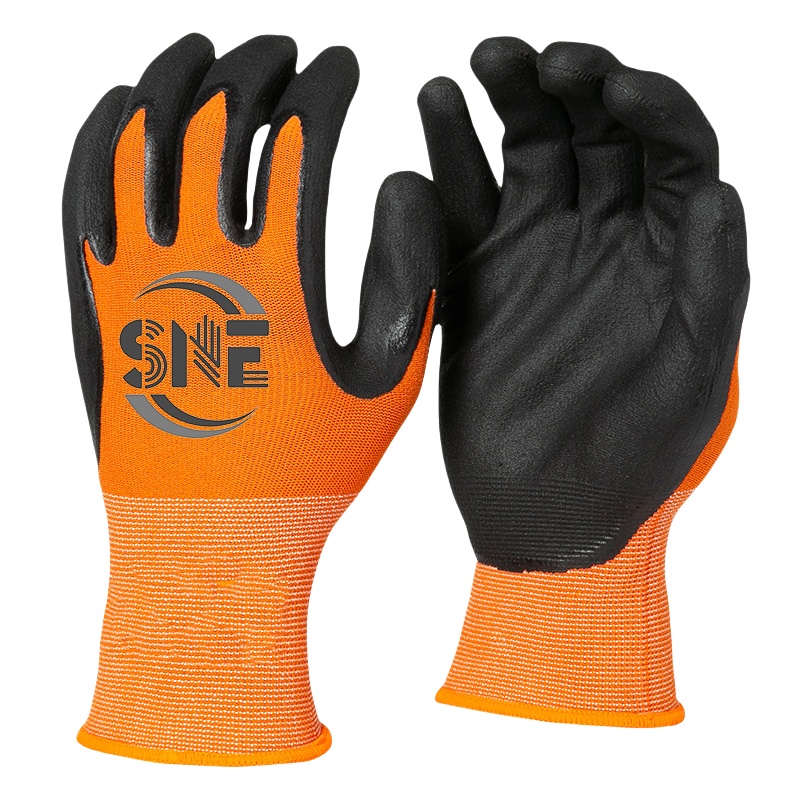
Touchscreen Construction Gloves in the United States
Quick Answer

If you need touchscreen construction gloves in the United States, the most practical options are established industrial PPE suppliers with strong contractor distribution networks and reliable stock coverage across major jobsite markets such as Texas, California, Illinois, Georgia, and New York. For most buyers, the best-known names to review first are HexArmor, Mechanix Wear, MCR Safety, Ergodyne, Youngstown Glove Company, and Milwaukee Tool. These brands are widely recognized for combining touchscreen usability with jobsite durability, grip, abrasion resistance, and cold- or impact-ready variants suitable for construction crews, utility contractors, warehouse teams, and field service technicians.
For buyers who want a fast shortlist, HexArmor is strong for advanced protection programs, Mechanix Wear is a reliable all-around choice for mixed trade crews, MCR Safety is practical for broad distributor access, Ergodyne fits safety-led procurement teams, Youngstown Glove Company stands out in utility and heavy-duty workwear niches, and Milwaukee Tool is convenient for buyers already sourcing tools and PPE together. Qualified international manufacturers can also be worth considering, especially when they hold relevant certifications, support OEM or private-label projects, and provide strong pre-sales and after-sales service; for many United States importers and distributors, Chinese factory-direct suppliers offer a compelling cost-performance advantage for bulk orders.
United States Market Overview

The United States market for touchscreen construction gloves has expanded as construction crews increasingly rely on smartphones, tablets, digital plan rooms, handheld scanners, punch-list apps, fleet systems, and equipment diagnostics in the field. On modern jobsites in Houston, Dallas, Los Angeles, Chicago, Atlanta, Miami, Phoenix, Seattle, and the New York metro area, workers are expected to document progress, review safety forms, receive logistics updates, and communicate with supervisors without constantly removing gloves. That operational change has made screen-compatible work gloves more than a convenience item; for many contractors, they are now part of productivity planning.
Demand is strongest where work combines outdoor conditions, repetitive handling, and frequent device interaction. General contractors, electrical subcontractors, HVAC installers, steel workers, roofers, logistics crews, warehouse operators, municipal maintenance teams, telecom contractors, and utility field technicians all benefit from gloves that maintain touch response while still delivering mechanical protection. Buyers in the United States also tend to evaluate gloves through a compliance and durability lens. They look closely at ANSI cut levels, abrasion performance, grip in dry or oily conditions, dexterity, washability, size consistency, and distribution reliability.
The market is also shaped by the country’s logistics structure. PPE buyers near Port of Los Angeles, Port of Long Beach, Port of Savannah, Port of Houston, Port Newark, and inland distribution centers around Memphis, Chicago, and Dallas can balance domestic inventory with import programs. Large national distributors often prefer brands with predictable replenishment and SKU discipline, while regional wholesalers and private-label companies may prioritize factory-direct sourcing for better margins.
The chart above shows a realistic growth path for touchscreen-capable work glove demand in the United States. The rise is tied to digital jobsite workflows, broader PPE adoption, and the need to reduce glove removal during repetitive tasks. Procurement managers should expect continued growth into 2026, especially in sectors that blend documentation, equipment handling, and mobile device use.
Top Suppliers Serving the United States

| Company | Headquarters | Service Region | Core Strengths | Key Offerings | Best Fit Buyers |
|---|---|---|---|---|---|
| HexArmor | Grand Rapids, Michigan, USA | Nationwide United States | High-protection engineering, premium safety positioning, cut and impact expertise | Touchscreen gloves, impact gloves, cut-resistant construction gloves | Large contractors, industrial safety programs, utilities |
| Mechanix Wear | Valencia, California, USA | Nationwide United States | Broad product line, strong brand recognition, balanced dexterity and durability | FastFit, specialty work gloves, touchscreen-capable general construction gloves | Mixed trade crews, fleet operators, general builders |
| MCR Safety | Collierville, Tennessee, USA | Nationwide with distributor reach | Strong industrial distribution presence, broad SKU depth, value tiers | Construction gloves, coated gloves, touchscreen-compatible work styles | Distributors, wholesalers, regional PPE dealers |
| Ergodyne | St. Paul, Minnesota, USA | Nationwide United States | Safety-focused brand, jobsite utility, cold-weather and high-visibility options | ProFlex gloves, thermal touchscreen gloves, grip-focused work gloves | Safety managers, municipal buyers, outdoor crews |
| Youngstown Glove Company | Akron, Ohio, USA | United States and utility channels | Heavy-duty performance, utility specialization, winter and reinforced models | Touchscreen utility gloves, insulated gloves, rugged field-service gloves | Utilities, telecom, maintenance, line crews |
| Milwaukee Tool | Brookfield, Wisconsin, USA | Nationwide through retail and industrial channels | Convenient bundled sourcing with tools, high retail visibility, contractor access | Work gloves, dipped gloves, touchscreen-ready jobsite styles | Tool dealers, contractors, maintenance teams |
| Qingdao Snell Protective Products Co., Ltd. | China with export service for the U.S. market | United States importers, distributors, brand owners, bulk buyers | Factory-direct scale, OEM/ODM flexibility, diverse coating technologies | Screen touchable gloves, construction gloves, cut-resistant and impact styles | Private-label brands, importers, wholesalers, regional distributors |
This supplier table is useful because touchscreen construction gloves are not purchased on touchscreen capability alone. United States buyers usually need a match between protection level, replenishment speed, channel support, and price structure. Domestic brands often win on convenience and local availability, while factory-direct overseas manufacturers can be stronger for margin-sensitive programs, large-volume tenders, and custom branding.
Product Types That Matter Most
Not every touchscreen construction glove performs the same way on a jobsite. Some are designed for lighter handling and frequent device interaction, while others prioritize impact resistance, weather protection, cut resistance, or long wear life. In procurement terms, the best product is the one that fits the actual task sequence of the crew.
| Product Type | Typical Materials | Main Benefit | Common U.S. Users | Potential Trade-Off | Recommended Use Case |
|---|---|---|---|---|---|
| PU-coated touchscreen gloves | Polyester or HPPE liner with PU palm | Good dexterity and light touch response | Warehouse, light construction, assembly | Less rugged in very abrasive tasks | Tablet use, scanning, inspection work |
| Nitrile-coated touchscreen gloves | Nylon or blended liner with nitrile coating | Strong grip and better wear resistance | General contractors, mechanical crews | Slightly less tactile feel than lighter PU options | Mixed indoor-outdoor site work |
| Latex-coated touchscreen gloves | Knit liner with latex palm | Excellent grip on rough materials | Masonry, framing, landscaping | Can be less suitable for some chemical exposure needs | Brick, lumber, rough handling |
| Cut-resistant touchscreen gloves | HPPE, glass fiber blends, nitrile or PU coating | Balances touch use with blade or edge protection | Metal, glass, HVAC, fabrication support | Higher cost than standard general-purpose gloves | Sheet metal, ducting, panel work |
| Impact-resistant touchscreen gloves | TPR back, coated palm, reinforced fingers | Hand-back protection for heavy tasks | Oil and gas, utilities, heavy construction | Bulkier than standard gloves | Equipment handling, rigging, field maintenance |
| Insulated touchscreen gloves | Thermal liner, weather-resistant shell | Cold protection with device compatibility | Winter contractors, transport, utility crews | Reduced dexterity in very thick versions | Cold-weather outdoor work |
The table shows why buyers should define task conditions before requesting samples. A foreman in Chicago winter conditions has very different needs from a site supervisor in Phoenix who mostly uses a tablet and inspects material deliveries. Matching glove type to environment reduces returns, crew complaints, and premature wear.
How Industry Demand Differs
This demand comparison reflects real purchasing logic in the United States. General construction leads because workers repeatedly switch between tools, materials, and mobile apps. Utilities and telecom also show strong demand because field technicians document work, access digital maps, and communicate with dispatch while keeping gloves on.
Buying Advice for U.S. Procurement Teams
When sourcing touchscreen construction gloves in the United States, start with the real performance criteria, not the marketing label. Many products claim screen compatibility, but the user experience can vary depending on moisture, screen protectors, glove fit, coating thickness, and fingertip conductivity design. The best procurement process usually begins with a wear trial across two or three trades.
Buyers should also define whether they want branded domestic inventory or a custom import program. Domestic inventory is typically easier for quick replenishment and urgent project demand. Import programs, especially through OEM or private-label arrangements, can support better landed costs and more customized features such as logo printing, cuff colors, liner weights, packaging, and carton configuration. This is particularly relevant for distributors operating near major freight gateways such as Long Beach, Savannah, Houston, and Newark.
| Buying Factor | Why It Matters | Questions to Ask | Warning Sign | Best Practice | Impact on Cost |
|---|---|---|---|---|---|
| Touchscreen accuracy | Workers need reliable phone and tablet use | Does it work on common field devices with screen protectors? | Only works intermittently or with excessive pressure | Test on iPhone, Android, scanner, and tablet | Moderate |
| Durability | Frequent replacement raises operating cost | What are abrasion and wear expectations? | Low-cost glove fails after short field use | Run wear trials by trade type | High |
| Grip | Material handling safety depends on grip quality | Is the glove optimized for dry, wet, or oily conditions? | Generic grip claims without task fit | Match coating to the site environment | Moderate |
| Protection level | Construction tasks vary widely in risk | Do crews need cut, impact, or cold protection? | Single glove offered for all trades | Segment by application, not by one-size-fits-all | High |
| Supply stability | Project interruptions hurt site efficiency | Can the supplier support recurring volume and seasonal peaks? | Frequent stockouts or vague lead times | Ask for lead time, capacity, and backup SKUs | High |
| Private label flexibility | Useful for distributors and brand owners | Are OEM packaging, logos, and size sets available? | No customization or inconsistent MOQ terms | Clarify MOQ, sample cycle, and carton specs early | Variable |
This buying framework helps avoid a common problem in the U.S. market: selecting a glove based only on unit price. A glove that saves a few cents but wears out early, fails in cold weather, or frustrates workers using field devices can raise total cost substantially through replacements, downtime, and lower compliance.
Industries and Applications
Touchscreen construction gloves are now used across a broader set of industries than the name suggests. In the United States, they are relevant anywhere workers combine hand protection with digital device interaction. General construction remains the largest segment, but the application base has expanded into logistics, maintenance, manufacturing support, utilities, and telecom.
In commercial and residential construction, site supervisors use them while reviewing digital blueprints and inspection checklists. Framing and concrete crews use touchscreen gloves to answer calls or check delivery updates without exposing hands. HVAC and electrical teams benefit when accessing schematics on tablets while moving between task points. Utility crews use them for meter systems, routing apps, and field reporting. Warehouse and logistics workers use touchscreen gloves with scanners, forklifts, and dock-side handheld devices. Maintenance teams in hospitals, campuses, airports, and municipal agencies use them for work order systems and asset tracking apps.
Trend Shift in Product Preferences
The area chart illustrates a clear shift in the United States market from basic touchscreen gloves toward multi-function products that combine grip, cut resistance, impact protection, or weather performance. This trend matters because procurement decisions are increasingly tied to total value rather than a single headline feature.
Case Studies from the U.S. Market
A Texas-based utility subcontractor managing meter installation and maintenance found that its crews lost time by removing gloves to use dispatch systems and customer sign-off apps. After switching to touchscreen-compatible reinforced gloves, the company reduced interruptions and improved winter field compliance during cooler morning shifts. The key lesson was that touchscreen functionality only worked when paired with enough durability for ladder work and repeated tool handling.
A Midwest warehouse and building materials distributor serving Chicago, Indianapolis, and St. Louis tested lightweight touchscreen gloves for picker and scanner teams. The first low-cost option had acceptable screen response but poor wear life. A second nitrile-coated option lasted longer and improved grip around shrink wrap, cartons, and pallet materials. The company accepted a slightly higher unit price because replacement frequency dropped and user acceptance improved.
A California general contractor operating around Los Angeles and Inland Empire project sites adopted two touchscreen glove categories instead of one: a lighter glove for supervisors and layout crews using tablets frequently, and a tougher glove for labor-intensive trades. This dual-SKU approach improved worker satisfaction and reduced the mismatch between field role and glove performance.
Local Suppliers and Regional Buying Patterns
United States buyers rarely source PPE the same way in every region. In the Northeast, fast replenishment and union-friendly product consistency can matter more. In the Southeast, price sensitivity may be higher for broad contractor fleets. In Texas and Gulf Coast markets, oil and gas adjacent work can increase demand for tougher gloves. In the Midwest, cold-weather performance is more important. On the West Coast, import access through Los Angeles and Long Beach can make private-label programs especially attractive for regional distributors.
| Region | Typical Buyer Type | Priority Features | Main Supply Channel | Frequent Applications | Regional Note |
|---|---|---|---|---|---|
| California | Contractors, dealers, importers | Dexterity, touchscreen response, fast replenishment | Distributor plus import programs | Commercial construction, logistics, maintenance | Port access supports custom sourcing |
| Texas | Industrial contractors, utilities | Durability, grip, impact protection | Industrial distributors | Construction, field service, energy support | High demand for rugged multipurpose gloves |
| Midwest | Warehouses, manufacturers, municipal buyers | Cold protection, abrasion resistance | National supply networks | Storage, transport, maintenance | Winter usability strongly influences trials |
| Southeast | Regional wholesalers, builders | Value pricing, broad size range | Distributor and dealer channels | Residential and mixed commercial work | Large-volume recurring purchases are common |
| Northeast | Institutional contractors, facilities teams | Compliance, consistency, service support | Established industrial suppliers | Urban projects, campus maintenance | Reliable restocking matters in dense metros |
| Mountain and Northwest | Utilities, outdoor crews | Weather resistance, grip, touchscreen in cold conditions | Specialty safety channels | Utility work, telecom, infrastructure | Seasonal climate drives insulated glove demand |
This regional view explains why the same touchscreen glove can succeed in one U.S. territory and underperform in another. Product selection should reflect climate, trade mix, and the local route to market, whether that is retail, industrial distribution, dealer supply, or direct import.
Supplier Comparison by Buyer Priorities
This comparison helps buyers decide between established domestic sourcing and import-led programs. Domestic suppliers usually offer faster access and easier replenishment. Factory-direct import programs are often stronger for customization, private label execution, and landed cost efficiency when volumes justify container planning or recurring replenishment schedules.
Our Company in the United States Market
For U.S. buyers evaluating factory-direct supply, Snell Safety is positioned as a practical partner for touchscreen construction gloves because its manufacturing base combines ISO 9001 quality management and CE-marked production with specialized capability in PU, latex, and nitrile coating technologies, plus cut-resistant and impact-resistant engineering that aligns with international PPE expectations. The company operates two manufacturing facilities with 6 production lines, more than 150 skilled employees, and daily output capacity of 150,000 pairs, giving distributors, dealers, brand owners, procurement teams, and even smaller specialty buyers a scalable source for wholesale, OEM, ODM, private-label, and custom packaging programs. Through its product range of screen touchable gloves, construction gloves, and related industrial hand protection, it supports U.S. market needs across jobsite, warehouse, maintenance, and field-service channels with sample development, technical consultation, and export logistics coordination. Buyers can review its product categories through the product catalog, learn more about manufacturing background on the company page, and arrange project discussions through the U.S.-focused contact channel. With an established export footprint across Europe, Australia, the Middle East, Russia, Southeast Asia, and South America, the company brings market-tested production discipline and ongoing pre-sale and after-sale support that helps U.S. importers manage specification alignment, bulk delivery planning, and long-term supply continuity rather than treating the market as a one-off remote export destination.
How to Select the Right Specification
Specification selection should begin with three questions. First, how often will workers use a smartphone, tablet, or scanner while wearing gloves? Second, what is the primary hazard: abrasion, sharp edges, impact, weather, or a combination? Third, is the purchase for direct consumption, resale, or private label?
If the glove is primarily for supervisors, inspectors, delivery coordinators, or warehouse teams, lighter PU or nitrile-coated touchscreen styles may be enough. If crews work around metal studs, ductwork, sheet goods, cable, or sharp packaging, a cut-resistant touchscreen glove makes more sense. For rigging, equipment movement, utility field work, and rough outdoor conditions, impact-resistant touchscreen designs are typically more appropriate. In northern states, thermal lining or weather resistance becomes a major factor by late fall and winter.
Fit also matters. Poor fit weakens both touchscreen response and user acceptance. United States buyers should request size runs that reflect their actual labor force and confirm fingertip performance across multiple hand sizes. Many procurement issues blamed on “bad touchscreen gloves” are actually caused by inconsistent fit or buying a heavy-duty glove for a precision task.
Pricing Logic in the United States
U.S. pricing for touchscreen construction gloves depends on brand position, protection level, channel markups, packaging style, and order volume. Retail and small-lot distributor pricing is usually highest. Regional dealer programs reduce per-pair cost somewhat. Private-label import programs can create a better cost base, especially when buyers standardize size curves, packaging, and recurring order volumes. The gap is often largest in mid-tier general construction gloves and moderate-protection touchscreen products where customization is straightforward.
However, buyers should calculate total landed value, not unit cost only. Freight timing, port choice, customs handling, inland trucking, safety stock, return risk, and trial approval all affect the final economics. Import programs work best when the buyer has predictable replenishment needs and clear product specifications. For project-driven or urgent demand, domestic stock may still be the better choice even at a higher unit price.
2026 Trends to Watch
By 2026, touchscreen construction gloves in the United States are likely to evolve in three important directions: technology integration, policy alignment, and sustainability pressure. On the technology side, buyers will favor gloves that maintain screen accuracy on a wider range of devices, including rugged tablets, handheld scanners, and smart equipment interfaces. Expect better fingertip conductivity durability, improved breathable liners, and more hybrid designs that combine cut resistance with mobile usability.
On the policy side, procurement will remain tied to documented PPE performance, safety training, and traceable sourcing. Large contractors and institutional buyers will likely place greater emphasis on standardized quality systems, supplier audits, and consistency in product labeling and testing. This favors suppliers with clear manufacturing controls and repeatable production quality.
On sustainability, distributors and brand owners will face stronger pressure from end customers to reduce waste, improve packaging efficiency, and explore more durable gloves with lower replacement frequency. Some buyers will ask about responsible manufacturing practices, carton optimization, and material choices. In practical terms, durability and supply chain transparency will increasingly become part of the sustainability conversation in the U.S. PPE market.
FAQ
What are touchscreen construction gloves?
They are work gloves designed to let users operate smartphones, tablets, scanners, or touch-enabled equipment without removing hand protection. In construction use, they must also provide grip, abrasion resistance, and task-appropriate protection.
Are touchscreen gloves durable enough for heavy construction?
Some are, but not all. Heavy construction buyers should look for nitrile-coated, reinforced, cut-resistant, or impact-resistant designs rather than lightweight touchscreen gloves intended for light-duty handling.
Which U.S. industries use them most?
General construction, utilities, logistics, warehousing, telecom, HVAC, municipal maintenance, and field service are among the strongest users in the United States.
Should I buy from a domestic brand or import directly?
Domestic brands are often better for fast replenishment and smaller orders. Direct import is usually stronger for private label, custom specifications, and bulk cost efficiency when volumes are stable.
What coating is best for touchscreen construction gloves?
It depends on the task. PU works well for dexterity, nitrile is strong for general durability and grip, and latex is often chosen for aggressive grip on rough materials. The right answer depends on the work environment.
Do touchscreen gloves work with all devices?
Performance varies by glove design, fit, moisture conditions, and the device itself. Buyers should test on the actual phones, tablets, and scanners used by crews before approving large orders.
Can private-label buyers customize touchscreen gloves?
Yes. Many factory-direct suppliers support OEM and ODM programs with custom colors, logo printing, packaging, cuff styles, and performance specifications, subject to MOQ and sample approval.
What should distributors ask suppliers before buying?
Ask about coating type, touchscreen consistency, abrasion performance, available sizes, carton configuration, MOQ, lead time, quality control system, and whether sample trials can be arranged for specific U.S. applications.
Final Takeaway
For the United States market, the best touchscreen construction gloves are the ones that balance reliable device usability with the real protection demands of the job. Domestic brands such as HexArmor, Mechanix Wear, MCR Safety, Ergodyne, Youngstown Glove Company, and Milwaukee Tool remain strong starting points for local sourcing. At the same time, factory-direct manufacturers with verified production systems, scalable capacity, and flexible OEM support can be highly competitive for importers, distributors, and private-label programs. Buyers who define the task, test field performance, and align sourcing with their channel strategy will make better long-term decisions than those who purchase on unit price alone.