2026-10-17
Share This Article
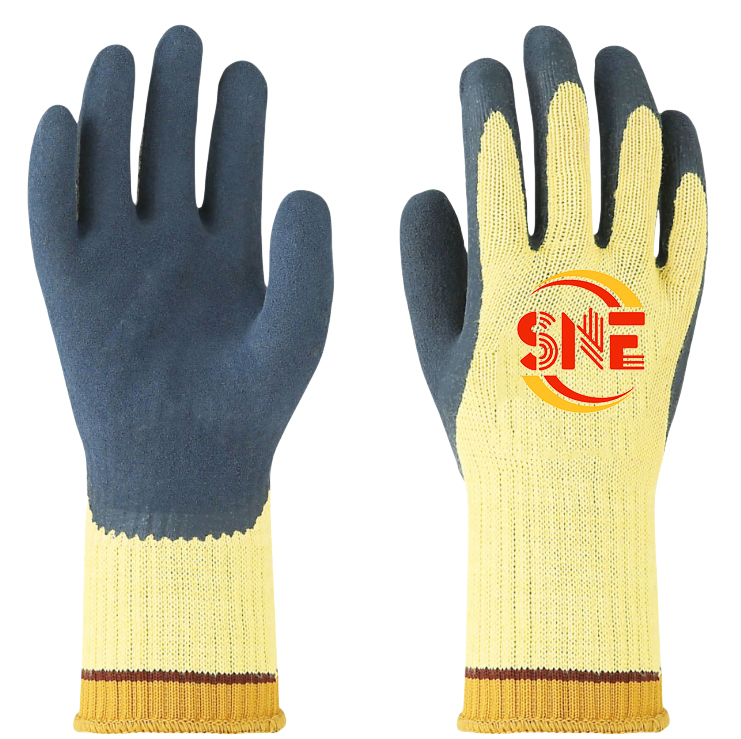
Oven Mitts vs Heat Resistant Gloves in the United States
Quick Answer

If your main task is removing baking trays, casserole dishes, and Dutch ovens from a home oven, oven mitts are usually the better choice because they offer broad palm-and-forearm heat coverage and are easy to slip on quickly. If your work requires grip, dexterity, and repeated handling of hot tools, metal parts, grills, sheet pans, or industrial components, heat resistant gloves are usually the better choice because they allow finger movement and more secure control.
In the United States, most buyers should choose oven mitts for household baking and light foodservice use, while heat resistant gloves are the smarter option for barbecue operations, commercial kitchens, welding-adjacent hot handling, glass work, metal fabrication support tasks, and warehouse or maintenance environments where workers need both heat protection and hand mobility. Buyers comparing oven mitts vs heat resistant gloves should also consider qualified international suppliers with U.S.-relevant certifications, consistent quality systems, and responsive pre-sales and after-sales support, since factory-direct sourcing can offer strong cost-performance advantages for bulk purchasing.
- Choose oven mitts for quick oven-to-counter moves, cookware handling, and home kitchens.
- Choose heat resistant gloves for better grip, precision, and repeated hot-object handling.
- Do not rely on either product beyond its tested temperature, contact time, and application limit.
- For commercial or industrial procurement, ask for test data, material details, and sizing samples before ordering.
- In the U.S., buyers in Houston, Chicago, Los Angeles, Atlanta, and New Jersey often prioritize certified supply, short replenishment cycles, and dependable logistics through major port and warehouse networks.
Understanding the U.S. Market

The United States market for thermal hand protection is broader than many buyers first assume. It includes consumer oven mitts sold through retail channels, professional kitchen gloves for restaurants and bakeries, barbecue gloves for outdoor cooking, and industrial heat resistant gloves used in manufacturing, metal fabrication, maintenance, automotive plants, energy facilities, and logistics operations. Because of this range, the debate around oven mitts vs heat resistant gloves is not simply about comfort. It is about task design, contact temperature, exposure time, compliance expectations, replacement frequency, and total procurement cost.
In major U.S. trade centers such as Los Angeles, Long Beach, Savannah, Houston, Newark, and Chicago, bulk buyers often source thermal hand protection through importers, industrial distributors, restaurant suppliers, and direct factory partnerships. Domestic availability remains strong, but international supply continues to influence pricing and product variety, especially for private-label and OEM programs. This is important for distributors and brand owners that want differentiated sizing, color coding, coatings, cuff length, packaging, and logo customization.
U.S. buyers also tend to separate thermal protection into two practical categories. The first is kitchen-oriented protection, where cotton, silicone, aramid blends, and layered insulation dominate. The second is industrial heat protection, where Kevlar blends, aluminized surfaces, leather, terry knit, nitrile reinforcement, and cut-resistant liners are more common. In other words, the right answer depends less on which product sounds stronger and more on which product is engineered for the exact workflow.
U.S. Market Growth and Purchasing Momentum

The chart below illustrates a realistic market growth trend for thermal hand protection demand in the United States, combining household, foodservice, and industrial segments. Growth is supported by stricter workplace safety expectations, the continued expansion of foodservice operations, private-label sourcing opportunities, and broader awareness of task-specific PPE.
This line chart suggests that procurement demand is rising steadily rather than suddenly. That matters because steady growth usually rewards suppliers that can provide consistent replenishment, documented quality systems, and predictable lead times instead of one-off bargain pricing.
How Oven Mitts and Heat Resistant Gloves Differ
Oven mitts are usually designed as pocket-style hand coverings with insulation layers and a larger heat barrier over the hand and wrist. They are excellent for broad contact with bakeware and cookware. However, they reduce finger articulation and can make it harder to grip narrow handles or unstable loads. Heat resistant gloves, by contrast, separate the fingers and improve dexterity. Depending on the design, they may also include textured grip surfaces, cut resistance, abrasion resistance, and better suitability for repetitive handling tasks.
When people search oven mitts vs heat resistant gloves, they often focus only on heat rating. That is a mistake. Heat protection depends on more than a single number printed on packaging. Real-world safety depends on contact duration, whether the heat is dry or radiant, whether oil or steam is present, whether the object has sharp edges, and whether the glove remains dry and intact. A silicone-coated mitt may perform very differently from an aramid knit glove with a cotton liner, even if both are promoted as heat resistant.
Core Product Types in the United States
The U.S. market includes several distinct product categories, each with different strengths. The table below compares common options used by American households, restaurants, and industrial buyers.
| Product Type | Typical Materials | Best Use | Strengths | Limitations | Common U.S. Buyers |
|---|---|---|---|---|---|
| Traditional oven mitts | Cotton, quilted lining, polyester insulation | Home baking and light cooking | Easy on and off, broad coverage, familiar design | Lower dexterity, variable grip | Households, gift retailers, kitchen stores |
| Silicone oven mitts | Silicone exterior with fabric lining | Wet or slippery cookware handling | Good grip, water resistance, easy cleaning | Can feel bulky, less breathable | Home cooks, caterers, restaurant kitchens |
| Aramid heat resistant gloves | Aramid fiber blends, cotton inner layer | Grilling, smoking, bakery tasks | Dexterity, grip, multi-use protection | Not ideal for prolonged extreme exposure | BBQ brands, bakeries, foodservice buyers |
| Leather heat gloves | Split leather, insulated lining | Fireplace, welding-adjacent, heavy-duty hot handling | Durable, rugged, abrasion resistance | Bulkier, less food-friendly | Maintenance teams, workshops, ranch supply |
| Aluminized heat gloves | Aluminized outer layer with thermal liner | Radiant heat and industrial furnace areas | Reflects radiant heat, industrial grade | Specialized use, higher cost | Metal plants, foundries, glass operations |
| Cut-and-heat resistant gloves | Engineered yarns with heat-resistant coating | Metal handling and fabrication support | Combined thermal and cut protection | Requires correct spec matching | Manufacturing, logistics, fabrication shops |
This comparison shows why one product cannot replace all others. Oven mitts remain practical for broad kitchen use, but gloves become more valuable as tasks require precision, secure grip, and frequent movement.
Where Demand Is Highest by Industry
Demand in the United States varies sharply by sector. Restaurants and bakeries value repeat handling performance and washability. Barbecue and outdoor cooking brands emphasize grip and marketing appeal. Manufacturing buyers often require a combination of heat, cut, and abrasion resistance. Warehousing and maintenance teams usually want versatile gloves that can serve multiple short-duration tasks.
The bar chart highlights that industrial and commercial demand often exceeds consumer demand in purchasing consistency and order volume, even when household visibility appears higher in retail channels.
Buying Factors That Matter Most
For U.S. buyers, the right procurement decision should combine product safety, usability, and supply reliability. Too many purchasing teams compare only price and claimed temperature resistance. In reality, a better decision model includes contact time, grip pattern, cuff length, seam quality, washing performance, flexibility, and replacement cycle.
| Buying Factor | Why It Matters | Better for Oven Mitts | Better for Heat Resistant Gloves | Questions to Ask Suppliers | Procurement Impact |
|---|---|---|---|---|---|
| Dexterity | Controls grip and handling precision | Limited | Strong | Can users handle small tools or narrow handles safely? | Reduces drops and handling errors |
| Coverage | Protects wrist and lower forearm | Usually strong | Varies by cuff length | What is the exact cuff length and wrist protection area? | Important for trays and deep ovens |
| Grip | Improves control over hot items | Moderate to strong depending on silicone | Often strong | Is grip tested on metal, glass, and greasy surfaces? | Critical for kitchens and grills |
| Heat source | Dry, radiant, steam, or intermittent contact differ | Good for dry cookware | Better range across tasks | What heat scenario was the product tested for? | Prevents mismatched product use |
| Cleaning and maintenance | Affects hygiene and replacement cycle | Simple for many home mitts | Varies by fiber and coating | Is the product washable and how many cycles are supported? | Important for foodservice costs |
| Certification and quality control | Supports trust and compliance | Retail claims vary | Often stronger in industrial supply | Can the supplier provide certification and batch consistency data? | Key for long-term sourcing |
This table shows that gloves usually win on control and versatility, while mitts often win on simple broad coverage and convenience. The best choice depends on how the product will actually be used, not just how it is advertised.
Applications Across U.S. Industries
Home kitchens across the United States still rely heavily on oven mitts because they are intuitive and inexpensive. However, once activity becomes more repetitive or more technical, gloves gain the advantage. In bakeries, workers often need to rotate pans quickly, reposition racks, and maintain speed. In barbecue restaurants across Texas, Kansas City, and the Carolinas, pitmasters frequently prefer heat resistant gloves because they can manage grates, meat hooks, wrapped briskets, and smoker accessories with more control. In manufacturing centers such as Detroit, Cleveland, and parts of the Southeast, buyers often move directly toward task-specific industrial gloves rather than consumer-style mitts because they need integrated cut resistance and durability.
Facilities near major freight and industrial hubs such as Houston, Newark, Savannah, and Memphis often have another concern: procurement continuity. They want standardized specifications across multiple sites and reliable replenishment. This is one reason that factory-direct and importer-supported sourcing models continue to grow, especially for distributors and private-label programs.
Trend Shift in Product Preference
The next chart illustrates a realistic shift in U.S. buying preference from basic mitts toward more technical gloves in commercial and industrial settings. Consumer home demand for mitts remains stable, but professional users increasingly choose products with better grip, improved ergonomics, and multi-risk protection.
The area chart does not mean oven mitts are disappearing. It means that in professional buying scenarios, technical glove designs are taking a larger share because they solve more handling problems per task.
Common Mistakes Buyers Make
A frequent mistake is assuming the highest temperature claim automatically means the safest choice. In practice, a glove or mitt that is awkward to grip can be more dangerous than a lower-rated product that allows stable, controlled handling. Another mistake is buying for a generic “heat resistant” need without identifying whether the real challenge is dry heat, steam, radiant heat, hot edges, greasy surfaces, or repetitive movement.
Many U.S. restaurant and industrial buyers also overlook sizing. A glove that is too loose can slip when handling heavy pans or hot parts. A glove that is too tight can reduce circulation, comfort, and safe wear time. For distributor and dealer programs, offering size ranges and sample evaluation kits often improves adoption and reduces returns.
Case Studies from Real-World U.S. Use
A bakery group in Chicago choosing between silicone mitts and aramid gloves found that mitts worked well for removing sheet trays from deck ovens, but glove-style products improved speed when workers needed to rotate pans, adjust racks, and transfer hot bakeware repeatedly during rush periods. The result was a mixed-product strategy: mitts remained at certain stations, while gloves became standard for higher-mobility tasks.
A barbecue equipment retailer in Texas moved away from generic cotton mitts and introduced branded heat resistant gloves with textured surfaces. Customers responded well because the gloves worked for grills, smokers, cast iron pans, and camp cooking. The retailer reported fewer complaints about poor grip and more repeat purchases for gifts and replacement sets.
A Midwestern metal fabrication support facility initially tried consumer-style heat products for incidental hot handling but switched to cut-and-heat resistant industrial gloves after encountering edge hazards. The new specification reduced the need to stock separate products for minor hot-part movement and basic sharp-edge exposure, simplifying inventory control.
Local Suppliers and Notable Brands in the United States
The United States has a mix of domestic brands, national distributors, and specialized PPE suppliers serving thermal hand protection buyers. The list below includes real company names with relevance to U.S. procurement decisions. Some focus on kitchen and barbecue channels, while others serve industrial and workplace safety markets.
| Company | Service Region | Core Strengths | Key Offerings | Typical Buyer Type | Best Fit |
|---|---|---|---|---|---|
| Ansell | United States nationwide | Global PPE brand, industrial safety focus, technical glove range | Heat resistant industrial gloves, cut-resistant gloves, specialty hand protection | Manufacturers, safety managers, distributors | Industrial thermal protection programs |
| Honeywell Industrial Safety | United States nationwide | Large safety portfolio, enterprise procurement familiarity | Industrial gloves, workplace PPE solutions | Large plants, MRO buyers, corporate procurement teams | Multi-site safety purchasing |
| Wells Lamont Industrial | United States nationwide | Long-standing glove expertise, work glove credibility | Leather gloves, heat protective work gloves, task-specific hand protection | Construction, maintenance, industrial distribution | Rugged work and maintenance tasks |
| Safe Handler | United States retail and online coverage | Broad work and safety glove assortment | Heat resistant gloves, BBQ gloves, general safety gloves | Small business buyers, online resellers, households | Accessible mid-range purchasing |
| Rapicca | United States online market | Strong barbecue and fireplace visibility | Grill gloves, fireplace gloves, leather heat gloves | Outdoor cooking users, specialty retailers | BBQ and consumer heat handling |
| Ove Glove | United States retail market | Recognizable consumer brand in cooking and grill categories | Heat and flame resistant cooking gloves | Home users, kitchen retailers, gift channels | Consumer cooking applications |
These suppliers are practical reference points, but selection should still be based on application details. A nationwide brand may be ideal for corporate procurement, while a specialized barbecue glove brand may serve retail or promotional channels better.
Detailed Supplier Comparison
The following comparison focuses on how common supplier profiles align with different needs in the United States. It can help buyers decide whether to prioritize brand recognition, industrial compliance, customization, or margin control.
| Supplier | Kitchen Focus | Industrial Focus | Customization Potential | Distribution Strength | Notes for U.S. Buyers |
|---|---|---|---|---|---|
| Ansell | Moderate | Very strong | Moderate | Very strong | Strong choice for plants needing documented PPE programs |
| Honeywell Industrial Safety | Low to moderate | Very strong | Moderate | Very strong | Suitable for enterprise sourcing and bundled safety procurement |
| Wells Lamont Industrial | Low | Strong | Moderate | Strong | Good for work glove buyers wanting practical heat resistance |
| Safe Handler | Moderate | Moderate | Moderate | Good | Useful for mixed-channel and smaller-volume buyers |
| Rapicca | Moderate | Low | Low to moderate | Moderate | Better for BBQ, fireplace, and lifestyle-focused sales |
| Ove Glove | Strong | Low | Low | Strong retail | Best known for consumer convenience and cooking use |
This table makes it easier to separate retail-oriented heat protection from industrial-grade procurement. Many product mismatches happen when buyers assume all heat-resistant handwear serves the same purpose.
Supplier and Product Comparison Chart
This comparison chart shows a realistic scoring model across dexterity, coverage, industrial suitability, customization, and consumer familiarity. It is not an official ranking, but it reflects how U.S. buyers often weigh options.
The chart shows that industrial brands tend to score higher when procurement complexity, compliance, and multi-site supply matter most. Consumer brands remain relevant where simplicity and retail recognition drive sales.
What Different Buyers Should Choose
End users in home kitchens usually benefit most from silicone or insulated oven mitts unless they regularly grill or smoke meats. Restaurants and bakeries often do better with a combination strategy, using mitts at oven stations and gloves at handling stations. Distributors and dealers should segment their offering by channel rather than trying to sell one universal solution. Brand owners and importers should evaluate private-label heat resistant glove programs carefully because technical gloves often create stronger differentiation than generic mitts.
For individuals shopping online in the U.S., the key question is simple: do you need a product mainly to lift cookware, or do you need one to grip and manipulate hot objects? If it is mainly lifting, choose a mitt. If it is manipulation, choose a glove.
Our Company
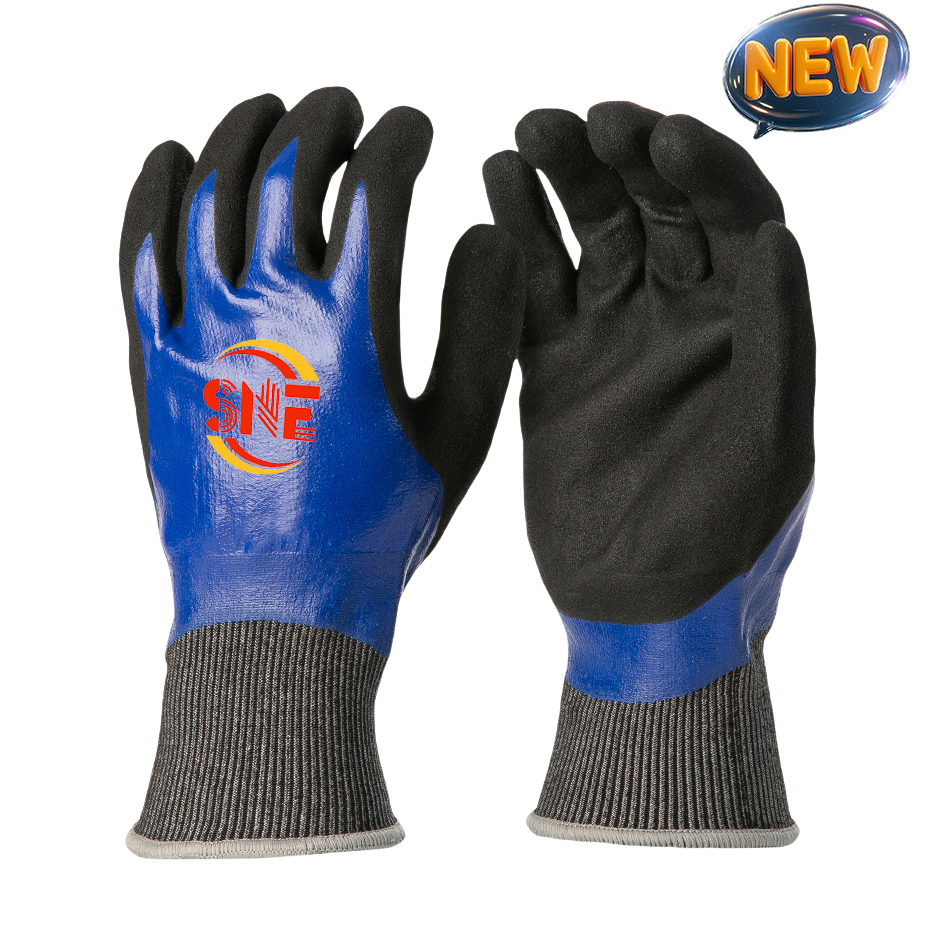
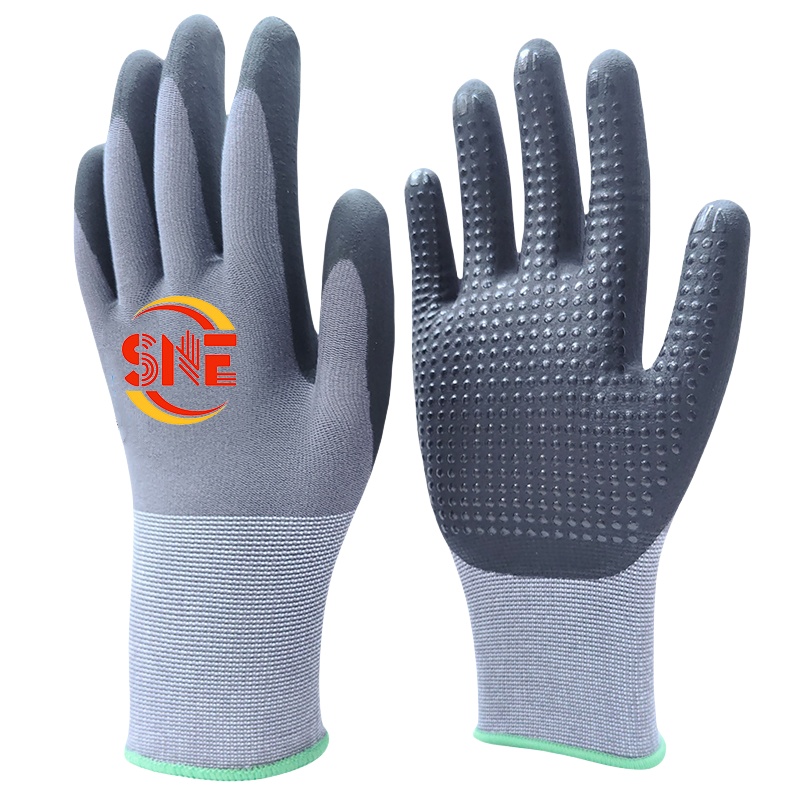
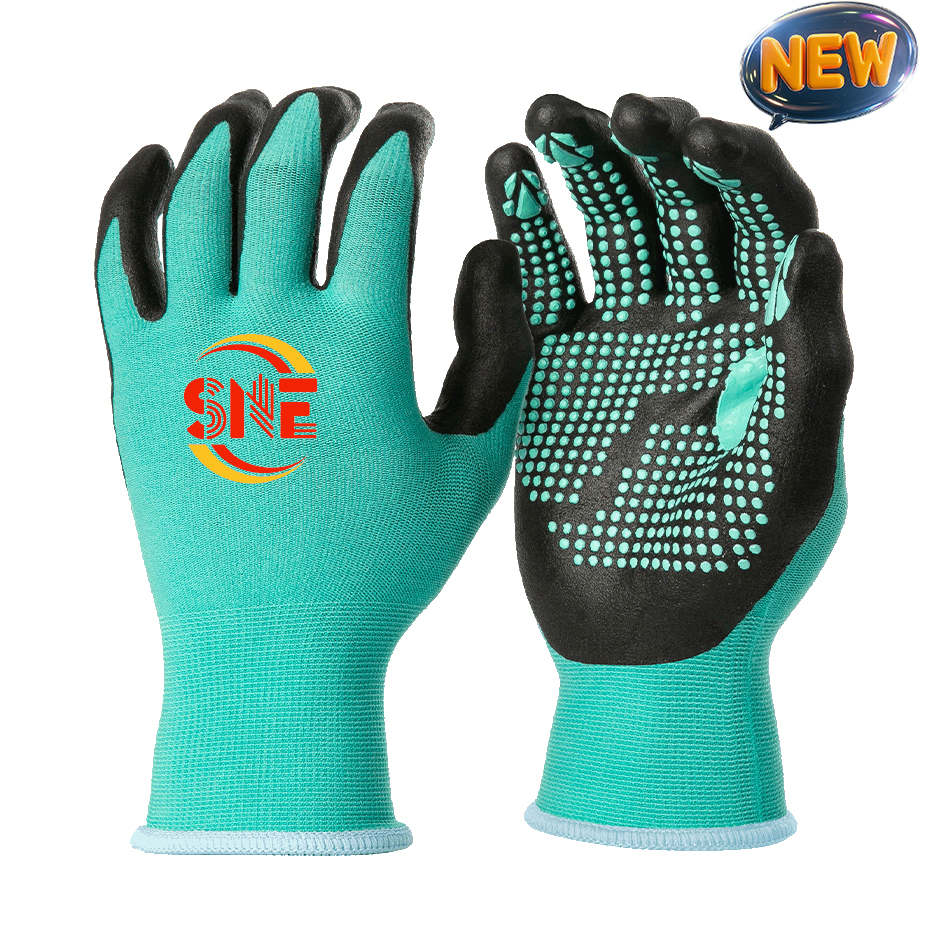
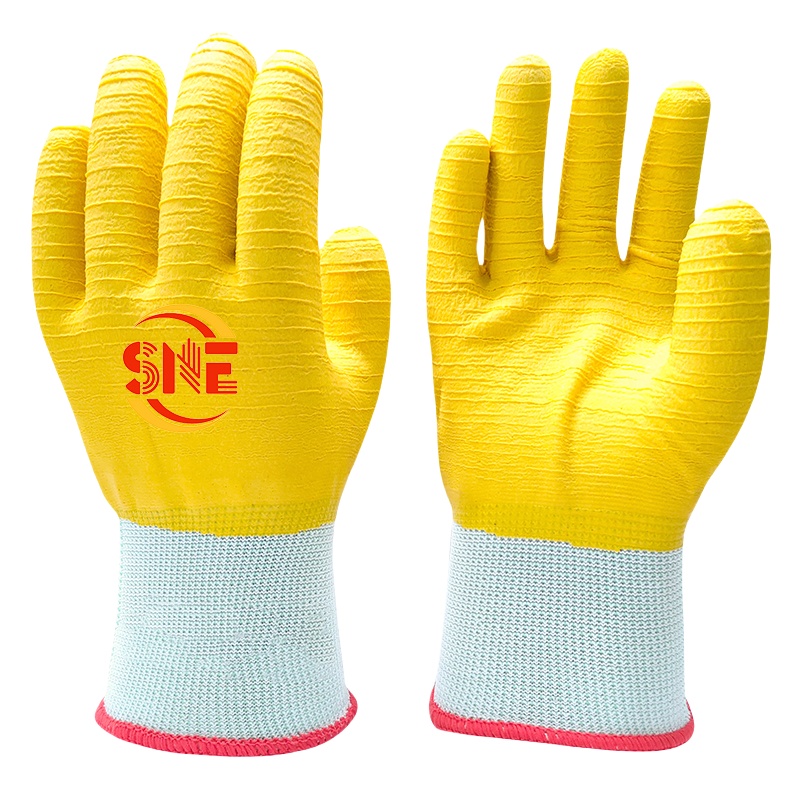
For U.S. buyers looking beyond domestic brands, Snell Safety offers a factory-direct option grounded in industrial glove manufacturing rather than generic trading. The company operates two production facilities with six dedicated production lines and a daily output capacity of 150,000 pairs, supporting stable supply for distributors, wholesalers, end users, and private-label programs. Its heat resistant and broader safety glove range is backed by ISO 9001 and CE compliance, along with practical expertise in engineered materials such as PU, latex, nitrile, cut-resistant constructions, and impact-resistant designs that align with international benchmark expectations for consistency and testing discipline. For cooperation, Snell supports OEM, ODM, wholesale, customized branding, material and sizing adjustments, and regional dealer development, making it relevant for U.S. importers, brand owners, industrial resellers, and volume buyers seeking better margin control. Through established export experience across Europe, Australia, the Middle East, Russia, South America, and Southeast Asia, plus multilingual sales support, sample service, technical consultation, and ongoing logistics coordination, the company demonstrates the kind of structured pre-sales and after-sales assurance U.S. buyers expect when building long-term sourcing programs. Buyers can review the product range, learn more about the manufacturer, or contact the team through the U.S. buyer inquiry channel for samples and project discussions.
How to Buy More Safely and Efficiently
Start by mapping your exact tasks. If the job is oven removal only, test oven mitts first. If the job includes turning, gripping, carrying, or repetitive handling, test gloves. Next, define whether your environment includes steam, oil, sharp edges, or radiant heat. Then request supplier documentation, wear samples, and clear information on washing, sizing, and replacement recommendations. For larger U.S. accounts, a pilot rollout at one site before nationwide adoption is often the most cost-effective method.
Procurement teams should also evaluate packaging, barcode needs, case pack sizes, and replenishment lead times. In port-centered supply chains such as Los Angeles/Long Beach, Newark, Savannah, and Houston, logistics planning can affect landed cost almost as much as unit price.
2026 Trends in the United States
Looking ahead to 2026, three trends are likely to shape the oven mitts vs heat resistant gloves market in the United States. First, technology will continue to move toward hybrid protection, including gloves that combine heat resistance with cut protection, better silicone grip zones, and more ergonomic patterning. Second, policy and compliance pressure will increase in workplaces that have historically treated hot-object handling as informal rather than documented PPE territory. Safety managers are expected to demand better product traceability, clearer testing data, and more task-specific selection. Third, sustainability will gain importance, especially for major buyers who want longer product life, cleaner packaging, and suppliers with stronger quality systems that reduce waste from inconsistent batches.
Private-label growth should also continue. U.S. distributors, restaurant supply companies, and industrial resellers increasingly want product differentiation through branding, packaging, and tailored specifications. That favors manufacturers that can scale consistently while still offering customization.
Frequently Asked Questions
Are heat resistant gloves safer than oven mitts?
Not automatically. Heat resistant gloves are often safer when grip and dexterity matter, but oven mitts can be safer for simple oven removal tasks because they provide broad coverage and quick slip-on convenience.
Are oven mitts enough for restaurants?
For some stations, yes. For fast-paced or repetitive handling tasks, many restaurants benefit from adding glove-style products for better control and worker comfort.
Can one product work for home baking, grilling, and industrial hot handling?
Usually not. Home baking, barbecue, and industrial heat exposure involve different risks, so the best product for one setting may be inappropriate in another.
What should U.S. bulk buyers ask suppliers before ordering?
Ask for testing information, material composition, sizing options, minimum order quantities, customization options, packaging details, lead times, and sample availability. Also confirm the intended heat scenario rather than relying only on a headline temperature claim.
Do international suppliers make sense for U.S. buyers?
Yes, especially for distributors, private-label programs, and cost-sensitive volume buyers. The key is to choose suppliers with documented certifications, stable production capacity, clear communication, and strong pre-sales and after-sales support.
What is the simplest buying rule?
If you need coverage and quick oven handling, choose oven mitts. If you need control, grip, and repeated hot-object handling, choose heat resistant gloves.
Final Verdict
For most buyers in the United States, oven mitts and heat resistant gloves are not direct substitutes. Oven mitts are best for straightforward kitchen lifting tasks and broad heat coverage. Heat resistant gloves are best when safe handling depends on dexterity, grip, and repeated movement. In the real U.S. market, the smartest decision is not choosing the product with the boldest marketing claim. It is choosing the product matched to the task, the risk level, and the buying channel. That is the clearest answer to oven mitts vs heat resistant gloves.