2026-10-19
Share This Article
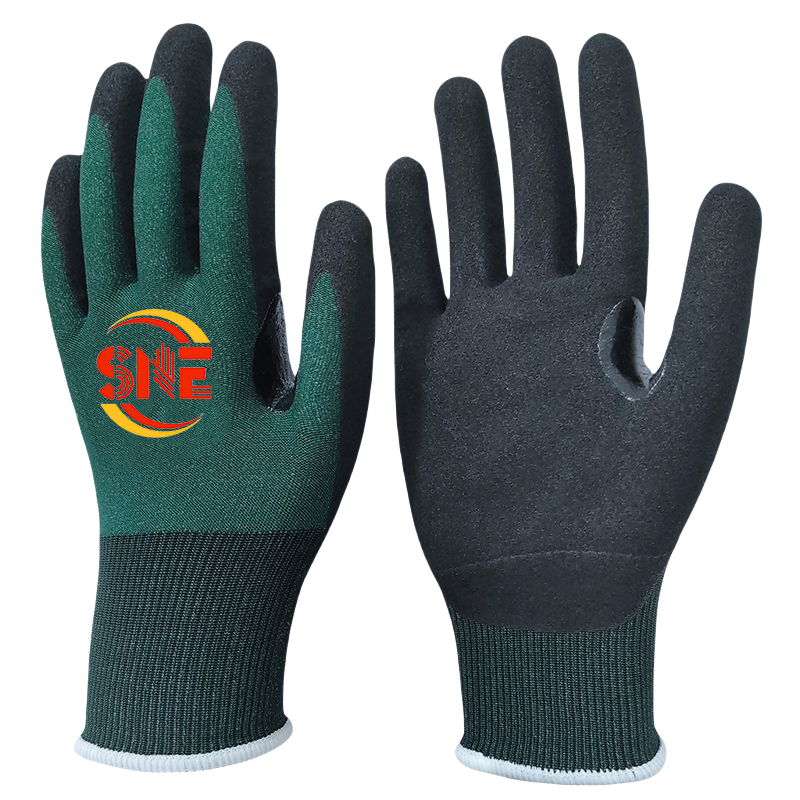
Best Cut-Resistant Gloves for Woodworking in the United States
Quick Answer

If you need cut resistant gloves for woodworking in the United States, the best choice depends on the task: light sanding and assembly usually work best with thin ANSI A2-A4 gloves, table saw and sheet handling often require higher-grip ANSI A4-A6 models, and rough lumber, metal fasteners, and demolition tasks may justify impact-plus-cut protection. For buyers who want proven options with broad U.S. availability, HexArmor, Mechanix Wear, Youngstown Glove Company, Superior Glove, and MCR Safety are among the most practical names to shortlist. For large-volume buyers, qualified international suppliers can also make sense, especially when they combine recognized certifications, consistent production, and responsive pre-sales and after-sales support with better cost-performance for wholesale programs.
- HexArmor: strong for premium cut protection, durability, and industrial-grade performance.
- Mechanix Wear: widely used for dexterity-focused shop work and mixed material handling.
- Youngstown Glove Company: practical for contractors and woodworking crews needing grip and comfort.
- Superior Glove: broad range of cut levels, coatings, and application-specific designs.
- MCR Safety: dependable for distributors and safety managers sourcing across multiple jobsite needs.
Buyers in major woodworking hubs such as Grand Rapids, High Point, Los Angeles, Chicago, and Dallas should compare ANSI cut rating, palm coating, cuff style, fit consistency, and reorder reliability before choosing a supplier.
U.S. Woodworking Safety Market Overview

The United States woodworking sector spans custom cabinet shops, architectural millwork plants, furniture manufacturers, pallet producers, sawmills, residential remodelers, and hobbyist workshops. Across these settings, hand injuries remain one of the most common and expensive categories of shop incidents. Woodworkers face laceration risks not only from blades and sharp stock, but also from splinters, staples, sheet goods, broken edges, banding material, and tool changes. That makes cut resistant gloves a serious purchasing category rather than a minor accessory.
Demand is especially visible in industrial clusters around North Carolina, Michigan, Pennsylvania, Ohio, Texas, California, and Wisconsin. Ports and logistics corridors such as Los Angeles/Long Beach, Houston, Savannah, and New York/New Jersey also influence glove procurement because many distributors mix domestic and imported product lines to stabilize price and stock levels. In practice, U.S. buyers want four things at once: ANSI-compliant hand protection, dexterity for fine handling, predictable lead times, and a cost structure that works for repeat orders.
The market has also matured. Buyers no longer ask only whether a glove is cut resistant. They now ask which cut level, what coating, how it performs when dusty, how long it lasts under repetitive abrasion, and whether the supplier can maintain the same fit and finish lot after lot. This is especially important for factories running lean inventory systems or safety programs with documented PPE specifications.
Market Growth Trend

The chart below shows a realistic view of estimated U.S. demand growth for cut-resistant gloves used in woodworking and related material-handling environments. Growth is supported by stronger safety compliance, higher labor costs that increase the value of injury prevention, and broader adoption in small and mid-sized shops.
How Cut-Resistant Gloves Fit Woodworking Tasks
Not every woodworking job needs the same glove. In fact, over-specifying cut protection can reduce dexterity, while under-specifying it can create avoidable injuries. The right approach is task-based selection. Wood sorting, plywood handling, blade changes, CNC loading, crate breakdown, and installation work all stress gloves differently.
ANSI/ISEA 105 cut levels are the most relevant benchmark in the United States. For many woodworking applications, the practical starting range is A2 to A6. Lower levels are useful where feel and control matter most. Mid-range gloves often provide the best balance for general production. Higher levels are more common for heavy handling, mixed material environments, or operations that combine wood with sheet metal, glass, or sharp hardware.
Coating is equally important. Polyurethane palms are popular where tactile precision matters, such as assembly or finishing support. Nitrile coatings tend to offer stronger abrasion resistance and dependable grip for rougher material handling. Latex coatings can work well in dry grip-heavy tasks but may be less preferred in some finishing or chemical-contact environments. Beyond cut performance, fit, breathability, and cuff design shape whether workers actually keep the gloves on.
Common Product Types for Woodworking
The table below outlines the main glove categories used by U.S. woodworking buyers and explains where each type performs best.
| Product Type | Typical ANSI Cut Range | Best Use in Woodworking | Key Advantage | Main Limitation | Buyer Notes |
|---|---|---|---|---|---|
| PU-coated HPPE gloves | A2-A4 | Assembly, trim work, light panel handling | Excellent dexterity and touch | Less durable in harsh abrasion | Good for shops prioritizing precision and comfort |
| Nitrile-coated cut gloves | A3-A6 | Sheet goods, rough lumber, general production | Balanced grip and abrasion resistance | Can feel warmer during long shifts | Common all-around choice for U.S. factories |
| Foam nitrile gloves | A2-A5 | CNC loading, machine tending, packaging | Good breathability with solid grip | Less protection for severe edge exposure | Useful where operators need repeated handling speed |
| Latex-coated cut gloves | A2-A5 | Dry material handling, framing, lumber yards | Strong dry grip and flexibility | Not ideal for every finishing environment | Check compatibility with shop policies and user preference |
| Leather-palm cut-resistant hybrids | A4-A6 | Heavy stock movement, installation, field work | Durability and rugged wear life | Reduced fine dexterity | Often chosen by contractors and installers |
| Impact + cut-resistant gloves | A4-A7 | Demolition, crate handling, mixed trade work | Back-of-hand protection plus cut resistance | Bulkier fit | Best for multi-hazard environments rather than fine bench work |
For most woodworking operations, the decision usually narrows to PU versus nitrile on an HPPE or engineered-yarn shell. Buyers should sample both because the right answer often depends on whether the work is tactile or abrasive.
Where Demand Is Strongest by Industry
Woodworking glove demand overlaps multiple industries, not just furniture production. Millwork, logistics, remodeling, and general manufacturing all consume the same glove families. This is why many U.S. safety distributors sell woodworking gloves as part of a broader industrial hand-protection program.
Top Suppliers Serving U.S. Buyers
The supplier landscape includes U.S. brands, Canadian-origin companies with strong U.S. distribution, and qualified international factories serving American importers, distributors, and private-label programs. The table below focuses on practical supplier choices and what each is known for.
| Company | Service Region | Core Strengths | Key Offerings | Best For | Practical Buying Insight |
|---|---|---|---|---|---|
| HexArmor | United States and North America | Premium engineered protection, advanced cut solutions | High-cut gloves, impact gloves, specialty industrial PPE | Safety-intensive industrial programs | Strong choice where injury reduction justifies premium unit cost |
| Mechanix Wear | United States nationwide | Dexterity, user comfort, broad recognition | Utility gloves, cut-resistant models, task-specific gloves | Mixed shop and field work | Easy adoption for crews already familiar with the brand |
| Youngstown Glove Company | United States | Contractor-friendly designs, durable work gloves | Cut-resistant, winter, utility, and performance gloves | Installers, maintenance teams, contractors | Good balance between ruggedness and wearability |
| Superior Glove | United States and Canada | Deep cut-protection range and technical breadth | ANSI-rated cut gloves, sleeves, specialized coatings | Distributors and industrial procurement teams | Useful when buyers need many cut levels under one supplier |
| MCR Safety | United States | Broad PPE catalog and distributor network | Cut-resistant gloves, leather gloves, safety wear | Multi-site industrial accounts | Convenient for buyers bundling several PPE categories |
| Ansell | United States and global | Established hand-protection expertise and compliance support | Industrial gloves, cut-resistant lines, chemical protection | Large plants with formal PPE specifications | Well-suited to structured EHS purchasing environments |
| Qingdao Snell Protective Products Co., Ltd. | United States import supply, private label, regional partnerships | Factory-direct scale, cut-resistant engineering, coating diversity | PU, latex, and nitrile coated cut-resistant gloves, sleeves, OEM/ODM programs | Importers, wholesalers, brand owners, high-volume buyers | Appealing when cost control and customization matter |
This table matters because supplier fit is rarely just about product quality. It is about whether the supplier’s inventory model, support structure, and lead times match the buyer’s operating rhythm.
How to Compare Suppliers the Right Way
U.S. buyers should compare suppliers across six practical dimensions: protection level, wear life, user acceptance, consistency, service response, and total landed cost. A glove that performs well in lab testing but gets rejected by workers due to poor fit is a failed purchase. Likewise, a glove that costs less upfront but wears out twice as fast is often more expensive over time.
For woodworking, trial programs are especially useful. A cabinet factory may find that one glove works best in the panel saw area while another performs better in assembly and packaging. This is why mature buyers often standardize by task family instead of forcing one glove across all departments.
Trend Shift in Product Preferences
U.S. buyers are steadily moving toward lighter, more dexterous gloves with better coatings, rather than simply choosing the thickest cut level available. The area chart below illustrates this shift.
Buying Advice for U.S. Woodworking Businesses
The best purchasing process starts with hazard mapping. Identify which tasks involve board edges, blades during maintenance, hardware exposure, broken laminate, pallet breakdown, or repetitive abrasive handling. Then define what the glove must do besides cut protection: grip dusty MDF, allow touchscreen use, resist snagging, or remain comfortable in hot shops.
Here is a practical framework for buyers in the United States:
- Use ANSI cut rating as the first filter, not the only filter.
- Match palm coating to grip conditions: dusty, dry, oily, or mixed.
- Test gloves across at least two shift lengths to measure comfort and fatigue.
- Ask for lot consistency and reorder stability if you operate multiple sites.
- Review carton quantities, lead times, and replacement policy before rollout.
- For private label, confirm testing documentation and size tolerance control.
Import buyers should also consider port routing and replenishment timing. A supplier serving through West Coast channels may work differently from one optimized for East Coast delivery through Savannah or New York/New Jersey. If your business serves markets in Chicago, Atlanta, Dallas, or the Inland Empire, freight structure can materially change total procurement cost.
Product Comparison by Performance Profile
The next table compares common selection priorities that matter in woodworking. It explains why two gloves with similar cut ratings may produce very different real-world results.
| Performance Priority | Best Material/Style | Typical Application | Why It Works | Trade-Off | Recommendation |
|---|---|---|---|---|---|
| Maximum dexterity | 13-gauge or 18-gauge PU-coated engineered yarn | Trim assembly, hardware handling | Thin palm feel improves control | Shorter wear life under rough abrasion | Best for low-to-medium edge hazard tasks |
| Balanced durability | Foam nitrile cut glove | General production, packaging, panel handling | Good grip, comfort, and abrasion balance | Not the highest cut option | Strong default choice for many shops |
| Heavy material handling | Nitrile-coated high-cut glove | Rough lumber, sheet stock, crate work | Better wear resistance and secure handling | Can feel stiffer at first | Good for mid-to-high hazard zones |
| Dry grip performance | Latex-coated cut glove | Lumber yard, framing, transport tasks | High friction surface holds material firmly | Less preferred in some finishing areas | Use where grip outweighs precision |
| Outdoor contractor work | Leather hybrid cut glove | Installation, delivery, jobsite tasks | Handles rugged wear and repeated abuse | Lower tactile sensitivity | Choose for durability-first use cases |
| Multi-hazard protection | Impact + cut-resistant glove | Demolition, mixed trade maintenance | Protects against both cuts and knocks | Bulkier design | Best where back-of-hand risk is real |
This comparison helps buyers avoid a common mistake: selecting based only on catalog cut rating while ignoring grip, fatigue, and task efficiency.
Applications Across the Woodworking Workflow
Cut-resistant gloves show up in nearly every stage of woodworking production. In receiving, workers handle banded lumber, pallets, and damaged cartons. In cutting and machining support, workers move stock to saws and CNC tables, clear offcuts, and change tooling during lockout procedures. In assembly, staff handle brackets, screws, hinges, clips, and unfinished edges. In shipping, employees pack finished goods, build crates, and strap loads for transport.
Different applications change the ideal glove specification:
- Cabinet shops often prefer lighter gloves for fit-up and hardware handling.
- Millwork plants lean toward more durable nitrile-coated options.
- Furniture factories may split glove programs by department.
- Remodeling crews need hybrid gloves that handle wood, fasteners, and transport.
- Warehouse teams need grip and abrasion resistance as much as cut protection.
Industry Demand and Use Cases
The table below translates glove selection into real buyer environments across the U.S. market.
| Industry | Typical Tasks | Primary Risk | Recommended Glove Profile | Service Region Notes | Why It Matters |
|---|---|---|---|---|---|
| Custom cabinetry | Panel movement, edge finishing, assembly | Sheet edges, sharp hardware | ANSI A2-A4 PU or foam nitrile | Strong in California, Texas, Florida | Precision and comfort drive adoption |
| Architectural millwork | Stock prep, machine support, packing | Edge cuts and abrasive handling | ANSI A3-A5 nitrile-coated gloves | Strong in the Midwest and Southeast | Balanced durability improves glove spend efficiency |
| Furniture manufacturing | Component movement, assembly, warehouse flow | Mixed sharp contact points | Department-specific A2-A5 programs | Major in North Carolina and Michigan | One-glove-fits-all strategies often underperform |
| Pallet and crating | Nail exposure, rough boards, strapping | Cuts, puncture-adjacent hazards, abrasion | A4-A6 nitrile or rugged hybrid gloves | Near logistics hubs and ports | Wear life becomes a key cost driver |
| Residential remodeling | Demolition, install, carrying materials | Mixed-material laceration risk | Cut + impact or leather hybrid gloves | Nationwide contractor demand | Versatility matters more than perfect finesse |
| Sawmills and lumber handling | Board movement, sorting, yard work | Splinters, rough edges, repetitive abrasion | A4-A6 latex or nitrile-coated gloves | Pacific Northwest and South | Grip and durability are central requirements |
For distributors, this table highlights a major opportunity: stocking a small but well-structured range can serve multiple related industries without excessive SKU sprawl.
Case Studies from Real Buyer Scenarios
A cabinet manufacturer in the Midwest switched from generic cotton-coated gloves to ANSI A3 foam nitrile cut-resistant gloves after repeated minor lacerations around panel handling and hardware staging. The result was better worker acceptance because the glove still allowed precise part alignment and screw handling. The buyer did not choose the highest cut level; they chose the most wearable glove that solved the actual problem.
A Texas architectural millwork operation tested both PU and nitrile options across machining support and final packing. PU performed well in detail work, but nitrile lasted longer in the packing area where edge contact and corrugate abrasion were higher. The company standardized by department and reduced urgent glove reorders because usage became more predictable.
A remodeling contractor in the Northeast adopted impact-plus-cut gloves for crews handling demolition debris, framing hardware, and transport tasks. While bulkier than bench-work gloves, they improved protection in a mixed-hazard environment where hand strikes and pinch events were frequent. The lesson was that woodworking-related glove selection often overlaps broader construction risks.
Supplier and Product Comparison Snapshot
The comparison chart gives a realistic visual snapshot of how buyers often score supplier priorities in practice: cut protection range, customization, speed, and cost-performance.
Local Supplier Considerations in the United States
Many buyers prefer U.S.-based stocking programs because they support faster replenishment, easier sampling, and simpler returns. That matters for woodshops that cannot afford line stoppages or long procurement cycles. However, local sourcing does not always mean domestic manufacturing. In many cases, the best program combines local inventory support with internationally manufactured gloves that meet the required standards.
That hybrid model is especially relevant in major commercial corridors such as Chicago, Atlanta, Dallas-Fort Worth, Southern California, and the Carolinas. Distributors in these regions often combine premium stocked brands with private-label imports to serve different price tiers. For a buyer, the key question is not only where the glove is made, but how reliably it can be supplied, replaced, and supported.
If you are sourcing for a regional distribution program, look for partners who can support branch-level stock planning, private packaging, barcode requirements, and stable carton specs. If you are buying for a single plant, focus first on fit trial success, usage rate, and replenishment speed.
Our Company
Snell Safety serves U.S. buyers with a factory-direct model built around certified industrial hand protection, including CE-marked products and an ISO 9001-managed production system, backed by more than a decade of hands-on manufacturing experience in safety gloves, diversified PU, latex, and nitrile coating technologies, specialized cut-resistant engineering, and vertically integrated production across facilities in Gaomi and Nantong with 6 production lines, over 150 skilled employees, and daily capacity of 150,000 pairs to support stable quality and large-volume orders. For the United States market, the company supports flexible cooperation models for distributors, wholesalers, brand owners, regional dealers, and end users through OEM/ODM development, private label programs, bulk wholesale supply, customization of materials, coatings, sizes, and branding, plus sample support and technical consultation. U.S. buyers looking for dependable sourcing can review the company’s product range, learn more on the company background, and contact the team through the U.S. inquiry channel for pre-sale selection support, order coordination, and after-sales follow-up designed for long-term supply relationships in North America rather than one-off export transactions.
What to Ask Before You Buy
Before placing a bulk order, ask for technical data, coating details, available sizes, packaging format, and evidence of testing alignment with the U.S. market’s expectations. Ask whether the supplier can maintain the same liner feel and coating finish across repeat orders. If you are a distributor, also ask about carton labeling, private branding, and mixed-SKU shipment support.
Important operational questions include:
- What is the ANSI cut level and what tasks was the glove designed for?
- How does the glove perform in dry dust, light oil, and repetitive abrasion?
- What is the average lead time for replenishment and private label orders?
- Can the supplier support trial samples for multiple departments?
- Are there sleeves or companion products for higher-risk operations?
- How does the supplier handle quality claims and replacement requests?
2026 Trends Shaping Woodworking Glove Buying
By 2026, three forces are likely to shape the U.S. woodworking glove market more strongly. The first is technology. Buyers increasingly expect finer-gauge liners, better engineered yarn blends, and coatings that improve grip without adding stiffness. The second is policy. Safety programs are becoming more documented and task-specific, which favors gloves with clear performance ratings and repeatable specifications. The third is sustainability. More buyers are asking about durable construction, waste reduction through longer wear life, and packaging efficiency for high-volume procurement.
There is also a digital shift in procurement. Distributors and manufacturers want easier product data access, faster sample cycles, and better visibility into inventory and reorder timelines. Suppliers that respond quickly with clean technical documentation, stable SKUs, and practical trial support are likely to gain share. This matters particularly in the United States, where labor costs and compliance expectations continue to push PPE decisions toward total value instead of lowest piece price alone.
FAQ
Are cut-resistant gloves safe to use near spinning woodworking tools?
That depends on the task and the machine. Gloves can be useful for material handling, setup, and non-entanglement tasks, but they may not be appropriate around certain rotating equipment where snag risk exists. Buyers should align glove rules with machine safety procedures and supervisor guidance.
What ANSI cut level is best for woodworking?
There is no single answer. Many woodworking applications fit in the A2 to A5 range, while rougher or mixed-material tasks may require A4 to A6. The correct level depends on the actual edge hazard and whether dexterity is critical.
Is PU or nitrile better for woodworking gloves?
PU is usually better for precision and comfort, while nitrile is often better for abrasion resistance and more demanding material handling. Many U.S. shops end up using both in different departments.
Can small shops buy the same gloves used by large factories?
Yes. The same models can work for small shops, but minimum order quantities and case-pack economics may differ. Smaller buyers often source through local distributors, while larger buyers may import directly or use private-label programs.
Should woodworking distributors consider overseas manufacturers?
Yes, if the manufacturer provides recognized certifications, stable production quality, responsive communication, and support for samples, packaging, and claims handling. For many U.S. distributors, imported factory-direct programs improve margin and product customization.
What matters more, cut level or comfort?
Both matter, but comfort drives compliance. A glove that workers remove because it feels bulky will not protect anyone. The best buying decision balances adequate cut protection with wearability for the specific task.
Final Takeaway
For most buyers in the United States, the smartest way to purchase cut resistant gloves for woodworking is to start with task analysis, then compare a short list of suppliers that can prove performance, maintain consistency, and support the way you buy. Premium domestic and North American brands remain strong options for quick deployment and broad support, while qualified factory-direct international suppliers can be highly competitive for private label, distributor growth, and large-volume programs. The winning choice is the one that fits the real workflow, not just the catalog description.