2026-10-16
Share This Article
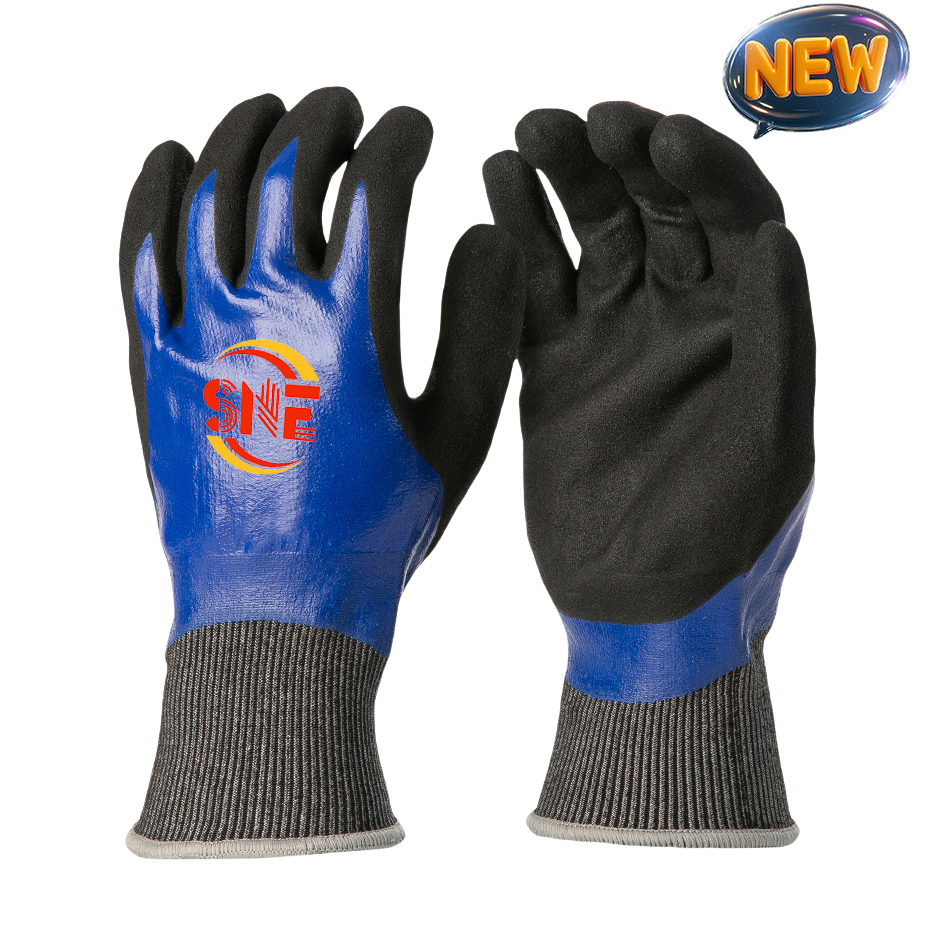
Heat Resistant vs Flame Resistant Gloves in the United States
Quick Answer

Heat resistant gloves and flame resistant gloves are not the same. Heat resistant gloves are designed to reduce heat transfer from hot objects, surfaces, molten splash, or intermittent contact with elevated temperatures. Flame resistant gloves are designed to resist ignition, self-extinguish, and reduce burn risk when exposed to open flame or flash fire. In the United States, buyers should choose heat resistant gloves for foundries, glass handling, bakeries, automotive hot-part handling, and high-temperature maintenance, while flame resistant gloves are more suitable for oil and gas, utilities, welding support, emergency response, and jobs where direct flame exposure is possible.
For most U.S. industrial buyers, the best practice is to match the glove to the hazard, then verify performance through applicable standards such as ANSI/ISEA and EN 407 when relevant. If the job includes both contact heat and flame, hybrid gloves with leather shells, aramid liners, and reinforced seams are often the safer choice. Leading domestic brands such as HexArmor, Mechanix Wear, Youngstown Glove, Wells Lamont Industrial, MCR Safety, and Magid are common starting points for evaluation. Qualified international suppliers can also be a practical option, especially when they offer recognized certifications, OEM flexibility, stable bulk supply, and responsive pre-sales and after-sales support in the U.S. market, since cost-performance can be significantly better for distributors and private-label buyers.
Understanding the U.S. Market

The United States remains one of the most demanding markets for protective gloves because procurement decisions are shaped by OSHA compliance, insurance requirements, union safety expectations, and detailed site-level PPE policies. Across manufacturing belts in Ohio, Michigan, Indiana, and Pennsylvania, buyers often need gloves that address more than one hazard at once. In Gulf Coast energy hubs such as Houston and Port Fourchon, flame exposure can be the deciding factor. In steel, fabrication, and heavy maintenance environments near Chicago, Pittsburgh, and Birmingham, contact heat and abrasion are often more important than open flame. On the West Coast, aerospace, food processing, and advanced manufacturing buyers typically evaluate dexterity alongside thermal performance.
Another U.S. market reality is that glove selection is increasingly job-task specific. Procurement teams do not simply ask whether a glove is “heat proof.” They compare glove construction, palm material, lining weight, cuff design, seam strength, cut protection, and whether the glove remains comfortable for long shifts. Distributors serving local industrial accounts also care about replenishment speed, SKU consistency, labeling, and private branding. Ports such as Los Angeles, Long Beach, Savannah, and New York/New Jersey play a major role in supply continuity, which is why many buyers diversify between domestic stock programs and international manufacturing partners.
From a commercial perspective, the U.S. market rewards suppliers who can explain risk clearly rather than sell generic thermal claims. Buyers increasingly ask for test data, not just product descriptions. They also want confidence that a glove will perform under repeated use, sweat, oil, flexing, and laundering where applicable. That is why the distinction between heat resistant and flame resistant gloves matters so much in practice.
The line chart above illustrates a realistic upward demand trend in U.S. thermal hand protection. Growth is being supported by stricter workplace audits, expanding domestic manufacturing, infrastructure projects, and replacement demand in energy and metalworking sectors.
What Heat Resistant Gloves Actually Do

Heat resistant gloves are primarily engineered to slow heat transfer. That sounds simple, but it can involve very different hazards. One worker may need short-duration contact heat protection while removing hot metal components from a fixture. Another may need radiant heat reduction while standing near furnaces. A third may need resistance to steam, hot liquids, or molten splash. Because of this, “heat resistant” should be treated as a category, not a single performance level.
Common heat-resistant constructions in the U.S. include split leather, aluminized back materials, aramid fibers such as Kevlar blends, terry knit cotton for bakery or food contact support applications, and multilayer engineered liners. Gloves may also include silicone or nitrile grip features for handling heated tools. The most effective model depends on whether the worker touches hot parts, works near ovens, handles castings, or needs intermittent exposure only.
A key buyer mistake is assuming a thicker glove is always safer. In real plants, excess bulk can reduce grip, slow reaction time, and increase drop risk. That is why many U.S. safety managers now evaluate total task fit: heat protection, dexterity, hand fatigue, and grip reliability together.
What Flame Resistant Gloves Actually Do
Flame resistant gloves are intended to resist ignition and help limit burn injury when the glove is exposed to flame. The glove material should not continue burning once the ignition source is removed, or it should do so only within tightly controlled limits depending on the standard and application. This matters in industries where flash fire, arc-related secondary heat, or direct flame contact may happen suddenly.
In the United States, flame resistant gloves are common in oil and gas operations, field maintenance, certain utility environments, rail, emergency response, and specialized welding support roles. Materials may include treated or naturally flame-resistant fibers, leather with flame-tolerant construction, and aramid blends. Some gloves also include impact protection or cut resistance, especially when buyers want one glove to address multiple field hazards.
However, flame resistance alone does not mean strong contact heat performance. A glove can resist ignition yet still transfer heat too quickly during contact with a hot object. This is the central reason the comparison matters: one glove type focuses on burn prevention from flame, while the other focuses on thermal insulation against hot surfaces and materials.
Core Differences That Matter on the Job
| Comparison Point | Heat Resistant Gloves | Flame Resistant Gloves | Why It Matters in the U.S. |
|---|---|---|---|
| Main purpose | Reduce heat transfer from hot objects or environments | Resist ignition and limit flame spread | Prevents mismatched PPE in OSHA-sensitive workplaces |
| Best for | Foundries, bakeries, automotive hot parts, metal handling | Oil and gas, utilities, flash fire risk, field service | Job task determines correct glove category |
| Primary hazard | Contact heat, radiant heat, occasional molten splash | Open flame, flash fire, ignition risk | Different thermal exposures need different materials |
| Typical materials | Leather, aramid, terry knit, aluminized fabrics | FR fibers, aramid blends, leather, treated materials | Material selection affects comfort and compliance |
| Key limitation | May not self-extinguish under flame exposure | May not insulate enough against hot surfaces | Avoids false assumptions during procurement |
| Common selection metric | Contact heat time, thermal layering, grip at temperature | Flame exposure behavior, charring, afterflame control | Testing language should match site hazard assessments |
| Ideal combined solution | Hybrid gloves with leather shell, aramid liner, reinforced seams, and application-specific testing | Useful for maintenance, welding support, and mixed-risk jobs | |
This table shows why buyers should not use the two terms interchangeably. In many U.S. facilities, the right answer is not choosing one category over the other but identifying whether the task involves hot contact, open flame, or both. That simple hazard review often prevents both overbuying and under-protection.
Common Product Types in the United States
U.S. buyers typically see thermal glove options grouped by construction rather than by a perfect hazard vocabulary. That can be confusing because product catalogs may emphasize leather, liner, or coating type instead of clearly explaining whether the glove is intended for flame exposure, contact heat, or mixed hazards.
| Product Type | Typical Construction | Main Use | Heat or Flame Focus | Typical U.S. Buyer |
|---|---|---|---|---|
| Leather hot-work gloves | Cowhide or split leather with insulated lining | General hot part handling | Heat focused | Metal fabrication shops |
| Welding support gloves | Leather shell with aramid stitching | Sparks, radiant heat, intermittent flame | Mixed focus | Fabricators and maintenance teams |
| Aramid knit thermal gloves | Knitted aramid blends | Dry heat handling with dexterity | Heat focused | Automotive and glass plants |
| Aluminized gloves | Reflective outer layer with thermal insulation | Radiant heat and furnace proximity | Heat focused | Foundries and steel mills |
| FR utility gloves | Flame resistant fabric or leather combinations | Field work with ignition risk | Flame focused | Oil, gas, and utility contractors |
| Cut-and-heat hybrid gloves | Engineered liner plus coated or leather palm | Sharp hot components | Heat focused with multi-hazard protection | Automotive and machinery plants |
| Food process thermal gloves | Cotton blends, silicone grip, washable layers | Ovens, trays, packaging lines | Heat focused | Bakery and food processing facilities |
This product mix reflects the reality that U.S. industries often need gloves that are tailored to a narrow application. Buyers should start with the task, not the catalog category name.
Industry Demand by Sector
The bar chart highlights where demand is strongest. Metal fabrication and oil and gas remain leading buyers because both sectors combine high incident sensitivity with frequent glove replacement cycles. Food processing has lower overall volume but often requires repeat purchases tied to sanitation and line efficiency.
How to Buy the Right Gloves
For U.S. buyers, the best purchasing process begins with hazard mapping. Ask whether the worker faces contact heat, radiant heat, molten splash, sparks, open flame, or a combination. Then identify whether the worker also needs cut resistance, oil grip, dexterity, impact protection, or touchscreen compatibility. This step eliminates most product mismatches before samples are even requested.
Next, review the work cycle. Is the exposure brief and intermittent, or long and continuous? Does the worker handle smooth hot parts or rough castings? Are hands dry, oily, or exposed to moisture? How long is each shift? These details affect whether a glove that tests well in a lab will actually perform well on a U.S. production floor.
Commercial buyers should also check supply variables: minimum order quantity, stock availability in U.S. warehouses, lead time through ports, labeling options, and whether the supplier supports private branding or custom sizing. For distributors, consistency from batch to batch is just as important as the initial sample performance.
Buyer Checklist for U.S. Procurement Teams
| Buying Factor | Questions to Ask | Why It Matters | Best Fit Indicator |
|---|---|---|---|
| Hazard type | Is the risk hot contact, flame, or both? | Prevents choosing the wrong glove category | Written task hazard matrix |
| Performance testing | What standards or test results support claims? | Supports compliance and audit readiness | Documented technical data sheets |
| Dexterity | Can workers grip, assemble, and react safely? | Reduces fatigue and handling errors | Wear trial success on site |
| Durability | How fast do seams, palms, and liners break down? | Impacts real cost per wear | Field life compared across shifts |
| Supply continuity | Can the supplier support repeat volumes and emergencies? | Critical for multi-site operations | Warehouse stock or reliable import plan |
| Customization | Can sizes, labels, cuffs, and branding be adapted? | Important for distributors and private labels | OEM or ODM capability |
| Support quality | Is there technical help before and after purchase? | Improves deployment and worker acceptance | Named account contact and sample process |
This checklist is useful because thermal glove failures are often purchasing failures rather than manufacturing failures. When the hazard, test data, and use condition are aligned, glove outcomes improve significantly.
Applications Across U.S. Industries
In automotive plants around Detroit and the broader Midwest, heat resistant gloves are commonly used for handling formed parts, heated molds, and post-process components. These facilities often prefer gloves that balance moderate heat resistance with fine hand control, because assembly productivity is closely monitored.
In metal fabrication and steel processing, especially in Pennsylvania, Ohio, Indiana, and Alabama, heavier leather or aluminized options are more common. Workers may face radiant heat near furnaces, abrasive edges, and irregular part surfaces. In these settings, layered glove design and cuff length matter almost as much as the palm material.
Oil and gas operations concentrated in Texas, Louisiana, New Mexico, and offshore support zones lean more heavily toward flame resistant or hybrid gloves. Here, the concern is not just hot equipment but also ignition events and field unpredictability. Utility contractors and energy service teams often look for gloves that integrate flame resistance with cut protection and strong grip.
Food processing plants in California, Illinois, Georgia, and North Carolina usually prioritize contact heat from trays, ovens, and packaging lines. Washability, comfort, and food-adjacent handling characteristics become important. In aerospace and advanced manufacturing clusters such as Washington, Kansas, and Connecticut, glove selection is more specialized and often tied to precise task engineering.
Case Studies from Real-World Use
A Midwest metal stamper switched from a heavy generic heat glove to a more task-specific aramid-lined leather model after workers reported poor grip and delayed handling on hot transfer parts. The newer glove had slightly lower bulk but better dexterity and seam stability. The result was improved acceptance from operators and fewer dropped parts during line changeovers.
A Texas energy contractor initially purchased flame resistant gloves for field crews doing intermittent hot valve contact. While the gloves met the ignition concern, crews still felt uncomfortable heat transfer during routine equipment handling. The company later moved to a hybrid model with stronger contact heat performance while preserving flame resistance. This lowered worker complaints and reduced glove rotation frequency.
A bakery network serving the Eastern U.S. found that overly rugged thermal gloves slowed tray handling and created grip inconsistency during peak production. After wear trials, the company adopted a washable heat-focused glove designed for repetitive short contact. The operational gain was not just protection; it also improved speed and reduced hand fatigue.
These examples show that the best glove is not always the one with the strongest-sounding thermal claim. It is the one that matches the exact hazard and work rhythm.
Top Suppliers Serving the United States
| Company | Service Region | Core Strengths | Key Offerings | Best For |
|---|---|---|---|---|
| HexArmor | United States and North America | High-performance industrial PPE, advanced hazard-specific designs | Heat, cut, impact, and task-specific industrial gloves | Large industrial accounts needing engineered protection |
| Mechanix Wear | Nationwide U.S. distribution | Strong brand recognition, field and industrial versatility | Utility, thermal, specialty, and work gloves | Maintenance, automotive, field service buyers |
| Youngstown Glove Company | United States | Performance work gloves with multi-hazard options | FR gloves, insulated gloves, cut-resistant models | Oil and gas, utilities, construction |
| MCR Safety | United States, Mexico, and broad distribution channels | Wide industrial catalog and strong distributor network | Leather gloves, thermal gloves, welding support products | Distributors and multi-category PPE sourcing |
| Magid Glove & Safety | United States | Private label support, broad safety portfolio, consultative sales | Heat resistant gloves, cut-resistant gloves, plant safety solutions | National accounts and customized programs |
| Wells Lamont Industrial | United States and industrial distribution markets | Long history in work gloves and leather glove supply | Leather, thermal, coated, and general-purpose gloves | Traditional industrial buyers and distributors |
| Ansell | Strong U.S. presence and global supply | Global compliance, technical documentation, broad PPE reach | Specialty protective gloves for multiple hazards | Large regulated buyers needing documentation |
This supplier table provides practical options for U.S. buyers. Some companies are strongest in domestic distribution and rapid availability, while others stand out in engineered protection or private-label support. Buyers should compare both technical fit and supply model, especially if they manage more than one site.
Supplier Comparison by Priority
The comparison chart reflects a common U.S. sourcing pattern. Domestic brands often win on immediate stock access and local familiarity, while qualified international manufacturers tend to offer stronger customization and bulk pricing advantages. For distributors, importers, and private-label programs, a blended sourcing strategy can be especially effective.
Trend Shift in Product Preferences
The area chart shows a realistic shift in the U.S. market toward multi-hazard gloves. Plants are under pressure to simplify PPE programs, reduce SKU complexity, and address layered risks such as heat plus cut, or flame plus impact. This trend is likely to continue through 2026.
Local Supplier Landscape and Buying Channels
U.S. buyers typically source thermal gloves through three main channels: industrial distributors, direct national brands, and factory-direct import programs. Distributors remain dominant in cities with dense industrial activity such as Houston, Chicago, Cleveland, Detroit, Atlanta, and Los Angeles because they provide fast replenishment, mixed-SKU purchasing, and on-site support. Direct brand programs are common when a company standardizes PPE across multiple plants. Factory-direct programs are increasingly popular among wholesalers, regional dealers, and private-label owners who want better landed cost and more control over product design.
The most resilient buyers often combine channels. They may keep emergency stock through a domestic distributor while developing a branded import line for planned volume. This is particularly common among glove specialists and industrial supply houses serving manufacturing and oilfield accounts in the United States.
Our Company in the U.S. Market
For U.S. buyers seeking a factory-direct option, Snell Safety presents a practical sourcing model grounded in manufacturing scale and export discipline rather than trading-only supply. The company operates two production facilities with 6 dedicated lines, more than 150 skilled employees, and daily capacity of 150,000 pairs, which supports stable bulk programs for distributors, dealers, brand owners, and industrial users. Its product range covers heat resistant gloves, leather and welding gloves, cut-resistant gloves, impact-resistant gloves, nitrile, latex, and PU-coated models, allowing buyers to consolidate multi-hazard sourcing. The company’s ISO 9001 and CE credentials provide documented process and product control for markets with strict compliance expectations, while its long-running export footprint across Europe, Australia, the Middle East, Russia, Southeast Asia, and the Americas supports credibility with U.S. procurement teams that value proven international performance. Through OEM, ODM, private label, wholesale, and custom manufacturing, the company can serve regional distributors, national resellers, end users, and emerging glove brands with tailored materials, coatings, sizes, and branding. U.S.-focused buyers also benefit from responsive online consultation, sample support, coordinated export logistics, and ongoing pre-sale and after-sales communication through its global-facing operation, with more details available on the company overview page, product selection through the glove catalog, and direct account coordination through the U.S. inquiry contact page.
Practical Selection Advice for Different Applications
If the job involves removing hot trays, machine parts, or castings for only a few seconds at a time, a heat resistant glove with proven contact heat performance is usually more important than flame resistance. If the worker is in a field setting where ignition risk, flash fire, or direct flame is possible, flame resistance becomes essential. If the task includes sparks, high ambient heat, and hot object handling, hybrid gloves deserve special attention.
For welding-adjacent operations, buyers should distinguish between full welding gloves and support gloves used for setup, staging, and material movement. Not every thermal glove is appropriate around sparks and flame, and not every FR glove gives sufficient insulation for handling heated metal. The task detail matters.
Buyers should also trial glove sizing carefully. One reason thermal gloves fail in practice is that workers remove them too often because they are stiff, too warm, or reduce tactile control. The safest glove is the one workers can keep on consistently while doing the job correctly.
What to Expect in 2026
Looking toward 2026, the U.S. market for heat resistant and flame resistant gloves is likely to move in three clear directions. First is smarter material engineering. Buyers will see more lightweight layered constructions that aim to preserve dexterity while improving thermal performance. More products will combine cut protection, thermal resistance, and ergonomic grip instead of forcing a one-hazard tradeoff.
Second is tighter policy and documentation pressure. Even where regulations do not prescribe a specific glove model, employers are being pushed toward more defensible PPE selection practices. This means technical data sheets, traceable manufacturing processes, and application-based glove justification will become more important in audits and contractor prequalification.
Third is sustainability. Large U.S. buyers are beginning to ask how gloves are manufactured, packaged, and shipped, especially where replacement volume is high. Longer-lasting gloves, reduced packaging waste, and more efficient production systems will become stronger selling points. Suppliers that can pair cost control with transparent quality systems and responsible production will have an advantage.
FAQ
Are heat resistant gloves the same as flame resistant gloves?
No. Heat resistant gloves focus on reducing heat transfer from hot surfaces or materials, while flame resistant gloves focus on resisting ignition and limiting flame spread.
Which glove is better for welding work in the United States?
It depends on the task. Full welding and spark exposure often require gloves that tolerate flame and heat together. For nearby handling of hot parts without direct flame, heat resistance may be the primary need.
Can one glove handle both heat and flame?
Yes, some hybrid gloves are designed for mixed hazards. Buyers should still verify actual performance data because not all hybrid products perform equally in contact heat and flame exposure.
What industries in the U.S. buy these gloves most often?
Metal fabrication, oil and gas, utilities, automotive, glass, foundry, food processing, and heavy maintenance are among the most common sectors.
Are imported gloves a realistic option for U.S. distributors?
Yes. Many U.S. distributors and private-label buyers use qualified international manufacturers when they need stronger customization, stable bulk supply, and better landed cost, provided certifications and support are in place.
What should I ask a supplier before buying?
Ask about hazard-specific testing, material construction, available sizes, repeat supply capacity, lead times, customization options, labeling support, and after-sales responsiveness.
Should I buy through a U.S. distributor or factory direct?
If you need fast replenishment and mixed products, a U.S. distributor is often best. If you need bulk volume, private label, or custom specs, factory direct can offer better long-term value.
Final Takeaway
For buyers in the United States, the choice between heat resistant vs flame resistant gloves should be driven by the actual hazard, not by broad marketing labels. Heat resistant gloves are the better answer for hot-part handling and thermal insulation. Flame resistant gloves are the better answer for ignition and direct flame exposure. In many real workplaces, a hybrid glove is the most practical solution. The best purchasing outcome comes from matching the glove to the task, validating with test data, and choosing a supplier that can support both technical fit and reliable supply.