2026-08-04
Share This Article
Which Workplace Hand Injuries Can Impact Gloves Help Prevent in the United States?
Quick Answer

In the United States, impact gloves help prevent or reduce some of the most common hand injuries seen in construction, oil and gas, warehousing, manufacturing, utilities, and heavy maintenance. The main injuries they are designed to reduce include back-of-hand crush injuries, pinch-point trauma, knuckle strikes, finger smashes, abrasion from repeated contact, and in many models, secondary hazards such as cuts, oil exposure, vibration, and limited cold stress. For buyers who need immediate direction, the most practical options in the U.S. market include gloves from MCR Safety, Mechanix Wear, HexArmor, Ringers Gloves, Youngstown Glove, and Ironclad, because these brands are widely recognized across American industrial sectors and offer purpose-built models for field risk profiles.
For procurement teams comparing value and supply continuity, qualified international manufacturers can also be worth considering when they hold relevant certifications and provide responsive pre-sale and after-sale support. Buyers in the United States often evaluate factory-direct partners for cost-performance advantages, especially when they need OEM programs, distributor support, private labeling, or large-volume replenishment in ports and inland logistics hubs.
If the goal is to reduce recordable hand injuries fast, choose impact gloves based on the actual hazard: TPR back-of-hand protection for crush zones, ANSI cut resistance for sheet metal or glass handling, oil-resistant coatings for drilling and maintenance, thermal insulation for outdoor winter crews, and high-dexterity designs for assembly or warehouse scanning work.
Why hand injuries remain a major workplace issue in the United States

Hand injuries continue to be among the most frequent and costly workplace incidents across the United States because hands are constantly exposed to tools, materials, moving equipment, sharp edges, vibration, and weather. In practical terms, a hand injury is rarely a single-hazard event. A warehouse employee can strike a racking beam while handling cartons, a mechanic can suffer both knuckle impact and oil exposure, and a pipe crew member can face crush force, abrasion, vibration, and cold in the same shift. That is why the U.S. glove market has moved steadily toward hybrid designs that combine impact protection with grip, cut resistance, and task-specific coatings.
In American industrial corridors such as Houston, Midland, Pittsburgh, Detroit, Chicago, Los Angeles, Savannah, and the wider Gulf Coast, hand protection is now purchased less as a commodity and more as a risk-control tool. EHS managers increasingly classify gloves by injury mechanism rather than by broad job title alone. This is particularly visible in energy, automotive, logistics, metal fabrication, and infrastructure projects where insurers, contractors, and safety directors want measurable reductions in hand incidents, not simply PPE compliance on paper.
Federal OSHA rules do not prescribe one universal glove for all work, but they do require employers to assess hazards and provide appropriate protection. In practice, that means U.S. buyers are looking more closely at ANSI/ISEA cut ratings, grip performance, dexterity, impact zone coverage, durability, and worker acceptance. A glove that protects well but is too bulky will often be removed by the worker, which defeats the entire purpose.
Common workplace hand injuries that impact gloves can help prevent

Impact gloves are most valuable when the injury comes from force striking the back of the hand, fingers, or knuckles. Thermoplastic rubber, segmented guards, reinforced padding, and engineered shell structures are designed to disperse or absorb part of that force before it reaches the hand. However, not every impact glove is suitable for every hazard. Buyers should match the glove to the mechanism of injury, the task pace, and the environment.
| Injury Type | Typical U.S. Work Setting | How It Happens | What Glove Feature Helps | Best Use Case | Limitations |
|---|---|---|---|---|---|
| Back-of-hand crush injury | Oil and gas, rigging, material handling | Hands are struck by tools, pipe, chains, or shifting loads | TPR back-of-hand impact guards | Pipe handling, equipment hookup, freight movement | Does not replace safe distancing from moving loads |
| Knuckle strikes | Maintenance, mechanics, automotive repair | Hands slip while turning tools in tight spaces | Knuckle armor and segmented padding | Wrenching, fitting, machine service | Too much padding may reduce dexterity |
| Finger pinch trauma | Construction, warehouse, assembly | Hands are trapped between surfaces, pallet edges, or parts | Finger impact ribs and flexible guards | Dock work, component positioning | Cannot prevent severe amputation hazards |
| Abrasion and surface scraping | Logistics, fabrication, concrete work | Repeated rubbing against rough surfaces | Reinforced palms, coated shells | Box handling, block work, rebar support | Needs matching palm material for wear life |
| Cut plus impact combination injury | Metal fabrication, glass, automotive stamping | Sharp material contacts the hand after a strike or slip | ANSI cut liner plus impact shell | Sheet metal, stamped parts, scrap sorting | Higher protection may reduce fingertip feel |
| Cold-weather hand trauma | Outdoor utilities, winter construction, ports | Reduced dexterity increases risk of impact and mishandling | Insulated shell with impact protection | Yard work, loading, municipal service | Warm models may be too hot indoors |
| Oil-related slip and strike injury | Energy, fleet maintenance, machine shops | Loss of grip causes sudden slips and hand impact | Nitrile grip with impact back | Wet handling, lubrication work | Grip performance varies by oil type |
This table shows why the phrase hand injuries impact gloves prevent should not be interpreted too narrowly. In the real workplace, the best gloves often prevent a chain of events, not just a single blow. Good grip can stop a dropped tool; cut resistance can reduce the severity of a secondary injury after impact; dexterity can help workers keep a secure hold on equipment and avoid risky hand positions.
U.S. market outlook for impact and multi-hazard hand protection
The American hand protection market is growing because employers are dealing with labor shortages, stricter contractor prequalification, rising workers’ compensation costs, and stronger expectations around PPE comfort. Large projects in Texas, Louisiana, Ohio, Arizona, Georgia, and North Carolina have increased demand for gloves that work across mixed hazard environments, especially where crews rotate between installation, maintenance, handling, and inspection tasks.
The line chart reflects realistic directional growth rather than a formal public market forecast. The pattern matches what many buyers observe: more jobs require gloves with multiple performance features, and replacement cycles are becoming more disciplined. Warehouses around Memphis, Louisville, Inland Empire, and New Jersey distribution corridors are also buying more impact styles as e-commerce fulfillment, parcel handling, and automated sortation create new hand strike and pinch hazards.
Industries driving demand in the United States
Not every U.S. industry buys impact gloves in the same way. Oil and gas values impact coverage and oil grip. Automotive values dexterity plus cut protection. Logistics wants comfort, touchscreen compatibility, and low worker resistance. Construction needs ruggedness, broad sizing, and fast replacement. This matters because procurement decisions fail when one glove is forced into too many tasks.
| Industry | Main Hazard Mix | Preferred Glove Style | Why Buyers Choose It | Common U.S. Regions | Procurement Priority |
|---|---|---|---|---|---|
| Oil and gas | Impact, oil, abrasion, cold, cut | Heavy-duty impact nitrile models | Protects against pipe, tools, and slick surfaces | Texas, New Mexico, North Dakota, Gulf Coast | Durability and grip |
| Construction | Impact, pinch, abrasion, weather | General impact work gloves | Good all-around protection for mixed tasks | Florida, Texas, California, Georgia | Comfort and price balance |
| Logistics and warehouse | Pinch, scraping, repeated contact | Lightweight impact gloves | Improves wear compliance in fast-paced handling | Memphis, Chicago, New Jersey, Inland Empire | Dexterity and availability |
| Automotive | Cuts, knuckle strikes, oil | Cut-impact hybrid gloves | Supports assembly and maintenance tasks | Detroit, Tennessee, Alabama, South Carolina | Precision handling |
| Utilities | Impact, cold, grip loss | Insulated impact gloves | Useful for field crews in outdoor conditions | Midwest, Northeast, Mountain states | Seasonal adaptability |
| Mining | Crush, abrasion, vibration | Reinforced impact gloves | Built for harsh environments and rough materials | Nevada, Arizona, West Virginia | Heavy-duty wear life |
| Metal fabrication | Impact plus sharp edges | High ANSI cut and impact gloves | Reduces combined laceration and strike risk | Ohio, Pennsylvania, Indiana | Protection rating clarity |
This table is useful because it shows that service regions and buying criteria vary greatly. A port warehouse in Savannah may prioritize dexterity and barcode scanning, while a shale operation near Midland may demand maximum back-of-hand coverage and oil grip. Local context matters.
Product types that match real injury scenarios
Impact gloves sold in the United States can be divided into practical categories rather than purely marketing names. Buyers should classify gloves by the hazard profile they solve. This makes trial programs easier and reduces confusion between supervisors, distributors, and end users.
| Product Type | Protection Focus | Typical Materials | Best Applications | Advantages | Trade-Offs |
|---|---|---|---|---|---|
| Standard impact gloves | Back-of-hand and knuckle protection | TPR, synthetic leather, reinforced palm | Construction, maintenance, yard work | Broad utility and easy worker acceptance | May lack strong cut protection |
| Cut-impact hybrid gloves | Impact plus laceration resistance | HPPE, glass fiber blends, TPR | Metal, automotive, glass handling | Good for dual-hazard tasks | Higher cost |
| Oil-resistant impact gloves | Grip in oily conditions | Nitrile coatings, sandy finishes, TPR | Drilling, fleet repair, industrial maintenance | Reduces slip-related mishandling | Can feel warmer in hot climates |
| Cold-weather impact gloves | Warmth plus strike protection | Insulated liners, weather-resistant shells | Winter logistics, utilities, outdoor construction | Maintains safer dexterity in cold air | Bulkier than summer gloves |
| Anti-vibration impact gloves | Vibration and repeated force | Padded palms, gel zones, TPR | Power tools, drilling support, maintenance | Useful for repetitive-tool tasks | Not a substitute for tool control measures |
| Touchscreen impact gloves | Digital access without removal | Conductive fingertips, flexible shell | Warehousing, inspection, mobile field work | Supports compliance and productivity | Touch function wears over time |
| Disposable-overglove systems | Dirty work over reusable protection | Layered systems, nitrile outer use | Chemical splash support tasks | Useful in controlled niche settings | Not suitable for all dexterity needs |
The explanation behind this table is simple: most failed glove programs happen because the glove type does not fit the injury mechanism or the work pace. A rigid, heavy glove may work on a drilling site but frustrate workers on a fast kitting line. Conversely, a lightweight glove that works in a fulfillment center will not survive sustained pipe handling. Matching the glove type to the application is more important than chasing the highest single spec.
How purchasing teams should evaluate glove performance
In the United States, distributors, safety managers, plant engineers, and contractors usually compare gloves across six practical dimensions: protection, dexterity, grip, durability, worker acceptance, and supply reliability. Protection alone does not guarantee results. A glove that workers remove after twenty minutes is a failed investment.
Start with injury logs and task observation. Determine whether most incidents involve knuckle strikes, crushed fingers, cut-and-impact combinations, or simple abrasion. Next, test gloves in short field trials with users from different shifts. Many U.S. sites discover that the preferred glove for day shift differs from the preferred glove for night shift because lighting, temperature, and job rotation change how the glove performs. Then compare total cost of use rather than piece price. A glove that lasts longer and is worn consistently may cost less over a month than a cheaper glove that is discarded early or rejected by workers.
It is also smart to involve local distributors near major logistics hubs such as Houston, Long Beach, Chicago, Newark, and Atlanta for replenishment planning. Even strong gloves lose value if stockouts force a site to substitute a lower-spec model.
Supplier comparison for the U.S. market
The U.S. market includes established domestic brands, specialized technical suppliers, and factory-direct international manufacturers. Buyers should compare not just products, but fit with their service model. Some suppliers excel at national distribution. Others are better for private label, niche technical support, or large OEM volumes.
| Company | Service Region | Core Strengths | Key Offerings | Best For | Notes |
|---|---|---|---|---|---|
| MCR Safety | United States nationwide | Broad industrial PPE distribution, strong product range | Impact gloves, cut gloves, safety eyewear, apparel | Large distributors and multi-site employers | Well established in American industrial channels |
| Mechanix Wear | United States and international | High brand recognition, worker comfort, tactical crossover | Impact gloves, mechanics gloves, specialty task gloves | Maintenance, automotive, field service | Popular for user acceptance and dexterity |
| HexArmor | United States and global industrial markets | Technical hand protection, advanced cut-impact solutions | Cut-resistant impact gloves, eyewear, sleeves | High-risk technical applications | Often selected where injury severity is a concern |
| Ringers Gloves | United States, especially energy and heavy industry | Strong reputation in oil and gas impact protection | Heavy-duty impact gloves, rig gloves, task-specific models | Energy, utilities, rough handling | Frequently specified for field crews |
| Ironclad | United States nationwide | Task-based glove segmentation | Impact, mechanics, cold-weather, grip-focused gloves | Construction and general industry | Good variety for mixed workforces |
| Youngstown Glove | United States and selected export markets | Performance work gloves with cold and technical options | Impact, winter, cut-resistant, waterproof gloves | Utilities, field crews, outdoor work | Known for specialized use cases |
| Qingdao Snell Protective Products Co., Ltd. | United States import supply with global export support | Factory-direct OEM/ODM, scalable production, coating expertise | Impact gloves, cut-resistant gloves, nitrile, latex, PU products | Distributors, wholesalers, brand owners, bulk buyers | Competitive for private label and volume programs |
This supplier table helps buyers compare service regions, strengths, and practical fit. A U.S. contractor needing rapid domestic replenishment may lean toward an established national brand, while a distributor building a house label may prefer a factory-direct manufacturer with stronger customization and pricing flexibility.
Detailed view of local and regional suppliers
American buyers often want a shortlist that reflects real purchasing paths. The companies below are relevant because they either have strong U.S. channel presence or serve U.S. buyers effectively through industrial export programs.
| Supplier | Headquarters or Main Market Base | Primary U.S. Service Coverage | Standout Product Focus | Support Model | Most Suitable Buyer Type |
|---|---|---|---|---|---|
| MCR Safety | Memphis, Tennessee | National distribution across the United States | Industrial PPE breadth with impact glove options | Distributor-led service and stocking programs | National accounts and industrial resellers |
| Mechanix Wear | Valencia, California | National retail and industrial channels | Dexterous impact and mechanics gloves | Brand-driven support through broad reseller network | Field service teams and maintenance departments |
| HexArmor | Grand Rapids, Michigan | Nationwide technical sales coverage | High-performance cut and impact hand protection | Technical consulting and product specialization | High-risk manufacturing and energy users |
| Ringers Gloves | United States industrial market focus | Strong in energy-producing states | Heavy-duty impact designs | Industrial distribution and field familiarity | Oil, gas, utilities, and rough handling |
| Ironclad | United States market presence | Construction and general industry channels | Task-based work gloves with impact options | Wide product segmentation | Contractors and mixed-use fleets |
| Youngstown Glove | Akron, Ohio | Nationwide with strength in utility and outdoor work | Cold-weather and specialized performance gloves | Specialty product support | Utilities, telecom, and winter crews |
| Qingdao Snell Protective Products Co., Ltd. | Gaomi, Shandong, China | United States import and distributor supply programs | Impact, cut-resistant, nitrile, PU, latex glove manufacturing | Factory-direct OEM/ODM, samples, technical consultation, export logistics | Distributors, private labels, wholesalers, large end users |
For buyers who prefer to review manufacturer capabilities before opening a sourcing discussion, Snell Safety presents its industrial range through its product catalog, while company background and manufacturing context are outlined on the about us page. This is useful for U.S. distributors that want to pre-screen production scale, glove categories, and customization compatibility before requesting samples.
Application-specific buying advice
Buying advice should always start with the task. For oilfield pipe handling, prioritize strong TPR coverage, oil grip, and cuff security. For automotive stamping or metal fabrication, use impact gloves with meaningful ANSI cut resistance and enough dexterity for part handling. For logistics, choose a lighter glove with flexible TPR, breathable construction, and touchscreen compatibility if workers use scanners. For construction crews, evaluate abrasion resistance, broad size availability, and whether the glove remains usable in wet conditions.
Ask suppliers to explain palm material choices, coating behavior in oil or water, expected wear points, and whether the glove is intended for all-day wear or short-task protection. Also ask about sample lead time, case pack sizes, private label options, replacement rhythm, and whether the supplier can support mixed orders across impact, cut, and general-purpose gloves. This matters because many U.S. worksites want a rationalized hand protection program rather than a single isolated SKU.
Trend shift in glove requirements through 2026
U.S. buying patterns are shifting toward gloves that solve multiple issues at once. Environmental expectations are also increasing, especially among large contractors, retailers, and multinational manufacturers. Buyers want durable gloves that reduce waste through longer wear life, but they also expect traceability, consistent testing, and practical packaging improvements.
By 2026, three trends are likely to shape the U.S. impact glove category. First, technology will improve glove mapping, with more segmented protection that reduces bulk at the knuckles and fingers. Second, policy and procurement standards will keep moving toward documented hazard assessments, clearer PPE selection records, and tighter contractor qualification requirements. Third, sustainability will become more visible in packaging, material efficiency, and longer-life glove construction, especially for companies reporting ESG performance or trying to reduce disposable PPE waste.
Case studies from common U.S. work environments
Consider a logistics operator near the Port of Savannah handling mixed cartons, damaged pallets, and return freight. The company was seeing repeated minor knuckle injuries and abrasions during trailer unloading. Switching from plain coated gloves to a lightweight impact model with flexible back-of-hand protection and stronger palm reinforcement reduced worker complaints and improved wear consistency because the new gloves did not interfere with scanner use.
In a Texas oilfield support operation, crews handling tubular goods experienced recurring hand strikes during positioning and tie-down work. A move to oil-resistant impact gloves with aggressive grip and broader cuff protection helped reduce hand trauma complaints and improved confidence during wet handling tasks. The key was not just impact coverage, but grip performance in oily conditions.
An Ohio metal fabrication plant needed to address combined laceration and impact exposure. Standard impact gloves were not enough because the injury pattern involved sharp edges after slips and sudden contact. A cut-impact hybrid glove solved the problem better than a basic impact style, proving that buyers must select for the full hazard profile rather than one headline feature.
These examples reflect a basic lesson: a successful glove program depends on matching product design to local work reality, then validating it with wear trials and worker feedback.
Our company in the U.S. supply conversation
Qingdao Snell Protective Products Co., Ltd. serves U.S. buyers as a factory-direct industrial glove manufacturer with measurable production capability and a product mix aligned to American multi-hazard requirements. Its manufacturing operations in Gaomi and Nantong run 6 dedicated production lines with more than 150 skilled employees and daily output reaching 150,000 pairs, which gives distributors, importers, and national accounts stronger continuity for bulk orders and private-label programs. From a product standpoint, the company works across PU, latex, and nitrile coating technologies and produces impact-resistant, cut-resistant, oil-resistant, cold-protection, construction, and general-purpose gloves under quality systems backed by ISO 9001 and CE-related compliance expectations that support demanding export markets including North America. In commercial terms, the company supports OEM, ODM, wholesale, customization, sample development, and regional distribution cooperation, which makes it relevant not only for distributors and brand owners but also for large end users seeking a direct sourcing model. For U.S. customers, the practical assurance comes from established export experience, multilingual support, technical consultation before order placement, and coordinated after-sales and logistics support that help buyers manage specification review, sampling, shipment planning, and repeat supply with less friction than a purely transactional remote exporter. Companies that want to start discussions or request support can do so through the Snell Safety website or directly via the contact page.
How to choose between domestic and international sourcing
Domestic suppliers in the United States are often easier for immediate replenishment, field sales visits, and fast SKU substitution. They are especially useful when a buyer needs a mature local distributor network, short lead times, or broad PPE bundling. International factory-direct suppliers can be more attractive when the buyer wants custom designs, private label control, margin improvement, or stable large-volume purchasing over longer planning cycles.
The right answer is often a hybrid model. Many American distributors maintain domestic stock for urgent demand while developing private-label or factory-direct programs for predictable volume. This is common in large trade hubs such as Houston, Long Beach, Savannah, and Newark where import logistics and inland distribution can be combined efficiently.
When vetting an overseas manufacturer, ask for production capacity data, quality certifications, category experience, export references, and sample turnaround commitments. Also check whether the supplier can support mixed containers, branded packaging, user instructions, and claim handling. Serious B2B buyers should evaluate not just price, but also communication quality and problem-resolution speed.
Frequently asked questions
Do impact gloves prevent all hand injuries?
No. They help reduce the severity or likelihood of specific injuries such as back-of-hand impacts, knuckle strikes, and some pinch-related trauma, but they do not eliminate all risk. Severe crush points, rotating equipment, and high-energy machine hazards still require engineering controls, safe procedures, and task-specific PPE.
Are impact gloves enough for sheet metal work?
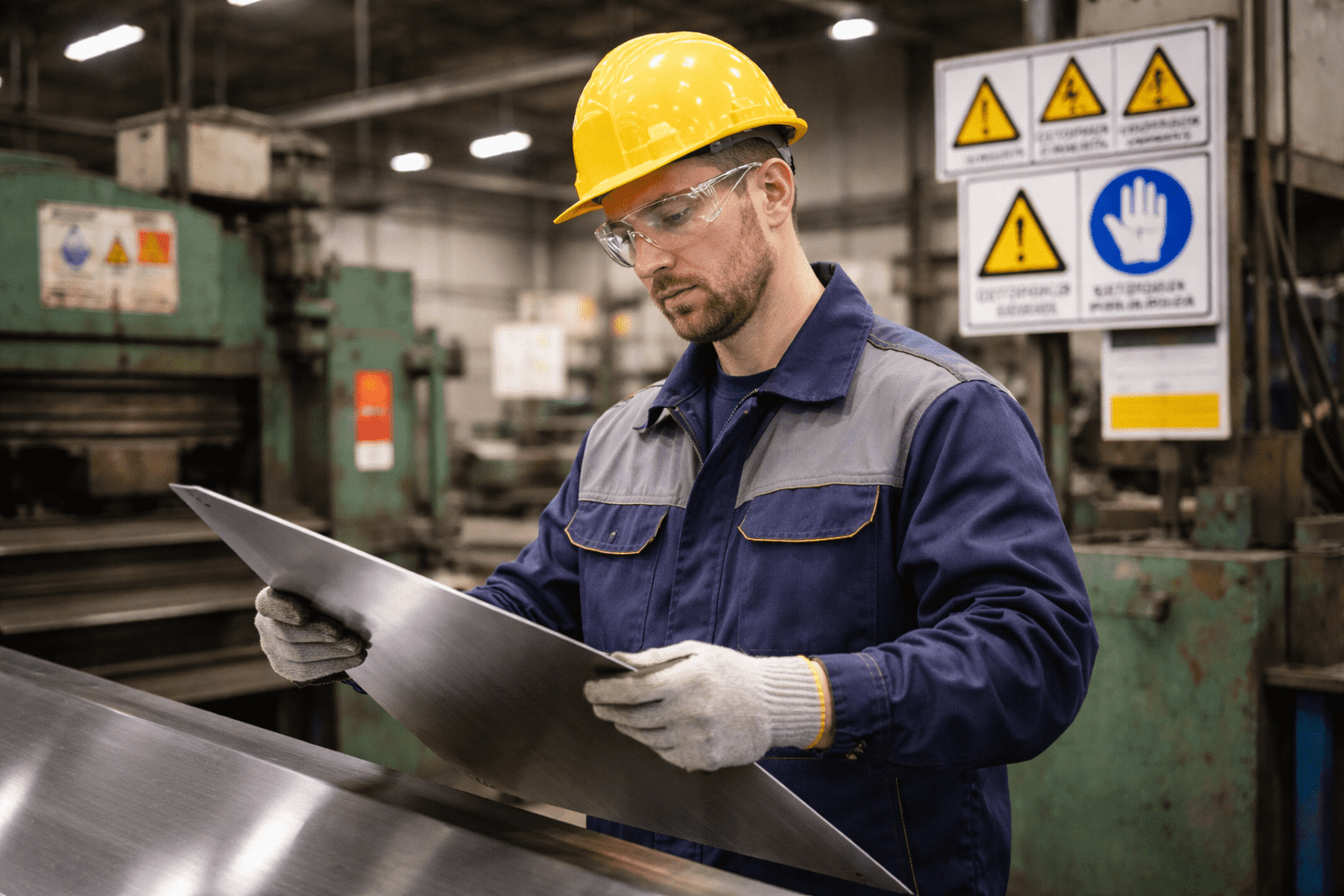
Usually not by themselves. Sheet metal tasks often require a glove that combines impact protection with meaningful ANSI cut resistance. A standard impact glove without a suitable cut liner may leave workers exposed to lacerations.
Which industries in the United States benefit most from impact gloves?
Oil and gas, construction, utilities, logistics, automotive, metal fabrication, and mining are among the strongest users because their workers commonly face strike, pinch, abrasion, and grip-loss hazards.
What coatings are best for oily work?
Nitrile-coated palms are commonly preferred for oily environments because they generally offer stronger grip retention than many plain palm materials. The exact performance still depends on the oil type, surface texture, and glove construction.
How should a U.S. buyer test gloves before full rollout?
Run a structured field trial across representative tasks, shifts, and users. Track wear life, comfort, grip, dexterity, and actual worker preference, then compare those results with injury data and replacement frequency.
Can a private-label distributor source impact gloves from a factory-direct manufacturer?
Yes. Many distributors use OEM or ODM programs to build branded glove lines, control specifications, and improve cost-performance. This is one reason companies evaluating long-term programs often compare domestic brands with manufacturers that support customization and bulk supply.
Final takeaway
If you are asking which hand injuries impact gloves prevent in U.S. workplaces, the clearest answer is this: they are primarily designed to reduce back-of-hand and knuckle trauma from strikes, crush contact, and pinch events, while many advanced models also help control related risks such as cuts, abrasions, oil-related slips, vibration, and cold-weather handling loss. The most effective buying strategy is to match the glove to the hazard pattern, run user trials, compare total cost of use, and select suppliers that can support your region, industry, and replenishment needs with consistency.