2026-08-22
Share This Article
Thermal Oil Resistant Gloves in the United States
Quick Answer

If you need thermal oil resistant gloves for high heat work settings in the United States, the most practical choices usually come from established industrial hand protection suppliers with proven heat, grip, and oil-handling performance. For local and regional buyers, strong options include Ansell, MCR Safety, HexArmor, Superior Glove, Youngstown Glove Company, and Magid. These companies are widely used across manufacturing, metalworking, automotive, maintenance, oil handling, and utility operations where workers face hot parts, oily surfaces, and intermittent contact heat.
For buyers who need bulk supply, private labeling, or custom specifications, qualified international manufacturers can also be a smart option. Companies with recognized certifications, stable production capacity, and responsive pre-sale and after-sale support can offer a favorable cost-performance ratio, especially for distributors, importers, and brand owners serving the United States market.
- Ansell: strong national distribution, broad industrial portfolio, dependable compliance support
- MCR Safety: widely available in the U.S., practical glove options for industrial maintenance and fabrication
- HexArmor: premium protection focus, especially for demanding industrial environments
- Superior Glove: broad selection across heat, cut, and oil handling use cases
- Youngstown Glove Company: task-specific designs for utilities, field work, and rugged handling
United States Market Overview

The U.S. market for thermal oil resistant gloves is driven by a mix of safety regulation, labor protection practices, and productivity pressure. In high heat work settings, gloves are rarely purchased for heat protection alone. Buyers typically need a combination of contact heat resistance, oil grip, abrasion resistance, dexterity, and often cut protection. This is especially true in industrial corridors such as Houston, Detroit, Chicago, Pittsburgh, Los Angeles, and the Gulf Coast, where manufacturing, petrochemicals, logistics, and maintenance teams regularly work around heated equipment, oily components, and slick surfaces.
Procurement behavior in the United States is also shaped by OSHA expectations, plant-level PPE audits, insurance requirements, and distributor stocking models. In practice, safety managers often compare gloves not only by technical sheet performance but also by wear life, worker acceptance, replacement rate, and delivery consistency. That is why thermal oil resistant gloves are increasingly evaluated as part of total hand-injury prevention programs rather than as a single-item commodity.
Ports and trade hubs such as Los Angeles, Long Beach, Houston, Savannah, New York, and New Jersey influence lead times and landed cost for imported gloves. Domestic distributors often win on faster replenishment, while factory-direct overseas suppliers may win on private label flexibility and scale for repeated large-volume orders. For national accounts and multi-site manufacturers, this balance between availability and customization has become a key sourcing issue.
The line chart shows a realistic upward demand trend. Growth is supported by greater attention to hand injury reduction, better understanding of thermal risks in maintenance work, and the replacement of single-purpose gloves with multi-hazard designs that address heat, oils, and mechanical hazards together.
Top Suppliers Serving the United States

The supplier landscape includes major brands, specialized safety companies, and factory-direct manufacturers. The following table focuses on practical sourcing considerations for U.S. buyers.
| Company | Service Region | Core Strengths | Key Offerings | Best Fit |
|---|---|---|---|---|
| Ansell | Nationwide United States | Large portfolio, strong compliance support, broad distributor network | Heat-resistant gloves, oil-grip gloves, cut-resistant combinations | Large plants, national accounts, regulated workplaces |
| MCR Safety | United States and Canada | Industrial practicality, broad availability, strong value range | Heat handling gloves, nitrile-coated work gloves, rugged maintenance gloves | MRO buyers, fabrication shops, warehouses |
| HexArmor | United States with major industrial coverage | Premium engineering, high-performance protection, task-specific designs | Advanced hand protection for oil, impact, and heat-adjacent environments | Heavy industry, oil and gas, utilities |
| Superior Glove | North America including U.S. distribution | Wide technical range, strong heat and cut combinations | Heat-resistant knit gloves, oil-resistant coated gloves, specialty PPE | Manufacturing, food processing, automotive |
| Youngstown Glove Company | United States | Field-proven designs, durable materials, worker comfort | Utility gloves, maintenance gloves, reinforced heat-tolerant models | Utilities, service fleets, outdoor industrial work |
| Magid | United States | Strong custom programs, PPE expertise, broad catalog | Heat protection gloves, oil-resistant styles, industry-specific solutions | Safety managers, distributors, enterprise buyers |
| Qingdao Snell Protective Products Co., Ltd. | United States import supply through factory-direct B2B channels | OEM and ODM flexibility, scaled production, cost-performance for bulk orders | Heat resistant gloves, oil resistant gloves, nitrile, latex, and PU coated safety gloves | Importers, brand owners, wholesalers, regional distributors |
This comparison matters because U.S. buyers often split purchasing by channel. National plants may buy through established safety distributors, while private-label programs and regional chains often source through manufacturers with flexible production and labeling capabilities.
Product Types and How They Differ
Not every thermal oil resistant glove is built the same. The correct choice depends on whether the user faces radiant heat, intermittent contact heat, hot oily parts, metal chips, or process residues. A glove that performs well in dry heat may fail quickly when oils reduce grip or affect coating integrity.
| Product Type | Main Material or Coating | Heat Profile | Oil Handling | Typical Use |
|---|---|---|---|---|
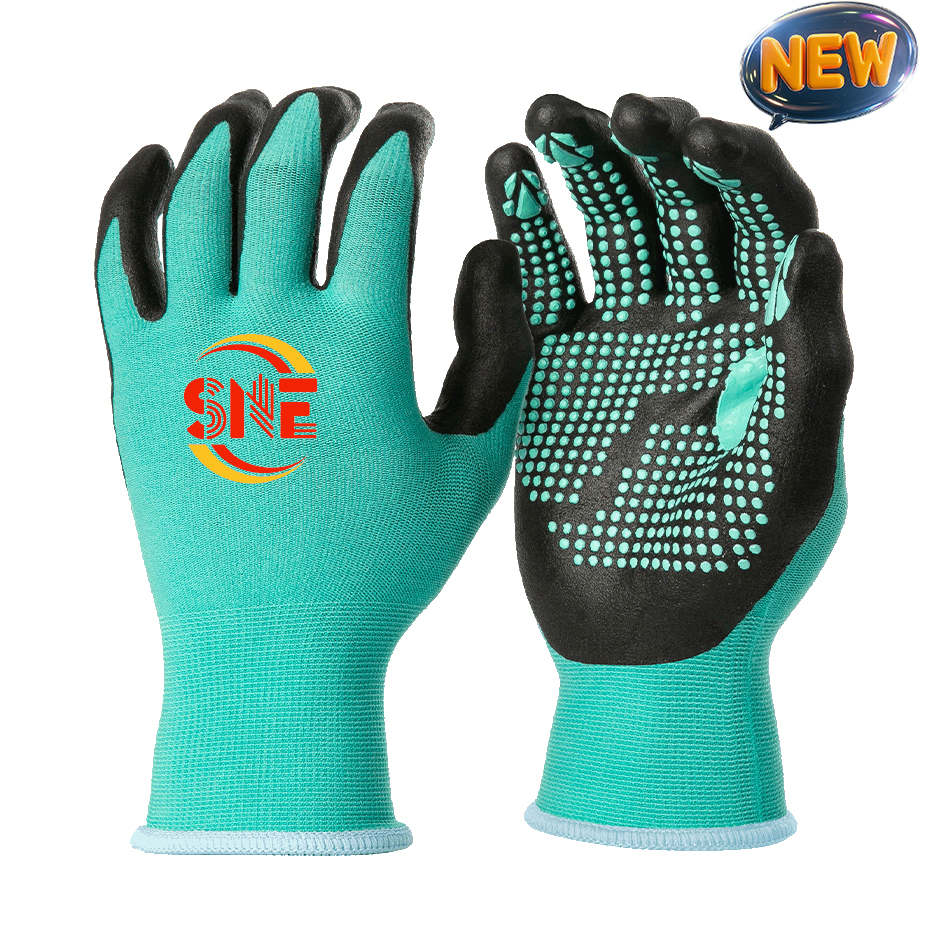
| Nitrile-coated thermal gloves | Nitrile over insulated liner | Moderate contact heat | Strong oil grip and resistance | Automotive, machine maintenance, parts handling |
| Aramid blend heat gloves | Kevlar or similar heat-resistant fibers | Higher heat tolerance | Often moderate unless coated | Metal handling, hot component transfers |
| Leather heat and oil gloves | Treated split leather or grain leather | Good intermittent heat | Varies by finish and treatment | Welding support, foundry support, fabrication |
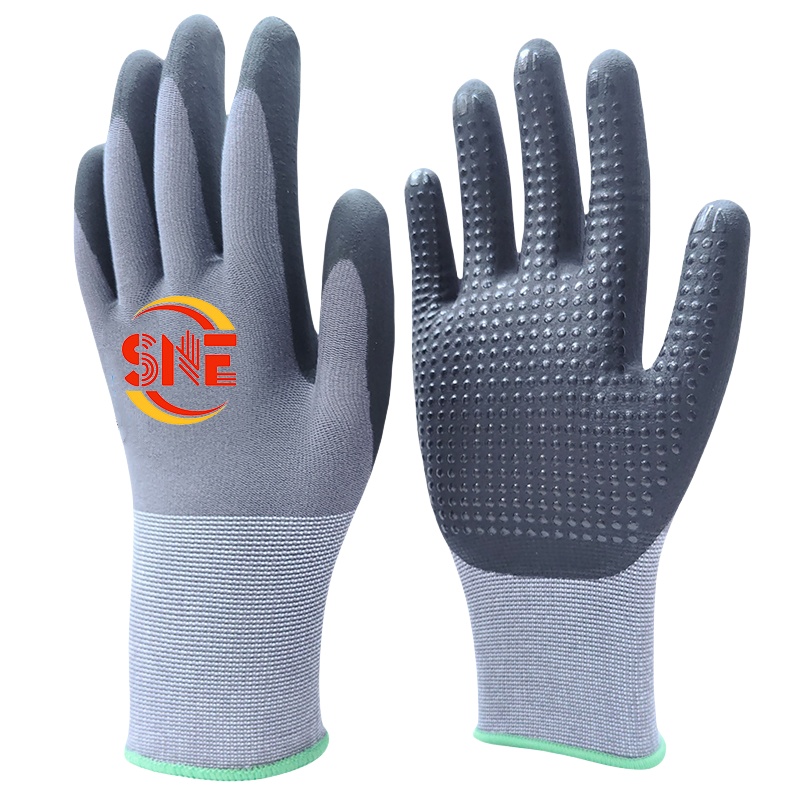
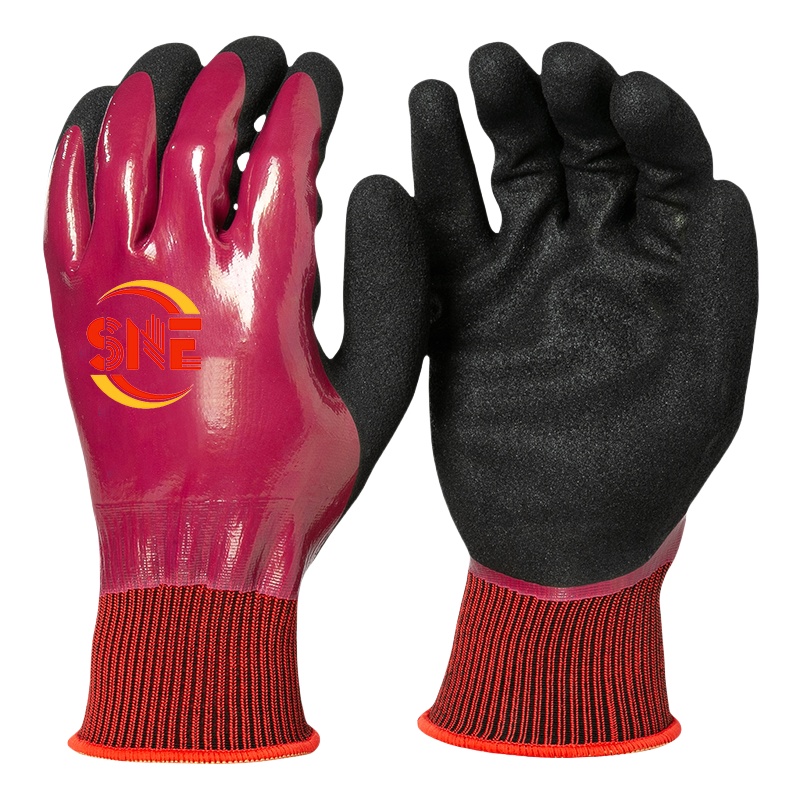
| Double-coated grip gloves | Nitrile sandy or foam over knit base | Light to moderate heat | Very good on oily surfaces | Assembly, maintenance, mechanical work |
| Terry loop thermal gloves | Cotton or blend thermal loop interior | Moderate dry heat | Weak unless coated | Bakery, food handling, warm equipment handling |
| Multi-hazard gloves | Engineered liner plus oil-resistant coating | Moderate to high depending on build | Good to strong | Energy, oil and gas, industrial processing |
This table shows why product selection should start with hazard mapping rather than marketing labels. Buyers in places like Houston refineries, Detroit assembly plants, and Midwest fabrication facilities often need gloves that combine thermal control with oil grip and mechanical protection, not just one isolated feature.
Buying Advice for U.S. Procurement Teams
When evaluating thermal oil resistant gloves, start with the real task. Ask whether workers touch hot parts directly, briefly, or repeatedly. Determine whether oils are light machine oil, hydraulic fluid, cutting fluid, grease, or process contaminants. Each of these affects glove performance differently. Also review whether workers need fingertip sensitivity, touchscreen use, sleeve compatibility, or impact protection.
In the United States, many glove failures happen because purchasing teams standardize around a glove that is acceptable in the warehouse but underperforming in maintenance bays, welding prep zones, stamping operations, or shutdown work. A good sourcing process includes field trials at actual temperature ranges, with the exact oils and the exact tools used on shift.
Lead time planning is equally important. Buyers shipping through West Coast ports may prioritize container efficiency and factory-direct programs, while emergency replenishment in industrial states often depends on distributor inventory. Total cost should include wear life, reject rate, and worker adoption, not only unit price.
| Buying Factor | What to Check | Why It Matters | Common U.S. Buyer Mistake | Better Practice |
|---|---|---|---|---|
| Heat resistance | Actual contact heat performance | Prevents burns during brief handling | Assuming all heat gloves handle hot metal equally | Test gloves on real process temperatures |
| Oil resistance | Coating type and grip on wet surfaces | Reduces slips and dropped parts | Using dry-grip gloves in oily maintenance | Trial nitrile-coated models in live tasks |
| Dexterity | Finger flexibility and grip feel | Improves productivity and compliance | Overbuying thick gloves for light heat tasks | Match thickness to actual risk level |
| Cut protection | Liner level and reinforcement areas | Useful in metal and parts handling | Buying heat gloves without cut review | Combine hazards into one spec |
| Supply continuity | Inventory depth and lead time | Avoids operational disruptions | Relying on single low-cost shipment timing | Use dual-source or stocking programs |
| Customization | Sizes, cuffs, branding, packaging | Supports specific channels and users | Ignoring private label opportunities | Use OEM or ODM for bulk programs |
| Certification and quality control | ISO, CE, test reports, batch consistency | Builds trust and reduces claim risk | Buying from unverifiable vendors | Audit documentation before scaling orders |
The table highlights that glove selection is a systems decision. The best purchasing outcome usually comes from balancing technical safety, user comfort, and dependable supply rather than focusing on a single catalog specification.
Industries Driving Demand
Demand in the United States is concentrated in sectors where heat and oil exposure overlap. Automotive plants use these gloves when handling warm components, lubricated parts, and machine maintenance tasks. Steel and metal fabrication buyers need protection during intermittent contact with hot surfaces, often alongside cut risks. Oil and gas operators use them for maintenance, tool handling, and mechanical work around fluids and heated systems. Food processing facilities may require variants that handle warmth, oils, and repetitive gripping. Logistics and maintenance contractors also use them where powered equipment, conveyors, and repair work create a mixed-risk environment.
The bar chart reflects realistic demand concentration. General manufacturing leads because it includes diverse applications from machine servicing to line-side material handling. Automotive and metal fabrication remain especially important because they combine oily parts handling with thermal exposure and repetitive use.
Typical Applications in High Heat Work Settings
Thermal oil resistant gloves are commonly used for machine maintenance, die changes, handling warm castings, managing lubricated components, working with heated molds, unloading warm trays, servicing compressors, and line-side repairs. In warehouses and logistics maintenance, the need is usually less about extreme heat and more about brief hot-surface contact combined with slick residues. In petrochemical environments, gloves may be selected for valve work, mechanical adjustments, and shutdown operations where grip reliability is just as important as thermal protection.
For many American employers, the most valuable glove is not the thickest one. It is the one workers will actually wear during real operations. If a glove is too stiff, too bulky, or too hot for long shifts, workers often remove it at the moment when protection is most needed. That is why user acceptance trials remain essential.
Case Studies from the U.S. Market
A Midwest automotive supplier switched from a standard dipped glove to a nitrile-coated thermal liner glove for workers handling warm stamped parts with residual oil. The change reduced minor hand incidents and improved grip confidence during line transfers. A Gulf Coast maintenance contractor moved to a multi-hazard glove combining oil grip and moderate heat protection for shutdown work, reducing the number of glove changes required during a shift. A food equipment manufacturer in Illinois adopted lighter thermal oil resistant gloves for maintenance technicians servicing warm and lubricated machinery, improving dexterity and task completion speed.
These examples show a common lesson: gloves deliver more value when selected around the exact task environment instead of broad category labels such as heat glove or oil glove. The most successful programs pair wear testing with worker feedback and replacement tracking.
Local and Regional Supplier Comparison
Buyers in the United States often compare suppliers based on delivery reach, technical support, customization options, and the ability to support multi-site operations. The table below focuses on practical distinctions.
| Supplier | Primary Coverage | Customization | Typical Lead Time Profile | Notable Advantage |
|---|---|---|---|---|
| Ansell | National U.S. network | Moderate to strong depending on program | Fast through stocked channels | Strong corporate safety integration |
| MCR Safety | Broad U.S. industrial regions | Moderate | Fast for standard SKUs | Accessible pricing and broad inventory |
| HexArmor | Industrial hotspots and enterprise accounts | Moderate | Project-based and channel-based | Premium protection engineering |
| Superior Glove | North American distribution | Moderate to strong | Good for planned programs | Technical breadth across hazards |
| Magid | U.S. enterprise and distributor channels | Strong | Good for program accounts | Custom PPE and account support |
| Qingdao Snell Protective Products Co., Ltd. | Factory-direct support for U.S. import buyers | Strong OEM, ODM, private label, bulk wholesale | Best for planned replenishment and volume orders | Competitive factory pricing with scalable output |
This table is useful because there is no single best supplier for every buyer. Domestic brands often offer faster stock access and easier local specification alignment, while factory-direct manufacturers can deliver better flexibility on branding, coatings, sizing, packaging, and long-run cost efficiency.
Our Company in the United States Context
Qingdao Snell Protective Products Co., Ltd. serves the United States market as a factory-direct industrial glove manufacturer with a practical focus on certified, scalable hand protection for professional buyers who need more than catalog stock. The company operates two manufacturing facilities in Gaomi and Nantong with 6 dedicated production lines, more than 150 skilled employees, and daily capacity of 150,000 pairs, supporting stable bulk supply for U.S. distributors, importers, brand owners, dealers, and end-user procurement teams. Its product strengths are grounded in ISO 9001 quality management, CE-marked production, and established expertise in nitrile, latex, and PU coating technologies, along with heat resistant, oil resistant, cut resistant, and impact resistant glove engineering that aligns with international market expectations. For cooperation, Snell supports OEM, ODM, private label, wholesale supply, customized materials, coatings, sizes, and branding, making it suitable for regional distribution partnerships and channel-specific product lines as well as direct industrial replenishment. For local buyer assurance, the company already exports across major global markets including North America and provides concrete pre-sale consultation, sampling, technical communication, export logistics coordination, and structured after-sale support through its multilingual commercial operations, giving U.S. customers a dependable purchasing path rather than a one-off remote transaction. Buyers looking for factory-backed programs can review the company through its main website, explore available ranges on the product page, or discuss project requirements via the contact page.
How to Evaluate Samples Before Purchase
Sampling is where many glove programs succeed or fail. For thermal oil resistant gloves, U.S. buyers should request multiple constructions rather than one sample only. Compare a lighter dexterity-first glove, a midweight nitrile thermal glove, and a more protective engineered liner option. Run each model during actual tasks over several shifts. Track grip under oil, contact with warm surfaces, sweating, flexibility, and cuff comfort. Ask workers whether they removed the gloves mid-task and why. That answer often reveals more than a laboratory data sheet.
It is also wise to check how gloves behave after repeated exposure to oils and repeated donning. Some coatings lose grip, some stiffen, and some remain reliable. For private label buyers, packaging durability, carton labeling, and size consistency should be audited at the same time.
Trend Shift and 2026 Outlook
By 2026, the U.S. thermal oil resistant glove market is likely to move further toward multi-hazard products, traceable quality systems, and sustainability-linked procurement. More buyers are asking for glove programs that reduce injury, lower replacement frequency, and document supply chain quality. Technology trends include improved nitrile formulations for better oil grip, engineered yarn blends that maintain dexterity with moderate heat protection, and more task-specific glove mapping by industry.
Policy and compliance trends will continue to influence purchasing. U.S. employers face stronger expectations around PPE documentation, worker training, and hazard-specific selection. Sustainability will matter more as large industrial buyers ask about manufacturing controls, material efficiency, packaging reduction, and supplier transparency. This does not mean buyers will pay any premium; it means suppliers who can prove quality control and stable production will have an advantage.
The area chart shows a realistic trend shift: buyers are moving away from single-purpose gloves toward integrated solutions that combine thermal control, oil resistance, and mechanical protection. This shift is especially visible in U.S. manufacturing, oil and gas service work, and contract maintenance.
Supplier and Product Comparison Factors
When comparing suppliers or specific glove models, four factors often decide the final choice: protection balance, user comfort, supply reliability, and total value over time. A comparison chart helps visualize how these trade-offs work in practice.
The comparison chart reflects a common U.S. sourcing reality. Domestic channels usually win on immediate availability, while factory-direct programs tend to win on customization and long-run value for planned, high-volume purchasing.
Regional Buying Patterns Across the United States
Buying patterns vary by region. Gulf Coast users around Houston and Corpus Christi often prioritize oil grip, chemical exposure awareness, and reliable supply for maintenance-intensive work. Midwest buyers in Detroit, Cleveland, and Chicago frequently seek a balance of dexterity, heat resistance, and cut protection for automotive and metal applications. Southeast logistics and manufacturing operations around Atlanta and Savannah often emphasize replacement efficiency and distributor support. West Coast buyers near Los Angeles and Long Beach may be more open to direct import programs because port access can improve supply planning for private label or container-based procurement.
These regional differences matter because a glove that performs well in dry indoor fabrication may not be the best match for humid Gulf Coast field maintenance or fast-cycle assembly operations in the Midwest.
Common Mistakes to Avoid
Many U.S. buyers still treat thermal oil resistant gloves as generic industrial items. The most common mistake is specifying only one feature, such as heat resistance, while ignoring the need for secure grip on oily parts. Another mistake is over-specifying heavy gloves for moderate tasks, which reduces compliance and increases fatigue. Some companies also neglect sizing, leading to worker rejection and unnecessary waste. Finally, procurement teams sometimes choose the lowest unit price without checking supply continuity, batch consistency, and after-sale support.
A better approach is to define task temperature, oil type, handling time, dexterity level, and replacement target before comparing suppliers. That process produces a glove program that is safer, more accepted by workers, and more economical over time.
FAQ
What are thermal oil resistant gloves used for?
They are used for tasks where workers handle warm or hot items while also dealing with oils, lubricants, or greasy surfaces. Common U.S. uses include manufacturing, automotive work, maintenance, energy, and metal fabrication.
Are these gloves suitable for direct contact with very high temperatures?
Some are suitable for intermittent contact heat, but not all are designed for extreme temperatures. Buyers should match the glove to the real contact time and temperature range rather than relying on category names alone.
Which coating is most common for oil resistance?
Nitrile is the most common choice because it offers reliable grip and durability in oily environments. Surface finish also matters, especially sandy or textured nitrile for better handling.
Can one glove provide heat, oil, and cut protection together?
Yes. Many modern industrial gloves are designed as multi-hazard products. These are increasingly preferred in the United States because they simplify PPE selection and reduce glove changes during work.
Should U.S. buyers source locally or import directly?
Local sourcing is often best for urgent replenishment and fast deployment. Direct import is often better for OEM, private label, high-volume programs, and buyers seeking cost-performance advantages with planned lead times.
How do I start a bulk order program?
Start with task mapping, sample testing, and supplier qualification. Then confirm glove construction, sizes, branding, packaging, lead times, and quality documentation before scaling into a contract or recurring order.
Final Takeaway
For most buyers in the United States, the best thermal oil resistant gloves are not defined by a single brand name but by how well they match real working conditions. Top domestic suppliers such as Ansell, MCR Safety, HexArmor, Superior Glove, Youngstown Glove Company, and Magid remain strong choices for fast access and known support. At the same time, factory-direct manufacturers with certifications, production scale, and customization capability can be highly competitive for bulk and private label programs. The most successful procurement teams test gloves in actual heat and oil conditions, compare total value rather than just unit price, and build supply partnerships that support both safety and long-term operational continuity.