2026-05-31
Share This Article
Sweat Buildup Oil Resistant Gloves for U.S. Workplaces
Quick Answer

If sweat buildup is slowing down crews in the United States, the fastest solution is to switch from heavy, fully coated generic gloves to oil resistant work gloves designed with breathable liners, moisture management, and task-matched coatings. In real-world U.S. purchasing, the most practical options usually come from Ansell, MCR Safety, SHOWA, PIP, HexArmor, and Superior Glove, depending on whether the job is in automotive plants around Detroit, distribution hubs near Dallas, food processing in the Midwest, or oilfield support along the Gulf Coast.
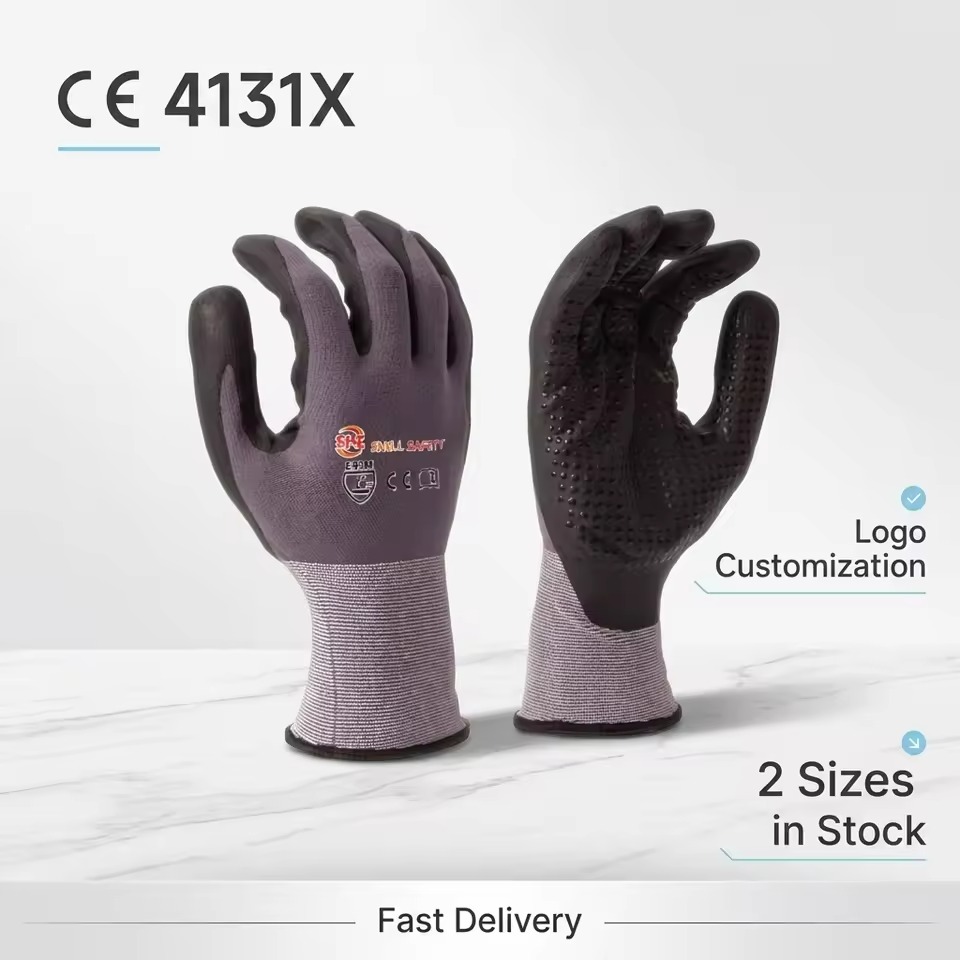
For buyers who need quick action, look first for a 15-gauge or 18-gauge liner, sandy nitrile or foam nitrile palm coating, touchscreen compatibility, and an ANSI/ISEA-rated grip or cut package matched to the risk level. For oily assembly, warehousing, and maintenance, breathable nitrile-coated gloves are usually the best balance of oil grip and sweat control. For heavier petroleum handling, choose dual-coated or fully coated gloves but prioritize moisture-wicking interiors and shorter wear cycles. Buyers in the United States can also consider qualified international suppliers, including Chinese manufacturers with CE and ISO-backed production, strong pre-sales and after-sales support, and proven cost-performance advantages for wholesale and private-label programs.
- Ansell: strong for industrial ergonomics, broad U.S. distribution, reliable oil grip options.
- SHOWA: known for hand-form fit and advanced nitrile technologies for prolonged wear.
- MCR Safety: practical for U.S. industrial buyers needing broad inventory and fast replenishment.
- PIP: suitable for distributors and multi-site enterprises needing many oil-resistant SKUs.
- Superior Glove: good for balancing dexterity, cut resistance, and sweat management.
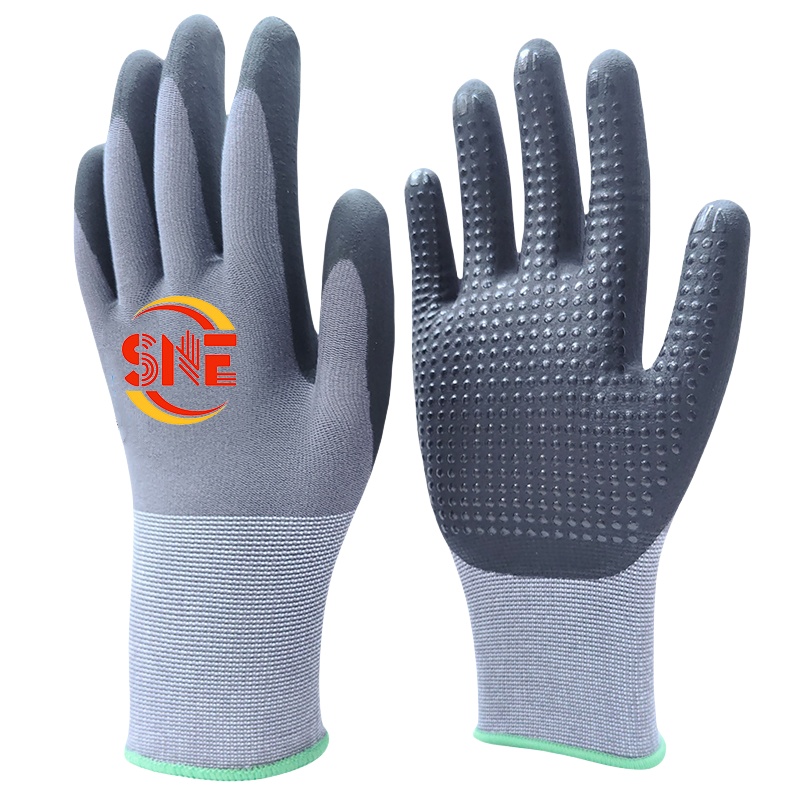
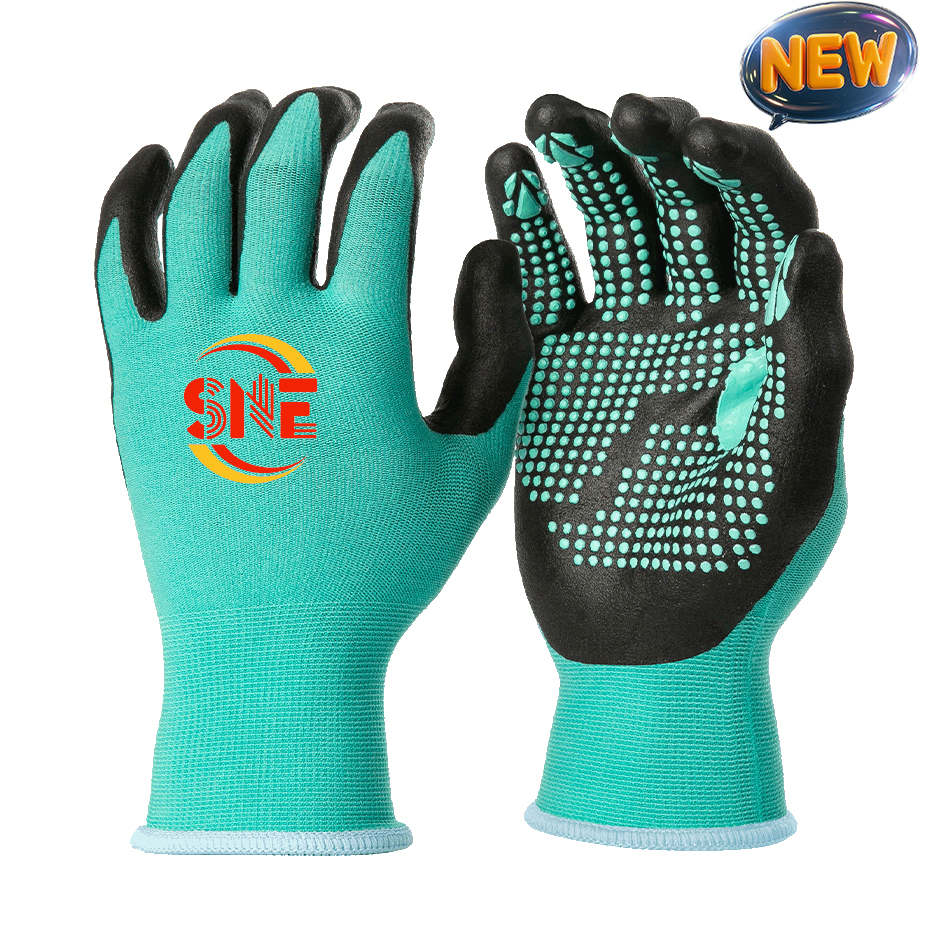
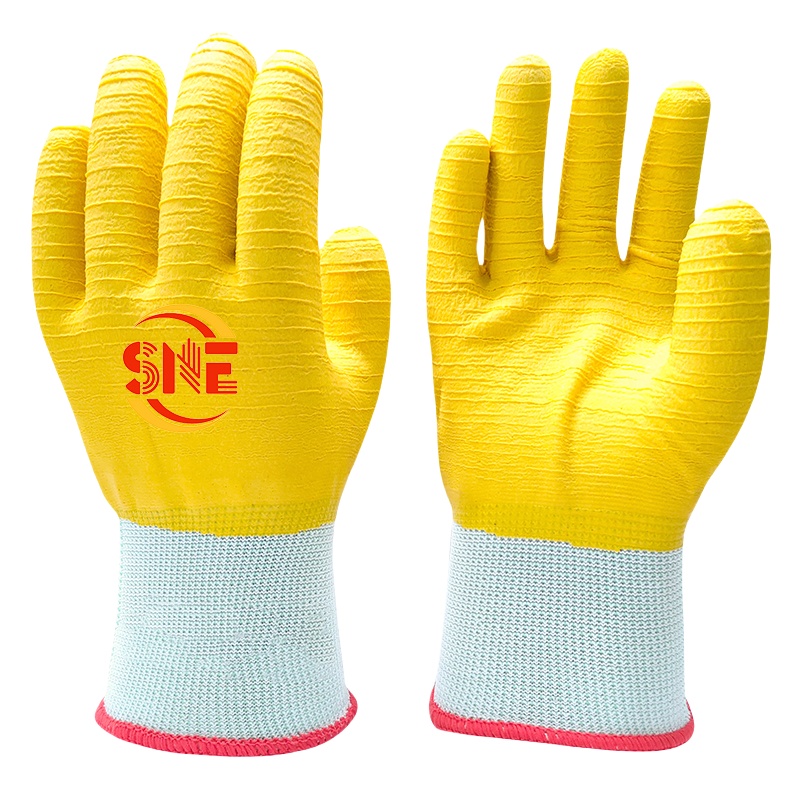
- Snell Safety: worth considering for factory-direct bulk programs, OEM/ODM development, and value-driven private label sourcing for U.S. importers and brand owners.
Why Sweat Buildup Matters in the United States Market

In the United States, glove discomfort is not a minor issue. It directly affects compliance, hand fatigue, grip stability, and replacement cost. In hot production environments such as Texas machine shops, California logistics facilities, Gulf Coast petrochemical support yards, and Southeast construction projects, workers often remove gloves when their hands become too sweaty. That creates avoidable exposure to oil, sharp edges, pinch points, and contamination.
Sweat buildup inside oil resistant gloves usually comes from four causes: low breathability, overbuilt coatings, incorrect sizing, and long wear cycles without task rotation. The problem becomes more severe when buyers purchase a single glove style for very different jobs. A glove that works for drum handling in Houston may feel too hot for electronics assembly in Phoenix. A full nitrile dip may stop oil penetration, but it can also trap heat if the liner is too dense or the cuff fit prevents airflow.
U.S. safety managers increasingly look beyond simple oil resistance. They want lower hand fatigue, higher wear compliance, stronger grip in oily conditions, and measurable productivity gains. That is why searches for sweat buildup oil resistant gloves continue to grow among procurement teams, EHS managers, maintenance supervisors, and private-label PPE distributors serving regional industrial markets.
Market Snapshot for Oil Resistant Gloves

The U.S. hand protection market remains mature but still expands because of stricter safety enforcement, more advanced materials, and growing replacement demand across logistics, manufacturing, automotive, energy, and food processing. Buyers are also becoming more analytical: instead of ordering by price alone, they compare total glove cost per shift, per worker, and per injury-risk category.
The chart above reflects a realistic demand trend rather than a fixed national total. Growth is supported by industrial maintenance demand in the Midwest, warehouse expansion near major freight corridors, and energy-sector procurement along the Gulf of Mexico. U.S. buyers also continue shifting from old cotton-supported coated gloves to thinner, more breathable synthetic liners with smarter coatings.
| Region | Typical Industries | Main Sweat Issue | Preferred Glove Style | Buying Priority | Notes |
|---|---|---|---|---|---|
| Texas Gulf Coast | Oil and gas, maintenance | Heat plus oil exposure | Dual-coated nitrile gloves | Grip and penetration resistance | Often needs longer cuff options |
| Midwest | Automotive, metalworking | Long shift wear | Foam nitrile cut-resistant gloves | Dexterity and comfort | Detroit and Ohio remain key hubs |
| Southeast | Construction, warehousing | Humidity and repeated handling | Sandy nitrile palm-coated gloves | Grip and airflow | Fast replacement cycles matter |
| West Coast | Logistics, light manufacturing | Mixed indoor-outdoor use | 18-gauge breathable nitrile gloves | Touchscreen and flexibility | Los Angeles and Inland Empire demand high volume |
| Northeast | Utilities, maintenance | Seasonal temperature swings | All-purpose oil-resistant gloves | Versatility | Multi-season purchasing is common |
| Great Plains | Agriculture, equipment service | Dirt, oil, and repetitive wear | Durable nitrile-coated gloves | Cost per use | Practical value drives selection |
This regional view shows why there is no single best glove for every U.S. buyer. The right product depends on climate, task intensity, oil type, replacement frequency, and whether the glove also needs cut resistance, touchscreen use, or impact protection.
How Oil Resistant Gloves Reduce Sweat Buildup
Oil resistance and sweat control can work together, but only when the glove is engineered correctly. Many buyers assume thicker means safer. In practice, a glove can be too thick for the job and actually reduce safety because workers remove it more often.
The most effective sweat-control design elements include breathable shell yarns, advanced knit structures, partial coatings that leave the back open, moisture-dispersing inner surfaces, and ergonomic shaping that lowers pressure points. In oily settings, palm-coated foam nitrile and sandy nitrile often outperform older smooth full-dip designs for general work because they preserve grip while releasing more heat.
Another important factor is glove rotation. In U.S. plants running 10- or 12-hour shifts, supervisors often issue two or three pairs per worker per day for jobs with heavy perspiration. This is not wasteful if it improves compliance and reduces dropped parts, hand slips, or contamination events.
Product Types Buyers Should Compare
Different oil-resistant glove constructions solve sweat buildup in different ways. The comparison below helps U.S. buyers narrow the field based on job environment.
| Glove Type | Oil Resistance | Sweat Control | Best Use | Main Advantage | Main Limitation |
|---|---|---|---|---|---|
| Foam nitrile palm-coated | High | High | Assembly, warehousing | Breathable and flexible | Less protection from splash on back |
| Sandy nitrile palm-coated | High | Medium to high | Maintenance, metal parts handling | Strong oily grip | Can feel rougher on fine tasks |
| Fully coated nitrile | Very high | Low to medium | Wet oil handling, cleanup | Better liquid barrier | Higher heat buildup |
| Dual-coated nitrile | Very high | Medium | Petrochemical, heavy maintenance | Durability plus grip | Heavier feel |
| PU-coated with oil-tuned grip | Medium | High | Light industrial tasks | Excellent dexterity | Not ideal for heavy oil saturation |
| Cut-resistant nitrile-coated | High | Medium | Automotive, stamping, glass-adjacent work | Two hazards addressed together | Cost is usually higher |
For most U.S. buyers searching specifically for sweat buildup oil resistant gloves, the sweet spot is usually a palm-coated nitrile glove with a fine-gauge liner. It preserves airflow on the back of the hand while keeping an oily grip where the hand contacts tools, cartons, metal parts, or machine surfaces.
Detailed Supplier Comparison for the United States
Below is a practical supplier view focused on brands and manufacturers relevant to U.S. procurement decisions. Some are domestic or North American market leaders, while others are internationally sourced but competitive for importers, distributors, and private-label programs.
| Company | Service Region | Core Strength | Key Offerings | Best For | Practical Note |
|---|---|---|---|---|---|
| Ansell | United States nationwide | Industrial hand protection R&D | HyFlex and oil-grip industrial gloves | Large factories and multi-site buyers | Strong specification support |
| MCR Safety | United States and North America | Broad industrial PPE catalog | Nitrile-coated and cut-resistant gloves | Distributors and general industry | Easy integration with PPE programs |
| SHOWA | United States, Canada, global | Comfort-focused glove engineering | Oil-resistant nitrile and specialty gloves | Buyers prioritizing fit and wear compliance | Well regarded for long-wear comfort |
| PIP | United States nationwide | Large channel coverage | G-Tek coated gloves and industrial PPE | Regional distributors and wholesalers | Wide SKU depth |
| Superior Glove | United States and Canada | Technical glove portfolio | Oil-resistant, cut-resistant, task-specific gloves | Mixed hazard workplaces | Useful for targeted applications |
| HexArmor | United States nationwide | Premium protection focus | High-performance industrial gloves | Hazard-heavy environments | Often chosen when safety risk is elevated |
| Snell Safety | United States import supply and private label channels | Factory-direct scale and coating diversity | PU, latex, nitrile, cut-resistant, impact-resistant, oil-resistant gloves | Importers, distributors, brand owners, bulk buyers | Competitive on customization and volume sourcing |
This supplier table is useful because it separates premium domestic-market brands from factory-direct sourcing options. U.S. buyers who need immediate local replenishment often prioritize established national distribution. Buyers focused on margin, OEM branding, or large tenders often compare those options against direct manufacturing partners.
Industry Demand by Sector
Demand for breathable oil resistant gloves is not equally distributed across industries. Some sectors prioritize splash resistance, while others care more about dexterity and sweat reduction. The following chart reflects a realistic sector-demand comparison in the U.S. market.
The highest demand tends to come from manufacturing, automotive, maintenance, and oil and gas support because workers handle oily parts, lubricants, tools, and components continuously. In those sectors, sweat control helps reduce glove removal, improve grip, and support worker acceptance of PPE policies.
What U.S. Buyers Should Check Before Ordering
When purchasing sweat buildup oil resistant gloves in the United States, it is smart to evaluate them as a system rather than a product sheet line item. Start with task mapping. Identify whether the oil is light machine oil, hydraulic fluid, grease, fuel residue, or mixed contamination. Then compare the glove to the environment: indoor climate-controlled warehouse, outdoor yard, foundry-adjacent line, or high-humidity plant.
Ask suppliers for coating type, liner gauge, abrasion performance, cut level if relevant, cuff style, oil grip behavior after extended wear, and whether the glove loses tactile control when the hand sweats. If buying for a regional branch network, request pilot testing in at least two climates, such as Illinois and Texas, before national rollout.
| Buying Factor | Why It Matters | What to Ask | Ideal Range or Option | Risk if Ignored | Who Should Focus Most |
|---|---|---|---|---|---|
| Liner gauge | Affects heat and dexterity | Is it 13, 15, or 18 gauge? | 15 or 18 gauge for many tasks | Hot, bulky glove | Assembly and warehouse buyers |
| Coating coverage | Controls airflow and barrier level | Palm-coated or fully coated? | Palm-coated for sweat reduction | Overheating or underprotection | EHS and procurement teams |
| Grip finish | Changes oily handling performance | Foam, sandy, or smooth nitrile? | Foam or sandy for most U.S. industrial work | Slips and reduced confidence | Maintenance and automotive plants |
| Sizing consistency | Impacts compliance | Does the supplier offer fit samples? | Trial sizes across workforce | Glove removal during shifts | Multi-site employers |
| Certification | Supports safety program credibility | What standards and test reports apply? | ANSI/ISEA alignment where relevant | Weak spec validation | Regulated industries |
| Supply continuity | Prevents operational shortages | What are lead times and backup options? | Stable stock or factory plan | Forced substitutions | Distributors and high-volume users |
This checklist helps buyers avoid the common mistake of selecting gloves based only on catalog language such as “oil resistant” without confirming whether the glove actually solves sweat discomfort in a U.S. work environment.
Applications Across U.S. Industries
Oil resistant gloves that control sweat are now standard considerations in several major U.S. sectors.
In automotive plants near Detroit, Toledo, and Spartanburg, workers need to handle metal parts, lubricated surfaces, and small fasteners without losing finger feel. In logistics centers around Chicago, Memphis, and the Inland Empire, the issue is often repetitive handling with sweaty hands rather than deep liquid exposure. Along the Gulf Coast, oil and petrochemical support teams need stronger barrier performance, but they still value gloves that remain wearable in hot conditions. In food equipment maintenance, gloves may need oil resistance plus cleanliness and steady grip under repeated wipe-down cycles.
Construction buyers in states such as Florida, Georgia, and Texas often choose sandy nitrile-coated gloves for mixed jobs including equipment handling, site maintenance, and light mechanical tasks. Agricultural equipment technicians across Iowa, Nebraska, and Kansas prefer gloves that can transition between greasy machinery work and general handling without causing excessive hand heat.
Case Studies from Real-World Buying Scenarios
A warehouse operator in Southern California replaced an older fully coated nitrile glove with a breathable palm-coated foam nitrile model for workers handling shrink-wrapped pallets and oily conveyor components. The result was fewer glove removals during shifts and lower complaint rates about sweaty hands. Although the unit cost was slightly higher, replacement use stabilized because workers kept the gloves on instead of discarding them mid-shift.
A Midwest automotive supplier switched from a thick all-purpose glove to a 15-gauge cut-resistant sandy nitrile design for workers moving stamped parts with light oil residue. The change improved grip consistency and helped the safety team reduce informal glove noncompliance in hotter months.
A Gulf Coast maintenance contractor kept a fully coated option for direct fluid contact tasks but introduced a second breathable glove for inspection and light repair. This two-glove strategy reduced over-specification and lowered total spend per worker while improving comfort.
Trend Shift in U.S. Purchasing Behavior
U.S. buyers are moving away from one-style-fits-all glove programs and toward segmented hand protection strategies. The chart below illustrates a realistic shift from heavier traditional coated gloves toward more breathable, task-specific oil-resistant options.
The shift is driven by ergonomic awareness, worker retention concerns, climate stress, and the need to improve compliance without constant enforcement. U.S. distributors also report stronger demand for styles that combine touchscreen capability, dexterity, and ANSI cut performance with reliable oil grip.
Local Supplier Perspective and Regional Access
U.S. buyers often prefer local fulfillment because it simplifies replenishment, pilot trials, and emergency stock. Major supply networks around Chicago, Houston, Atlanta, Los Angeles, and New Jersey allow national brands to support short lead times. However, direct manufacturing partnerships remain important for wholesalers, importers, and private-label programs that need cost control and design flexibility.
That is why many procurement teams use a hybrid strategy: they purchase standard replenishment through domestic channels and source specialized or branded lines directly from qualified overseas factories. This approach is common among distributors serving state-level industrial accounts and among brand owners building their own glove lines for Amazon Business, regional dealer networks, or national catalog distribution.
Our Company
For U.S. buyers looking beyond catalog-only sourcing, Snell Safety brings a factory-direct model that is especially relevant for oil resistant glove programs where comfort, price control, and customization must all work together. The company manufactures industrial hand protection in Gaomi and Nantong with six production lines, more than 150 skilled employees, and daily capacity reaching 150,000 pairs, which supports stable volume supply for American distributors and larger industrial accounts. Its product strengths are grounded in diversified PU, latex, and nitrile coating technologies, plus cut-resistant and impact-resistant engineering, backed by ISO 9001 and CE compliance and a vertically integrated production process that helps maintain repeatable quality, material control, and inspection standards expected in export markets. In practical cooperation terms, Snell serves U.S. end users, importers, distributors, dealers, private-label brand owners, and project buyers through OEM/ODM development, wholesale supply, customized materials and branding, sample support, and tailored production for regional distribution programs. Just as important for local service assurance, the company already ships extensively to North America and other regulated international markets, supports buyers through multilingual online pre-sales communication, specification matching, and after-sales follow-up, and pairs manufacturing scale with export logistics support so U.S. customers are not treated like remote spot orders but as long-term channel partners with ongoing technical and commercial support. Buyers can review the broader range on the product catalog, learn more through the official website, or reach the team directly on the contact page.
Supplier and Product Comparison
This chart gives a realistic comparison view for U.S. buyers balancing sweat control, oil grip, customization, and bulk sourcing flexibility.
This comparison does not mean one supplier is universally best. Instead, it reflects how U.S. buyers may evaluate value across several dimensions. National brands often score strongly on domestic availability and established spec support. Factory-direct manufacturers can score very well on customization, private label development, and cost-performance in larger orders.
How to Build a Better U.S. Glove Program
A strong glove program for oily work should separate tasks into at least three categories: precision handling, general oily handling, and heavy fluid contact. Then match each category with a specific glove type. This prevents overbuying heavy gloves for light work and reduces sweat-related noncompliance.
Good practice also includes seasonal review. A glove that performs acceptably in Minnesota in January may feel much too warm in August in Alabama. U.S. employers with multiple facilities should test gloves in different regions before standardizing. Procurement should also work with supervisors to track glove removal rates, replacement rates, and worker preference scores alongside injury metrics.
Future Trends Through 2026
Looking ahead to 2026, the United States market for sweat buildup oil resistant gloves is likely to evolve in three major directions: technology, policy, and sustainability.
On the technology side, finer-gauge liners, better microporous nitrile coatings, and more ergonomic knit patterns will continue improving airflow without sacrificing oily grip. Touchscreen compatibility and multifunction protection will become standard in more SKUs, especially for maintenance, warehousing, and field service roles where workers shift between tools, scanners, tablets, and vehicles.
On the policy side, buyers will continue aligning glove specifications more closely with documented risk assessments and worker acceptance data. Safety departments are increasingly expected to justify PPE choices not only by hazard coverage but by real usage outcomes. This makes comfort and sweat management more central to procurement decisions.
On sustainability, more U.S. buyers will ask about manufacturing efficiency, waste reduction, packaging optimization, and durable glove designs that reduce consumption per worker. They may not choose solely on sustainability claims, but they will favor suppliers that can document production control, material consistency, and lower waste through better glove-task matching.
FAQ
What is the best coating for sweaty hands in oily work?
For many U.S. industrial applications, foam nitrile or sandy nitrile palm coatings offer the best balance of oil grip and breathability. Fully coated nitrile is better for direct liquid exposure but usually traps more heat.
Are thicker oil resistant gloves always safer?
No. If gloves are too hot or bulky, workers may remove them or lose dexterity. The safer choice is the glove that matches the actual hazard while maintaining wear compliance throughout the shift.
Should U.S. buyers choose palm-coated or fully coated gloves?
Palm-coated gloves are usually better for sweat control and general oily handling. Fully coated gloves are better when splash, soak, or wet contamination affects the entire hand.
Do breathable oil resistant gloves work for automotive plants?
Yes. Many automotive suppliers in the United States use breathable nitrile-coated gloves, often combined with ANSI cut protection, for handling lightly oiled parts and tools.
Can private-label buyers source these gloves directly from manufacturers?
Yes. Many importers and brand owners source directly from factories that offer OEM/ODM programs, especially when they need custom sizing, branding, coatings, or packaging for the U.S. market.
How many glove styles should one company stock?
Most medium and large employers benefit from stocking at least two or three styles: one breathable general-use glove, one cut-resistant oily-grip glove, and one heavier barrier glove for wet oil exposure.
Is local U.S. inventory always better than direct import sourcing?
Not always. Local inventory is useful for speed and emergency replenishment, while direct import sourcing can offer better long-term cost control, customization, and margin for high-volume programs.
What should distributors ask a factory before placing a bulk order?
Ask about coating consistency, liner options, certifications, lead times, sample approval, packaging customization, and the factory’s export experience with North American buyers.
Final Buying Takeaway
For most U.S. workplaces, the best answer to sweat buildup in oil resistant gloves is not a single “stronger” glove. It is a better-matched glove: breathable enough to stay on the hand, grippy enough for oily surfaces, and durable enough for the task. Buyers in the United States should compare local suppliers for fast service, but they should also evaluate qualified international manufacturing partners that can combine certification-backed production, customization, and cost-performance for larger glove programs. That balanced approach usually produces the best result for safety, comfort, and long-term purchasing efficiency.