2026-07-15
Share This Article

How to Choose Cut Resistant Gloves in the United States
Quick Answer

To choose the right cut resistant gloves for work in the United States, start with the actual hazard rather than the glove label. Match the glove to the sharp material being handled, the force of contact, the need for grip in dry, oily, or wet conditions, the required dexterity, and the relevant ANSI/ISEA cut level. For light sheet metal handling, warehouse picking, and assembly, many buyers begin around ANSI A2 to A4. For glass, stamping, metal fabrication, recycling, and heavy parts handling, buyers often move to ANSI A5 to A7 or higher. The right coating also matters: PU is commonly chosen for precision and touch sensitivity, nitrile for oil resistance and abrasion, and latex for strong dry grip.
In practice, most U.S. safety managers short-list suppliers that can prove test data, maintain consistent sizing, offer reliable replenishment, and support trials across multiple workstations. Well-known names in the U.S. market include Ansell, HexArmor, MCR Safety, Superior Glove, PIP, and Magid. Qualified international suppliers can also be worth considering, especially when they hold recognized certifications and provide responsive pre-sales and after-sales support. For cost-performance, many U.S. importers, distributors, and private-label buyers also evaluate capable Chinese manufacturers that can deliver certified cut protection, stable bulk production, and customization options.
What the U.S. Market Looks Like

The United States is one of the most mature markets for industrial hand protection, driven by OSHA-focused workplace programs, strong enforcement culture, and broad demand across manufacturing, logistics, construction, metal fabrication, oil and gas, food processing, and automotive supply chains. Major demand centers include the Midwest manufacturing belt, Texas energy and petrochemical hubs, California warehousing clusters, the Southeast construction market, and East Coast logistics corridors linked to ports such as Los Angeles, Long Beach, Houston, Savannah, New York and New Jersey.
Cut hazards vary significantly by region and industry. Automotive plants in Michigan and Ohio may prioritize dexterity and all-day wear for stamping and assembly. Distribution and fulfillment centers around Dallas, Atlanta, Chicago, and Inland Empire often need moderate cut protection for carton handling, broken pallet risks, and utility knife exposure. Fabricators near Pittsburgh, Cleveland, and Houston may need a much higher cut level because burrs, sharp plate edges, and repetitive handling create more severe risk. That is why a one-size-fits-all glove program rarely works in the U.S. market.
Procurement patterns also differ. Large employers usually standardize by task analysis and written PPE policy, while distributors, wholesalers, and regional dealers often need broad SKU coverage across coatings, gauges, and cut levels. Brand owners increasingly want private-label options to protect margin and build customer loyalty. At the same time, buyers want dependable replenishment and quality consistency, since mixed lots or shifting fit profiles can lead to rejected wear trials and higher injury risk.
The line chart above illustrates a realistic growth pattern for U.S. demand. The increase is supported by stricter injury-prevention programs, automation that still leaves many manual touchpoints, expansion in e-commerce warehousing, and more frequent glove replacement policies. Demand is not growing only in high-risk heavy industry; it is also spreading into maintenance, utilities, last-mile logistics, and mixed-use industrial sites where hand injuries remain among the most common recordable incidents.
How Cut Resistant Gloves Are Classified

In the United States, the most practical starting point is the ANSI/ISEA 105 cut scale. Safety teams often refer to levels from A1 through A9, with higher numbers indicating greater cut resistance under standardized testing. However, buyers should not choose the highest level automatically. Higher cut resistance can mean thicker yarns, more weight, reduced flexibility, and lower worker acceptance if the job actually requires fine hand movement. The goal is task-appropriate protection, not maximum laboratory value at any cost.
It is equally important to understand that cut resistance is only one part of the glove decision. Many jobs also require abrasion resistance, puncture performance, tear strength, grip, and comfort in different environments. A glove that performs well on paper but slips on oily metal, traps too much heat, or causes hand fatigue will not perform well on the floor. Wear compliance is a safety factor in itself.
| ANSI Cut Level | Typical U.S. Tasks | Protection Profile | Common Materials | Dexterity Tendency | Buyer Note |
|---|---|---|---|---|---|
| A1 | Light packaging, general warehouse work | Basic cut protection | Engineered yarn blends, light liners | Very high | Useful when cut risk is occasional and low |
| A2 | Order picking, light assembly, parts handling | Low to moderate | HPPE, light glass fiber blends | High | Popular entry point for mixed warehouse tasks |
| A3 | HVAC, appliance assembly, maintenance | Moderate | HPPE, steel or glass reinforcement blends | High | Balanced option for many industrial users |
| A4 | Sheet metal handling, glass handling support | Moderate to high | HPPE, para-aramid blends | Medium-high | Widely specified in manufacturing contracts |
| A5-A6 | Metal fabrication, stamping, recycling | High | Advanced composite yarns | Medium | Chosen when sharp edges are frequent and forceful |
| A7-A9 | Heavy glass, severe metal hazards, high-risk work | Very high to extreme | Dense engineered fibers and reinforcements | Medium to low | Only use when the task really justifies the trade-off |
This table helps buyers avoid overspending or underspecifying. A warehouse operator using box cutters may need a very different glove than a technician handling oily machined parts. U.S. buyers that run successful glove programs usually link each job function to a tested glove style, then verify worker acceptance during a pilot period rather than relying solely on catalog claims.
Product Types and When to Use Them
Cut resistant gloves are not one product category with a single answer. In the U.S. market, selection often comes down to liner technology, gauge, coating, cuff style, and whether the glove is designed for dry, wet, oily, or high-abrasion environments. Thin 13-gauge to 18-gauge gloves are common in assembly and logistics because they support feel and finger control. Heavier designs are more common in fabrication and recycling where severe edges are present.
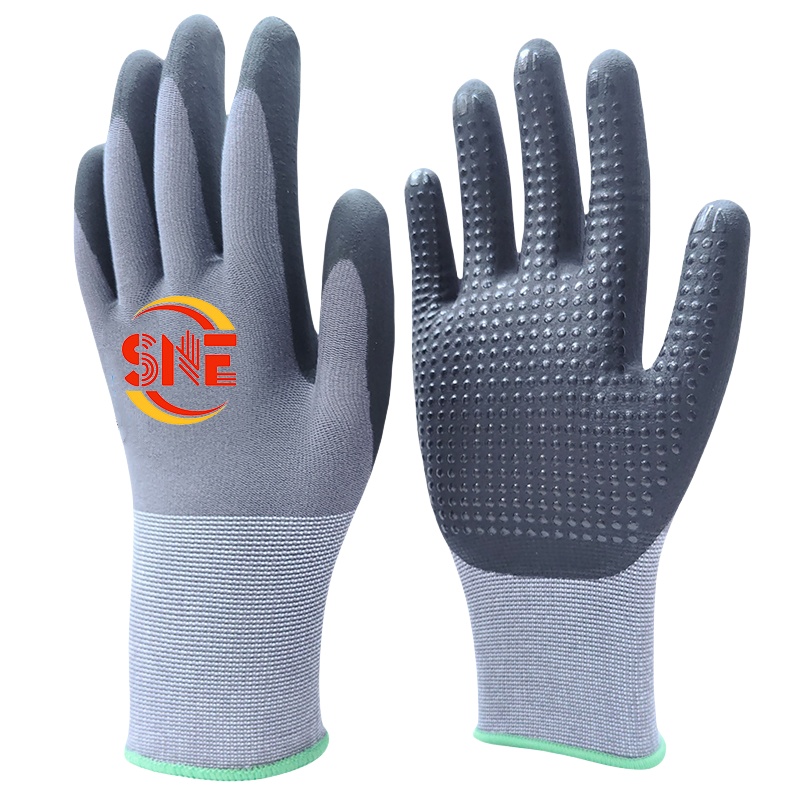
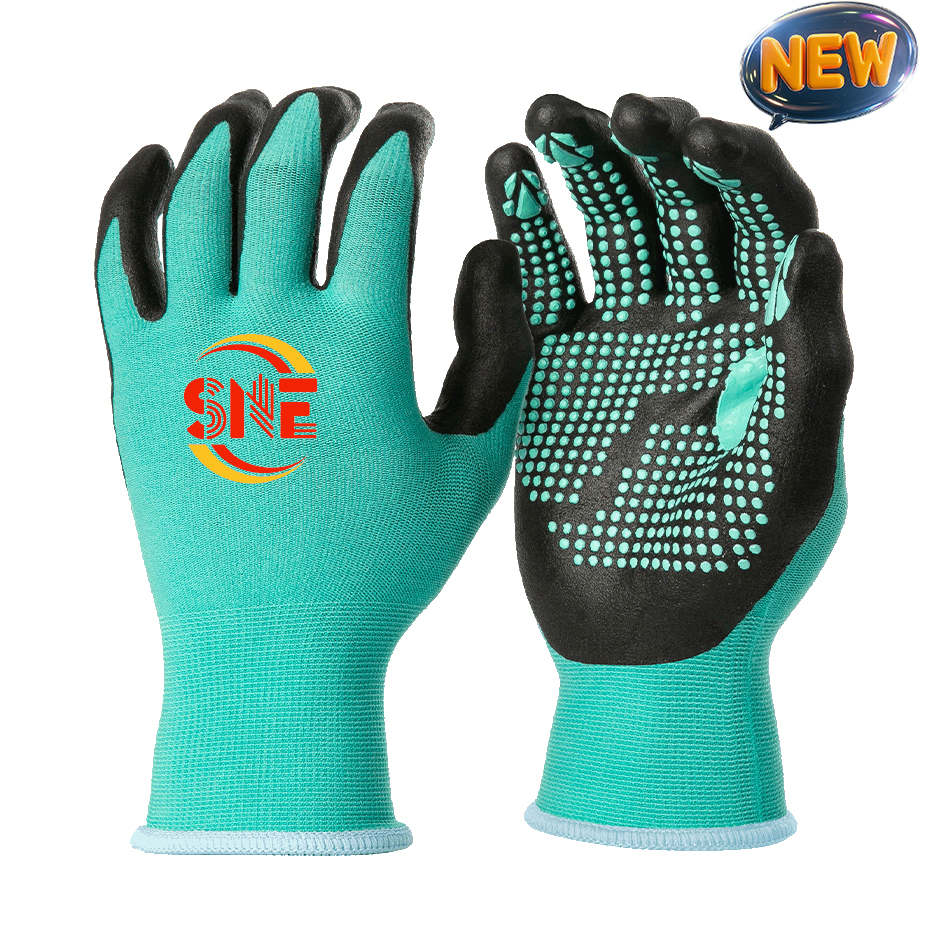
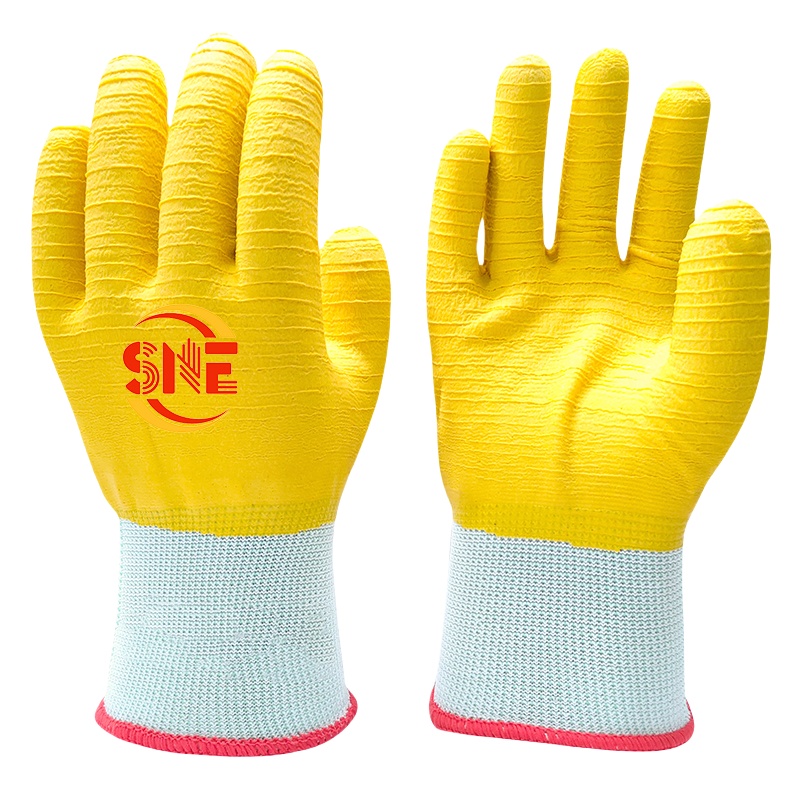
PU-coated gloves are often preferred for electronics, light manufacturing, automotive sub-assembly, and precision handling because they give a close fit and relatively low coating bulk. Nitrile-coated gloves are a frequent choice where oils, coolants, or abrasion matter, such as machine shops, auto parts plants, and maintenance departments. Latex-coated gloves remain popular in construction and material handling because they offer aggressive grip, especially in dry or slightly damp conditions, though they are not ideal for every chemical or allergy-sensitive environment.
Some tasks also require impact protection over a cut resistant liner, particularly in oil and gas, mining support, heavy equipment maintenance, and some logistics applications. In cold environments, a thermal liner may be combined with cut protection, but this changes fit and dexterity, so trials become even more important.
| Glove Type | Best Environment | Main Advantage | Main Limitation | Typical U.S. Industries | Recommended Use Case |
|---|---|---|---|---|---|
| PU coated cut glove | Dry or light oil environments | High tactility and precise handling | Less aggressive grip in heavy oil | Automotive, electronics, assembly | Small parts and repetitive bench work |
| Sandy nitrile coated cut glove | Oily and abrasive tasks | Strong grip and wear life | Can feel warmer than PU | Machining, maintenance, metalworking | Handling oily parts and tools |
| Foam nitrile coated cut glove | Mixed dry to light oil conditions | Balanced comfort and grip | Not for heavy liquid exposure | Warehouse, fabrication, general industry | Multi-task glove programs |
| Latex coated cut glove | Dry and outdoor handling | Excellent grip and durability | Not ideal for oil-heavy work | Construction, lumber, utilities | Rough materials and outdoor jobs |
| Cut glove with impact back | High-risk mechanical work | Cut plus back-of-hand protection | Bulkier profile | Oil and gas, mining, heavy maintenance | Tasks with crush and strike hazards |
| Cut resistant sleeve plus glove | Extended forearm exposure | Protects hand and arm system | Requires correct pairing | Glass, metal, recycling | Long sharp edges and forearm contact risk |
The table shows why buyers should evaluate both the liner and the coating. A glove that tests well for cut resistance but performs poorly in actual grip conditions can increase dropped parts, user frustration, and removal during work. That is one of the most common reasons glove programs fail after rollout.
How to Buy the Right Gloves Instead of the Most Expensive Gloves
A disciplined U.S. buying process usually starts with a task map. Identify what workers touch, how often they touch it, how sharp it is, whether edges are static or moving, and whether the contact is incidental or forceful. Then review whether the task includes oils, grease, moisture, heat, cold, vibration, impact, or chemical splash. This simple hazard matrix often narrows the field quickly.
Next, evaluate fit and sizing. Workers in distribution centers near Memphis or Columbus may wear gloves for an entire shift and need consistent sizing across replenishment orders. If a style fits tightly in one lot and loosely in the next, compliance drops. Ask suppliers for size curves, carton consistency, and lot traceability. Also review cuff length, touchscreen needs, color coding by cut level, and whether the glove sheds fibers or contaminants in cleaner work environments.
Then test under real conditions. A successful pilot usually compares two or three glove styles over several days or weeks, measuring comfort, grip, hand fatigue, durability, and damage rates. Safety managers should track replacement frequency, worker feedback, and any near-miss data. In many cases, a slightly higher unit price reduces the total program cost because the glove lasts longer or reduces unnecessary replacements.
This bar chart highlights a practical point for buyers: demand is broad, but the dominant use cases vary by industry. Metal fabrication and automotive often drive higher cut-level demand, while warehouse and construction typically require more mixed-performance gloves that balance dexterity, grip, and replacement cost. A supplier that only offers one narrow segment will not always be the best strategic partner.
Industries and Applications Across the United States
Different industries ask very different questions when choosing hand protection. In automotive, the issue is often balancing sharp-edge protection with touch and repetitive motion comfort. In warehousing, the challenge may be preventing lacerations from cartons, strapping, blades, and damaged pallets without slowing pick rates. In construction, gloves need to withstand rough materials, weather shifts, and multi-task handling. In food processing, buyers may need cut protection that integrates with hygiene practices and task-specific sanitation requirements.
Applications matter just as much as industries. Handling raw sheet metal is different from deburring finished parts. Loading scrap is different from unpacking consumer goods. Installing HVAC ductwork is different from changing machine blades in planned maintenance. The more precisely a buyer defines the task, the more likely the glove specification will succeed.
| Industry | Common Cut Hazard | Typical Preferred Cut Range | Common Coating Choice | Key Buying Priority | Application Example |
|---|---|---|---|---|---|
| Automotive | Stamped parts, trim edges, small sharps | A3-A5 | PU or foam nitrile | Dexterity with repeat wear comfort | Assembly and sub-component handling |
| Metal Fabrication | Sheet edges, burrs, unfinished surfaces | A4-A7 | Sandy nitrile | Protection plus durability | Loading cut parts and fabrication lines |
| Warehouse and Logistics | Cartons, strapping, pallet splinters, knives | A2-A4 | Foam nitrile or PU | All-day comfort and value | Order picking and receiving |
| Construction | Rough materials, tools, sharp hardware | A2-A5 | Latex or nitrile | Grip in changing site conditions | Framing, ductwork, general site handling |
| Oil and Gas | Tools, pipe handling, sharp equipment edges | A4-A6 | Nitrile with impact option | Multi-hazard protection | Maintenance and field service work |
| Glass and Glazing | Sharp glass edges and breakage | A5-A8 | Specialized coatings and sleeves | High cut resistance with secure grip | Panel handling and installation |
This table shows why a U.S. distributor or safety buyer should segment inventory by customer profile. Selling the same glove into all industries creates avoidable complaints and returns. A warehouse client in New Jersey and a fabrication client in Indiana may both ask for cut gloves, but they are often buying for fundamentally different risk profiles.
What to Look for in a Supplier
Once the glove specification is narrowed, supplier quality becomes the next decision. In the United States, dependable glove sourcing means more than a broad catalog. Buyers should ask for test documentation, coating consistency, packaging standards, sample lead times, replenishment reliability, and willingness to support wear trials. They should also evaluate whether the supplier understands regional freight realities through ports such as Long Beach, Houston, Savannah, and New York, especially for large import programs where timing and landed cost shape purchasing decisions.
For distributors and wholesalers, private-label capability is often a major advantage. Buyers want flexibility in cuff colors, labels, packaging, barcodes, and carton language. For end users, account support matters more: task matching, user training, and quick replacement when a trial succeeds. For brand owners, OEM and ODM support can determine whether a glove line is scalable.
| Supplier | Service Region | Core Strengths | Key Offerings | Best Fit Buyer Type | Practical Buying Note |
|---|---|---|---|---|---|
| Ansell | Nationwide United States | Global PPE scale, broad industrial portfolio | Cut, chemical, disposable, specialty gloves | Large enterprises and multi-site buyers | Strong for standardized national programs |
| HexArmor | United States and North America | High-performance hand protection and impact lines | Cut-resistant, impact-resistant, safety eyewear | High-risk industrial users | Popular where severe hazards justify premium spend |
| MCR Safety | United States distribution network | Industrial safety depth and broad dealer coverage | Cut gloves, glasses, garments, general PPE | Distributors and mid-sized plants | Good option for mixed industrial accounts |
| Superior Glove | United States and Canada | Strong glove specialization and application variety | Cut, heat, cold, impact, sleeves | Safety managers seeking task-specific styles | Useful when programs need many glove variants |
| PIP | Nationwide United States | Large safety product platform and channel reach | Hand protection and broad PPE categories | Dealers, national contracts, integrated PPE buyers | Attractive for consolidated procurement |
| Magid | United States with strong industrial presence | Private-label options and industrial support | Cut gloves, safety apparel, site services | Industrial accounts and custom buyers | Often considered for tailored glove programs |
The table above is helpful because it separates supplier fit by real buying scenario. Some companies are best for nationwide standardization, while others are stronger in premium hazard niches or custom dealer programs. U.S. buyers should shortlist suppliers based on operational fit, not name recognition alone.
Local Supplier Landscape and Regional Buying Realities
The United States does not function as a single uniform PPE market. Buyers in California often prioritize quick replenishment into port-adjacent distribution networks and large warehouse accounts. Texas buyers may focus more on oil and gas, fabrication, and contractor readiness. Midwest buyers frequently emphasize manufacturing consistency and cost control across multiple plants. East Coast importers and distributors may put more weight on inventory turns, private-label flexibility, and support for channel sales across dense customer networks.
Local stocking and trial support remain a major advantage. Even when gloves are manufactured overseas, U.S. buyers often prefer suppliers that can support domestic samples, customer visits, and responsive issue handling. That is especially important when a glove is rolled out across large labor teams where adoption depends on smooth onboarding and reliable replenishment.
The area chart reflects a visible market shift in the United States: buyers increasingly want lighter gloves that still deliver meaningful cut performance. This trend is driven by wear compliance, productivity pressure, and improvements in engineered yarns. Instead of simply buying thicker gloves, companies are moving toward more precise task segmentation and more comfortable glove specifications.
Case Studies from U.S. Buying Scenarios
A metal fabrication company in Ohio switched from a generic heavy glove to an ANSI A5 sandy nitrile style after repeated complaints about grip and fatigue. The new glove slightly increased unit cost but reduced replacements over the month because the coating wore more slowly, and worker acceptance improved because the glove moved better at the knuckle. The site also separated shipping tasks into a lower cut-level glove, lowering overall spend.
A third-party logistics provider in Southern California tested A2, A3, and A4 gloves across receiving, replenishment, and returns processing. The trial showed that workers handling cartons and scanners preferred a thinner A3 foam nitrile glove rather than the heavier A4 style chosen at the start. Injury prevention remained acceptable while pick speed and employee satisfaction improved. The result was a task-specific program instead of a single glove standard.
A Gulf Coast maintenance contractor needed hand protection for oily valves, tools, and occasional sharp edges during shutdown work. The final selection was a nitrile-coated cut glove with impact protection for specific crews, while less exposed workers used a lighter non-impact version. This reduced overbuying and helped the contractor align PPE cost with real hazard differences between teams.
Our Company in the U.S. Supply Conversation
For U.S. buyers looking beyond traditional domestic brands, Snell Safety is relevant because it combines production scale with flexible B2B support rather than acting as a trading middleman. Qingdao Snell Protective Products Co., Ltd. operates two manufacturing facilities in Gaomi and Nantong with 6 dedicated production lines, more than 150 skilled employees, and daily capacity reaching 150,000 pairs, which supports stable large-volume supply for American distributors, importers, and brand owners. Its hand protection range covers PU, latex, and nitrile coated gloves as well as cut-resistant, impact-resistant, and industry-specific styles, backed by ISO 9001 and CE credentials that help demonstrate disciplined manufacturing and quality-control systems for global markets. In cooperation terms, the company supports OEM, ODM, bulk wholesale, private-label development, and customized materials, sizing, coatings, and branding, making it practical for regional dealers, national distributors, end users, and private-label programs in the United States. Just as important for market trust, Snell already serves North America alongside Europe, Australia, the Middle East, Russia, South America, and Southeast Asia, and supports buyers through multilingual online consultation, sample coordination, technical communication, and export logistics assistance, giving U.S. customers real pre-sale and after-sale continuity instead of a distant transactional export relationship. Buyers that want to review the wider product range can visit the industrial glove catalog, and those looking for direct project discussion can use the U.S. buyer contact page or start from the main company site.
Comparing Product and Supplier Priorities
When U.S. buyers compare options, they should score gloves and suppliers across the factors that actually affect adoption: cut level fit, coating performance, comfort, lead time, customization, and support quality. A glove may have a strong test result but still perform poorly in a local program if sizes run small, replenishment is unstable, or there is no practical support when the first pilot needs adjustment.
This comparison chart is not a ranking of a single brand. Instead, it reflects how many purchasing teams evaluate glove supply partnerships in practice. Strong cost-performance and bulk capacity matter, but so do range coverage and customization. For U.S. private-label buyers, the ability to tailor products and packaging can be just as important as the glove itself.
Buying Advice for Distributors, End Users, and Brand Owners
Distributors should focus on assortment logic. Stocking only premium gloves may tie up cash and limit sell-through, while carrying only low-cost styles may create customer churn when applications become more demanding. A practical range often includes entry A2-A3 options for warehouse and general industrial users, mid-tier A4-A5 for fabrication and maintenance, and specialty A6 and above for severe hazards. Color coding, shelf-ready packaging, and consistent private-label presentation can improve conversion at the branch level.
End users should focus on injury reduction, worker acceptance, and total cost per task. Many plants discover that glove failures are caused less by insufficient cut level and more by poor fit, poor grip, or a mismatch between glove and process. Conducting side-by-side wear trials with actual crews usually provides better data than making a decision from a sample room alone.
Brand owners should prioritize manufacturing discipline, traceability, and product-development flexibility. If a supplier cannot maintain knit consistency, coating feel, or sizing accuracy from one order to the next, it becomes difficult to build a reliable glove line. The best factory relationships are transparent about specifications, testing, and change control.
Future Trends Through 2026
By 2026, the U.S. cut resistant glove market is expected to become more segmented, more data-driven, and more sustainability-aware. On the technology side, engineered yarns will continue to improve, allowing gloves to deliver higher cut performance at lighter weights. Touchscreen compatibility, improved breathability, and hybrid coatings for mixed environments will become more common. Buyers are also likely to demand clearer test communication, especially when comparing imported products and private-label lines.
On the policy side, employers will continue tightening PPE documentation under broader safety management practices, even when no single federal change creates a sudden market shock. Recordable hand injuries remain costly, so purchasing teams are aligning glove selection more closely with job hazard analysis, training, and documented trial results. Large employers increasingly expect suppliers to support this process with usage guidance and technical sales support.
On the sustainability side, more buyers will ask about manufacturing efficiency, packaging reduction, and product durability rather than making decisions on unit price alone. Longer-lasting gloves can reduce waste and replenishment burden. Manufacturers that combine efficient production, quality control, and consistent bulk supply will be in a stronger position than those competing only on the lowest initial price.
FAQ
What cut level should most warehouse workers in the United States start with?
Many warehouse operations start evaluation around ANSI A2 to A4, depending on whether workers mainly handle cartons and inventory or also use blades, strapping tools, and damaged pallet loads. The correct answer depends on the real task mix, not just the job title.
Is a higher ANSI cut level always better?
No. Higher cut levels often involve trade-offs in flexibility, heat buildup, and tactile feel. If the glove is uncomfortable, workers may remove it or resist using it consistently. The best glove is the lowest level that safely matches the actual task and environment.
Which coating is best for oily parts?
Sandy nitrile or foam nitrile are often preferred for oily or lightly oily environments because they generally provide stronger grip and better abrasion performance than many PU styles. For precision work with minimal oil, PU can still be the better choice.
Do U.S. buyers only work with domestic suppliers?
No. Many U.S. distributors, importers, and brand owners buy from a mix of domestic brands and international manufacturers. The key is documentation, consistency, logistics reliability, and support. Overseas factories with recognized certifications and strong account service can be very competitive in cost-performance.
How important is fit when choosing cut resistant gloves?
Fit is critical. Poor fit reduces grip, increases fatigue, lowers dexterity, and often leads to non-compliance. Always test multiple sizes and confirm that sizing remains consistent from one order batch to the next.
When should sleeves be added to the program?
Sleeves are useful when forearm contact with sharp edges is likely, such as in glass handling, sheet metal work, and recycling. They should be selected as part of a glove-and-sleeve system so the entire exposed area is protected without interfering with movement.
What should private-label buyers ask a glove factory?
They should ask about production capacity, lot consistency, material and coating options, testing records, carton and barcode customization, sample turnaround, and change-control procedures. Private-label success depends on repeatability as much as on initial product performance.
Final Takeaway
If you are choosing cut resistant gloves for work in the United States, begin with the task, verify the ANSI cut level, match the coating to the environment, confirm fit through wear trials, and select a supplier that can support long-term consistency. The U.S. market rewards practical glove programs, not guesswork. Whether you buy from an established domestic brand or a qualified international manufacturer, the best outcome comes from aligning protection, productivity, and supply reliability into one clear purchasing decision.