2026-07-14
Share This Article
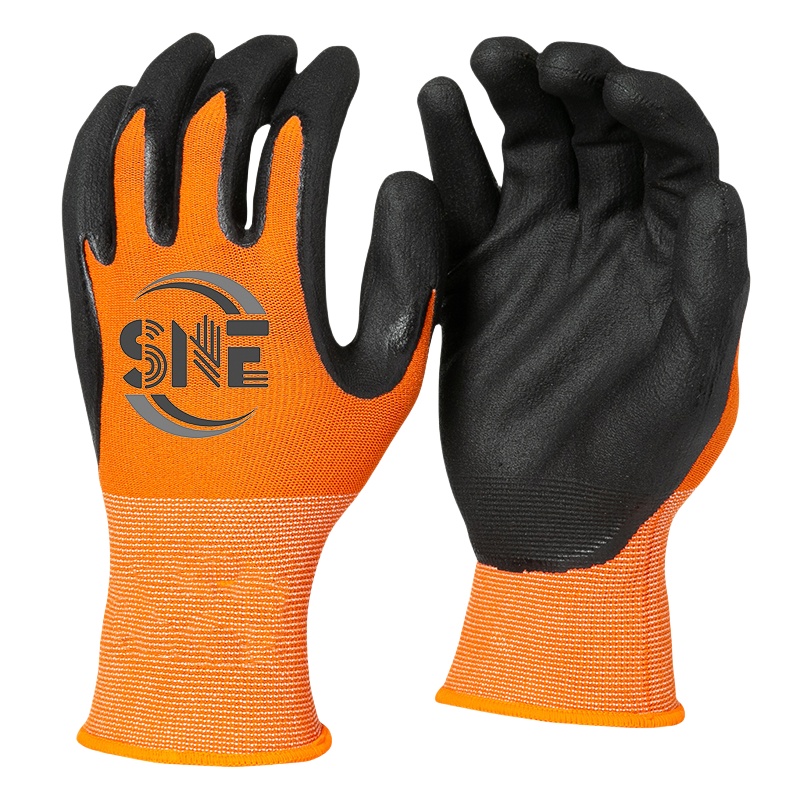
Touchscreen Cut Resistant Gloves in the United States
Quick Answer

If you need touchscreen cut resistant gloves in the United States, the best choice depends on your cut level, touchscreen sensitivity, coating type, and purchasing volume. For local sourcing, practical suppliers and brands to review first include HexArmor, MCR Safety, Superior Glove, Youngstown Glove, Magid, and Uline because they are widely recognized in U.S. industrial procurement, warehousing, construction, utilities, and manufacturing channels. For buyers in major logistics and industrial hubs such as Houston, Chicago, Los Angeles, Savannah, and New Jersey, these companies offer accessible distribution and product support for fast replenishment.
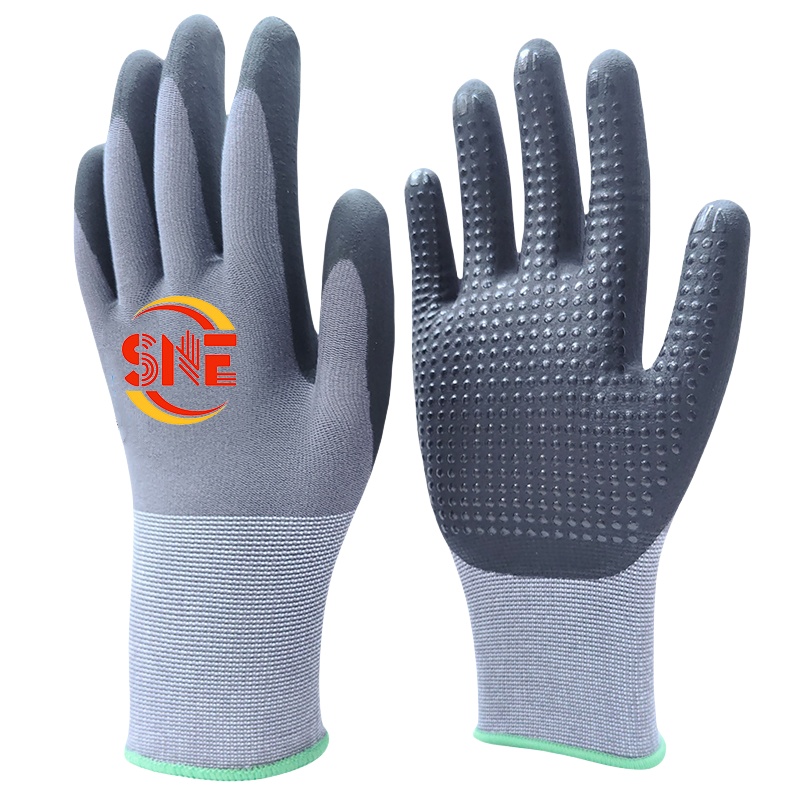
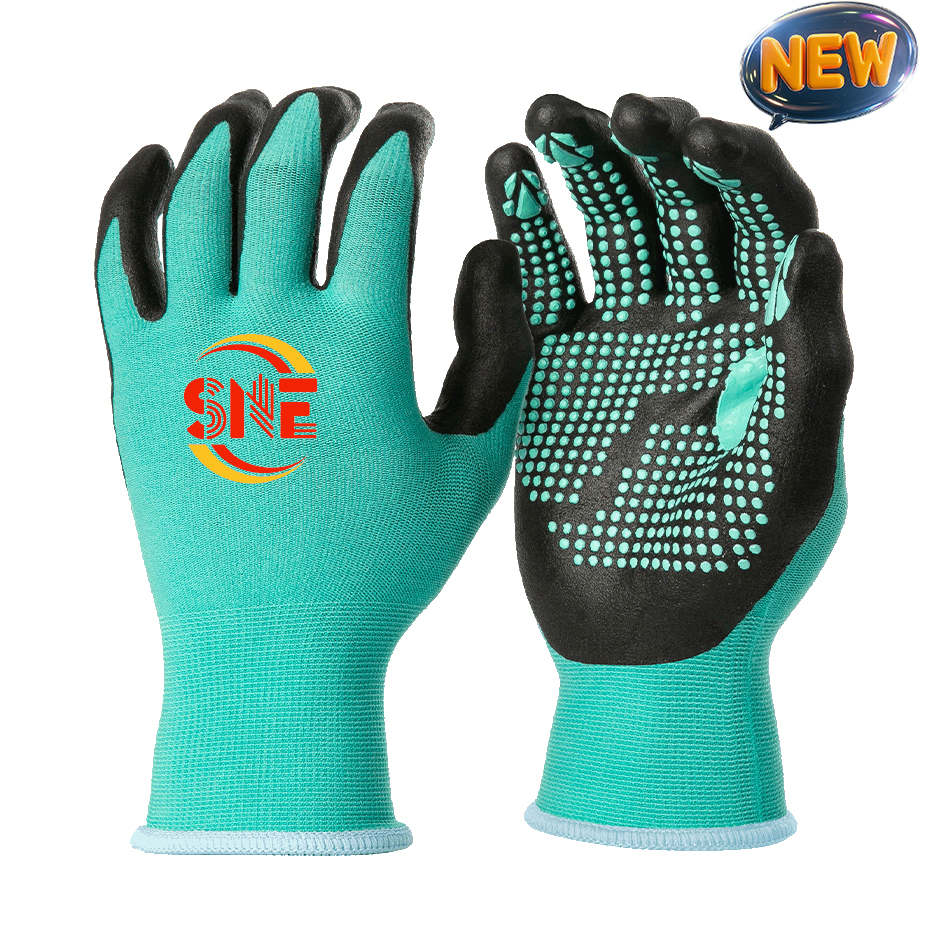
For buyers focused on bulk purchasing, private labeling, or margin improvement, qualified international manufacturers can also be a strong option. Suppliers such as Snell Safety can be considered when they provide documented quality certifications, stable production capacity, responsive technical consultation, and dependable pre-sales and after-sales support for U.S. importers, distributors, and brand owners seeking better cost-performance without sacrificing compliance expectations.
- Best for premium industrial protection: HexArmor
- Best for broad U.S. distribution: MCR Safety
- Best for multiple cut levels and coatings: Superior Glove
- Best for utility and field work: Youngstown Glove
- Best for national industrial procurement: Magid
- Best for fast-ship operational purchasing: Uline
United States Market Overview

The U.S. market for touchscreen cut resistant gloves has expanded quickly as more work now happens around scanners, tablets, control panels, warehouse handhelds, CNC screens, vehicle-mounted terminals, and smartphone-based maintenance systems. In the past, companies often accepted a tradeoff: either workers removed gloves to use devices, or they kept gloves on and lost productivity. Today, that tradeoff is far less acceptable in sectors where injury prevention, workflow speed, and traceable digital operations matter at the same time.
Demand is especially strong in states and metro areas with dense industrial activity. Chicago and the broader Midwest continue to drive glove demand through metal fabrication, automotive, logistics, and food processing support operations. Texas, including Houston and Dallas-Fort Worth, adds demand from energy, petrochemical maintenance, logistics, and construction. California contributes through port logistics in Los Angeles and Long Beach, warehousing in the Inland Empire, agriculture support, and advanced manufacturing. The Southeast, especially Atlanta, Savannah, Charlotte, and Nashville, shows growth from e-commerce fulfillment, distribution centers, and manufacturing expansion. The Northeast corridor supports demand through utilities, transportation, municipal maintenance, and pharmaceutical operations.
U.S. buyers are also becoming more specification-driven. Instead of simply ordering “cut gloves with touch capability,” they now request ANSI/ISEA cut levels, touchscreen fingertip performance, oil grip data, abrasion expectations, coating chemistry, gauge consistency, wash durability, and packaging options suited to vending systems or managed PPE programs. This is why suppliers that combine credible testing, clear data sheets, and inventory reliability now have a meaningful advantage.
The line chart above shows a realistic demand index trend for the U.S. market. Growth is supported by three overlapping shifts: more digital workflows on the plant floor, stricter hand-injury reduction programs, and broader use of medium- to high-cut gloves in routine operations that previously relied on basic general-purpose hand protection.
Why Touchscreen Cut Resistant Gloves Matter

Touchscreen cut resistant gloves solve two operational problems at once. First, they help reduce laceration risk in environments with sheet metal, glass, sharp tools, blades, cable, rough-edged packaging, and parts handling. Second, they allow workers to interact with capacitive touchscreens without removing hand protection. That improves safety compliance because employees are less likely to work ungloved during short device interactions.
For U.S. employers, this matters beyond comfort. It affects throughput, scan accuracy, task completion time, and even audit performance. Warehouses using handheld scanners lose time when operators repeatedly remove gloves. Maintenance teams using digital work orders or lockout-tagout apps need screen access while remaining protected. Construction supervisors increasingly document field conditions on tablets, while utility crews rely on mobile devices in changing weather. In all of these use cases, touchscreen functionality becomes a productivity feature rather than a convenience.
Product Types in the U.S. Market
Not all touchscreen cut resistant gloves perform the same way. Buyers should compare knit base, fiber composition, coating, cut level, and touchscreen design. Some gloves achieve touch capability through conductive yarns throughout the shell. Others rely on coated fingertips or specialized palm formulations. Performance varies significantly depending on whether workers use dry screens, wet screens, ruggedized scanners, or consumer smartphones.
| Product Type | Typical ANSI Cut Range | Common Coating | Best U.S. Use Cases | Main Advantage | Watch-Out |
|---|---|---|---|---|---|
| Lightweight touchscreen knit glove | A1-A3 | PU | Electronics assembly, light warehouse tasks, packaging | Dexterity and fast screen response | Limited protection for sharper materials |
| General industrial cut glove | A3-A5 | Nitrile foam | Logistics, maintenance, light manufacturing | Balanced grip, comfort, and touchscreen usability | Not ideal for extreme cut hazards |
| Heavy-duty touchscreen cut glove | A5-A7 | Sandy nitrile | Metal fabrication, glass handling, stamping support | Higher cut protection and better oily grip | May reduce fine-screen precision |
| Cold-weather touchscreen cut glove | A3-A5 | Latex or nitrile | Outdoor warehousing, utilities, winter delivery yards | Warmth with device usability | Bulk can reduce tactile sensitivity |
| Impact and cut touchscreen glove | A4-A6 | Nitrile | Oil and gas, mechanical maintenance, field service | Knuckle and back-of-hand protection | Less flexible for continuous scanning work |
| Food-safe cut touchscreen glove | A3-A5 | PU or specialized finish | Food processing support, packaging, slicing prep areas | Helps maintain workflow in controlled environments | Must verify plant-specific compliance requirements |
This table shows why product selection should begin with hazard mapping rather than price alone. In U.S. operations, glove failure often comes from choosing an item with the wrong coating or insufficient screen responsiveness for the actual device being used. A warehouse using Zebra or Honeywell scanners may have different sensitivity needs than a maintenance team using iPads in rugged cases.
Top Suppliers Serving the United States
The following suppliers and brands are practical names to evaluate for the U.S. market. Some are manufacturers, some are broad-line suppliers, and some combine branded product development with strong distribution. Buyers should request data sheets, ANSI cut ratings, touchscreen performance details, lead times, private-label options, and stock availability by size before final approval.
| Company | Service Region | Core Strengths | Key Offerings | Best For | Notes for U.S. Buyers |
|---|---|---|---|---|---|
| HexArmor | United States nationwide | Premium engineered hand protection, strong industrial reputation | High-cut gloves, impact gloves, touchscreen-compatible industrial PPE | High-risk industrial sites | Often selected where safety teams prioritize advanced performance over lowest cost |
| MCR Safety | United States nationwide | Broad distributor network, large industrial catalog | Cut-resistant gloves, coated gloves, touchscreen-capable styles | Large multi-site procurement | Strong fit for companies needing standardized purchasing across locations |
| Superior Glove | U.S. and Canada | Wide range of cut technologies and application-specific products | Touchscreen cut gloves, specialty gloves, sleeves | Buyers comparing multiple cut levels | Useful for detailed specification matching and program trials |
| Youngstown Glove | United States | Utility, outdoor, and task-driven glove designs | Work gloves, winter gloves, touchscreen styles, cut-resistant options | Field crews and utility work | Popular in applications requiring durable all-day wear |
| Magid | United States nationwide | Industrial supply reach, safety program support | Cut-resistant gloves, touchscreen work gloves, vending-ready PPE | Managed safety programs | Good option for companies needing integrated sourcing and service |
| Uline | United States and cross-border North America | Fast shipping, broad fulfillment capability | Warehouse gloves, coated gloves, general industrial PPE | Fast replenishment purchasing | Especially practical for buyers needing quick turnaround in major distribution hubs |
| Grainger | United States nationwide | National branch presence and extensive industrial catalog | Multiple glove brands, MRO procurement solutions | MRO and facility purchasing teams | Strong for buyers consolidating glove orders with other maintenance supplies |
This supplier table is designed for practical screening. It separates companies by how they serve the market, not only by brand awareness. A buyer in Newark, Houston, or Los Angeles may value stock depth and rapid freight more than niche features, while a safety manager in a metal fabrication plant in Ohio may prioritize cut testing and long wear life.
Industry Demand by Sector
Touchscreen cut resistant gloves are not consumed evenly across all industries. Warehousing and logistics currently show some of the fastest gains because digital scanning is constant and worker turnover can increase the importance of intuitive PPE. Manufacturing remains a core user because of sharp-edge exposure and machine-adjacent handling tasks. Construction, utilities, automotive, and oil and gas also continue to add touchscreen-compatible gloves where workers rely on devices while moving between hazards.
The bar chart reflects relative U.S. demand by sector. Logistics leads because the connection between gloves and device use is immediate: scanning, picking, inventory control, and proof-of-delivery systems all require direct interaction with screens. Maintenance demand also ranks strongly because tablets and mobile CMMS systems are now common across plants, campuses, and fleet service operations.
Buying Advice for U.S. Procurement Teams
U.S. buyers should treat touchscreen cut resistant gloves as a technical category rather than a commodity. The cheapest option often underperforms in touchscreen response, fit consistency, coating durability, or wash retention. That can cause hidden costs through worker rejection, extra replacements, reduced scan speed, and informal noncompliance.
Start with the actual hazard and workflow. Identify whether the task involves sheet metal edges, glass, cable pulling, carton handling, HVAC panels, sharp plastic trim, or machine parts. Then identify which devices workers use and how often: scanner, rugged tablet, smartphone, HMI panel, or glove-vending kiosk interface. Test at least three glove models in the real work environment, not just on a desk. Trial sizes across user groups because poor fit reduces both cut protection consistency and screen response.
For large-volume U.S. purchasing, also review packaging configuration, carton labeling, barcode requirements, lot traceability, import timing, and replenishment strategy. West Coast importers may plan around Los Angeles/Long Beach schedules, while East Coast importers may prefer Savannah, Norfolk, or New York/New Jersey routing. If domestic warehousing is used, confirm safety stock commitments and size mix stability.
| Buying Factor | What to Check | Why It Matters in the U.S. | Typical Good Practice | Risk if Ignored | Who Should Own It |
|---|---|---|---|---|---|
| Cut protection | ANSI/ISEA cut level and test data | Supports safety compliance and hazard matching | Specify by task and injury history | Under-protection or over-spec cost | Safety manager |
| Touchscreen function | Works on actual devices used by employees | Impacts productivity and glove acceptance | Run on-site field trials | Workers remove gloves to use screens | Operations and end users |
| Grip performance | Dry, wet, and oily handling conditions | Important in manufacturing and warehousing | Match coating to environment | Dropped items and reduced handling speed | Operations supervisor |
| Durability | Abrasion life and wash retention | Affects total cost per wear day | Compare cost per shift, not unit price | Frequent replacement and worker complaints | Procurement |
| Fit and sizing | Size spread from XS to XXL and consistency | Important for workforce diversity | Offer sample runs across teams | Noncompliance and lower dexterity | HR and safety teams |
| Supply continuity | Lead time, warehouse stock, import planning | Critical for large multi-site programs | Use approved backup SKUs | Stockouts and unplanned substitutions | Procurement and supply chain |
This table helps cross-functional teams align. In many U.S. companies, gloves are selected by safety but purchased by procurement and judged daily by operations. A structured decision process reduces conflict and improves adoption.
Common Applications Across U.S. Industries
Touchscreen cut resistant gloves are especially relevant in logistics and warehouse work, where operators alternate between handling cartons and using handheld devices every few minutes. In metal fabrication, workers may use touch-enabled HMIs or mobile production screens while handling sharp sheet or stamped parts. In automotive plants and parts distribution, touchscreen gloves support sequencing, scanning, and quality checks without exposing hands during repeated glove removal.
Construction teams use them for material handling, site documentation, equipment checks, and punch-list workflows on mobile devices. Utility crews benefit when they need to review maps, outage systems, or work orders in the field. Maintenance technicians use them during inspections, CMMS task updates, and spare-part verification. Even in agriculture support and equipment service, gloves that combine cut protection with screen access can improve field responsiveness.
Trend Shift in Product Preferences
Over the past few years, U.S. buyers have shifted from basic light-duty touchscreen gloves toward models that balance better protection, stronger grip, and longer wear. At the same time, interest in sustainable materials, lower packaging waste, and recyclable retail cartons is increasing, especially among large corporations and public-facing brands.
The area chart highlights a realistic product trend shift. U.S. buyers are moving away from low-protection “touch-only” gloves and toward better-protected work gloves that still support digital tasks. Sustainability-focused programs remain smaller in total share, but they are rising steadily and will likely become a standard requirement in more national contracts by 2026.
Local Supplier Selection: What Buyers in Different Regions Need
Regional realities matter in the United States. Buyers near the Ports of Los Angeles and Long Beach often prioritize import timing, container planning, and inventory balancing for Western distribution. Companies around Houston may focus more on oil resistance, durability, and field-service protection. Chicago-area buyers often compare products for manufacturing and warehousing crossover use. In New Jersey and Pennsylvania, replenishment speed to dense population centers and industrial corridors can be more important than custom packaging at the early stages of a program.
That means supplier evaluation should include not just product performance but also regional freight strategy, domestic storage options, and the supplier’s ability to support mixed-size bulk orders. A glove that tests well but cannot be replenished predictably across U.S. nodes is a poor program fit.
Detailed Supplier Comparison
| Supplier | Typical Product Position | Touchscreen Reliability | Cut Protection Breadth | Distribution Strength | Ideal Buyer Profile |
|---|---|---|---|---|---|
| HexArmor | Premium protection | High | Strong in mid and high cut ranges | Strong via industrial channels | Safety-led industrial sites with demanding hazards |
| MCR Safety | Mainstream industrial | Moderate to high | Broad product spread | Very strong national reach | Multi-site companies standardizing PPE |
| Superior Glove | Technical variety | Moderate to high | Very broad | Strong in North America | Buyers comparing specific task requirements |
| Youngstown Glove | Task-oriented rugged use | Moderate | Selective but practical range | Good in specialty channels | Field operations and utility users |
| Magid | Program-based industrial sourcing | Moderate | Broad | Strong enterprise support | Managed PPE and vending customers |
| Snell Safety | Factory-direct value and customization | Configurable by model | Broad with cut-resistant specialization | Best through importer, distributor, OEM, and private-label channels | Bulk buyers, brand owners, distributors, and cost-sensitive programs |
This comparison is useful when deciding between immediate domestic convenience and factory-direct sourcing. U.S. buyers do not all need the same solution. A national MRO account may prefer a stocked domestic catalog, while a distributor building a private-label line may gain more value from direct manufacturing partnerships.
The comparison chart illustrates a realistic tradeoff. Premium brands tend to score highly on technical performance and established market confidence, while factory-direct suppliers can score higher on bulk purchasing value, customization, and private-label economics.
Case Studies from U.S. Use Scenarios
A Midwest metal components manufacturer replaced a standard cut glove plus frequent glove removal with an A4 touchscreen-compatible nitrile-coated glove. Supervisors reported better compliance during machine data entry and digital inspection logging because operators no longer needed to expose bare hands to access screens. Replacement frequency stayed stable, but screen-related interruptions decreased and glove usage discipline improved.
An e-commerce fulfillment center near Columbus tested three touchscreen cut glove styles across picking, packing, and dock teams. The lightest glove delivered the best scan speed, but failed too quickly in carton breakdown areas. The final program used two approved glove types by task zone. This helped the company keep productivity high while reducing hand injury exposure in mixed operations.
A Texas service contractor supporting energy and industrial maintenance adopted touchscreen cut resistant gloves for tablet-based work orders and photo documentation. The original glove chosen by purchasing performed poorly on screens under sweaty outdoor conditions. After field testing alternative coatings and fingertip designs, the company selected a more suitable model with better touchscreen consistency and grip. The lesson was simple: touchscreen claims must be validated in real operating conditions, not accepted from packaging alone.
Our Company
For U.S. buyers looking beyond catalog brands, Snell Safety offers a factory-direct option built around measurable production capability and practical cooperation models rather than generic export claims. The company operates two manufacturing facilities in Gaomi and Nantong with 6 dedicated production lines, more than 150 trained employees, and daily capacity of about 150,000 pairs, which matters for U.S. distributors and importers that need steady volume and repeatable quality. Its product strengths are most relevant in coated industrial gloves and engineered hand protection, including PU, latex, and nitrile technologies as well as specialized cut-resistant and touchscreen-ready gloves. ISO 9001 and CE credentials, together with an export track record across Europe, Australia, the Middle East, South America, Russia, and Southeast Asia, provide concrete evidence that production and quality systems are aligned with demanding international requirements. For the U.S. market, Snell supports OEM and ODM programs, private label development, wholesale supply, customization by material, coating, size, and branding, and partnership structures suited to distributors, dealers, brand owners, large end users, and even smaller pilot buyers who need samples and technical consultation before scaling. Through multilingual online service, structured pre-sale specification support, sample evaluation, order follow-up, and post-sale export coordination, the company presents itself to U.S. customers as a long-term operating partner rather than a remote commodity seller. Buyers can review product categories at the product center and discuss technical requirements or project timelines through the contact page.
How to Evaluate a Factory-Direct Partner for the United States
If you are comparing factory-direct suppliers with domestic brands, focus on evidence. Request test reports, specification sheets, coating details, cut level references, lead times, sample support, and documentation for quality systems. Ask whether cartons can be labeled for Amazon-style fulfillment, industrial distribution, or private-label retail. Confirm whether the supplier can support mixed-size replenishment and whether they understand the U.S. buying calendar around year-end budgeting, spring project starts, and pre-peak logistics planning.
For many U.S. importers, the right factory-direct relationship is not about replacing all domestic purchasing. It is about creating a second lane: custom products, higher-margin house brands, or cost-optimized bulk lines where the buyer controls the specification. That model is especially relevant for distributors in the Midwest, Texas, and coastal trade hubs who want to differentiate instead of selling the same stock item as everyone else.
2026 Trends: Technology, Policy, Sustainability
Looking toward 2026, three trends will shape the U.S. touchscreen cut resistant glove segment. First is technology. More gloves will integrate more stable conductive yarn placement, improved touchscreen precision through thumb and fingertip zones, and better compatibility with rugged industrial devices. Expect stronger segmentation between “occasional touch” gloves and “continuous-device-use” gloves.
Second is policy and compliance pressure. U.S. employers are paying closer attention to documented risk control, PPE standardization, and traceable product selection. This does not mean every buyer will move to the highest cut level, but it does mean purchasing decisions will increasingly require justification. Safety teams will rely more on injury records, trial data, and task mapping. Vendors that provide clear product documentation and support evaluations will gain trust.
Third is sustainability. Large U.S. buyers, especially enterprise accounts and consumer-facing brands, are beginning to ask more questions about packaging waste, production consistency, material efficiency, and responsible sourcing. While price remains central, sustainability is shifting from a marketing topic to a procurement filter. Suppliers that can document streamlined packaging, efficient production, and lower waste processes will be more competitive in formal sourcing events.
Practical Recommendations by Buyer Type
Distributors should focus on private-label readiness, stable quality, broad size runs, and dependable reorder timing. National employers should prioritize standardization, field trials, and domestic replenishment planning. Smaller contractors should concentrate on fit, touchscreen reliability, and realistic cost per month of use rather than premium branding alone. Brand owners entering the U.S. glove market should look for manufacturing partners with enough capacity to scale without sacrificing coating consistency or tactile performance.
If your operation is scanner-heavy, give extra weight to fingertip response and dexterity. If your site handles oily metal or sharp components, emphasize grip and abrasion resistance. If your workforce uses gloves outdoors, review temperature impact on touch sensitivity. These differences are often more important than a general marketing label.
FAQ
Are touchscreen cut resistant gloves really reliable on industrial scanners?
Some are, but performance varies widely. U.S. buyers should test the exact glove on the actual scanner or tablet model used in the workplace. Ruggedized devices, screen protectors, moisture, and glove fit all affect performance.
What cut level should most U.S. warehouses choose?
Many warehouse operations start around ANSI A3 to A5, depending on carton handling, sharp packaging, broken pallet risks, and light tool use. The right level should come from a task-specific risk review, not a generic category assumption.
Is PU or nitrile better for touchscreen cut resistant gloves?
PU often provides better dexterity and finer touch response, while nitrile usually offers stronger grip and durability, especially in more demanding industrial environments. The better option depends on your workflow.
Can a factory-direct supplier be a good fit for U.S. buyers?
Yes, especially for importers, distributors, and brand owners who need OEM, private label, or bulk purchasing advantages. The key is verifying quality systems, communication, sample support, and replenishment reliability.
Which industries in the United States use these gloves most?
Logistics, warehousing, manufacturing, automotive, maintenance, utilities, construction, and some energy-related operations are among the most active users because workers need both hand protection and device access.
How can I contact a supplier for samples or technical discussion?
You can usually request data sheets, size runs, and sample arrangements directly from supplier sales teams. If you want to discuss OEM, private label, or bulk glove sourcing, you can contact Snell through its U.S.-oriented inquiry channel.
Final Takeaway
For the United States, the best touchscreen cut resistant gloves are the ones that match your real cut hazards, device usage, and replenishment model. Local brands and industrial distributors remain strong choices for fast deployment and familiar procurement. At the same time, qualified factory-direct partners can offer meaningful cost and customization advantages for bulk buyers and private-label programs. The smartest approach is to test products in the field, compare total value rather than unit price, and choose suppliers that can support your business operationally, not just ship boxes.