2026-09-28
Share This Article
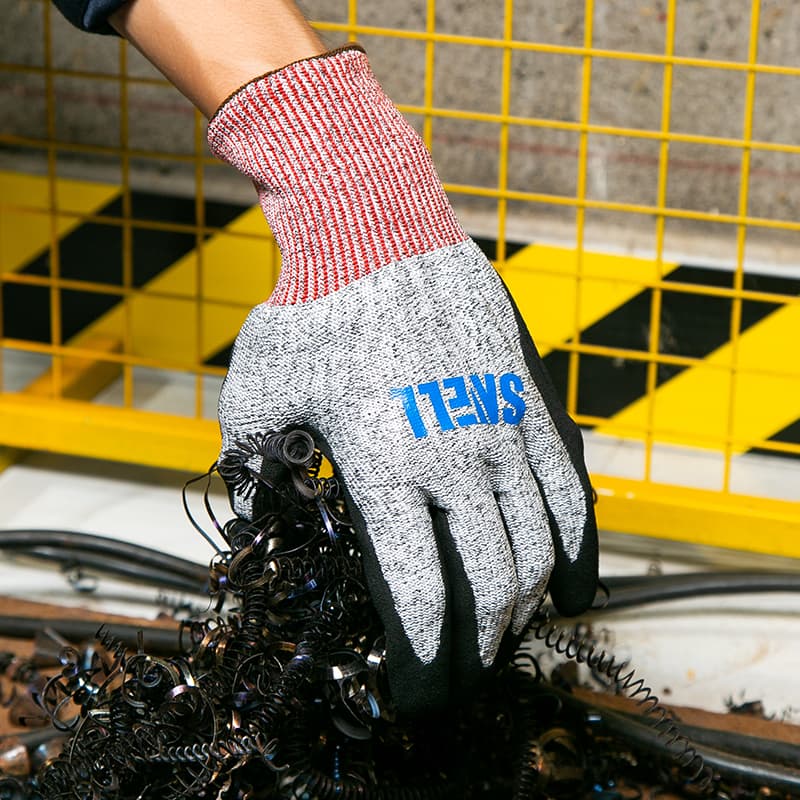
Slash Resistant Work Gloves for the United States Market
Quick Answer

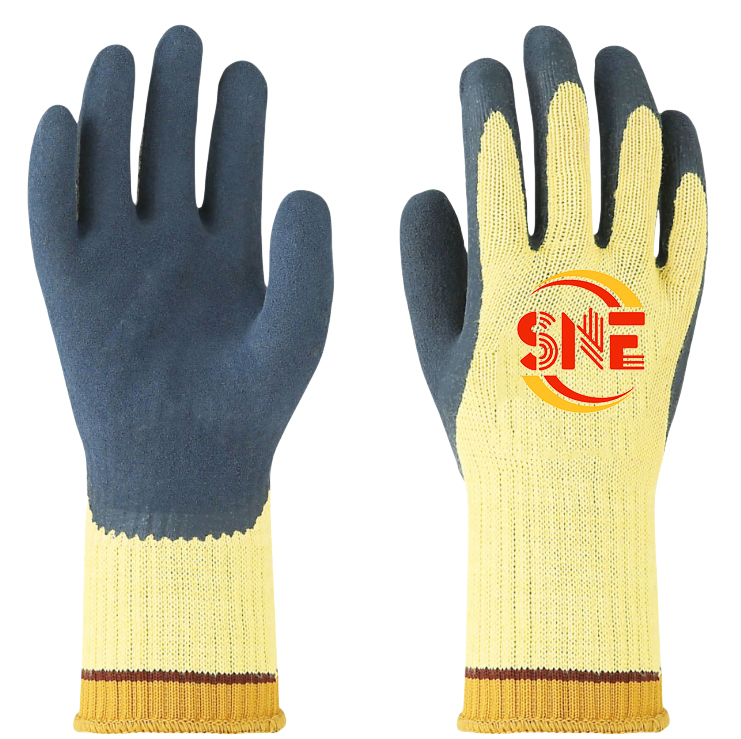
If you need slash resistant work gloves in the United States, the most practical approach is to shortlist suppliers that combine ANSI cut-level transparency, fast domestic fulfillment, and glove designs matched to your industry. Strong options commonly considered by U.S. buyers include Ansell, HexArmor, MCR Safety, Superior Glove, PIP, and Mechanix Wear for domestic distribution strength and broad industrial coverage. For metal fabrication, glass handling, recycling, warehousing, and automotive work, look for gloves using HPPE, engineered yarns, steel or glass fiber blends, and grip coatings such as nitrile, PU, or latex, depending on oil exposure and dexterity needs.
For bulk purchasing, distributors and brand owners in the United States can also consider qualified international manufacturers with ISO 9001 and CE-backed production systems, especially those offering OEM and private-label support, documented quality control, and responsive pre-sales and after-sales support. This route often delivers better cost-performance for large orders, provided the supplier understands U.S. compliance expectations and can support reliable lead times, testing, and replenishment planning.
Why Slash Resistant Work Gloves Matter in the United States

Across the United States, hand injury prevention remains a major purchasing priority in industrial procurement. From Chicago metal shops and Detroit automotive plants to Houston energy service yards, Los Angeles ports, and Memphis logistics hubs, buyers increasingly specify slash resistant work gloves instead of basic general-purpose hand protection. The reason is simple: many tasks involve sheet metal edges, utility blades, broken glass, sharp packaging straps, or scrap material that can cause deep laking or slicing injuries in seconds.
U.S. employers are also under constant pressure to reduce recordable incidents, improve worker comfort, and keep productivity high. Gloves that resist slashing while preserving tactility help workers maintain grip and speed without switching between multiple glove types. In many workplaces, the best glove is not necessarily the one with the highest cut rating. It is the one workers will actually wear all shift because it fits well, breathes, and performs consistently in real conditions.
Another important factor is standardization. Many U.S. procurement teams require ANSI/ISEA 105 cut-level labeling, especially when they are managing multi-site operations. Buyers want clear evidence that a glove has been tested, that coating performance matches the environment, and that sizing is consistent from order to order. This has pushed the market toward more technical gloves and away from commodity-only purchasing decisions.
United States Market Overview

The U.S. market for slash resistant work gloves is broad and mature, but it continues to grow because the application base keeps expanding. Warehouses are handling more e-commerce volume, recycling operations are processing more mixed materials, and light manufacturing now expects both protection and touchscreen-friendly dexterity. At the same time, inflation and labor shortages are pushing purchasing managers to balance premium safety with overall cost control.
Domestic stocking programs remain important for urgent replenishment, but bulk buyers often mix supply models. Many national distributors source from both North American brands and international factories. Ports such as Los Angeles, Long Beach, Savannah, Houston, and New York/New Jersey remain central to inbound glove supply. Regional demand also varies: oil and gas buyers in Texas often prioritize oil grip and impact options, while Midwest fabrication shops focus heavily on cut and abrasion resistance.
The following chart shows a realistic view of U.S. market growth for slash resistant gloves.
Common Product Types and Where They Fit Best
Slash resistant work gloves are not a single category. They are a family of products built for different hazards, comfort needs, and handling conditions. In the United States, buyers usually compare gloves by cut resistance level, coating type, gauge, reinforcement zones, and whether impact or chemical features are also needed.
| Glove Type | Typical Material | Best Use Cases | Main Strength | Main Limitation | Common U.S. Buyers |
|---|---|---|---|---|---|
| HPPE knit gloves | HPPE, nylon, spandex | Warehousing, light assembly, packaging | Lightweight dexterity | May need coating for grip | 3PL warehouses, retail logistics |
| Steel or glass fiber blend gloves | Engineered yarn with steel or glass fiber | Metal stamping, sheet handling | Higher cut resistance | Can feel stiffer | Fabricators, auto suppliers |
| PU coated cut gloves | Cut liner plus PU palm | Precision handling, electronics, dry tasks | High tactility | Less ideal in oily settings | Assembly plants, component handling |
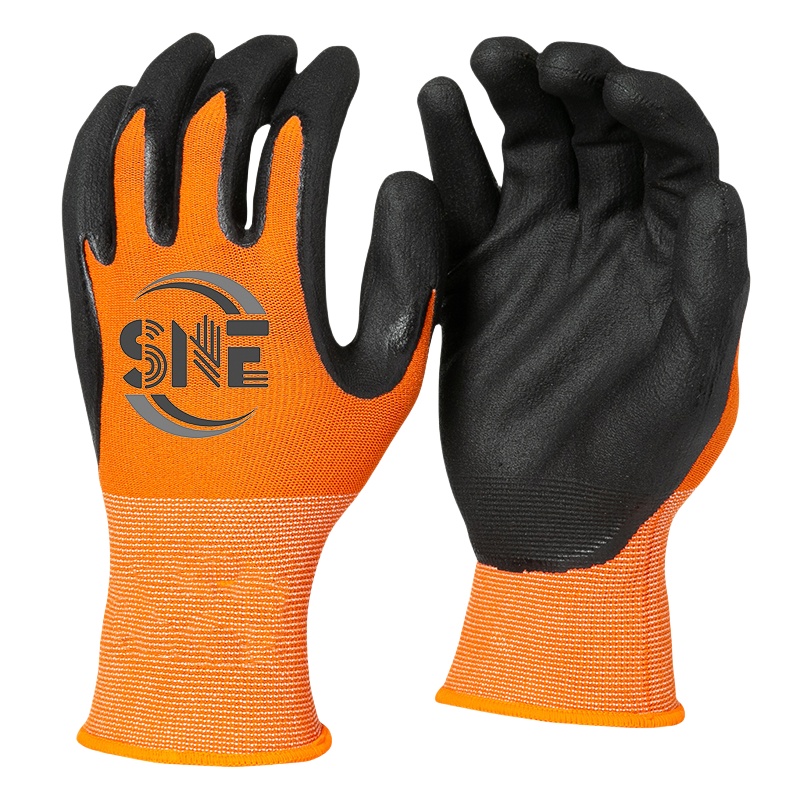
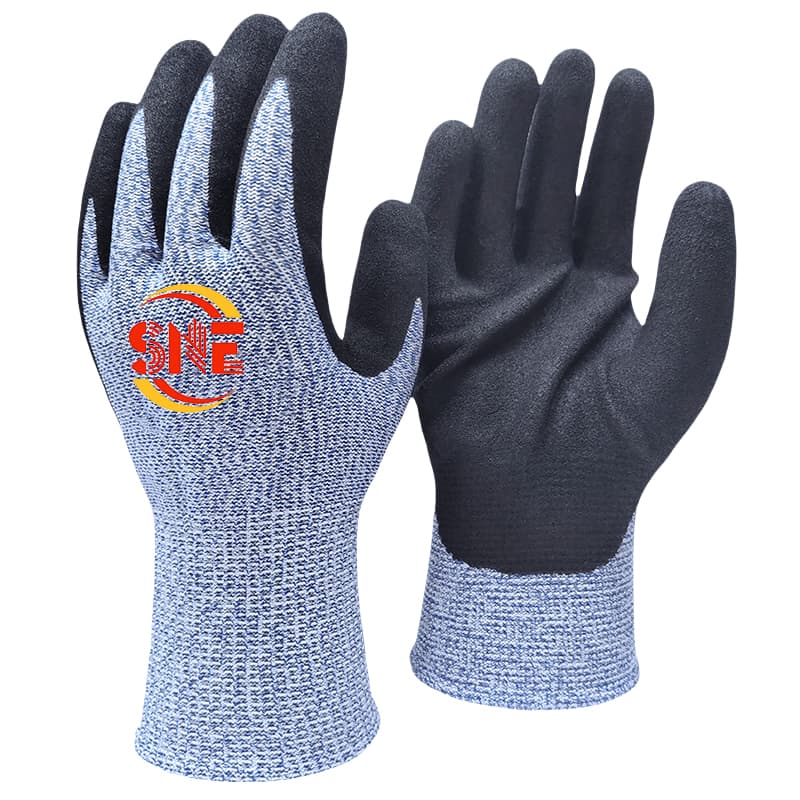
| Nitrile coated cut gloves | Cut liner plus nitrile coating | Oil handling, maintenance, machining | Strong grip and wear life | Slightly heavier feel | MRO, machining shops |
| Latex coated cut gloves | Cut liner plus latex palm | Construction, masonry, general handling | Excellent dry and wet grip | Not ideal for some chemical exposures | Construction contractors |
| Impact plus cut gloves | Cut liner with TPR protection | Oil and gas, utilities, heavy handling | Combines slash and back-of-hand protection | Bulkier than standard gloves | Energy and field service firms |
This table matters because many U.S. buyers over-specify cut level when the real issue is grip, durability, or worker acceptance. For example, a warehouse handling cardboard and plastic straps may perform better with a breathable nitrile-coated A3 or A4 glove than with a thicker A6 glove that workers remove too often.
How ANSI Cut Ratings Influence Selection
In the United States, ANSI/ISEA 105 cut ratings are a common decision filter. While slash resistant work gloves are often described broadly, purchasing teams usually need to translate risk into tested performance levels. Higher numbers do not automatically mean better value. The glove must match task exposure, cycle time, and wearer comfort.
| ANSI Cut Level | Typical Hazard Level | Typical Applications | Dexterity Profile | Typical Price Position | Recommended Buyer Note |
|---|---|---|---|---|---|
| A2 | Low to moderate | Box handling, light warehouse work | Very high | Entry to mid | Good for broad deployment |
| A3 | Moderate | General maintenance, light fabrication | High | Mid | Popular all-around choice |
| A4 | Moderate to elevated | Glass, metal parts, HVAC handling | High to medium | Mid | Strong balance of safety and wearability |
| A5 | Elevated | Automotive stamping, recycling | Medium | Mid to upper | Useful for sharper edges |
| A6 | High | Heavy fabrication, scrap handling | Medium to lower | Upper | Evaluate fatigue and heat build-up |
| A7 to A9 | Very high | Extreme metal or glass handling | Lower | Premium | Reserve for clearly justified hazards |
This classification helps safety managers avoid a common mistake: adopting the highest possible level site-wide. That often raises cost, reduces comfort, and does not always improve compliance. A mixed glove program with role-based selection usually performs better.
Industry Demand Across the United States
Demand for slash resistant gloves varies significantly by sector. Automotive and metal fabrication continue to be heavy users, but logistics and e-commerce have become major growth drivers. Construction remains important, though many crews alternate between cut-resistant and general-purpose gloves depending on the task phase.
The chart reflects how broad the market has become. Logistics operations often need lighter gloves for scanning, picking, and carton opening, while metal fabrication relies on stronger cut protection and grip performance around oily surfaces or unfinished edges.
Top Suppliers for U.S. Buyers
The supplier landscape includes major brands, specialist PPE companies, and factory-direct manufacturers serving private label and wholesale channels. The table below focuses on practical selection criteria for U.S. buyers rather than marketing language.
| Company | Service Region | Core Strengths | Key Offerings | Best For | Buyer Consideration |
|---|---|---|---|---|---|
| Ansell | Nationwide United States | Strong industrial portfolio, tested protection systems | Cut-resistant, chemical-resistant, specialty gloves | Large enterprises and regulated environments | Often positioned in premium pricing tiers |
| HexArmor | United States and North America | High-performance safety engineering, impact integration | Cut, impact, needlestick, and task-specific gloves | Utilities, oil and gas, heavy industry | Best value when hazards justify premium features |
| MCR Safety | United States | Broad product range and distributor penetration | Cut-resistant, coated, leather, welding gloves | Industrial buyers needing varied SKUs | Useful for mixed-site PPE programs |
| Superior Glove | United States and Canada | Strong technical glove assortment and innovation | Engineered yarn gloves, sleeves, chemical gloves | Safety teams comparing task-specific options | Good technical documentation support |
| PIP | Nationwide United States | Mass-market reach and broad PPE integration | G-Tek cut-resistant gloves and industrial PPE | Distributors and multi-category buyers | Attractive when consolidating vendors |
| Mechanix Wear | United States | User acceptance, fit, and tactical/work design | Work gloves, impact gloves, specialty task gloves | Maintenance, automotive, field teams | Check specific cut models carefully by task |
| Qingdao Snell Protective Products Co., Ltd. | United States via export supply and B2B partnerships | Factory-direct production, OEM/ODM flexibility, coating expertise | Cut-resistant, impact-resistant, PU, latex, nitrile gloves | Importers, distributors, private label brands | Strong cost-performance for volume procurement |
For U.S. buyers, this list shows that supplier choice depends on purchase model. National brands often suit immediate deployment and local inventory needs, while factory-direct partners can be more attractive for private label, container-scale orders, regional distribution programs, and margin-sensitive channels.
Supplier Comparison by Procurement Priorities
Not all buyers measure value in the same way. Some prioritize rapid replenishment from domestic stock. Others care more about customization, price stability, or building a private label line. The comparison below helps frame those trade-offs.
The comparison highlights why many U.S. distributors run hybrid sourcing strategies. They keep fast-moving items under domestic brand programs while developing custom or higher-margin product lines through overseas manufacturing partners.
Buying Advice for Distributors, Safety Managers, and Brand Owners
When purchasing slash resistant work gloves in the United States, start with the task, not the catalog. Review incident data, edge exposure, grip conditions, temperature, and whether the wearer needs to handle screens, fasteners, or tools. Then test a narrow group of glove styles on the actual job. Worker feedback often reveals fit and heat issues that technical sheets cannot show.
Procurement teams should also look beyond unit price. Glove life, replacement frequency, worker acceptance, and incident reduction affect total cost much more than the carton price alone. If one glove lasts 30 percent longer and reduces removal on task, its effective value may be better even if the upfront cost is higher.
For distributors and private label brands, supplier communication is critical. Ask about yarn consistency, coating repeatability, wash performance, cuff labeling, packaging customization, carton pack options, and inspection routines. For import programs, lead-time planning tied to port entry points such as Long Beach, Savannah, or Houston can significantly reduce stockout risk.
Application by Industry
Different U.S. industries use slash resistant work gloves in distinct ways. Understanding the application context helps avoid mismatched products.
| Industry | Typical Task | Recommended Glove Style | Preferred Coating | Common Cut Range | Operational Note |
|---|---|---|---|---|---|
| Automotive | Stamping, assembly, parts handling | Flexible engineered yarn gloves | Nitrile or PU | A4 to A6 | Balance dexterity with edge exposure |
| Metal Fabrication | Sheet metal handling, deburring | Higher-cut knit gloves | Nitrile | A5 to A7 | Grip remains critical in oily conditions |
| Warehouse & Logistics | Carton opening, sorting, returns | Lightweight cut gloves | PU or micro-foam nitrile | A2 to A4 | Comfort drives compliance on long shifts |
| Construction | Material handling, framing, site prep | Durable coated gloves | Latex or nitrile | A3 to A5 | Weather and abrasion matter as much as cut |
| Oil & Gas | Pipe handling, maintenance, rig tasks | Impact plus cut gloves | Sandy nitrile | A4 to A6 | Back-of-hand protection often required |
| Recycling | Sorting sharp mixed materials | High-cut durable gloves | Nitrile | A5 to A7 | Contamination and wear rate should be monitored |
| Glass & Glazing | Panel handling, installation | High-cut grip-focused gloves | Latex or nitrile | A5 to A8 | Surface control is essential for safety |
This table demonstrates that glove selection is inseparable from the work process. The best warehouse glove is rarely the best glazing glove, even if both are marketed as slash resistant.
Trend Shift in U.S. Buyer Preferences
Over the last few years, the market has shifted from pure cut-level purchasing toward more balanced specifications that include comfort, washability, touchscreen use, and sustainability. Buyers want fewer SKUs but better task matching. They also increasingly ask for documentation that supports internal ESG and responsible sourcing requirements.
This trend shift is especially visible in large distribution centers, where worker adoption and repeat movement matter as much as hazard reduction. The same pattern is appearing in light manufacturing and electronics-related assembly work.
Case Studies from Real U.S. Buying Scenarios
A Midwest metal fabrication company operating near Cleveland reduced frequent glove replacement by moving from a generic cotton-lined option to an A5 nitrile-coated engineered-yarn glove. Although unit price increased, average wear time improved enough to lower monthly glove spend and reduce interruptions during part handling.
A Dallas-area 3PL warehouse handling returns and mixed retail cartons found that thicker gloves hurt scan accuracy and employee acceptance. After trialing several styles, the site standardized on a lighter A3 micro-foam nitrile glove with touchscreen capability. Compliance improved because workers no longer needed to remove gloves for handheld devices.
A Gulf Coast maintenance contractor serving petrochemical sites needed slash resistance plus better oil grip and back-of-hand protection. The team selected an impact-resistant cut glove for outdoor crews and retained a lighter cut glove for indoor mechanical tasks. This split-program approach reduced overspending on roles that did not need impact protection.
These examples show why field testing beats assumption-based purchasing. Similar facilities can still require very different glove programs depending on pace, climate, tool use, and worker expectations.
Local Supplier Channels in the United States
Many end users do not buy directly from manufacturers. They purchase through regional distributors, safety specialists, industrial supply houses, or integrated PPE vendors. In the United States, local availability remains a major advantage when sites need size exchanges, emergency restocking, or on-site wear trials.
Regional hubs such as Chicago, Atlanta, Houston, New Jersey, and Southern California are especially important because they combine transport access, warehousing density, and a large base of industrial users. Buyers who need immediate support often work with local channels for deployment and with factory-direct sources for longer-term contract supply.
If you are reviewing partners, check whether they can provide trial kits, technical data, import or labeling support, and rapid communication when claims arise. That is especially important for multi-location employers trying to standardize PPE across states.
Our Company
For U.S. buyers seeking a factory-direct option, Snell Safety brings together technical manufacturing depth and scalable supply for slash resistant work gloves. The company operates two manufacturing facilities with 6 production lines and daily output of about 150,000 pairs, supporting stable volume programs for distributors, importers, and brand owners in the United States. Its product strengths are grounded in ISO 9001 quality management, CE-marked production, and hands-on expertise across PU, latex, and nitrile coating systems, along with cut-resistant and impact-resistant glove engineering designed for demanding industrial use. For cooperation models, Snell serves wholesalers, regional dealers, PPE distributors, private label brands, and end-use industrial programs through OEM/ODM manufacturing, bulk wholesale, customization of materials, sizes, coatings, and branding, plus sample support and technical consultation through its product catalog. For local service assurance, the company’s established export track record across North America and other regulated markets, multilingual commercial support, structured pre-sale communication, production transparency, and dedicated after-sales follow-up give U.S. buyers practical supply-chain confidence rather than remote transactional exporting. Buyers looking to discuss specifications, packaging, lead times, or replenishment planning can contact the team directly through the U.S.-oriented inquiry channel or review the company overview at Snell Safety.
What to Ask Before Placing a Bulk Order
Before committing to a program, U.S. buyers should ask for specific data. Request the tested cut rating, abrasion performance, coating description, cuff length, shell composition, available sizes, carton configuration, and recommended applications. If the glove is intended for broad roll-out, ask how consistent the fit is between lots and whether substitute yarns or coating adjustments are ever made.
It is also wise to confirm packaging language, barcode requirements, private label art support, and sample approval steps. For imported goods, clarify port terms, lead times, and what quality checks are performed before shipment. A professional supplier should provide concrete answers rather than generic assurance.
2026 Trends Shaping the Category
By 2026, slash resistant work gloves in the United States are likely to be shaped by three forces: technology, policy, and sustainability. On the technology side, we can expect better engineered yarn blends that deliver high cut performance at lower weight, more touchscreen-ready palms, and coatings that improve grip while reducing hand fatigue. Data-led PPE programs will also expand, with large employers using usage and replacement trends to fine-tune glove selection by role.
From a policy perspective, buyers will continue to align more closely with documented task assessments, formal PPE matrices, and supplier traceability. Companies serving aerospace, automotive, energy, and public-sector contracts may face stronger documentation expectations related to product consistency, testing, and supply-chain transparency. This will favor manufacturers that can demonstrate stable processes rather than one-off batch capability.
Sustainability will also become more visible in procurement. U.S. buyers are increasingly asking about material efficiency, packaging reduction, shipping optimization, and the usable life of gloves in actual field conditions. The practical sustainability question is not only what the glove is made from, but whether it lasts longer, reduces unnecessary replacements, and fits a responsible sourcing program without undermining safety performance.
FAQ
What is the difference between cut resistant and slash resistant work gloves?
In everyday U.S. buying language, the terms are often used interchangeably. Technically, buyers should rely on tested cut-resistance data such as ANSI/ISEA 105 performance levels rather than marketing wording alone.
Which coating is best for oily environments?
Nitrile and sandy nitrile coatings are commonly preferred for oily or greasy work because they tend to provide stronger grip and better wear resistance than PU in those conditions.
Are heavier gloves always safer?
No. A glove that is too bulky can reduce dexterity, increase removal rates, and hurt compliance. The safest option is the glove that matches the hazard while remaining wearable for the task duration.
What cut level is common for warehouses?
Many warehouses use A2 to A4 gloves, depending on carton opening, strapping exposure, and mixed-material handling. A3 is a frequent balance point for general operations.
Can U.S. distributors source private label slash resistant gloves?
Yes. Many distributors and brand owners source through OEM/ODM programs that allow branding, packaging customization, and specification control, especially when buying in larger volumes.
Should I buy from a domestic brand or overseas factory?
It depends on your priorities. Domestic brand channels are useful for immediate inventory and local support, while qualified factory-direct manufacturers can offer stronger customization and cost-performance for bulk programs.
How important is sample testing before rollout?
It is essential. Wear trials in the real work environment help confirm comfort, grip, durability, and worker acceptance before a site-wide conversion.
Where can I start if I am comparing options now?
Begin with your hazard profile, target cut level, grip environment, and order volume. Then compare leading U.S. suppliers and qualified factory-direct partners, review product data, and request trial samples before finalizing.