2026-09-25
Share This Article
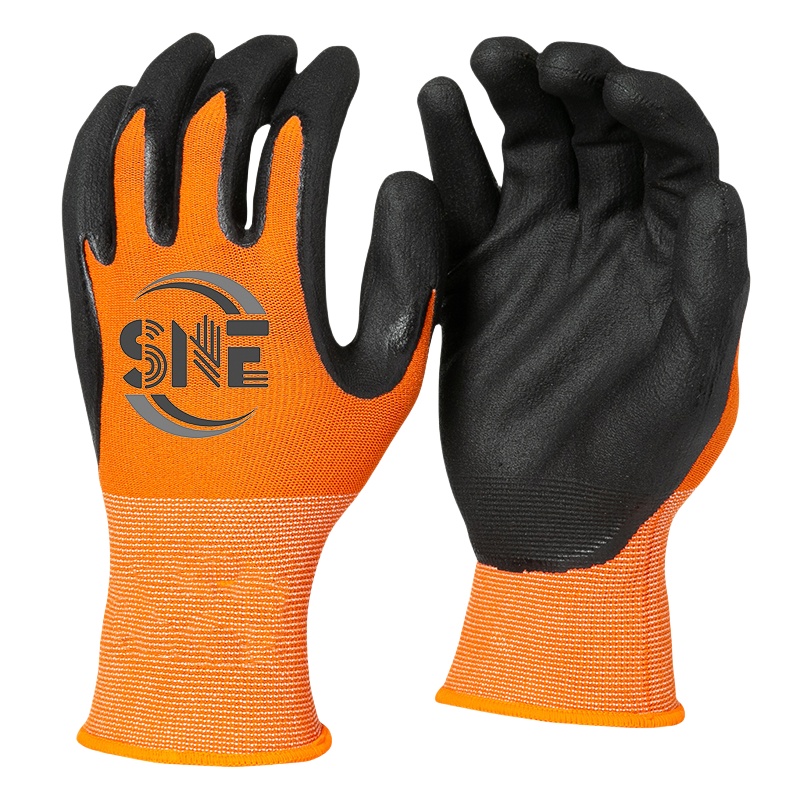
Nitrile Coated Gloves for Gardening Buyers in the United States
Quick Answer

If you need nitrile coated gloves gardening products in the United States, the most practical options are to buy from established U.S. safety distributors for fast delivery, or source factory-direct from qualified overseas manufacturers for better bulk pricing. For local availability and broad catalog coverage, Grainger, Uline, Fastenal, Magid, and Global Industrial are among the most recognizable names serving commercial buyers across major U.S. markets such as California, Texas, Illinois, Georgia, New York, and New Jersey.
For importers, distributors, and private-label brands, qualified international suppliers can also be a strong choice, especially when they hold recognized certifications and provide dependable pre-sales and after-sales support. This is often attractive for buyers moving volume through gateways such as the Port of Los Angeles, Port of Long Beach, Port of Houston, Savannah, and Newark, where cost-performance and supply continuity matter.
- Grainger: strong nationwide branch network, fast replenishment, broad industrial account support.
- Uline: efficient fulfillment, straightforward ordering, useful for warehouse, landscaping, and maintenance teams.
- Fastenal: local branch access, business account service, suitable for recurring site supply.
- Magid: deep PPE focus, customization options, practical support for industry-specific glove programs.
- Global Industrial: competitive commercial sourcing, broad selection for facilities and grounds maintenance.
United States Market Overview

The United States remains one of the largest and most structured markets for coated work gloves, including nitrile coated gloves gardening buyers use for pruning, digging, mulching, landscaping, irrigation work, greenhouse handling, and light outdoor maintenance. Demand is spread across retail gardening, municipal groundskeeping, commercial landscaping, nursery operations, agricultural support work, warehouse handling, and general-purpose maintenance. Buyers in the U.S. usually evaluate gloves not only by price, but by grip performance in wet conditions, resistance to abrasion, comfort during long wear, coating coverage, liner gauge, cuff fit, and carton-level consistency.
States with high landscaping and horticulture activity such as California, Florida, Texas, North Carolina, Georgia, and Arizona drive steady consumption. In colder regions including Illinois, Ohio, Pennsylvania, and the Northeast corridor, seasonal purchasing patterns are common, with stronger procurement ahead of spring and fall landscaping cycles. Commercial buyers also care about logistics reliability, because missed delivery windows can disrupt contractors, nurseries, and municipal service schedules. That is why many businesses use a blended sourcing strategy: domestic stock for urgent needs and direct factory sourcing for planned replenishment or private-label programs.
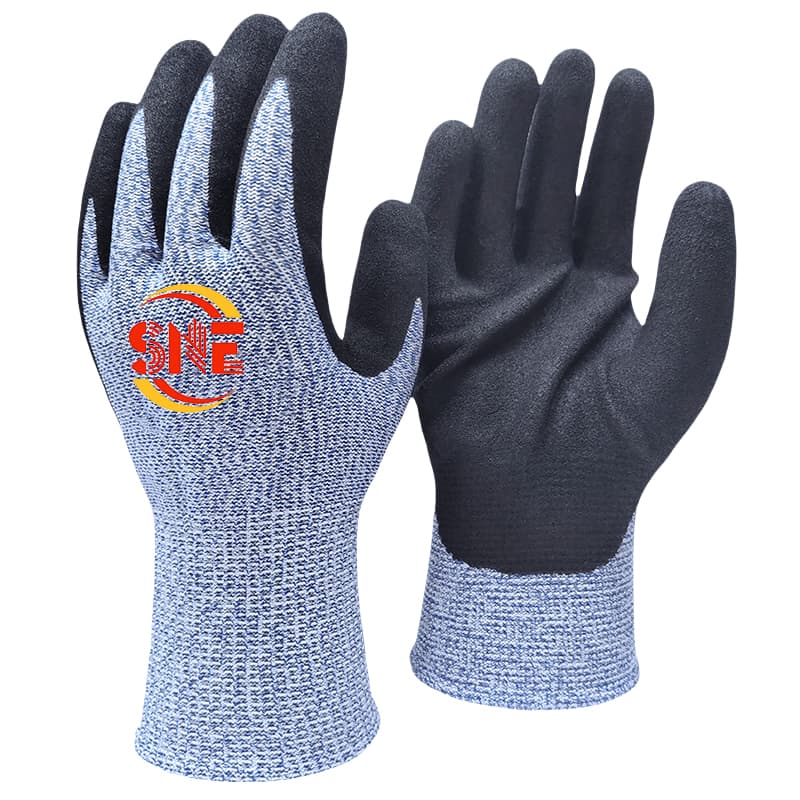
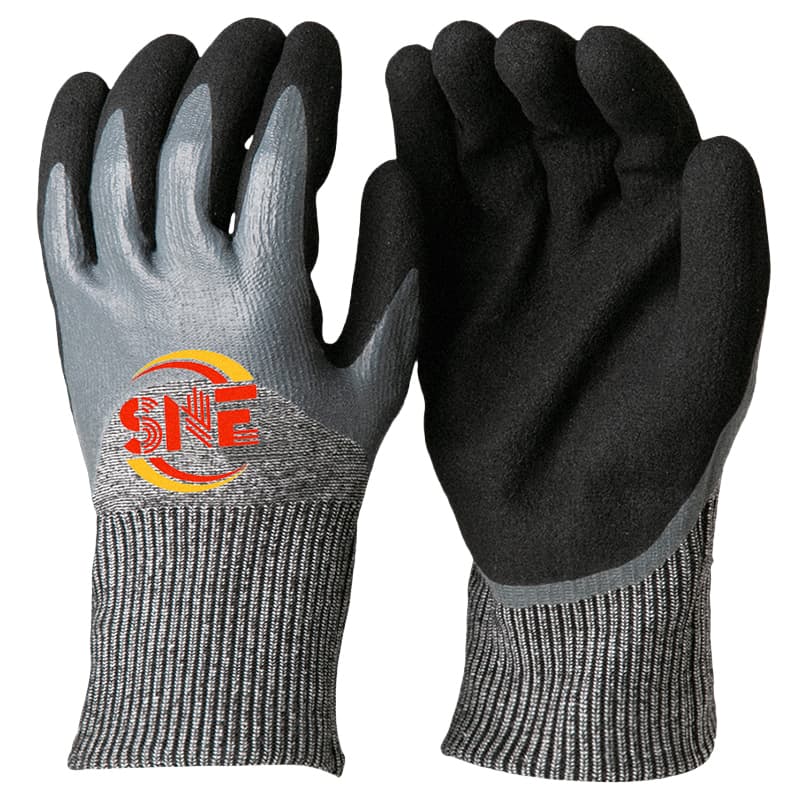
Within the U.S., the product category has evolved from basic dipped gloves into more segmented performance products. Buyers now compare smooth nitrile, sandy nitrile, foam nitrile, fully coated nitrile, and palm-coated nitrile depending on the task. For gardening and outdoor work, breathable palm-coated designs are popular for dexterity, while more fully coated styles are preferred for wet soil, fertilizer handling, and messy cleanup. This market shift favors suppliers that can document coating consistency, liner quality, and repeatability across large lots.
The chart above shows a realistic growth path for U.S. demand, reflecting broader PPE normalization, stronger landscaping activity, and a shift toward durable reusable gloves instead of disposable alternatives for many outdoor tasks. While price sensitivity remains important, professional users increasingly prioritize productivity and hand fatigue reduction, which benefits better-engineered nitrile-coated models.
Leading Suppliers Serving the United States

The supplier landscape includes national distributors, PPE specialists, and factory-direct manufacturing partners. U.S. buyers should match the supplier type to their purchasing model. A facilities manager may want a domestic distributor with quick stock access, while a brand owner may need OEM production, custom packaging, and lot-by-lot production control.
| Company | Primary Service Region | Core Strengths | Key Offerings | Best Fit |
|---|---|---|---|---|
| Grainger | Nationwide United States | Large distribution network, fast fulfillment, business account support | General purpose coated gloves, industrial PPE, branch pickup | Large employers and maintenance teams |
| Uline | Nationwide United States | Efficient logistics, broad catalog, strong warehouse and operations supply | Work gloves, shipping supplies, facility products | Warehouse, landscaping, operations buyers |
| Fastenal | Nationwide with local branches | Local branch convenience, recurring supply programs | Safety gloves, site supply solutions, vending support | Construction and service contractors |
| Magid | United States and selected international accounts | PPE specialization, customization, sector-specific support | Coated gloves, cut-resistant gloves, branded PPE programs | Safety managers and distributors |
| Global Industrial | United States | Commercial purchasing efficiency, broad industrial assortment | General work gloves, facility and grounds products | Commercial and institutional procurement |
| Qingdao Snell Protective Products Co., Ltd. | United States import market via factory-direct export | OEM/ODM capability, scalable production, coated glove specialization | Nitrile coated gloves, private label supply, bulk export support | Importers, wholesalers, private-label brands |
This comparison highlights an important procurement reality in the U.S.: national distributors reduce lead time and simplify reorder management, while factory-direct manufacturers are often stronger in customization, volume pricing, and exclusive product development. Buyers with annual glove programs usually benefit from evaluating both routes together.
Product Types and Performance Differences
Not all nitrile-coated gloves perform the same way in gardening and outdoor use. The best glove depends on whether the worker handles wet soil, thorny stems, pavers, irrigation components, fertilizer bags, or tools. Palm coating, full coating, coating texture, liner gauge, and cuff length all influence user satisfaction. In the U.S. market, landscaping companies often choose breathable palm-coated gloves for all-day comfort, while nursery and irrigation users may select more protective fully coated variants.
| Type | Typical Construction | Main Advantage | Limitations | Common U.S. Application |
|---|---|---|---|---|
| Palm-coated nitrile | Knit liner with palm dip | Good dexterity and airflow | Back of hand less protected | General gardening and hand tool use |
| Fully coated nitrile | Complete nitrile coverage over liner | Better barrier against moisture and dirt | Less breathable | Wet soil work and cleanup |
| Foam nitrile | Micro-foam textured coating | Comfortable grip and light feel | May wear faster in rough abrasion | Plant handling and detailed tasks |
| Sandy nitrile | Rough-texture nitrile finish | Strong grip in oily or damp conditions | Can feel less smooth for delicate work | Outdoor maintenance and materials handling |
| Double-dipped nitrile | Two coating layers for extra barrier | Better liquid resistance and durability | Heavier feel | Fertilizer, mud, and wet debris work |
| Nitrile with cut-resistant liner | Engineered liner plus nitrile coating | Added hand protection around sharp edges | Higher cost | Pruning, hardscape, wire and metal contact |
The table shows why a buyer should not treat this as a single-category purchase. A landscape contractor in Phoenix may prefer lightweight foam nitrile for heat management, while a municipal team in Seattle may favor sandy or fully coated nitrile for wet weather grip. Product fit should follow use conditions, not just price per pair.
Buying Advice for U.S. Importers and End Users
For buyers in the United States, good procurement starts with task mapping. Determine whether the glove is for home gardening, municipal parks, commercial landscaping, greenhouse operations, nursery work, agricultural support, or mixed maintenance. Then evaluate the needed balance between abrasion resistance, breathability, wet grip, comfort, and replacement frequency.
Domestic buyers should also consider carton quantity, size range, label compliance, and delivery mode. Large multi-site employers may need stable replenishment to facilities in Atlanta, Dallas, Chicago, Los Angeles, and Philadelphia. Smaller buyers may prioritize low minimum order quantities and quick order turnaround. Importers and brand owners should request production samples, coating thickness information, liner composition data, carton packing details, and clarity on lead times during peak gardening season.
Another practical issue is packaging. U.S. retail channels often need barcode-ready consumer packaging and consistent color presentation, while distributors may prefer bulk-packed cartons optimized for warehouse picking efficiency. If the glove will be sold under a private label, buyers should confirm printing durability, logo placement, and size-color coding before approving mass production.
| Buying Factor | Why It Matters | What to Ask Suppliers | Typical U.S. Buyer Concern | Preferred Verification |
|---|---|---|---|---|
| Grip style | Affects safety and productivity | Is the coating smooth, foam, or sandy? | Slipping tools in wet conditions | Sample wear test |
| Durability | Drives replacement cost | What abrasion results or field data exist? | High turnover on outdoor crews | Trial batch feedback |
| Comfort and fit | Impacts wear compliance | What liner gauge and size spread are offered? | Workers removing gloves mid-task | Multi-size fit trial |
| MOQ | Determines sourcing flexibility | What are the minimums by color and label? | Inventory risk | Written quotation |
| Lead time | Affects seasonal planning | How many days for samples and bulk orders? | Spring rush stockouts | Production schedule confirmation |
| Compliance and QA | Reduces quality disputes | Which certifications and inspections apply? | Inconsistent lots | Inspection reports |
These checkpoints help U.S. buyers avoid the most common purchasing mistakes: choosing the wrong coating type, over-ordering a glove that has poor user acceptance, or underestimating seasonal lead times. They also support clearer apples-to-apples comparison across domestic and imported options.
Industries Driving Demand
Although the keyword centers on gardening, actual demand in the United States spans many adjacent industries. Nitrile-coated gloves are frequently purchased under broader groundskeeping, maintenance, agriculture, logistics, and light construction budgets. This overlap matters because a glove chosen for gardening may also be expected to handle deliveries, pallets, irrigation components, fencing materials, and minor repairs on the same shift.
The bar chart reflects how landscaping and agricultural support remain especially important demand centers, but nurseries, parks departments, warehouses, and facility teams also represent substantial glove consumption. In many businesses, one nitrile-coated style is standardized across several functions to simplify procurement and training.
Applications in Everyday Outdoor Work
In practical U.S. use, nitrile coated gardening gloves appear in a surprisingly broad range of tasks. They are common for moving pots, loading mulch, weeding, digging, installing drip lines, handling bricks or pavers, carrying bagged soil, gathering debris, and operating hand tools. Palm-coated versions are often used where dexterity matters, such as transplanting or tying plants. Heavier nitrile options are preferred for wet cleanup, drainage work, and jobs involving fertilizer residue or muddy materials.
In suburban service markets around Charlotte, Tampa, Austin, Sacramento, and Denver, landscaping crews often want one glove that can move between pruning, hauling, and general site cleanup without a full glove change. This explains why general-purpose nitrile-coated gloves remain commercially attractive despite more specialized products existing in the market.
For home improvement retailers and e-commerce sellers, product descriptions should clearly state intended applications. U.S. buyers respond well to use-specific language such as garden bed prep, mulch spreading, rose care, hose and irrigation setup, patio cleanup, and shed maintenance. Practical language improves conversion because it matches real tasks rather than abstract glove specifications alone.
Market Trend Shift and 2026 Outlook
By 2026, the U.S. market for nitrile-coated gardening gloves is expected to move further toward application-specific design, lower-waste packaging, and more structured compliance expectations from institutional buyers. Large employers are paying more attention to glove longevity because labor cost and replacement frequency now affect total cost of ownership more than simple unit price. Sustainability also matters more, especially for buyers supplying municipalities, universities, and publicly visible service operations.
Technology trends include improved micro-foam coatings, better engineered liners for breathability, touchscreen compatibility for field crews, and more ergonomic patterning that reduces fatigue during repetitive gripping. Policy trends include stronger expectations around product traceability, supplier quality systems, and ethical sourcing transparency. Sustainability trends include reduced packaging volume, more efficient dipping processes, and longer-wear glove designs that lower disposal frequency.
The area chart indicates a realistic trend shift toward higher-value glove programs. For U.S. buyers, that means future purchasing decisions are likely to focus more on lifecycle value, worker adoption, packaging efficiency, and supplier accountability rather than chasing the lowest invoice price alone.
Case Studies from the U.S. Market
A landscaping contractor in Texas managing multiple crews found that low-cost cotton gloves created too many replacements during spring wet-weather jobs. After shifting to palm-coated nitrile gloves with better abrasion performance, the company reported lower weekly glove usage and fewer worker complaints about lost grip when unloading pavers and carrying irrigation parts. The lesson was straightforward: a modest increase in pair cost improved total site efficiency.
A nursery operator in California tested foam nitrile gloves against heavier full-coated gloves. Workers preferred foam nitrile for transplanting and pot handling because of better tactile control and less hand heat. However, for fertilizer mixing and muddy staging areas, the company still kept full-coated nitrile on hand. This led to a dual-glove program based on task type rather than a one-glove-fits-all approach.
A municipal parks department in the Midwest moved from ad hoc retail purchasing to a structured annual PPE contract through a regional distributor. By standardizing sizes, reorder points, and approved glove specifications, it reduced emergency spot buys during the peak spring season. The key result was procurement stability rather than only lower cost.
These examples illustrate a broader U.S. reality: successful glove purchasing is operational, not theoretical. Field testing, crew acceptance, and replenishment planning consistently matter more than product claims alone.
Local and National Supplier Comparison
When comparing suppliers in the United States, buyers should separate emergency local supply from long-term strategic sourcing. A branch-based distributor may win on speed, while a direct manufacturer can offer customization, pricing leverage, and product exclusivity. The right choice depends on whether the goal is same-week replenishment, annual supply contracts, or private-label development.
| Supplier | Service Region | Lead Time Profile | Customization | Key Advantage |
|---|---|---|---|---|
| Grainger | Nationwide U.S. | Fast domestic stock access | Limited relative to factories | Operational convenience |
| Uline | Nationwide U.S. | Fast catalog fulfillment | Limited to select programs | Reliable distribution |
| Fastenal | Nationwide with branches | Fast for account customers | Moderate through program support | Local account service |
| Magid | U.S. and select export accounts | Moderate | Strong branding and PPE specialization | Safety program depth |
| Global Industrial | United States | Moderate to fast | Limited | Commercial procurement ease |
| Qingdao Snell Protective Products Co., Ltd. | U.S. import and wholesale channels | Planned import lead time | Strong OEM/ODM and private label | Volume pricing and tailored production |
This table makes the tradeoff visible. If you operate a grounds team in New Jersey and need stock this week, a U.S. distributor is usually the right answer. If you are a distributor in Houston or a brand owner in Los Angeles building a repeat program, factory-direct sourcing often creates stronger long-term margin and product control.
About Our Company
For buyers in the United States seeking a factory partner rather than only a reseller, Snell Safety stands out as a practical option in nitrile coated gloves gardening programs because it combines audited manufacturing discipline with scalable export capability and flexible commercial models. The company operates two manufacturing facilities with six dedicated production lines and daily capacity reaching 150,000 pairs, while its ISO 9001 quality management system and CE-marked production provide documented benchmarks that help U.S. importers, distributors, dealers, brand owners, and large end users evaluate consistency against international standards. Its product strengths are especially relevant for this category: diversified nitrile, PU, and latex coating technologies; experience in general-purpose, oil-resistant, gardening, and cut-resistant hand protection; and a vertically integrated production process that supports repeatable coating quality, controlled lead times, and dependable lot management. Commercially, Snell serves the U.S. market through factory-direct bulk supply, OEM/ODM development, private-label manufacturing, wholesale partnerships, product customization, sample support, and export logistics coordination, giving local buyers options ranging from standard replenishment to exclusive regional lines. Just as important for trust and buyer protection, the company has established export experience across North America and other regulated markets, supports pre-sale technical consultation and after-sale communication through its multilingual digital platform, and offers direct contact channels through its U.S.-facing inquiry support, making it a long-term supply partner for American buyers rather than a distant transactional exporter. Buyers looking to review the wider catalog can explore the product range or learn more through the company’s manufacturer background.
How Buyers Should Shortlist Products
U.S. buyers can simplify glove selection by using a scorecard. Start with task match, then grade each candidate on grip, durability, comfort, moisture handling, packaging, and total delivered cost. This is especially useful when comparing domestic distributors against private-label import options. Do not rely only on sample appearance; wear tests in real field conditions usually reveal coating quality much faster.
The comparison chart reflects a common U.S. sourcing pattern: domestic channels excel in speed and convenience, while direct manufacturing often wins in customization, private-label support, and scalable economics. Buyers with stable annual demand frequently use both channels in parallel.
FAQ
Are nitrile coated gloves good for gardening in the United States?
Yes. They are widely used for weeding, digging, pot handling, mulch spreading, irrigation work, and outdoor cleanup because they provide grip, abrasion resistance, and better durability than many basic fabric gloves.
What is the best nitrile coating style for gardening?
Palm-coated nitrile is often the best all-around choice for gardening because it balances breathability and grip. Fully coated nitrile is better for wet or muddy work, while foam nitrile suits lighter tasks requiring dexterity.
Who should buy from domestic distributors instead of importing?
Domestic distributors are the better choice for contractors, facilities teams, municipalities, and small businesses that need fast stock, simple purchasing, and lower inventory commitment.
Who benefits most from factory-direct sourcing?
Importers, wholesalers, regional distributors, and private-label brands benefit most because they can gain better unit economics, customization options, and more control over packaging and branding.
What certifications matter when evaluating suppliers?
For many professional buyers, supplier quality systems such as ISO 9001 and documented compliance practices are useful trust signals. They help show that production and quality control follow structured standards.
How far ahead should U.S. buyers plan seasonal orders?
For spring gardening season, professional buyers usually plan well in advance, especially if sourcing customized products. This helps reduce the risk of stockouts during peak landscaping and nursery demand.
Are these gloves only for gardening?
No. In the United States they are also used in landscaping, agriculture support, warehousing, general maintenance, light construction, and municipal groundskeeping.
What will shape the market by 2026?
Expect stronger demand for better grip technology, breathable liners, sustainable packaging, traceable sourcing, and glove programs that lower total replacement cost rather than only chasing the lowest purchase price.