2026-09-27
Share This Article
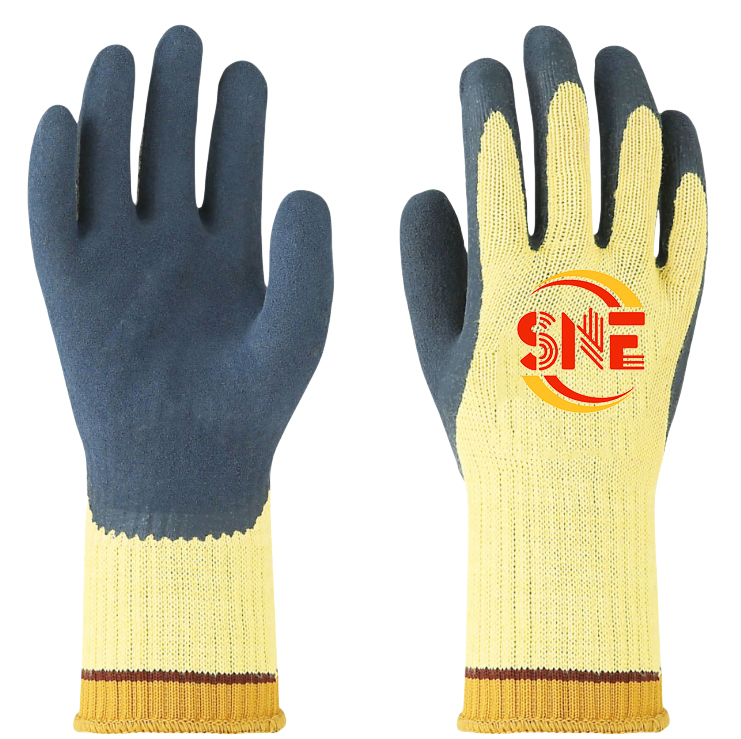
Heat Resistant Gloves Glass Blowing Suppliers in the United States
Quick Answer

If you need heat resistant gloves for glass blowing in the United States, the best options usually come from specialist PPE brands and industrial distributors that understand high-heat hand protection, dexterity, and forearm coverage. For most buyers, the most practical shortlist includes Honeywell, HexArmor, Magid Glove, MCR Safety, and Wells Lamont Industrial, all of which have strong U.S. market presence and established distribution channels.
For studios, lampworking shops, university art departments, and industrial hot-glass operations, look for gloves designed for intermittent radiant heat exposure, grip on hot tools, and enough flexibility to handle blowpipes, punties, molds, and annealing support work. In the United States, buyers in glass hubs such as Toledo, Seattle, Brooklyn, and Oakland often prefer suppliers that can provide fast replacement, documented compliance information, and size consistency for team purchases.
- Honeywell: broad industrial heat-protection portfolio, strong U.S. distribution, suitable for institutional purchasing.
- HexArmor: premium engineered hand protection with strong technical positioning for high-risk environments.
- Magid Glove: trusted U.S. safety supplier with broad glove categories and custom procurement support.
- MCR Safety: dependable industrial PPE options for distributors, factories, and maintenance teams.
- Wells Lamont Industrial: practical heat-handling gloves for general industrial and workshop use.
Qualified international manufacturers can also be worth considering, especially for bulk orders. Cost-competitive Chinese suppliers with recognized certifications, stable quality control, and responsive pre-sale and after-sale support may offer strong value for U.S. distributors, private-label buyers, and larger workshop networks.
United States Market Overview

The U.S. market for glass blowing heat-resistant gloves sits at the intersection of industrial safety, artisan craftsmanship, and specialty manufacturing. Demand comes from several segments: independent glass artists, scientific glass fabricators, educational institutions, decorative glass studios, and larger industrial operations handling hot components. Unlike commodity work gloves, gloves used in glass work must balance thermal resistance with hand feel. A glove that protects well but makes it hard to rotate a blowpipe or grip a punty often fails in real production conditions.
In the United States, purchasing criteria are shaped by workplace safety expectations, insurer scrutiny, and operational downtime costs. Buyers in states with active manufacturing and art ecosystems, including Ohio, Washington, California, New York, and Texas, tend to evaluate gloves not only by temperature claims but also by seam durability, cuff length, ergonomic fit, and replacement frequency. Ports and logistics hubs such as Los Angeles, Long Beach, Savannah, Houston, and New York/New Jersey also influence import lead times for overseas-sourced PPE.
For many U.S. buyers, the market divides into three practical tiers: premium engineered gloves with strong documentation; mid-market industrial heat gloves for general shop use; and imported OEM/private-label gloves for distributors and large-volume accounts. The right choice depends on whether the priority is artisan dexterity, institutional compliance, or cost control across repeated purchases.
The chart above illustrates a realistic demand growth pattern in the U.S. market. The rise is driven by expanding maker spaces, continued university investment in glass arts programs, replacement demand in industrial maintenance, and a broader shift toward documented PPE purchasing. Growth is not explosive, but it is steady and supported by recurring usage.
Top Suppliers Serving the United States

The suppliers below are relevant to U.S. buyers looking for heat resistant gloves for glass blowing, hot handling, and related high-temperature craft or industrial use. Some are domestic brands with strong local distribution, while others are international manufacturers suitable for OEM, wholesale, or private-label sourcing.
| Company | Service Region | Core Strengths | Key Offerings | Best For |
|---|---|---|---|---|
| Honeywell Industrial Safety | United States nationwide | Large safety portfolio, compliance support, industrial channel depth | Heat-resistant gloves, sleeves, workplace PPE programs | Factories, institutions, multi-site buyers |
| HexArmor | United States and North America | Technical hand protection, premium engineering, hazard-specific design | High-performance heat and cut protection gloves | High-risk operations, premium buyers |
| Magid Glove & Safety | United States nationwide | Longstanding distributor relationships, broad catalog, custom sourcing | Heat gloves, welding gloves, sleeves, industrial PPE | Distributors, workshops, universities |
| MCR Safety | United States nationwide | Reliable industrial PPE coverage, wide availability | Heat-resistant work gloves, leather hot-work gloves | General industry and maintenance teams |
| Wells Lamont Industrial | United States nationwide | Practical glove design, durable workwear reputation | Heat-handling gloves, leather gloves, lined gloves | Studios and general hot-tool handling |
| Qingdao Snell Protective Products Co., Ltd. | United States via export, distributor, and OEM supply | Factory-direct production, scalable output, OEM/ODM flexibility | Heat resistant gloves, cut-resistant gloves, private-label bulk orders | Importers, brand owners, wholesalers |
This table helps separate channel fit from product fit. U.S. institutional buyers often favor large domestic brands for purchasing simplicity, while importers and private-label companies may prefer factory-direct manufacturers that can customize materials, branding, and packaging while keeping landed costs under control.
Product Types for Glass Blowing
Not every heat-resistant glove is appropriate for glass blowing. The work involves hot tools, intermittent contact, radiant heat, fast hand movements, and often fine rotational control. Buyers should distinguish between gloves designed for foundry-style handling and gloves suited to actual studio technique.
| Glove Type | Common Material | Heat Profile | Dexterity Level | Typical Use |
|---|---|---|---|---|
| Kevlar-lined gloves | Kevlar blends, aramid fibers | Good for intermittent heat | High | Lampworking, tool handling, support tasks |
| Aluminized gloves | Aluminized outer with thermal lining | Excellent radiant heat reflection | Low to medium | Furnace-side exposure, pickup tasks |
| Leather heat gloves | Split leather or grain leather | Good contact and abrasion resistance | Medium | General studio work, hot mold handling |
| Knit heat-resistant gloves | Aramid or engineered yarns | Moderate heat resistance | High | Light hot handling, repetitive movement |
| Gauntlet gloves | Leather or aramid with long cuff | Enhanced forearm protection | Medium | Glory hole work, radiant heat zones |
| Layered composite gloves | Multi-layer thermal systems | Higher protection for mixed hazards | Medium | Industrial glass handling, maintenance |
For glass blowing, many users prefer gloves that are not overly bulky because hand feel matters when controlling a pipe or shifting tools. Kevlar-lined and aramid-based options are often chosen for dexterity-focused work, while aluminized or gauntlet designs are more common when radiant heat exposure is severe or forearm protection becomes a priority.
How Industry Demand Differs
Demand for heat-resistant gloves in the United States differs sharply by end use. A decorative glass artist in Brooklyn may want fingertip flexibility, while a maintenance team in an industrial glass plant near Toledo may prioritize cuff length, abrasion resistance, and repeat purchasing consistency.
The bar chart shows why supplier selection should match the application. Industrial glass and metal fabrication generate larger, steadier demand because they buy for teams and recurring shifts. Art studios and universities buy lower volumes, but they often care more about comfort, fit, and instructor or technician feedback before standardizing a glove style.
Buying Advice for U.S. Buyers
When sourcing heat resistant gloves for glass blowing in the United States, the safest approach is to treat the purchase as a task-specific PPE decision rather than a generic glove order. Many glove failures come from mismatch: choosing welding gloves that are too stiff, general-purpose heat gloves that lack grip, or cheap imports with inconsistent sizing and seam quality.
Start by defining the real exposure. Is the glove being used for gathering, reheating, torch work, kiln loading, mold handling, or cleanup around warm equipment? Next, evaluate whether the user needs a dominant-hand glove, a support-hand glove, or both. In many studios, one hand handles the pipe while the other manages tools or stabilizes work, so glove selection may not be symmetrical.
For U.S. procurement teams, request evidence in four categories: material composition, heat-performance documentation, size range consistency, and replacement-cycle expectations. It is also smart to ask whether the glove performs better under intermittent contact heat or radiant heat, since these are different hazards. Bulk buyers should verify carton packing, labeling, and restocking lead times through domestic warehouses or importer inventory plans.
| Buying Factor | Why It Matters | What to Ask Suppliers | Warning Sign | Best Buyer Type |
|---|---|---|---|---|
| Dexterity | Essential for pipe control and tool grip | Can users flex fingers fully and maintain grip? | Glove too bulky for precision work | Artists, universities |
| Heat Resistance | Prevents burns from intermittent contact or radiant heat | What heat test data is available? | Only vague temperature claims | All buyers |
| Cuff Length | Protects wrist and forearm near furnaces | Is a gauntlet option available? | Short cuff in high-radiant zones | Hot-shop operators |
| Grip Surface | Reduces slips on tools and components | How does the palm perform when warm? | Smooth finish with poor control | Studios, maintenance |
| Durability | Affects replacement cost and downtime | What is the expected wear cycle? | Early seam failure | Industrial and recurring users |
| Supply Reliability | Keeps teams operational | Are stock, lead time, and backup SKUs available? | Unclear replenishment plan | Distributors, institutions |
This buying framework is especially useful for distributors and EHS managers comparing multiple suppliers. It turns a subjective product decision into a more measurable procurement process and reduces the risk of choosing gloves that look suitable on paper but fail during actual hot-glass work.
Industries That Use These Gloves
Although the search focus is glass blowing, the same glove category is purchased across adjacent industries in the United States. Scientific glass operations use heat-resistant gloves during fabrication and handling. Metal fabrication shops use them for warm parts and nearby hot surfaces. Maintenance crews need them for ovens, kilns, and process equipment. This overlap matters because suppliers with broader industrial customer bases often maintain stronger inventory discipline and better product documentation.
In U.S. regions with mixed manufacturing and creative economies, such as Ohio, Pennsylvania, California, and Washington, distributors often serve both artisans and industrial accounts from the same glove platform. That creates opportunities for buyers to negotiate pricing on volume or standardize one product family across multiple departments.
Common Applications in Glass Work
Heat-resistant gloves are not used the same way throughout a glass operation. In furnace-side work, users may need short bursts of protection with good forearm coverage. In torch-based lampworking, the priority may shift toward tactile control and less bulk. In kiln loading and annealing support, users often need a balance between thermal protection and safe gripping of tools, trays, or racks.
Typical U.S. applications include handling warm punty rods, repositioning hot accessories, adjusting molds near heat, moving preheated components, supporting cleanup after hot work, and assisting instructors in teaching studios where repeated demonstration tasks occur throughout the day. Choosing gloves by application, rather than by the broad phrase “heat resistant,” usually leads to better safety and lower replacement costs.
Trend Shift in the U.S. Market
The market is shifting away from one-size-fits-all heat gloves and toward application-specific hand protection. Buyers increasingly want documented thermal performance, better fit ranges, and glove families that address mixed hazards such as heat plus cut risk or heat plus abrasion.
The area chart shows a realistic increase in demand for more specialized glove selection. This is consistent with 2026 purchasing trends in the United States, where buyers are influenced by stronger PPE documentation, sustainability reviews, ergonomic expectations, and more rigorous safety program management.
Case Studies from Real-World Buying Scenarios
A university glass program in the Midwest typically buys in small but recurring quantities and values size range, predictable restocking, and consistent student usability. Such a buyer may favor a U.S.-stocked glove from a known industrial supplier, even if unit pricing is higher, because semester schedules cannot tolerate procurement delays.
A private studio in Seattle may prioritize dexterity above all else and test several aramid-lined or leather styles before standardizing a glove for assistant use. In this case, fit feedback from actual artists is often more important than catalog claims.
A distributor serving industrial maintenance and metalworking clients around Houston may add a heat-resistant glove line for glass and hot-part handling, but only if the supplier can support private labeling, mixed container orders, and repeat inventory planning. This is where international OEM manufacturers can become highly competitive.
A decorative glass producer in Ohio may choose two glove types: a lighter glove for precision tool handling and a gauntlet-style glove for higher radiant exposure near furnace openings. Splitting the use case can reduce overbuying of expensive premium models.
Local and Regional Supplier Comparison
| Supplier | Main U.S. Reach | Strength in Glass-Related Use | Customization | Typical Buying Channel |
|---|---|---|---|---|
| Honeywell | National | Strong for institutional and industrial heat protection | Limited product customization for smaller buyers | Distributor and enterprise procurement |
| HexArmor | National | Strong for engineered protection and technical evaluation | Moderate program customization | Direct sales and distributor network |
| Magid | National | Very good for mixed-use industrial and workshop supply | Good sourcing flexibility | Catalog, direct, distributor |
| MCR Safety | National | Good for general hot handling and industrial settings | Moderate | Distributor-heavy |
| Wells Lamont Industrial | National | Good practical options for shop-floor use | Limited to moderate | Distributor and industrial retail |
| Qingdao Snell Protective Products Co., Ltd. | U.S. import and distribution partnerships | Strong for factory-direct sourcing, private label, and bulk heat glove programs | High OEM/ODM flexibility | Direct B2B factory supply |
This comparison matters because many U.S. buyers are not only choosing a glove; they are choosing a replenishment model. Domestic brands may be best when immediate stock and familiar procurement channels are critical. Factory-direct suppliers can be more attractive when buyers want branded lines, regional distribution programs, or better cost-performance on larger orders.
Supplier and Product Comparison by Buyer Priority
The comparison chart highlights the factors that most often shape U.S. purchasing decisions. Immediate availability remains the top priority, but customization and pricing become more important for distributors, importers, and regional brands building their own glove programs.
Our Company
For buyers in the United States seeking a factory-direct option, Snell Safety positions itself as a practical partner for heat-resistant glove sourcing with a strong B2B focus. The company operates two manufacturing facilities with six production lines and daily capacity of 150,000 pairs, supporting stable supply for distributors, wholesalers, and branded import programs. Its product strength is backed by ISO 9001 and CE compliance, along with hands-on expertise in heat-resistant, cut-resistant, impact-resistant, PU, latex, and nitrile glove manufacturing, which gives U.S. buyers a clearer basis for evaluating consistency, material control, and production testing rather than relying on unverified trading claims. In the U.S. market, the company serves different customer types through flexible OEM/ODM manufacturing, private label development, wholesale supply, and product customization in materials, coatings, sizes, and branding, making it suitable for end users, dealers, regional distributors, and brand owners that need differentiated glove lines. Just as important for buyer confidence, Snell already has export experience across major regulated markets and supports customers through sample programs, technical consultation, coordinated shipping, and responsive pre-sale and after-sale communication; buyers can explore its broader range through the product catalog, learn more on the company page, or discuss sourcing plans through the U.S.-focused contact channel, which helps reduce the risk normally associated with dealing with a remote supplier.
What to Ask Before You Place an Order
Before placing an order, U.S. buyers should request a wear trial if the gloves will be used in active glass blowing. Ask for at least two sizes if several team members will use the gloves. Confirm whether the glove is intended for direct hot contact, intermittent exposure, or mainly radiant heat. Ask whether the cuff design interferes with sleeves or arm guards. If importing, clarify packaging labels, case quantities, port routing, and who handles claims for sizing defects or damaged cartons.
For larger programs, especially private-label orders, it is worth asking whether the supplier can maintain the same liner, outer material, and seam specification across future reorders. Consistency is often more valuable than a small unit-price discount.
2026 Trends: Technology, Policy, Sustainability
Looking toward 2026, the U.S. market for heat resistant gloves in glass blowing and adjacent hot-work sectors is likely to move in three visible directions. First, technology will continue shifting toward engineered fiber blends that combine heat resistance with greater dexterity and lower hand fatigue. Buyers will increasingly expect gloves that do more than resist heat; they will want balanced protection against cut, abrasion, and grip loss.
Second, policy and compliance pressure will keep rising. Institutional buyers, public universities, and larger industrial employers are placing more emphasis on documented PPE selection, training records, and hazard-specific procurement. This favors suppliers that can explain exactly where and how a glove should be used rather than relying on broad marketing claims.
Third, sustainability will become a stronger procurement factor. U.S. buyers are beginning to ask about manufacturing controls, material efficiency, longer wear cycles, carton optimization, and whether bulk sourcing can reduce replacement waste. For imported gloves, efficient container loading, quality consistency, and lower defect rates are becoming part of the sustainability conversation because they directly affect waste and reordering frequency.
FAQ
Are welding gloves suitable for glass blowing?
Sometimes, but not always. Many welding gloves are too bulky for precision pipe handling or detailed studio work. They may be useful for certain hot-handling tasks, but dedicated heat-resistant gloves for glass work usually provide better dexterity.
What material is commonly preferred for glass blowing gloves?
Aramid and Kevlar-based constructions are often preferred when dexterity matters. Leather remains common for durability and general hot handling, while aluminized surfaces are useful where radiant heat is especially intense.
Should I buy long cuff gloves?
If users work close to furnace openings, glory holes, or hot radiant zones, gauntlet-style cuffs can provide important wrist and forearm protection. For torch or bench work, shorter cuffs may improve movement.
Can international suppliers serve U.S. buyers effectively?
Yes, especially for bulk orders, distributor programs, and private-label projects. The key is to choose manufacturers with proven certifications, repeatable production capacity, clear communication, and dependable after-sales support.
What matters most for universities and training studios?
Fit consistency, manageable pricing, reliable restocking, and gloves that are safe for repeated instructional use typically matter most. A trial with instructors or studio technicians is highly recommended before standardization.
How do I choose between a domestic brand and a factory-direct supplier?
Choose a domestic brand if you need immediate stock, familiar channels, and simplified procurement. Choose a factory-direct supplier if you want lower large-volume cost, OEM/ODM options, private label development, or custom specifications.