2026-05-09
Share This Article
Best Oil-Resistant Mechanics Gloves for the United States
Quick Answer

If you need dependable oil resistant mechanics gloves in the United States, the strongest choices usually come from brands and suppliers that balance grip, abrasion resistance, dexterity, and steady bulk availability. For U.S. buyers, the most practical shortlist includes Mechanix Wear, Ansell, HexArmor, MCR Safety, Superior Glove, and Magid. These companies are widely used across automotive service centers, fleet maintenance shops, industrial plants, and oil-handling environments because they offer coated palm designs, nitrile-dipped options, impact protection, and multiple cuff styles for different tasks.
For buyers who need private label programs, distributor margins, or large recurring orders, qualified international manufacturers can also be worth serious consideration. Suppliers such as Snell Safety can offer strong cost-performance value for U.S. importers, wholesalers, and brand owners when they combine oil-resistant glove engineering with quality certifications, stable production capacity, and responsive pre-sales and after-sales support.
- Mechanix Wear: best known for automotive and repair market familiarity in the U.S.
- Ansell: strong for industrial-grade coatings, compliance support, and broad safety portfolios.
- HexArmor: ideal where oil resistance must be combined with cut or impact protection.
- MCR Safety: practical for broad U.S. distributor networks and industrial replenishment.
- Superior Glove: strong technical range for maintenance, assembly, and handling applications.
- Snell Safety: attractive for OEM, wholesale, and custom oil resistant glove sourcing with factory-direct economics.
United States Market Overview

The U.S. market for oil resistant mechanics gloves is shaped by automotive service demand, manufacturing output, warehouse expansion, field maintenance, and stricter expectations around worker protection. In practical terms, buyers from Houston, Detroit, Chicago, Atlanta, Los Angeles, and New Jersey tend to prioritize the same four concerns: oil grip, hand mobility, durability, and reliable replenishment.
Automotive technicians in the United States often move between dry components, oily filters, greasy housings, and sharp-edged engine bays in the same shift. That makes glove choice more complex than simply buying “mechanic gloves.” Oil resistant styles are expected to maintain grip on slick metal parts while preserving tactile control for fasteners, diagnostics, and tool changes. In industrial maintenance, the standard rises further: gloves may need to resist hydraulic oil, lubricants, diesel residue, cutting fluids, and repetitive abrasion across extended wear cycles.
The U.S. also remains a major import and distribution center for industrial PPE. Ports such as Los Angeles/Long Beach, Savannah, Houston, and Newark support large-volume glove inflows, while inland trade hubs like Dallas, Memphis, and Chicago support redistribution to regional dealers and end users. This logistics structure favors suppliers that can offer either domestic inventory support or highly predictable container scheduling for repeat procurement programs.
Market Growth Trend

The chart below illustrates a realistic U.S. market growth pattern for oil resistant mechanics gloves, driven by industrial maintenance expansion, vehicle service activity, and stronger workplace PPE expectations.
How Oil Resistant Mechanics Gloves Differ From Standard Work Gloves
Many U.S. buyers assume any synthetic palm glove is automatically suitable for oily work. In reality, oil resistance depends on the coating compound, palm texture, liner structure, stitching method, and how the glove performs after repeated exposure. Standard work gloves may feel comfortable on day one but become slippery or saturated once exposed to grease or petroleum-based fluids.
Oil resistant mechanics gloves are designed to preserve friction and hand control under contaminated conditions. The most common solutions include nitrile-coated palms, sandy nitrile surfaces, fully dipped nitrile barriers, and reinforced synthetic leather that limits fluid penetration. Some premium models layer oil resistance with touchscreen compatibility, TPR impact backings, or cut-resistant liners.
Product Types and Best Use Cases
The U.S. market includes several distinct product families. Choosing the right one depends less on brand popularity and more on whether the glove matches the job environment.
| Glove Type | Main Material or Coating | Best Use Case | Key Advantage | Common Limitation | Typical U.S. Buyer |
|---|---|---|---|---|---|
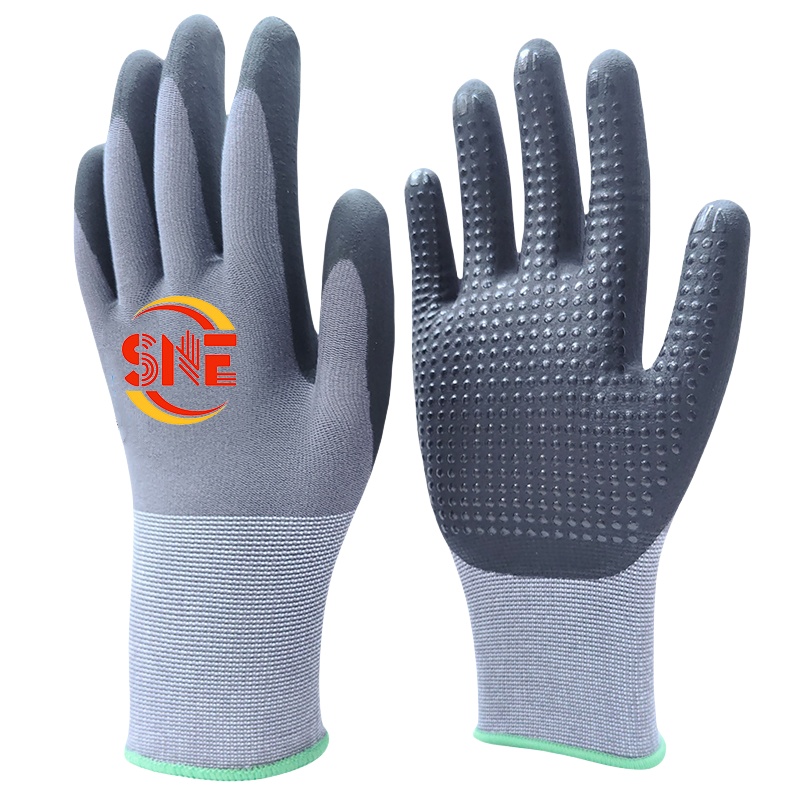
| Nitrile-coated knit gloves | Nitrile palm on polyester or HPPE liner | General maintenance and oily parts handling | Strong grip with good dexterity | Less back-of-hand protection | MRO distributors |
| Sandy nitrile gloves | Textured nitrile coating | Wet and greasy metal handling | Better grip in slick conditions | May wear faster on rough concrete | Automotive plants |
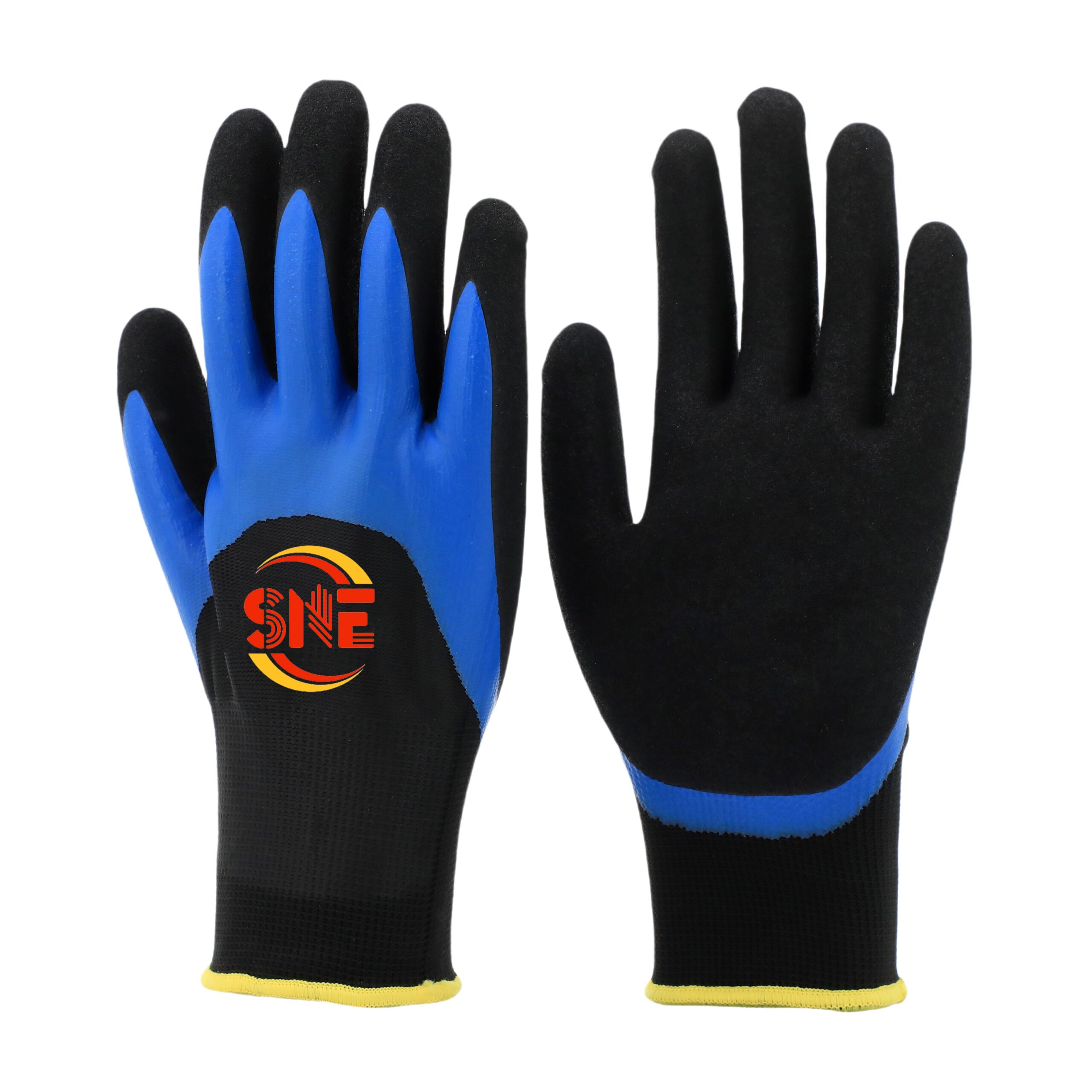
| Fully dipped nitrile gloves | Full nitrile dip with cuff coverage | Heavy oil exposure and fluid splash | Higher barrier protection | Reduced breathability | Oil and gas service teams |
| Synthetic leather mechanic gloves | Oil-treated synthetic palm | Automotive repair and tool use | Good fit and driver-style feel | Performance varies by palm finish | Repair shops |
| Impact-resistant oil gloves | Nitrile grip plus TPR back | Field mechanics and heavy equipment service | Combines grip and impact defense | Bulkier than light-duty gloves | Mining contractors |
| Cut-resistant oil gloves | HPPE or engineered fiber with nitrile | Metal fabrication and parts handling | Oil grip plus cut reduction | Higher cost per pair | Industrial safety managers |
For most U.S. automotive and industrial maintenance buyers, sandy nitrile and nitrile-coated gloves deliver the best balance between price and performance. Fully dipped gloves become more valuable when fluid exposure is continuous rather than occasional. Synthetic mechanic gloves remain popular in garages because they look familiar and allow dexterous tool handling, but not all perform equally well with heavy oil contact.
Industry Demand in the United States
Demand is concentrated in sectors where grip loss creates safety and productivity issues. The chart below compares estimated demand intensity across key industries.
Where These Gloves Are Used
In the United States, oil resistant mechanics gloves are not limited to repair garages. They are used anywhere workers must hold tools or components contaminated with lubricants, hydraulic fluids, fuel residue, or machine oil. Common applications include:
- Automotive oil changes, brake jobs, suspension work, transmission service, and engine teardown
- Fleet maintenance for delivery vans, buses, municipal vehicles, and construction trucks
- Machinery maintenance in food processing, packaging, and general manufacturing plants
- Pipe assembly, valve handling, and tool work in oil and gas fields around Texas, Oklahoma, and North Dakota
- Warehouse equipment repair, conveyor servicing, and loading dock maintenance
- Agricultural equipment upkeep in Midwest and Southern states where grease exposure is routine
What U.S. Buyers Should Evaluate Before Purchasing
Buyers in the United States often focus first on price per pair, but the better metric is cost per safe working hour. A glove that costs slightly more but lasts longer, grips more reliably, and reduces hand fatigue can lower total operating costs.
Important buying criteria include coating type, abrasion level, cut protection if sharp components are present, cuff fit, size consistency, washability, and carton efficiency. Distribution buyers should also verify barcode labeling, case pack flexibility, and private label support. For multi-location employers, replenishment reliability matters just as much as glove performance.
| Buying Factor | Why It Matters | What to Ask the Supplier | Best Option for Light Oil Work | Best Option for Heavy Oil Work | Procurement Risk if Ignored |
|---|---|---|---|---|---|
| Grip finish | Controls slip during tool and part handling | Is the palm smooth, foam, or sandy nitrile? | Sandy nitrile | Sandy or full nitrile | Hand slips and reduced productivity |
| Coating coverage | Determines barrier protection | Is it palm-dipped, 3/4 dipped, or fully dipped? | Palm-dipped | Fully dipped | Oil penetration and discomfort |
| Dexterity | Affects bolt, clip, and tool control | What gauge liner and palm flexibility are used? | 15-gauge liner | 13-gauge with flexible dip | Technician rejection of gloves |
| Abrasion resistance | Impacts wear life on rough surfaces | What abrasion rating or test data is available? | Mid-high abrasion | High abrasion | Frequent replacement cost |
| Cut protection | Needed around sheet metal or sharp edges | Is there ANSI or EN cut data? | Optional | Recommended | Injury exposure |
| Supply consistency | Protects against stockouts | What is the lead time and monthly capacity? | Regional stock support | Contract supply planning | Downtime and emergency buys |
This comparison is useful because many glove failures in U.S. operations do not come from dramatic product defects; they come from small mismatches between glove design and real work conditions. Asking these questions upfront shortens trial cycles and improves adoption rates among mechanics and maintenance crews.
Top Suppliers Serving the United States
The following companies are practical options for U.S. buyers looking for oil resistant mechanics gloves. Some are strong domestic brands with broad dealer networks, while others offer factory-direct or technical sourcing advantages for large-volume procurement.
| Company | Service Region | Core Strengths | Key Offerings | Best For | Notes |
|---|---|---|---|---|---|
| Mechanix Wear | United States nationwide | Strong automotive reputation, dexterity-focused designs | Synthetic mechanic gloves, reinforced palms, specialty task gloves | Repair chains and technicians | Very familiar brand in U.S. workshops |
| Ansell | United States and global | Industrial compliance depth, broad PPE portfolio | Nitrile-coated gloves, chemical and cut-resistant options | Industrial EHS teams | Good fit for formal procurement programs |
| HexArmor | United States and Canada | High-end protection engineering | Impact-resistant, cut-resistant, oil-grip gloves | Heavy industry and utilities | Premium pricing but advanced protection |
| MCR Safety | United States nationwide | Distributor reach, broad industrial assortment | Nitrile gloves, supported mechanic gloves, coated work gloves | Distributors and plant buyers | Strong replenishment support |
| Superior Glove | United States and North America | Technical glove variety and application fit | Oil-grip coated gloves, cut-resistant mechanic styles | Plants and maintenance teams | Good breadth across risk categories |
| Magid | United States nationwide | Private label and industrial safety solutions | Mechanic gloves, coated gloves, managed safety programs | Large employers and resellers | Strong account support |
| Snell Safety | United States import and distributor supply | Factory-direct OEM/ODM, nitrile and specialty coating expertise | Oil resistant gloves, cut-resistant gloves, custom branded lines | Importers, wholesalers, brand owners | Good cost-performance for volume buying |
This supplier table matters because U.S. buyers usually split into two groups. End users often favor domestic stock and quick reorder cycles, while importers, regional distributors, and private label buyers look for margin, customization, and stable manufacturing output. The best choice depends on whether your priority is immediate replacement stock or strategic supply-chain control.
Supplier Comparison by Product Positioning
Different suppliers win on different factors. The chart below provides a practical comparison across performance-oriented sourcing criteria.
Detailed Supplier Analysis for U.S. Buyers
Mechanix Wear remains one of the most recognized names in American automotive service. It is especially well suited for technicians who want a close-fitting glove that still feels familiar during detailed mechanical work. The brand is often preferred in service bays where dexterity and comfort drive user acceptance.
Ansell is a stronger fit for safety departments that want a broad PPE relationship rather than a single glove line. For multi-site manufacturers or processing operations, its testing documentation and industrial specialization are valuable.
HexArmor is particularly relevant in operations where slippery handling is only one hazard. If workers also face crush points, cuts, or impact zones, paying more for combined protection may make financial sense.
MCR Safety and Magid are practical for U.S. distribution channels and large account supply because they understand replenishment, category breadth, and industrial account servicing. They are often chosen by companies that need one source for multiple glove classes.
Superior Glove works well for teams that need technical selection across oil resistance, cut levels, and temperature conditions. It tends to appeal to buyers who compare task-specific specifications carefully.
Snell Safety is most compelling where U.S. buyers want to build a differentiated product line or lower landed cost without giving up technical performance. Through its industrial glove portfolio, the company supports oil resistant, nitrile-coated, cut-resistant, and application-specific hand protection for buyers who need factory-direct sourcing flexibility.
How Product Preferences Are Shifting
U.S. demand is moving away from simple low-cost coated gloves toward more specialized products that blend oil grip with cut resistance, touchscreen use, and worker comfort. The area chart below shows that transition.
Industries Driving Repeat Orders
Repeat ordering is a stronger sign of glove-market health than one-time purchasing. In the United States, the sectors generating the most consistent reorder activity are automotive fleets, MRO, industrial manufacturing, utilities, and oilfield service contractors. Their demand is less seasonal because the underlying maintenance work never fully stops.
In Detroit and the broader Midwest manufacturing belt, glove demand is closely tied to assembly, machine repair, and component handling. In Houston and the Gulf Coast, oil resistance is often linked to field service, refinery maintenance, petrochemical support, and port-adjacent industrial work. In Southern California and Georgia, distribution and fleet maintenance create steady demand for lightweight but durable grip gloves. These local patterns matter because they influence what sizes, coating styles, and packaging formats move fastest.
Case Studies From Typical U.S. Buying Scenarios
A regional fleet maintenance operator in Texas switched from low-cost general-purpose gloves to sandy nitrile mechanic gloves after technicians reported poor grip during oil filter removal and brake service. The unit price increased by roughly 18 percent, but consumption dropped because the gloves lasted longer and fewer pairs were discarded after saturation. The result was a lower monthly spend per service bay and better technician compliance.
A Midwest metal parts plant used synthetic mechanic gloves for mixed maintenance and sharp-edged handling. After several near-miss incidents, the safety manager shifted to cut-resistant oil grip gloves. Productivity did not decline because the newer liner retained flexibility. Claims risk decreased, and glove standardization across departments became easier.
A Southeast U.S. distributor serving auto aftermarket dealers introduced a private label oil resistant glove line sourced through a factory-direct model. By controlling branding, carton design, and target performance specs, the distributor improved margin while protecting its customer relationships from direct brand comparison.
Buying Advice for Distributors, End Users, and Brand Owners
If you are an end user, start with a wear trial across two or three glove styles under real oil exposure conditions. Include mechanics with different hand sizes and task profiles. Adoption matters as much as specification.
If you are a distributor, prioritize suppliers with stable lead times, consistent packaging, and the ability to hold product architecture over long programs. Your customers will notice if a glove feels different from one order to the next.
If you are a private label brand owner, request detailed information on coating formula, liner gauge, logo methods, carton options, and test standards. The difference between a successful private label program and a return-heavy one often comes down to fit consistency and real-world grip performance.
| Buyer Type | Main Goal | Best Sourcing Model | Preferred Product Style | Important Service Need | Recommended Next Step |
|---|---|---|---|---|---|
| Auto repair shop | Grip and dexterity | Local distributor | Synthetic or sandy nitrile mechanic gloves | Fast reorder | Run short wear trial |
| Fleet operator | Lower cost per service hour | Contract purchasing | Nitrile-coated or fully dipped gloves | Size availability | Compare monthly consumption |
| Industrial plant | Safety compliance and durability | National supplier or direct contract | Oil grip plus cut-resistant gloves | Specification documents | Review hazard mix by task |
| Oilfield contractor | Grip with impact protection | Regional industrial supplier | Impact-resistant nitrile gloves | Bulk stock continuity | Test cuff and fit in field use |
| Distributor | Margin and repeat orders | OEM or wholesale factory-direct | Core nitrile range with private label options | Branding support | Request carton and label samples |
| Brand owner | Differentiated market offer | ODM manufacturing | Custom spec oil resistant glove line | Quality assurance process | Define target segment and testing plan |
This table helps clarify that there is no single best glove for every buyer. The correct decision depends on task type, replenishment model, and whether the purchase is meant for internal use or resale.
Our Company in the U.S. Market
For U.S. buyers seeking a factory-backed alternative, Snell Safety has built a credible position by pairing scale, certification, and customization with market-ready support. The company operates two manufacturing facilities in Gaomi and Nantong with six production lines, more than 150 trained employees, and daily capacity reaching 150,000 pairs, which gives U.S. importers and distributors practical volume assurance for ongoing contracts. Its product strengths are grounded in specialized PU, latex, and nitrile coating technologies, along with cut-resistant and impact-resistant glove engineering, and supported by ISO 9001 quality management and CE compliance that help prove production discipline and international benchmark alignment. In commercial terms, Snell serves a wide range of customer models, including OEM and ODM manufacturing, private label development, wholesale supply, and custom product programs for distributors, dealers, brand owners, industrial end users, and smaller trial buyers. For the U.S. market, this matters because buyers need more than a remote exporter; they need a supplier with a record of serving North America, a multilingual commercial interface, structured sample support, export logistics coordination, and responsive before-sale and after-sale communication. Buyers looking to discuss technical specifications or project requirements can connect through the company’s company background page or contact the team directly via the U.S. sourcing contact channel to arrange sampling, customization, or distributor discussions.
What Makes a Good Oil Resistant Mechanics Glove in Real Use
A glove can look durable in a catalog and still fail in a service bay. In real U.S. working conditions, the best oil resistant mechanics gloves do five things well: they grip wet or greasy parts, preserve finger movement, avoid quick saturation, survive repeated abrasion, and remain comfortable long enough that workers do not remove them mid-task.
That last point is often underestimated. A technically advanced glove offers little protection if mechanics set it aside because it feels hot, stiff, or oversized. This is why fit, liner weight, and cuff style matter alongside palm chemistry. Good procurement teams now combine lab data with trial feedback from actual users.
2026 Trends to Watch
Looking ahead to 2026, three trends are likely to reshape the U.S. oil resistant mechanics glove market.
First, technology will continue moving toward multifunction designs. Buyers increasingly want one glove that combines oil grip, touchscreen use, moderate cut resistance, and all-day comfort. Suppliers that can engineer these features without making gloves bulky will gain share.
Second, policy and compliance pressure will keep rising. U.S. employers are becoming more disciplined about task-based PPE selection, injury prevention documentation, and supplier accountability. This will favor vendors that provide clearer test data, traceable quality systems, and consistent product identity.
Third, sustainability will become more important in bid reviews and brand positioning. While price still dominates many purchases, large employers and distributors are beginning to ask about packaging efficiency, production waste control, longer service life, and responsible manufacturing practices. Gloves that last longer and reduce replacement frequency can support both cost and sustainability goals.
FAQ
Are nitrile-coated gloves better than synthetic leather for oily mechanical work?
In many U.S. applications, yes. Nitrile-coated gloves, especially sandy nitrile styles, usually provide more dependable grip on oily parts. Synthetic leather can still be a good choice when dexterity and traditional mechanic-glove feel matter most.
What is the best glove style for auto mechanics in the United States?
For general automotive work, sandy nitrile or high-grip synthetic mechanic gloves are usually the top options. The best choice depends on how often the worker handles oil-soaked parts versus precision tools and fasteners.
Do oil resistant gloves also protect against cuts?
Not always. Oil resistance and cut resistance are different performance categories. If workers handle sharp brackets, sheet metal, or broken components, choose a glove that explicitly includes cut protection data.
Should U.S. distributors consider factory-direct sourcing?
Yes, especially when they want better margins, private label control, and a custom product roadmap. Factory-direct sourcing works best when the manufacturer offers stable quality systems, clear communication, and dependable export support.
How often should mechanics gloves be replaced?
Replacement depends on oil exposure, abrasion, washing practices, and task intensity. In high-use U.S. maintenance settings, gloves are often replaced when grip noticeably declines, the coating cracks, or contamination makes them uncomfortable to wear.
What is the safest way to choose a new supplier?
Start with a sample program, review test data, compare multiple sizes, run a real workplace trial, and confirm lead times and packaging details. For imported programs, also verify shipping cadence and quality consistency across production lots.