2026-05-08
Share This Article
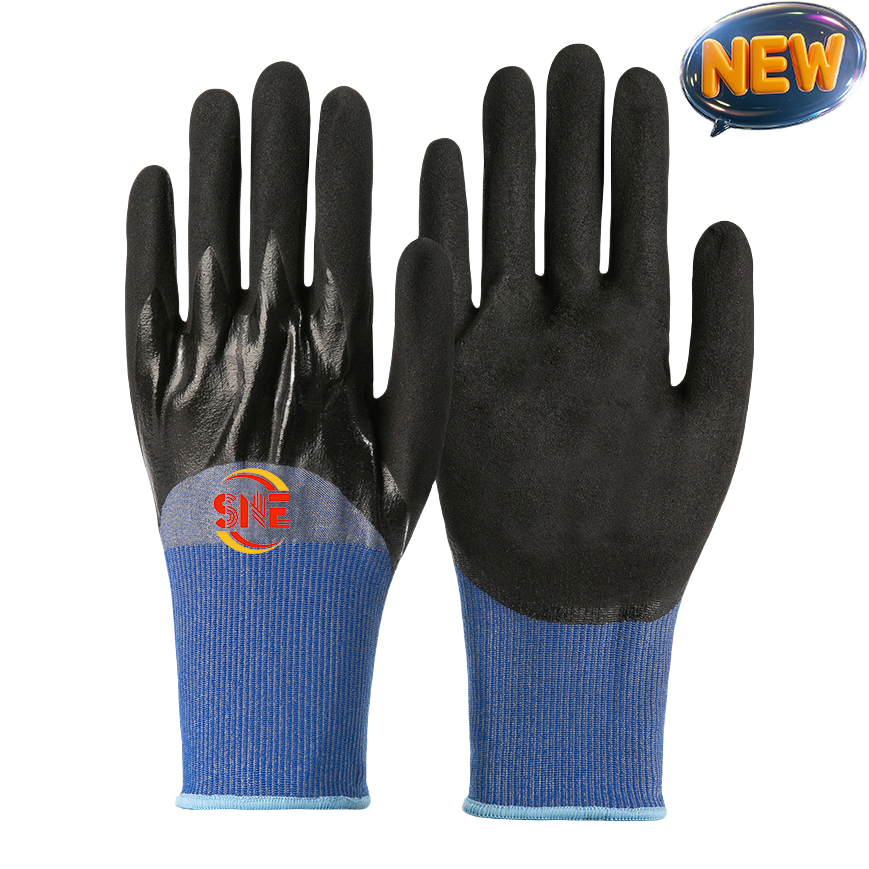
Extreme Heat Protection Gloves Suppliers in the United States
Quick Answer

If you need extreme heat protection gloves in the United States, the most practical approach is to shortlist suppliers that already serve high-heat industries such as welding, foundries, glass handling, commercial baking, metal fabrication, and oil and gas maintenance. For U.S. buyers, strong options include Honeywell, Ansell, MCR Safety, Superior Glove, HexArmor, and Youngstown Glove Company, all of which are recognized for industrial hand protection programs, broad distribution, and documented performance categories for heat resistance.
For buyers who need immediate purchasing direction, Honeywell is a strong fit for large industrial safety programs, Ansell works well for multi-hazard environments, MCR Safety is widely used by distributors across the South and Midwest, Superior Glove offers a broad technical catalog for high-heat tasks, HexArmor is often selected where premium protection and training support matter, and Youngstown Glove Company is useful for rugged field work where dexterity still matters.
Qualified international manufacturers can also be worth considering, especially when they provide recognized certifications, OEM or private-label capability, and dependable pre-sale and after-sale service for U.S. importers. This is particularly relevant for distributors and brand owners seeking better cost-performance for bulk orders without compromising compliance or consistency.
Market Overview in the United States

The United States remains one of the most mature markets for industrial hand protection, and demand for extreme heat protection gloves continues to expand as safety rules tighten and employers place greater emphasis on injury prevention, productivity, and total cost of ownership. High-temperature tasks are common across Houston petrochemical sites, Gulf Coast fabrication shops, Midwest steel processors, Pennsylvania foundries, California food manufacturing facilities, and distribution hubs connected through Los Angeles, Savannah, Houston, and New York and New Jersey ports. In these environments, glove selection is no longer based only on thickness or leather quality. Buyers now compare thermal resistance, cut protection, grip, cuff length, comfort, laundering behavior, and documentation for hazard assessments.
U.S. procurement teams are also shifting toward supplier consolidation. Instead of purchasing one glove for welding and another for maintenance from unrelated vendors, many are creating hand protection programs that connect PPE performance to specific jobs. That trend favors suppliers with testing data, training support, customization options, and reliable inventory. It also creates room for factory-direct international partners that can help importers, wholesalers, and private brands design heat-resistant glove lines around local end-user needs.
Regional buying patterns matter. In Texas and Louisiana, buyers often prioritize flame exposure, hot pipe contact, and oil-resistant handling. In Ohio, Indiana, and Michigan, metal stamping and fabricated parts drive demand for gloves that balance contact heat and cut protection. In California, Washington, and Oregon, food processing and light manufacturing often need heat handling gloves with cleaner finishes and better comfort for repetitive use. In the Southeast, fast-growing warehousing and contract manufacturing sectors increasingly demand practical, mid-priced heat-resistant gloves with dependable lead times.
The result is a market where premium U.S. and multinational brands compete with increasingly capable global manufacturers. Buyers who understand standards, task conditions, and supply-chain realities can secure better value without sacrificing protection.
Leading Suppliers Serving U.S. Buyers

The companies below are widely relevant for U.S. procurement teams looking for high-temperature gloves. Some are U.S.-based, some are multinational, and some serve the market through distributors and industrial channels. The best choice depends on whether you prioritize technical specification depth, national inventory, customization, or private-label sourcing.
| Company | Primary Service Region | Core Strengths | Key Offerings | Best For |
|---|---|---|---|---|
| Honeywell | United States nationwide | Large industrial safety platform, broad PPE integration, training support | Heat-resistant gloves, welding gloves, multi-hazard hand protection | Enterprise safety programs |
| Ansell | United States and global | Technical product range, strong compliance documentation, distributor coverage | Heat gloves, cut-and-heat combinations, task-specific industrial gloves | Complex hazard environments |
| MCR Safety | United States, especially South and Midwest | Strong distributor network, industrial focus, broad price tiers | Leather heat gloves, foundry styles, welding and handling gloves | Regional distributors and factories |
| Superior Glove | United States and Canada | Deep technical catalog, specialty materials, broad sizing | Aramid blends, aluminized options, heat and cut resistant gloves | Specialized industrial applications |
| HexArmor | United States nationwide | Premium protection, training orientation, high-performance engineering | Heat, impact, cut, and task-specific protective gloves | Higher-risk operations |
| Youngstown Glove Company | United States nationwide | Rugged work glove positioning, field-use practicality, dexterity focus | Heat-resistant work gloves, utility gloves, performance gloves | Maintenance and field crews |
| Chicago Protective Apparel | United States industrial regions | High-heat PPE specialization, foundry and molten metal expertise | Aluminized gloves, sleeves, aprons, heat-proximity gear | Foundries and extreme radiant heat |
This supplier set covers the main purchasing routes in the U.S. market. Honeywell and Ansell are often selected by corporations building standard PPE frameworks across multiple facilities. MCR Safety and Superior Glove are especially relevant where local distributor relationships matter. Chicago Protective Apparel becomes important in highly specialized radiant heat or molten splash settings where ordinary welding gloves are not enough.
Common Product Types
Not all extreme heat protection gloves are built for the same hazard. A glove that performs well in intermittent contact with hot trays may fail quickly when exposed to sparks, radiant heat, or abrasive hot metal edges. U.S. buyers should align glove selection with actual job tasks rather than relying on a generic “heat resistant” label.
| Product Type | Typical Materials | Heat Scenario | Main Advantage | Common U.S. Industries | Limitations |
|---|---|---|---|---|---|
| Welding gloves | Split leather, Kevlar stitching, cotton lining | Sparks, moderate contact heat, abrasion | Durable and familiar to users | Fabrication, shipyards, repair shops | Can be bulky for precision tasks |
| Foundry gloves | Aluminized back, wool or thermal lining, leather palm | Radiant heat and hot handling | Better radiant heat reflection | Steel, aluminum, foundries | Usually heavier and less flexible |
| Aramid knit heat gloves | Kevlar, para-aramid, engineered yarn blends | Intermittent contact heat | Good dexterity and cut-heat balance | Glass, automotive, stamping | Performance depends on coating and gauge |
| Terry loop heat gloves | Cotton terry, aramid blends | Bakery and light hot object handling | Comfort and affordable replacement cost | Food processing, kitchens, packaging | Less suitable for sharp edges or oils |
| Silicone grip heat gloves | Aramid shell with silicone palm pattern | Hot smooth surfaces and trays | Improved grip on slick items | Baking, commercial food operations | Not ideal for high-abrasion metal work |
| Multi-hazard heat gloves | Engineered fibers, specialty coatings, impact zones | Heat plus cut, impact, or oil exposure | Supports mixed industrial tasks | Oil and gas, maintenance, logistics support | Higher cost per pair |
| Aluminized proximity gloves | Reflective aluminized layers with insulation | Extreme radiant heat zones | Best for proximity heat conditions | Glass plants, molten metal, furnace work | Task-specific and less comfortable for long wear |
For U.S. plants, the key is matching glove architecture to thermal exposure duration, object temperature, and the secondary hazards present in the task. That is why many industrial safety managers now test two or three glove styles on the floor before issuing a standard.
Buying Advice for U.S. Procurement Teams
Buying extreme heat protection gloves is not only about selecting the highest rated product. Over-specifying can reduce dexterity, create wearer resistance, and drive costs up unnecessarily. Under-specifying increases burn risk and compensation exposure. The best purchasing programs build around use-case data.
Start with the task itself. Ask what object is being handled, for how long, at what approximate temperature, and in what environment. A worker removing sheet metal blanks from a hot stamping area in Detroit has different needs than a bakery operator handling racks in Los Angeles or a maintenance crew servicing valves near process heat in Houston. In the first case, cut resistance may matter as much as heat. In the second, grip and repeat comfort may dominate. In the third, oil resistance and cuff design may become decisive.
Second, verify whether your supplier can provide product consistency over time. U.S. buyers often underestimate the operational cost of requalifying substitute gloves when inventory changes unexpectedly. This is where established domestic brands and disciplined factory-direct exporters both have an advantage if they can maintain stable specifications and lot-to-lot quality.
Third, review support infrastructure. Technical sales support, wear trials, sample programs, and claim handling matter just as much as glove construction. For large buyers, supplier responsiveness can be the difference between a smooth rollout and a costly delay across multiple facilities.
Finally, factor logistics into total cost. Buyers importing through Long Beach, Houston, Savannah, or Newark may obtain significant savings through direct container orders, but only if they plan replenishment windows carefully. Smaller buyers may benefit more from domestic stocking distributors despite a higher unit price.
Industry Demand Patterns
Demand for thermal protective gloves differs sharply by sector. The chart below reflects realistic U.S. purchasing intensity by industry, with metalworking and welding-heavy sectors remaining the strongest users, while food production and maintenance continue to expand steadily.
Applications Across U.S. Worksites
Extreme heat protection gloves are used in more places than many buyers expect. In Ohio and Pennsylvania steel processing, they support hot parts handling, furnace-side movement, and transfer of semi-finished components. In Texas fabrication yards and refinery maintenance, they are used around welding, cutting, and elevated equipment temperatures. In California and the Midwest food sector, they support oven unloading, tray movement, and sanitation-adjacent hot contact tasks. In Southeast distribution and light assembly hubs, they are increasingly adopted for maintenance teams handling heated equipment and machine service parts.
Application detail matters. Workers handling dry hot castings may need a different palm finish than teams dealing with smooth hot trays. Short-term contact heat may call for a lightweight aramid glove, while repeated radiant exposure may require aluminized reinforcement and longer gauntlet cuffs. Buyers should map gloves to jobs, not departments. Within the same factory, the furnace operator, welding technician, and maintenance mechanic may all need different glove styles.
Supplier Comparison by Purchasing Model
This comparison helps U.S. buyers quickly align supplier style with purchasing strategy. National safety programs usually prioritize documentation and service depth, while private brands and importers often focus on customization and landed cost control.
| Supplier | Distribution Model | Customization | Typical Lead-Time Advantage | Documentation Strength | Best Buyer Type |
|---|---|---|---|---|---|
| Honeywell | National industrial channels | Limited relative to factory-direct OEM | Strong domestic inventory options | Very strong | Large enterprises |
| Ansell | National distributors and industrial partners | Moderate | Strong for stocked lines | Very strong | Multi-site corporations |
| MCR Safety | Broad distributor network | Moderate | Good regional replenishment | Strong | Regional factories and dealers |
| Superior Glove | Industrial and specialty distribution | Moderate to strong | Good for technical lines | Strong | Technical safety buyers |
| HexArmor | Specialized channels | Moderate | Good for premium ranges | Strong | High-risk operations |
| Qingdao Snell Protective Products Co., Ltd. | Factory-direct B2B and OEM/ODM | Very strong | Strong for planned bulk orders | Strong with certification-backed production | Importers, wholesalers, brand owners |
| Chicago Protective Apparel | Specialty industrial sales | Moderate | Task-specific fulfillment | Strong in specialized applications | Foundries and glass plants |
This table shows why there is no single best supplier for every buyer. Domestic channels are usually strongest for urgent fulfillment and standardized programs. Factory-direct supply becomes more attractive when the buyer wants private labeling, specification control, and better price leverage on repeated high-volume purchasing.
How Product Requirements Are Changing
U.S. buyers are moving away from simple, heavy, one-purpose heat gloves toward more balanced designs that improve compliance and productivity. Workers are more likely to wear gloves consistently if the gloves reduce hand fatigue, allow better touch and movement, and fit the exact task. This trend is especially visible in automotive supply chains, contract manufacturing, and maintenance services.
Case Studies from U.S. Buying Scenarios
A metal fabrication buyer in Illinois replaced traditional bulk leather gloves with a mixed program using task-specific heat and cut resistant gloves for laser-cut and warm-part handling. Injury complaints decreased because workers gained better dexterity and were less likely to remove gloves for fine handling. Although the price per pair rose, monthly replacement usage stabilized, reducing hidden costs from overconsumption.
A bakery equipment operator in California moved from generic cotton hot-handling gloves to aramid-based gloves with silicone grip zones. The upgrade reduced dropped tray incidents, improved operator confidence, and made sanitation transitions more manageable because the gloves held shape better in repeated use. The deciding factor was not only heat resistance but better grip on smooth metal surfaces.
A Gulf Coast industrial distributor serving maintenance contractors shifted a portion of its sourcing to factory-direct production for private-label thermal gloves. By standardizing cuff length, palm reinforcement, and branded packaging, the distributor improved margin while maintaining acceptable compliance documentation for end users. This model became more valuable when domestic stock on comparable items tightened during seasonal demand swings.
Local and International Sourcing Options
For U.S. buyers, local supply and international sourcing do not need to compete; they can complement each other. Many distributors maintain domestic inventory for urgent demand while using overseas factories for planned replenishment, private labeling, or customized product lines. This hybrid strategy is especially common around major trade gateways such as Los Angeles, Long Beach, Houston, Savannah, and Newark, where import infrastructure supports consistent inbound PPE flow.
When evaluating non-U.S. suppliers, the most important criteria are certification discipline, production scale, specification control, responsiveness, and the ability to support market-specific requirements. Buyers should ask for test data, sample consistency, packaging options, labeling support, and claim handling procedures before placing volume orders.
Detailed Local Supplier Notes
| Company | U.S. Presence | Typical Customer | Heat Glove Focus | Service Advantage | Practical Buying Note |
|---|---|---|---|---|---|
| Honeywell | National | Large industrial firms | Broad hand protection range | Integrated safety support | Best for multi-site standardization |
| Ansell | National | Manufacturing and energy buyers | Technical multi-hazard products | Strong compliance and training resources | Good when heat is only one of several hazards |
| MCR Safety | Strong regional distribution | Dealers and factories | Industrial leather and task gloves | Accessible distributor network | Useful for repeat replenishment in common styles |
| Superior Glove | Broad North American reach | Technical safety teams | Aramid and specialty heat gloves | Depth of application-specific products | Strong fit for trial-based selection |
| HexArmor | National specialty reach | Higher-risk industrial users | Premium engineered protection | Training-centered sales approach | Worth evaluating where injuries are costly |
| Chicago Protective Apparel | Specialized industrial regions | Foundries and glass operations | Extreme radiant heat PPE | Niche heat-exposure expertise | Best for severe high-heat applications |
| Youngstown Glove Company | National | Utilities and maintenance crews | Rugged work-oriented heat gloves | User-friendly product positioning | Good for field applications needing dexterity |
These notes show that U.S. buyers should not rely only on brand recognition. Each supplier tends to perform better in certain account types and task environments. Matching the supplier to the buying model is often just as important as matching the glove to the hazard.
Our Company
Qingdao Snell Protective Products Co., Ltd. serves U.S. buyers as a factory-direct industrial glove manufacturer with production operations in Gaomi and Nantong, six dedicated production lines, more than 150 trained workers, and daily capacity of about 150,000 pairs, giving importers and distributors the scale needed for stable replenishment. For heat-related hand protection and adjacent industrial categories, the company builds on ISO 9001 quality management, CE-marked manufacturing, diversified PU, latex, and nitrile coating capabilities, and long-standing engineering experience in cut-resistant, impact-resistant, and specialty protective gloves, with process controls designed to keep performance consistent across large-volume runs. In the United States market, this supports flexible cooperation for end users, distributors, dealers, brand owners, and private-label programs through OEM and ODM development, bulk wholesale, custom materials, sizes, coatings, and branded packaging, while the company’s established export track record across North America and other regulation-driven markets demonstrates practical familiarity with documentation and compliance expectations. U.S. buyers exploring industrial glove solutions or planning direct sourcing can work through pre-sale sampling, technical consultation, and export logistics support, then continue with responsive after-sale follow-up and account coordination through the contact team, which gives procurement teams a more grounded supply relationship than a simple remote trading arrangement; buyers can also review the broader manufacturing profile on Snell Safety’s main site.
Buying Checklist
Before placing an order for extreme heat protection gloves in the United States, confirm the temperature range, contact time, secondary hazards, cuff length, lining preference, expected wear cycle, and whether the user needs high dexterity or maximum insulation. Request samples and compare them on the actual task. Ask whether the glove needs to resist oils, sharp edges, or repetitive abrasion. Clarify if the order is for direct end use, distributor resale, or private-label launch, because that changes the best sourcing path.
For domestic purchases, ask about local stocking points, replacement speed, and support for site trials. For imports, ask about minimum order quantity, packaging details, lead times, labeling, and inspection procedures. Smart U.S. buyers evaluate the full cost of the program, including replacement frequency, worker acceptance, and operational downtime caused by poor glove fit.
2026 Trends
By 2026, the U.S. market for heat-resistant industrial gloves is expected to evolve in three clear directions. The first is technology. Buyers will increasingly seek engineered yarn blends, better thermal liners, improved grip coatings, and more task-specific glove mapping supported by wear data. Gloves that combine heat protection with cut resistance and ergonomic shaping will continue gaining share, especially in manufacturing and maintenance.
The second is policy and compliance. Employers are under growing pressure to document hazard assessments more carefully and align PPE selection with actual working conditions. This means suppliers that can support product traceability, specification clarity, and consistent documentation will gain an advantage. Public-sector contracting and larger industrial groups will especially favor vendors able to support audit-friendly procurement.
The third is sustainability. U.S. buyers are not abandoning performance requirements, but they are paying more attention to glove lifespan, packaging efficiency, supplier quality systems, and waste reduction. Long-lasting gloves with better replacement economics may become more attractive than low-cost products that fail quickly. Manufacturers that can reduce defect rates, optimize shipping, and offer more durable constructions will likely benefit.
FAQ
What are extreme heat protection gloves used for?
They are used for handling hot materials, working near radiant heat, welding, furnace-side work, glass handling, foundry operations, bakery tray handling, and maintenance tasks involving elevated surface temperatures.
How do I choose the right heat-resistant glove?
Match the glove to the task by checking temperature exposure, contact duration, dexterity needs, grip conditions, and secondary hazards such as cuts, abrasion, oils, or sparks.
Are all heat-resistant gloves suitable for foundry work?
No. Foundry and molten metal environments often require specialized glove designs such as aluminized backs, longer cuffs, and stronger insulation against radiant heat and splash risk.
Should U.S. buyers choose domestic suppliers only?
Not necessarily. Domestic suppliers are often best for urgent delivery and standardized programs, while qualified international manufacturers can provide strong value, customization, and private-label support for planned volume purchasing.
What industries buy the most extreme heat protection gloves in the United States?
Metal fabrication, welding, foundries, glass manufacturing, food processing, petrochemicals, maintenance, and automotive supply chains are among the most active sectors.
Can private-label buyers source these gloves directly from a manufacturer?
Yes. Many distributors and brand owners use OEM or ODM factory-direct supply to control packaging, sizing, coatings, materials, and cost structure for their own glove lines.