2026-05-06
Share This Article
Insulated Construction Gloves Suppliers in the United States
Quick Answer

If you need insulated construction gloves for cold winter job sites in the United States, the most practical shortlist includes Mechanix Wear, Carhartt, Honeywell, MCR Safety, Ergodyne, and Youngstown Glove Company. These brands are widely recognized by contractors, utilities, warehouse operators, road crews, and industrial buyers for winter hand protection that balances warmth, grip, durability, and compliance expectations.
For local availability and faster replenishment, buyers in major construction markets such as Chicago, Denver, Minneapolis, Buffalo, Detroit, and Boston often prefer suppliers with established U.S. distribution and strong inventory depth during peak winter months. For large-volume procurement, qualified international manufacturers can also be worth considering when they hold relevant certifications, provide clear technical data, and support buyers with responsive pre-sales and after-sales service. Cost-performance can be especially attractive for distributors, private-label programs, and regional importers.
Buyers comparing options should focus first on insulation level, palm coating or leather type, cuff design, dexterity in freezing conditions, and whether workers need cut resistance, water resistance, touchscreen use, or impact protection in addition to cold protection.
The United States Market for Insulated Construction Gloves

The United States remains one of the largest and most mature markets for insulated construction gloves because winter job site activity continues across commercial construction, public works, energy, utilities, transportation, warehousing, and industrial maintenance. In colder states, hand protection is not simply a comfort item. It directly affects grip control, tool handling, incident prevention, and worker productivity. A glove that is too bulky reduces precision. A glove that is too thin exposes hands to numbness, moisture, and lost control. That is why buyers in the U.S. market increasingly evaluate winter gloves by task profile rather than by price alone.
Demand tends to peak from late fall through early spring, especially in the Midwest, Northeast, Mountain West, and northern logistics corridors. Contractors operating around Chicago, Cleveland, Pittsburgh, Minneapolis, Milwaukee, Salt Lake City, and New York frequently need different winter glove profiles for framing, concrete work, roofing, site preparation, utility installation, and loading operations. Port and intermodal activity near New York and New Jersey, Savannah, Houston, Seattle, and the Great Lakes also drives recurring demand for insulated gloves that can handle cold, wet, and abrasive conditions.
In procurement terms, the U.S. market is shaped by three purchasing patterns. The first is direct enterprise buying by large contractors, industrial employers, and municipal departments. The second is distributor-led supply through safety wholesalers and industrial catalogs. The third is retail-driven replenishment through hardware chains, workwear dealers, and online channels. Each route has different expectations for pack size, labeling, shelf readiness, technical documentation, and order lead time.
There is also a noticeable shift toward multi-hazard gloves. U.S. buyers increasingly want insulated work gloves that combine thermal lining with cut resistance, oil grip, waterproof membranes, high-visibility shells, or impact protection. This is especially common in utility maintenance, warehouse handling, metal fabrication yards, and heavy civil construction.
Top Suppliers Commonly Considered in the United States

The table below gives a practical view of insulated construction glove suppliers and brands that U.S. buyers frequently compare. It mixes large national brands with recognized industrial glove specialists. Service region refers to where they are most actively distributed or supported for routine procurement in the U.S. market.
| Company | Service Region | Core Strengths | Key Offerings | Best Fit |
|---|---|---|---|---|
| Mechanix Wear | Nationwide United States | Strong brand recognition, dexterity-focused designs, wide dealer network | Insulated synthetic gloves, cold-weather mechanics styles, grip-focused winter gloves | Contractors, mechanics, utility crews |
| Carhartt | Nationwide United States | Workwear reputation, durable cold-weather positioning, broad retail presence | Insulated leather gloves, waterproof winter gloves, general cold jobsite gloves | General construction, farm, outdoor labor |
| Honeywell | United States and North America | Industrial safety portfolio, compliance familiarity, large-scale supply capability | Thermal-coated gloves, cut-resistant winter gloves, industrial PPE programs | Large employers, industrial procurement teams |
| MCR Safety | Nationwide United States | Broad PPE catalog, distributor relationships, industrial glove variety | Insulated coated gloves, winter leather gloves, freezer and cold handling gloves | Distributors, warehouses, maintenance buyers |
| Ergodyne | Nationwide United States | Jobsite safety specialization, cold-stress product focus, strong training support | Thermal gloves, waterproof insulated gloves, hi-vis cold-weather hand protection | Public works, utilities, outdoor crews |
| Youngstown Glove Company | United States | Task-specific work gloves, utility and industrial use, high durability options | Winter performance gloves, lined utility gloves, cut-resistant insulated models | Utility, telecom, field service teams |
| Wells Lamont Industrial | United States | Long heritage in work gloves, leather expertise, practical winter styles | Leather insulated gloves, split cowhide winter gloves, freezer gloves | Material handling, general labor, agriculture |
| Ansell | United States and global | Industrial hand protection engineering, premium technical range | Cold-resistant industrial gloves, coated insulated gloves, advanced task protection | High-spec industrial and process environments |
For most U.S. buyers, the best supplier is not always the most famous brand. It is the one that matches climate conditions, hazard profile, procurement scale, and replenishment speed. For example, a highway maintenance team in Minnesota may prioritize waterproof insulation and high visibility, while a framing contractor in Colorado may value dexterity and dry grip more than full waterproofing.
Market Growth Outlook
Cold-weather PPE demand in the United States has been steadily supported by worker safety enforcement, winter project continuity, and broader use of task-specific gloves. The following market trend illustrates a realistic pattern of growing demand for insulated construction gloves in the U.S. industrial and construction supply chain.
This growth pattern reflects several market realities: stricter PPE selection by employers, more frequent winter logistics activity, rising demand for cold-storage handling gloves, and stronger replacement cycles for coated winter work gloves used in wet and abrasive conditions.
Product Types and How They Are Used
Not all insulated construction gloves solve the same problem. In the U.S. market, the major product categories are usually selected by work intensity, moisture exposure, and dexterity needs. Buyers should avoid using one glove style for every winter task because doing so often increases both cost and complaints from workers.
| Product Type | Typical Construction Use | Main Advantages | Main Limitations | Common Buyer Profile |
|---|---|---|---|---|
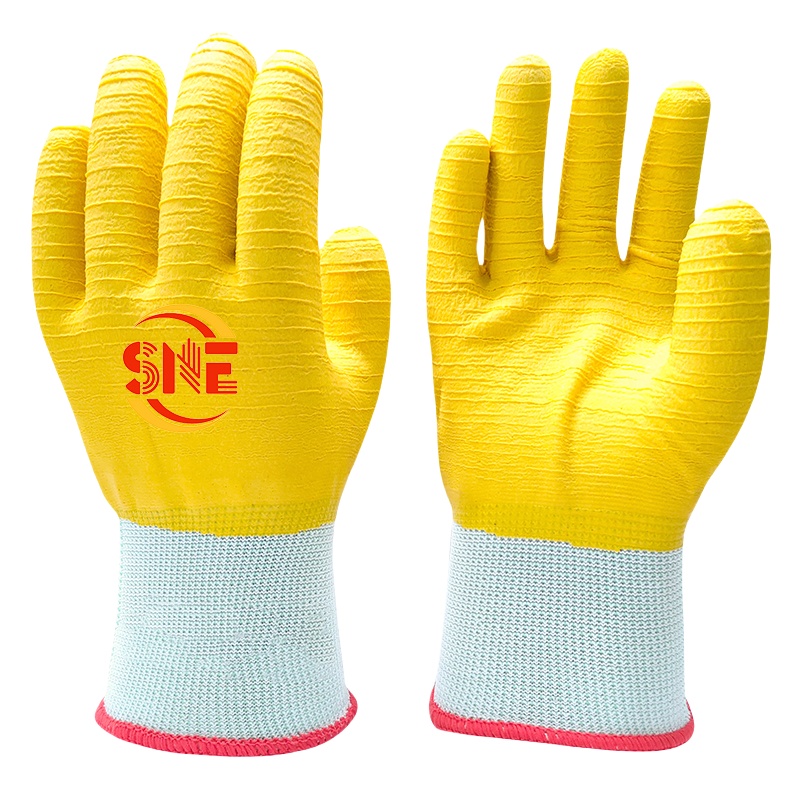
| Latex-coated insulated gloves | Masonry, site prep, outdoor handling | Strong wet grip, good flexibility, practical price point | Can wear faster on rough surfaces | General contractors and distributors |
| Nitrile-coated insulated gloves | Material handling, maintenance, oily environments | Oil resistance, abrasion resistance, dependable grip | May feel stiffer in very low temperatures | Industrial and warehouse buyers |
| PU-coated insulated gloves | Light assembly, precision installation | Better dexterity, lighter hand feel, cleaner finish | Less suitable for heavy abrasion and saturated wet work | Light industrial and detailed task users |
| Insulated leather gloves | Heavy construction, rigging, equipment operation | Durability, spark tolerance, familiar fit for many workers | Can absorb water if not treated, bulkier than coated knit | Heavy civil, utility, outdoor crews |
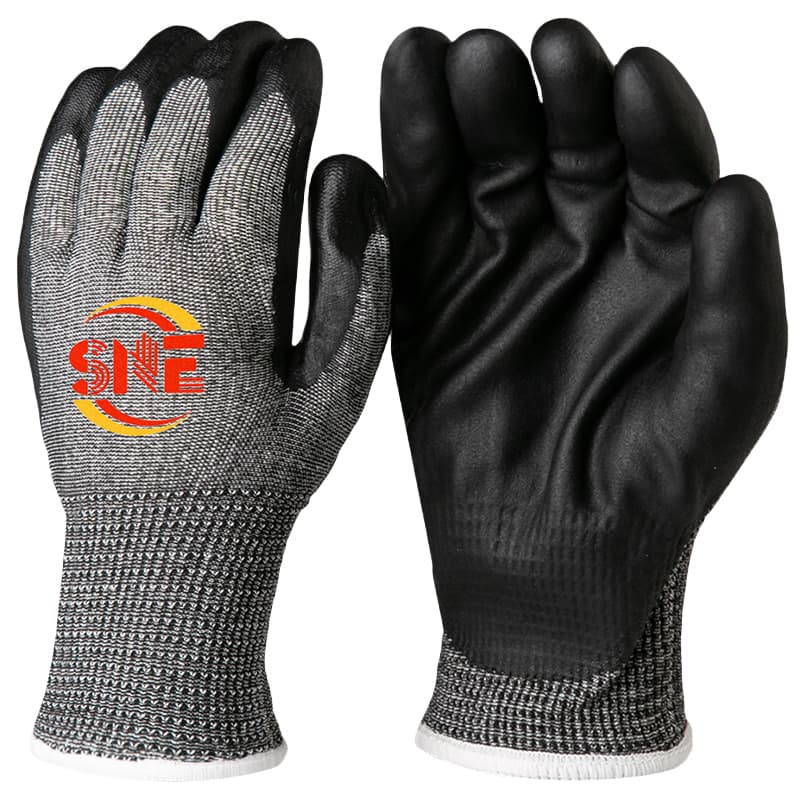
| Cut-resistant insulated gloves | Metal stud framing, glass handling, utility work | Combined thermal and cut protection, safer for sharp materials | Higher cost, some models reduce finger sensitivity | Specialty contractors and fabricators |
| Impact-resistant insulated gloves | Oil and gas support, heavy equipment, field repair | Back-of-hand protection, thermal lining, rugged build | Heavier profile, not ideal for fine assembly work | Energy, mining support, utilities |
| Waterproof insulated gloves | Snow removal, concrete, rail, utility restoration | Better moisture barrier, cold weather endurance | Usually less breathable and can feel warmer indoors | Outdoor municipal and emergency crews |
This comparison matters because buyers often overpay for advanced features they do not need or, just as commonly, choose light insulated gloves for severe cold and wet work where failure rates rise quickly. Matching glove architecture to the task is the foundation of effective winter PPE planning.
Industry Demand Across the United States
Demand for insulated gloves varies sharply by industry. Construction remains a leading segment, but warehousing, utilities, transportation, and municipal winter operations are close behind. The chart below shows a realistic index of relative demand in the U.S. market.
The dominance of construction is driven by the size of the labor force and the fact that many activities continue through winter. Utilities and warehousing remain especially important because workers often handle tools, packages, and equipment outdoors or in unheated spaces where cold injury risk rises quickly.
Buying Advice for U.S. Contractors and Distributors
When buying insulated construction gloves in the United States, start with job conditions instead of catalog photos. Ask whether the glove will be used in dry cold, wet cold, intermittent indoor-outdoor movement, or full-shift outdoor exposure. A glove that performs well on a dry framing site in Utah may disappoint on a wet bridge project near Buffalo or Seattle.
Second, define the hazard stack. Warmth alone is not enough for many jobs. Crews may also need abrasion resistance, cut protection, puncture resistance, impact padding, oil grip, or touchscreen compatibility. Multi-hazard gloves usually reduce the total number of glove types a supervisor must stock, but they only make sense if the feature set supports actual tasks.
Third, verify sizing and worker acceptance. Winter gloves often fail not because of thermal performance but because users remove them to regain dexterity. Trial orders should include enough sizes for real field feedback. This is especially important for mixed crews and subcontractors working across changing tasks.
Fourth, look closely at delivery stability. Winter demand spikes can cause stockouts. Buyers in the United States often benefit from suppliers with strong domestic inventory positions or predictable import planning tied to West Coast and East Coast logistics flows.
Finally, ask for test data, coating details, liner information, and use-case recommendations. Serious suppliers should be able to explain where a glove works best, where it fails, and how long it typically lasts under specific conditions.
Applications by Industry and Task
Insulated construction gloves are used well beyond general building sites. The table below shows how U.S. buyers typically connect glove type to task environment and performance need.
| Industry | Typical Task | Preferred Glove Characteristics | Why It Matters | Common U.S. Locations |
|---|---|---|---|---|
| Commercial Construction | Framing, fastening, handling materials | Warmth with finger mobility and dry grip | Maintains tool control and work pace | Chicago, Denver, Boston |
| Heavy Civil | Concrete, rebar, roadwork | Wet grip, abrasion resistance, longer cuff | Reduces hand fatigue and cold exposure | Detroit, Minneapolis, Buffalo |
| Utilities | Field repairs, line support, meter service | Dexterity, weather resistance, optional cut protection | Supports safe handling of equipment and components | Cleveland, Pittsburgh, St. Louis |
| Warehousing and Logistics | Loading, unloading, yard operations | Grip in cold conditions, moderate insulation | Prevents dropped items and cold-related discomfort | Memphis, Columbus, Kansas City |
| Municipal Services | Snow response, street repair, public maintenance | Waterproofing, visibility, durable shell | Protects workers during long outdoor shifts | Milwaukee, Syracuse, Salt Lake City |
| Oil, Gas, and Equipment Support | Field maintenance, rig support, transport | Impact resistance, insulation, oil grip | Handles rugged tasks in cold weather | North Dakota, Texas Panhandle, Wyoming |
| Rail and Transportation | Inspection, coupling, handling hardware | Thermal protection and robust grip | Helps maintain precision in exposed environments | Omaha, Albany, Philadelphia |
The practical lesson is simple: procurement teams should treat insulated gloves as a task-engineered PPE category, not a winter accessory. That is where safety, worker adoption, and total cost usually improve together.
Trend Shift in Product Selection
Across the U.S. market, purchasing criteria are shifting from basic warmth toward multi-functional performance. Buyers now place more weight on grip, durability, and compliance-aligned hazard protection. The chart below illustrates that transition.
This trend is likely to continue through 2026 as employers seek fewer glove changes per shift, stronger safety documentation, and products that improve retention of skilled labor by making winter work more tolerable.
Case Studies from Real-World U.S. Use Patterns
A commercial framing contractor in the Chicago area switched from basic fleece-lined gloves to insulated latex-coated gloves for winter exterior work. The prior glove caused frequent removal during fastening and layout tasks. The newer glove improved grip on lumber and metal connectors while preserving enough dexterity for measuring and tool handling. Reported worker acceptance improved because hands stayed warmer without sacrificing speed.
A municipal public works department in upstate New York adopted two insulated glove profiles instead of one. Waterproof insulated gloves were assigned to snow and storm response, while lighter insulated nitrile-coated gloves were used for yard and equipment support. This reduced overuse of the heavier glove and lowered replacement cost because crews only used premium waterproof models when necessary.
A Midwest warehouse operation handling outdoor yard transfers moved from unlined coated gloves to insulated nitrile-coated models during winter months. Managers found that workers maintained better box handling control and reported less finger stiffness during early morning shifts. The practical result was fewer dropped items and fewer informal glove changes into non-approved personal winter wear.
An equipment service team supporting utility work in Pennsylvania adopted insulated cut-resistant gloves for cold-weather handling of metal enclosures, conduit, and field hardware. The added cut protection reduced the need to choose between warmth and hazard control, a common issue in winter maintenance work.
Local Suppliers, Distributors, and Sourcing Channels
In the United States, many buyers source insulated construction gloves through national industrial distributors, regional safety specialists, direct brand accounts, and private-label import programs. The table below focuses on practical sourcing channels and what each tends to offer.
| Supplier Channel | Examples | Service Coverage | Core Advantage | Best For |
|---|---|---|---|---|
| National industrial distributors | Grainger, Fastenal, MSC Industrial Supply | Nationwide United States | Fast replenishment, account management, broad catalog access | Multi-site employers and repeat buyers |
| Safety product distributors | Regional PPE houses in Midwest and Northeast markets | State or regional | Hands-on product guidance and local delivery | Contractors and municipalities |
| Direct brand sourcing | Mechanix Wear, Ergodyne, MCR Safety | United States | Technical support and program-level pricing | Large users and strategic accounts |
| Retail and workwear chains | Carhartt dealers, farm and hardware chains | Local and nationwide | Convenient spot buying and worker familiarity | Small crews and urgent replacement needs |
| Private-label import programs | Brand owners and wholesalers using overseas factories | Nationwide distribution after import | Cost control, brand customization, margin flexibility | Distributors and house brands |
| Online B2B sourcing | Manufacturer websites and industrial ecommerce platforms | United States | Broader comparison and direct inquiry | Buyers benchmarking price and specifications |
| Specialty cold-chain suppliers | Vendors serving freezer and refrigerated operations | Regional and national | Task-specific glove recommendations for cold handling | Warehousing and food logistics |
This sourcing mix matters because the best route often depends on order volume and service expectations. A contractor with one branch may prefer local supply and emergency delivery, while a national distributor may prioritize factory-direct labeling, annual contracts, and carton-level consistency.
Comparing Supplier Priorities
When buyers compare suppliers, they usually score them on availability, customization, technical range, price stability, and support responsiveness. The following comparison chart shows a realistic supplier evaluation pattern for bulk buyers in the United States.
The chart reflects a common tradeoff. Domestic brands often lead in immediate stock access and field familiarity, while factory-direct import programs usually offer stronger flexibility in private labeling, product adaptation, and price structure for volume programs.
Our Company
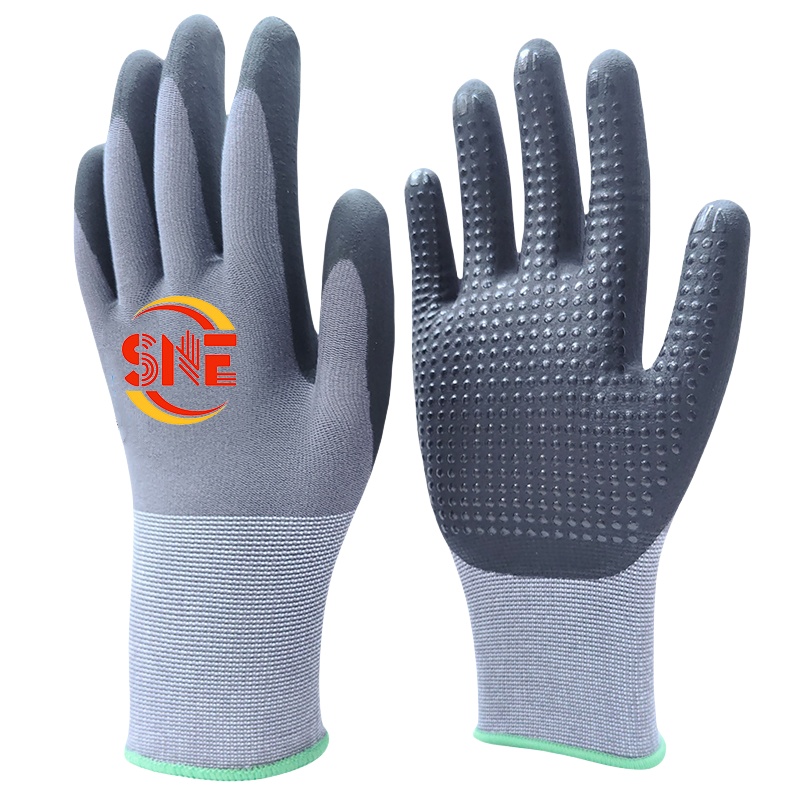
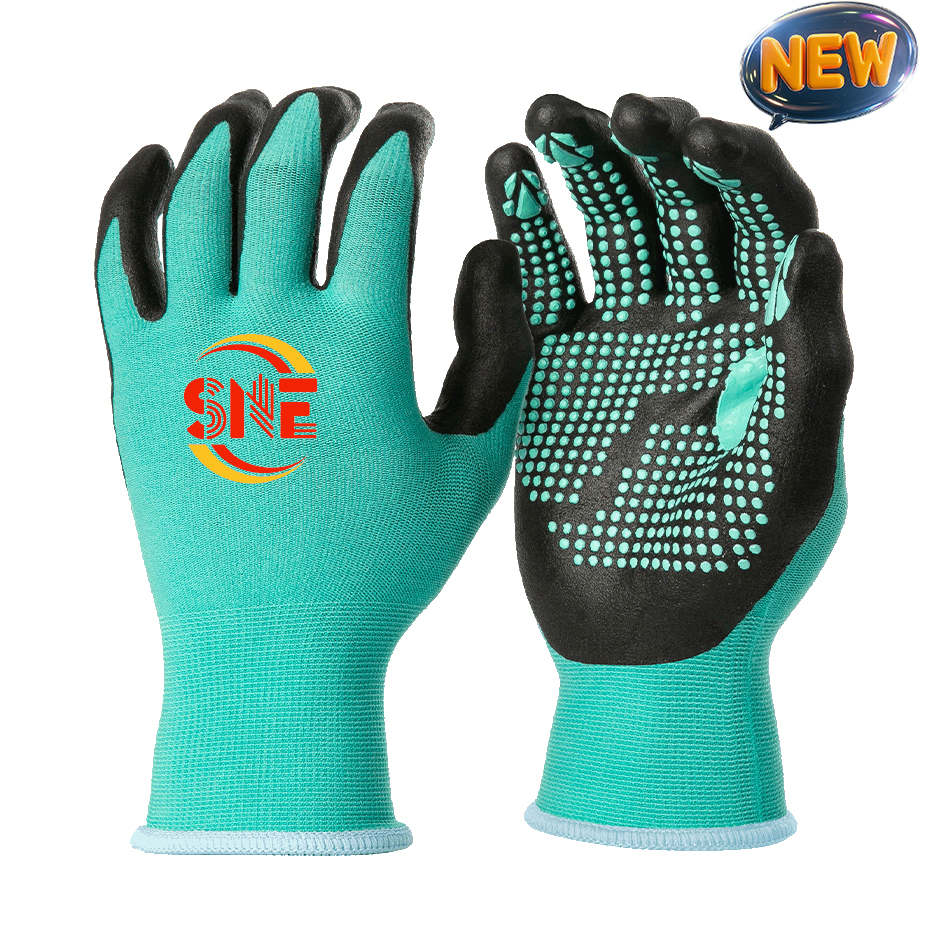
For buyers in the United States who need a factory-direct partner instead of only a domestic brand reseller, Snell Safety is positioned as a practical sourcing option for insulated construction gloves, cold protection gloves, and related industrial hand protection. The company manufactures through two production facilities in Gaomi and Nantong with six dedicated production lines, more than 150 trained employees, and daily capacity of 150,000 pairs, which supports consistent supply for U.S. distributors, wholesalers, contractors, and private-label programs. Its product strength comes from a focused glove portfolio built around PU, latex, and nitrile coating technologies, plus advanced cut-resistant and impact-resistant glove engineering, with production managed under ISO 9001 quality systems and CE-marked product compliance for markets that demand formal safety controls. For cooperation, the company supports OEM and ODM development, bulk wholesale, private label supply, customized materials, coating selection, sizing, and branding, allowing end users, regional dealers, brand owners, and importers to build programs that fit their channel strategy rather than buying only fixed catalog items. For local service assurance in the United States, the practical value lies in established export experience to North America, multilingual sales support, sample service, technical consultation, structured logistics coordination, and responsive online and offline pre-sale and after-sales communication designed for long-term market participation rather than one-off remote exporting. Buyers wanting product details can review the product range, learn more about the manufacturer, or contact the team for specification matching and bulk inquiries.
What to Ask Before Placing an Order
Whether you source from a U.S. brand or a qualified overseas manufacturer, ask focused questions before committing. Request details on liner weight, shell material, coating type, cuff style, recommended temperature range, abrasion expectations, and whether the glove was designed for dry cold, wet cold, or intermittent use. Ask how the glove behaves after repeated exposure to concrete moisture, snow, oil, or freezing wind. Clarify carton quantities, replenishment lead times, and whether custom logos or packaging affect production speed.
For import or private-label orders, also ask about sample timelines, inspection standards, defect handling, and support for technical files. Serious suppliers should be able to explain production controls clearly and provide practical guidance based on real job site conditions in the United States.
Future Trends Through 2026
Looking toward 2026, the insulated construction glove market in the United States is expected to change in three visible ways. First, technology will continue to move toward lighter warmth with better dexterity. Buyers increasingly want insulation packages and shell constructions that reduce bulk while preserving warmth and grip. This is especially relevant for tasks that mix tool use with material handling.
Second, policy and compliance pressure will encourage more documented PPE selection. Employers are becoming more careful about matching gloves to hazard assessments rather than treating winter hand protection as generic apparel. This favors suppliers that can provide clear specifications, technical consistency, and repeatable quality.
Third, sustainability will become more relevant in bids and supplier reviews. U.S. buyers are showing more interest in packaging reduction, durable gloves that extend replacement cycles, and factories with structured quality systems that help reduce waste and rework. While performance still comes first, environmental and supply-chain transparency factors are becoming part of vendor selection for larger accounts.
Another likely trend is segmentation by climate zone. Instead of one national winter glove program, large employers may increasingly adopt region-specific glove assortments for the Great Lakes, Northeast, Mountain states, and southern cold-snap markets. That creates opportunities for suppliers that can offer a broader matrix of coatings, liners, and cuff styles rather than one universal model.
FAQ
What are insulated construction gloves best used for?
They are best used for outdoor work in cold conditions where workers still need grip, dexterity, and hand protection. Typical tasks include framing, site prep, material handling, utility service, roadwork, snow response, and winter warehouse operations.
Are insulated coated gloves better than insulated leather gloves?
It depends on the task. Coated insulated gloves usually offer better grip and flexibility for active handling work, while insulated leather gloves often provide stronger durability and a familiar feel for heavier-duty outdoor tasks.
What should U.S. buyers prioritize first?
Prioritize task conditions, especially dry cold versus wet cold. Then check for the right balance of insulation, grip, durability, cuff length, and any added protection such as cut resistance or impact protection.
Can overseas manufacturers be a good option for the United States market?
Yes, especially for bulk purchasing, private-label programs, and distributor sourcing. The key is to work only with qualified manufacturers that provide certifications, stable production capacity, technical transparency, and dependable pre-sales and after-sales support.
How many glove types should a winter job site stock?
Many employers do better with at least two winter glove profiles: one for general cold and dry tasks, and one for wet or severe cold tasks. This usually improves worker acceptance and lowers unnecessary spend on premium gloves.
When should a buyer choose cut-resistant insulated gloves?
Choose them when workers handle sharp materials in cold weather, such as sheet metal, metal framing components, cable, glass, or utility hardware. They help avoid the tradeoff between warmth and cut protection.