2026-08-25
Share This Article
Best Oil Resistant Gloves for Hydraulic Maintenance in the United States
Quick Answer

If you need reliable oil resistant gloves for hydraulic system maintenance in the United States, the most practical choices usually come from established industrial hand-protection suppliers with strong distribution, clear compliance data, and proven performance in oily, high-grip maintenance environments. For buyers that need dependable supply, broad sizing, and technical documentation, top names to evaluate include Ansell, MCR Safety, Mechanix Wear, PIP, HexArmor, and SHOWA. These companies are widely used across maintenance shops, fleet service operations, construction equipment repair teams, and oil and gas field service contractors in hubs such as Houston, Chicago, Los Angeles, Atlanta, and the Gulf Coast.
For direct purchasing decisions, nitrile-coated gloves are often the best starting point for hydraulic work because they balance oil grip, abrasion resistance, dexterity, and cost. Sandy nitrile coatings generally perform better than smooth coatings on oily hoses, valves, pumps, and fittings. If mechanics also face pinch points or back-of-hand strike hazards, impact-resistant oil-resistant gloves are worth the premium. For cold outdoor service in states such as North Dakota, Colorado, or Pennsylvania, insulated oil-resistant gloves are usually the better fit.
Local U.S. brands and distributors remain the fastest route for urgent delivery and technical support, but qualified international suppliers can also be a smart option for larger programs. In particular, experienced Chinese manufacturers with certifications, factory-direct pricing, OEM capability, and responsive pre-sales and after-sales support can offer strong cost-performance value for distributors, private-label buyers, and large maintenance networks.
United States Market Overview for Hydraulic Maintenance Gloves

The U.S. market for hydraulic maintenance gloves is driven by industries that cannot tolerate fluid leaks, downtime, or hand injuries. Hydraulic systems are used every day in construction machinery, agricultural equipment, material handling fleets, industrial presses, mining machines, utility trucks, marine service equipment, and factory automation lines. In all of these settings, technicians handle hoses, couplings, fittings, pumps, cylinders, manifolds, reservoirs, and oily metal surfaces. Gloves must therefore do more than resist oil; they need to preserve grip, support tactile control, and withstand repeated abrasion while keeping workers productive.
Demand is especially concentrated around heavy industrial corridors and logistics hubs. The Gulf Coast supports petrochemical plants, energy contractors, and port maintenance. The Midwest, including Ohio, Illinois, Michigan, and Indiana, supports manufacturing and mobile equipment service. Texas remains one of the largest concentration points due to construction, oilfield equipment, trucking, and industrial maintenance. California, Georgia, and New Jersey also matter because of warehousing, ports, and equipment distribution. Buyers in these regions often prioritize short lead times, broad SKU availability, and gloves that integrate well with existing PPE procurement standards.
Another important U.S. trend is the rise of task-specific glove selection. Instead of buying a single “mechanic glove” for every maintenance task, many companies now split orders across multiple categories: lightweight grip gloves for hose changes, cut-resistant gloves for metal handling, impact gloves for field service, and chemical-resistant gloves for fluid transfer or cleanup. This shift has made product evaluation more technical and more purchasing teams now ask for coating data, abrasion ratings, EN or ANSI references, and evidence of real oil-grip performance rather than relying on marketing language alone.
The line chart shows a realistic upward demand pattern. Growth is not explosive, but it is steady because hydraulic systems remain common across old and new equipment fleets. The projected 2026 increase reflects tighter safety management, more preventive maintenance outsourcing, and a stronger preference for premium gloves that reduce slip incidents and replacement frequency.
What Makes a Good Oil Resistant Glove for Hydraulic Maintenance

Hydraulic maintenance creates a very specific risk profile. The glove has to maintain grip on oil-wet components, resist wear from metal edges and rough cast surfaces, allow dexterous hand movement for clamps and couplings, and remain comfortable over long service calls. Buyers that focus only on “oil resistant” without checking the full specification often end up with gloves that are too slippery, too bulky, or too fragile.
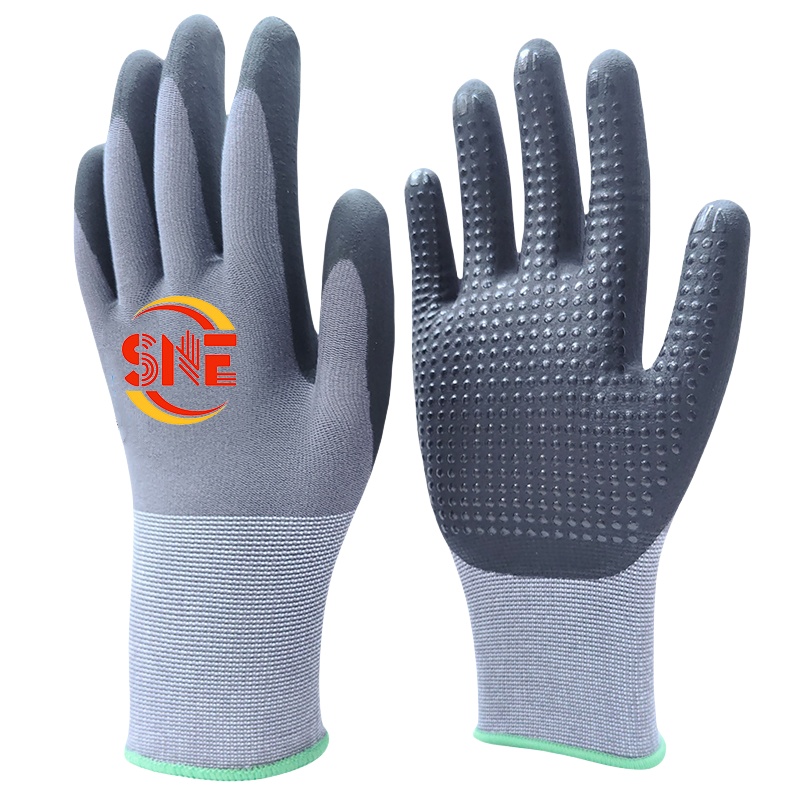
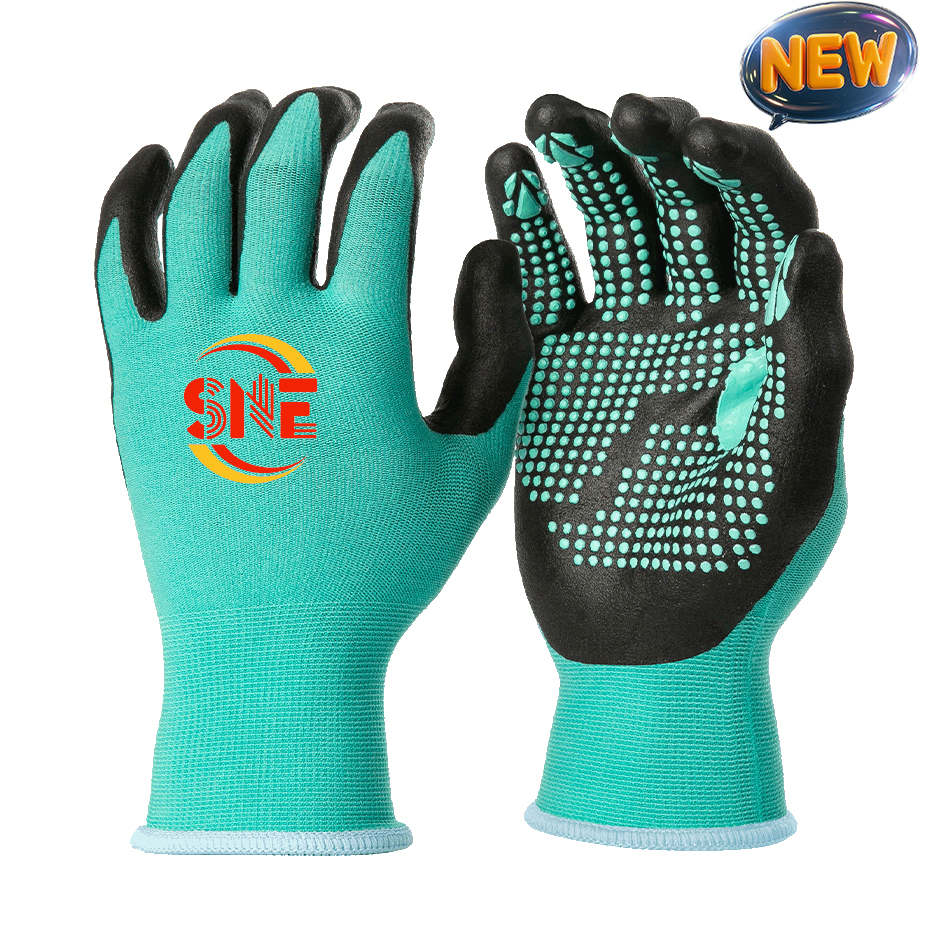
The coating is usually the most important performance factor. Nitrile remains the dominant choice because it performs well against petroleum-based oils and supports a good balance of durability and dexterity. Sandy nitrile or foam nitrile textures are often selected where technicians handle slick tools, steel tubing, or lubricated hydraulic parts. Fully dipped nitrile provides better barrier coverage but can run hotter in warm climates and may reduce breathability. Double-dipped options help in especially messy environments but should still be tested for hand fatigue.
The liner also matters. A 13-gauge or 15-gauge knit liner is common for maintenance work because it provides better hand feel than heavier alternatives. If sharp burrs or stamped metal are part of the job, ANSI cut levels should be considered. For general hydraulic repair, many users are comfortable in lower cut ratings if dexterity is the top priority. For maintenance involving sheet metal guards, worn couplings, or mixed fabrication tasks, higher cut protection becomes more important.
Fit should never be treated as secondary. Gloves that bunch at the fingertips or twist in the palm increase error rates and frustration. In the U.S. market, users often expect a full size run from small through XXL, and some industrial distributors want extended sizing for mixed crews. Cuff style also influences usability; knit wrists keep debris out, while gauntlet styles may be preferred for some fluid-handling tasks.
Common Product Types Used in Hydraulic Maintenance
There is no single perfect glove for every hydraulic service task. The best product depends on whether the work is bench-based or field-based, indoors or outdoors, light-duty or heavy-duty, and whether contact hazards go beyond oil exposure.
| Glove type | Typical coating or construction | Best use in hydraulic maintenance | Main advantage | Potential limitation | Best buyer profile |
|---|---|---|---|---|---|
| Lightweight nitrile-coated glove | 13-gauge liner with palm nitrile coating | Routine shop maintenance, filter changes, hose inspection | Good dexterity and affordable cost | Less liquid barrier on back of hand | MRO teams, fleet workshops |
| Sandy nitrile grip glove | Textured palm coating | Oily fittings, valves, couplings, handheld tools | Better grip on slick surfaces | May wear faster in highly abrasive tasks | Service technicians, mechanics |
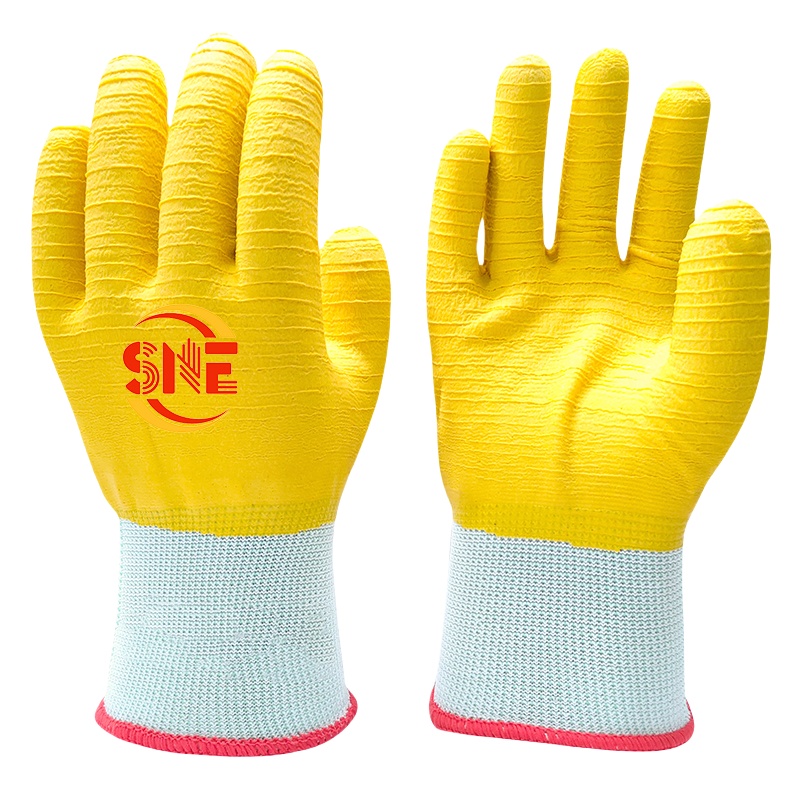
| Fully dipped nitrile glove | Full coverage nitrile shell | Heavy oil contact and dirty field work | Improved oil barrier coverage | Reduced breathability | Oilfield, construction equipment crews |
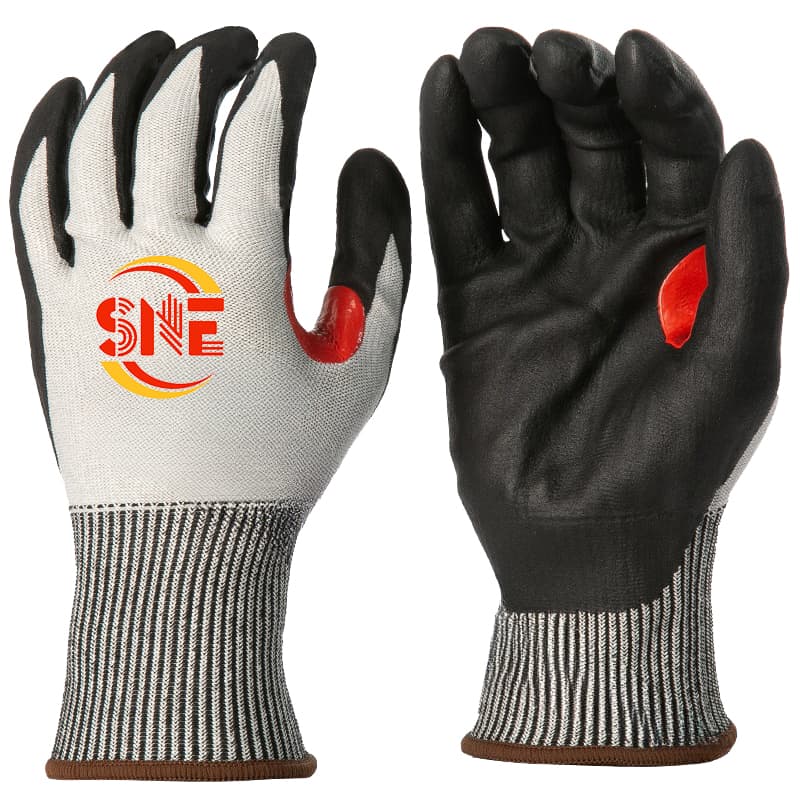
| Cut-resistant nitrile glove | Engineered liner with nitrile palm | Maintenance around sharp metal edges | Added cut protection without losing too much grip | Higher price point | Industrial plants, fabrication maintenance |
| Impact-resistant oil glove | TPR back with nitrile-coated palm | Mobile field service and heavy equipment repair | Better hand protection from knocks and pinch zones | Bulkier than standard knit gloves | Mining, utilities, construction service |
| Insulated oil-resistant glove | Lined glove with oil grip coating | Cold-weather outdoor service | Warmer hands and better winter compliance | Lower fingertip sensitivity | Northern states, outdoor maintenance contractors |
This table shows why glove selection should match the task. A fleet workshop in Dallas may prefer lightweight nitrile for all-day use, while a field repair team in North Dakota may choose insulated impact gloves. Buyers that standardize only on one glove type often end up either overspending or under-protecting workers.
Where Demand Comes From by Industry
Hydraulic systems appear in more industries than many buyers first assume. While oil and gas is a major user category, demand also comes from equipment dealers, food production plants, municipal service fleets, distribution centers, and farms using hydraulic loaders, balers, sprayers, and tractors.
The bar chart highlights that construction and oil and gas remain major demand centers, but manufacturing is close behind. This matters for suppliers because each segment buys differently. Construction buyers often need quick regional stocking, oil and gas buyers may demand higher back-of-hand protection, and manufacturing plants usually focus more heavily on compliance, standardization, and cost-per-use.
Top Suppliers Serving the United States
The supplier landscape in the United States includes global PPE manufacturers, domestic safety brands, and regional distributors that stock multiple glove lines. For hydraulic maintenance buyers, the best suppliers are usually those that combine strong availability with documented performance in oily work conditions.
| Company | Headquarters or U.S. base | Service region | Core strengths | Key offerings for hydraulic maintenance | Best fit |
|---|---|---|---|---|---|
| Ansell | U.S. commercial presence across North America | Nationwide United States | Large industrial glove portfolio, strong technical documentation, broad compliance support | Nitrile-coated work gloves, cut-resistant gloves, chemical-resistant gloves | Large industrial plants and national accounts |
| MCR Safety | Memphis, Tennessee | United States and major distribution hubs | Strong industrial distribution network, practical product segmentation, competitive pricing | Nitrile-dipped gloves, mechanic styles, cut-resistant options | Distributors, maintenance contractors, mid-sized fleets |
| Mechanix Wear | Valencia, California | Nationwide, especially automotive and field service channels | Excellent fit, user familiarity, strong mechanic glove reputation | Oil-grip mechanic gloves, impact styles, service gloves | Technicians wanting dexterity and branded familiarity |
| PIP | Latham, New York | Nationwide with broad industrial channel support | Wide PPE catalog, private label support, layered product ranges | Nitrile-coated gloves, seamless knit gloves, cut-resistant maintenance gloves | Multi-site buyers and distributor programs |
| HexArmor | Grand Rapids, Michigan | United States, especially heavy industry accounts | Advanced impact and cut protection, premium positioning | Impact-resistant gloves with oil grip palms | Mining, utility, and heavy equipment maintenance |
| SHOWA | Strong U.S. distribution presence | Nationwide through distributors | Specialty hand protection, nitrile expertise, ergonomic designs | Oil-resistant coated gloves and liquid-resistant glove styles | Plants needing consistent technical specifications |
| Watson Gloves | North American supply network | United States via distribution partners | Balanced industrial and mechanical glove ranges | Oil-resistant mechanics and coated gloves | Regional safety distributors and maintenance buyers |
This supplier table is useful because it separates companies by practical strengths rather than marketing reputation alone. Buyers needing broad technical files and account support may lean toward Ansell or PIP, while crews that prioritize mechanic-style comfort may prefer Mechanix Wear. Premium impact-focused applications often justify HexArmor despite higher cost.
How Buyers Compare Glove Performance
Experienced procurement teams normally compare gloves on four practical factors: grip in oily conditions, abrasion life, dexterity, and cost-per-wear. Purchase price alone can be misleading. A glove that costs more but lasts twice as long can cut replacement frequency and reduce service interruptions. Similarly, a glove with excellent durability but poor finger feel may frustrate technicians and lower compliance.
| Product category | Oil grip score | Abrasion life score | Dexterity score | Comfort score | Relative cost |
|---|---|---|---|---|---|
| Foam nitrile maintenance glove | 7.5 | 7.0 | 8.8 | 8.5 | Low to medium |
| Sandy nitrile hydraulic glove | 8.9 | 7.8 | 8.1 | 8.0 | Medium |
| Fully dipped nitrile glove | 8.6 | 8.4 | 6.7 | 6.8 | Medium |
| Cut-resistant nitrile glove | 8.0 | 8.2 | 7.4 | 7.6 | Medium to high |
| Impact oil-resistant glove | 8.2 | 8.5 | 6.6 | 7.3 | High |
| Insulated oil-resistant glove | 7.8 | 7.9 | 5.8 | 8.4 in cold weather | Medium to high |
These comparison scores reflect realistic trade-offs. Sandy nitrile often performs best on oil grip, while foam nitrile tends to win on dexterity. Fully dipped gloves improve fluid resistance but can reduce breathability. Buyers should therefore match products to the maintenance workflow rather than trying to optimize every performance category at once.
The comparison chart demonstrates a common U.S. sourcing reality. Premium brands usually lead on immediate availability and channel support, while factory-direct options often create better value in larger volume programs. This is why distributors, importers, and private-label buyers often blend both sourcing models depending on customer segment and lead-time tolerance.
Buying Advice for Distributors, Contractors, and End Users
For U.S. buyers, the most effective approach is to define the task before comparing brands. Ask whether the glove is meant for hydraulic hose replacement, preventive inspection, shop teardown, road service, fluid handling, or mixed industrial maintenance. A glove that works well in a clean service bay may perform poorly on muddy jobsites or offshore decks. The procurement specification should include at least coating type, liner gauge, desired grip texture, cut level if needed, impact protection if needed, cuff style, and target wear life.
Distributors should pay attention to packaging consistency, case quantities, reorder reliability, and whether the supplier can support private labeling. Contractors and service companies usually care more about size continuity, field acceptance, and the ability to replenish quickly from local stock. End users managing multiple branches often benefit from creating a two-tier catalog: one core glove for routine hydraulic work and one upgraded glove for high-risk field conditions.
When trialing gloves, it helps to test them under actual hydraulic service conditions rather than at a desk. Let technicians open and close fittings, grip a wet hose, handle a torque wrench, and work through a normal shift. Ask them whether the glove remains grippy after prolonged oil exposure, whether the fingertips collapse, and whether the coating wears out at thumb and index finger contact points. These operational details often matter more than brochure language.
Applications Across U.S. Industries
Hydraulic maintenance gloves are used in a broad set of real operating environments. In construction, technicians service excavators, loaders, skid steers, cranes, and aerial lifts. In agriculture, mechanics repair tractors, combines, balers, and irrigation units. In manufacturing, maintenance crews work on hydraulic presses, injection molding machines, and automated production lines. In logistics and warehousing, forklift service and dock equipment maintenance add steady demand. Utility fleets use hydraulic components in bucket trucks and service vehicles, while marine operators maintain deck machinery and auxiliary systems near ports such as Houston, Long Beach, Savannah, and Newark.
Each environment changes glove requirements. Indoor manufacturing plants often prioritize cleanliness, grip, and uniform purchasing standards. Outdoor field operations care more about weather, durability, and impact protection. Agricultural buyers may prefer gloves that can handle oil, dust, and repeated low-cost replacement. Port and marine buyers often look for gloves that handle a mix of oil, moisture, rope abrasion, and metal handling.
| Industry | Typical hydraulic tasks | Preferred glove type | Why it works | Important buying note | Key U.S. locations |
|---|---|---|---|---|---|
| Construction | Repairing loaders, excavators, lifts | Impact-resistant sandy nitrile glove | Good grip with added back-of-hand protection | Need broad size range for crews | Texas, Florida, California |
| Agriculture | Servicing tractors, balers, sprayers | Lightweight nitrile glove | Affordable and dexterous for frequent tasks | Balance price with seasonal volume | Iowa, Kansas, Nebraska |
| Manufacturing | Maintaining presses and hydraulic machinery | Cut-resistant nitrile glove | Supports oil grip and metal-edge safety | Document compliance for plant standards | Ohio, Michigan, Indiana |
| Oil & Gas | Field equipment and fluid system service | Fully dipped impact glove | Higher coverage in harsh environments | Confirm user comfort in hot weather | Texas, Louisiana, Oklahoma |
| Logistics | Forklift and dock equipment maintenance | Foam nitrile glove | Good dexterity for shop-based work | Fast restocking is critical | Georgia, Illinois, New Jersey |
| Utilities | Servicing hydraulic fleet vehicles | Insulated or impact glove | Supports year-round mobile maintenance | Weather-specific SKUs improve compliance | Pennsylvania, Colorado, Minnesota |
This application table helps buyers connect product style with use environment. Instead of asking for the “best” glove in general, it is better to ask which glove best matches the industry-specific task and operating conditions.
Case Studies from Realistic U.S. Buying Scenarios
A Texas equipment service contractor supporting excavators and loaders across Houston and San Antonio switched from a basic smooth nitrile glove to a sandy nitrile impact glove after technicians reported poor grip on oily quick couplers during field calls. The upgraded glove cost more per pair, but glove change frequency dropped and worker acceptance improved because the palm texture performed better in real hydraulic service conditions.
An Ohio manufacturing plant servicing hydraulic presses standardized a cut-resistant nitrile glove for maintenance personnel after several minor hand injuries involving oily sheet-metal guards. The previous general-purpose glove was comfortable but did not provide enough protection when workers moved between lubrication tasks and metal handling. By separating assembly gloves from maintenance gloves, the plant improved fit-for-task PPE management.
A Georgia distribution fleet workshop managing forklifts and dock levelers took a different path. Instead of moving to a premium glove, it chose a mid-range foam nitrile product with consistent local distributor stock. The shop valued low downtime, easy reordering, and decent dexterity over maximum oil barrier coverage. This decision worked because the maintenance environment was controlled and the company prioritized fast resupply from the Atlanta logistics corridor.
These case patterns show that the right choice depends on workflow, environment, and supply reliability. The glove that wins in a Gulf Coast field service context is not always the best glove for a clean indoor workshop near Chicago or Columbus.
Trend Shift in the U.S. Market
The market is moving away from a simple low-price glove mentality and toward a total-value model. Buyers increasingly want evidence that the glove improves grip, extends replacement intervals, supports safety compliance, and reduces nuisance incidents. At the same time, sustainability and traceability are gaining attention, especially among national distributors and large industrial employers.
The area chart captures the shift toward task-specific selection. By 2026, more U.S. buyers are expected to favor gloves tailored to hydraulic maintenance conditions rather than generic low-cost hand protection. This is influenced by tighter injury prevention programs, technician feedback, and better awareness of grip-related productivity losses.
Local Supplier Strategy in the United States
For most U.S. buyers, the most resilient procurement model combines local availability with strategic direct sourcing. Regional safety distributors can serve urgent demand, size exchanges, and trial programs. This is especially valuable in metro areas and industrial hubs such as Houston, Chicago, Detroit, Atlanta, Los Angeles, and the New Jersey port corridor. Local stock reduces downtime when crews need immediate replenishment or when procurement teams want to evaluate multiple glove styles before standardization.
At the same time, direct imports and factory relationships become more attractive as order size grows. Importers, brand owners, and distributors often use factory-direct sourcing for private label programs, custom packaging, or margin improvement. This is particularly effective when the buyer can forecast volume and does not need every SKU next-day. The strongest programs usually keep a local fulfillment buffer while sourcing core production from qualified overseas manufacturing partners.
In practice, the best local supplier is not always the one with the lowest unit price. Buyers should assess fill rate, branch coverage, technical support, and whether the supplier understands hydraulic maintenance rather than only general PPE. A distributor that can recommend the correct nitrile texture, cut level, and seasonal variant often creates more value than one that only quotes catalog prices.
Our Company for U.S. Buyers
For U.S. distributors, maintenance contractors, brand owners, and industrial buyers seeking a factory-backed source, Snell Safety offers a practical combination of verified production strength and flexible cooperation. The company operates two manufacturing facilities with 6 dedicated production lines and daily capacity of 150,000 pairs, supported by ISO 9001 management and CE-marked product systems that help buyers document consistent manufacturing control. Its product strength is especially relevant for hydraulic maintenance because the range includes oil resistant gloves, nitrile-coated gloves, cut-resistant gloves, and impact-resistant gloves built on diversified coating technology and disciplined quality inspection. For cooperation, the business supports OEM and ODM manufacturing, bulk wholesale, private label development, customization of coatings, materials, sizes, and branding, which makes it workable for end users, dealers, regional distributors, importers, and established glove brands. For local service assurance in the United States, the company already supplies major overseas markets with multilingual sales support, sample coordination, technical consultation, and export logistics assistance, while its direct-response model gives buyers a clearer pre-sale and after-sale contact path than a distant trading-only supplier; U.S. buyers looking for ongoing programs can review the factory background on the company page, discuss technical and commercial requirements through the U.S. inquiry contact channel, or explore available glove categories in the product catalog.
What to Watch in 2026
By 2026, three trends are likely to shape hydraulic maintenance glove buying in the United States. The first is technology. More suppliers are using improved coating textures, lighter engineered liners, touchscreen compatibility, and better ergonomic shaping to reduce fatigue without sacrificing oil grip. The second is policy and compliance. Employers are under increasing pressure to match PPE more carefully to task risk, especially in industries with formal safety audits and contractor management systems. The third is sustainability. Buyers are asking more questions about production consistency, packaging reduction, product durability, and whether the glove program can lower waste through longer wear life rather than simply using the cheapest disposable option.
Procurement teams should also expect more segmentation in catalogs. Instead of a few broad mechanic gloves, suppliers are likely to offer more highly targeted lines for cold weather hydraulic work, impact-heavy mobile repair, precision maintenance, and mixed oil-plus-cut hazard environments. This will create better fit-for-task options, but it also means buyers will need more disciplined trialing and specification control.
FAQ
Are nitrile gloves the best choice for hydraulic maintenance?
In many cases, yes. Nitrile-coated work gloves are often the best all-around choice because they provide strong oil resistance, good grip, decent abrasion life, and workable dexterity. However, the ideal version depends on the task. Sandy nitrile is often better for grip, while fully dipped nitrile offers more liquid coverage.
Do I need cut resistance for hydraulic work?
Not always, but many maintenance environments involve sharp guards, worn fittings, sheet metal, and tools. If technicians routinely handle sharp components as part of the repair process, a cut-resistant nitrile glove is usually a better choice than a basic maintenance glove.
What is the difference between foam nitrile and sandy nitrile?
Foam nitrile generally feels lighter and more dexterous, making it popular for shop work. Sandy nitrile typically provides stronger grip on oily surfaces and is often preferred for hydraulic couplings, hoses, and field maintenance tasks where slip resistance matters more.
Should field service teams use impact gloves?
Often yes, especially in construction, mining, utilities, and oil and gas. If workers are exposed to knocks, pinch points, or back-of-hand contact with equipment, impact-resistant gloves can reduce injury risk while still providing oil grip through a nitrile-coated palm.
How should U.S. buyers evaluate suppliers?
Look at more than price. Check technical documentation, availability, size continuity, field performance, replenishment speed, and whether the supplier understands hydraulic maintenance tasks. For large programs, also review OEM capability, private label options, and quality management consistency.
Can overseas manufacturers serve U.S. buyers effectively?
Yes, especially for bulk orders, private label projects, and distributors seeking better margins. The key is choosing a supplier with real production capacity, quality certifications, technical support, and responsive communication. Buyers should also confirm lead times, packaging details, and after-sales support processes.
Which U.S. locations have the strongest demand for hydraulic maintenance gloves?
Major demand centers include Texas, Louisiana, Oklahoma, California, Ohio, Illinois, Georgia, Pennsylvania, and New Jersey. Demand also clusters around ports, industrial parks, equipment service corridors, and energy infrastructure regions.
What matters most: price, grip, or durability?
For hydraulic maintenance, grip usually comes first because oily handling errors create immediate safety and productivity problems. After that, durability and comfort matter because they affect replacement rate and worker compliance. The best buying decision balances all three rather than optimizing only one factor.