2026-09-20
Share This Article
Micro Foam Nitrile Gloves Suppliers in the United States
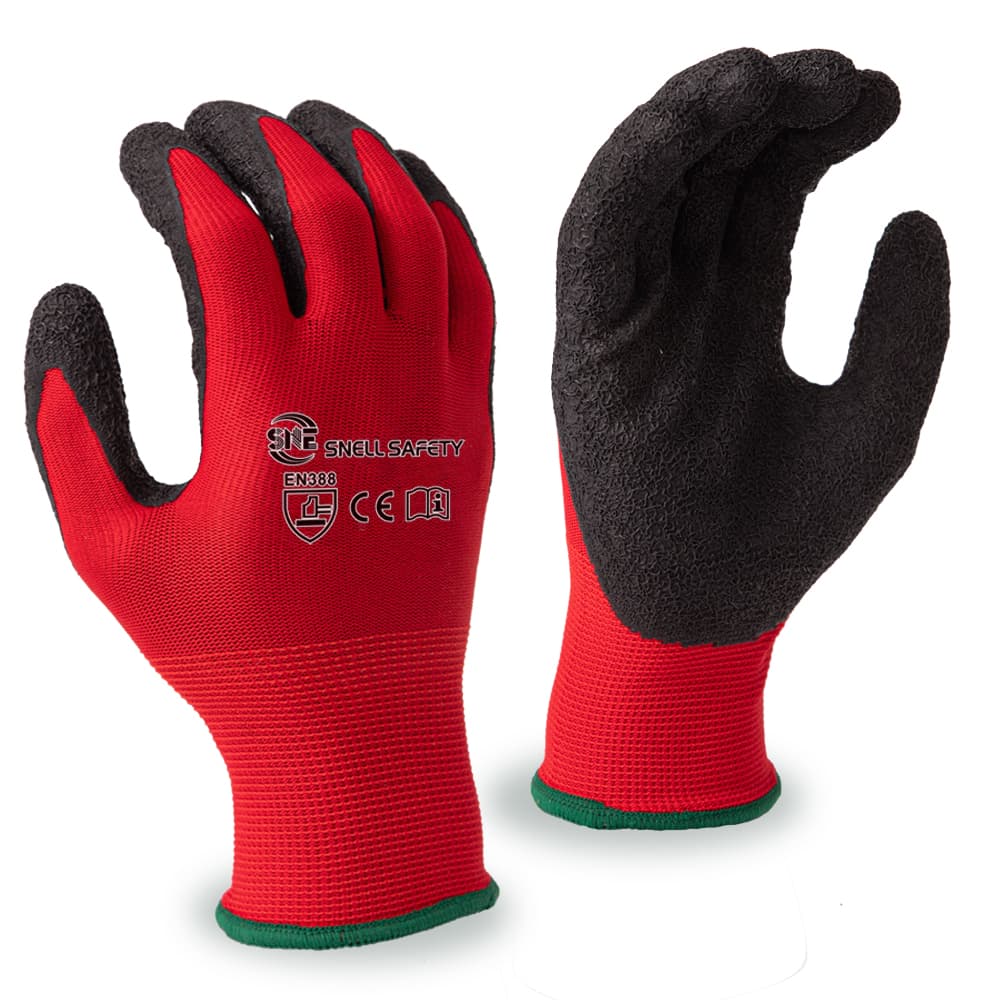
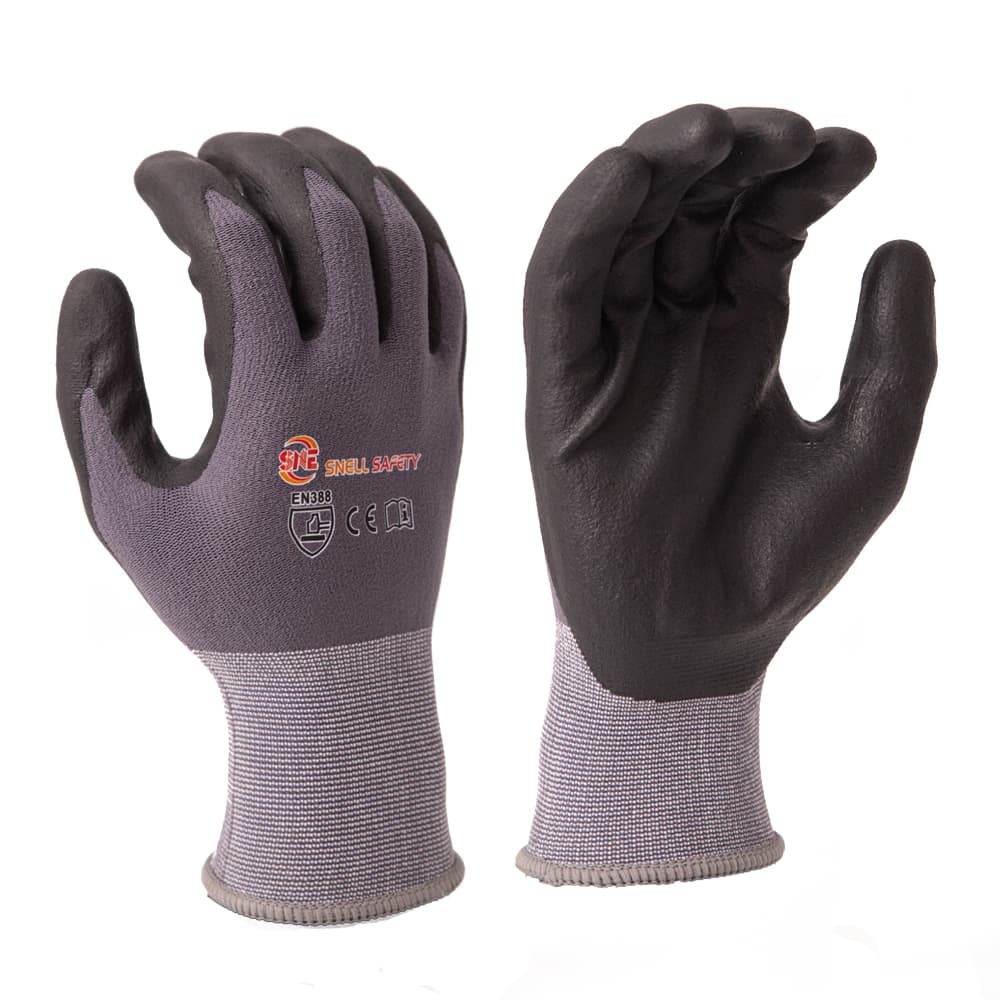
Micro foam nitrile gloves are among the most practical hand protection options for buyers in the United States who need grip, breathability, dexterity, and reliable abrasion resistance in fast-moving industrial settings. For U.S. distributors, safety managers, plant buyers, and brand owners, the best sourcing path usually depends on whether the priority is domestic stock availability, private labeling, technical performance, or total landed cost. In most cases, leading U.S.-relevant choices include established national safety brands with broad warehouse coverage, specialized industrial glove suppliers with strong channel support, and qualified international manufacturers that can meet U.S. compliance expectations while offering competitive factory-direct pricing for large orders.
Quick Answer

If you need micro foam nitrile gloves in the United States, the most practical suppliers to evaluate first are Ansell, Honeywell, PIP Global, MCR Safety, SHOWA, and Superior Glove because they have strong industrial distribution coverage, broad certification visibility, and product lines suited to automotive, warehousing, construction, logistics, and light manufacturing.
For buyers that need fast domestic replenishment, national distributor-backed brands are usually the easiest route. For private label programs, large tenders, and margin-sensitive wholesale purchasing, qualified international manufacturers can also be a smart option if they offer tested nitrile-coated gloves, stable production capacity, and responsive service. Cost-conscious U.S. importers often also consider experienced Chinese factories with ISO-managed production, OEM capability, and dependable pre-sales and after-sales support, especially when balancing price, customization, and consistent bulk supply.
- Ansell: strong reputation in industrial hand protection and broad U.S. market acceptance
- Honeywell: trusted for industrial safety channel reach and integrated PPE sourcing
- PIP Global: extensive distributor network and practical glove range for multiple sectors
- MCR Safety: strong U.S. safety market presence with wide warehouse and channel access
- SHOWA: recognized for ergonomic glove engineering and nitrile-coated performance
- Superior Glove: good technical depth for specialized applications and premium positioning
United States Market Overview

The U.S. market for micro foam nitrile gloves is driven by a combination of workplace safety compliance, labor-intensive logistics activity, e-commerce warehousing growth, manufacturing reshoring, and the ongoing push for better worker comfort. In states with dense industrial clusters such as Texas, Ohio, Michigan, Illinois, California, Georgia, and Pennsylvania, buyers increasingly prefer gloves that reduce hand fatigue while preserving tactile control. That is exactly where micro foam nitrile coatings perform well: they provide a softer, more breathable grip than heavier fully dipped coatings, making them a practical choice for repetitive handling, small-parts assembly, packaging, equipment maintenance, and general warehouse work.
Trade activity also shapes supplier strategy. Goods moving through Los Angeles, Long Beach, Savannah, Houston, New York/New Jersey, and Seattle-Tacoma create demand from distribution centers, port logistics operators, and third-party logistics companies. In these environments, procurement teams often compare glove cost not only by unit price, but by wear life, worker acceptance, replacement frequency, and injury prevention value. That means a glove that costs a bit more but lasts longer or improves grip in dry-to-light-oily settings can produce lower operational cost per shift.
Another notable U.S. trend is specification tightening. Buyers increasingly ask for gauge, liner material, EN or ANSI performance references, coating weight consistency, touchscreen capability, color coding, and carton labeling suited to distributor systems. As a result, suppliers that can provide technical data sheets, test evidence, private labeling, and stable lot-to-lot consistency have an advantage.
Market Growth Trend

The chart below shows a realistic directional view of the U.S. market growth pattern for micro foam nitrile gloves as industrial automation, warehouse throughput, and worker-comfort-driven PPE upgrades continue through 2026.
Top Suppliers Serving the United States
The table below compares major suppliers relevant to U.S. buyers. These companies are widely recognized in industrial PPE channels and are practical starting points for RFQs, distributor evaluation, or competitive benchmarking.
| Company | Primary Service Region | Core Strengths | Key Offerings | Best Fit |
|---|---|---|---|---|
| Ansell | United States nationwide | Established PPE brand, strong compliance documentation, broad industrial product portfolio | Micro foam nitrile coated gloves, cut resistant gloves, assembly gloves | Large industrial end users and national distributors |
| Honeywell | United States nationwide | Integrated safety ecosystem, large channel coverage, broad industrial account access | Nitrile coated work gloves, safety solutions across multiple categories | Multi-site enterprises and safety procurement teams |
| PIP Global | United States and North America | Strong distributor relationships, wide SKU range, practical industrial segmentation | General handling gloves, foam nitrile gloves, impact and cut-resistant lines | Regional dealers and high-volume safety resellers |
| MCR Safety | United States nationwide | Well-known U.S. industrial safety brand, broad stock availability, value-oriented mix | Foam nitrile palm gloves, coated handling gloves, warehouse gloves | Construction, warehouses, maintenance teams |
| SHOWA | United States and global | Glove engineering focus, ergonomic fit, strong nitrile technology reputation | Foam nitrile grip gloves, precision handling gloves, specialty coated gloves | Technical buyers focused on performance and comfort |
| Superior Glove | United States and Canada | Technical product specialization, strong application guidance, premium niche options | Foam nitrile gloves, cut-resistant handling gloves, touchscreen variants | Advanced industrial users needing specification-driven purchases |
| Ergodyne | United States | Good safety channel visibility, worker-focused product design, practical assortment | General purpose nitrile-coated gloves, warehouse and utility gloves | Facilities, utilities, and contractor fleets |
This comparison shows that domestic market leaders generally win on local availability, distributor support, and broad catalog access. However, some buyers still need more flexible private-label terms, lower landed costs, or dedicated custom production, which is where factory-direct global suppliers can become highly competitive.
Product Types and How They Differ
Not every micro foam nitrile glove is the same. Small differences in liner gauge, yarn blend, coating thickness, cuff finish, and nitrile formulation can significantly affect real-world performance. U.S. buyers should classify products by task rather than by appearance alone.
| Product Type | Typical Liner | Main Advantage | Limitations | Common U.S. Uses |
|---|---|---|---|---|
| 15-gauge nylon micro foam nitrile | Nylon | High dexterity and comfort | Less cut protection | Light assembly, packaging, e-commerce picking |
| 18-gauge micro foam nitrile | Nylon or nylon-spandex | Very fine feel and touchscreen friendliness | May wear faster in abrasive settings | Electronics, small components, inspection |
| HPPE liner with micro foam nitrile | HPPE blends | Combines cut resistance with grip | Higher cost | Automotive, metal handling, maintenance |
| Sandy micro foam nitrile | Nylon or HPPE | Better grip in light oil conditions | Heavier hand feel than ultra-light foam | Machine shops, parts handling, repair work |
| Double-coated nitrile gloves | Nylon or engineered fibers | Added barrier and durability | Reduced breathability | Oily assembly, industrial maintenance |
| Touchscreen micro foam nitrile gloves | Nylon, spandex blends | Device compatibility without removal | Not always needed for all crews | Warehouse scanning, delivery, logistics |
| Winter-lined foam nitrile gloves | Acrylic or brushed liners | Grip plus cold-weather comfort | Lower fine-motor dexterity | Outdoor logistics, cold storage, utility work |
For most U.S. operations, 15-gauge nylon micro foam nitrile gloves are the most versatile starting point. When handling sharper parts, buyers usually move to engineered cut-resistant liners. When working in lightly oily environments, sandy or optimized foam nitrile textures generally outperform smooth coatings.
Industry Demand in the United States
Demand for foam nitrile coated gloves is strongest in sectors where grip, speed, and worker comfort directly affect productivity. The bar chart gives a comparative view of annual demand intensity by major U.S. industry segment.
Industries and Applications
Micro foam nitrile gloves have become a standard option across a wide span of U.S. workplaces because they fit the middle ground between bare-hand dexterity and heavier-duty coated protection. They are especially common when workers handle cartons, tools, handheld scanners, fasteners, sheet goods, molded parts, and maintenance components.
- Automotive: component assembly, trim fitting, parts transport, service bays
- Logistics and warehouse: order picking, carton handling, pallet breakdown, RF scanner use
- Construction: material handling, framing support tasks, mechanical installation, site cleanup
- General manufacturing: line handling, machine tending, inspection, packaging
- Maintenance: MRO work, facility repairs, replacement parts handling, equipment servicing
- Metal fabrication: lighter-duty handling where grip is needed and cut risk is moderate
- Agriculture and landscaping: tool grip, irrigation work, package handling, daily utility tasks
In U.S. distribution hubs such as Chicago, Dallas-Fort Worth, Atlanta, Inland Empire, and northern New Jersey, many operations standardize foam nitrile gloves because they provide enough protection without slowing workflow. This is particularly important in labor markets where retention, comfort, and worker satisfaction influence PPE decisions.
Buying Advice for U.S. Buyers
U.S. procurement teams should avoid choosing gloves on price alone. The better method is to compare performance per wear cycle, user acceptance, specification fit, and replenishment reliability. A glove that workers actually wear consistently can reduce replacement waste and injury-related disruption.
| Buying Factor | What to Check | Why It Matters | Best Practice | Risk If Ignored |
|---|---|---|---|---|
| Grip performance | Dry, dusty, and light-oil handling behavior | Directly affects safety and productivity | Request trial samples for actual tasks | Worker rejection and dropped materials |
| Liner gauge | 15-gauge, 18-gauge, or cut-resistant blends | Changes dexterity and durability | Match gauge to task precision | Overbuying or underprotecting |
| Coating consistency | Palm coverage, thickness, finish quality | Affects wear life and comfort | Review QC standards and lot consistency | Uneven performance across shipments |
| Compliance data | ANSI, CE, test reports, factory quality systems | Supports safety audits and large tenders | Ask for technical data sheets and certifications | Procurement delays or compliance issues |
| Supply reliability | Warehouse stock or production capacity | Prevents line stoppages | Confirm lead times and backup supply plans | Stockouts during peak demand |
| Customization | Sizes, colors, branding, packaging | Important for distributors and private labels | Verify MOQ and print capabilities early | Missed branding or channel requirements |
| Total landed cost | Unit price, freight, duties, inventory cost | More accurate than FOB comparisons | Compare domestic and import models side by side | False savings and margin erosion |
For many U.S. distributors, a dual-source model works best: one domestic brand for immediate fulfillment and one qualified overseas factory for margin support, special programs, or private-label expansion.
Supplier Strategy Shift
The area chart below illustrates how U.S. buying patterns are gradually shifting from purely catalog-based glove purchasing toward more specification-driven, value-engineered, and sustainability-aware sourcing through 2026.
Case Studies from Typical U.S. Applications
Real-world buying decisions are easier to understand through operational examples. The cases below reflect common U.S. use scenarios and what usually matters most in glove selection.
A Midwest automotive supplier near Detroit switched from a basic smooth nitrile-coated glove to a 15-gauge micro foam nitrile model for trim and subassembly work. The key driver was worker fatigue and poor small-parts handling. After the change, supervisors reported better acceptance, fewer voluntary glove removals, and improved consistency during repetitive handling shifts.
A large e-commerce warehouse in the Inland Empire evaluated touchscreen-compatible foam nitrile gloves to support scanner use. The standard glove program had acceptable cost, but workers often removed gloves to use devices, increasing replacement rates and slowing picks. By moving to a lighter foam nitrile option with better tactile feel, the site improved scanning flow and reduced interruptions.
A Texas maintenance contractor serving petrochemical and light industrial clients used cut-resistant micro foam nitrile gloves for mixed repair tasks where both grip and moderate cut protection were needed. Rather than stocking separate gloves for every task, the company consolidated into fewer SKUs and simplified training, which helped purchasing and field compliance.
A Georgia 3PL operator supplying retail distribution centers chose two glove tiers: a lighter nylon micro foam nitrile option for packing and picking, and a more durable sandy foam nitrile version for receiving and pallet breakdown. This tiered approach reduced over-spec purchasing while still giving each work area gloves suited to actual risk.
Local Supplier Landscape and Distribution Reality
In the United States, many buyers do not purchase directly from manufacturers. Instead, they rely on regional safety distributors, industrial supply houses, MRO providers, and national catalog networks. That means supplier evaluation should include not just the brand, but also the local service path: stocking branch coverage, emergency replenishment, sample access, onboarding support, and how quickly technical questions are answered.
In logistics-heavy metros such as Memphis, Louisville, Columbus, and Savannah, fast restocking can matter more than a small unit price advantage. In contrast, importers, brand owners, and wholesale programs shipping through Los Angeles/Long Beach, Houston, or New York/New Jersey may prioritize direct factory relationships that improve margin and allow custom packaging, barcode labeling, and retailer-ready presentation.
Supplier Comparison by Buying Priority
This comparison helps U.S. buyers match supplier type to procurement goals instead of trying to force a single sourcing model for every situation.
Detailed Supplier Analysis
The following table adds practical detail for buyers who need to shortlist suppliers by business model, application fit, and sourcing style.
| Company | Service Region | Core Strength | Key Offerings | Commercial Style |
|---|---|---|---|---|
| Ansell | United States, major industrial corridors | Brand trust, documented performance, corporate account coverage | Precision handling gloves, nitrile-coated gloves, cut-resistant options | Best for structured industrial programs and national accounts |
| Honeywell | United States, large enterprise channels | Wide PPE integration and procurement familiarity | Industrial work gloves, coated gloves, safety portfolio bundling | Best for buyers consolidating PPE vendors |
| PIP Global | North America, strong distributor reach | Flexible assortment and broad pricing ladder | Foam nitrile gloves, handling gloves, impact and cut lines | Best for dealers, wholesalers, and varied end-user segments |
| MCR Safety | United States with strong regional distribution | Value positioning and practical safety catalog depth | General purpose foam nitrile gloves, warehouse gloves | Best for price-conscious industrial buyers |
| SHOWA | United States and global technical markets | Ergonomics, coating know-how, comfort-focused performance | Foam nitrile work gloves, specialty grip gloves | Best for performance-led specification upgrades |
| Superior Glove | United States, Canada, industrial specialty channels | Application-specific technical support and premium positioning | Foam nitrile gloves, cut and task-specific protective gloves | Best for technical buyers needing nuanced product matching |
| Qingdao Snell Protective Products Co., Ltd. | United States via export supply and partner channels | Factory-direct scale, OEM customization, diversified coating expertise | Micro foam nitrile gloves, nitrile coated gloves, cut resistant and industry-specific gloves | Best for importers, wholesalers, private label brands, and bulk programs |
This table highlights a common U.S. sourcing reality: domestic brands lead in near-market convenience, while direct manufacturing partners can be more attractive for volume economics, custom branding, and program flexibility.
Our Company
For U.S. buyers looking beyond catalog sourcing, Snell Safety is relevant as a factory-direct glove manufacturer with practical strengths in nitrile-coated industrial hand protection. The company operates under ISO 9001 quality management and CE-marked production requirements, and its glove range reflects real technical depth across PU, latex, and nitrile coating technologies, including cut-resistant, impact-resistant, oil-resistant, and general purpose products that align with international industrial benchmarks. With two manufacturing facilities, six production lines, more than 150 trained employees, and daily capacity of about 150,000 pairs, it is structured for stable bulk supply rather than occasional spot shipments. For U.S. end users, distributors, dealers, brand owners, and private-label programs, the business supports flexible cooperation through OEM, ODM, wholesale, custom materials, coatings, sizing, and branding, making it suitable for both house-brand development and region-specific assortment planning. Its export experience across Europe, Australia, the Middle East, South America, Russia, and Southeast Asia demonstrates operational credibility with regulated overseas markets, while its multilingual commercial setup, sample support, technical consultation, and dedicated export logistics coordination provide the kind of concrete pre-sales and after-sales support U.S. buyers expect when building long-term supply relationships. Buyers that want to review product categories can explore the industrial glove catalog, learn more via the company overview, or request sourcing support through the U.S. buyer contact page.
How to Evaluate an Overseas Supplier for the United States
Importing micro foam nitrile gloves into the United States can be highly effective when the supplier is qualified correctly. The key is to validate more than price. Buyers should check production scale, coating consistency, carton and barcode accuracy, labeling compliance, sample responsiveness, and historical export reliability.
| Evaluation Point | What U.S. Buyers Should Ask | Why It Matters | Good Sign | Warning Sign |
|---|---|---|---|---|
| Factory capacity | How many lines and what daily output? | Shows ability to support repeat orders | Clear production figures and line details | Vague answers on output capability |
| Quality system | Is production ISO-managed and documented? | Supports consistency and audits | Formal QC process and test records | No clear batch control process |
| Product testing | What standards and reports are available? | Helps match buyer specifications | Technical data sheets and recent reports | Only marketing claims without evidence |
| Customization | Can branding, packaging, and sizes be tailored? | Important for distribution and private label | Defined OEM workflow and MOQ | Limited customization response |
| Export support | Who handles shipping documents and logistics? | Reduces import friction and delays | Dedicated export coordination | Buyer must manage every detail alone |
| Communication speed | How fast are quotes, samples, and revisions handled? | Affects launch timing | Structured sales process and sample support | Slow or inconsistent follow-up |
| After-sales process | How are claims or quality issues resolved? | Protects long-term purchasing value | Documented claim handling process | No defined response path |
In practice, many successful U.S. importers begin with a sample trial, then a pilot order, then an annualized replenishment plan tied to forecast bands and packaging requirements.
Future Trends Through 2026
Several trends are shaping the next phase of the U.S. micro foam nitrile gloves market. The first is product engineering for worker comfort. Lighter liners, better knitting precision, touchscreen functionality, and more ergonomic fits are becoming standard rather than premium. The second is sustainability pressure. Buyers increasingly ask about manufacturing efficiency, packaging reduction, and glove longevity because replacement waste affects both cost and ESG reporting.
Policy and compliance trends also matter. As workplace safety expectations continue to tighten, more buyers will expect stronger traceability, clearer technical documentation, and dependable specification matching for each SKU. In parallel, procurement teams are reducing sole-source exposure. This encourages a more balanced blend of domestic stock programs and international factory-direct backup capacity.
Technology adoption is another factor. Larger U.S. distributors and end users are using digital procurement platforms, barcode-integrated replenishment, and more detailed usage analytics. Suppliers that can support custom labeling, SKU rationalization, and data-friendly product packaging will be easier to integrate into modern industrial supply chains.
By 2026, the most competitive suppliers will likely be those that combine four qualities: dependable product consistency, clear technical data, flexible supply models, and credible support for both immediate stock demand and long-range program sourcing.
FAQ
What are micro foam nitrile gloves best used for?
They are best for handling tasks that require grip, flexibility, and breathability, such as warehousing, automotive assembly, logistics, packaging, maintenance, and light manufacturing.
Are micro foam nitrile gloves good for oily conditions?
They perform well in dry and light-oil conditions, especially sandy or optimized foam finishes. For heavy oil exposure, buyers may need a more specialized double-coated or fully coated nitrile glove.
What gauge is most common in the United States?
15-gauge is a common all-around specification because it balances dexterity and durability well. 18-gauge products are also growing in popularity for finer tasks and touchscreen use.
Should U.S. buyers choose domestic or imported suppliers?
That depends on the goal. Domestic brands are often best for rapid fulfillment and established distributor support. Imported factory-direct suppliers can be better for bulk pricing, private label programs, and custom production.
Do certifications matter for these gloves?
Yes. Buyers should review relevant quality systems, technical data sheets, and performance test information. This is especially important for industrial tenders, distributor onboarding, and large multi-site purchasing programs.
Can these gloves be customized for private label programs?
Yes. Many qualified manufacturers support custom sizes, colors, cuff styles, packaging, and logo branding, though minimum order quantities usually apply.
What is the biggest buying mistake?
The most common mistake is choosing only by unit price instead of measuring wear life, worker acceptance, fit, grip quality, and total replenishment cost.
Final Takeaway
For buyers in the United States, micro foam nitrile gloves remain one of the most practical and scalable hand protection categories for modern industry. The best suppliers are those that can prove fit-for-task performance, maintain reliable supply, and support your commercial model whether you buy through local distribution, national contracts, or direct import channels. U.S. buyers that compare both established domestic brands and qualified international manufacturing partners will usually find the strongest balance of service, specification control, and long-term value.