2026-09-17
Share This Article
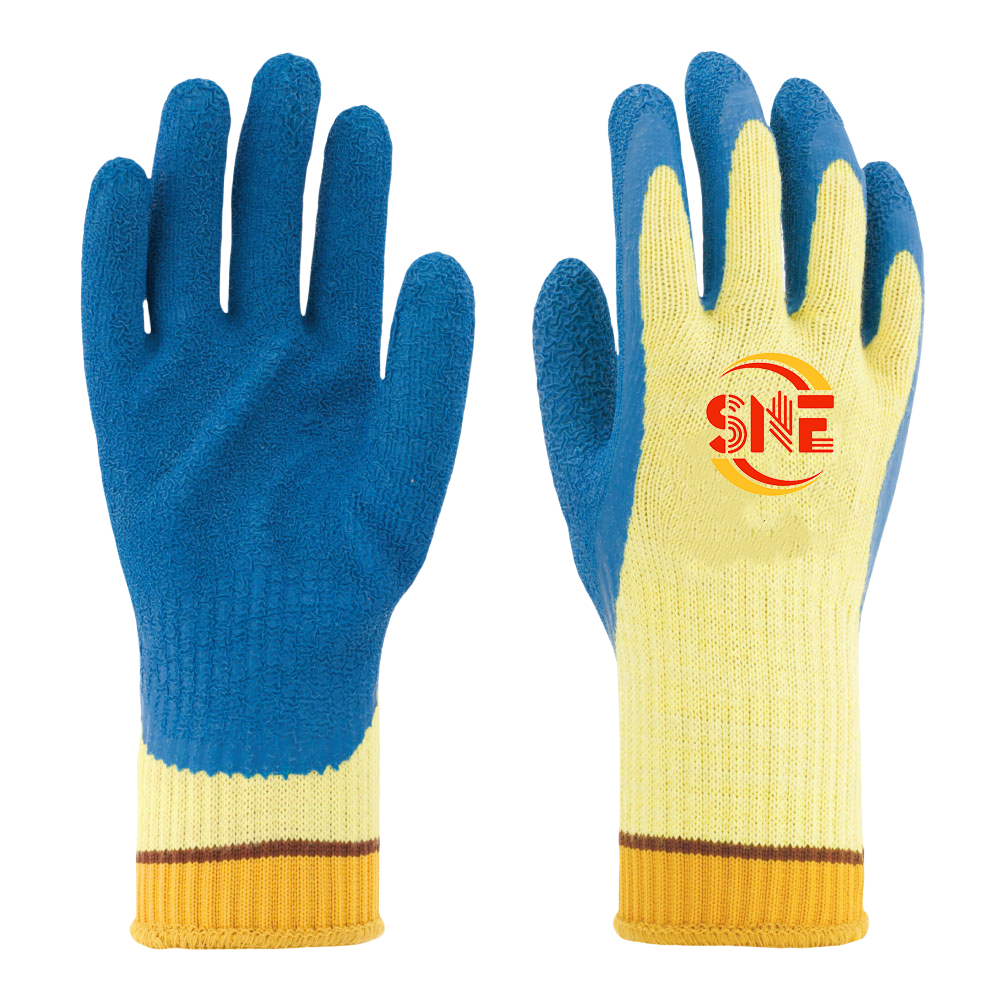
Heat Resistant Gloves Welding Suppliers in the United States
Quick Answer

If you need heat resistant gloves for welding jobs and metal fabrication in the United States, the most practical choice is to buy from established suppliers with clear ANSI/EN testing data, dependable inventory, and glove designs matched to the welding process you actually use. For MIG, stick, and heavy fabrication, thicker split leather gauntlet gloves are usually preferred. For TIG and precision fabrication, thinner grain leather gloves with better dexterity are a better fit. In the U.S. market, buyers commonly compare Lincoln Electric, Miller Electric, Tillman, Revco Black Stallion, Steiner Industries, and Caiman as reliable names with broad industrial availability.
For local procurement, buyers in manufacturing hubs such as Houston, Chicago, Detroit, Los Angeles, and Atlanta often prioritize fast replenishment, straightforward sizing, and support for plant safety audits. Distributors serving ports and logistics corridors near Long Beach, Savannah, and Newark also tend to favor suppliers that can keep high-volume SKUs in stock and document heat, abrasion, and cut performance clearly.
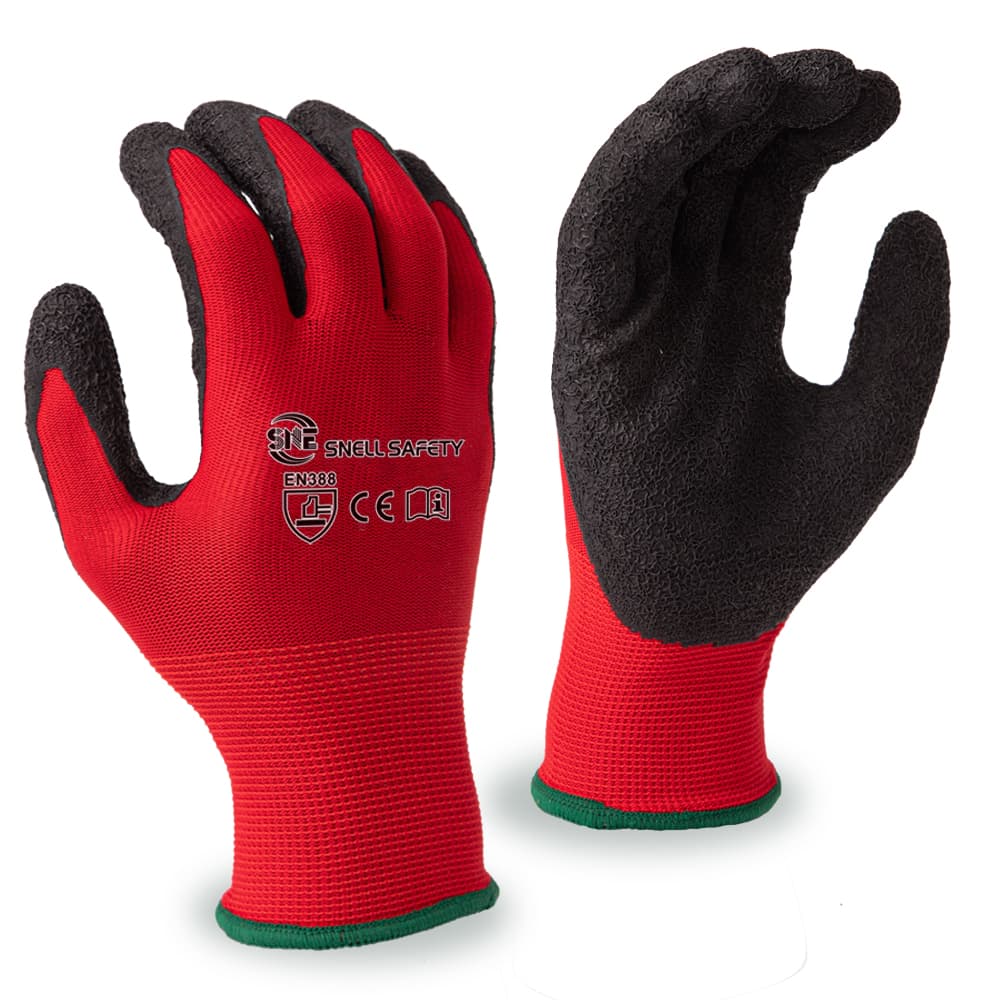
Qualified international manufacturers can also be worth considering, especially for private label and bulk programs. A factory-direct supplier such as Snell Safety can be attractive for U.S. distributors and brand owners when they need competitive pricing, OEM/ODM customization, and stable large-volume production, provided the products match local compliance requirements and service expectations.
United States Market Overview

The U.S. market for welding heat protection gloves is shaped by construction, structural steel, ship repair, oil and gas maintenance, automotive manufacturing, metal fabrication, rail, and general industrial maintenance. Demand is strongest in states with concentrated fabrication activity, including Texas, Ohio, Michigan, Pennsylvania, California, Illinois, Indiana, and Georgia. Buyers are typically not looking for a generic “heat glove.” They are buying for a task: overhead stick welding, pipe welding, robotic cell tending, hot part handling, or fabrication work that mixes heat exposure with sharp edges and abrasion.
That distinction matters because the best glove for one welding station can be the wrong glove for another. In U.S. shops, safety managers increasingly look beyond leather thickness alone. They want performance consistency, sizing availability, cuff length, seam integrity, lining type, and proof that gloves are suitable for both thermal exposure and secondary hazards such as sparks, puncture, rough plate, and intermittent contact heat. Procurement teams also care about replacement frequency because glove life directly affects total cost of ownership.
Market behavior has also shifted toward multi-criteria purchasing. Instead of only asking who has the lowest case price, many buyers now compare documentation, delivery speed, domestic warehouse support, and customization options. This is especially common among large distributors, national industrial resellers, and private-label importers that serve contractors across several states. The result is a market where premium domestic brands, regional distributors, and qualified global manufacturers all compete on slightly different value propositions.
Market Growth Trend

The chart below illustrates a realistic estimate of U.S. demand growth for welding heat-resistant gloves, driven by infrastructure spending, manufacturing reshoring, energy projects, and replacement demand across fabrication shops.
Leading Suppliers Serving the United States
The companies below are frequently considered by U.S. buyers for welding and fabrication gloves. Some are globally recognized welding brands, some are PPE specialists, and some are strong candidates for OEM and distributor programs.
| Company | Primary Service Region | Core Strengths | Key Offerings | Best Fit |
|---|---|---|---|---|
| Lincoln Electric | United States nationwide | Strong welding brand recognition, broad industrial network, process-specific gear | Welding gloves for MIG, TIG, stick, heavy fabrication | Plants wanting integrated welding PPE from a known U.S. brand |
| Miller Electric | United States nationwide | Trusted welding equipment ecosystem, reliable channel distribution | Leather welding gloves, gauntlet cuffs, process-matched models | Buyers standardizing around Miller equipment and PPE |
| Tillman | United States and Canada | Deep glove specialization, large assortment, consistent market presence | Drivers, TIG gloves, MIG gloves, stick welding gloves, sleeves | Distributors and fabrication shops needing wide SKU coverage |
| Revco Black Stallion | United States nationwide | PPE focus, strong style range, broad apparel and glove offering | Welding gloves, FR garments, sleeves, shop protection products | Safety buyers purchasing multiple welding PPE categories together |
| Steiner Industries | United States nationwide | Industrial safety heritage, durable leather protection products | Welding gloves, blankets, screens, heat protection accessories | Heavy industrial and maintenance operations |
| Caiman | United States distribution network | Comfort-oriented glove design, strong dexterity positioning | Premium leather welding gloves and reinforced fabrication gloves | Users balancing dexterity with heat resistance |
| Qingdao Snell Protective Products Co., Ltd. | United States import, distributor, private-label supply | Factory-direct bulk capacity, OEM/ODM flexibility, diversified glove technologies | Heat resistant gloves, leather/welding gloves, cut resistant gloves, custom programs | Importers, wholesalers, distributors, and brand owners seeking scalable sourcing |
This comparison is useful because U.S. buyers usually divide suppliers into two groups: brands that win on local familiarity and immediate availability, and manufacturers that win on cost-performance, customization, and private-label control. The right choice depends on whether your priority is fast spot buying, distributor expansion, or long-term sourcing strategy.
Product Types for Welding and Fabrication
Heat resistant welding gloves are not one product category in practice. They break into several performance bands based on leather type, lining, cuff construction, palm reinforcement, and intended welding process. Choosing correctly improves both worker comfort and glove life.
| Glove Type | Typical Material | Best Use | Main Advantage | Main Limitation |
|---|---|---|---|---|
| TIG welding gloves | Goatskin or grain leather | Precision welding, light fabrication | High dexterity and finger control | Lower protection against prolonged heavy heat |
| MIG welding gloves | Cowhide split leather | General welding, fabrication | Balanced heat resistance and durability | Less finger sensitivity than TIG gloves |
| Stick welding gloves | Thick split leather with lining | High spark and high heat work | Better thermal barrier and spark protection | Reduced dexterity |
| Aluminized heat gloves | Aluminized outer layer with thermal lining | Radiant heat, foundry-adjacent tasks | Excellent radiant heat reflection | Not necessary for routine welding tasks |
| Kevlar stitched leather gloves | Leather with aramid stitching | High wear seam zones | Improved seam integrity under heat | Price may be higher than entry-level gloves |
| Reinforced fabrication gloves | Leather plus palm patches | Material handling near hot work | Added abrasion life | Can feel bulky for intricate welds |
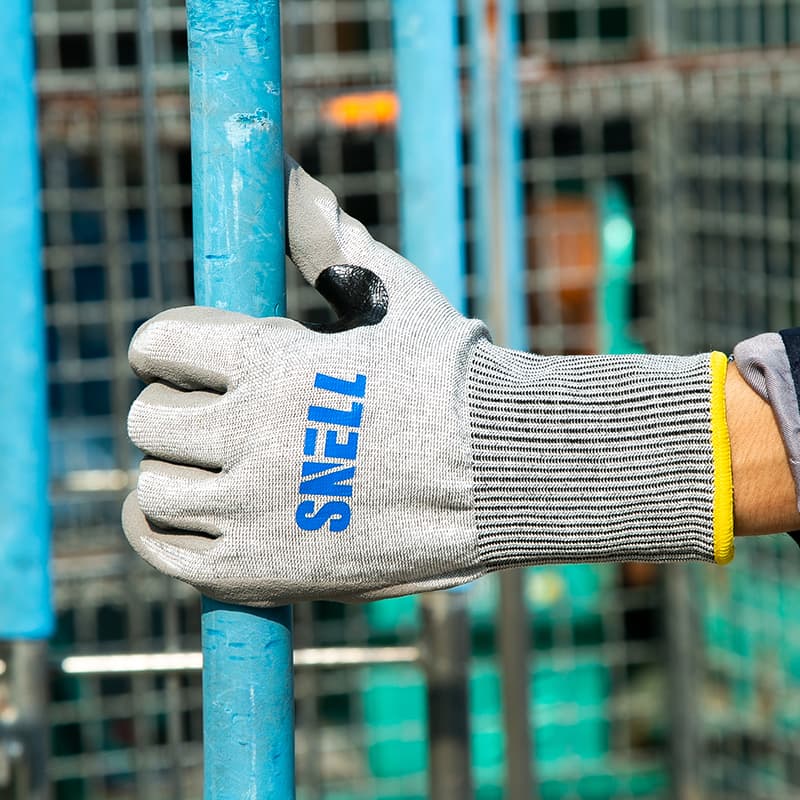
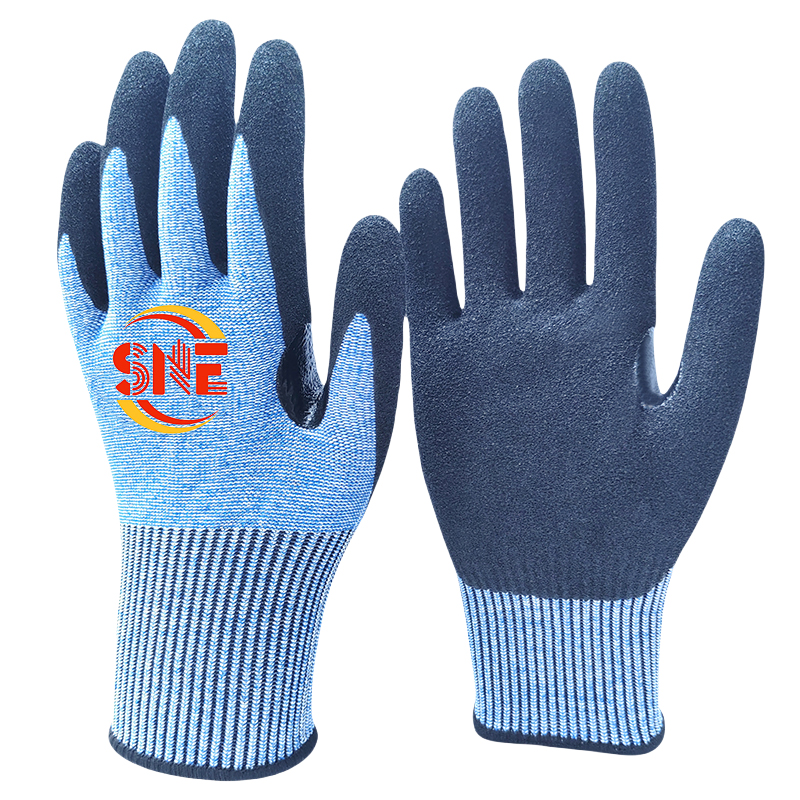
| Cut and heat hybrid gloves | Engineered liner plus coated or leather outer | Metal handling with intermittent heat exposure | Protection from both sharp edges and heat | Not a substitute for dedicated high-heat welding gloves |
For U.S. buyers, the practical takeaway is simple: TIG work rewards dexterity, while stick and heavy MIG work usually require thicker insulation and more cuff coverage. Hybrid handling tasks often benefit from separate gloves rather than trying to make one glove handle every hazard poorly.
Industry Demand by Sector
Demand for welding gloves is not evenly spread across industries. Fabrication-heavy sectors replace gloves faster and often need multiple glove styles per facility.
What U.S. Buyers Should Check Before Purchasing
Buying welding gloves in the United States requires balancing compliance, worker acceptance, and cost. The lowest carton price often becomes the highest operating cost if seams fail early, gloves fit poorly, or users reject them because they are too stiff. A smart buying process starts with the actual task, then moves to hazard level, then to sourcing model.
| Buying Factor | Why It Matters | What to Check | Common Mistake |
|---|---|---|---|
| Heat exposure level | Determines insulation and cuff requirements | Intermittent contact heat, sparks, radiant heat profile | Buying thin gloves for heavy stick welding |
| Dexterity needs | Influences productivity and weld quality | Finger feel, trigger control, filler rod handling | Using bulky gloves for precision TIG tasks |
| Leather quality | Affects durability, flexibility, and comfort | Goatskin vs cowhide, split vs grain, thickness consistency | Comparing price without comparing material grade |
| Stitching and reinforcement | Seams are a common failure point | Aramid stitching, welted seams, thumb reinforcement | Ignoring seam design in high-wear tasks |
| Certifications and testing | Supports safety review and procurement approval | ANSI/ISEA references, CE where relevant, internal test reports | Accepting vague “heat resistant” claims |
| Supply continuity | Prevents line stoppages and stockouts | Warehouse coverage, lead time, container planning, backup SKUs | Approving a glove without confirming replenishment |
| Customization potential | Important for distributors and private labels | Logo marking, packaging, cuff color, size runs | Choosing a supplier that cannot scale brand programs |
In U.S. industrial purchasing, this table matters because glove selection often needs sign-off from operations, safety, and procurement. The more clearly a supplier can answer these points, the easier it is to standardize a glove across multiple facilities.
Applications Across U.S. Industries
Welding heat-resistant gloves are used far beyond traditional welding booths. In the United States, fabricators and maintenance teams use them for tack welding, plasma-adjacent handling, hot parts transfer, torch cutting support, grinding setup, and rework operations. In structural steel shops around Houston and Dallas, glove buyers often prioritize cuff length and spark shedding. In automotive and tier supplier facilities around Detroit and Ohio, dexterity and consistency across large workforces matter more. Shipyards and coastal repair operations near the Gulf and Atlantic corridors often demand stronger abrasion resistance because the glove is exposed to both welding and rough material handling.
Construction contractors working in Chicago, Philadelphia, and other urban fabrication markets also tend to need gloves that can transition from shop prep to field installation. That creates demand for gloves with a durable palm, enough heat resistance for intermittent welding, and enough flexibility to avoid constant glove changes. The more mixed the task profile, the more important it is to run a wear trial before placing a large order.
Trend Shift in Glove Preferences
Buyer preferences are shifting from simple thick leather designs toward better-balanced gloves that combine heat resistance, user comfort, and productivity. The area chart below reflects that market transition.
Local and National Supplier Channels
In the United States, welding gloves are commonly sourced through four channels: welding supply houses, industrial MRO distributors, safety specialists, and direct import or private-label arrangements. Welding supply houses are useful for immediate replacement and field familiarity. MRO distributors are strong when buyers want consolidated purchasing with other PPE. Safety specialists often help with compliance and site trials. Direct import programs are increasingly used by distributors, online sellers, and brand owners that need better margin control or exclusive product configurations.
Cities with strong sourcing and distribution activity include Houston, Chicago, Los Angeles, Atlanta, Charlotte, Detroit, and Newark. Proximity to major freight gateways such as the Port of Long Beach, Port of Savannah, Port of Houston, and Port of New York and New Jersey can affect landed cost and replenishment lead time for imported glove programs. For container-based procurement, buyers should also ask about production scheduling, size breakdowns, and backup shipping plans during peak demand periods.
Supplier Comparison for U.S. Buyers
This comparison helps separate suppliers by purchasing model, not just product quality. A local branch distributor may be ideal for urgent replenishment, while a factory-direct partner may be better for long-term margin improvement and private-label growth.
Case Examples from the U.S. Market
A structural steel contractor in Texas typically uses heavier MIG or stick gloves with long gauntlet cuffs because sparks, slag, and overhead exposure are frequent. In that setting, glove durability and cuff protection usually matter more than finger feel. A precision fabrication shop in Michigan, by contrast, may split purchasing: TIG gloves for bench welding, reinforced fabrication gloves for handling, and higher-heat gloves kept nearby for specific hot tasks. This segmented approach often lowers replacement cost because the most expensive heavy glove is not worn for every task.
Another common example comes from distributors serving multiple small fabrication shops across the Midwest. These buyers often want one core private-label glove for broad appeal and one premium line for higher-performance users. That is where a factory partner with flexible OEM/ODM support can be helpful, especially if the supplier can produce leather welding gloves as well as complementary cut-resistant and general handling gloves under the same sourcing program.
About Our Company
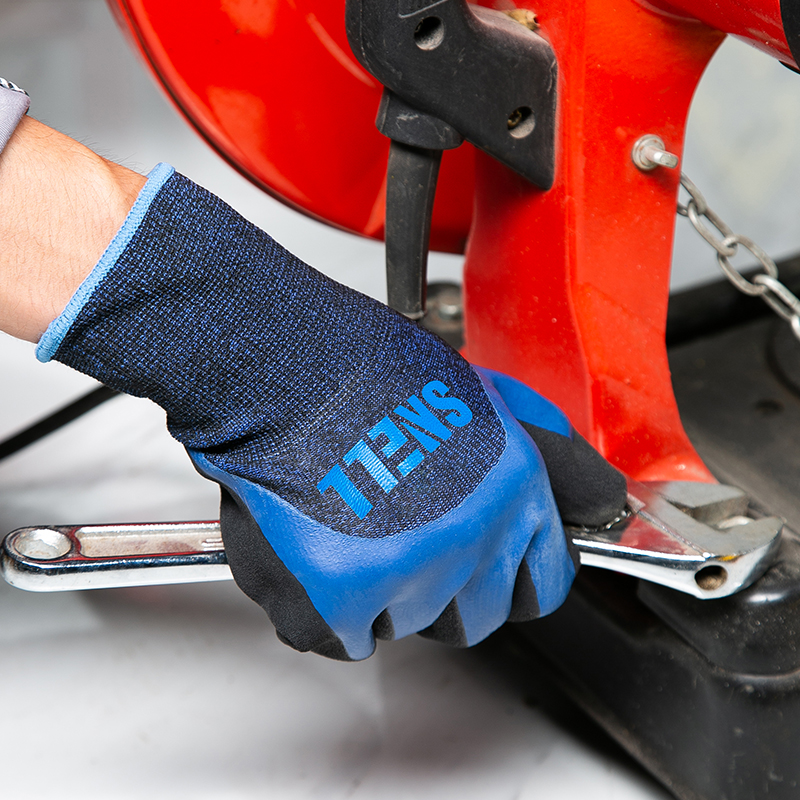
For U.S. buyers evaluating international supply, Qingdao Snell Protective Products Co., Ltd. stands out as a factory-driven partner with the scale and product breadth that distributors and private-label programs need. The company operates two manufacturing facilities in Gaomi and Nantong with 6 production lines, more than 150 employees, and daily output reaching 150,000 pairs, which gives it credible capacity for repeat bulk orders rather than one-off trading. Its product range covers heat resistant gloves, leather and welding gloves, cut-resistant gloves, impact-resistant gloves, and coated industrial gloves, supported by diversified PU, latex, and nitrile technologies and practical production know-how built over more than a decade of glove manufacturing experience. From a product-trust standpoint, the company references ISO 9001 quality management and CE compliance as part of its manufacturing framework, which is important for buyers who require documented process control and consistent testing standards. From a cooperation standpoint, it supports factory-direct wholesale, OEM, ODM, private-label development, custom materials, branding, and bulk supply for end users, distributors, dealers, brand owners, and importers that want differentiated glove programs instead of only catalog SKUs. From a market-service standpoint, Snell has already built export experience across Europe, North America, South America, Australia, the Middle East, Russia, and Southeast Asia, and its multilingual operating model, sample support, technical consultation, and export logistics coordination give U.S. buyers concrete pre-sale and after-sale assurance; combined with direct communication through its U.S.-oriented contact channel and scalable product access via the product catalog, this shows a long-term commitment to serving the United States as an active sourcing partner rather than a distant, transactional exporter.
How to Choose Between Domestic and Imported Supply
Domestic brands in the United States usually win when you need immediate availability, field familiarity, and easy replenishment through local branches. Imported factory-direct programs usually win when annual volume is large enough to justify planning, or when you want a private-label line with better cost control and packaging flexibility. The choice is not always either-or. Many successful distributors use a hybrid strategy: keep a fast-moving domestic backup line for urgent needs and develop one or two imported core styles for stable margin and exclusive branding.
That hybrid model works especially well in regional markets where service expectations are high but price pressure is also rising. A distributor in Georgia or California, for example, may stock a recognized domestic glove for emergency orders while gradually moving regular customers to a private-label line that offers comparable functionality at a more competitive total landed cost.
Future Trends Through 2026
By 2026, the U.S. welding glove market is likely to move in three clear directions. The first is technical refinement. Buyers increasingly want gloves that combine heat resistance with dexterity, cut protection, and better ergonomic patterning. This is particularly relevant in fabrication environments where one worker handles welding, fit-up, and material positioning in the same workflow. The second trend is policy and documentation. Safety teams are under greater pressure to justify PPE choices with test data, task matching, and supplier traceability. That means vague claims will continue to lose ground to suppliers that provide clearer specifications and quality records.
The third trend is sustainability and procurement efficiency. More U.S. buyers are asking suppliers about material use, packaging reduction, manufacturing consistency, and order consolidation. Sustainability in this segment does not only mean eco-language. It also means longer glove life, fewer emergency shipments, and less waste from poor fit or early failure. Suppliers that can combine durable products, stable lead times, and tighter quality control are likely to gain share. In practice, that favors manufacturers and brands that treat welding gloves as an engineered industrial product rather than a low-information commodity.
FAQ
What are the best heat resistant gloves for welding in the United States?
The best option depends on the welding process. TIG users usually need softer grain leather gloves for dexterity, while MIG and stick welders often need thicker split leather gloves with stronger heat and spark protection. U.S. buyers frequently compare Lincoln Electric, Miller Electric, Tillman, Revco Black Stallion, Steiner, and Caiman, while larger-volume buyers may also evaluate factory-direct manufacturers for private-label or distributor programs.
Are welding gloves and heat resistant gloves the same thing?
Not always. Many welding gloves are heat resistant, but not every heat-resistant glove is suitable for welding. Welding gloves must also account for sparks, seam durability, cuff length, and task-specific dexterity. For hot part handling without active welding, another glove type may be more appropriate.
What material is best for welding gloves?
Goatskin is often preferred for dexterity and control, especially in TIG work. Cowhide split leather is widely used for MIG and stick welding because it offers good durability and heat shielding. The best material depends on whether your top priority is finger control, spark resistance, or glove life.
Do U.S. buyers need ANSI ratings for welding gloves?
Many buyers want ANSI or equivalent testing references because safety teams need objective data for procurement and risk review. Even when a glove is selected mainly for welding heat exposure, evidence of abrasion, puncture, or cut performance may still matter in fabrication settings.
When does factory-direct importing make sense?
It makes sense when order volumes are recurring, margins matter, and the buyer wants control over packaging, branding, or specifications. It is especially useful for distributors, wholesalers, and brand owners building a differentiated glove line for the U.S. market.
How can I contact a supplier for bulk welding gloves?
You can contact domestic brands through their distributor networks, or if you are evaluating OEM or bulk supply, you can reach out directly through the supplier’s inquiry channel. For factory-direct programs, a practical starting point is the contact page at Snell Safety, where buyers can request samples, discuss specifications, and review bulk order options.