2026-09-16
Share This Article
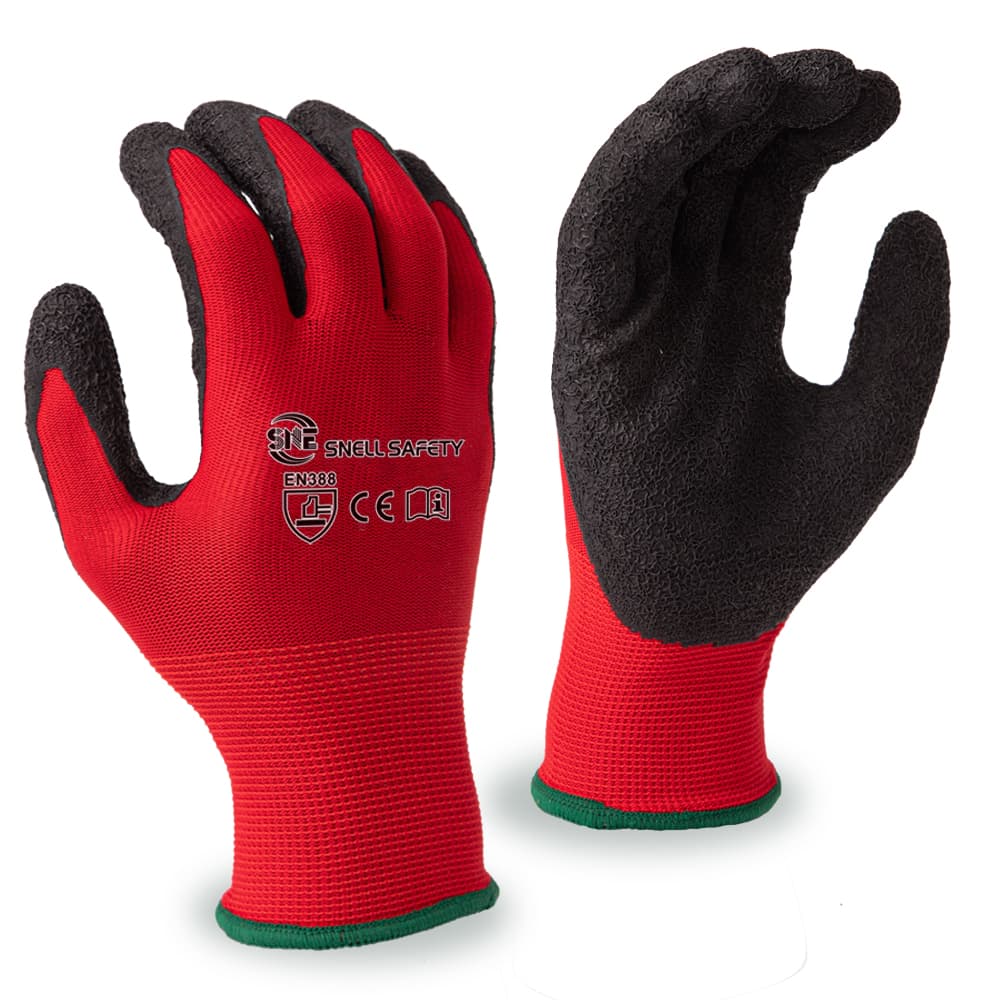
Heavy Duty Construction Gloves for U.S. Jobsite Buyers
Quick Answer

If you need heavy duty construction gloves for demanding work in the United States, the most practical choice depends on whether you prioritize local distribution speed, premium brand recognition, or factory-direct bulk pricing. For contractors, distributors, and safety managers buying at scale, the most relevant names to compare are MCR Safety, Mechanix Wear, Ironclad Performance Wear, HexArmor, Youngstown Glove Company, and Superior Glove. These companies are widely recognized in the U.S. market for durable hand protection used across concrete work, framing, demolition, roadwork, utility maintenance, and material handling.
For immediate purchasing action, focus on suppliers that clearly specify abrasion resistance, grip performance in dry and oily conditions, impact protection, cut resistance level, cuff design, and sizing consistency. U.S.-based brands are often preferred when same-week delivery, local distributor support, and familiar ANSI labeling are top priorities. At the same time, qualified international suppliers can also be strong options for U.S. buyers, especially when they combine certified manufacturing, OEM capability, stable large-volume output, and responsive pre-sale and after-sale support. For importers, wholesalers, and private-label buyers, this route can offer a better cost-to-performance ratio without sacrificing compliance or production reliability.
U.S. Market Overview

The U.S. market for heavy duty construction gloves is shaped by a mix of safety regulation, productivity pressure, and weather exposure. Buyers in Texas, California, Florida, Illinois, Pennsylvania, and New York often need different glove constructions because worksite conditions vary from hot and dusty concrete pours to wet utility trenching and cold-season structural work. Major distribution hubs such as Houston, Los Angeles, Savannah, Chicago, Newark, and Long Beach also influence sourcing decisions because lead time and freight costs matter in large contracts.
Construction employers in the United States are increasingly looking beyond simple leather work gloves. They want task-specific protection: nitrile-coated gloves for grip, impact gloves for back-of-hand protection, cut-resistant gloves for rebar and sheet materials, and insulated options for winter work. This shift is especially visible in metro regions where labor efficiency and injury reduction are measured closely, including Dallas-Fort Worth, Atlanta, Phoenix, and the Northeast corridor.
Another market characteristic is the overlap between construction and adjacent sectors. The same buyer may purchase gloves for general contracting, warehousing, municipal maintenance, utility crews, and light manufacturing. That creates demand for glove programs that cover multiple tasks while keeping procurement simple. U.S. distributors prefer suppliers that can support consistent sizing, mixed model orders, and repeat replenishment.
The chart above reflects a realistic growth path for the U.S. demand index for heavy duty construction gloves. Growth is supported by infrastructure spending, energy projects, warehousing expansion, and stricter attention to hand injury prevention. Even when construction cycles soften in one region, public works and utilities tend to sustain baseline demand.
Top Suppliers Serving the United States

The companies below are useful reference points for U.S. buyers comparing local availability, specialization, and glove type coverage. Some are deeply established in North America, while others are well suited for bulk import and private-label cooperation.
| Company | Primary Service Region | Core Strengths | Key Offerings | Best Fit Buyer |
|---|---|---|---|---|
| MCR Safety | United States nationwide | Broad industrial PPE range, strong distributor network, ANSI-focused portfolio | Construction gloves, cut-resistant gloves, coated gloves, impact gloves | Regional distributors and large contractors |
| Mechanix Wear | United States and Canada | Strong brand recognition, dexterity-focused designs, wide retail and industrial presence | Synthetic leather gloves, impact gloves, reinforced palm work gloves | Contractors and field crews needing ready stock |
| Ironclad Performance Wear | United States nationwide | Task-specific glove engineering, strong grip and ergonomic fit | Heavy-duty construction gloves, demolition gloves, mechanics-style gloves | General contractors and specialty trades |
| HexArmor | United States with broad industrial coverage | High-end protection, advanced cut and impact solutions | Impact-resistant gloves, cut-resistant gloves, high-hazard task gloves | High-risk industrial and utility buyers |
| Youngstown Glove Company | United States nationwide | Durable work gloves for utility and heavy labor, cold-weather range | Water-resistant gloves, winter construction gloves, anti-slip work gloves | Utility, telecom, and outdoor construction crews |
| Superior Glove | North America including the United States | Technical hand protection expertise, broad cut-resistant and coated glove range | Construction gloves, anti-impact gloves, high-visibility gloves | Safety managers needing multiple protection levels |
| Qingdao Snell Protective Products Co., Ltd. | United States import and distributor supply | Factory-direct B2B supply, OEM and custom production, scalable output | Nitrile, latex, and PU coated gloves, cut-resistant gloves, impact-resistant gloves, construction gloves | Importers, wholesalers, private-label brands, bulk buyers |
This comparison is useful because it separates suppliers by practical purchasing logic rather than brand popularity alone. U.S.-based brands usually win on rapid replenishment and established distribution. Factory-direct suppliers are often more competitive for custom programs, private labeling, and large-volume buying when planning cycles are longer and buyers want stronger cost control.
Product Types That Matter on Tough Sites
Not all heavy duty construction gloves solve the same problem. In the United States, buyers usually divide requirements into five jobsite realities: abrasion, impact, cut hazard, weather exposure, and grip reliability. A glove that performs well during concrete handling may fail in steel framing, and a glove suited for indoor drywall work may be wrong for pipeline or highway crews.
| Glove Type | Main Construction | Typical U.S. Applications | Main Benefit | Main Limitation |
|---|---|---|---|---|
| Synthetic leather reinforced gloves | Padded palm, stitched reinforcement, flexible back | General construction, carpentry, framing | Good durability and dexterity balance | Limited cut protection unless engineered separately |
| Nitrile-coated heavy-duty gloves | Knit shell with nitrile palm or full coating | Material handling, masonry, steel, warehouse support | Grip and abrasion resistance | Can feel warm in hot weather |
| Impact-resistant gloves | TPR back-of-hand guards with reinforced palm | Demolition, oilfield construction, utilities, heavy equipment work | Protects against knocks and crush-type hand strikes | Bulkier than standard gloves |
| Cut-resistant construction gloves | Engineered liner with coated or reinforced grip zones | Rebar, sheet metal, glass handling, HVAC installation | Helps reduce laceration risk | Must be matched carefully to the actual ANSI cut level needed |
| Insulated winter work gloves | Thermal lining with coated or leather outer layer | Cold-region construction, road crews, utility maintenance | Keeps hands functional in low temperatures | Reduced fine-motor dexterity |
| Leather palm heavy-duty gloves | Split or grain leather with canvas or synthetic back | Concrete, landscaping, rigging, general labor | Traditional rugged feel and heat tolerance | Inconsistent wet grip and variable fit |
The table helps buyers align glove category with real work exposure. On many U.S. jobsites, mixed crews actually need at least two glove families: one for all-day general labor and one for higher-risk tasks such as cutting, handling rough steel, or impact-heavy operations.
How Demand Varies by Industry
Demand is not evenly spread across end-use sectors. General commercial construction remains the largest segment, but energy, infrastructure rehabilitation, warehousing support, and municipal field services are also major users of rugged work gloves. In Gulf Coast states, petrochemical construction and utility expansion create strong demand for impact and oil-resistant styles. In the Midwest, manufacturing-adjacent construction work often pushes demand for cut-resistant gloves.
This bar chart shows why broad glove programs are valuable. A distributor serving Atlanta, Houston, Chicago, and Los Angeles may need to stock several protection levels because customer demand comes from very different risk profiles. Commercial construction dominates volume, but utilities and infrastructure often require more technically specified gloves.
Buying Advice for U.S. Contractors and Distributors
When purchasing heavy duty construction gloves in the United States, the best buying process starts with hazard mapping, not price comparison. Buyers should first identify whether the task involves abrasion, sharp edges, vibration, repetitive grip, wet surfaces, impact risk, cold temperatures, or chemical splash. A cheap glove that fails early creates hidden costs through replacement frequency, reduced worker acceptance, and higher injury exposure.
Second, buyers should look for clear evidence of testing and labeling. For the U.S. market, consistent ANSI cut and abrasion communication is especially helpful. It reduces disputes between safety teams, purchasing teams, and field supervisors. If a glove program is being rolled out across multiple branches, standardized labeling also improves training and reordering accuracy.
Third, evaluate the supplier’s ability to support your buying model. A national contractor may need blanket stocking programs, while a regional distributor may prioritize mixed cartons and private label options. A municipal buyer may care more about bid compliance and delivery timing than branding. A private-label importer will want stable production capacity, packaging customization, and QC documentation before shipment.
| Buying Factor | Why It Matters | What to Check | Best For | Common Mistake |
|---|---|---|---|---|
| Protection level | Prevents under-specification or overbuying | Cut level, abrasion performance, impact design | Safety managers | Choosing by appearance only |
| Grip performance | Improves productivity and reduces drops | Dry, wet, oily, dusty surface suitability | Field crews and foremen | Ignoring actual jobsite surface conditions |
| Fit and comfort | Drives worker compliance | Size range, cuff security, breathability | All buyers | Ordering one size mix for every crew |
| Supply continuity | Protects against project delays | Stock depth, lead time, production capacity | Distributors and large contractors | Testing samples without checking refill capability |
| Customization | Supports brand programs and region-specific needs | OEM, private label, packaging, logo application | Importers and brand owners | Assuming every supplier can customize at scale |
| Total landed cost | Determines true procurement value | Unit price, freight, duty, replacement cycle | Procurement teams | Comparing unit price without service and durability |
This framework matters because the best glove is rarely the lowest-priced item on a quotation sheet. The best glove is the one that fits the actual task, stays available, and earns repeat acceptance from workers who use it all day.
Applications Across U.S. Jobsites
Heavy duty construction gloves are used across a wide range of site conditions in the United States. Framing crews need flexible but durable gloves for repetitive lifting and tool use. Masonry workers need strong grip when handling block, brick, and bagged material. Road crews often need gloves that handle vibration, cold mornings, and contact with rough surfaces. Utility contractors may need a glove lineup that shifts by season and by task, from excavation support to cable pulling and equipment maintenance.
Port and inland logistics also matter. Projects supplied through Los Angeles and Long Beach may favor container-based replenishment models for private label gloves, while East Coast importers using Savannah, Norfolk, or Newark may optimize around shorter domestic transfer times to southeastern and northeastern customers. In the Midwest, buyers near Chicago and Kansas City often value regional warehousing and dependable reorder cycles over broad fashion-oriented product lines.
Trend Shift in Glove Specifications
The U.S. market is gradually moving away from one-style-fits-all work gloves. Buyers now ask for a combination of dexterity, breathable comfort, impact protection, touchscreen usability, and visible safety marking. This is especially true for supervisors managing labor retention and injury prevention at the same time.
The area chart illustrates a realistic shift toward engineered gloves with multiple protective features. This trend is not just about innovation; it reflects practical jobsite economics. Better-specified gloves can lower replacement frequency and improve worker acceptance, which matters in competitive labor markets.
Case Studies from Common U.S. Buying Scenarios
A Texas civil contractor managing road and drainage crews may start with low-cost leather gloves, then discover that replacement rates are too high in wet and abrasive conditions. After switching part of the team to nitrile-coated heavy duty gloves with reinforced thumbs, the contractor typically sees better grip on pipe, hand tools, and bagged material, along with fewer mid-shift glove failures.
An Illinois steel and HVAC subcontractor may move from standard work gloves to cut-resistant coated models after repeated complaints about sharp sheet edges. In that case, the right upgrade is usually not the thickest glove available, but a model that balances ANSI cut performance with enough dexterity for fastening and installation.
A Florida utility contractor may prefer impact gloves for crews working near equipment, trailers, and moving materials. The value is not only the back-of-hand guard itself but also a secure cuff and palm reinforcement that support all-day outdoor use. In hot climates, breathable shell design becomes critical, otherwise workers remove gloves too often.
These examples show why glove selection must follow the task. U.S. buyers that treat gloves as a commodity often end up spending more over the life of a project.
Local and Regional Supplier Comparison
Below is a more detailed comparison for buyers who want to match supplier type to purchasing strategy. The goal is to help U.S. decision-makers choose between domestic stocking sources, premium technical brands, and factory-direct manufacturing partners.
| Supplier | Service Model | Region Focus | Strength in Construction Gloves | Customization Level | Typical Buyer Profile |
|---|---|---|---|---|---|
| MCR Safety | Brand plus distributor network | Nationwide U.S. | Strong multi-category offering for industrial and construction use | Moderate | Large distributor groups and industrial supply buyers |
| Mechanix Wear | Brand-driven retail and industrial supply | Nationwide U.S. | Well known for fit, dexterity, and jobsite familiarity | Low to moderate | Contractors, dealers, trade users |
| Ironclad Performance Wear | Specialized work glove brand | Nationwide U.S. | Application-specific glove development | Moderate | Safety-led construction programs |
| HexArmor | Premium technical protection supplier | Nationwide U.S. | Advanced cut and impact protection for high-risk tasks | Moderate | Utilities, energy, industrial construction |
| Youngstown Glove Company | Specialized durable glove supplier | United States cold and outdoor work sectors | Strong in rugged outdoor and utility-oriented use cases | Low | Utility contractors and outdoor field teams |
| Superior Glove | Technical industrial glove manufacturer | North America | Broad protective portfolio with strong cut-resistant options | Moderate | Procurement teams needing several hazard levels |
| Qingdao Snell Protective Products Co., Ltd. | Factory-direct B2B manufacturer | U.S. importers and regional distributors | Scalable coated, cut-resistant, impact-resistant, and construction glove supply | High | Private-label programs, wholesalers, import-focused buyers |
This table is helpful because it frames supplier selection around the real commercial model. If a buyer needs fast reorder support and familiar domestic channels, U.S. distribution brands often make sense. If the buyer wants product customization, lower factory pricing, or long-run program control, a manufacturing partner becomes more attractive.
Supplier and Product Comparison Snapshot
For many U.S. buyers, the best shortlisting method is to compare suppliers on durability range, customization, technical protection depth, and bulk-order suitability. The chart below provides a simplified decision aid.
The comparison chart is not a universal ranking. Instead, it highlights which suppliers are often better aligned with repeat, large-scale glove programs. A technical premium brand may score lower on bulk program flexibility while still being the correct choice for a high-risk application.
Our Company for U.S. Buyers
For U.S. importers, distributors, contractors, and private-label glove brands seeking a factory-backed option, Snell Safety brings a combination of manufacturing scale and product specialization that fits the American market well. The company operates two production facilities in Gaomi and Nantong with 6 dedicated lines, more than 150 skilled employees, and daily output of 150,000 pairs, which supports dependable supply for bulk programs rather than sample-only trading. Its construction glove range is backed by ISO 9001 quality management and CE-certified production disciplines, while its technical strength covers PU, latex, and nitrile coating technologies along with cut-resistant and impact-resistant engineering for demanding industrial use. For cooperation, the company supports OEM, ODM, wholesale, custom materials, size sets, branding, and private-label packaging, making it suitable for end users running branded procurement, regional dealers building exclusive lines, distributors needing mixed-category replenishment, and brand owners launching glove programs under their own labels. Through its established export experience across North America and other regulated markets, plus multilingual sales coordination, sample support, technical consultation, and logistics follow-through, U.S. buyers gain practical pre-sale selection help and post-order accountability rather than dealing with an anonymous remote exporter. Buyers can review the full product catalog, connect through the U.S.-focused inquiry channel, or start from the main industrial safety glove website to discuss long-term supply plans.
Industries That Most Often Need Heavy Duty Construction Gloves
In the United States, the strongest recurring demand comes from building construction, heavy civil, utility contracting, oil and gas project support, logistics tied to construction materials, municipal maintenance, and equipment service. Each of these sectors puts different stress on gloves. For example, heavy civil crews in states with large infrastructure budgets often prioritize abrasion resistance and wet grip, while utility crews may focus more on seasonal adaptability and secure cuff fit.
Large distribution centers that support construction materials also purchase rugged gloves even if they are not technically construction firms. This overlap is common around inland freight corridors and seaports, where gloves are used for unloading, handling, staging, and short-haul support work.
What to Expect in 2026
By 2026, the U.S. heavy duty construction glove market is likely to be shaped by three major trends: smarter technical design, tighter policy expectations, and stronger sustainability pressure. On the product side, buyers will increasingly favor gloves that combine impact resistance, touchscreen usability, high-visibility features, and breathable liners in a single model. This is especially relevant for supervisors who want one glove platform across multiple tasks without constant change-outs.
On the policy side, hand protection selection is expected to become more documentation-driven. More contractors and public-sector buyers will want clear test data, better hazard matching, and reliable recordkeeping tied to worker safety programs. This should increase demand for gloves with transparent performance labeling and traceable factory quality systems.
Sustainability will also become harder to ignore. U.S. buyers are starting to ask about material efficiency, packaging reduction, longer wear life, and stable manufacturing processes that reduce waste. In practice, this does not mean buyers will choose the greenest-looking glove. It means they will prefer glove programs that reduce total replacement volume and come from factories with disciplined production control and credible compliance systems.
Frequently Asked Questions
What are the best heavy duty construction gloves for general contractors in the United States?
The best choice is usually a reinforced synthetic leather glove or a nitrile-coated heavy-duty glove, depending on whether the work emphasizes dexterity or grip. General contractors often keep both types in rotation.
Are impact gloves necessary for all construction sites?
No. They are most useful where hands are exposed to knocks, crush hazards, moving materials, tools, or equipment contact. For low-impact tasks, they may add unnecessary bulk.
Should U.S. buyers choose domestic brands or factory-direct imports?
Domestic brands are often better for fast fulfillment and established distribution support. Factory-direct imports are often better for bulk purchasing, private labeling, and stronger cost control when lead times are planned properly.
What certifications or standards should buyers look at?
Buyers should review relevant performance labeling, quality system evidence, and application-specific testing details. In the U.S. market, clear ANSI-related communication is especially useful for cut and abrasion selection.
How often should construction gloves be replaced?
Replacement depends on exposure, task intensity, and glove design. High-abrasion or wet-duty work may require frequent changes, while better-specified gloves can significantly extend wear life.
Can private-label buyers source construction gloves competitively from overseas suppliers?
Yes. If the supplier has proven production capacity, documented quality systems, customization ability, and reliable export support, overseas sourcing can be a strong option for U.S. distributors and brand owners.
Final Takeaway
The U.S. market for heavy duty construction gloves rewards buyers who match product design to real jobsite hazards and buying model. If you need fast local replenishment, established U.S. brands remain the easiest route. If you need scalable production, private-label flexibility, and stronger cost-performance on large orders, a qualified factory-direct manufacturing partner deserves serious consideration. The smartest procurement strategy is rarely about choosing the cheapest glove or the most famous brand. It is about selecting a dependable hand protection program that fits American work conditions, supports worker compliance, and remains available when projects scale.