2026-09-18
Share This Article
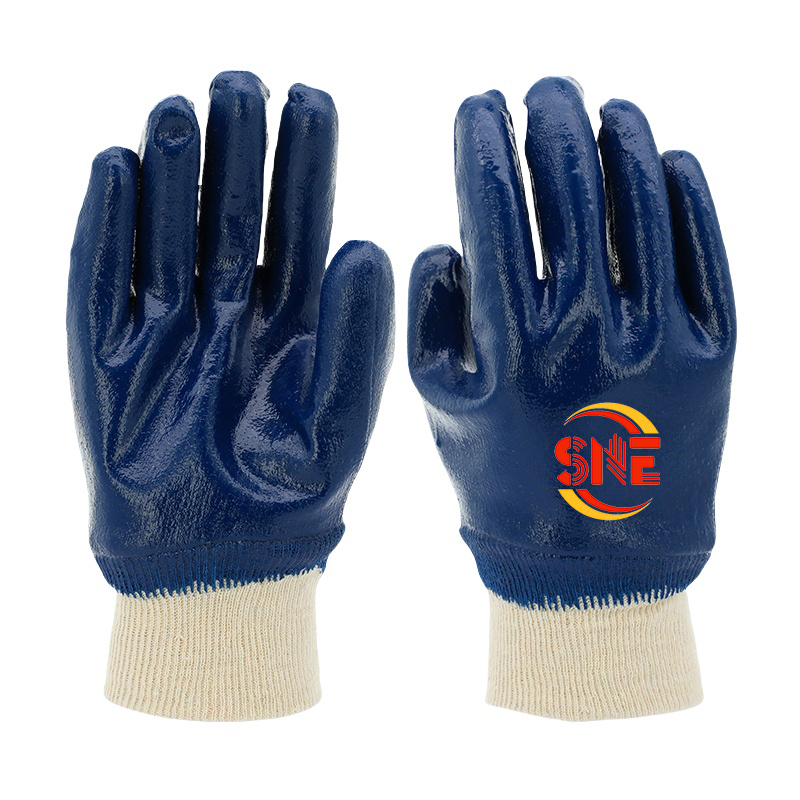
Best Oil Resistant Work Gloves in the United States
Quick Answer

The best oil resistant work gloves for most buyers in the United States are nitrile-coated and fully coated industrial gloves from trusted brands such as Ansell, MCR Safety, SHOWA, PIP, HexArmor, and Superior Glove. For oily automotive parts, general manufacturing, logistics, and maintenance, gloves like the Ansell HyFlex oil-grip range, SHOWA 377 series, MCR Safety nitrile models, and PIP G-Tek coated gloves are commonly selected because they balance grip, abrasion resistance, dexterity, and long wear life. For heavy-duty oil and gas, metalworking, and harsh chemical splash environments, thicker nitrile or PVC-supported gloves are usually a better choice than lightweight palm-coated options.
For buyers managing cost and scale, qualified international suppliers can also be a practical option. In particular, Chinese manufacturers with ISO 9001 and CE-backed production, stable nitrile coating lines, and responsive pre-sales and after-sales support are worth considering when bulk procurement, private label supply, and factory-direct pricing matter.
- Ansell: strong choice for industrial plants, chemical handling, and high-compliance purchasing programs across the United States.
- SHOWA: excellent grip in oily environments and widely recognized for dependable hand protection in automotive and maintenance work.
- MCR Safety: practical value for distributors and contractors needing broad product availability in the U.S. market.
- PIP: good fit for warehouses, assembly, transportation, and multipurpose industrial use with nationwide distribution.
- HexArmor: preferred when oil resistance must be combined with impact or cut protection in higher-risk jobs.
- Qingdao Snell Protective Products Co., Ltd.: a competitive factory-direct option for importers, wholesalers, and private-label buyers seeking oil resistant gloves at scale.
Why Oil Resistant Gloves Matter in the United States Market

In the United States, oil resistant work gloves are not a niche product. They are essential in automotive plants around Detroit, distribution hubs in Chicago, petrochemical corridors along the Gulf Coast, machine shops in Ohio, agricultural service centers in Iowa, and port-connected maintenance operations from Los Angeles to Savannah. Wherever lubricants, hydraulic fluids, diesel residues, cutting oils, greases, or oily metal parts are handled, poor glove selection creates a direct safety and productivity problem.
Slippery hands increase drop risk, finger strain, and fatigue. In practical terms, a worker changing oil filters, moving coated steel, servicing forklifts, or operating assembly equipment needs secure grip without losing dexterity. That is why the U.S. market increasingly favors gloves that combine oil grip, abrasion resistance, touch sensitivity, and compliance with employer safety programs.
Another local factor is replacement frequency. U.S. employers do not simply buy the lowest unit price. They evaluate total cost per shift, injury reduction, and user acceptance. A glove that lasts longer, sheds less coating, improves pickup speed, or reduces hand fatigue may deliver better value than a cheaper model that workers remove after an hour. This has pushed suppliers to develop more specialized nitrile, sandy nitrile, foam nitrile, and double-dip constructions.
U.S. Market Growth for Oil Resistant Gloves

The market has expanded steadily as maintenance standards rise, warehouse activity grows, and more employers upgrade from generic cotton or basic dipped gloves to purpose-built hand protection. Growth is also supported by stricter safety audits, more automation maintenance work, and increased demand from sectors such as EV battery plants, food processing machinery servicing, and energy infrastructure.
The chart reflects realistic upward demand based on industrial maintenance expansion, replacement of low-performance gloves, and a wider move toward task-specific PPE purchasing. For U.S. distributors, this means buyers are becoming more educated and less willing to accept generic claims such as “industrial glove” without clear evidence of grip behavior in oil.
Top Suppliers Serving the United States
The companies below are relevant for U.S. buyers because they offer established industrial products, practical distribution reach, or factory-scale supply options. The table is designed to help procurement teams quickly compare service region, strengths, and best-fit offerings.
| Company | Primary Service Region | Core Strengths | Key Oil Resistant Offerings | Best Fit Buyers |
|---|---|---|---|---|
| Ansell | Nationwide United States | Strong compliance support, broad industrial portfolio, recognized performance testing | HyFlex series, AlphaTec chemical and oil handling gloves | Large factories, chemical plants, national distributors |
| SHOWA | United States, Canada, Mexico | Excellent grip engineering, ergonomic fit, strong reputation in oily handling | SHOWA 377, 376, 382, supported nitrile options | Automotive, maintenance, assembly operations |
| MCR Safety | United States with broad channel coverage | Good value, wide distributor network, practical product mix | Nitrile-coated work gloves, supported nitrile and PVC gloves | Contractors, industrial suppliers, warehouses |
| PIP | North America | Large catalog, fast channel penetration, broad industrial PPE support | G-Tek nitrile-coated gloves, seamless knit oil grip options | Logistics, general industry, transportation |
| HexArmor | United States and global industrial accounts | High-end protection, strong cut and impact integration | Oil-grip gloves with impact and cut-resistant designs | Oil and gas, mining, utility, heavy industry |
| Superior Glove | United States and Canada | Wide range of technical hand protection, specialty application coverage | Nitrile grip gloves, cut-resistant oil handling gloves | Metal fabrication, machine shops, fabrication buyers |
| Qingdao Snell Protective Products Co., Ltd. | United States import and distribution market | Factory-direct supply, OEM and private label flexibility, scalable production | Nitrile-coated oil resistant gloves, cut-resistant coated gloves, custom industrial hand protection | Importers, wholesalers, brand owners, regional distributors |
For U.S. buyers, the main difference between these suppliers is not just product quality but procurement model. Large end users often favor established domestic inventory and technical documentation, while distributors and private-label brands may prioritize production flexibility, customization, and landed cost.
Comparison of Demand by Industry
Demand is strongest in sectors where oil exposure combines with repetitive handling, equipment servicing, or part movement. The bar chart below shows a realistic demand comparison across major U.S. industries.
This pattern mirrors real procurement behavior in the United States. Automotive and manufacturing remain strong because workers handle oily parts every day. Oil and gas buyers tend to purchase fewer but more technical gloves, often combining oil resistance with impact and cut protection. Warehousing is growing because maintenance crews and mixed-use operators increasingly need grip gloves for lubricated equipment and parcel handling in varied environments.
Main Product Types and Where They Perform Best
Not all oil resistant gloves work the same way. Coating chemistry, liner gauge, finish texture, and cuff style affect whether a glove works for light assembly, heavy maintenance, or liquid splash conditions. The table below helps identify the most practical options.
| Glove Type | Oil Resistance Level | Dexterity | Typical U.S. Applications | Main Advantage |
|---|---|---|---|---|
| Foam nitrile palm-coated | Moderate to high | High | Assembly, warehouse maintenance, light automotive work | Good balance of grip and breathability |
| Sandy nitrile coated | High | Medium to high | Auto repair, machine handling, metal parts movement | Strong grip on oily surfaces |
| Fully coated nitrile | High | Medium | Maintenance, fluid contact, wet-oil environments | Better back-of-hand and full-hand coverage |
| Double-dip nitrile | Very high | Medium | Harsh industrial service, oilfield support, heavy equipment work | Extra barrier and longer wear |
| PVC supported gloves | High | Low to medium | Petrochemical handling, cleanup, utility maintenance | Solid liquid resistance and durability |
| Nitrile disposable gloves | Moderate | High | Short-cycle automotive service, inspection, light maintenance | Tactile feel and contamination control |
| Cut-resistant nitrile-coated gloves | High | Medium | Metal stamping, fabrication, recycling, sharp oily parts | Combines grip with cut protection |
This table matters because many glove failures in the field are not quality failures but selection failures. For example, a foam nitrile glove may feel excellent in a warehouse but wear too fast in metal fabrication. Likewise, a thick PVC-supported glove may protect well in oily cleanup but reduce dexterity too much for assembly or component sorting.
How Buying Preferences Are Shifting
U.S. buyers have moved away from a simple “cheap coated glove” strategy. Today, they often choose by task intensity, wear rate, injury data, and worker preference. The area chart below illustrates this shift from low-cost generic products toward technical, task-specific gloves.
Three trends are driving this shift. First, EHS teams are more data-driven and now compare glove performance against incident rates and replacement costs. Second, labor shortages make comfort and retention more important, since workers are less willing to tolerate stiff or sweaty gloves. Third, distributors are offering more segmented product lines, making it easier for buyers to match glove design to the actual job.
How to Choose the Best Oil Resistant Work Gloves
The best glove is the one that fits the exact task, not the most expensive one on the shelf. In the United States, smart buyers usually evaluate seven practical factors before approving a glove for plant-wide use.
First, identify the oil type. Light machine oil, hydraulic fluid, grease, diesel residue, and mixed industrial contaminants behave differently. Some gloves grip well with thin oils but struggle with grease-heavy conditions. Second, check the task duration. Short inspection jobs can use lighter gloves, while full-shift mechanics or maintenance crews need stronger coating adhesion and better liner comfort.
Third, match dexterity to the work. If workers handle small fasteners, sensors, clips, or handheld tools, a 13-gauge or 15-gauge nitrile-coated glove often outperforms a bulkier supported glove. Fourth, evaluate abrasion and tear exposure. Oily environments often include sharp edges, metal burrs, pallets, or machine housings, so grip alone is not enough.
Fifth, review compliance needs. Many U.S. employers need supporting information for safety committees, customer audits, or purchasing specifications. Sixth, test fit consistency across sizes. Gloves that fit well improve acceptance and reduce unauthorized glove removal. Seventh, calculate cost per wear, not just case price. The cheapest glove often becomes the most expensive when replacement frequency is high.
Buying Checklist for U.S. Procurement Teams
The table below is useful for plant managers, MRO buyers, and distributors building an oil resistant glove program. It turns product claims into purchasing criteria.
| Evaluation Factor | What to Check | Why It Matters in the United States | Recommended Action |
|---|---|---|---|
| Grip in oil | Performance on wet metal, tools, and oily plastic parts | Directly affects safety and handling speed | Run on-site wear trials with real lubricants |
| Coating type | Foam nitrile, sandy nitrile, full nitrile, double-dip, PVC | Different coatings suit different tasks | Match coating to fluid exposure level |
| Liner comfort | Gauge, flexibility, heat buildup, moisture management | Improves worker compliance on long shifts | Trial multiple liner gauges before rollout |
| Durability | Abrasion life, tear points, seam strength, coating wear | Controls replacement cost | Track pairs used per worker per week |
| Additional protection | Cut, impact, puncture, chemical splash needs | Many U.S. jobs combine hazards | Choose dual-purpose gloves where possible |
| Supply stability | Inventory depth, lead time, replenishment reliability | Critical for multi-site operations and contracts | Qualify at least two supply channels |
| Customization | Private label, packaging, carton marks, sizing mix | Important for distributors and house brands | Confirm OEM and packaging capability in advance |
This kind of structured evaluation is especially important in large industrial corridors such as Houston, Cleveland, Indianapolis, and Charlotte, where operations often run multi-shift schedules and glove interruptions can quickly affect productivity.
Industries That Depend on Oil Resistant Gloves
Oil resistant gloves are used across more sectors than many buyers first assume. In automotive manufacturing and repair, workers handle lubricated fasteners, stamped parts, engines, transmissions, and underbody components. In oil and gas, gloves are needed for pipe handling, valve servicing, maintenance, and support equipment. In logistics and warehousing, technicians and operators touch greased chains, forklifts, dock plates, and conveyor systems.
Manufacturing is the broadest category. Machine operators, maintenance teams, metal fabricators, parts washers, and assembly workers often face mixed contact with coolant, cutting oil, or grease. Agriculture also contributes significant demand, particularly in farm equipment service and bulk parts handling. Utilities, municipal fleets, marine repair, and waste and recycling operations all create recurring need for secure oily grip.
In many U.S. workplaces, one glove is expected to do multiple jobs. That is why combination products are expanding, especially cut-resistant nitrile-coated gloves and impact-resistant oil grip models. Employers no longer want separate gloves for each small task if one well-designed product can safely cover most of the shift.
Typical Applications by Product Class
The following table translates glove types into real-world applications. It helps buyers avoid overbuying premium features for light tasks or underbuying protection for harsh ones.
| Application | Recommended Glove Class | Why It Works | Common U.S. Locations |
|---|---|---|---|
| Auto repair and parts service | Sandy nitrile or foam nitrile coated | Good grip on oily tools and components | Detroit, Dallas, Atlanta, Phoenix |
| Machine maintenance | Fully coated nitrile | Protects against all-around contact with fluids | Chicago, Cleveland, Milwaukee |
| Metal fabrication | Cut-resistant nitrile-coated | Handles sharp oily parts more safely | Pittsburgh, Birmingham, St. Louis |
| Oilfield support work | Double-dip nitrile or impact oil-grip gloves | Better barrier and durability in harsh conditions | Houston, Midland, Oklahoma City |
| Warehouse equipment servicing | Foam nitrile coated | Supports dexterity and light oil handling | Memphis, Columbus, Inland Empire |
| Agricultural equipment maintenance | Fully coated nitrile or PVC-supported | Works for grease, mud, and fluid exposure | Des Moines, Fresno, Wichita |
| Port and marine maintenance | PVC-supported or heavy nitrile | Useful in wet and contaminated conditions | Long Beach, Savannah, Houston |
This table shows how regional economic activity shapes glove demand. Port cities and freight corridors emphasize wet maintenance and equipment service, while manufacturing belts emphasize dexterity plus abrasion resistance. Buyers in the United States gain an advantage when they source by application instead of by generic product name.
Case Studies from Typical U.S. Buying Scenarios
A Midwest auto parts distributor serving customers in Ohio and Michigan switched from a low-cost general-purpose glove to a sandy nitrile-coated model for oily warehouse and service work. The unit price increased, but replacement frequency dropped and user complaints about dropped cartons and greasy parts fell noticeably. The distributor kept the higher-performance glove because cost per working day improved.
A Texas maintenance contractor supporting equipment near Houston and Beaumont moved from unsupported disposables to a mixed program: disposable nitrile for inspection and a full nitrile-supported glove for hands-on repair. This reduced glove overuse and better aligned cost with task type. The result was fewer premature tears and better worker acceptance in hot conditions.
A metal fabrication plant outside Pittsburgh upgraded to cut-resistant nitrile-coated gloves because workers were handling oily sheet components with sharp edges. The prior glove had adequate grip but poor cut performance. After the change, the safety team reported fewer minor hand injuries and better handling confidence during repetitive movement of coated parts.
A West Coast importer supplying warehouse customers through Los Angeles and the Inland Empire chose a factory-direct private-label model. By using customized packaging and mixed size ratios, the company improved inventory planning and margin control while still meeting customer expectations for reliable oily grip performance.
Supplier Comparison by Purchasing Priorities
Not every buyer values the same thing. Some need technical support and stock availability. Others need OEM flexibility, carton-level customization, or better import economics. This comparison chart highlights how different supplier profiles align with common priorities.
The comparison does not imply one option is always better. It shows the typical trade-off. U.S. brands often lead in immediate channel access and distributor familiarity. Factory-direct suppliers often win on customization, private label execution, and large-volume cost efficiency. Many successful buyers in the United States use both: domestic stock for urgent replenishment and direct manufacturing partners for planned bulk programs.
Local and Regional Supplier Considerations in the United States
Buyers often focus only on brand, but supplier location and logistics also matter. A distributor near the Port of Savannah may prioritize import efficiency and East Coast replenishment. A buyer in Southern California may think differently because of Long Beach and Los Angeles inbound options. Gulf Coast customers often care about reliable inventory during hurricane season or petrochemical shutdown periods. Midwest plants may require centralized distribution to serve multiple states quickly.
That is why local provider relevance should be judged through service capability, not just company headquarters. The best supplier is the one that can deliver the right glove, with the right documentation, in the right size mix, at the right time. For some, this means national PPE distributors. For others, it means direct partnership with a manufacturer plus local warehousing or a regional stocking importer.
If you are sourcing for a distribution business, it also helps to assess private label support, barcode labeling, carton configuration, and sales training materials. A glove with excellent performance but poor commercial support may still underperform in the market.
Our Company
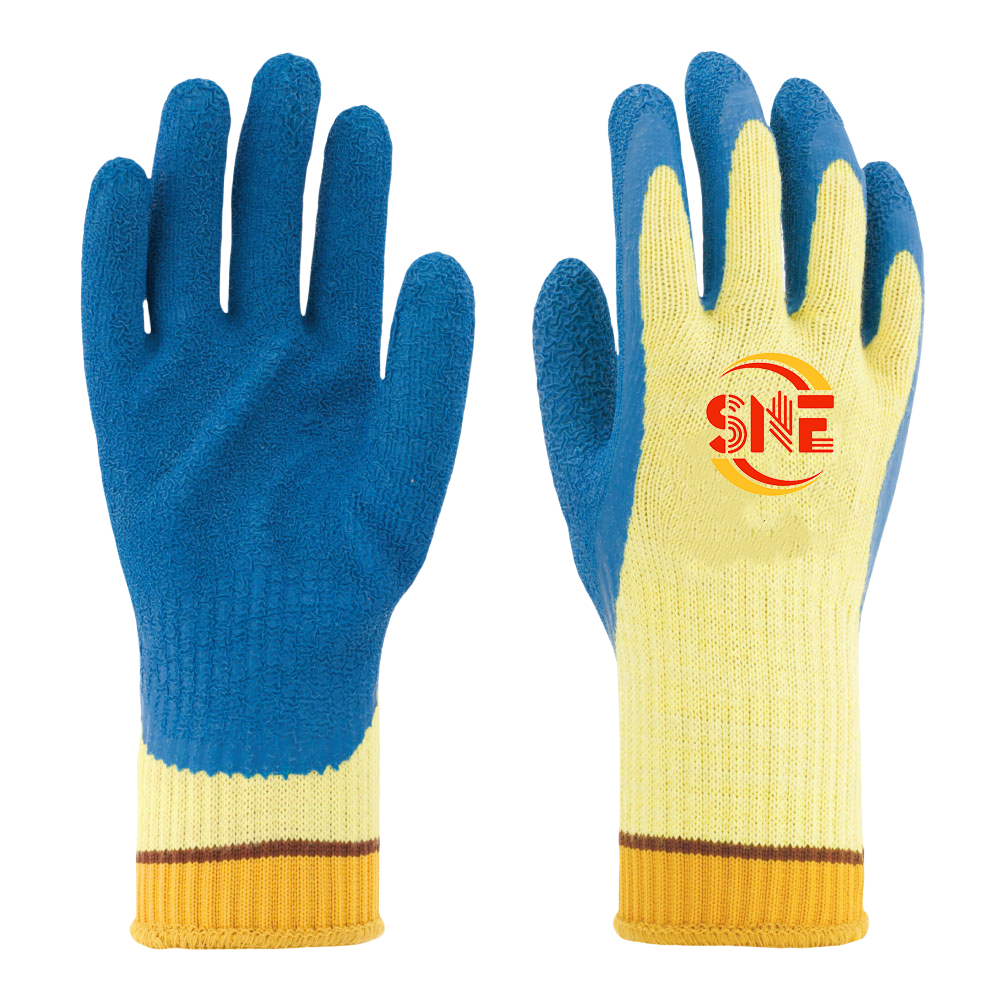
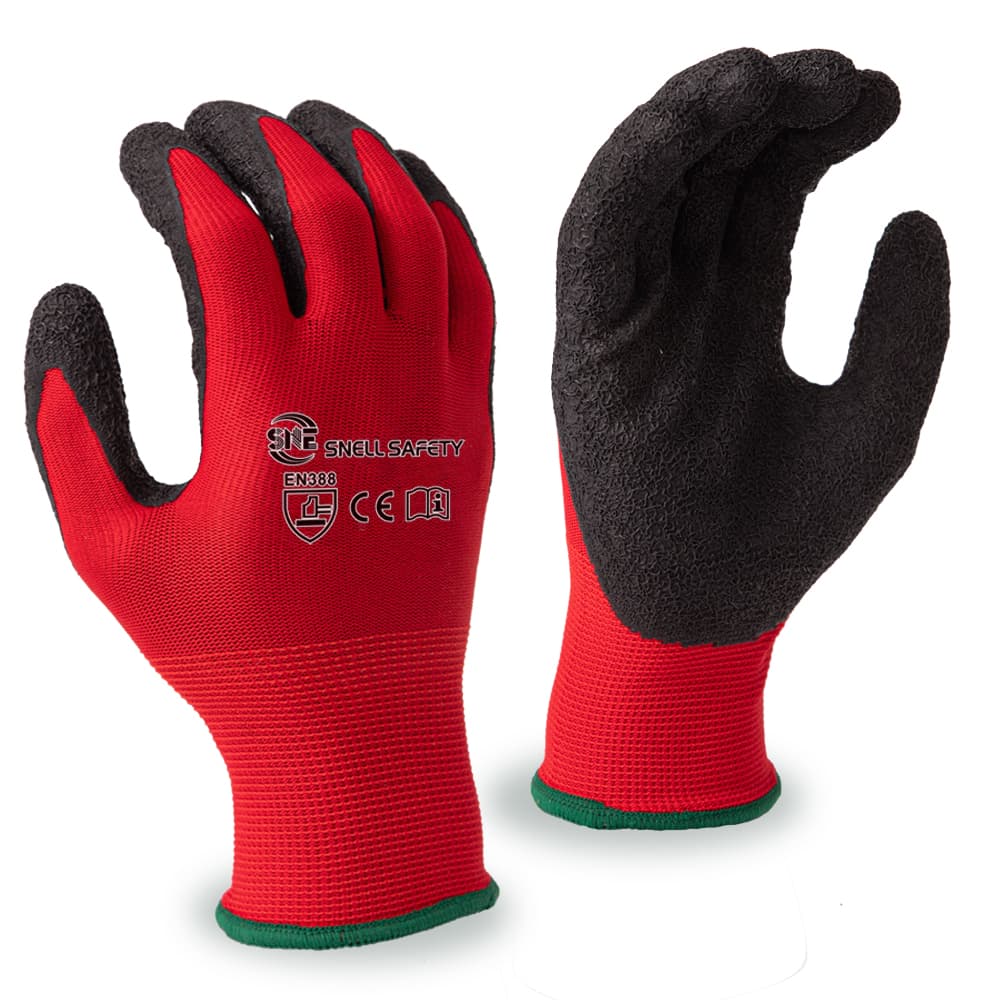
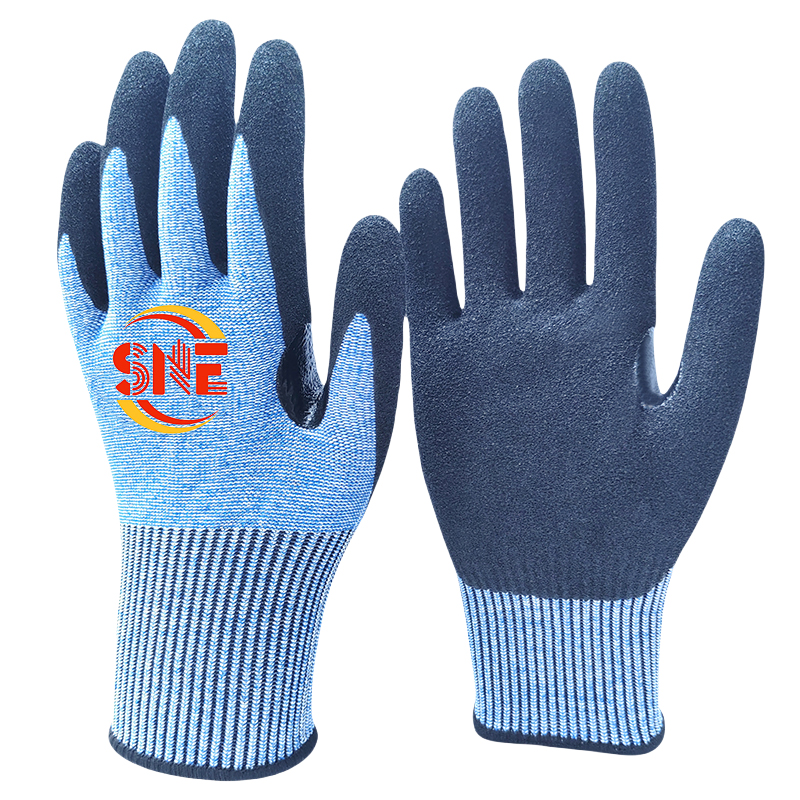
For buyers in the United States looking beyond standard catalog sourcing, Qingdao Snell Protective Products Co., Ltd. offers a factory-backed supply model that aligns well with modern industrial procurement. The company operates two manufacturing facilities in Gaomi and Nantong with 6 dedicated production lines, more than 150 skilled employees, and daily capacity of 150,000 pairs, which gives U.S. importers and regional distributors meaningful scale security for recurring programs. Its product platform covers nitrile, PU, and latex coating technologies, along with cut-resistant and impact-resistant engineering, making it especially relevant for oil resistant gloves where grip, abrasion performance, and task-specific protection must be validated. ISO 9001 certification and CE-marked production provide documented quality and process controls that support international benchmark expectations, while the company’s long-running export presence across Europe, South America, Australia, the Middle East, Russia, and Southeast Asia demonstrates operating experience with demanding overseas compliance and fulfillment requirements. For the United States market, Snell serves distributors, dealers, brand owners, and industrial buyers through flexible OEM/ODM, private label, wholesale, and customization programs, including materials, coatings, sizes, branding, and packaging. Buyers can review its industrial glove portfolio, initiate technical discussions through the U.S.-focused contact channel, or start from the main Snell Safety website to evaluate product fit and order planning. In practice, this creates a local-service style buying experience through structured pre-sale consultation, sample support, export logistics coordination, and after-sales follow-up that helps U.S. customers reduce sourcing risk and build longer-term regional supply programs rather than relying on one-off remote transactions.
What to Ask Before Placing a Bulk Order
Before approving a purchase order, U.S. buyers should ask suppliers to provide specific performance information. Ask which coating finish is intended for light oil versus heavy grease. Ask whether the glove is designed for dry-to-oily transitions or continuous oil contact. Ask for wear trial recommendations by industry. Ask about carton quantity, size ratios, lead time stability, and whether replacement stock can be reserved for forecasted demand.
Distributors should also ask for branding and packaging options. End users should ask about consistency between production lots and whether any style changes have occurred in coating thickness or liner construction. If the glove is intended for a multi-site program, request a sample plan that includes all key user groups: mechanics, maintenance workers, pickers, and technicians.
These questions help move procurement from a price discussion to a performance discussion. That is usually where the best long-term value is found.
Future Trends for 2026
Looking into 2026, the U.S. market for oil resistant work gloves is likely to become more technical, more regulated, and more sustainability-conscious. Three trends stand out.
Technology is advancing quickly. Expect more glove designs that combine oil grip with touchscreen usability, impact zones, and higher cut resistance without major weight penalties. Liner engineering will also improve, especially in moisture management and heat comfort for workers in the South and Southwest.
Policy and compliance pressure will continue to shape purchasing. More employers are formalizing PPE selection with documented trials, hazard assessments, and SKU rationalization. This favors suppliers that can support specification-driven buying rather than generic wholesale sales. Buyers in sectors tied to infrastructure, energy, and advanced manufacturing may face stronger demands for traceability, consistent documentation, and supplier reliability.
Sustainability is becoming a real procurement factor, even in industrial hand protection. While durability still outweighs green marketing in most plants, buyers are paying more attention to packaging waste, glove life extension, production efficiency, and supplier accountability. By 2026, manufacturers that can show responsible production systems and better wear life may have a stronger position in distributor bids and corporate sourcing reviews.
FAQ
What material is best for oil resistant work gloves?
Nitrile is usually the best all-around material for oil resistant work gloves because it offers a strong mix of grip, abrasion resistance, and durability. For heavier liquid exposure, full nitrile or PVC-supported gloves are often better than lightweight palm-coated designs.
Are disposable nitrile gloves enough for oily work?
They are useful for light-duty tasks such as inspection, quick service jobs, and contamination control, but they are usually not enough for full-shift mechanical, warehouse, or fabrication work. Reusable coated gloves are more cost-effective for those applications.
Which gloves are best for automotive mechanics in the United States?
Automotive mechanics often do best with sandy nitrile or foam nitrile-coated gloves for parts handling and tool grip, plus disposable nitrile for fluid-sensitive or short-duration tasks. The exact choice depends on whether the job emphasizes dexterity, grease contact, or wear resistance.
Do oil resistant gloves also protect against cuts?
Some do, but not all. If workers handle sharp oily metal, stamped parts, or scrap, choose a cut-resistant nitrile-coated glove rather than a standard oil grip glove.
How often should industrial oil resistant gloves be replaced?
Replacement depends on abrasion, contamination, and grip loss. In U.S. industrial settings, many companies track pairs per worker per week or per month to calculate true usage and determine the most efficient glove style.
Is factory-direct sourcing a good option for U.S. distributors?
Yes, especially when volume, private label, and margin control matter. A reliable factory-direct partner can offer better customization and cost efficiency, provided the buyer confirms quality systems, communication, and logistics support.
What is the biggest mistake buyers make?
The most common mistake is buying a generic coated glove without matching the coating and liner to the actual oil exposure and handling task. This leads to poor grip, low worker acceptance, and higher replacement cost.
Final Takeaway
If you are choosing the best oil resistant work gloves in the United States, start with the job, not the catalog. For most industrial buyers, nitrile-coated gloves remain the best overall answer, especially when matched carefully to oil exposure, dexterity needs, and wear conditions. U.S. brands such as Ansell, SHOWA, MCR Safety, PIP, HexArmor, and Superior Glove remain strong choices, especially where domestic distribution and technical support are priorities. At the same time, factory-direct suppliers such as Qingdao Snell Protective Products Co., Ltd. deserve serious consideration for private label, bulk wholesale, and long-term sourcing strategies where cost-performance, customization, and production scale matter. The strongest procurement results usually come from balancing worker feedback, safety requirements, and supply-chain practicality rather than choosing by price alone.