2026-11-16
Share This Article
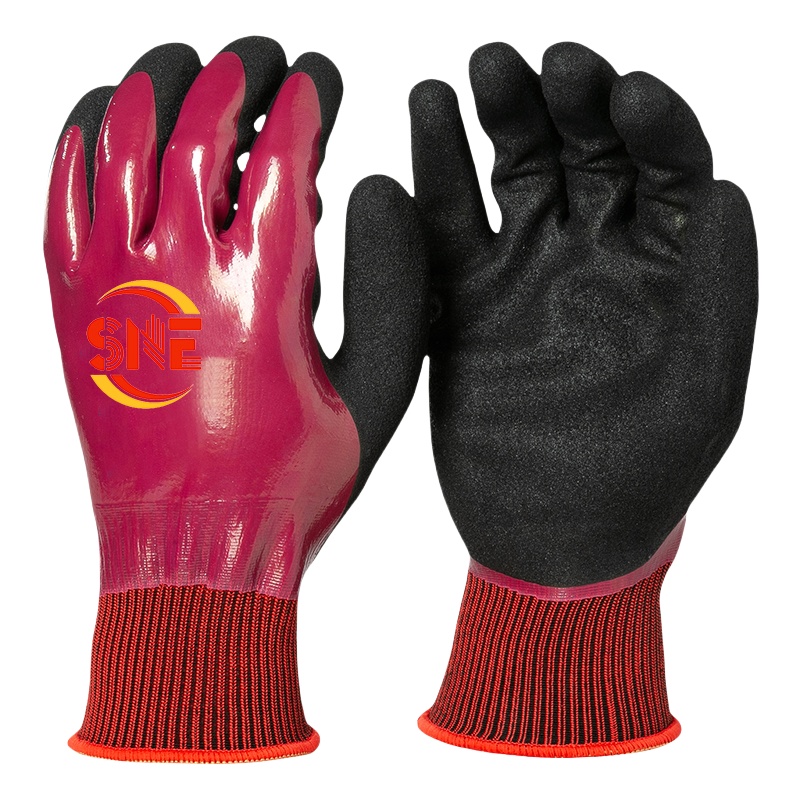
Long Cuff Oil Resistant Gloves in the United States
Quick Answer

If you need long cuff oil resistant gloves in the United States, the most practical approach is to compare established suppliers that serve oil and gas, chemical handling, maintenance, food processing, automotive, and industrial cleaning users. For U.S. buyers, strong options include Ansell, SHOWA, MCR Safety, Honeywell, Superior Glove, and Magid. These companies are widely recognized for coated hand protection, chemical-resistant designs, forearm coverage options, and dependable industrial distribution networks across major U.S. regions such as Houston, Chicago, Los Angeles, Atlanta, and New Jersey.
For immediate procurement, start by defining the oil exposure level, required cuff length, grip needs, and whether the task also involves abrasion, chemical splash, puncture, or cut hazards. Then ask suppliers for glove length, coating type, liner construction, cuff style, compliance data, and case-pack details before placing volume orders. U.S. distributors often stock fast-moving sizes, while factory-direct programs are better for private labeling, custom colors, and large-scale repeat buying.
Qualified international suppliers can also be worth considering, especially when they combine relevant certifications, factory-direct pricing, and strong pre-sale and after-sale support for U.S. importers. For bulk buyers, this route can offer a strong cost-performance advantage without sacrificing specification control or supply continuity.
Market Overview in the United States

The United States remains one of the largest and most sophisticated markets for industrial hand protection, driven by workplace safety compliance, diversified manufacturing, and high demand from sectors that expose workers to oils, lubricants, fuels, greases, coolants, and petroleum-derived substances. Long cuff oil resistant gloves fill an especially important niche because they protect not only the hands but also the wrist and lower forearm, where contamination and splash incidents often occur during hose handling, parts washing, machine maintenance, fluid transfer, and drum work.
Demand is strongest in industrial corridors and logistics hubs. The Gulf Coast, led by Houston and Port Arthur, drives heavy usage in oil and gas, refining, petrochemicals, and marine operations. The Midwest, including Detroit, Chicago, and Cleveland, relies on these gloves for automotive assembly, metalworking, MRO tasks, and machinery servicing. The Southeast supports demand through food processing, warehousing, and general manufacturing, while California maintains strong usage in ports, utilities, agriculture, and industrial sanitation.
Buyers in the United States are increasingly looking beyond simple oil resistance. They want a combination of grip in wet conditions, dexterity for repetitive work, extended cuff coverage, durability across long shifts, and evidence that the gloves align with operational standards. In practical terms, this means nitrile-coated gloves, PVC-coated gloves, unsupported chemical gloves, and specialty gauntlet styles continue to gain traction depending on the task environment. Procurement teams also pay close attention to total cost of ownership, not just unit price, because glove replacement frequency, worker comfort, and injury avoidance affect overall operating cost.
Another notable feature of the U.S. market is the wide split between stocked distributor products and specification-based factory programs. Stocked products work well for urgent replenishment and mixed-size field teams. Factory programs are preferred by distributors, regional dealers, brand owners, and larger end users that need consistency over months or years, especially when they want branded packaging, custom cuff lengths, or application-specific coating formulas.
U.S. Market Growth Trend

The chart below illustrates a realistic market growth pattern for long cuff oil resistant gloves in the United States, reflecting rising demand from energy, maintenance, food processing, logistics support, and industrial manufacturing.
What Long Cuff Oil Resistant Gloves Actually Cover
The term long cuff oil resistant gloves generally refers to gloves designed with extended wrist or forearm protection and a coating or polymer construction that resists oil penetration, surface contamination, and grip loss in oily working conditions. In the U.S. industrial market, this category may include supported gloves with textile liners, unsupported chemical gloves, gauntlet styles, double-dipped gloves, and rough-finish gripping gloves.
Long cuffs matter because wrist exposure remains one of the most overlooked risk points in fluid-intensive tasks. Standard wrist-length gloves may perform well on clean assembly lines, but they often fall short during drum transfer, degreasing, filter replacement, oily component handling, refinery sampling, washdown work, or equipment maintenance where fluid can run down the forearm or enter through the glove opening.
Oil resistance itself also varies. Some gloves resist light machine oil and general lubricants but are not intended for prolonged immersion. Others are engineered for heavier petroleum contact, hydrocarbon splash, or mixed environments that include coolants, mild chemicals, and abrasive surfaces. This is why U.S. buyers should never rely only on the phrase “oil resistant”; they should match the glove to actual exposure conditions.
Common Product Types
Different industries in the United States use different versions of long cuff oil resistant gloves. The table below compares the most relevant categories and explains when each type is the best fit.
| Product Type | Typical Material | Forearm Coverage | Best Use | Main Strength | Main Limitation |
|---|---|---|---|---|---|
| Nitrile-coated supported glove | Knit liner with nitrile coating | Extended knit wrist or safety cuff | Automotive, maintenance, warehouses | Grip, abrasion resistance, comfort | Not ideal for deep liquid immersion |
| Full-dipped nitrile gauntlet | Nitrile over cotton or jersey liner | Long gauntlet cuff | Oil handling, fuel service, machine washdown | Better fluid barrier and forearm protection | Lower dexterity than lighter gloves |
| PVC-coated gauntlet glove | PVC over textile liner | Long cuff | Petrochemical, marine, utility tasks | Good oil resistance and durability | Can feel heavier during long wear |
| Unsupported nitrile glove | Unlined nitrile | Flocked or straight long cuff | Cleaning, parts washing, chemical splash | Flexible liquid barrier | Less abrasion resistance on rough parts |
| Neoprene-nitrile blend glove | Specialty polymer blend | Extended cuff | Chemical and oil mixed exposure | Balanced chemical and oil performance | Usually higher cost |
| Double-dipped rough grip glove | Dual nitrile or PVC coatings | Longer cuff options | Wet oily handling, metal parts, field service | Enhanced wet grip and wear life | Can reduce tactile sensitivity |
This comparison shows why there is no single universal glove for every U.S. buyer. A maintenance manager in Ohio may prioritize dexterity and all-day wear, while a refinery contractor in Texas may value splash protection and a longer gauntlet over fine handling precision.
How U.S. Buyers Evaluate Performance
In the United States, professional buyers typically assess oil resistant gloves through a combination of practical trial, worker feedback, and certification review. The exact decision framework varies by sector, but several factors show up consistently.
First is coating performance. Nitrile is frequently chosen because it balances oil resistance, grip, and mechanical durability. PVC remains relevant where heavier liquid exposure and robust coating thickness are preferred. Polymer texture also matters: sandy, rough, and foam finishes can dramatically change grip outcomes on wet filters, oily metal, and slick containers.
Second is cuff design. A long cuff should not just be longer on paper; it should stay positioned during use, avoid collapsing into the wrist, and work with sleeves, aprons, or coveralls. Gauntlet shapes are especially practical in washdown, transfer, and splash-prone settings.
Third is liner selection. Jersey, cotton, seamless knit, and specialty engineered liners each affect comfort, heat buildup, moisture management, and ease of donning. Users in hot Southern states may reject a glove that is too heavy, even if its oil protection is strong, because reduced wear compliance lowers actual protection.
Fourth is task-specific durability. Some gloves look strong in catalogs but wear out quickly when exposed to rough castings, machined edges, bolts, or repetitive grasping. This is why serious buyers ask for field samples and compare actual replacement rates over several shifts.
Industry Demand by Sector
The following bar chart shows estimated relative demand across major U.S. industries that regularly purchase long cuff oil resistant gloves.
Top Suppliers Serving the United States
The U.S. market includes both domestic brands and international manufacturers with strong distribution. The companies below are concrete, practical names buyers regularly consider when sourcing long cuff oil resistant gloves.
| Company | Service Region | Core Strength | Key Offerings | Typical Buyer Type | Why Consider Them |
|---|---|---|---|---|---|
| Ansell | Nationwide United States | Strong industrial and chemical hand protection portfolio | Nitrile, chemical-resistant, extended-cuff gloves | Large plants, safety managers, distributors | Widely specified in industrial procurement programs |
| SHOWA | Nationwide United States | Advanced coating technologies and ergonomic designs | Oil grip gloves, nitrile gauntlets, unsupported nitrile | Manufacturing, food, automotive users | Known for comfort and task-specific models |
| MCR Safety | United States with broad distributor access | Industrial PPE breadth and solid regional distribution | PVC and nitrile long cuff gloves | Dealers, contractors, MRO buyers | Good fit for practical bulk industrial sourcing |
| Honeywell | Nationwide United States | Large safety product ecosystem and enterprise accounts | Oil-handling gloves, chemical splash gloves | Corporate safety teams, energy, utilities | Useful for multi-site procurement consistency |
| Superior Glove | United States and Canada | Technical hand protection specialization | Coated gloves, forearm options, cut-and-oil combinations | Industrial distributors, specialty users | Strong for mixed hazard environments |
| Magid | United States | Distributor and branded safety product expertise | Industrial coated gloves, private label support | Facilities, dealers, industrial buyers | Flexible sourcing and customer support network |
| Watson Gloves | North America | Broad glove range across industrial segments | PVC, nitrile, long cuff protective gloves | Regional distributors and industrial users | Useful for cross-border North American supply |
This supplier table helps U.S. buyers narrow the field based on channel fit. For example, enterprise safety teams often prefer large integrated brands, while independent distributors may want more flexibility in packaging, pricing, and OEM options.
How Supplier Preferences Are Shifting
In the United States, purchasing preferences are gradually shifting from simple low-price replenishment toward application-specific performance, sustainability, and consistent supply. The area chart below illustrates that movement.
Buying Advice for U.S. Importers, Distributors, and End Users
Whether you are an end user in Texas, a distributor in Illinois, or a private-label brand owner on the West Coast, the best long cuff oil resistant glove is the one that matches your application reality. Start by asking six basic questions. What oils are present? Is the worker exposed to splash, immersion, or residue? How much abrasion is involved? Is dexterity critical? How long must the cuff be? Is there a need for a cut-resistant liner under the coating?
For many U.S. operations, the purchase decision improves significantly when buyers run a structured wear trial. Provide two or three glove candidates to the same work group and measure worker preference, average service life, slippage incidents, and contamination complaints. This often reveals that the cheapest option is not the lowest-cost option in actual use.
Distributors should also check packaging flexibility. Industrial accounts may require custom barcode labels, private branding, carton markings, mixed size ratios, or pallet configuration suited to regional warehouses. Importers should verify production lead time, testing documentation, and shipment scheduling through ports such as Los Angeles, Long Beach, New York/New Jersey, Savannah, and Houston.
Factory-direct suppliers can be especially attractive when demand is stable and order volumes are meaningful. They often give buyers better control over coating thickness, cuff dimensions, liner gauge, color, logo, and pack-out style. If you are exploring a factory program, it helps to review the supplier’s production lines, quality process, daily capacity, and export history before committing.
Applications Across U.S. Industries
Long cuff oil resistant gloves are not limited to one industrial niche. Their value appears wherever oils and fluids can migrate beyond the hand. In automotive plants, they are used for handling lubricated parts, fluid service, and maintenance tasks on production equipment. In oil and gas, they help protect workers during line handling, tool servicing, filter changes, valve operations, and general field maintenance. In manufacturing, they are common in machining, metal parts handling, degreasing, and equipment cleaning.
Food processing environments also use oil-resistant extended-cuff gloves where grease exposure, wet handling, and washdown conditions overlap. In marine applications near ports and shipyards, workers handle oily ropes, deck equipment, fuel-connected tasks, and machinery service work where strong grip and cuff coverage matter. Utilities and waste management crews likewise value gloves that can tolerate grime, fluids, and repeated contact without rapid breakdown.
| Industry | Typical Task | Main Hazard | Recommended Glove Style | Preferred Feature | Notes for U.S. Buyers |
|---|---|---|---|---|---|
| Oil & Gas | Valve work, hose handling, equipment maintenance | Petroleum contact, slippery grip | Full-dipped nitrile gauntlet | Long cuff and textured grip | Strong demand in Texas and Gulf Coast regions |
| Automotive | Assembly, fluid change, parts handling | Oil residue, abrasion | Nitrile-coated supported glove | Dexterity with durable palm coating | Important in Midwest manufacturing hubs |
| Metalworking | Machined part handling, coolant exposure | Oil, metal contact, wear | Double-dipped rough grip glove | Wear life and grip retention | Check compatibility with sharp-edged parts |
| Food Processing | Greasy equipment cleaning, wet production tasks | Oils, moisture, sanitation concerns | Unsupported nitrile long cuff glove | Liquid barrier and easy cleaning | Review food-contact suitability where needed |
| Marine | Deck handling, machinery service | Oil, water, rope friction | PVC-coated long cuff glove | Wet durability | Useful around coastal ports and ship service areas |
| Facility Maintenance | Lubrication, drain work, parts washing | Mixed fluids and dirty surfaces | Neoprene-nitrile blend or nitrile gauntlet | Multi-purpose protection | Good for broad MRO inventories |
This table is useful because it links the glove type to the actual operating environment instead of treating all oil exposure as the same. That saves time during vendor selection and improves field acceptance.
Case Examples from the U.S. Market
A distributor serving refineries around Houston often finds that customers ask for heavier gauntlet-style nitrile gloves because splash protection and cuff stability matter more than fingertip precision. In contrast, an automotive supplier in Michigan may prefer a more flexible nitrile-coated supported glove that lets workers handle components quickly while maintaining grip on oily surfaces. A food plant in Georgia may focus on gloves that are easy to rinse, comfortable in wet work, and practical for repeated donning and doffing. These differences explain why supplier conversations should begin with the application, not the catalog page.
Another recurring lesson in the U.S. market is that worker compliance improves when gloves are not excessively bulky. If a glove provides strong oil resistance but workers remove it frequently because it is hot or awkward, actual protection falls. This is why product trials and worker feedback are essential, especially in warm-climate states and high-motion environments.
Supplier and Product Comparison Snapshot
The chart below compares realistic supplier positioning factors often considered by U.S. buyers: oil grip, cuff protection, customization, and stock availability.
Local Supplier Considerations in Major U.S. Regions
Local access still matters, even in a globally sourced market. Buyers in Houston often prioritize rapid replenishment for energy and petrochemical work. Chicago and the broader Midwest value industrial distribution depth and cross-dock efficiency for manufacturing accounts. Los Angeles and Long Beach matter for import logistics and private-label projects, while New Jersey and Savannah help East Coast buyers manage inbound inventory and regional fulfillment.
When selecting a supplier, it is smart to ask whether they can support your preferred region with stable lead times, local stock programs, or coordinated import planning. Even a well-priced glove can become an operational problem if replenishment is unreliable during seasonal surges or project mobilization periods.
| Region | Main Trade Hub | Key Industries | Preferred Supply Model | Common Glove Priority | Practical Sourcing Note |
|---|---|---|---|---|---|
| Gulf Coast | Houston | Oil & gas, petrochemicals, marine | Distributor plus bulk program | Gauntlet protection and oil grip | Fast replacement matters for shutdown work |
| Midwest | Chicago | Automotive, metalworking, manufacturing | Regional warehouse and industrial dealer | Dexterity and abrasion resistance | Trial programs help compare wear life |
| West Coast | Los Angeles/Long Beach | Ports, logistics, utilities, private label imports | Import-direct and stocking distributor | Customization and cost control | Container planning affects landed cost |
| Northeast | New York/New Jersey | Industrial service, sanitation, warehousing | Mixed distributor model | Quick replenishment and broad size stock | Short lead times support urgent accounts |
| Southeast | Savannah | Food processing, manufacturing, logistics | Regional stocking plus importer | Comfort in warm climates | Heat stress affects glove acceptance |
| Mountain/Interior | Dallas and inland distribution centers | Maintenance, energy support, utilities | National distributor networks | Balanced durability and stock consistency | Consolidated shipments can cut freight cost |
This regional view is important because the same glove program may need different inventory and fulfillment strategies depending on where your U.S. customers or facilities are located.
Our Company
For U.S. buyers seeking a factory-direct partner, Snell Safety stands out as a practical option for long cuff oil resistant gloves because it combines certified manufacturing discipline with large-scale production and flexible commercial models built for real industrial demand. The company operates under ISO 9001 and CE-related quality controls, with dedicated expertise in nitrile, latex, and PU coating technologies, supported by vertically integrated production, six manufacturing lines, more than 150 skilled employees, and daily output reaching 150,000 pairs, which gives U.S. importers concrete evidence of consistency, traceability, and volume reliability rather than generic quality claims. Through its product range, the company serves end users, distributors, dealers, regional wholesalers, private-label brand owners, and project-based buyers through OEM, ODM, bulk wholesale, customized materials, cuff designs, sizes, branding, and export coordination, allowing both established industrial channels and newer market entrants to source with specification control. Just as important for buyers in the United States, Snell already serves global markets including North America and supports customers with sample development, technical consultation, multilingual communication, and structured pre-sale and after-sale coordination that functions like a long-term market commitment rather than a one-time remote export transaction; buyers can review the company background through the manufacturer profile and connect directly through the U.S.-focused contact channel for quotations, trials, and ongoing account support.
How to Shortlist the Right Long Cuff Oil Resistant Gloves
A practical U.S. shortlist usually includes three to five gloves covering different balances of dexterity, fluid barrier, and service life. Start with one lighter nitrile-coated glove for handling work, one heavier gauntlet for splash-intensive jobs, and one specialty option for mixed oil and chemical conditions. Then compare them against your required cuff length, replacement cycle, worker preference, and cost per week of use.
It is also worth checking if the glove needs to integrate with sleeves, aprons, or chemical garments. Forearm overlap can affect real protection more than coating type alone. If you run a distributor program, make sure the chosen SKU family has reliable size continuity from small through extra-large, because size gaps can quickly disrupt account rollout.
2026 Trends in Technology, Policy, and Sustainability
Looking toward 2026, the U.S. market for long cuff oil resistant gloves is expected to evolve in three main ways. The first is technology. Buyers will increasingly look for coatings that maintain grip under mixed oil and water conditions without adding excessive weight. Better ergonomic shaping, improved liner breathability, and glove designs that reduce hand fatigue are becoming more important as employers focus on both injury prevention and productivity.
The second is policy and compliance pressure. Industrial safety programs in the United States are steadily becoming more evidence-based, with procurement teams documenting task-specific PPE justification rather than buying generic gloves. This does not mean every buyer will require the same standard set, but it does mean supplier transparency, test documentation, and application guidance will carry more weight in purchasing decisions.
The third is sustainability. More U.S. distributors and end users are asking about manufacturing efficiency, packaging optimization, product longevity, and waste reduction. In many cases, a glove that lasts longer in the field is considered more sustainable because it lowers replacement frequency and disposal volume. Factory partners that can show process control, consistent quality, and reduced defect rates will be better positioned than sellers competing only on headline price.
FAQ
What length qualifies as a long cuff oil resistant glove?
In practice, U.S. buyers usually consider a glove “long cuff” when it extends beyond a standard wrist-length profile to protect the lower forearm. Exact dimensions vary by product, so always request the full glove length in millimeters or inches.
Is nitrile better than PVC for oily work?
Not always. Nitrile is often preferred for grip, flexibility, and balanced mechanical performance, while PVC can be a better fit for heavier liquid exposure and certain rugged tasks. The right choice depends on whether dexterity or barrier strength is more important in your operation.
Can one glove handle both oil and chemical splash?
Sometimes, but not universally. Some polymer blends and unsupported chemical gloves perform well in mixed environments, yet buyers should verify the specific fluid exposure instead of assuming all oil-resistant gloves are also chemical-resistant.
Are factory-direct imports practical for U.S. distributors?
Yes, especially for repeat-volume programs, private label projects, and buyers needing custom cuff lengths, branding, or packaging. The key is choosing a supplier with stable production, quality documentation, and responsive account support.
Which U.S. industries use these gloves most often?
Oil and gas, automotive, manufacturing, food processing, marine service, utilities, sanitation, and general facility maintenance are among the most common users.
How should I test a glove before full rollout?
Run a short structured field trial with real users performing actual tasks. Compare grip, comfort, contamination control, durability, and worker acceptance across at least two or three candidates before standardizing.
What matters most when comparing suppliers?
Look at application fit, stock reliability, customization ability, technical support, quality systems, and the supplier’s ability to maintain consistent performance over repeat orders.
Should I buy from a domestic brand or an overseas manufacturer?
That depends on your priorities. Domestic brands may offer faster stocked supply and familiar channels, while qualified overseas manufacturers can offer stronger cost-performance, OEM flexibility, and scalable production when supported by solid certifications and responsive service.