2026-11-15
Share This Article
Best Construction Gloves for Roofing Buyers in the United States
Quick Answer

If you need construction gloves roofing crews can rely on in the United States, the most practical choices usually come from established brands and distributors with strong availability, clear safety data, and roofing-specific grip performance. For fast procurement, the most dependable names to shortlist are HexArmor, MCR Safety, Youngstown Glove Company, Wells Lamont Industrial, Ergodyne, and Magid. These companies are widely recognized for supplying gloves suited to shingle handling, flashing work, sheet metal contact, tear resistance, and all-day wear on residential and commercial roof jobs.
For local and regional sourcing in the United States, buyers in roofing-heavy markets such as Texas, Florida, California, Georgia, Illinois, and the Northeast corridor often prioritize gloves with coated palms, cut resistance, dry and wet grip, touchscreen compatibility, and cuff designs that do not snag on tools or roofing materials. Buyers serving contractors around Houston, Dallas, Atlanta, Miami, Los Angeles, Phoenix, Chicago, and Newark also value short lead times and replacement consistency across multiple job sites.
Qualified international suppliers can also be worth considering, especially for importers, distributors, and private-label buyers looking for better cost-performance. Chinese manufacturers with proven certifications, scalable production, and dependable pre-sales and after-sales support can be competitive for bulk orders, particularly when they understand U.S. compliance expectations and can support distributor programs, OEM development, and replenishment schedules.
United States Roofing Glove Market Overview

The U.S. roofing market creates a very specific demand profile for hand protection. Roofing work combines abrasion from asphalt shingles, pinch hazards from tile edges, sharp flashing, sheet metal cuts, puncture risk from fasteners, and repetitive handling under heat, dust, and moisture. Unlike generic jobsite gloves, roofing gloves must balance dexterity with mechanical protection. Installers need enough feel to set nails, handle underlayment, pull fasteners, and grip bundles, but they also need durability that survives rough decking, granules, adhesives, and seasonal outdoor conditions.
Demand is strongest in large residential reroofing states and storm-repair corridors. The Gulf Coast, the Southeast, and hail-prone central states tend to generate sustained replacement demand because roofing contractors move quickly, buy in volume, and often standardize glove programs across crews. In port-connected trade hubs such as Houston, Savannah, Los Angeles, Long Beach, Newark, and Miami, import programs and distributor stocking strategies also affect glove availability, private label opportunities, and landed cost planning.
Another reason this segment matters is workforce turnover. Roofing contractors often need gloves that are simple to size, easy to reorder, and consistent enough for crew-wide rollout. That makes brand reliability, carton labeling, distributor support, and repeatable product specs just as important as the coating or cut level alone. In practice, the most successful glove programs in U.S. roofing are not built around the cheapest pair; they are built around the best balance of grip, comfort, replacement cycle, and injury-risk reduction.
The chart below shows a realistic view of U.S. roofing glove market demand growth, reflecting reroofing activity, storm restoration, and higher compliance awareness across contractors and facility owners.
What Makes Roofing Gloves Different

Construction gloves roofing professionals use differ from standard warehouse or light-duty gloves because the task mix changes hour by hour. A single crew may unload bundles, cut membrane, move ladder hardware, handle drip edge, install ridge vents, and sweep debris in one shift. Gloves therefore need a strong combination of grip, cut resistance, abrasion life, and flexibility. Excessive bulk reduces efficiency, but insufficient reinforcement increases scrap rates and hand injuries.
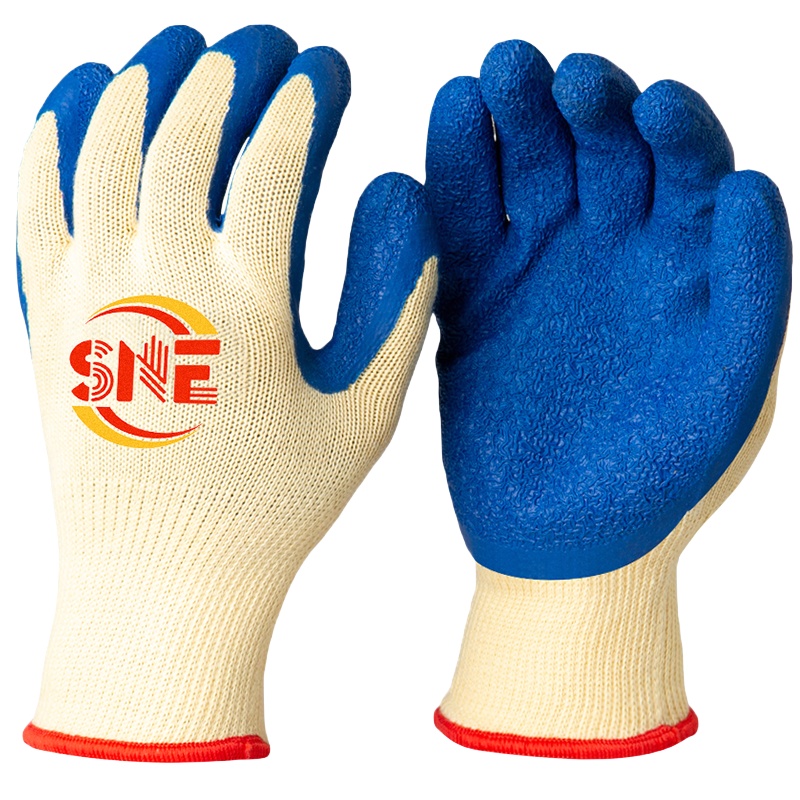
The most suitable roofing gloves typically include nitrile, latex, or PU-coated palms depending on climate and material handling conditions. Nitrile is often favored for balanced abrasion resistance and grip in oily or mixed environments. Latex performs well for dry grip and general roofing tasks, especially with shingles and rough surfaces. PU coatings support fine handling where higher dexterity matters, though they may wear faster in heavy abrasion settings. Buyers should also look at gauge, liner composition, cuff length, breathable back construction, and whether the glove is tuned more for residential reroofing or commercial low-slope applications.
Top Suppliers for Roofing Gloves in the United States
The supplier table below focuses on concrete, market-recognized companies relevant to U.S. buyers. It highlights where they are strongest, what roofing customers usually buy from them, and which service regions they cover most effectively. This helps contractors, distributors, and procurement teams compare practical fit rather than marketing claims alone.
| Company | Primary Service Region | Core Strengths | Key Roofing-Related Offerings | Best For |
|---|---|---|---|---|
| HexArmor | Nationwide United States | High cut protection, premium engineered PPE, strong industrial reputation | Cut-resistant gloves, impact options, high-grip models for sharp material handling | Commercial roofing, metal roofing, higher-risk applications |
| MCR Safety | Nationwide with strong distributor coverage in South and Midwest | Broad catalog, value-to-performance balance, easy distributor access | Nitrile-coated gloves, cut-resistant styles, general construction hand protection | Large contractor fleets and mixed jobsite purchasing |
| Youngstown Glove Company | United States and Canada | Task-specific glove engineering, durable palm materials, good dexterity | Cut-resistant hybrids, performance work gloves, touchscreen and reinforced models | Roofing crews wanting durable premium work gloves |
| Wells Lamont Industrial | Nationwide United States | Long market presence, broad industrial line, dependable replacement supply | Coated gloves, leather options, general construction and outdoor work gloves | Regional distributors and contractor supply houses |
| Ergodyne | Nationwide, strong in safety-focused contractor channels | Jobsite ergonomics, worker comfort, safety accessory integration | Coated gloves, utility gloves, cold-weather work gloves | Roofing crews needing seasonal and PPE program coordination |
| Magid | Nationwide with strong industrial customer support | Private label, broad safety portfolio, custom sourcing capability | Cut-resistant gloves, coated work gloves, contractor-ready PPE bundles | Buyers needing program management and volume flexibility |
| Superior Glove | North America, including major U.S. markets | Technical cut resistance, broad task segmentation, training resources | High-dexterity cut-resistant gloves, coated palms, impact-resistant styles | Technical buyers and safety managers |
This table shows that no single supplier dominates every roofing use case. Premium technical brands tend to perform better for metal roofing, flashing, and sharp edge work, while broadline industrial suppliers are often the better fit for everyday asphalt shingle crews that need predictable replenishment across many branches. For distributors, availability and program support may matter even more than headline performance specs.
Types of Gloves Used in Roofing Work
Roofing is not one task, so glove selection should match the application. The table below breaks down the glove types most commonly bought for roofing projects and explains when each type performs best in the field.
| Glove Type | Main Material or Coating | Typical Use | Advantages | Limitations |
|---|---|---|---|---|
| Nitrile-coated knit gloves | Nitrile on synthetic liner | General shingle installation, handling tools, mixed surfaces | Good abrasion life, solid wet or dry grip, cost-effective | May feel warm in very hot climates if coating is heavy |
| Latex-coated construction gloves | Latex on knit liner | Dry roofing work, carrying bundles, rough material handling | Excellent dry grip, flexible feel, strong value | Less ideal for some chemical exposure and prolonged wet conditions |
| PU-coated gloves | Polyurethane coating | Precision handling, flashing, trim, lighter tasks | High dexterity, lighter feel, better touch sensitivity | Usually lower abrasion durability in harsh roofing tasks |
| Cut-resistant gloves | HPPE, glass fiber blends, engineered yarns | Metal panels, flashing, gutters, sharp edges | Better protection from lacerations, suitable for sheet metal work | Can cost more and may reduce feel if overbuilt |
| Impact-resistant gloves | TPR back with reinforced palm | Heavy material handling, commercial roofing, equipment-intensive jobs | Extra back-of-hand protection, robust build | Bulkier and less ideal for fine detail tasks |
| Leather or synthetic leather gloves | Leather or reinforced synthetic palm | Outdoor handling, ladder work, rough mechanical tasks | Durable, familiar fit, useful in mixed construction work | Can lose dexterity and become stiff when wet |
| Cold-weather roofing gloves | Insulated liner with coated or reinforced palm | Winter roofing in Midwest, Northeast, mountain regions | Warmth without bare-hand exposure, safer cold-season productivity | Reduced finger feel compared with lightweight gloves |
For most asphalt shingle crews in the United States, nitrile-coated or latex-coated gloves remain the standard starting point. For metal roofing, cut-resistant variants become much more important. When procurement teams build a glove matrix by application rather than choosing one glove for all tasks, they usually see better worker acceptance and lower replacement waste.
Industry Demand by Roofing Segment
Demand changes depending on the type of roofing work. Residential reroofing buys high volumes of economical, comfortable gloves. Commercial crews often need higher cut protection and stronger durability. Restoration and storm-response contractors need gloves that can be bought quickly and replaced fast. The chart below compares these segments with realistic demand levels in the U.S. market.
How Buyers Should Evaluate Roofing Gloves
U.S. buyers should evaluate roofing gloves through a practical scoring model. Price matters, but it should never be separated from wear life and injury prevention. A glove that costs slightly more but lasts longer or reduces cuts during flashing work often lowers the true cost per job. Procurement teams should test candidate gloves against dry shingle grip, wet grip, tear resistance, abrasion life, seam durability, comfort during heat exposure, and size consistency across multiple purchase lots.
It is also important to ask suppliers for clear documentation. Buyers should request product specifications, coating details, liner gauge, cut performance data where applicable, and packaging information suitable for contractor distribution. For private-label or regional distribution programs, consistent carton labeling and reorder traceability reduce confusion in branch inventory systems. Import buyers should also account for lead time, port routing, customs predictability, and the supplier’s capacity to maintain the same glove build over repeated production runs.
Buying Criteria Comparison for U.S. Roofing Contractors
The table below summarizes the criteria that matter most in actual buying decisions and explains why each point influences jobsite outcomes.
| Buying Criterion | Why It Matters | What to Check | Best Fit Example | Common Buying Mistake |
|---|---|---|---|---|
| Grip performance | Workers handle shingles, ladders, tools, and sheet components all day | Dry grip, wet grip, granule handling, palm texture | Latex or nitrile-coated gloves | Choosing by price without jobsite grip testing |
| Cut protection | Metal edges, flashing, and fasteners increase hand injury risk | Cut level, liner blend, palm reinforcement | Cut-resistant gloves for metal roofing crews | Using general-purpose gloves for sharp-edge work |
| Dexterity | Poor finger movement slows installation and reduces acceptance | Finger flexibility, thickness, touchscreen usability | PU-coated or lighter nitrile options | Buying overly bulky gloves for detail work |
| Durability | Short glove life increases replacement cost and crew complaints | Abrasion resistance, seam strength, coating wear | Nitrile-coated knit gloves | Ignoring life-cycle cost per crew per week |
| Climate suitability | Heat, humidity, rain, and winter conditions vary by region | Breathability, liner weight, insulation level | Cold-weather gloves for Midwest winter jobs | Using one glove style year-round nationwide |
| Supply consistency | Contractors need repeatable sizing and restocking | Distributor network, warehouse stock, lead time | National brands and scalable factories | Buying from suppliers without replenishment capacity |
| Customization options | Important for distributors and private-label sellers | Logo printing, packaging, sizing runs, OEM support | Factory-direct manufacturing partners | Starting private label without confirming production control |
This comparison helps buyers move beyond product marketing. The best purchasing decision is usually the glove that crews will actually wear consistently while maintaining acceptable job productivity. Comfort and compliance are inseparable in roofing environments.
Applications Across Roofing and Construction
Roofing gloves are used across more than just shingle installation. In residential reroofing, crews need gloves for tear-off, underlayment placement, bundle carrying, and ridge finishing. In commercial roofing, installers may handle insulation boards, membrane rolls, adhesives, fasteners, and sheet metal details. In metal roofing and cladding, cut resistance moves to the center of the decision because workers contact panels, trims, and fabricated edges more frequently.
Roofing gloves also overlap with related construction activities such as gutter installation, siding, solar mounting, exterior maintenance, waterproofing, and light carpentry. That overlap is why many contractors prefer a glove family rather than a single model. One economical coated glove can serve the bulk crew, a cut-resistant style can support flashing and edge work, and a winter variant can keep cold-weather teams productive. The more diverse the contractor’s workload, the more useful it becomes to standardize by task category instead of forcing one glove into every role.
Trend Shift in Roofing Hand Protection
The market is gradually shifting from simple commodity gloves toward more task-specific hand protection. Buyers increasingly want gloves that combine dexterity, grip, cut protection, and branding options. The area chart below illustrates the trend from basic general-purpose gloves toward engineered roofing and construction gloves in the U.S. market.
Case Studies from U.S. Buying Scenarios
A roofing distributor in Texas serving Dallas, Houston, and San Antonio typically prioritizes coated gloves that can move fast through branch inventory. In that scenario, a nitrile-coated glove often wins because it balances durability, grip, and price. The distributor may then add a cut-resistant option for commercial clients handling more metal accessories and HVAC roof penetration work.
A Florida restoration contractor focused on hurricane recovery usually values immediate availability, wet-weather grip, and comfort in heat. Gloves that breathe well and dry quickly perform better in practice than heavy-duty products that workers remove after short periods. The true value comes from consistent use, not from maximum spec alone.
A Midwest commercial roofing team working around Chicago and Detroit may need a dual-program approach: lightweight cut-resistant gloves for warmer months and insulated coated gloves for winter. Contractors in these regions often report that glove choice directly affects productivity when temperatures drop because workers are more likely to remove uncomfortable gloves, increasing exposure to sharp materials and cold stress.
On the West Coast, especially around Los Angeles, Inland Empire logistics hubs, and Bay Area construction channels, some buyers also link glove purchasing with private-label strategy. Regional sellers may import custom-packed gloves through Long Beach or Los Angeles to create better margin control while tailoring coatings, colors, and size runs to local contractor preferences.
Local Supplier and Sourcing Landscape
The U.S. market includes national brands, safety distributors, contractor supply houses, and import-driven private-label programs. National coverage helps large contractors, but regional service still matters. Roofing buyers in Atlanta, Tampa, Phoenix, Denver, St. Louis, and Philadelphia often choose suppliers based on whether replacement stock is close enough to support urgent project demand. A supplier with a great catalog but weak regional availability can still fail a contractor during storm season.
For that reason, procurement teams often compare both direct brands and distributor-backed sourcing channels. In many cases, local relationships decide the winner. Branch support, sample trials, emergency reorder response, and the ability to bundle gloves with other PPE all influence the final choice more than website presentation alone.
Supplier Comparison by Buying Profile
This table translates supplier options into practical buyer situations, which is especially useful for distributors, contractor groups, and importers evaluating where each company fits.
| Buyer Profile | Recommended Supplier Type | Example Companies | Main Advantage | Watch-Out Factor |
|---|---|---|---|---|
| Small local roofing contractor | Regional distributor or national safety supplier | MCR Safety, Wells Lamont Industrial, Ergodyne | Easy reorder access and broad availability | Less customization for branding |
| Large multi-state roofing contractor | National brand with consistent supply program | HexArmor, Magid, Superior Glove | Program standardization and technical support | Higher unit price on premium lines |
| Metal roofing specialist | Technical cut-resistant supplier | HexArmor, Youngstown Glove Company, Superior Glove | Better edge protection and performance fit | Need careful dexterity testing by task |
| Storm restoration company | Fast-stock distributor plus backup import channel | MCR Safety, Magid | Rapid replenishment during surge demand | Stock-outs during extreme weather events |
| Private-label distributor | Factory-direct OEM/ODM manufacturer | Snell Safety and similar qualified factories | Margin control, product customization, packaging flexibility | Lead time and compliance planning required |
| E-commerce or brand owner | Hybrid sourcing model | Magid, factory-direct producers, specialty import partners | Broad assortment and brand-building flexibility | Need stronger product differentiation |
This table makes clear that the best supplier depends on the business model. Local contractors need responsiveness. Large contractors need consistency. Brand owners and distributors often need customization and margin control, which is where direct manufacturing relationships become much more attractive.
Our Company in the U.S. Market
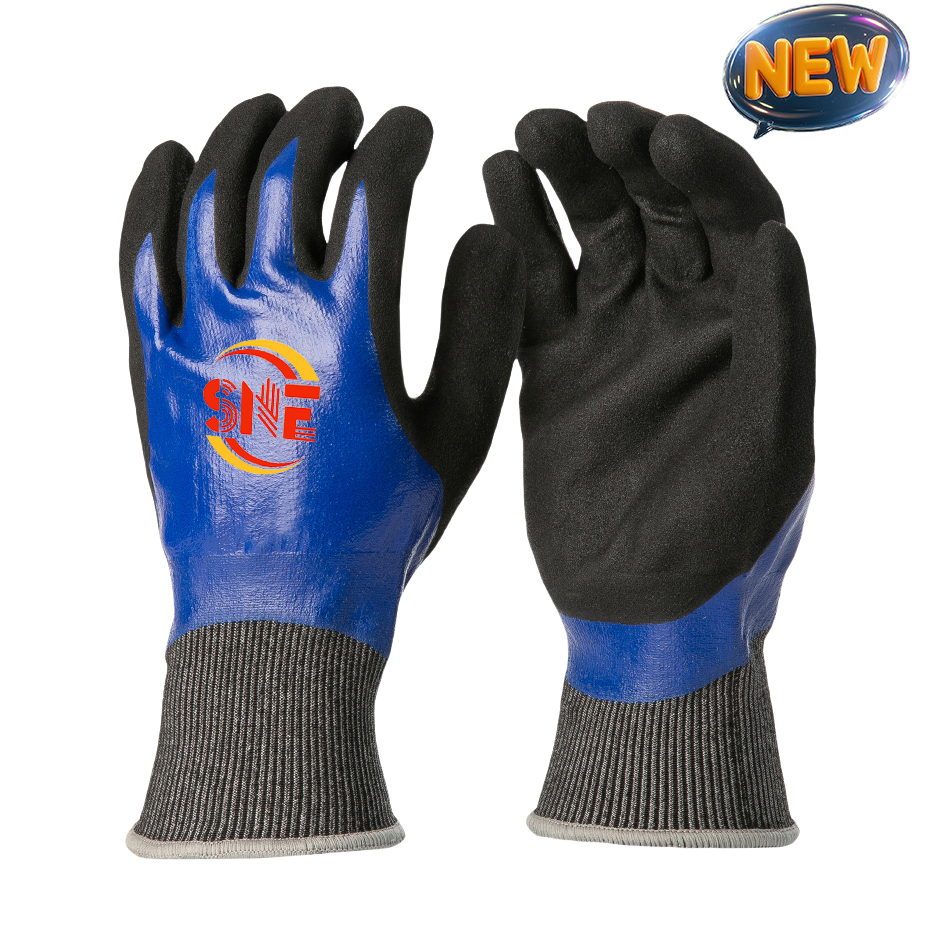
For U.S. buyers seeking a factory-backed alternative, Snell Safety positions itself as a practical partner for construction gloves roofing programs that require certified quality, scalable supply, and customization. The company operates two manufacturing facilities with six production lines and a daily capacity of 150,000 pairs, supporting bulk continuity for distributors, importers, and contractor-oriented brands. Its production strengths cover PU, latex, and nitrile-coated gloves as well as cut-resistant and impact-resistant engineering, which aligns closely with the mix of grip, dexterity, and edge protection demanded by roofing work in the United States. From a product standpoint, ISO 9001 and CE-backed manufacturing controls, vertically integrated production, and export experience across North America and other regulated markets give buyers concrete evidence that the gloves are built to repeatable standards rather than one-off trading specs. From a cooperation standpoint, the company supports OEM, ODM, wholesale supply, private label development, and regional distribution partnerships, making it relevant not only for end users and contractors but also for dealers, brand owners, and volume resellers seeking custom coatings, sizes, packaging, and branding. For service assurance, the company’s established export operations, multilingual support, sample programs, technical consultation, and dedicated logistics coordination provide a market-ready support structure that U.S. buyers can verify through direct communication via the contact page, while the broad catalog visible in the product range and the operational background shared on the company overview reinforce its long-term intent to serve professional hand protection buyers rather than acting as a short-term remote exporter.
How to Choose Between Domestic and International Sources
Choosing a domestic supplier versus an international factory partner depends on order size, urgency, brand strategy, and technical requirements. Domestic suppliers usually win on immediate stock, quick sample access, and simplified logistics. They are often ideal for contractors who just need gloves on site next week. International factory-direct sourcing becomes more attractive when the buyer wants better landed economics, private-label control, or a custom specification not easily available from a domestic stock line.
For example, a regional distributor importing through Houston, Los Angeles, or Newark may achieve stronger margins by specifying palm coating type, liner gauge, cuff finish, and packaging details directly with a manufacturer. That said, the buyer must plan lead times and build a replenishment schedule. The best international suppliers are those that can demonstrate repeatable quality systems, strong communication, sample validation, and realistic after-sales support rather than simply quoting the lowest price.
Comparison of Product Features Buyers Value Most
The following chart compares the features that U.S. roofing buyers usually prioritize when selecting gloves for ongoing contractor programs.
Industries and Adjacent Sectors That Use Roofing Gloves
Although the keyword focus is construction gloves roofing, the same glove categories are heavily used in adjacent U.S. sectors. Siding installers, gutter crews, solar contractors, exterior remodelers, waterproofing teams, warehouse yards handling roofing material, and maintenance departments all use similar products. This crossover broadens demand and gives distributors a chance to stock glove families that serve several revenue channels at once.
In solar, installers working on rooftop arrays need grip, dexterity, and occasional cut protection around mounts and rails. In gutter work, sharp metal handling makes cut-resistant options more relevant. In building maintenance, lightweight coated gloves may be enough for inspection and minor repairs. Because of this range, suppliers that offer multiple material technologies can respond better to U.S. buyers than suppliers locked into just one glove category.
2026 Trends Shaping Roofing Gloves
By 2026, the U.S. market for roofing gloves is likely to become more specification-driven. Three forces are pushing that shift. First, technology is improving glove performance through better engineered yarns, thinner cut-resistant liners, more breathable coatings, and improved touchscreen compatibility. Roofing buyers increasingly expect gloves that protect without slowing work. Second, policy and compliance pressure are rising. Contractors bidding on larger commercial projects are more likely to formalize PPE requirements, document glove selection, and align purchasing with broader worker safety programs. Third, sustainability is becoming a commercial factor. Buyers are beginning to ask about production efficiency, packaging reduction, longer-wear products, and more responsible manufacturing practices because these affect procurement reputation as well as cost.
Another trend is data-led purchasing. Larger U.S. contractors and distributors increasingly compare glove replacement rates, complaint frequency, and injury events by model. That favors suppliers able to support trials, labeling consistency, and repeatability across production lots. The market is also likely to see more hybrid sourcing: domestic inventory for urgent demand, plus factory-direct programs for private label and margin optimization.
FAQ
What are the best gloves for asphalt shingle roofing?
For most asphalt shingle jobs in the United States, nitrile-coated or latex-coated construction gloves offer the best combination of grip, flexibility, and wear life. The right choice depends on weather conditions and crew preference.
Do roofing crews need cut-resistant gloves?
Yes, especially when handling flashing, drip edge, gutters, metal panels, vents, and other sharp components. For pure shingle work, some crews use standard coated gloves, but mixed-material roofing often benefits from cut-resistant options.
Are premium gloves worth the extra cost?
They can be, particularly if they last longer, improve worker acceptance, or reduce hand injuries. Buyers should compare cost per week of use rather than price per pair alone.
Which coating is better for roofing, nitrile or latex?
Nitrile is often preferred for balanced durability and mixed-condition grip. Latex can deliver very strong dry grip and flexibility, which many roofers like for shingle handling. Field testing is the best way to choose.
Can distributors private label roofing gloves?
Yes. Many distributors and brand owners use OEM or ODM programs to customize logo, color, packaging, sizing, and glove construction. This is especially common when working with qualified factory-direct manufacturers.
What should U.S. importers ask an overseas glove supplier?
Ask about certifications, production capacity, coating technologies, sample lead times, testing standards, labeling options, carton configuration, port shipment planning, and how the supplier handles repeat-order consistency and claims support.
Which U.S. regions buy the most roofing gloves?
Strong demand typically comes from Texas, Florida, California, Georgia, the Carolinas, Illinois, Arizona, and storm-affected states across the Gulf and central U.S. Demand is also supported by logistics gateways like Houston, Los Angeles, Newark, Savannah, and Miami.
What is the most practical sourcing strategy for a growing roofing distributor?
A hybrid model is often best: keep fast-moving gloves available through domestic stock while building a factory-direct program for private-label, better margins, and custom specifications once demand becomes predictable.