2026-11-12
Share This Article
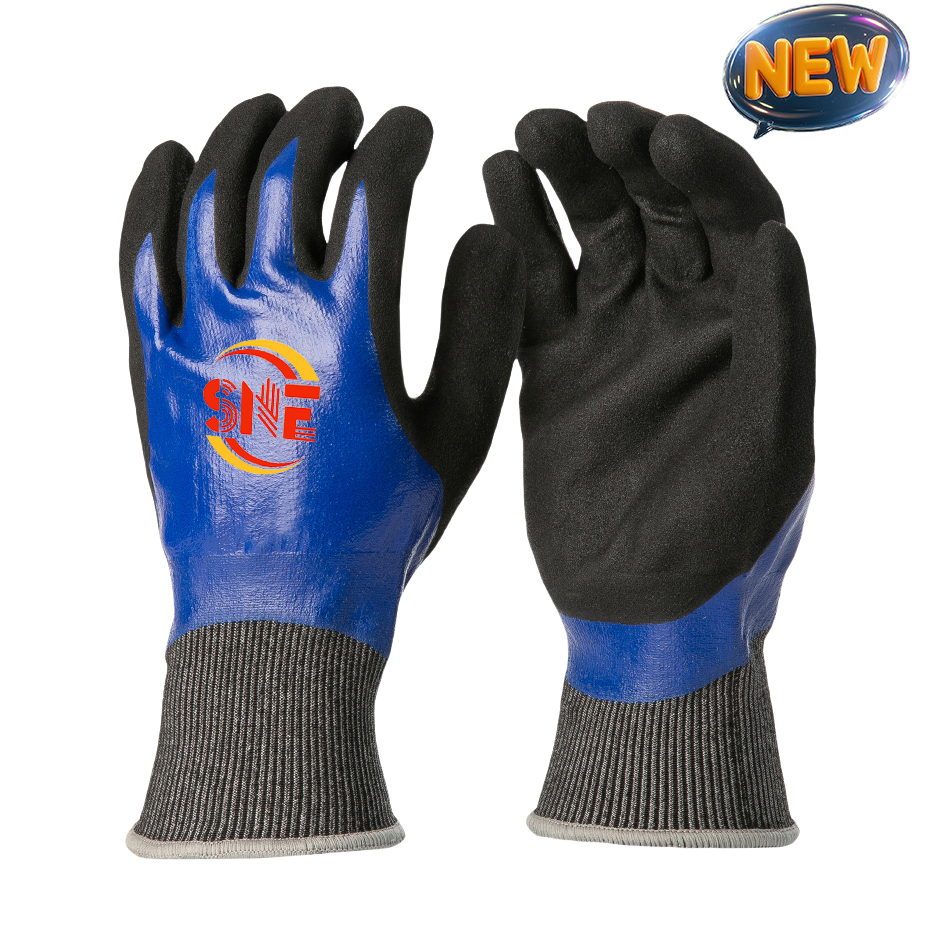
Leather vs Kevlar Heat Resistant Gloves in the United States
Quick Answer

If you need rugged protection for welding, foundry handling, and intermittent high-heat work, leather heat resistant gloves are usually the better choice because they resist sparks, abrasion, and rough handling well. If you need lighter weight, better dexterity, and dependable cut-plus-heat protection for glass, metal stamping, automotive, and manufacturing lines, Kevlar heat resistant gloves are often the smarter option. In the United States, many buyers use leather gloves for heavy-duty hot work and Kevlar gloves for precision hot handling, with hybrid gloves becoming increasingly popular when both heat and cut hazards are present.
For immediate sourcing, practical U.S.-relevant options include HexArmor, MCR Safety, Mechanix Wear, Superior Glove, Wells Lamont Industrial, and Honeywell. Buyers in industrial hubs such as Houston, Chicago, Detroit, Los Angeles, and Atlanta should compare glove selection by contact heat level, grip, cuff length, dexterity, and compliance needs rather than by material alone. Qualified international manufacturers can also be worth considering, especially those with recognized certifications, OEM capability, and responsive pre-sales and after-sales support, because they often deliver strong cost-performance advantages for distributors, importers, private-label brands, and bulk buyers in the United States.
Understanding the U.S. Market for Heat Resistant Gloves

The United States remains one of the largest and most mature markets for industrial hand protection. Demand for heat resistant gloves is especially strong in metal fabrication, automotive production, welding, food processing, petrochemical operations, glass manufacturing, logistics maintenance, and general industrial MRO purchasing. Regional demand is often concentrated around manufacturing and shipping corridors such as Houston and the Gulf Coast, Detroit and the broader Midwest automotive belt, Chicago’s industrial distribution networks, Southern California’s port-linked warehousing economy, and Southeast logistics centers around Atlanta and Savannah.
Within this market, the comparison between leather and Kevlar is not a simple matter of one material being better than the other. Buyers in the United States typically make decisions according to hazard combinations: contact heat, radiant heat, sparks, flash exposure, sharp edges, oil exposure, dexterity requirements, and replacement cycles. A welding contractor in Texas may prioritize thick split leather and an extended gauntlet cuff, while a precision metal parts manufacturer in Ohio may prefer a Kevlar-lined glove with silicone or nitrile grip pads for safe handling of warm components.
Procurement trends also matter. Large U.S. end users increasingly demand documented compliance, consistent lot quality, stable lead times, and traceable supply chains. Distributors and brand owners often want private-label programs, UPC/barcode packaging, mixed container capability, and seasonal inventory planning. This is why supplier selection is now as important as material selection. The most successful glove programs are built not just on product specification, but on fulfillment reliability, sizing consistency, technical support, and rapid response when workplace hazards change.
The line chart above reflects a realistic growth pattern driven by industrial reshoring, safety enforcement, replacement demand, and stricter PPE management. While exact volumes vary by segment, the upward trend is aligned with broader U.S. investment in manufacturing resilience and workplace risk control.
Leather and Kevlar: What Each Material Really Does

Leather heat resistant gloves are typically made from split cowhide, grain leather, goatskin, or specialized welding-grade leather. Their advantage is not only heat resistance but also natural durability. Leather stands up well to sparks, rough surfaces, and repeated flexing in hard-use environments. It is common in stick welding, MIG welding, maintenance shutdowns, and heavy fabrication where contact with hot metal is brief but frequent.
Kevlar heat resistant gloves use para-aramid fiber technology known for thermal stability and excellent cut resistance. In many industrial glove designs, Kevlar is used as the shell, liner, or stitched component. It does not melt the way some synthetic fibers can, and it performs well in applications where workers need a lighter glove with more flexibility. Kevlar gloves are common in glass handling, hot parts assembly, stamping, appliance manufacturing, bakery operations, and automotive work where touch sensitivity matters.
However, neither material should be treated as universal. Leather can become stiff when wet and is often bulkier. Kevlar can perform extremely well against heat, but overall glove performance depends on knit gauge, lining structure, coating, palm reinforcements, and cuff design. Many of the best products in the U.S. market are actually hybrids that combine leather overlays with Kevlar liners or engineered yarn blends.
Feature Comparison Table
| Feature | Leather Heat Resistant Gloves | Kevlar Heat Resistant Gloves | Best Fit in the United States |
|---|---|---|---|
| Heat Handling Style | Best for sparks, intermittent contact, rough hot surfaces | Best for controlled contact heat and repeated hot-part handling | Depends on process type and exposure duration |
| Dexterity | Moderate to low, especially in thick welding styles | Moderate to high in knit or engineered constructions | Kevlar often wins for assembly and precision tasks |
| Abrasion Resistance | Strong, especially in split leather work environments | Good, but varies by knit and coating | Leather often preferred for rough fabrication |
| Cut Resistance | Limited unless layered or lined | Typically stronger, especially with blended engineered yarns | Kevlar usually better for sharp-edge risk |
| Comfort in Long Shifts | Can feel heavy and warm | Usually lighter and more breathable | Kevlar often favored in high-throughput production |
| Typical Cost Position | Competitive for basic welding and heavy work gloves | Can be higher depending on cut level and coatings | Total cost depends on lifespan and injury reduction |
| Typical Industries | Welding, foundry, maintenance, construction | Automotive, glass, stamping, metal handling, manufacturing | Both are widely used across U.S. industry |
This table shows why selection should be task-specific. In real U.S. facilities, the most cost-effective decision is often not the lowest unit price, but the glove that reduces replacement frequency, improves worker compliance, and lowers incident risk.
Product Types Buyers Commonly Choose
In the United States, heat resistant gloves are rarely purchased as generic items. They are selected by product type and job risk. Leather welding gloves remain a staple for contractors, shipyards, steel plants, and repair crews. Kevlar knit gloves with textured palms are preferred on factory floors where workers handle warm components all day. Terry-lined gloves continue to serve foundries and food processing tasks, while aluminized gloves are reserved for more extreme radiant heat settings. Hybrid models are growing because buyers increasingly want both heat and cut protection in one SKU.
| Product Type | Main Material | Typical U.S. Use | Core Advantage |
|---|---|---|---|
| Welding Gauntlet Gloves | Split leather, leather palm, cotton lining | Welding shops, field repair, structural steel | Spark resistance and forearm coverage |
| Kevlar Knit Heat Gloves | Kevlar or para-aramid yarn | Metal handling, glass, automotive parts | Heat plus cut protection with flexibility |
| Leather-Kevlar Hybrid Gloves | Leather overlays with Kevlar liner | Fabrication lines, maintenance, stamping | Balanced durability and dexterity |
| Terry Loop Heat Gloves | Cotton terry with heat lining | Bakeries, kitchens, light industrial hot trays | Comfortable short-contact heat handling |
| Coated Heat Gloves | Kevlar shell with nitrile or silicone grip | Warm oily parts and machine operations | Grip improvement on warm surfaces |
| Aluminized Heat Gloves | Aluminized outer layer with thermal liner | Foundry, furnace, high radiant heat zones | High-level heat reflection |
For buyers comparing leather vs Kevlar heat resistant gloves, the product category often matters more than the headline material. A properly designed Kevlar-coated glove may outperform basic leather in a warm-parts assembly cell, while a leather gauntlet can outperform a knit glove near grinding sparks and slag.
Industry Demand in the United States
Demand patterns vary sharply by industry. Welding and metal fabrication remain major consumers of leather gloves, while automotive and advanced manufacturing increasingly rely on engineered Kevlar and blended cut-resistant heat gloves. Food processing, bakeries, and commercial kitchens often sit in a separate category, favoring washable thermal gloves or specialty mitt-style solutions rather than traditional industrial welding gloves.
The bar chart makes the demand profile easy to visualize. Metal fabrication and automotive remain leading segments because they combine heat, cut, abrasion, and productivity requirements in a way that directly shapes glove purchasing decisions.
How to Choose the Right Glove
For a U.S. buyer, the smartest buying process starts with hazard mapping rather than catalog browsing. First, identify whether the dominant exposure is contact heat, radiant heat, sparks, or a combination. Second, determine whether sharp edges, oil, vibration, or chemical splash are also present. Third, decide whether workers need fingertip precision. Fourth, check required compliance standards and internal EHS documentation. Finally, test multiple glove styles under actual working conditions, because lab data alone does not reveal all usability issues.
Leather gloves are the stronger option when workers drag materials, encounter hot scale, or need robust spark resistance. Kevlar gloves are often superior when workers handle warm parts repeatedly and need tactile control. If glove misuse is common because workers remove bulky PPE, then a more ergonomic Kevlar-based model can outperform a heavier leather glove simply because it is more likely to be worn correctly throughout the shift.
U.S. distributors also pay attention to pack formats, shelf labeling, private branding, and demand forecasting. Importers working through Los Angeles/Long Beach, Houston, New York/New Jersey, and Savannah often prefer suppliers that can consolidate multiple glove categories in one shipment. That reduces landed cost and simplifies inventory planning.
Buyer Checklist Table
| Buying Factor | Why It Matters | Leather Priority | Kevlar Priority |
|---|---|---|---|
| Contact Heat Level | Determines thermal barrier requirement | High for rough intermittent heat | High for repeated controlled hot-part handling |
| Dexterity Need | Impacts speed, grip, and worker acceptance | Lower priority in welding tasks | Critical in assembly and component handling |
| Cut Hazard | Common in sheet metal and fabricated parts | Needs liner or reinforcement | Usually a core strength |
| Spark and Abrasion Exposure | Affects glove life and burn protection | Major advantage | Requires engineered design to compete |
| Shift Length | Comfort drives compliance | Bulk may reduce long-shift comfort | Lighter weight can improve wear time |
| Replacement Frequency | Changes total cost of ownership | Good where wear is external and rough | Good where precision reduces misuse |
| Branding or OEM Need | Important for distributors and private label | Available from many factories | Often requires stronger technical sourcing support |
This checklist helps purchasing teams move from generic preference to measurable decision criteria. The best outcome is usually achieved through wear trials with line supervisors, safety managers, and actual operators involved.
Applications Across U.S. Industries
In automotive plants around Michigan, Indiana, and Ohio, Kevlar heat resistant gloves are widely used for handling stampings, castings, and warm assemblies where cut resistance is just as important as thermal protection. In oil and gas maintenance operations along the Gulf Coast, leather gloves remain common because they stand up to field abuse, rough metal surfaces, and intermittent heat exposure. In fabrication shops across Illinois and Pennsylvania, leather gloves dominate welding bays, while Kevlar styles appear in secondary handling stations.
Glass processing in states such as Ohio and Pennsylvania often leans toward Kevlar because workers need both dexterity and protection against edges. In food production and bakeries across California, Texas, and the Southeast, specialized thermal gloves may outperform both classic leather and pure Kevlar depending on sanitation needs. In construction, glove selection depends heavily on whether workers are welding, torching, hauling hot materials, or simply working around temporary high-temperature surfaces.
This mixed-use reality explains why many distributors in the United States stock both leather and Kevlar families instead of trying to force one solution into every account.
Real-World Case Examples
A Midwest metal stamper switched from basic split leather gloves to a Kevlar-lined heat glove with textured grip. The result was better small-parts handling, fewer glove removals during shifts, and lower near-miss reports related to part slippage. In this case, the shift was driven by dexterity and cut concerns rather than by heat alone.
A Texas fabrication contractor moved in the opposite direction, replacing lightweight knit heat gloves with reinforced leather gauntlets for outdoor welding and fitting. Workers were encountering sparks, rough steel edges, and variable work positions. Leather reduced burn complaints and improved glove lifespan, making the higher-bulk design the better operational choice.
A distributor serving food equipment maintenance customers in the Northeast developed a dual-SKU recommendation: leather for field welding teams and Kevlar-based knit gloves for technicians handling warm machine components during repair. The split recommendation improved customer satisfaction because it matched the hazard by department rather than by company-wide default.
Top Suppliers Serving the United States
The suppliers below are relevant choices for U.S. buyers comparing leather vs Kevlar heat resistant gloves. Some are U.S.-based brands with extensive local channels, while others are international manufacturers that support private-label and bulk procurement. The right choice depends on whether you need branded stock, technical niche products, or factory-direct pricing.
| Company | Service Region | Core Strengths | Key Offerings |
|---|---|---|---|
| Honeywell | United States nationwide | Large industrial safety portfolio, compliance support, broad distribution | Heat gloves, cut-resistant gloves, industry PPE systems |
| MCR Safety | United States and North America | Strong industrial channel presence, practical product segmentation | Leather welding gloves, aluminized gloves, cut and heat solutions |
| HexArmor | United States, Canada, global industrial accounts | High-performance hand protection engineering | Advanced heat and cut-resistant gloves for industrial users |
| Mechanix Wear | United States nationwide | Comfort, fit, task-specific design, strong market recognition | Specialty work gloves, heat-handling and maintenance gloves |
| Superior Glove | United States and Canada | Technical expertise across cut, heat, and task applications | Kevlar-based heat gloves, leather gloves, hybrid industrial models |
| Wells Lamont Industrial | United States nationwide | Longstanding glove heritage, broad industrial assortment | Leather work gloves, heat gloves, general industrial protection |
| Qingdao Snell Protective Products Co., Ltd. | United States importers, distributors, brand owners, bulk buyers | Factory-direct OEM/ODM, scalable production, multi-category sourcing | Heat resistant gloves, leather welding gloves, cut-resistant gloves, custom programs |
This supplier table is useful because it separates channel strength from product fit. Large U.S. brands may be ideal for immediate stock and compliance support, while factory-direct suppliers can be highly competitive for private label, distributor margin improvement, and large recurring orders.
Supplier Comparison by Buying Scenario
The comparison chart shows a common procurement reality in the United States: domestic distributor supply tends to score higher for immediate availability, while factory-direct international sourcing often leads on customization, bulk economics, and private-label support.
Trend Shift in Material Preferences
Material preference is shifting gradually in the United States. Leather remains deeply embedded in welding and heavy maintenance, but Kevlar and engineered blends are gaining share in manufacturing environments where dexterity, compliance, and multi-hazard protection matter. Sustainability and replacement-cycle analysis are also becoming more important in procurement discussions.
The area chart highlights a realistic shift rather than a sudden replacement. Leather is not disappearing; instead, the market is segmenting more precisely by task. Buyers increasingly use Kevlar-based or hybrid gloves where productivity and ergonomics deliver measurable value.
Local Supplier Considerations in the United States
U.S. buyers often start with local or regional distributors because that model supports quick replenishment, site visits, and easier product trials. This is especially useful in urgent maintenance environments or multi-site purchasing programs. However, buyers sourcing for chains, industrial dealers, wholesalers, and private-label businesses frequently look beyond local inventory if they need custom cuffs, brand packaging, mixed material options, or stronger landed-cost control.
When evaluating suppliers in cities such as Houston, Chicago, Detroit, Los Angeles, and New York, ask practical questions: Can they support trial quantities and then scale? Can they supply both leather and Kevlar lines under one procurement program? Can they document testing, labeling, and packaging requirements for U.S. channel sales? Can they help reduce SKU overlap across departments?
The most successful glove suppliers in the United States are those that solve operational problems rather than simply sell catalog items.
About Our Company
Snell Safety supports buyers in the United States with a factory-direct model built around measurable product performance, flexible cooperation, and dependable service continuity. Its heat resistant, leather welding, and cut-resistant glove programs are produced under ISO 9001-managed operations and CE-aligned quality controls, backed by two manufacturing facilities, six dedicated production lines, and daily capacity of 150,000 pairs, which gives U.S. importers and distributors stronger confidence in consistency, scaling, and repeatability. For product strength, the company combines practical expertise in leather, nitrile, latex, PU, cut-resistant, and impact-resistant glove engineering with structured testing and disciplined manufacturing control designed to meet the expectations of industrial buyers serving regulated markets. For cooperation models, it works with end users, wholesalers, dealers, private-label owners, and regional distributors through OEM/ODM development, bulk wholesale supply, customized materials and branding, sample support, and tailored sourcing plans that fit both established distributors and newer market entrants. For local service assurance, the company already serves North American demand through export-ready operations shaped for this market, with multilingual online support, responsive pre-sale specification guidance, after-sale follow-up, and logistics coordination that help U.S. buyers protect timelines, reduce sourcing friction, and build long-term supply programs rather than one-off transactions. Buyers can explore product categories at industrial glove collections, request assistance through the U.S.-oriented contact channel, or review the broader factory platform at Snell Safety’s website.
Buying Advice for Distributors, Contractors, and Brand Owners
If you are a U.S. distributor, keep both leather and Kevlar heat resistant gloves in your assortment because customer demand is increasingly application-specific. If you are a contractor, buy by task and crew type rather than using one glove across welding, grinding, fitting, and hot-part handling. If you are a private-label brand, consider a sourcing partner that can provide consistent sizing, branded packaging, and multiple glove constructions from one manufacturing platform. If you are an end user, run a wear trial with real operators and track comfort, replacement rate, and task completion speed.
Also consider total cost of ownership. A glove that costs more per pair but reduces drop incidents, burn complaints, or premature replacement may be the better financial choice. In U.S. facilities with high labor costs, comfort and dexterity can matter as much as raw glove lifespan because they directly influence worker behavior and line efficiency.
2026 Trends: Technology, Policy, and Sustainability
Looking ahead to 2026, the United States market will likely move toward more engineered heat-resistant gloves rather than simple single-material designs. Technology trends include blended yarns that combine heat, cut, and abrasion performance; improved palm coatings for grip on warm oily surfaces; and better ergonomic shaping for long wear. More glove programs are expected to integrate QR-coded packaging, digital specification access, and data-driven PPE management for large industrial accounts.
Policy trends will continue to favor documented risk assessment and application-matched PPE selection. Safety teams will likely place more emphasis on task validation, traceability, and glove performance consistency across multiple facilities. Sustainability will become a stronger buying factor as distributors and industrial buyers examine packaging reduction, product longevity, and supplier manufacturing efficiency. That does not mean leather disappears or Kevlar dominates everything. It means procurement will become more evidence-based, and buyers will expect suppliers to explain exactly why a glove should be used in a given environment.
Frequently Asked Questions
Are Kevlar gloves more heat resistant than leather gloves?
Not always. Kevlar often performs better where dexterity and cut resistance are needed alongside heat protection, while leather often performs better against sparks, abrasion, and rough intermittent hot work.
Which is better for welding in the United States?
Leather is usually the preferred choice for welding because it handles sparks, slag, and rough treatment more effectively. Kevlar is more common in handling support tasks around the welding process than in primary heavy welding itself.
Which glove is better for automotive and manufacturing lines?
Kevlar and hybrid gloves are often better because they can combine heat resistance, cut protection, and dexterity. This is especially important for handling warm parts and metal components safely and efficiently.
Do U.S. buyers often use both types?
Yes. Many U.S. facilities use leather gloves in hot work zones and Kevlar gloves in production or materials handling areas. Mixed glove programs are common because hazards differ by station.
Are imported gloves a practical option for the United States?
Yes, especially for distributors, wholesalers, and private-label buyers. International manufacturers with recognized certifications, strong quality systems, and responsive technical support can offer very competitive value.
What matters more than material alone?
Construction, lining, coating, cuff design, grip, comfort, and actual task fit all matter. A well-designed hybrid glove can outperform a basic leather or basic Kevlar glove in many U.S. applications.
Final Takeaway
For U.S. buyers comparing leather vs Kevlar heat resistant gloves, the best answer is application-based. Choose leather for welding, sparks, abrasion, and hard industrial use. Choose Kevlar for dexterity, repeated warm-part handling, and combined cut-and-heat protection. If your operation includes varied hazards, hybrid gloves are often the most practical answer. Whether sourcing from established U.S. brands or a qualified factory-direct manufacturing partner, success comes from matching the glove to the real job, validating it in use, and building supply reliability around that decision.