2026-11-13
Share This Article
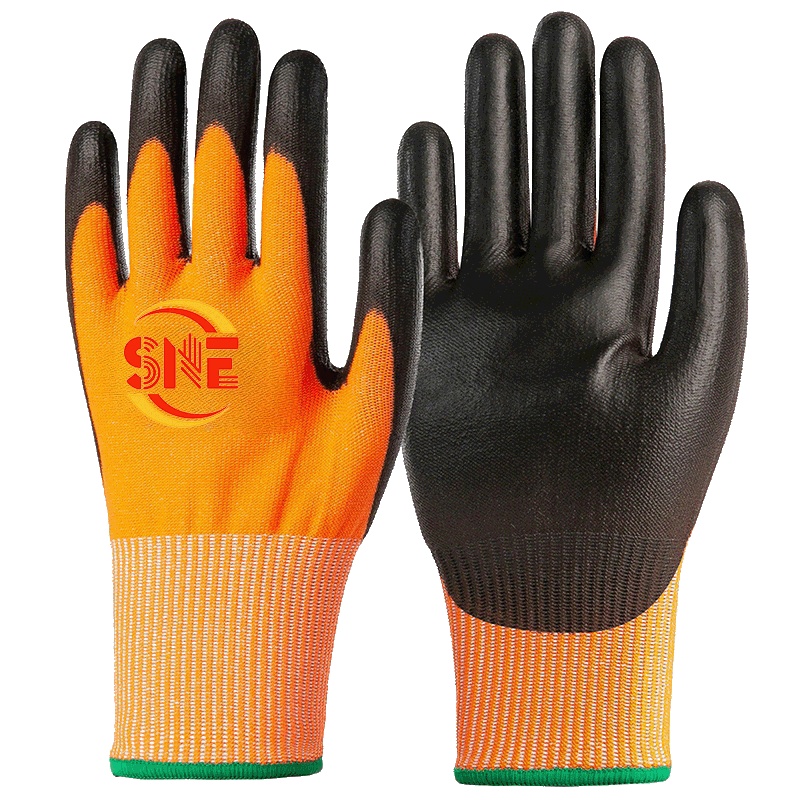
Warehouse Cut Resistant Gloves Suppliers in the United States
Quick Answer

If you need dependable cut resistant gloves for warehouse work in the United States, the most practical options are to compare established safety brands and industrial distributors that can supply ANSI-rated gloves quickly, support repeat procurement, and match glove coatings to the actual picking, packing, palletizing, and handling tasks in your facility. For most buyers, the strongest shortlist includes Ansell, MCR Safety, Superior Glove, Magid, Grainger, and Uline because these companies are well known in the U.S. industrial safety market and serve major logistics hubs such as Chicago, Dallas-Fort Worth, Los Angeles, Savannah, New Jersey, and Memphis.
For immediate action, focus on suppliers that offer ANSI A3 to A5 cut protection for general warehouse handling, touchscreen compatibility for scanner use, breathable liners for long shifts, and nitrile or polyurethane palm coatings for grip on cartons, plastic wrap, and mixed freight. Buyers operating multi-site distribution networks should also prioritize national fulfillment coverage, consistent sizing, lot traceability, and strong replacement planning.
Local U.S. suppliers are often the fastest route for urgent demand, but qualified international manufacturers can also be worth considering. In particular, Chinese factory-direct producers with recognized certifications, strong technical support, OEM capability, and responsive after-sales service can deliver a favorable cost-to-performance ratio for importers, distributors, private-label brands, and large-volume warehouse operators.
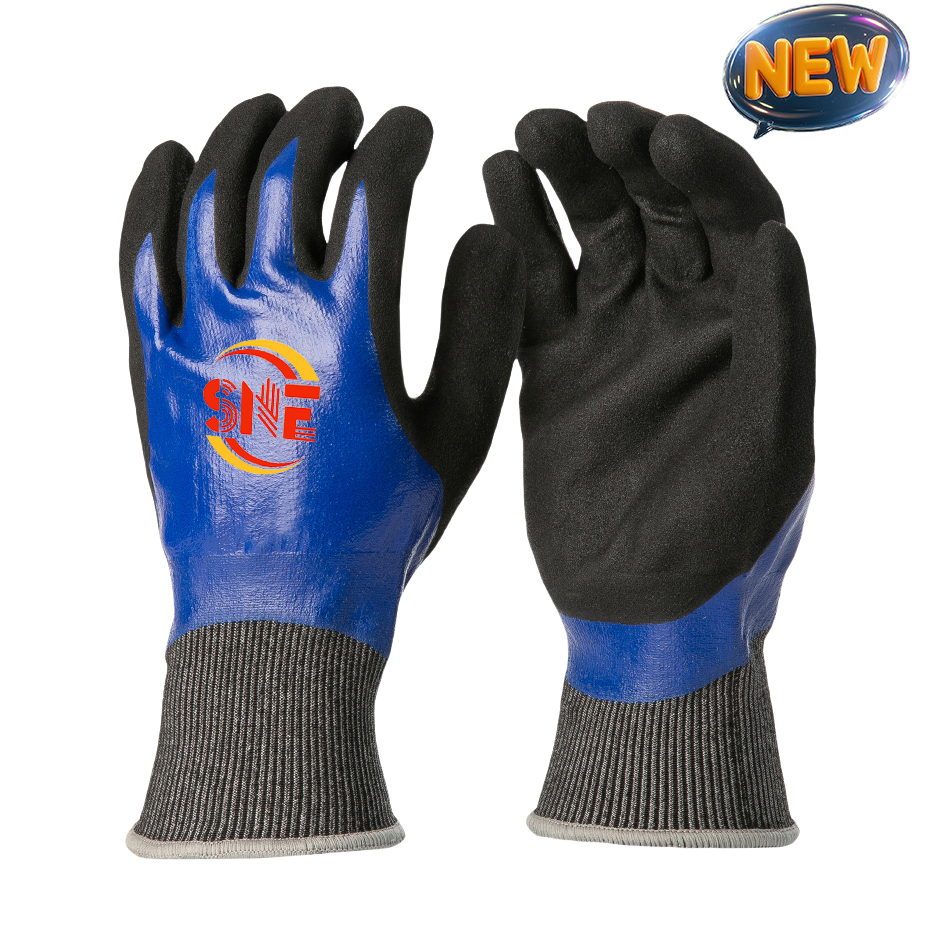
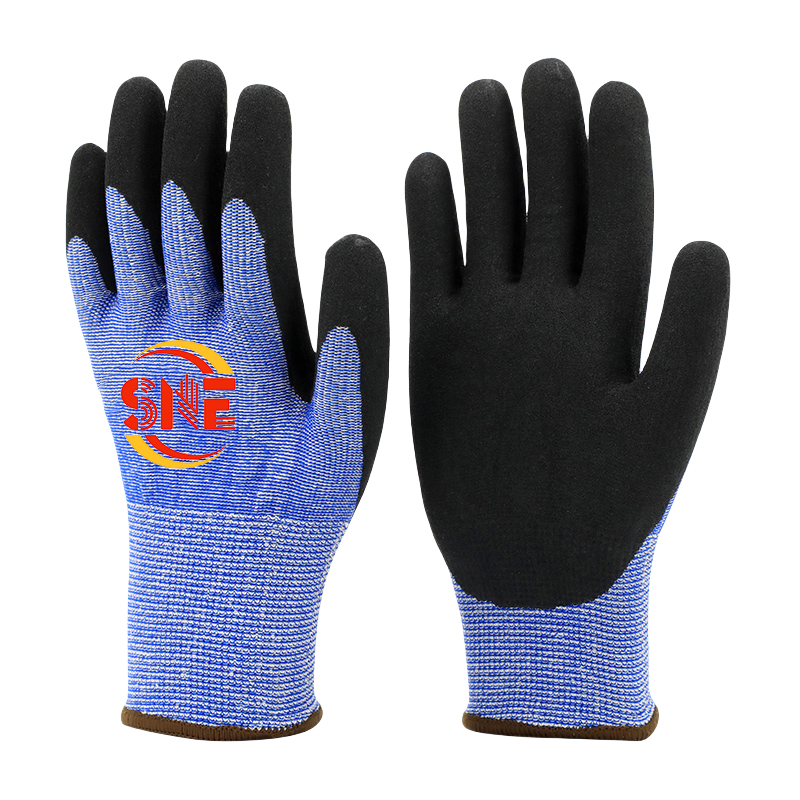
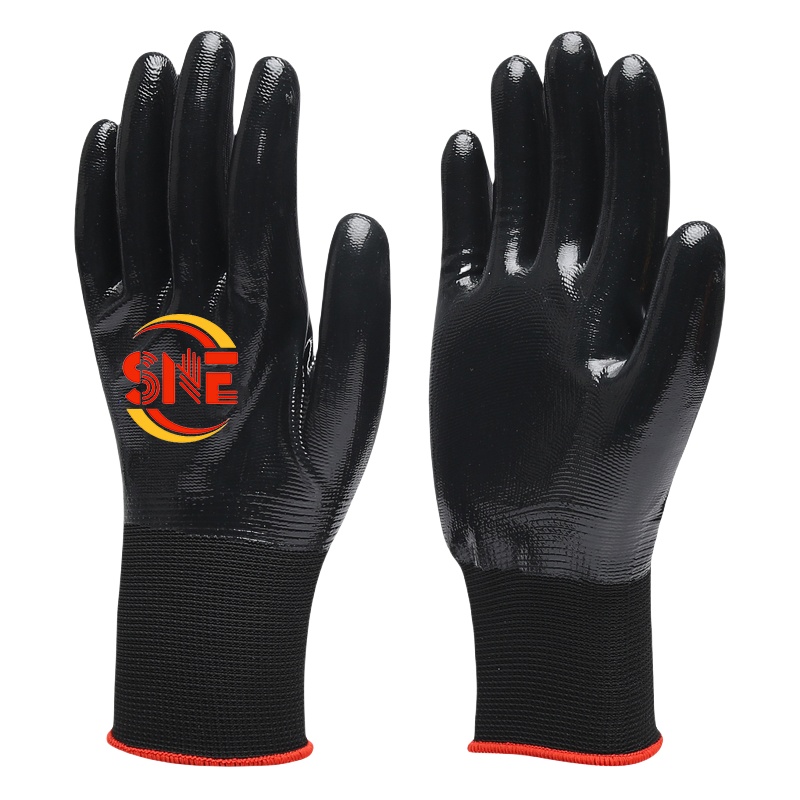
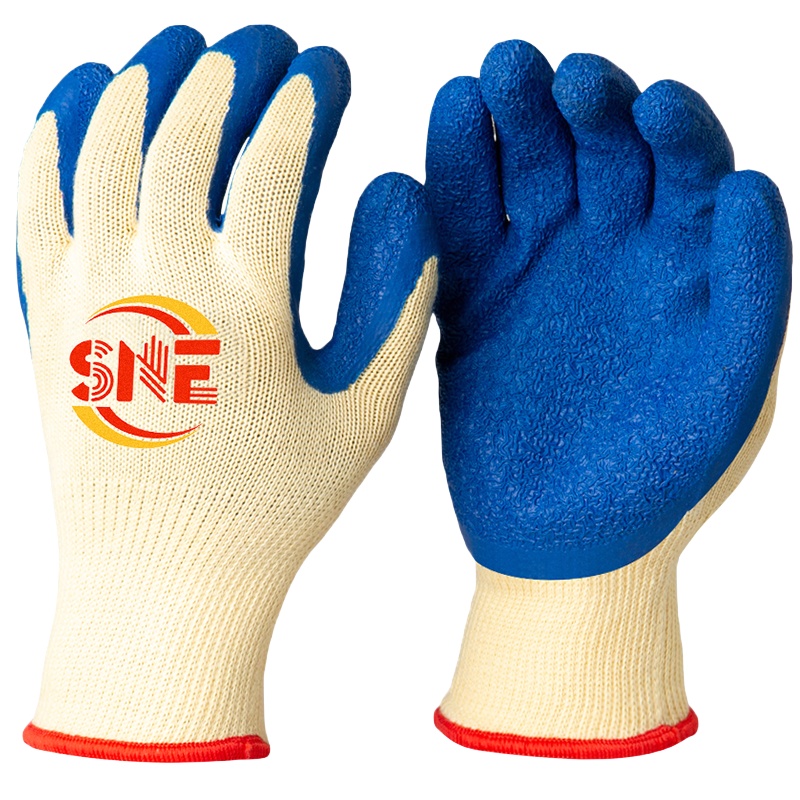
Recommended companies to review first include Ansell, MCR Safety, Superior Glove, Magid, Grainger, and Uline, while buyers exploring factory-direct or private-label programs should also evaluate Snell Safety for bulk sourcing and custom manufacturing discussions.
United States Market Overview

The U.S. warehouse and logistics sector continues to expand as e-commerce, retail replenishment, food distribution, and industrial supply chains demand faster order fulfillment. Distribution corridors near the Ports of Los Angeles and Long Beach, the Port of Savannah, the Port of New York and New Jersey, Houston, Chicago intermodal centers, and Inland Empire warehouse clusters all rely on large labor forces performing repetitive manual handling. In these environments, hand injuries remain a major operational concern, especially cuts from damaged cartons, banding, shrink-wrap blades, metal edges, splintered pallets, and broken packaging components.
Because of this risk profile, cut resistant gloves have moved from being a specialized product to a standard PPE line item across many U.S. warehouses. Employers increasingly seek gloves that reduce injuries without slowing scan rates, pick speed, or worker comfort. The best-selling categories typically combine moderate-to-high cut protection with lightweight shells and grip coatings that maintain dexterity during long shifts.
Another reason for sustained demand is regulatory and insurance pressure. U.S. employers generally align glove selection with OSHA expectations for hazard-based PPE choice, while many buyers also specify ANSI/ISEA 105 cut levels to simplify internal safety standards and procurement. This means warehouse glove sourcing is no longer just about price per pair. It is also about auditability, injury reduction, worker acceptance, and continuity of supply.
By 2026, the market is expected to keep shifting toward more task-specific gloves: breathable 13-gauge and 18-gauge liners for e-commerce fulfillment, reinforced thumb crotches for carton handling, touchscreen fingertips for handheld devices, and sustainable yarn blends that support corporate ESG goals. Buyers are also asking for more transparent sourcing, documented performance testing, and dual-shore supply strategies to reduce disruption risk.
Market Growth Trend

The chart below illustrates a realistic view of U.S. demand growth for cut resistant warehouse gloves, supported by distribution center expansion, labor safety programs, and wider adoption of ANSI-rated PPE across logistics operations.
How to Choose the Right Product Type
Not every warehouse needs the same glove. A small parcel operation in Columbus or Louisville may prioritize lightweight, tactile gloves for fast picking, while a heavy industrial distribution center in Houston or Cleveland may need stronger cut levels for mixed materials handling. The correct choice depends on hazard intensity, grip conditions, worker acceptance, temperature, and device usage.
In practice, many U.S. facilities standardize across two or three glove families instead of trying to use one model for every job. For example, one glove may be assigned to carton picking and RF scanning, another to receiving and pallet breakdown, and another to maintenance or metal-contact tasks. This layered approach usually improves both safety and operator compliance.
| Glove Type | Typical ANSI Cut Range | Best Warehouse Tasks | Common Coating | Main Advantage | Main Limitation |
|---|---|---|---|---|---|
| Lightweight HPPE liner glove | A2-A3 | Order picking, packing, scanning | PU | High dexterity and comfort | Less protection for sharp edges |
| Mid-cut grip glove | A3-A5 | Case handling, replenishment, shipping | Nitrile foam | Balanced protection and grip | Can feel warmer on long shifts |
| Heavy-duty cut glove | A5-A7 | Receiving, pallet teardown, metal contact | Sandy nitrile | Stronger cut defense | Lower tactile feel |
| Cold-storage cut glove | A3-A5 | Chilled or freezer logistics | Latex or nitrile | Insulation plus hand protection | Bulkier fit |
| Touchscreen cut glove | A3-A4 | RF gun and tablet workflows | PU or nitrile | Device compatibility | Model performance varies by device |
| Sleeve and glove combination | A4-A6 | High-contact packing and sorting | Mixed | Protects hand and forearm | Requires more worker training |
This table shows why product matching matters. A glove that works well for scanner-based picking may fail in pallet teardown zones, while a heavy A6 glove may be overbuilt for pack-out stations and hurt productivity. The most cost-effective U.S. programs usually start with task mapping, injury review, and a limited wear trial across representative shifts.
Key Industries and Demand by Segment
Warehouse cut resistant gloves are used across multiple sectors, but demand intensity differs by product flow and hazard exposure. E-commerce and retail distribution use high volumes because of large labor pools and fast turnover, while automotive and industrial supply warehouses often need higher cut levels due to heavier parts and more abrasive surfaces.
The bar chart highlights where adoption is strongest. E-commerce, 3PL logistics, and large retail distribution centers are leading categories because their injury-prevention programs often cover thousands of workers and multiple shifts. Automotive parts and industrial supply operations, meanwhile, typically require higher specification gloves because workers interact with sharper packaging, metal edges, and irregular components.
Top Suppliers Serving the United States
The following suppliers are widely recognized or commercially relevant for U.S. warehouse glove buyers. Some operate as manufacturers, some as distributors, and some as integrated safety solution providers. The right fit depends on whether your priority is rapid domestic fulfillment, technical selection support, private labeling, or landed-cost control for large-volume contracts.
| Company | Primary Service Region | Core Strengths | Key Offerings | Best Fit | Notes |
|---|---|---|---|---|---|
| Ansell | United States nationwide | Global PPE brand, strong technical portfolio, broad compliance support | HyFlex cut resistant gloves, task-specific industrial hand protection | Large enterprises and multi-site operators | Strong brand trust and broad industrial adoption |
| MCR Safety | United States nationwide | Industrial safety specialization, broad cut-level range | CutPro series, coated cut gloves, warehouse hand protection | Regional distributors and industrial buyers | Well known in U.S. safety channels |
| Superior Glove | United States and Canada | Wide glove engineering expertise, detailed task segmentation | TenActiv cut resistant gloves, sleeves, specialty warehouse models | Buyers needing application-specific options | Strong reputation in cut protection |
| Magid | United States nationwide | Private-label capability, industrial safety sourcing, custom programs | Cut-resistant work gloves, inventory support, safety consulting | Large facilities and contract buyers | Good fit for managed procurement |
| Grainger | United States nationwide | Extensive branch network and fulfillment reach | Multiple glove brands, rapid replenishment, procurement convenience | Buyers needing speed and simplified ordering | Ideal for recurring MRO and PPE buying |
| Uline | United States nationwide | Warehouse-centric catalog, fast shipping, broad logistics customer base | Cut resistant gloves for packing, shipping, receiving | Operations teams needing fast standard supply | Strong visibility in warehouse purchasing |
| Snell Safety | U.S. importers, distributors, private-label buyers | Factory-direct model, OEM/ODM flexibility, high-volume production | PU, latex, nitrile coated cut resistant gloves, custom branding | Bulk sourcing and private-label programs | Best for buyers balancing performance and cost |
This supplier table is practical for different U.S. buying scenarios. Companies like Grainger and Uline are especially useful when you need rapid replenishment into active warehouses. Brands such as Ansell, MCR Safety, and Superior Glove are often preferred when task-specific performance and broad ANSI cut-level selection matter most. For distributors, wholesalers, and brand owners looking for margin control, factory-direct manufacturing partners can be more attractive than catalog-only channels.
Detailed Supplier Comparison
Because warehouse glove procurement often involves trade-offs between speed, technical breadth, landed cost, and customization, a comparison view helps narrow the shortlist.
This comparison is not a certification ranking. It is a realistic procurement-oriented view based on typical factors U.S. warehouse buyers care about: product depth, fulfillment accessibility, customization, price flexibility, and suitability for bulk repeat orders. For urgent domestic replenishment, the large U.S. distributors and established brands remain strong choices. For planned annual contracts, regional dealer programs, and private-label development, factory-direct supply becomes much more competitive.
Buying Advice for U.S. Warehouse Operators
The most common mistake in glove purchasing is choosing a cut level without examining the actual workflow. In a warehouse, the injury source may come from stretch-wrap blades, exposed staples, metal rack edges, plastic strapping, chipped pallet wood, or product-specific hazards. This means the right answer is not always “buy the highest cut level.” Overbuilt gloves can reduce comfort, scanner performance, and worker acceptance.
A better process is to define glove use by station and shift. Review injury logs, observe material flow, test glove grip on your actual cartons and films, and confirm whether workers need touchscreen function. In humid climates such as Florida or Texas, breathability can matter more than in cooler facilities. In cold chain operations around Chicago, Minneapolis, or the Northeast, insulation and grip in lower temperatures become more important.
Buyers should also ask whether the supplier can maintain continuity across size runs, color-coding, and packaging requirements. In many U.S. distribution centers, inconsistent sizing or frequent model substitutions create compliance issues faster than price increases do. If you manage several sites, standardization may create better long-term savings than buying spot-market deals.
| Buying Factor | What to Check | Why It Matters | Best Practice | Warning Sign | Ideal Outcome |
|---|---|---|---|---|---|
| Cut rating | ANSI/ISEA 105 documentation | Confirms actual protection level | Match rating to station hazards | Unclear testing claims | Verified task-appropriate protection |
| Grip performance | PU, nitrile, or latex coating type | Directly affects handling safety and speed | Test on cartons, film, and plastic bins | Grip fails on smooth surfaces | Stable handling across conditions |
| Dexterity | Gauge and liner flexibility | Impacts picker productivity | Run real shift trials | Workers remove gloves often | High compliance and comfort |
| Touchscreen use | Scanner and device compatibility | Important for RF and mobile workflows | Validate on site devices | Needs glove removal to scan | Smooth digital workflow |
| Supply continuity | Lead time, stock depth, alternate SKUs | Reduces disruption risk | Ask for forecast support | Frequent substitutions | Reliable replenishment plan |
| Total landed cost | Unit cost plus freight and failure rate | True procurement value | Measure wear life by task | Cheap gloves replaced too often | Lower cost per safe use hour |
This table is useful because it reframes procurement from “price per pair” to “cost per safe shift.” A glove that lasts longer, improves compliance, and lowers injury exposure may outperform a cheaper option even if its invoice price is higher.
Common Applications in Warehousing and Logistics
Warehouse cut resistant gloves are used in receiving, put-away, order picking, repacking, kitting, outbound packing, returns processing, freight sorting, and dock operations. In many U.S. warehouses, returns and pallet breakdown zones generate higher hand-risk exposure than standard picking aisles because workers confront damaged packaging, loose staples, split corrugate, and inconsistent freight conditions.
Facilities that handle appliances, auto parts, metal fixtures, glass-adjacent packaging, or industrial consumables typically require stronger cut levels and reinforced glove designs. By contrast, soft goods fulfillment and cosmetics distribution often prioritize tactile control and low hand fatigue, making lighter coated gloves a better match.
Another major application area is third-party logistics, where one building may handle multiple customer inventories under different hazard profiles. Here, procurement teams benefit from vendors who can support mixed glove programs rather than a one-style contract.
Trend Shift in Product Preferences
The market is shifting away from heavy generic gloves toward more ergonomic, task-fit models. Warehouses want gloves that workers will actually keep on throughout the shift. The area chart below reflects this trend as lightweight and medium-duty multifunction gloves gain share over bulky legacy styles.
This trend matters because worker behavior determines real protection. If gloves are too stiff or hot, employees may remove them during sensitive tasks, which undermines the entire safety program. As a result, comfort engineering, yarn innovation, coating control, and touchscreen integration are becoming more important than ever in U.S. purchasing decisions.
Case Studies from U.S.-Style Warehouse Environments
A Midwest retail distribution center handling mixed cartons reduced hand laceration incidents after switching from basic general-purpose gloves to ANSI A3 nitrile-coated cut gloves with better grip on shrink-wrapped cases. The facility found that the previous gloves were being removed during peak periods because workers lacked confidence in grip stability. Once the gloves were upgraded and fit-tested, both compliance and picking consistency improved.
A Gulf Coast industrial supply warehouse serving oilfield and maintenance customers standardized two glove types instead of one. Order selectors used a flexible A3 glove with scanner compatibility, while receiving teams used an A5 glove for banded pallets and rough packaging. This split program lowered worker complaints and reduced over-spec purchasing on low-risk tasks.
An East Coast 3PL near the Port of Savannah tested several glove families during onboarding for a new consumer goods account. The winning model was not the cheapest pair. It offered better longevity during repetitive carton handling, which lowered weekly replacement volume and improved budget predictability. The facility also required size consistency because a mixed temporary workforce made frequent refitting difficult.
These cases show that glove selection succeeds when aligned to station-level reality rather than broad assumptions. U.S. warehouses that treat hand protection as part of process design usually achieve better safety and better labor efficiency at the same time.
Local Supplier Channels and Regional Availability
In the United States, supplier choice often depends on region, shipping speed, and support style. National distributors can replenish fast into major warehouse markets, while local safety dealers may offer better trial support, on-site fitting, or tailored inventory programs. Buyers in Southern California, Chicagoland, Dallas-Fort Worth, Atlanta, Central Pennsylvania, and Northern New Jersey often have multiple channel options because these areas are dense logistics clusters.
| Supplier Channel | Typical Coverage | Best For | Strength | Weakness | Typical Buyer |
|---|---|---|---|---|---|
| National industrial distributor | Nationwide | Fast replenishment and multi-site programs | Broad stock access | Less customization | Large warehouse networks |
| Regional safety dealer | State or multi-state | On-site trials and service support | Closer account management | Smaller inventory depth | Mid-sized operators |
| Brand-direct manufacturer | Nationwide via partners | Technical specification and product matching | Engineering depth | May require channel coordination | Enterprise safety teams |
| Warehouse supply catalog seller | Nationwide | Simple purchasing and quick turnaround | Convenient ordering | Less consultative support | Operations managers |
| Factory-direct international supplier | Import programs to U.S. buyers | Bulk sourcing and private label | Competitive landed cost | Longer planning cycle | Importers, distributors, brand owners |
| Hybrid distributor-importer | Regional or national | Custom assortment with local stock | Flexible sourcing model | Varies by partner quality | Growing safety resellers |
This table clarifies why no single channel fits every buyer. If your warehouse in New Jersey needs replacement stock tomorrow, a national distributor may be best. If you are a glove brand owner or distributor building a yearly procurement plan, factory-direct sourcing can provide stronger cost control and more room for custom development.
Our Company
For U.S. buyers seeking a factory-direct alternative, Snell Safety presents a practical option for warehouse cut resistant glove programs because the company combines industrial hand-protection specialization with scalable manufacturing and export discipline. Its product range covers PU, latex, and nitrile coated cut resistant gloves as well as related sleeves and impact-protection lines, backed by ISO 9001 quality management and CE-marked production standards that support documented manufacturing control, consistent material processing, and testing aligned with demanding international markets. With two manufacturing facilities in Gaomi and Nantong, six production lines, more than 150 skilled employees, and daily output around 150,000 pairs, the company is positioned to support U.S. importers, distributors, dealers, brand owners, large end users, and even smaller developing labels through flexible OEM, ODM, private-label, wholesale, custom-spec, and regional partnership models. Just as importantly for American buyers, the business already serves North America alongside Europe, Australia, the Middle East, and Southeast Asia, which demonstrates real export experience rather than theoretical market interest; combined with sample support, technical consultation, order follow-up, branding customization, and dedicated export logistics coordination, that gives U.S. customers both pre-sale evaluation and after-sale continuity that reduce sourcing risk. Buyers ready to compare specifications or discuss custom warehouse glove programs can start through the company’s product catalog or contact the team directly via the U.S. inquiry channel.
How to Evaluate a Factory-Direct International Supplier
Many U.S. buyers now balance domestic distribution with offshore manufacturing relationships. This is especially true for distributors, private-label owners, and large warehouse groups that need stable annual volumes. The key is to evaluate international suppliers in a disciplined way rather than treating them as purely low-cost options.
Ask for clear cut protection documentation, coating specifications, liner material details, production capacity, sampling lead time, carton packing plans, branding options, and quality control procedures. Also confirm whether the supplier can support repeatability across orders, not just a strong first sample. Port planning matters as well. Import programs feeding Los Angeles, Long Beach, Savannah, Houston, or New York/New Jersey will have different logistics economics depending on the buyer’s warehouse network.
Where domestic distribution wins on speed, factory-direct programs win on customization and margin structure. Many successful U.S. glove programs use both: domestic stock for urgent replenishment and planned offshore purchasing for baseline volume.
2026 Trends: Technology, Policy, Sustainability
By 2026, U.S. warehouse glove demand is likely to be shaped by three major forces. The first is technology. Warehouses are adopting more handheld devices, automation interfaces, and scan-driven workflows, so gloves that preserve tactile control and touchscreen usability will become standard rather than premium. Expect greater demand for lighter liners, stronger abrasion resistance in thin constructions, and coatings tuned for both dry and slightly oily package surfaces.
The second is policy and procurement governance. Safety teams increasingly want easier documentation around PPE selection, performance testing, and worker training. Buyers may not always face a new federal rule specific to one glove style, but internal compliance systems, insurer expectations, and enterprise ESG reporting are tightening. That pushes procurement toward traceable, standards-based products from suppliers who can provide stable documentation and consistent labeling.
The third force is sustainability. More U.S. buyers are asking about packaging reduction, material efficiency, production consistency, and supply chain responsibility. In practice, this does not mean price stops mattering. It means buyers increasingly want durable gloves that last longer, reduce replacement waste, and come from manufacturers with clearer process control and export reliability. In many categories, the most sustainable choice is simply the glove that performs well enough to stay in use longer and avoid unnecessary disposal.
Frequently Asked Questions
What cut level is best for a general warehouse?
For many general U.S. warehouse tasks, ANSI A3 to A5 is the most practical range. A3 often works well for carton handling and picking, while A4 or A5 is more suitable for receiving, pallet breakdown, or higher-risk mixed-material handling.
Are nitrile or PU coatings better for warehouses?
It depends on the task. PU is often preferred for lightweight dexterity and precise handling, while nitrile usually offers stronger grip, broader durability, and better performance on varied packaging surfaces.
Do warehouse workers actually wear higher cut gloves consistently?
Only if the gloves remain comfortable, breathable, and task-appropriate. Worker acceptance is usually highest when the glove balances cut protection with grip and dexterity instead of simply maximizing protection level.
Should I buy through a U.S. distributor or directly from a factory?
Use a U.S. distributor for urgent stock, easy replenishment, and simple purchasing. Use a factory-direct program when you need private labeling, custom specifications, stronger price control, or large recurring volume.
How important is ANSI documentation?
It is very important because it gives U.S. buyers a common framework for glove selection, safety review, and internal PPE policy alignment. It also helps compare products more objectively.
Can international suppliers serve the U.S. market reliably?
Yes, if they have proven production capacity, export experience, documented quality systems, clear logistics planning, and responsive sales support. Buyers should validate samples, lead times, and repeat-order consistency before scaling up.
Final Takeaway
For most U.S. warehouse buyers, the best cut resistant glove program is not a single brand decision but a sourcing strategy. Start with station-specific hazard mapping, match the glove to the workflow, verify cut documentation, test comfort on real shifts, and choose supply channels based on urgency versus annual volume. Leading domestic names such as Ansell, MCR Safety, Superior Glove, Magid, Grainger, and Uline are practical starting points for the United States, while factory-direct partners such as Snell Safety deserve attention when customization, private label development, or cost-performance improvement is part of the brief. In fast-moving logistics environments from Los Angeles to Savannah to Chicago, the right glove is the one workers will keep on, managers can source consistently, and procurement teams can justify with real performance data.