2026-11-09
Share This Article
Leather vs Synthetic Construction Gloves in the United States
Quick Answer

For most construction buyers in the United States, leather construction gloves are the better choice when the job involves abrasion, rough materials, rebar handling, masonry, fencing, heavy lifting, and repeated outdoor wear. Synthetic construction gloves are usually the smarter option when crews need higher dexterity, lighter weight, better grip in wet conditions, touch-screen use, and lower replacement cost for high-turnover jobs. In practice, general contractors in cities such as Houston, Chicago, Los Angeles, Atlanta, and Phoenix often keep both types in rotation: leather for rugged work and synthetic for precision or all-day comfort.
If you need a simple rule, choose leather when durability and heat tolerance matter most, and choose synthetic when flexibility, breathability, and consistent grip matter most. U.S. buyers should also compare reliable domestic brands and qualified international suppliers with strong compliance support, local communication, and responsive after-sales service. Cost-competitive factory-direct partners can be worth considering when they provide clear certification documentation, customization, and dependable export logistics.
- Best for heavy-duty wear: leather gloves
- Best for dexterity and lightweight comfort: synthetic gloves
- Best for wet-grip consistency: synthetic palm-coated models
- Best for spark and rough-surface tolerance: leather models
- Best fleet strategy for U.S. contractors: buy both by task category
United States Market Overview

The United States construction glove market is shaped by a mix of OSHA-driven safety practices, regional weather variation, labor availability, and procurement pressure on project budgets. Buyers in large construction corridors such as Dallas-Fort Worth, Miami, Seattle, Denver, and the New York metro area often source gloves according to task, season, and injury-prevention goals rather than relying on one universal glove. This is why the debate over leather vs synthetic construction gloves remains highly relevant for purchasing managers, safety officers, distributors, and independent contractors.
Leather gloves have long been a staple across framing, demolition, concrete work, utility maintenance, and general site handling because they stand up well to abrasive materials and harsh treatment. Synthetic gloves, however, have taken a larger share in recent years due to improvements in palm coatings, liner construction, touchscreen capability, and impact protection integration. Procurement teams supplying projects near the Port of Los Angeles, Port of Houston, Savannah, and Newark also compare landed cost, lead time, and private-label opportunities when evaluating glove programs.
Another important market factor is replacement frequency. A glove that costs less upfront may not be the better value if it tears early in heavy handling applications. At the same time, an overbuilt leather glove can reduce productivity if workers remove it frequently for precision tasks. The best buying decision in the United States typically comes from matching glove construction to jobsite realities rather than choosing one material category for every crew.
Market Growth Trend

The chart below illustrates a realistic market growth trend for construction glove demand in the United States, driven by infrastructure activity, warehouse-linked construction growth, and increased PPE awareness.
How Leather and Synthetic Gloves Differ
Leather construction gloves are usually made from cowhide, goatskin, pigskin, or split leather. The exact performance depends on the hide, cut, thickness, and reinforcement design. Goatskin generally offers a good balance of softness and durability, cowhide is popular for rugged abrasion resistance, and split leather is common in budget work gloves and welding-adjacent applications. Leather naturally molds to the hand over time, which many workers appreciate for extended wear on rough jobs.
Synthetic construction gloves cover a broad category including polyester, nylon, spandex, microfiber, and engineered palm materials, often combined with PU, latex, or nitrile coatings. Some models also include thermoplastic rubber for impact protection or cut-resistant fibers for high-risk handling. Because the category is broad, synthetic gloves can be tuned very precisely for grip, dexterity, fit, water resistance, and touchscreen operation. This product engineering flexibility is one reason synthetic gloves continue gaining share in the United States.
The most practical difference is job fit. Leather performs best where material abuse is high and fine finger control is less critical. Synthetic performs best where frequent gripping, hand motion, and precision tool handling drive worker efficiency. Many of today’s best-performing gloves are hybrid models that combine leather reinforcements with synthetic backs or use synthetic shells with high-wear palm overlays.
Comparison Table for U.S. Buyers
This table gives a direct, practical comparison for construction procurement teams choosing between leather and synthetic work gloves. The goal is not to declare a universal winner, but to show where each material typically performs better.
| Factor | Leather Construction Gloves | Synthetic Construction Gloves | Best Fit in the United States |
|---|---|---|---|
| Durability on rough surfaces | Very strong on abrasion and repeated handling | Varies by fabric and palm reinforcement | Leather for masonry, rigging, fencing |
| Dexterity | Moderate, improves after break-in | Usually better out of the package | Synthetic for installation and tool use |
| Wet grip | Can stiffen or lose feel when soaked | Often better with nitrile or PU coatings | Synthetic for wet or changing conditions |
| Heat and spark tolerance | Generally better | Depends on fabric blend and design | Leather for hot surfaces and rough outdoor work |
| Breathability and weight | Heavier on many models | Lighter and easier for all-day wear | Synthetic for long shifts |
| Touchscreen use | Less common | Common on newer models | Synthetic for supervisors and service crews |
| Break-in period | Usually needed | Minimal | Synthetic for instant usability |
| Typical replacement cost | Mid to high depending on leather grade | Wide range, often lower for volume programs | Synthetic for high-turnover teams |
Common Product Types
Construction buyers in the United States rarely purchase gloves only by material category. They usually buy by task profile. That means you should understand the most common glove types that sit under the leather and synthetic umbrella.
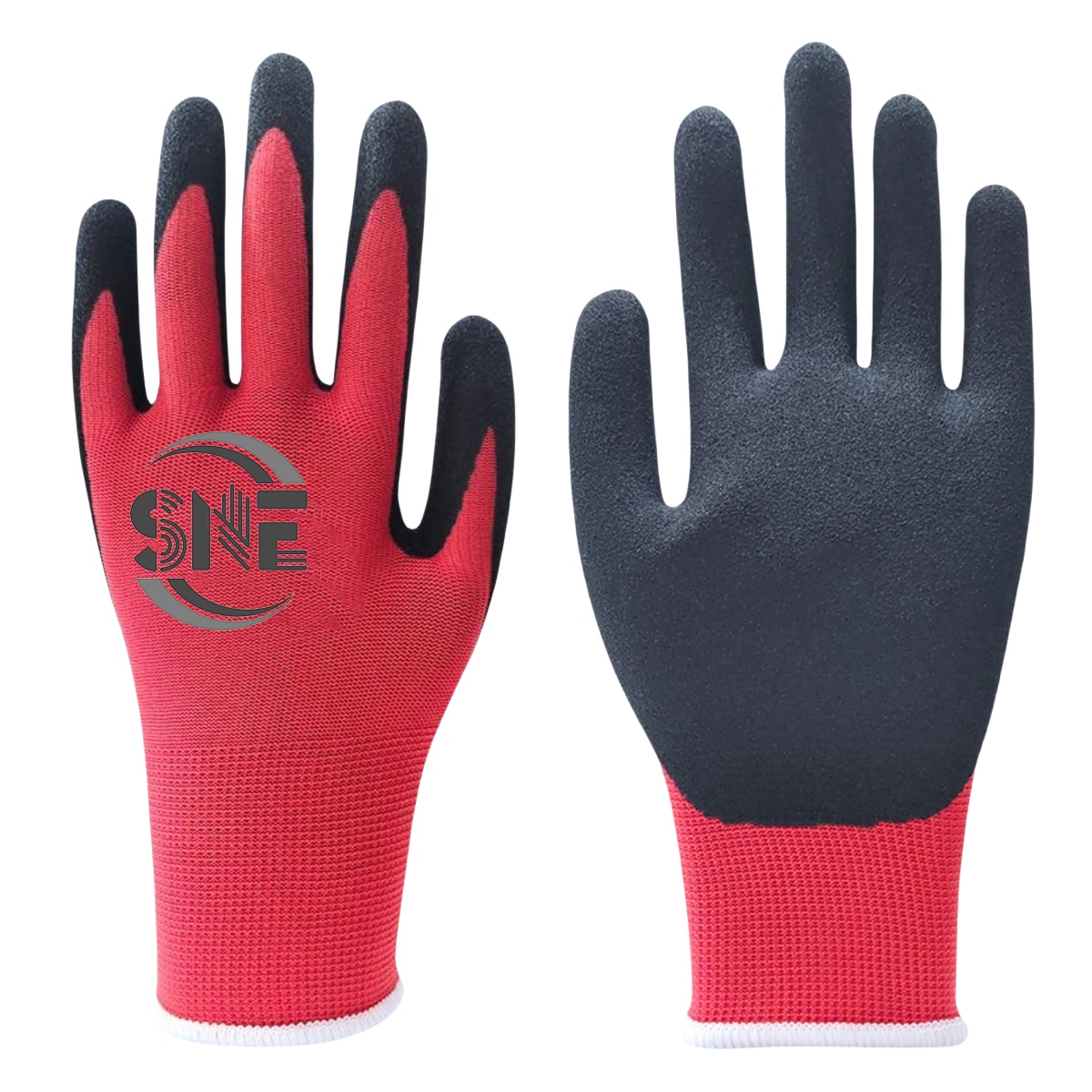
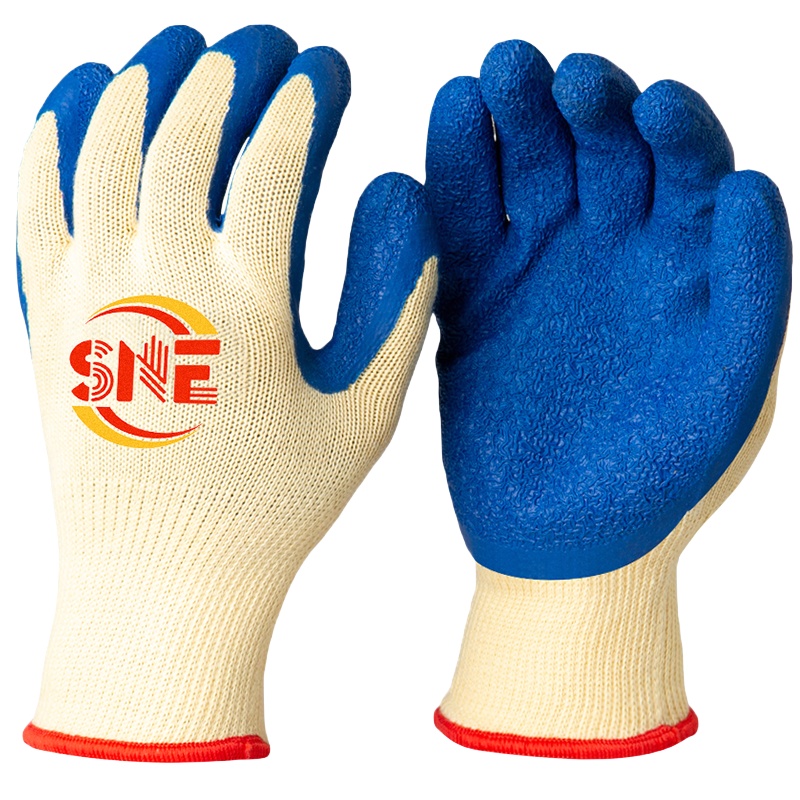
Leather driver gloves remain popular for general handling, equipment work, and outdoor projects because they are easy to issue and familiar to crews. Leather palm gloves with fabric backs reduce cost while maintaining durability where wear is concentrated. Synthetic mechanic-style gloves, meanwhile, dominate sectors needing grip, flexibility, and modern fit. Coated knit gloves are often treated as a separate class, but many buyers comparing synthetic construction gloves include these because they are cost-effective for repetitive handling.
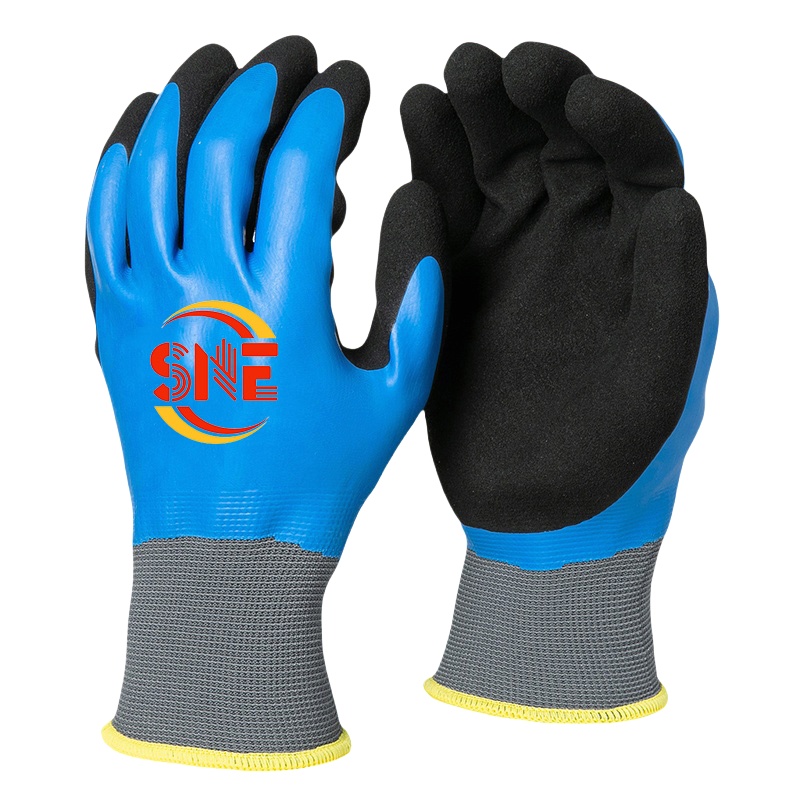
Impact-resistant synthetic gloves with TPR back protection are especially common in utility, oilfield-adjacent construction, and heavy civil projects. For cold-weather markets like Minneapolis, Detroit, Buffalo, and Boston, both leather and synthetic gloves are often lined or insulated. This shifts the decision away from material alone and toward weather performance, grip retention, and worker compliance.
Product Types Table
The following table shows the most useful glove subcategories for contractors, distributors, and PPE buyers across the United States.
| Glove Type | Main Material | Typical Construction Use | Key Advantage | Main Limitation |
|---|---|---|---|---|
| Leather driver glove | Cowhide or goatskin | Material handling, outdoor labor, equipment work | Strong abrasion resistance | Less precise finger control |
| Leather palm work glove | Leather palm with canvas or fabric back | General construction, lumber, block handling | Cost-effective rugged wear zone | Bulkier fit |
| Synthetic mechanic glove | Microfiber, spandex, reinforced palm | Tool use, installation, assembly on site | Dexterity and comfort | Can wear out faster on extreme abrasion |
| Nitrile-coated knit glove | Synthetic liner with nitrile palm | Grip-intensive handling, wet surfaces | Reliable wet and oily grip | Lower heat tolerance than leather |
| Impact-resistant synthetic glove | Synthetic shell with TPR back | Heavy civil, utility, demolition | Back-of-hand protection | Higher unit cost |
| Insulated winter glove | Leather or synthetic insulated build | Cold-weather exterior work | Warmth and worker compliance | Reduced dexterity |
| Cut-resistant construction glove | Engineered fiber with coating or overlays | Metal studs, glass, sharp materials | Higher hand injury prevention | Must be matched carefully to task |
Industry Demand in the United States
Different industries use leather and synthetic gloves differently. Demand is not evenly spread. Residential framing crews, concrete teams, utility contractors, logistics-linked construction, and metal trades all prioritize different performance points.
Buying Advice for Contractors and Distributors
When sourcing construction gloves in the United States, buyers should go beyond price per pair and evaluate the total cost of glove ownership. This includes wear life, worker acceptance, injury reduction, replacement frequency, and compatibility with site conditions. A slightly higher-cost glove that stays on workers’ hands and survives the task can deliver a better overall result than a cheap glove that gets discarded too early.
Start with the job hazard assessment. Ask whether the work involves rough concrete, wet lumber, metal edges, repetitive gripping, touchscreen use, vibration, or cold-weather exposure. Then review cuff length, palm reinforcement, stitching, size consistency, and whether the glove is intended for all-day wear or short-cycle task use. In U.S. markets where labor is expensive and schedules are compressed, worker efficiency matters almost as much as glove durability.
Distributors should also look at vendor flexibility. Strong glove partners support mixed-carton ordering, private labeling, recurring replenishment, and product sampling. This matters for regional distributors supplying customers around Atlanta, St. Louis, Charlotte, and Salt Lake City, where customers often want fast reorders and application-specific recommendations. For direct procurement, asking for wear-test samples before placing a large order remains one of the most effective buying steps.
Where Leather Wins
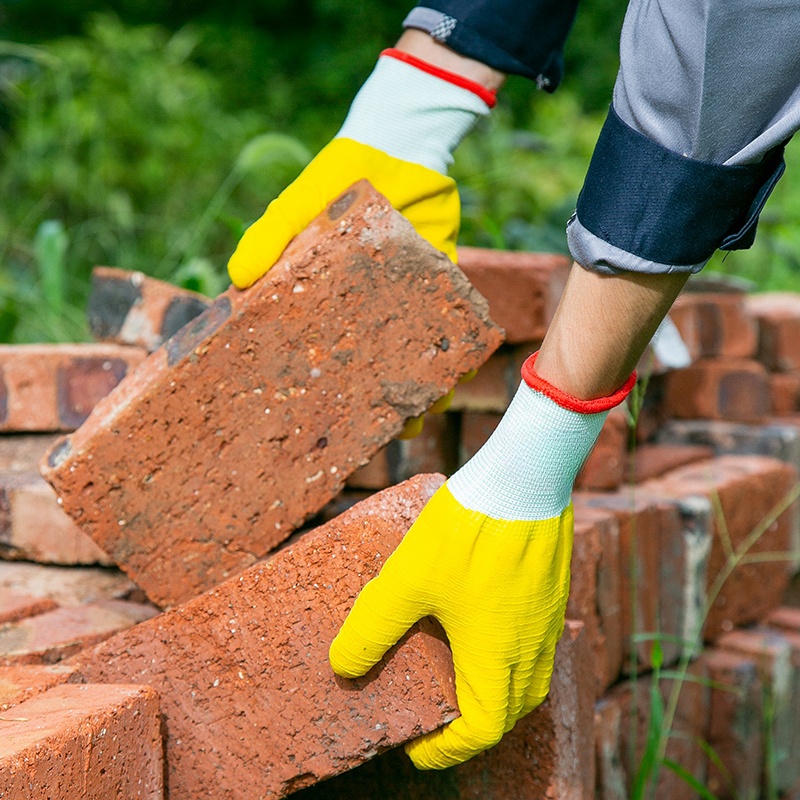
Leather gloves are usually the safer purchase when the work is physically punishing. On jobs that involve cinder block, masonry, rough timber, chain, wire rope, or abrasive debris, leather tends to withstand the surface abuse better than many lightweight synthetic options. Crews handling fencing materials, pipe, heavy tools, or demolition waste often prefer the substantial feel and confidence of leather.
Leather also remains useful for outdoor environments where incidental heat, friction, and rough loading are part of the job. While not a replacement for specialized welding gloves, leather can tolerate harsher contact than many thin synthetic designs. For ranch construction, utility pole work, landscaping hardscape installation, and certain roadwork tasks across states such as Texas, Arizona, Oklahoma, and Colorado, leather still holds a strong position.
Where Synthetic Wins
Synthetic construction gloves are usually the better buy when workers need hand flexibility and grip consistency throughout the day. Mechanical installation, HVAC work, electrical rough-in, warehouse build-out, scaffolding assembly, punch-list tasks, and light-to-medium material handling often favor synthetic designs. These gloves are typically easier to size, quicker to break in, and more compatible with modern workflows that require device handling.
Another advantage is product engineering. Synthetic gloves can combine padded palms, breathable backs, impact protection, touchscreen fingertips, and coating technologies in one platform. That makes them attractive for contractors standardizing glove programs across multiple crews. In wet or variable climates such as the Pacific Northwest, Gulf Coast, and Mid-Atlantic, synthetic palm coatings can provide more stable grip than untreated leather.
Trend Shift Toward Hybrid and Engineered Gloves
The market is moving away from a simple leather-versus-synthetic decision and toward hybrid solutions. Buyers increasingly want gloves that deliver leather durability only where needed and synthetic flexibility everywhere else.
Applications by Trade
Construction is not one application. Framing, concrete, drywall, roofing, landscaping, utility work, and final installation all create different glove priorities. A roofing crew in Florida may value grip and breathability more than a masonry crew in Ohio. A utility subcontractor in California may require impact protection and dexterity, while a distribution-center construction team near Inland Empire may prioritize repetitive handling comfort.
For this reason, the best glove program often includes at least three categories: heavy-duty leather gloves, dexterity-focused synthetic gloves, and a specialty glove for cut, cold, or impact risk. This approach reduces overspending on high-spec gloves for low-risk tasks while preventing under-protection on the toughest jobs.
Application Guide Table
This table helps match material choice to practical field applications in the United States.
| Application | Recommended Glove Type | Material Bias | Why It Fits | Typical U.S. Setting |
|---|---|---|---|---|
| Masonry and block handling | Leather driver or leather palm glove | Leather | Better abrasion survival on rough surfaces | Commercial and hardscape projects |
| HVAC installation | Synthetic mechanic glove | Synthetic | Better dexterity with tools and fittings | Commercial retrofit and new build |
| Wet material handling | Nitrile-coated synthetic glove | Synthetic | More consistent grip in damp conditions | Coastal and rainy regions |
| Landscaping and fencing | Leather work glove | Leather | Stands up to abrasive outdoor work | Suburban development and ranch projects |
| Scaffolding and assembly | Synthetic reinforced-palm glove | Synthetic | Grip plus hand mobility | Urban commercial projects |
| Metal stud and sharp-edge handling | Cut-resistant coated glove | Synthetic engineered | Improves cut protection with usable dexterity | Interior build-out and framing |
| Demolition and heavy civil support | Impact-resistant glove or rugged leather glove | Hybrid | Balances durability and hand protection | Infrastructure and roadwork |
Case Studies from Real-World Buying Situations
A general contractor in Texas managing concrete, framing, and site prep often finds leather gloves more economical for rough handling crews, while synthetic gloves reduce hand fatigue among finishing and installation teams. If the contractor issues only leather gloves, precision crews may remove them too often, increasing exposure and reducing compliance. If the contractor issues only lightweight synthetic gloves, high-abrasion crews may burn through inventory too quickly.
A Midwestern distributor serving roofing, HVAC, and electrical contractors may benefit from stocking more synthetic mechanic-style gloves and nitrile-coated options because these users prioritize grip, fit, and speed. However, the same distributor should still carry durable leather lines for landscaping, fencing, equipment maintenance, and general labor accounts. This mixed portfolio reflects how U.S. buyers actually purchase.
A large warehouse construction project near Savannah or New Jersey may favor synthetic gloves because installation speed and repeated handling of packaged materials drive purchasing decisions. A heavy civil contractor working around aggregates, barriers, and outdoor infrastructure may lean back toward leather or impact-resistant hybrid gloves.
Local and International Suppliers for the United States
Supplier selection matters as much as product selection. U.S. buyers need dependable stock flow, clear technical data, consistent sizing, and customer support that understands application details. The companies below are widely recognized names or practical sourcing options for the United States market.
| Company | Service Region | Core Strengths | Key Offerings | Best Buyer Type |
|---|---|---|---|---|
| Mechanix Wear | United States nationwide | Dexterity-focused synthetic glove design, broad contractor recognition | Mechanic-style, impact-resistant, specialty task gloves | Contractors, fleet buyers, industrial distributors |
| Ironclad Performance Wear | United States nationwide | Task-specific glove engineering and impact options | Construction, utility, cold-weather and high-dexterity gloves | Safety managers and trade contractors |
| Wells Lamont Industrial | United States nationwide | Strong leather glove heritage and broad work glove range | Leather drivers, leather palm, winter and coated gloves | General contractors and distributors |
| MCR Safety | United States and North America | Large PPE portfolio, industrial distribution coverage | Leather, coated, cut-resistant and impact gloves | Industrial accounts and multi-site buyers |
| Superior Glove | United States and Canada | Technical glove specialization and strong cut-resistant offering | Construction, cut-resistant, coated and thermal gloves | Buyers needing application-specific PPE |
| HexArmor | United States nationwide | Premium hand protection and high-risk task coverage | Impact, cut-resistant, heavy-duty synthetic gloves | High-risk industries and safety-led procurement |
| Qingdao Snell Protective Products Co., Ltd. | United States import supply and global B2B service | Factory-direct production scale, OEM/ODM flexibility, coating and cut-resistant expertise | Construction gloves, PU, latex, nitrile-coated, impact-resistant, leather-related and custom private-label lines | Distributors, importers, brand owners, bulk buyers |
Supplier Comparison
This comparison chart summarizes how common supplier profiles compare across features buyers in the United States often review when sourcing gloves for construction use.
Detailed Supplier Analysis
Mechanix Wear is often one of the first names considered by U.S. buyers who want modern synthetic construction gloves with reliable dexterity and a familiar fit. The brand is especially visible in automotive, maintenance, and contractor circles, which helps with worker acceptance. Ironclad also has strong recognition for application-focused performance gloves and back-of-hand protection, making it relevant for utility, heavy construction, and demanding site work.
Wells Lamont Industrial remains important where traditional leather performance still matters. Buyers who need durable leather options for general site labor, landscaping, and rough handling often include it in evaluations. MCR Safety and Superior Glove are attractive for buyers who want broader PPE sourcing strategies, since both are often integrated into industrial distribution channels and can support multiple task categories beyond one glove type.
HexArmor usually enters the conversation when hand injuries are costly and buyers are willing to pay more for advanced protection. It is more likely to be chosen for demanding applications rather than as the lowest-cost everyday glove. For importers and distributors who need private-label, broader coating options, or better landed cost on volume orders, construction glove sourcing options from established manufacturers can expand margin and product range, especially when technical documentation and production consistency are in place.
Our Company
Qingdao Snell Protective Products Co., Ltd. serves U.S. glove buyers with a factory-direct model built around practical construction and industrial hand protection needs. The company operates two manufacturing facilities in Gaomi and Nantong with 6 production lines, more than 150 trained employees, and daily capacity of 150,000 pairs, which gives distributors, wholesalers, and brand owners confidence in replenishment for recurring programs. Its product strengths are grounded in ISO 9001 quality management and CE-marked production, plus real specialization in PU, latex, and nitrile coating technologies, cut-resistant engineering, impact-resistant gloves, and broad construction glove development. That technical base allows the company to support end users, importers, regional dealers, private-label brands, and large-volume procurement teams through OEM/ODM, custom manufacturing, wholesale supply, sample support, and tailored branding programs. For U.S. buyers seeking consistent market support rather than a one-time export transaction, Snell’s long-running export experience across major global markets, multilingual sales capability, documentation support, and responsive pre-sale and after-sale coordination provide a credible service structure for long-term purchasing. Buyers who want to review the business background can visit the company profile, explore Snell Safety’s main site, or use the contact page for U.S.-focused inquiries.
How to Decide Between Leather and Synthetic
If your crew spends most of the day carrying rough materials, dragging products across abrasive surfaces, or working outdoors in a physically punishing environment, leather remains the stronger default. If your crew needs to install, assemble, grip, operate tools, handle devices, or work quickly with constant hand movement, synthetic is usually the more productive default.
For most U.S. contractors, the best approach is to create a two-tier or three-tier glove program. Keep rugged leather gloves for heavy handling, synthetic gloves for dexterity tasks, and specialty models for cut or impact applications. This reduces worker complaints, improves glove compliance, and usually lowers waste because the wrong glove is not being forced onto the wrong task.
Future Trends for 2026
By 2026, the United States market will likely keep moving toward engineered and hybrid construction gloves. Buyers are increasingly asking for touchscreen fingertips, better grip consistency, more breathable shells, and task-specific reinforcement zones. Product development is also trending toward more accurate cut protection mapping and more ergonomic impact design that does not compromise hand motion.
Policy and compliance pressure will remain important. Contractors are under increasing pressure to document PPE choices, reduce lost-time injuries, and show consistency in site safety practices. That favors glove suppliers that provide clear technical data, stable specifications, and reliable repeat ordering. Sustainability will also become more visible. Buyers will ask harder questions about product longevity, packaging reduction, responsible material use, and supply-chain transparency, especially among national contractors and enterprise distributors.
Another likely trend is stronger procurement segmentation. Instead of buying one universal work glove, larger U.S. accounts will continue dividing orders by trade, weather, and hazard category. This is good news for suppliers who can offer leather, synthetic, coated, impact-resistant, and custom-labeled options under one sourcing program.
Frequently Asked Questions
Are leather construction gloves safer than synthetic gloves?
Not automatically. Safety depends on the specific hazard. Leather is often better for abrasion and rough outdoor work, while synthetic can be safer for grip, dexterity, and cut-focused engineered protection in certain tasks.
Do synthetic construction gloves last as long as leather?
Sometimes, but not always. Premium synthetic gloves with reinforced palms can last very well in tool-heavy and medium-duty jobs. In extreme abrasion, leather often lasts longer.
Which glove type is better for hot weather in the United States?
Synthetic gloves are usually better in hot weather because they are lighter and more breathable. This is especially relevant in states such as Texas, Florida, Arizona, and Nevada.
Which glove type is better for wet jobsites?
Synthetic gloves with nitrile or PU-coated palms usually provide more consistent grip in wet conditions than standard leather gloves.
Should a distributor stock both leather and synthetic gloves?
Yes. U.S. customers buy by application, so a balanced inventory usually performs better than a single-material strategy. This is especially true for distributors serving mixed trades.
Can international manufacturers serve the United States effectively?
Yes, provided they offer clear certification support, strong product consistency, dependable communication, and reliable logistics. Factory-direct suppliers can be especially attractive for private-label and bulk programs.
Conclusion
The best answer to leather vs synthetic construction gloves in the United States is not one material winning every time. Leather is the stronger choice for rugged abrasion, rough handling, and punishing outdoor work. Synthetic is the stronger choice for dexterity, grip, comfort, and modern task flexibility. The smartest U.S. buyers do not force one answer across every crew. They build glove programs around actual applications, climate, and replacement economics, then work with suppliers that can support consistent quality, practical lead times, and dependable service.