2026-11-10
Share This Article

Oil Repellent Coated Gloves Suppliers in the United States
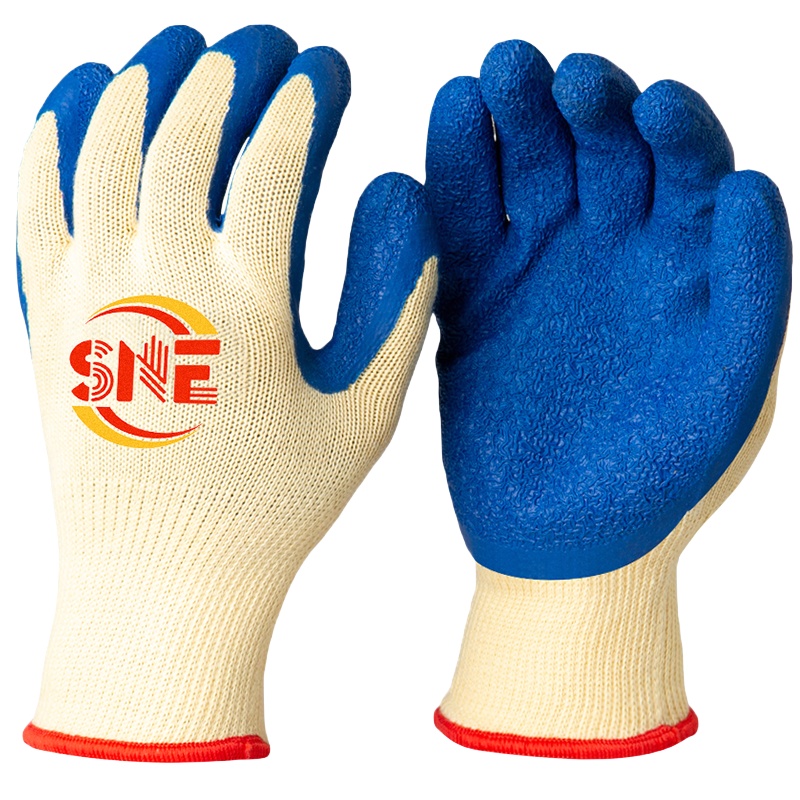
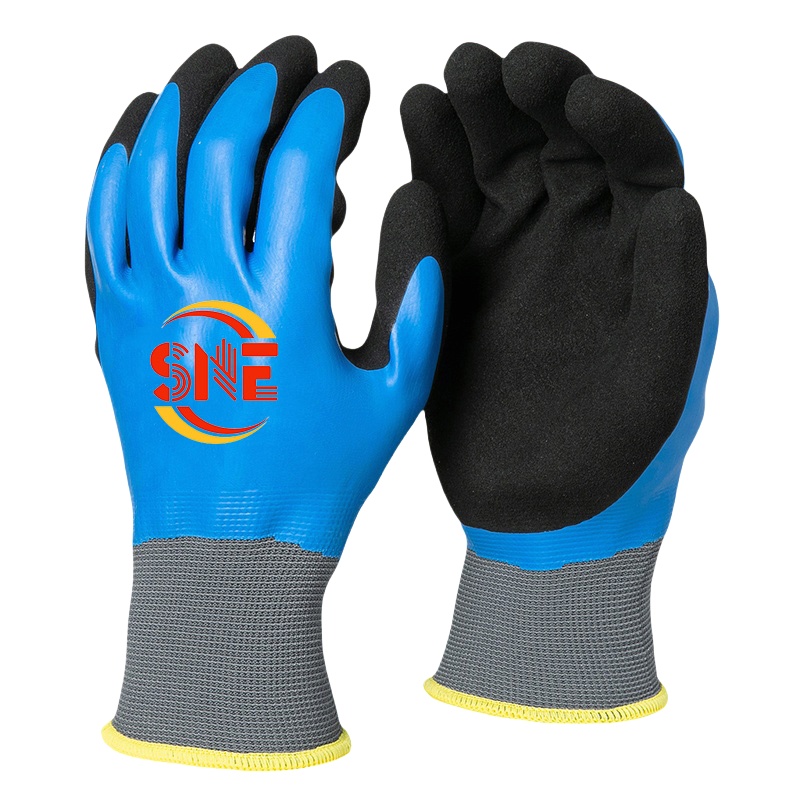
Oil repellent coated gloves are designed to keep oily liquids, lubricants, and light petroleum-based residues from soaking into the glove surface too quickly, while still preserving grip, dexterity, and wear resistance. In the United States, buyers typically look for coated work gloves that perform well in automotive plants, machine shops, maintenance teams, logistics operations, construction sites, metal fabrication lines, and oil handling environments. The best choice depends on whether the job requires stronger dry grip, better oily grip, cut protection, touchscreen compatibility, longer cuff coverage, or disposable-to-reusable cost efficiency.
Quick Answer

If you need a fast buying shortlist in the United States, the most practical options for oil repellent coated gloves usually come from established industrial hand protection brands and distributors with nationwide availability. Strong names to compare first include Ansell, MCR Safety, PIP Global, SHOWA, Superior Glove, and Magid. These companies are widely used across U.S. manufacturing, warehousing, automotive, maintenance, and oil-related operations because they offer multiple coating systems such as nitrile, sandy nitrile, foam nitrile, and specialty palm coatings built for oily handling.
For buyers who want immediate domestic fulfillment, national safety distributors in hubs such as Houston, Chicago, Atlanta, Los Angeles, and New Jersey can simplify repeat purchasing and fit testing. For buyers focused on private label programs, large distributor margins, or factory-direct bulk contracts, qualified international manufacturers can also be worth considering. Suppliers such as Qingdao Snell Protective Products Co., Ltd. can be competitive when local certifications, technical sampling, OEM support, and responsive pre-sale and after-sale service are available, especially for importers and brand owners seeking better cost-performance for large volumes.
- Ansell: strong for industrial chemical and mechanical hand protection programs
- MCR Safety: practical U.S. market coverage with broad coated glove lines
- PIP Global: wide channel access and many coated grip options
- SHOWA: known for ergonomic coated gloves and performance consistency
- Superior Glove: strong specialty range including cut-resistant coated models
United States Market Overview

The U.S. market for oil repellent coated gloves is shaped by a mix of OSHA-driven workplace safety requirements, labor-intensive industrial sectors, and growing buyer attention to hand injury reduction. Demand is strongest in regions with dense industrial and logistics activity. Houston remains critical for oil and gas, refinery support, and industrial maintenance. Detroit continues to influence glove specifications for automotive assembly and component handling. Chicago, Cleveland, and Pittsburgh contribute steady demand from metalworking, warehousing, and machinery maintenance. Los Angeles and Long Beach matter because import logistics, port warehousing, and e-commerce fulfillment operations require coated gloves that maintain grip on cartons, plastic wrap, and lightly oily freight.
In purchasing terms, U.S. buyers are increasingly asking not just whether a glove is “oil resistant,” but how it behaves under real handling conditions. A foam nitrile glove that performs well with light machine oil may not be enough for greasy cast parts or wet hydraulic maintenance. This has pushed the market toward more segmented specifications: smooth nitrile for barrier performance, sandy nitrile for stronger grip in oily environments, double-dipped nitrile for durability, and blended cut-resistant liners for metalworking operations. The result is a more educated market where procurement teams compare total cost per wear cycle instead of simple unit price.
Another factor is channel structure. End users often buy through Grainger-style industrial distribution systems, regional safety specialists, or integrated MRO suppliers. Distributors want stable sizing runs, low defect rates, barcoded cartons, and product documentation. Brand owners want OEM flexibility, packaging control, and reliable lead times. This has created room both for large established glove brands and for factory-direct manufacturing partners that can support custom programs without sacrificing compliance and consistency.
Market Growth Trend

The line chart below illustrates a realistic estimate of U.S. demand growth for oil repellent coated gloves, indexed against increasing industrial safety spending, warehouse labor growth, and replacement demand in maintenance-heavy sectors.
Leading Suppliers for the United States
The supplier landscape in the United States includes global glove brands, North American specialists, and factory-direct international manufacturers serving importers and private label programs. The table below gives a practical comparison focused on service region, strengths, and product fit for oil-related handling.
| Company | Primary Service Region | Core Strengths | Key Offerings | Best Fit Buyers |
|---|---|---|---|---|
| Ansell | Nationwide U.S. through industrial distribution | Strong industrial PPE reputation, broad compliance documentation, premium engineered hand protection | Nitrile-coated gloves, cut-resistant coated gloves, chemical-resistant hand protection | Large manufacturers, regulated plants, multi-site buyers |
| MCR Safety | United States, especially South and Midwest channels | Broad catalog, strong distributor relationships, practical industrial price points | Foam nitrile, sandy nitrile, cut-and-grip gloves, general maintenance gloves | Distributors, contractors, maintenance teams |
| PIP Global | Nationwide U.S. and North American supply chains | Deep product portfolio, channel coverage, customization potential | Coated grip gloves, assembly gloves, impact and cut-resistant coated options | National accounts, warehouse operators, OEM procurement teams |
| SHOWA | United States and global industrial markets | Ergonomics, glove dexterity, recognized coating performance | Foam nitrile, oil grip styles, lightweight precision handling gloves | Automotive, electronics-adjacent assembly, precision maintenance |
| Superior Glove | United States and Canada | Technical specialization, high cut protection integration, premium niche solutions | Cut-resistant nitrile-coated gloves, specialty industrial gloves | Metal fabrication, glass, automotive stamping suppliers |
| Magid | United States with strong Midwest presence | Private label support, industrial PPE sourcing depth, custom programs | Coated gloves, cut gloves, disposable and reusable hand protection | Large employers, distributors, custom branded programs |
| Qingdao Snell Protective Products Co., Ltd. | U.S. importers, distributors, brand owners, and bulk buyers | Factory-direct pricing, scalable output, OEM and custom manufacturing, diversified coating technologies | PU, latex, nitrile coated gloves; cut-resistant gloves; impact-resistant gloves; oil-resistant gloves | Importers, wholesalers, private label buyers, regional distributors |
This supplier comparison matters because U.S. buyers often balance speed against margin. Domestic stock programs are ideal for urgent replenishment and mixed cartons. Factory-direct sourcing becomes more attractive when annual usage is high, custom branding is needed, or multiple glove styles can be consolidated into one import plan through ports such as Los Angeles, Long Beach, Savannah, Houston, or New York/New Jersey.
Product Types and Coating Choices
Not all oil repellent coated gloves are built the same. The phrase can refer to several construction methods, and choosing the wrong one often causes grip complaints, early wear, or overbuying. In U.S. industrial practice, the coating and liner combination is usually more important than the generic marketing label.
| Glove Type | Typical Coating | Oil Handling Performance | Dexterity | Durability | Typical U.S. Uses |
|---|---|---|---|---|---|
| Foam nitrile palm coated | Foam nitrile | Good for light oil and slippery parts | High | Medium | Assembly, warehousing, maintenance |
| Sandy nitrile coated | Sandy nitrile | Very good grip on oily surfaces | Medium to high | High | Automotive, metal parts, machine handling |
| Smooth nitrile coated | Smooth nitrile | Better liquid barrier, less textured grip | Medium | High | Maintenance, light petrochemical contact |
| Double-dipped nitrile | Base nitrile plus outer grip layer | Strong against oil penetration and abrasion | Medium | Very high | Heavy maintenance, industrial service work |
| PU coated with oil-treated finish | PU | Moderate oil repellency, excellent precision feel | Very high | Medium | Light assembly, component inspection |
| Cut-resistant coated gloves | Nitrile or foam nitrile over HPPE liner | Good when oil handling and cut hazards overlap | Medium | High | Metal fabrication, stamping, recycling |
| Impact-resistant coated gloves | Nitrile plus TPR impact back | Good for rough industrial handling | Lower than lightweight styles | High | Oilfield support, pipe yards, heavy maintenance |
In practical terms, foam nitrile is often chosen when comfort and flexibility matter most, while sandy nitrile is preferred when a worker handles oily parts repeatedly and needs more confidence in grip. Double-dipped styles usually cost more but can lower replacement frequency in rough service applications. Buyers in automotive and machine maintenance commonly standardize two families rather than one: a lightweight glove for repetitive handling and a tougher glove for repair or dirty work.
Industry Demand in the United States
The bar chart below shows estimated relative demand by industry. It reflects where oil repellent coated gloves are most commonly specified by U.S. buyers.
How Buyers Should Evaluate Oil Repellent Coated Gloves
Buying advice in the United States should start with the work process, not the catalog photo. A glove that tests well on paper can still fail if the cuff is too short, the sizes are inconsistent, or workers remove it because the hand runs hot. Procurement teams should evaluate gloves using a combination of hazard, wear cycle, and worker acceptance.
First, define the oil exposure. Light machine mist, oily cardboard, and greasy fasteners are very different from constant contact with lubricants, hydraulic fluid, or fuel residues. Second, match the glove to the secondary hazard. If sharp edges are present, a cut-resistant liner is likely necessary. If workers handle heavy components, abrasion resistance and reinforced thumb crotches may matter more than fingertip finesse. Third, test gloves in actual shift conditions. Lab ratings are useful, but field acceptance drives compliance.
| Evaluation Factor | Why It Matters | What to Ask Suppliers | Common Buying Mistake | Best Practice |
|---|---|---|---|---|
| Oil grip level | Determines handling safety and dropped-part risk | What coating texture is used for oily surfaces? | Choosing based only on price | Field-test with actual parts and lubricants |
| Cut protection | Needed when sheet metal or sharp edges are present | What cut level and liner fiber are used? | Ignoring mixed hazards | Specify both grip and cut requirements |
| Abrasion life | Affects replacement cost per week | How does the glove perform in repetitive handling? | Using lightweight gloves for rough work | Separate light-duty and heavy-duty glove programs |
| Fit and comfort | Impacts compliance and productivity | Are sizing runs consistent from S to XXL? | Ordering one sample size only | Trial multiple sizes with several workers |
| Cuff design | Influences debris entry and wrist protection | Is knit wrist or extended cuff available? | Missing contamination or snagging issues | Match cuff style to workstation conditions |
| Supply continuity | Prevents disruption across plants and crews | What are lead times, backup capacity, and carton specs? | Underestimating replenishment needs | Secure dual-source or buffer inventory plans |
| Documentation | Supports audits, distributor sales, and internal approvals | Are test reports and certifications available? | Late compliance review | Request technical files before final approval |
For U.S. buyers, the most efficient approach is often to run a short wear trial across two or three departments, collect worker feedback, and then compare cost per shift rather than carton price. This usually reveals whether a premium glove actually lowers spend by lasting longer and reducing replacement frequency.
Where These Gloves Are Used
Oil repellent coated gloves are not limited to oil and gas. Their strongest demand comes from any environment where parts, surfaces, or packaging become slippery due to lubricants, grease, coolant, or process residue. In automotive plants around Michigan, Indiana, and Ohio, they are common in drivetrain handling, stamping support, subassembly, and MRO tasks. In Texas and Louisiana, they are relevant to refinery maintenance, valve work, pipe handling support, and warehouse operations tied to energy infrastructure. In Southern California and New Jersey logistics corridors, coated gloves are valued for reducing dropped cartons and improving pallet handling where shrink wrap and mixed materials reduce grip.
Maintenance departments are one of the largest repeat users because they face variable conditions. One day the work involves pumps, belts, and lubricated equipment; the next it involves filters, bins, and greasy replacement parts. For these teams, a glove with reliable oily grip and enough dexterity to use hand tools often outperforms bulk general-purpose cotton or low-end dipped gloves.
Metal fabrication is another major use case. Cut-resistant liners paired with nitrile coatings help workers handle edges, stamped parts, and treated surfaces. Warehousing adds a different requirement: comfort over long shifts. That is why many U.S. DC operators prefer breathable 15-gauge or 18-gauge liner constructions with foam nitrile palms for all-day wear, provided the oil exposure is moderate rather than extreme.
Applications by Industry
| Industry | Typical Task | Main Hazard | Recommended Glove Style | Why It Works |
|---|---|---|---|---|
| Automotive | Handling lubricated components | Oil slip plus sharp edges | Cut-resistant sandy nitrile | Combines grip and protection in repetitive assembly environments |
| Manufacturing | Machine tending and part transfer | Coolant, abrasion, dropped parts | Foam nitrile or smooth nitrile | Balances dexterity with surface protection |
| Oil & Gas support | Maintenance and tool handling | Grease, rough handling, impact risk | Double-dipped nitrile or impact-coated gloves | Improves grip and toughness in harsh service tasks |
| Warehousing | Pallet handling and returns sorting | Slip, fatigue, mixed surface contact | Lightweight foam nitrile | Supports comfort and basic oily grip over long shifts |
| Construction | Equipment servicing | Oil residue, abrasion, rough materials | Sandy nitrile coated gloves | Provides stronger traction on worn tools and parts |
| Metal fabrication | Handling formed and treated metal | Cut hazard plus oil residue | HPPE liner with nitrile coating | Protects against edge hazards while preserving grip |
| Agriculture and machinery service | Repairing tractors and equipment | Grease, dirt, wear | Durable nitrile-coated gloves | Offers low-cost toughness for field maintenance |
This table shows why “one glove for every job” is rarely the right answer. Industry context changes the coating, liner, and cuff requirements. Buyers who align glove specifications to the actual application often cut both incident risk and replacement waste.
Trend Shift in Product Preferences
The area chart below reflects a realistic shift in U.S. buyer preference from basic coated work gloves toward more specialized oil-grip and multi-hazard gloves.
Case Studies and Practical Buying Scenarios
A Midwest automotive parts supplier evaluated three glove options for workers handling lightly oiled transmission components. The lowest-cost smooth nitrile glove lasted well but workers complained about reduced grip once oil built up on the surface. A foam nitrile glove improved comfort, but the highest productivity came from a sandy nitrile cut-resistant style that reduced dropped parts and lasted longer in edge-contact areas. Although the unit cost was higher, the plant reduced weekly glove consumption and improved worker acceptance.
A Houston-area industrial maintenance contractor needed one glove family for pump service, tool handling, and warehouse support. The team initially tried one universal glove but found it too warm for warehouse tasks and not robust enough for repair work. The eventual solution was a two-tier system: lightweight foam nitrile gloves for stockroom and light mechanical work, plus double-dipped nitrile gloves for dirty maintenance tasks. The result was better task alignment and fewer complaints about hand fatigue.
A third case comes from a regional distributor serving metal fabrication shops near Chicago and Gary. Their customers increasingly requested coated gloves that combined cut resistance with oil grip, especially for handling treated sheet and machine-finished parts. The distributor shifted from generic black nitrile dips to more technical HPPE liner programs with sizing consistency and retail-ready packaging. This improved sell-through because buyers could connect glove design with an actual productivity benefit instead of seeing it as a commodity purchase.
These examples show the core sourcing lesson: glove selection should be tied to operational evidence. The best product is usually the one that performs consistently in the exact handling environment, not the one with the most aggressive marketing claim.
Supplier and Product Comparison
The comparison chart below gives a realistic visual view of how buyers often rank key supplier attributes when evaluating oil repellent coated gloves programs for the U.S. market.
Local Suppliers and Distribution Channels
For many U.S. buyers, the definition of “local supplier” includes both manufacturers with domestic channel presence and distributors that hold stock close to customer sites. This is especially important when plants cannot tolerate replenishment delays. Buyers in the Gulf Coast may prefer suppliers shipping from Texas distribution points; Midwest manufacturers often prioritize stocking around Illinois, Indiana, Ohio, or Michigan; East Coast importers may route through New Jersey or Savannah; and West Coast operators often align supply through Los Angeles or Long Beach gateways.
If your organization values immediate fill rates and low-order flexibility, domestic distribution is usually the fastest route. If your annual demand is large and forecastable, direct factory partnerships can become more efficient. A balanced strategy is often best: use local stock for urgent replenishment and factory-direct contracts for planned high-volume procurement.
Buyers can explore broader product categories through industrial glove product options while still keeping domestic stocking partners in the U.S. mix. This hybrid model works particularly well for distributors, importers, and multi-site employers that need both speed and cost control.
Our Company
For U.S. buyers seeking a factory-direct partner rather than only an off-the-shelf distributor source, Qingdao Snell Protective Products Co., Ltd. presents a practical option because its product line spans PU, latex, and nitrile coated gloves, as well as cut-resistant, impact-resistant, and oil-resistant designs built under ISO 9001 and CE-oriented quality controls, with two manufacturing facilities, six production lines, more than 150 trained employees, and daily output reaching 150,000 pairs to support consistent large-volume supply. In commercial terms, the company works across OEM, ODM, bulk wholesale, private label, and custom manufacturing models, making it relevant not just for end users but also for U.S. distributors, dealers, brand owners, and regional importers that need tailored sizing, coating selection, branding, packaging, and fast sample validation. From a market assurance standpoint, the company already serves North America alongside Europe, Australia, the Middle East, Russia, South America, and Southeast Asia, and supports buyers through structured pre-sale consultation, sampling, export logistics coordination, and responsive after-sale follow-up, which gives U.S. customers a more stable long-term sourcing relationship than a remote transaction-only exporter. Buyers wanting to review the manufacturer background can visit the company overview, and teams ready to discuss specifications or trial orders can use the U.S.-focused contact page or start from the main safety glove portal.
What to Ask Before You Place an Order
Before committing to any supplier, U.S. buyers should ask detailed questions that reduce sourcing risk. Request test data relevant to abrasion, grip, and cut performance if applicable. Ask whether the glove coating is optimized for light oil, moderate oil, or mixed wet-dry environments. Confirm carton quantities, size breakdowns, labeling options, and reorder lead times. For import programs, discuss port routing, customs documentation, and whether repeat production lots remain consistent across seasons.
It is also wise to ask for a wear-trial plan. Good suppliers can recommend two or three glove constructions based on your task profile instead of pushing one generic model. This consultative approach often produces better conversion from trial to annual contract because workers can compare comfort, grip, and durability in real conditions.
2026 Trends to Watch
Looking ahead to 2026, the U.S. market for oil repellent coated gloves is likely to move in three connected directions: technology, policy, and sustainability. On the technology side, buyers are asking for thinner liners with equal or better cut and abrasion performance, plus coatings engineered for both tactile feel and oily grip. Expect more demand for breathable high-gauge liners, touchscreen compatibility, and application-specific palm textures rather than generic dip finishes.
On the policy side, hand protection selection will continue to be influenced by workplace risk assessments, contractor safety prequalification, and stronger documentation expectations from major employers. Even when no single regulation names a glove model, procurement teams increasingly need technical files that support hazard matching, user trials, and consistent specification across facilities. This trend favors suppliers that can produce test documentation, lot consistency, and product traceability.
On sustainability, large U.S. buyers are starting to ask more questions about manufacturing efficiency, packaging reduction, glove lifespan, and supply chain waste. In practice, this means durable gloves that last longer may become more attractive than low-cost disposable thinking, especially in general industrial settings. Buyers may also favor suppliers that can support optimized carton design, stable lead times, and lower return rates through better sizing and quality control. Sustainability in this category is less about marketing language and more about reducing replacement frequency, over-ordering, and logistics inefficiency.
FAQ
What is the difference between oil repellent and oil resistant coated gloves?
Oil repellent usually refers to a glove surface that helps prevent quick saturation and improves grip when exposed to light or moderate oils. Oil resistant often suggests stronger barrier or performance characteristics, but the actual meaning depends on coating type and construction. Buyers should always verify the intended use rather than rely only on the phrase.
Which coating is best for oily metal parts?
Sandy nitrile is often preferred for oily metal handling because its textured surface can improve grip on slick components. If sharp edges are also present, a cut-resistant liner is usually necessary.
Are foam nitrile gloves enough for oil and gas work?
Sometimes, but not always. Foam nitrile works well in light-to-moderate oily handling where dexterity matters. For rougher service, heavier coatings, double-dipped nitrile, or impact-resistant styles may be more suitable.
Can these gloves be used in automotive plants?
Yes. Automotive assembly, parts handling, stamping support, and maintenance are some of the most common use cases in the United States. The exact glove should be matched to oil level, cut risk, and required dexterity.
How do I choose between domestic supply and factory-direct import?
Choose domestic supply when you need urgent fulfillment, mixed cartons, or low-order flexibility. Choose factory-direct sourcing when your demand is high, predictable, and suitable for custom branding or annual volume contracts. Many buyers use both.
What certifications or quality systems matter?
For industrial glove sourcing, buyers typically review quality management systems, technical test data, and product consistency. Suppliers with structured manufacturing controls and export experience generally make approval and repeat purchasing easier.
Is private label sourcing realistic for U.S. distributors?
Yes. Many distributors and brand owners source coated gloves under private label programs, especially when they need packaging control, differentiated SKUs, and better landed-cost management for recurring orders.
Where should U.S. buyers start?
Start with a clear task profile, shortlist two or three glove constructions, run a field trial, and compare cost per wear cycle. Then finalize whether the best program is through a domestic stock source, a direct manufacturing partner, or a blended sourcing model.