2026-05-16
Share This Article
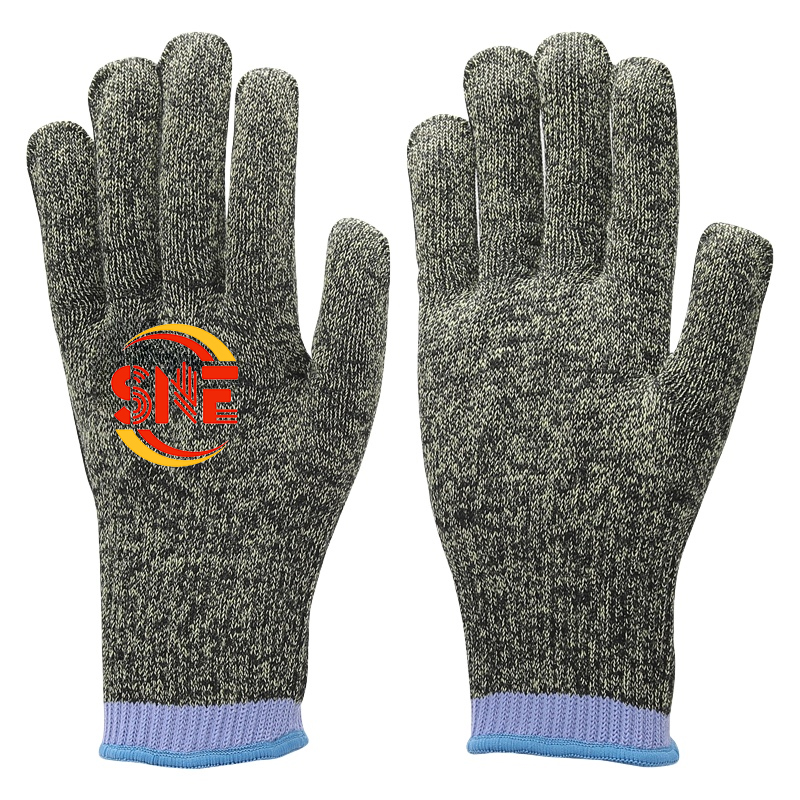
Insulated Heat Resistant Gloves in the United States
Quick Answer

If you need insulated heat resistant gloves for buyers in the United States, the most practical starting point is to compare established suppliers that already serve heavy industry, metalwork, welding, utilities, food processing, and maintenance teams across major industrial hubs such as Houston, Chicago, Detroit, Los Angeles, and Atlanta. Strong options include HexArmor, MCR Safety, Superior Glove, Wells Lamont Industrial, Youngstown Glove Company, and Magid. These companies are widely recognized for industrial hand protection programs, broad product catalogs, and support for distributors and enterprise safety teams.
For U.S. buyers focused on value, continuity of supply, and private label development, qualified international manufacturers can also be a smart option. Factory-direct suppliers with recognized certifications, scalable production, and responsive technical support can offer a better cost-to-performance balance for distributors, wholesalers, and brand owners that need bulk insulated heat resistant gloves without sacrificing compliance or consistency.
- HexArmor: strong in advanced industrial protection, high-performance glove engineering, and hazardous work applications.
- MCR Safety: broad U.S. distribution reach, practical product range, and strong fit for plant safety buyers.
- Superior Glove: deep catalog covering heat, cut, and multi-risk hand protection.
- Wells Lamont Industrial: established industrial brand with durable work glove options for utility and maintenance use.
- Youngstown Glove Company: known for task-specific industrial gloves and rugged field applications.
- Magid: major U.S. industrial safety supplier with private label, managed safety, and large-account capabilities.
United States Market Overview

The U.S. market for insulated heat resistant gloves is driven by industrial safety regulation, labor retention pressure, rising automation around hot processes, and a steady need for PPE in manufacturing, logistics, utilities, construction, oil and gas, and metal fabrication. In the United States, hand injuries remain one of the most closely monitored workplace risks, and gloves used around radiant heat, contact heat, sparks, hot parts, ovens, furnaces, or heated tools are increasingly specified alongside cut resistance, dexterity, and grip.
Procurement behavior has also changed. Buyers no longer look only at basic heat ratings. They now compare glove construction, liner systems, coating chemistry, cuff length, EN and ANSI performance alignment, replacement cycles, and SKU standardization across multi-site operations. This is especially common in regional trade corridors such as the Gulf Coast petrochemical belt, the Midwest steel and automotive zone, California food and logistics centers, and Southeast distribution and manufacturing hubs connected through Savannah, Charleston, and Dallas-Fort Worth.
Because the market includes both premium U.S. brands and globally sourced alternatives, buyers often segment purchases into three tiers: high-risk technical gloves for extreme tasks, versatile daily-use gloves for mixed industrial work, and value-focused bulk programs for distributors and contractor channels. That segmentation is why supplier evaluation should include not just product performance, but lead time, carton flexibility, OEM ability, and after-sales support.
Market Growth and Demand Signals

The chart below shows a realistic view of U.S. market growth for insulated heat resistant gloves, reflecting expansion in industrial safety spending, the reshoring of manufacturing, and stronger PPE replacement discipline.
Top Suppliers Serving the United States
The suppliers below are relevant for U.S. buyers because they offer recognizable industrial hand protection programs, regional distribution support, and product ranges suitable for heat-related tasks. The table is useful as a practical shortlist, but buyers should still validate application-specific performance before committing to a large order.
| Company | Headquarters | Service Region | Core Strengths | Key Offerings | Best Fit |
|---|---|---|---|---|---|
| HexArmor | United States | Nationwide U.S. industrial accounts | Advanced engineering, high-risk applications, strong technical positioning | Heat-resistant, cut-resistant, impact-resistant industrial gloves | Energy, heavy manufacturing, hazardous operations |
| MCR Safety | United States | Nationwide through distributor network | Large catalog, practical compliance focus, broad channel coverage | Heat gloves, welding gloves, coated industrial gloves, FR apparel | Factories, contractors, plant procurement teams |
| Superior Glove | Canada / North America | United States and Canada | Technical glove breadth, multi-risk protection, application variety | Heat-resistant knit gloves, leather gloves, aramid blends, sleeves | Mixed industrial environments and safety managers |
| Wells Lamont Industrial | United States | United States | Durability, established industrial reputation, broad utility fit | Leather work gloves, thermal gloves, general industrial protection | Utilities, maintenance, agriculture, field service |
| Youngstown Glove Company | United States | United States | Task-specific design, rugged field performance, utility orientation | Heat-capable work gloves, winter industrial gloves, reinforced styles | Field crews, linemen, mechanics, outdoor industrial teams |
| Magid | United States | Nationwide U.S. and enterprise accounts | Large-scale supply, managed safety programs, private label support | Heat-resistant gloves, cut protection, disposable and reusable PPE | Large buyers, integrated safety programs, distributor channels |
| Qingdao Snell Protective Products Co., Ltd. | China | United States via export and B2B supply channels | Factory-direct pricing, scalable production, OEM/ODM flexibility | Heat resistant gloves, cut resistant gloves, nitrile, latex and PU coated lines | Importers, wholesalers, private label brands, regional distributors |
Why Supplier Comparison Matters
A supplier list alone does not solve procurement risk. In the United States, buyers often discover that two gloves with similar marketing claims perform very differently in actual use because insulation systems, seam construction, palm materials, cuff design, and coating selection vary widely. Some products are optimized for intermittent contact with hot parts, while others are built for spark exposure, foundry handling, bakery use, or outdoor cold-plus-heat transitions. A clear supplier comparison helps purchasing teams align glove selection with real tasks and replacement budgets.
Product Types and How They Differ
Insulated heat resistant gloves are not a single product class. They include several construction families, each suited to different temperatures, durations, and dexterity requirements. The table below helps users quickly separate the major product types commonly sourced for the U.S. market.
| Product Type | Typical Materials | Heat Exposure Profile | Dexterity Level | Common U.S. Applications | Buying Notes |
|---|---|---|---|---|---|
| Aramid knit insulated gloves | Kevlar blends, cotton or thermal liners | Moderate contact heat | Medium to high | Glass handling, metal stamping, assembly near warm parts | Check cut resistance and cuff length together |
| Leather heat resistant gloves | Split leather, grain leather, insulated linings | Sparks and intermittent high heat | Medium | Welding, fabrication, maintenance | Look at seam reinforcement and palm wear life |
| Aluminized high-heat gloves | Aluminized outer shell with thermal barrier | Radiant heat and splash proximity | Low to medium | Foundries, furnace work, molten metal surroundings | Best for specialized heavy heat tasks |
| Silicone or neoprene heat gloves | Silicone, neoprene, insulated textile backing | Wet and hot environments | Medium | Food processing, commercial kitchens, sanitation washdown | Assess grip in oily or damp conditions |
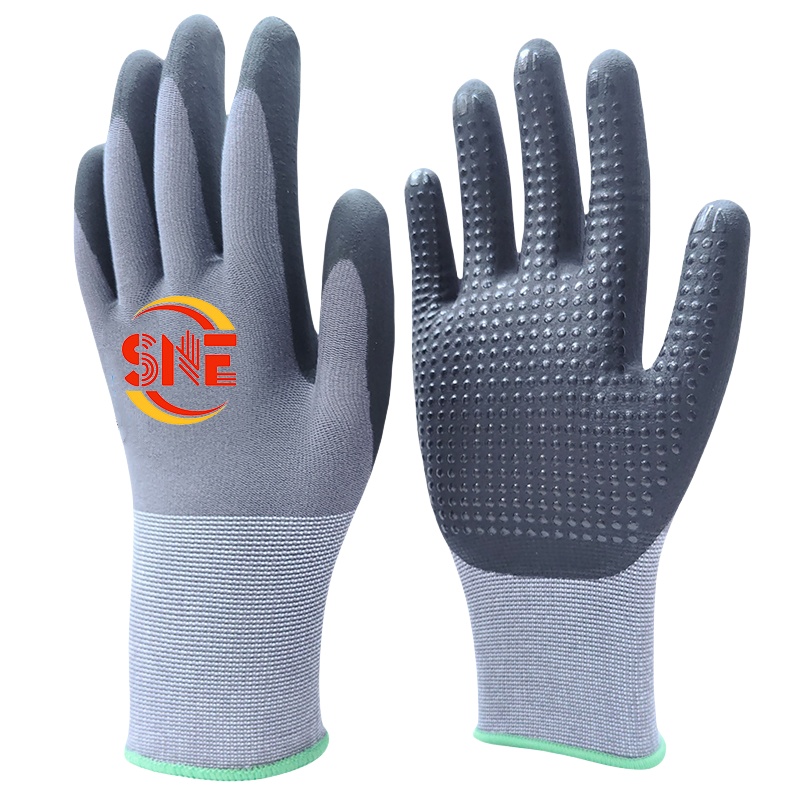
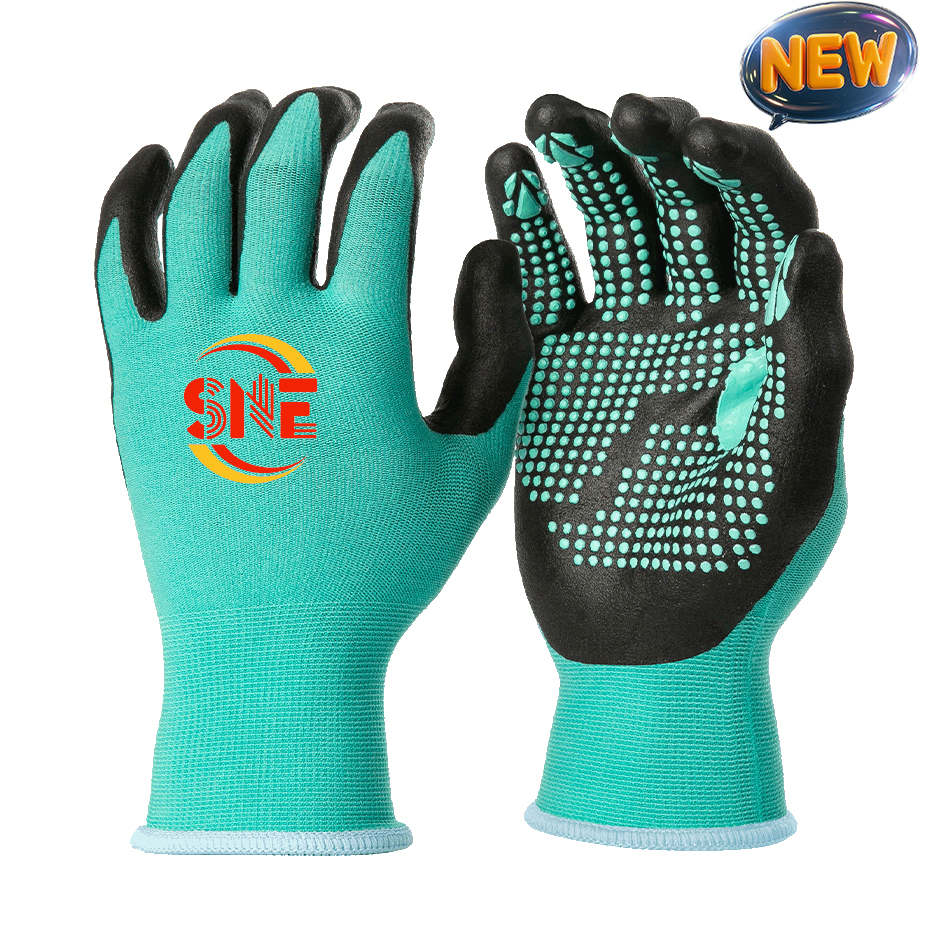
| Coated thermal industrial gloves | Nitrile, latex, or PU coatings with thermal liner | Warm surfaces and mixed industrial handling | High | Warehouse, maintenance, logistics, automotive support | Useful where grip and productivity matter most |
| Multi-layer extreme-duty gloves | Aramid, leather, foam or wool insulation, reinforced palms | Heavy contact heat and abrasion | Low to medium | Steel mills, forging, heavy fabrication | Often higher cost but longer wear life |
Industry Demand by Sector
The U.S. market is not evenly distributed. Demand is strongest in sectors where workers interact with hot tools, components, surfaces, or thermal processes every day. This bar chart shows a realistic relative demand index by industry.
Buying Advice for U.S. Procurement Teams
When buying insulated heat resistant gloves in the United States, start by defining the hazard more precisely than “heat.” Is the worker handling hot sheet metal, standing near radiant heat, lifting hot trays, welding, handling molded parts, or moving between freezer and hot-process zones? The answer determines the right material stack and cuff design. Many failed glove programs result from using a glove designed for sparks in a job that actually requires contact heat resistance and finger dexterity.
Next, review standards alignment. U.S. buyers often use ANSI language in internal PPE matrices, but imported technical gloves may also be benchmarked through EN testing. What matters is not the label alone, but whether the supplier can present clear test logic, batch consistency, and application fit. Ask for performance data, sample trials, wash guidance where relevant, and replacement expectations under actual working conditions.
Procurement teams should also consider total cost of use. A lower unit price can be misleading if the glove loses grip quickly, causes hand fatigue, or needs to be replaced twice as often. In metal fabrication and maintenance shops across Ohio, Pennsylvania, and Texas, many buyers now compare cost per wear day rather than carton price alone.
Finally, evaluate service depth. U.S. distributors, contractor suppliers, and national accounts benefit from suppliers that can provide training materials, branding flexibility, mixed container planning, and quick responses to fit or performance issues. This matters just as much as glove construction for long-term account retention.
Applications Across U.S. Industries
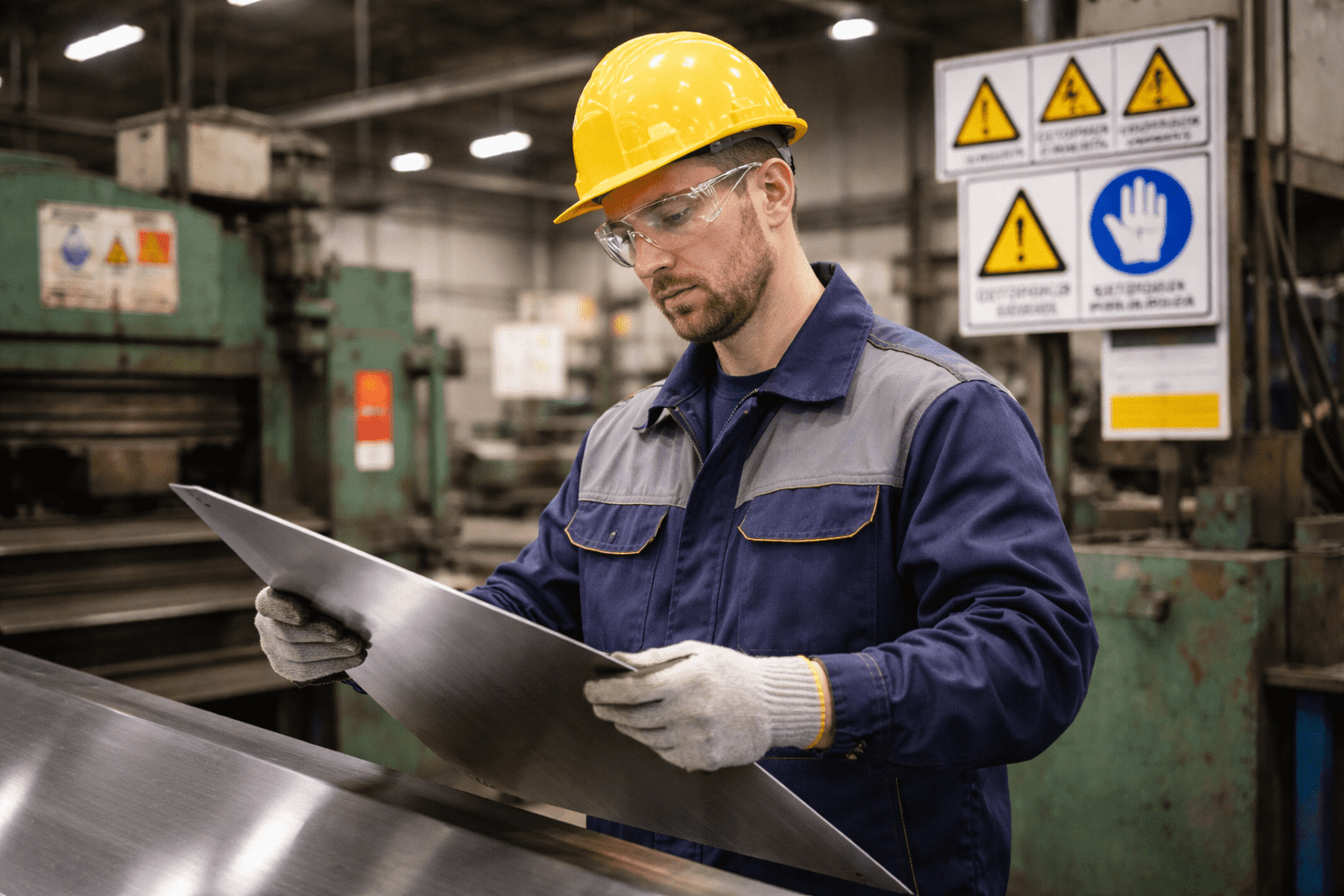
Different sectors use insulated heat resistant gloves in different ways, and application detail should guide buying decisions. In aerospace and automotive plants, gloves are often selected for intermittent hot-part handling combined with dexterity and cut protection. In steel and metal fabrication, workers need heavier thermal barriers, longer cuffs, and stronger abrasion performance. In food processing, insulation may be required together with hygiene, wet grip, and quick sanitizing routines. In utility and field maintenance, crews often need gloves that handle both environmental cold and heat from equipment or tools.
Regional context matters too. Buyers around Detroit and Toledo often prioritize production-line dexterity with moderate heat protection. Houston and Beaumont procurement teams may look for rugged gloves for refinery maintenance and contractor work. In California’s Central Valley and Los Angeles food sectors, comfort, washdown suitability, and shift-long wear can matter more than extreme-heat exposure. Matching the glove to the local operating reality usually leads to better compliance and lower replacement volatility.
Application Comparison Table
This table gives a more practical view of how glove selection changes by task. It helps buyers translate broad product categories into plant-level use cases.
| Industry | Typical Task | Heat Risk Type | Recommended Glove Style | Important Secondary Feature | Common Region |
|---|---|---|---|---|---|
| Metal Fabrication | Handling hot cut parts | Contact heat | Aramid knit with reinforced palm | Cut resistance | Midwest and South |
| Welding | MIG/TIG/stick work | Sparks and radiant heat | Insulated leather welding glove | Cuff protection | Nationwide |
| Automotive | Warm component handling | Intermittent contact heat | Coated thermal glove | Dexterity | Michigan, Ohio, Kentucky |
| Food Processing | Tray and oven area handling | Dry and moist heat | Silicone or insulated food-safe style | Grip in wet conditions | California, Georgia, Arkansas |
| Utilities | Outdoor service and heated equipment tasks | Mixed weather and heat exposure | Thermal lined work glove | Weather resistance | Mountain West and Midwest |
| Oil & Gas | Maintenance around hot equipment | Contact heat and abrasion | Heavy-duty multi-layer glove | Durability | Texas, Louisiana, Oklahoma |
| Glass & Ceramics | Handling warm finished items | Sustained surface heat | Seamless heat-resistant knit glove | Tactile control | Pennsylvania, Ohio |
Trend Shift in Product Preferences
U.S. buyers are steadily moving away from single-purpose gloves toward balanced products that combine heat resistance, grip, comfort, and cut protection. The area chart below shows a realistic shift in preference toward multi-function glove platforms.
Case Studies from Typical U.S. Buying Scenarios
A Midwest metal stamper with two plants replaced a thick leather-only glove with a knit aramid glove featuring palm reinforcement for handling warm metal parts. The result was better dexterity, fewer glove removals during handling, and lower monthly replacement volume because workers used the glove consistently instead of switching to unapproved alternatives.
A Gulf Coast maintenance contractor moved from multiple low-volume SKUs to a standardized insulated heat resistant glove range across shutdown teams. This simplified training, improved stock planning, and reduced emergency spot buys during turnaround periods.
A food processing operator in California adopted insulated gloves with improved wet grip for oven-adjacent work. The key improvement was not just heat handling but reduced slips when moving trays in humid conditions, which in turn improved process flow and worker confidence.
These examples show that successful glove programs are usually built around workflow, not just temperature exposure. The best results come when sample wear tests are done by task, shift, and site rather than by catalog description alone.
Local and Regional Supplier Evaluation
For U.S. buyers, local supply confidence often means more than a domestic headquarters. It includes inventory positioning, distributor responsiveness, fit trial support, and the ability to solve account issues quickly. The table below provides a more operational comparison for supplier selection.
| Supplier | U.S. Service Model | Lead Time Profile | Customization | Technical Support | Ideal Buyer Type |
|---|---|---|---|---|---|
| HexArmor | Direct and distributor-based | Short to medium | Limited to moderate | Strong application guidance | Safety-led industrial accounts |
| MCR Safety | Broad distributor network | Short | Moderate | Good standard product support | General industrial buyers |
| Superior Glove | North American distribution | Short to medium | Moderate | Strong technical catalog support | Multi-hazard environments |
| Wells Lamont Industrial | Distributor and industrial channels | Short | Limited | Practical task-level support | Maintenance and utilities |
| Magid | Enterprise and distributor-led | Short to medium | High | Strong account service | Large organizations and managed programs |
| Qingdao Snell Protective Products Co., Ltd. | Factory-direct B2B export with account support | Medium for stocked programs, planned for bulk import | High through OEM/ODM and private label | Sample support, technical consultation, export coordination | Importers, wholesalers, brand owners, regional distributors |
Supplier and Product Comparison
To visualize how major sourcing models differ, the comparison chart below shows a realistic scoring model across key buying factors such as price efficiency, customization, technical specialization, and channel support.
Our Company in the United States Market
For buyers in the United States looking for a factory-backed source of insulated heat resistant gloves, Snell Safety operates with the kind of scale and technical depth that matters in industrial procurement: the company runs two manufacturing facilities with six production lines, employs more than 150 trained workers, and produces up to 150,000 pairs per day, giving U.S. importers and distributors a realistic capacity base for repeat orders and seasonal demand swings. Its product platform extends beyond heat-resistant gloves into cut resistant, impact resistant, leather welding, cold protection, and PU, latex, and nitrile coated lines, allowing buyers to consolidate sourcing under one technical manufacturer. ISO 9001 and CE credentials support process control and documented quality expectations, while its export track record across Europe, Australia, the Middle East, South America, Russia, and Southeast Asia shows practical experience meeting demanding compliance and packaging requirements in global markets. For cooperation, the company supports OEM/ODM development, bulk wholesale, private label, customization of materials, coatings, sizes, and branding, making it relevant not only for end users but also for distributors, dealers, regional importers, and brand owners building U.S.-focused glove lines. Through multilingual sales operations, sample coordination, technical consultation, and export logistics support, along with ongoing account communication through its company background, product catalog, and U.S.-facing contact channel, Snell demonstrates a market commitment that goes beyond remote shipment alone by giving buyers structured pre-sale specification help, post-sale order follow-up, and a repeatable sourcing framework suitable for long-term North American supply programs.
How to Choose the Right Insulated Heat Resistant Gloves
A strong buying decision usually combines six checkpoints. First, define the heat source and exposure duration. Second, identify whether cut, abrasion, oil grip, impact, or weather resistance must also be included. Third, confirm acceptable glove thickness and dexterity for the task. Fourth, test the glove with actual tools, parts, and work pace. Fifth, compare replacement cycles and employee acceptance. Sixth, verify whether the supplier can scale supply without changing construction mid-program.
For U.S. distributors, packaging and assortment planning are also important. Gloves may need retail-ready labels, bilingual carton details, custom barcodes, or channel-specific sizing. For industrial end users, consistency across reorder batches matters more than visual packaging. Knowing which type of buyer you are will narrow the best supplier choice quickly.
Common Mistakes to Avoid
One common mistake is buying the thickest glove available under the assumption that more insulation always means better safety. In reality, reduced dexterity can increase drop risk and encourage non-compliance. Another mistake is using one glove platform for every hot application in a plant, even when workers perform very different tasks. Buyers also underestimate fit: poor sizing can undermine both protection and productivity.
Another frequent issue in the United States is failing to align glove procurement with inventory strategy. A glove may be technically correct but operationally weak if it comes with unstable lead times, oversized minimums, or inconsistent SKU naming across sites. This is why supplier discipline is just as important as glove design.
2026 Trends: Technology, Policy, and Sustainability
By 2026, the U.S. insulated heat resistant glove segment is expected to evolve in three clear directions. On the technology side, buyers will favor hybrid gloves that combine thermal protection with better grip coatings, touchscreen capability for maintenance teams, and lighter multi-layer constructions that reduce hand fatigue. Material engineering will continue to focus on aramid blends, improved nitrile and silicone surfaces, and more ergonomic patterning for repetitive work.
On the policy side, workplace safety documentation will become more demanding as large employers tighten PPE specifications, vendor qualification standards, and injury traceability. Buyers should expect stronger emphasis on test transparency, lot consistency, and evidence-backed hazard matching. This is especially relevant in highly regulated sectors such as energy, advanced manufacturing, transportation equipment, and food production.
On sustainability, procurement teams are increasingly asking about production efficiency, waste control, packaging optimization, and longer product life rather than only recycled content claims. In practice, a glove that lasts longer, ships efficiently, and reduces emergency replenishment can support sustainability goals more credibly than generic green messaging. Suppliers that can document process discipline and stable manufacturing will have an advantage.
FAQ
What are insulated heat resistant gloves used for?
They are used to protect workers from contact heat, radiant heat, sparks, or hot materials in industries such as welding, metal fabrication, automotive manufacturing, utilities, food processing, and maintenance.
Are insulated heat resistant gloves the same as welding gloves?
No. Welding gloves are one subcategory. Many insulated heat resistant gloves are designed for handling warm parts, oven work, foundry support, or multi-hazard industrial tasks rather than direct welding alone.
What should U.S. buyers ask suppliers before ordering?
Ask about heat exposure suitability, secondary protections such as cut resistance, available sizes, cuff options, certifications, sample support, lead times, customization, and expected wear life in the target application.
Can imported gloves meet U.S. buyer requirements?
Yes, if the manufacturer has strong process control, relevant certification discipline, stable production capacity, and the ability to provide clear technical documentation and responsive support for the U.S. market.
Which industries buy the most insulated heat resistant gloves in the United States?
Metal fabrication, oil and gas, automotive, food processing, utilities, and construction are among the most consistent buying sectors, especially in industrial states such as Texas, Michigan, Ohio, Pennsylvania, and California.
Is OEM or private label sourcing a good option?
For distributors, wholesalers, and brand owners, yes. It can improve margin control, branding consistency, and assortment planning if the factory has the capacity and technical reliability to support repeat orders.
Final Buying Perspective
For the United States market, the best insulated heat resistant gloves are not simply the most expensive or the most heavily insulated. They are the gloves that match the exact heat task, preserve worker performance, and come from a supplier that can support long-term procurement with credible technical data and dependable delivery. U.S. buyers should compare domestic brands for speed and local account support while also evaluating qualified factory-direct manufacturers for better customization and cost-performance. A balanced sourcing strategy often delivers the best result.