2026-05-14
Share This Article
Heavy Duty Oil Resistant Gloves in the United States
Quick Answer

If you need heavy duty oil resistant gloves for industrial safety in the United States, the most practical approach is to shortlist proven suppliers that serve high-risk sectors such as oil and gas, automotive, manufacturing, warehousing, and maintenance. For most buyers, strong options include Ansell, MCR Safety, Mechanix Wear, Superior Glove, HexArmor, and Magid. These companies are widely recognized in the U.S. market for durable coatings, dependable grip in oily environments, and broad sizing and compliance support. Buyers in Houston, Chicago, Los Angeles, Savannah, and New Jersey often choose domestic or North American supply partners for fast replenishment, but qualified international manufacturers can also be a smart fit when they hold relevant certifications, offer stable quality control, and provide responsive pre-sale and after-sale support. That is especially true for factory-direct suppliers with strong cost-performance advantages for bulk contracts and private label programs.
For distributor and importer inquiries, it also makes sense to review factory-direct options through a specialized industrial glove product catalog when comparing coating technologies, cuff styles, cut protection combinations, and private-label possibilities for the U.S. market.
U.S. Market Overview

The United States remains one of the largest and most technically demanding markets for oil resistant hand protection. Demand is driven by refinery operations on the Gulf Coast, automotive manufacturing in Michigan and the Midwest, logistics corridors in California and Texas, food processing and maintenance work across the Southeast, and metalworking clusters in Ohio, Pennsylvania, and Illinois. In these settings, gloves are expected to do more than repel oil. Buyers increasingly want secure grip, abrasion resistance, puncture mitigation, dexterity, touchscreen use, and compatibility with safety programs shaped by OSHA requirements and internal plant standards.
Heavy duty oil resistant gloves are especially relevant where lubricants, diesel, hydraulic fluids, grease, transmission oils, and coolants create slip risk. In the U.S., procurement teams usually balance four factors: worker acceptance, compliance performance, delivered cost, and supply continuity. A glove that performs well in lab testing but causes hand fatigue or poor tool control often fails in the field. That is why many industrial buyers now request wear trials before approving site-wide deployment.
Ports and inland freight routes also influence procurement decisions. Buyers importing container volumes through Los Angeles/Long Beach, Houston, Savannah, and New York/New Jersey may achieve better landed economics than buying purely from domestic stock, especially for private-label programs. At the same time, buyers with urgent replacement needs often prefer U.S.-based inventory for short lead times and easier claims handling.
The market growth trend shown above reflects a realistic rise in demand as industrial employers tighten hand safety protocols, automate more tasks requiring precision grip, and replace low-performance commodity gloves with application-specific models. By 2026, the category is likely to grow further as sustainability targets and new worker comfort standards shape purchasing decisions.
Top Suppliers Serving the United States

The companies below are frequently considered by U.S. industrial buyers looking for heavy duty oil resistant gloves. The list includes large established brands and sourcing-oriented suppliers that can support import, distributor, or private-label strategies.
| Company | Service Region | Core Strengths | Key Offerings | Best Fit |
|---|---|---|---|---|
| Ansell | Nationwide U.S. industrial distribution | Strong chemical and oil handling expertise, broad compliance documentation | Nitrile-coated gloves, chemical-resistant gloves, disposable and reusable lines | Large plants, energy, chemical processing, automotive |
| MCR Safety | United States with strong distributor network | Wide industrial catalog, competitive pricing, safety program support | Supported nitrile gloves, rough grip gloves, impact and cut combinations | General industry, construction, maintenance, warehousing |
| Mechanix Wear | United States and Canada | Ergonomics, worker comfort, mechanics and field service usage | Oil grip gloves, synthetic leather palm gloves, utility styles | Automotive service, maintenance teams, field technicians |
| Superior Glove | North America including the U.S. | Technical glove engineering, broad cut and oil resistance combinations | Nitrile palm gloves, hi-vis models, cold and oil protection hybrids | Manufacturing, metalwork, logistics, utilities |
| HexArmor | United States with premium industrial focus | High-end hazard protection, grip and impact performance | Oil-resistant impact gloves, high abrasion gloves, task-specific PPE | Oil and gas, heavy industry, mining |
| Magid | United States nationwide supply | Private label, managed inventory, broad PPE procurement experience | Oil grip gloves, cut-resistant coated gloves, custom programs | Large distributors, contract supply, multi-site employers |
| Qingdao Snell Protective Products Co., Ltd. | Factory-direct supply to U.S. importers, distributors, and brand owners | Large production capacity, OEM/ODM flexibility, diversified coatings | Nitrile, latex, and PU coated oil resistant gloves, custom branding, bulk orders | Importers, wholesalers, private label buyers, regional distributors |
This supplier table is useful because U.S. buyers rarely select a glove based on coating alone. Service region, support model, and channel fit often matter just as much. A national MRO account may prioritize domestic inventory and contract servicing, while a private-label importer may prefer direct manufacturing scale and lower unit cost.
Product Types That Matter Most
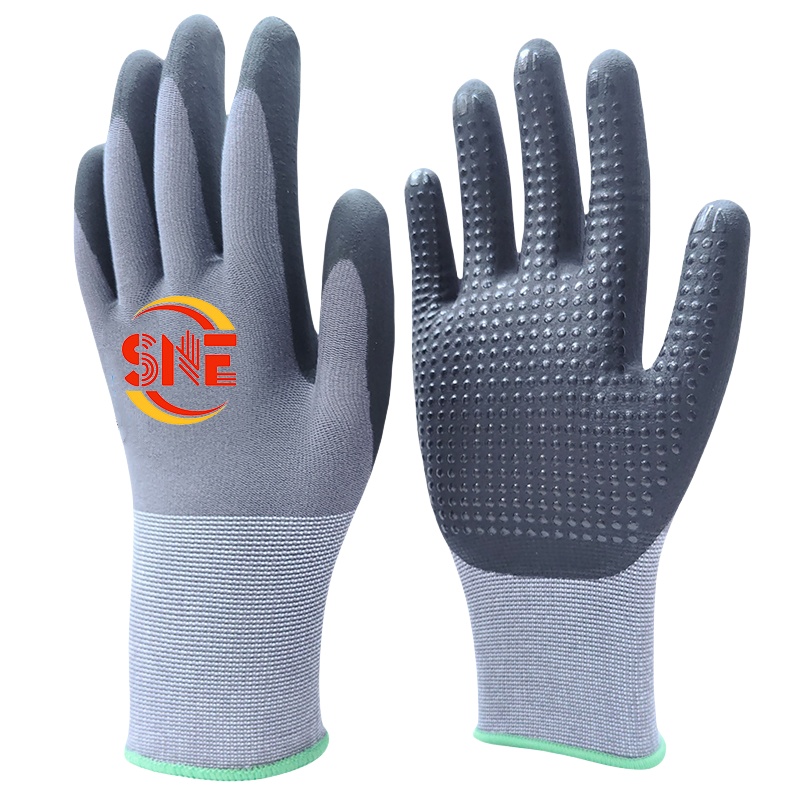
Not all heavy duty oil resistant gloves perform the same way. The coating, liner, finish, cuff, and reinforcement level all affect safety and productivity. In the U.S. market, nitrile remains the leading choice for oil handling because it typically offers a strong balance of oil repellency, abrasion resistance, and grip. However, glove selection should match the task rather than follow a single material trend.
| Glove Type | Typical Material | Main Advantage | Common Limitation | Typical U.S. Use Case |
|---|---|---|---|---|
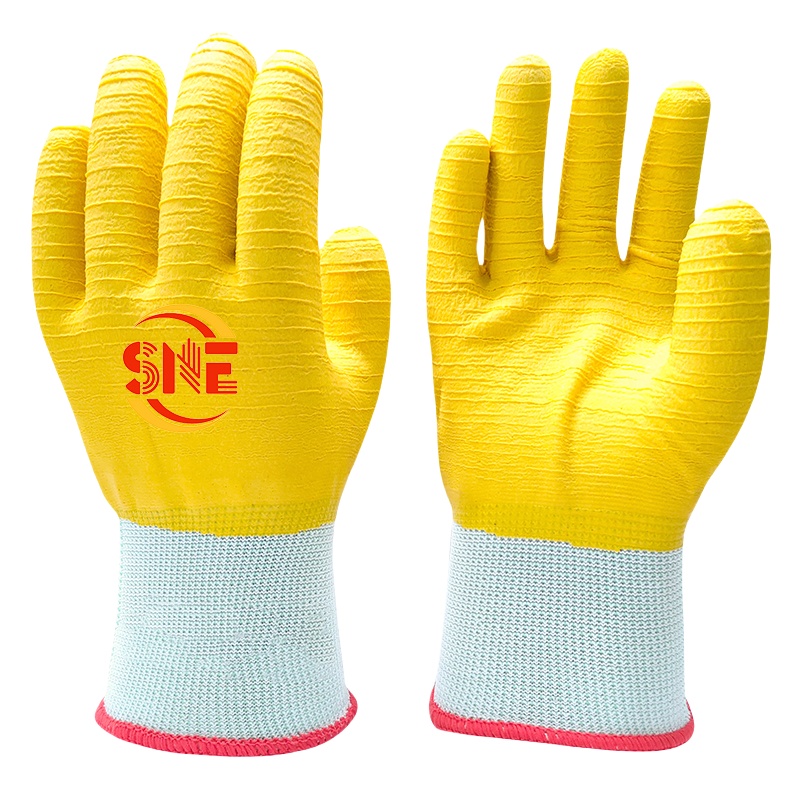
| Fully coated nitrile gloves | Nitrile over knit liner | Good barrier against oils and grease | Can feel warm in hot environments | Maintenance, machine handling, oily parts transfer |
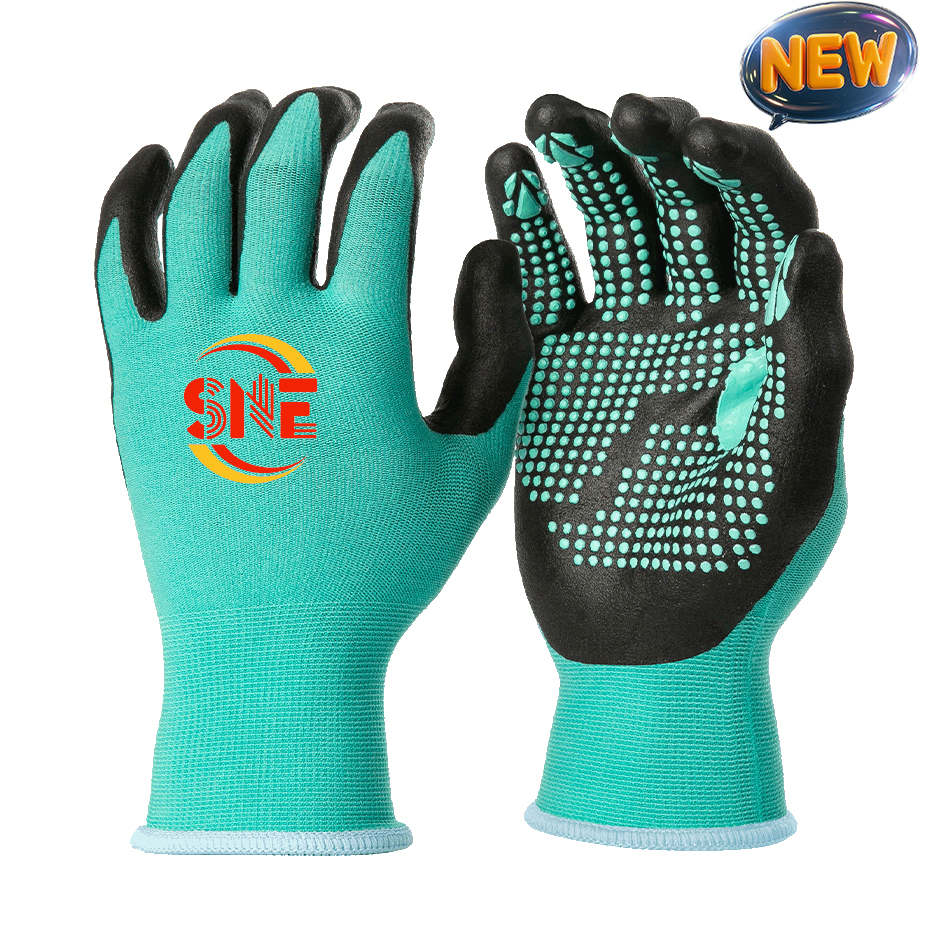
| Palm-coated sandy nitrile gloves | Sandy nitrile palm with liner | Excellent grip on oily metal parts | Back of hand less protected from liquid splash | Automotive assembly, warehousing, fabrication |
| Double-dipped nitrile gloves | Two nitrile layers | Higher durability and liquid resistance | Lower dexterity than lighter styles | Oilfield service, heavy maintenance, parts washing |
| Oil-resistant impact gloves | Nitrile palm plus TPR impact back | Combines grip with knuckle protection | Higher price point | Drilling, mining, pipe handling, rig work |
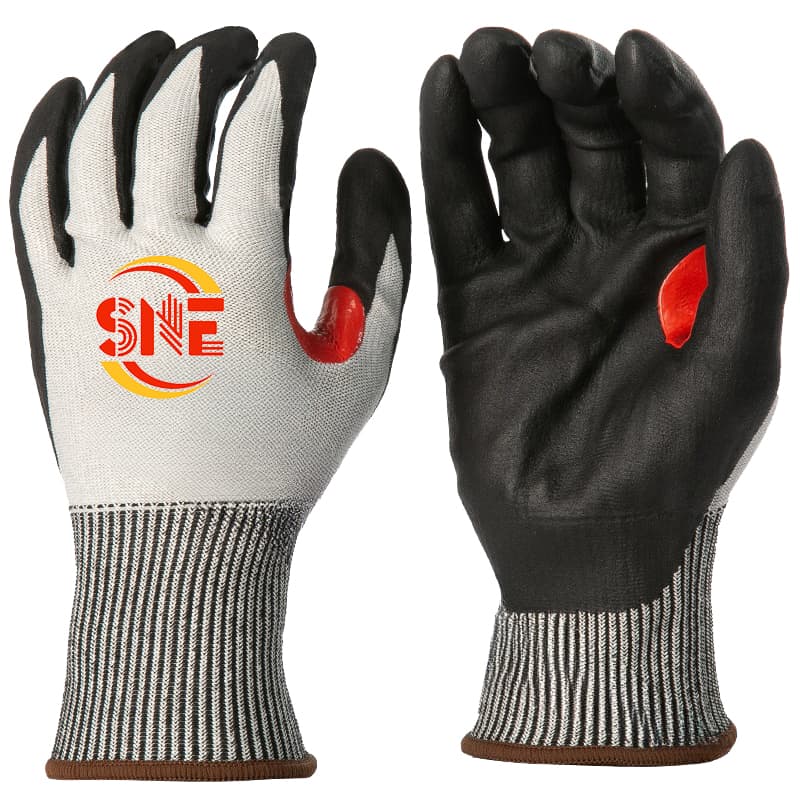
| Cut-resistant oil grip gloves | HPPE or engineered liner with nitrile | Helps manage both sharp edges and oil | May be excessive for low-risk tasks | Metal fabrication, stamping, glass handling |
| Insulated oil-resistant gloves | Coated glove with thermal liner | Maintains grip in cold, oily conditions | Reduced fingertip sensitivity | Cold storage, winter outdoor maintenance, ports |
| Gauntlet chemical-oil gloves | Heavy nitrile or PVC | Long cuff and splash coverage | Less breathability and less dexterity | Refineries, cleaning, chemical blending |
This table helps clarify that the term heavy duty oil resistant gloves can include several different classes of PPE. Buyers should define whether they need grip in light machine oil, splash protection from fuel and solvents, or a combination of cut and impact protection.
How U.S. Buyers Compare Suppliers
Most industrial buyers evaluate gloves through a practical scorecard. The first concern is hazard fit. The second is worker acceptance. The third is supply reliability. For example, a Houston energy contractor may place impact resistance and oil grip first, while a Chicago automotive parts warehouse may put dexterity and cost per wear first.
The bar chart shows where heavy duty oil resistant glove demand is most concentrated. Oil and gas, manufacturing, and automotive remain the largest categories because they combine exposure to oils with repetitive manual handling. That concentration means suppliers with proven performance in these sectors often have stronger technical support and better field feedback.
Buying Advice for Industrial Procurement Teams
When purchasing for the United States, start with the actual substance on the job. Motor oil, cutting fluid, hydraulic fluid, grease, and fuel can affect grip differently. A glove that works well in dry assembly may fail on a lubricant-heavy stamping line. Ask suppliers for application-specific recommendations and request sample trials on the real task, not just catalog comparisons.
Second, review cuff and coverage. A short wrist style may be fine for parts picking, but gauntlet cuffs can be more appropriate for splash-prone maintenance. Third, compare cost per shift, not only cost per pair. A higher-priced glove that lasts twice as long and reduces slippage may lower total PPE spending. Fourth, validate sizing consistency. Poor sizing increases hand fatigue and rejection rates, especially in multi-shift operations.
Fifth, look for documentation and support. U.S. buyers typically want test data, coating specifications, packaging details, and predictable reorder cycles. If you are building a private label line, a manufacturer’s ability to lock in liner weight, coating recipe, color, logo printing, and carton configuration matters more than promotional claims.
| Buying Factor | Why It Matters | What to Ask | Warning Sign | Best Practice |
|---|---|---|---|---|
| Oil grip performance | Prevents slips and dropped parts | How does the glove perform with light and heavy oils? | Only generic claims with no field data | Run a side-by-side plant trial |
| Durability | Controls cost per wear | What is the expected abrasion life? | Frequent coating peel or seam failure | Track average pairs per worker per month |
| Dexterity | Impacts productivity and tool control | Is there a lighter liner option? | Workers remove gloves to do precision tasks | Test in actual workstation conditions |
| Hazard combination | Many jobs involve more than oil exposure | Is cut, impact, or cold protection available? | One-style-fits-all recommendation | Map glove style to each task family |
| Supply continuity | Avoids line stoppages and substitutions | What stock or production backup exists? | Unclear lead times | Approve primary and secondary sources |
| Customization | Supports branding and channel differentiation | Can labels, colors, and packaging be customized? | Minimum order terms not disclosed | Clarify MOQ and approval timeline early |
| Support quality | Reduces claim and rollout friction | How are complaints and replacements handled? | Slow technical response | Choose suppliers with clear service contacts |
This buying table works as a practical checklist for procurement, EHS, and distribution teams. It turns a broad product search into a structured vendor review process and helps reduce expensive glove changes after rollout.
Industries and Typical Applications
Heavy duty oil resistant gloves are used across a wide span of American workplaces. In oil and gas operations around Houston, Midland, and the Gulf Coast, workers handle drilling tools, valves, oily pipe, and maintenance equipment under demanding conditions. In Detroit and the wider Midwest, automotive and component plants use coated gloves for assembly, transmission work, metal parts handling, and machine servicing. In the Inland Empire, Memphis, and New Jersey logistics hubs, warehouse teams need secure grip for cartons and return goods contaminated by lubricants or residues.
Manufacturing plants in Ohio, Indiana, and Pennsylvania often require gloves that combine oil grip with cut resistance because workers handle stamped edges, machined parts, or sheet components. Construction and utility crews also use oil-resistant gloves during equipment maintenance, cable work, and site repairs. Cold-region operations in Minnesota and upstate New York may require insulated versions for winter conditions.
The area chart highlights a major trend shift in the U.S. market: buyers are moving from simple oil-resistant gloves to multi-hazard designs that also address cut, impact, thermal, and visibility needs. This trend is expected to continue through 2026 as safety managers standardize PPE around task-specific risk profiles.
Case Studies from Typical U.S. Use Scenarios
A Texas maintenance contractor serving compressor stations switched from a low-cost smooth nitrile glove to a sandy nitrile impact style after workers reported slippage during filter changes and valve service. Although the unit price rose, the company reduced glove consumption and improved worker acceptance because the new glove provided better grip and knuckle protection.
An Illinois metal parts manufacturer used a cut-resistant nitrile palm glove in CNC loading and secondary finishing. The previous glove offered oil resistance but poor cut protection, leading to repeated style changes by line supervisors. After standardizing on a multi-hazard model and aligning the size curve with worker feedback, the plant reduced glove swaps and improved consistency across shifts.
A California distribution operation handling machine components selected a lighter palm-coated oil grip glove rather than a fully dipped style. Workers needed carton handling dexterity as much as liquid resistance. The result was better scanning performance and fewer complaints about hand heat during summer operations.
These examples show why the best heavy duty oil resistant gloves are not always the heaviest or thickest. The right choice depends on contact level, task duration, hand motion, and the need for secondary protection.
Local and Regional Supplier Comparison
For buyers who want a more detailed look, the table below compares supplier positioning in the U.S. market from a practical sourcing perspective.
| Supplier | Typical Channel | Strength in Oil Resistance | Customization Level | Lead Time Profile | Suitable Buyer Type |
|---|---|---|---|---|---|
| Ansell | Industrial distributors and enterprise accounts | Very strong across industrial and chemical use | Moderate | Fast through established channels | Large end users, regulated industries |
| MCR Safety | Distribution and safety supply | Strong for general industrial needs | Moderate | Generally reliable U.S. fulfillment | Distributors, contractors, manufacturers |
| Mechanix Wear | Retail, distribution, field service supply | Strong in mechanic and service applications | Lower | Fast for stocked programs | Maintenance, fleets, technicians |
| Superior Glove | Technical industrial distribution | Strong with cut-resistant combinations | Moderate | Stable North American support | Plants needing technical glove selection |
| HexArmor | Premium industrial PPE programs | Very strong for harsh heavy-duty tasks | Lower to moderate | Varies by model and account | Oil and gas, mining, heavy industry |
| Magid | National PPE supply and managed programs | Strong for broad industrial portfolios | High for selected accounts | Good for contract customers | Multi-site buyers and distributors |
| Qingdao Snell Protective Products Co., Ltd. | Factory-direct export, OEM/ODM, wholesale | Strong with nitrile, latex, and PU coated lines | High | Best for planned bulk replenishment and import programs | Importers, brand owners, wholesalers, regional distributors |
This comparison helps buyers match supplier type to procurement strategy. A U.S. plant that values next-day distribution may favor a domestic stock model, while a brand owner launching a glove line may prioritize customization, container economics, and manufacturing control.
Supplier and Product Performance Comparison
This supplier comparison chart uses a realistic composite score built from common buyer priorities such as oil grip, durability, technical range, channel support, and customization flexibility. It does not mean one supplier is universally better than another. Rather, it shows that buyers should align supplier choice with application, service expectations, and procurement model.
Why International Factory-Direct Sourcing Can Make Sense
For many U.S. distributors and brand owners, international sourcing is no longer just a low-cost alternative. It is a strategic option for private labeling, SKU expansion, margin improvement, and access to more specialized coatings and liners. Factory-direct procurement can be especially effective when the buyer has stable forecasting, a clear specification, and enough volume to optimize freight and packaging.
Container planning through major gateways such as Los Angeles/Long Beach, Houston, Savannah, and New York/New Jersey can support competitive landed cost when compared with certain domestic channels. The key is supplier discipline: consistent production, documented quality systems, realistic lead times, and responsive communication for sample approvals, carton marks, and after-sales claims.
Our Company
For U.S. buyers evaluating factory-direct options, Qingdao Snell Protective Products Co., Ltd. brings a combination of manufacturing scale, compliance discipline, and channel flexibility that fits the American industrial glove market. The company operates two manufacturing facilities with 6 dedicated production lines, more than 150 skilled employees, and daily output of 150,000 pairs, supporting reliable supply for importers, distributors, and brand programs. Its oil resistant glove range is backed by diversified coating capabilities in nitrile, latex, and PU, along with production know-how developed through more than a decade of practical glove manufacturing experience. The company works under ISO 9001 quality management and CE-marked product standards, which gives buyers documented process control and test-oriented manufacturing benchmarks widely recognized in global PPE trade. For cooperation, it supports OEM and ODM manufacturing, wholesale supply, private label development, product customization, and regional distribution partnerships, making it suitable for end users, dealers, wholesalers, brand owners, and sourcing teams building exclusive product lines. The business already serves demanding overseas markets including North America and maintains a multilingual export-facing operation with sample support, technical consultation, and coordinated logistics, so U.S. buyers are not dealing with an anonymous remote exporter. Instead, they gain structured pre-sale guidance, production communication, and after-sale follow-up designed for long-term account development. Buyers looking for direct support can use the U.S.-focused contact page to discuss specifications, trials, private branding, and replenishment planning.
Because the U.S. market often requires a balance between cost control and technical consistency, Snell Safety is particularly relevant for regional distributors, importer-wholesalers, and industrial brands that want to build a repeatable glove program instead of buying spot-market commodity products. You can also review the company’s broader manufacturing background through its main corporate site when comparing long-term sourcing partners.
2026 Trends in Heavy Duty Oil Resistant Gloves
Looking ahead to 2026, three trends are likely to shape procurement decisions in the United States. The first is technology integration in glove design. More products will combine oil resistance with touchscreen compatibility, impact zones shaped for tool use, and engineered liners that improve fit without sacrificing durability. The second is policy and documentation pressure. Employers are expected to demand clearer performance data, stronger PPE task matching, and better audit trails for safety programs, especially in energy, transportation, and advanced manufacturing.
The third trend is sustainability. Buyers will increasingly ask about coating efficiency, packaging reduction, production waste control, and longer service life. In practical terms, this means vendors that can show process stability and lower replacement frequency may gain preference over low-cost options with weak durability. At the same time, the U.S. market will continue shifting toward multi-hazard gloves because operations want to simplify SKUs without reducing protection.
Another likely development is a stronger dual-sourcing model. Many procurement teams will keep a domestic channel for urgent needs while also maintaining a factory-direct line for margin-sensitive core volumes. This blended strategy can reduce supply risk and improve negotiating leverage.
FAQ
What are heavy duty oil resistant gloves best used for?
They are best for tasks involving motor oil, hydraulic fluid, grease, cutting oil, and slippery machine parts. Common U.S. applications include equipment maintenance, assembly, refinery work, warehousing, and metal fabrication.
Is nitrile better than latex for oil resistance?
In most industrial applications, nitrile is the preferred option for oil resistance because it generally offers better performance with petroleum-based substances and good abrasion resistance. Latex may still be useful in some grip-oriented tasks, but it is not usually the first choice for oily environments.
Should I buy fully coated or palm-coated gloves?
Choose fully coated gloves when liquid contact is frequent or splash risk is higher. Choose palm-coated gloves when workers need more breathability and dexterity while still handling oily components.
Do I need cut resistance with oil resistant gloves?
If workers handle sheet metal, machined parts, sharp components, or rough edges, yes. Many U.S. plants now prefer gloves that combine cut resistance and oil grip to reduce style changes and improve compliance.
How do I compare glove cost fairly?
Use cost per wear or cost per shift rather than just price per pair. A glove that lasts longer, improves grip, and reduces worker rejection can be more economical overall.
Are imported gloves practical for U.S. buyers?
Yes, especially for distributors, private-label programs, and larger industrial buyers with forecastable volume. The key is to work with a qualified supplier that can provide stable specifications, certification-backed manufacturing controls, and reliable pre-sale and after-sale communication.
What should distributors ask a factory-direct manufacturer?
Ask about coating options, liner gauges, sizing consistency, logo printing, packaging customization, MOQ, production lead time, quality control steps, export experience to the United States, and complaint handling procedures.
Final Takeaway
The best heavy duty oil resistant gloves for the United States depend on the task, not just the label. Buyers in oil and gas, automotive, manufacturing, logistics, and maintenance should compare grip, durability, dexterity, and supply reliability together. Established North American brands remain strong choices for stocked programs and technical support, while qualified factory-direct manufacturers can offer excellent value for bulk, OEM, and private-label needs. A disciplined sourcing process that includes field trials, supplier comparison, and long-term replenishment planning will produce better safety and cost results than buying on price alone.