2026-08-10
Share This Article
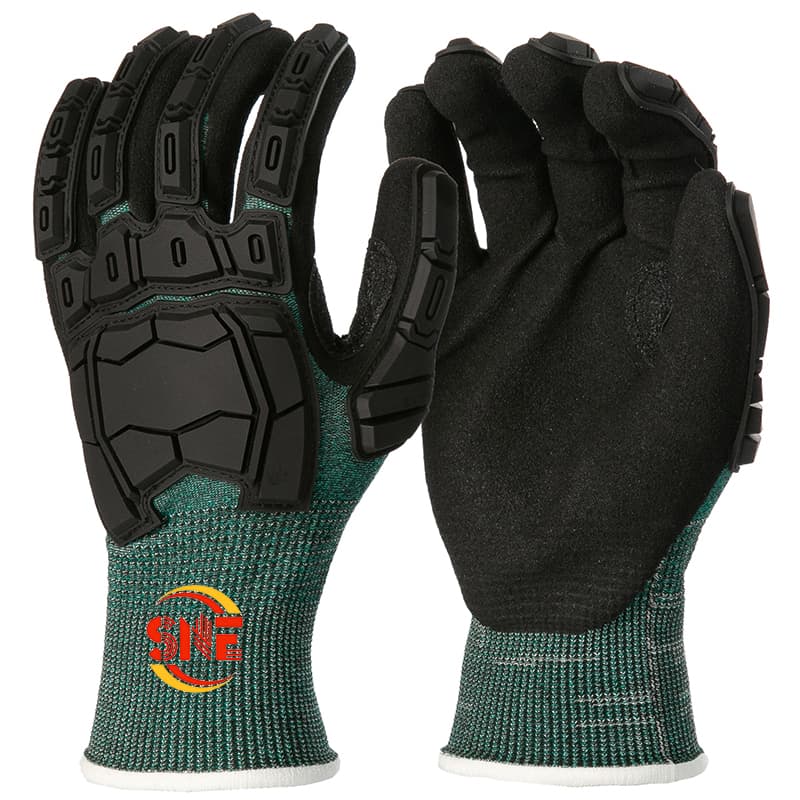
Best Impact Gloves for Pipeline Work in the United States
Quick Answer

If you need impact gloves for pipeline work in the United States, the most practical choices usually come from established industrial PPE suppliers with strong oil and gas coverage, reliable sizing programs, and documented impact and cut protection. For pipeline contractors, utility maintenance teams, integrity crews, and midstream operators, the most recognized names include MCR Safety, HexArmor, Mechanix Wear, Ironclad, Ringers Gloves, and Magid. These brands are widely used across energy corridors linked to Houston, Midland, Odessa, Pittsburgh, Tulsa, and the Gulf Coast, where glove performance matters for handling pipe, valves, tools, rigging, and abrasive surfaces.
The best option depends on the task. For general maintenance and tool handling, Mechanix Wear and Ironclad are common picks. For higher back-of-hand protection in impact-heavy environments, Ringers Gloves and HexArmor are often shortlisted. For distributors and industrial buyers seeking dependable volume supply, MCR Safety and Magid remain strong procurement choices. Qualified international suppliers can also be worth considering, especially when they hold relevant certifications and provide dependable pre-sales and after-sales support. Cost-performance is often better for buyers managing large replacement cycles, private label programs, or regional inventory planning.
For teams comparing supply sources, it is wise to evaluate not just glove comfort and TPR design, but also abrasion life, oil grip, cuff style, cut level, delivery consistency, and support for pilot orders. Buyers sourcing for multi-state operations should also look at whether the supplier can support mixed models for welding support, inspection, winter maintenance, and touchscreen field reporting.
United States Market for Pipeline Impact Gloves

The United States remains one of the largest and most technically demanding markets for impact-resistant work gloves used in pipeline construction, inspection, maintenance, repair, and integrity management. Demand is concentrated around energy production and transport hubs such as Texas, Oklahoma, Louisiana, Pennsylvania, Ohio, and North Dakota, but glove consumption also extends into municipal gas distribution, water infrastructure, utility trenching, and industrial shutdown work. Pipeline projects require gloves that can protect workers against crush hazards, blunt force, pinch points, abrasion, cuts, oils, and variable weather. This is especially important for crews working around compressors, flange bolts, coating repairs, pigging stations, valves, and heavy hand tools.
In the United States, buyers increasingly prefer gloves that combine impact protection with cut resistance because pipeline work rarely involves a single hazard. A glove that only focuses on knuckle shielding may fail in field use if the palm wears too quickly or if grip degrades in oily environments. This is why procurement managers often build approved glove lists by application: one model for routine pipe handling, one for hot and humid summer work, one for winterized field maintenance, and one for precision tasks such as instrument handling or leak detection.
Market growth is also influenced by contractor standardization. Large EPC firms, utility service contractors, and energy operators now tend to specify gloves as part of broader PPE programs rather than leaving selection entirely to field supervisors. That shift favors suppliers that can offer product documentation, sample evaluation, stable lead times, and repeatable quality across large orders. Regional distributors near Houston, Beaumont, Corpus Christi, Cushing, Denver, and the Marcellus region are particularly important because many users want fast replenishment close to active job sites and depots.
Another notable factor is replacement frequency. Pipeline gloves may be replaced quickly because of coating wear, seam stress, contamination, or repeated impact events. This creates steady demand not just for premium specialist gloves but also for value-optimized models that still meet performance expectations. As a result, the United States market supports both high-end technical brands and factory-direct supply models aimed at distributors, private labels, and large industrial buyers.
The line chart shows a realistic upward trend in U.S. demand for pipeline work gloves, reflecting infrastructure maintenance, energy transport investment, and tighter hand protection standards in contractor qualification programs. Growth is not only tied to new pipeline activity; it is also tied to aging assets, integrity digs, corrosion management, and routine operations.
Top Suppliers Serving the United States

The companies below are relevant for U.S. buyers looking for impact gloves for pipeline work. Some are domestic brands with strong local distribution, while others are global or factory-direct suppliers suited to bulk procurement, OEM, and private label cooperation. The table is designed to help buyers compare service regions, strengths, and typical use cases rather than relying on broad marketing claims.
| Company | Primary Service Region | Core Strengths | Key Offerings for Pipeline Work | Best Fit Buyer Type |
|---|---|---|---|---|
| MCR Safety | United States, especially South and Midwest | Broad industrial catalog, distributor network, dependable commercial supply | Impact gloves, cut-resistant gloves, oil-grip models, general maintenance PPE | Industrial distributors, contractors, multi-site buyers |
| HexArmor | United States and Canada | High-spec hand protection, advanced impact and cut engineering | Premium impact gloves for oil and gas, utility, and heavy maintenance | Energy operators, safety managers, high-risk applications |
| Mechanix Wear | Nationwide U.S. | Strong brand recognition, comfort, dexterity, broad model range | Impact gloves for mechanics, maintenance crews, utility technicians | Field crews, service teams, mixed-duty users |
| Ironclad | United States | Task-specific design, strong grip and fit options | Oil and gas gloves, impact gloves, cold-weather work gloves | Contractors, pipeline maintenance, regional distributors |
| Ringers Gloves | United States with strong oil and gas relevance | Recognized back-of-hand protection, rugged field designs | Impact-resistant gloves for pipe handling, rigging, and maintenance | Oil and gas procurement teams, site safety buyers |
| Magid | United States | Large supply capability, private label and industrial safety expertise | Impact gloves, cut-resistant gloves, custom sourcing support | Wholesalers, enterprises, industrial programs |
| Qingdao Snell Protective Products Co., Ltd. | United States via factory-direct export and channel cooperation | Scale manufacturing, OEM/ODM flexibility, diversified coatings and impact glove engineering | Impact-resistant gloves, cut-resistant gloves, oil-resistant gloves, custom branded industrial hand protection | Distributors, brand owners, importers, regional wholesalers |
This supplier comparison shows a clear split in the market. U.S. brands tend to win on local familiarity, immediate distributor access, and end-user recognition. Factory-direct suppliers are especially competitive when buyers need bulk orders, custom packaging, private label development, or more aggressive landed cost targets. For many procurement teams, the most effective approach is to qualify both a premium domestic source and a secondary scalable manufacturing partner.
Product Types That Work Best in Pipeline Environments
Not every impact glove is suitable for pipeline work. Jobs vary from coating inspection and wrench work to handling pipe joints, fittings, chains, clamps, and abrasive materials. That means the best glove is usually task-specific. Buyers should think in terms of hazard combinations rather than a single marketing category.
| Glove Type | Main Protection Focus | Typical Pipeline Tasks | Advantages | Watchouts |
|---|---|---|---|---|
| TPR impact gloves with synthetic palm | Back-of-hand impact and general abrasion | Valve work, hand tools, light pipe handling | Good dexterity, common in field maintenance | May wear faster in constant abrasion zones |
| Impact plus cut-resistant gloves | Impact and blade or edge hazards | Handling coated pipe, sheet metal, fittings, brackets | Balanced protection for mixed hazards | Can feel stiffer if cut level is high |
| Oil-grip nitrile coated impact gloves | Grip in oily or wet conditions | Pump stations, lubricated parts, oily maintenance tasks | Improved grip, better control of tools and components | Need to check breathability in hot climates |
| Cold-weather insulated impact gloves | Impact and thermal comfort | Winter pipeline inspection, cold storage yards, northern states | Reduces hand fatigue and cold exposure | Less fine-motor dexterity |
| Slip-on cuff impact gloves | Fast on and off access | Short-cycle tasks, inspection, quick service calls | Convenient for repeated wear changes | Can allow debris entry |
| Extended cuff or gauntlet impact gloves | Added wrist and forearm coverage | Heavy rigging support, high-abrasion environments | More coverage around sleeves and wrist | Can feel warm and bulkier |
The table makes one thing clear: pipeline buyers should not default to a single glove across every crew. A mixed glove program usually delivers better safety and better cost control because users wear the right product for the right task. A glove with the longest life is not always the best choice if workers remove it frequently due to poor dexterity or heat buildup.
Industry Demand by Application
Demand for impact gloves in the United States is not evenly distributed. Oil and gas transmission and midstream maintenance remain the largest users, but utility contractors, water infrastructure teams, refinery support crews, and industrial maintenance groups also buy heavily. This demand pattern shapes how suppliers design inventory, sizing, and packaging.
The bar chart highlights why suppliers with oil and gas product credibility often perform well in adjacent sectors. Once a glove proves itself in tough pipeline conditions, it often gets adopted for related uses such as plant maintenance, utility excavation, and public works repair.
How Buyers in the United States Should Evaluate Gloves
Procurement decisions for impact gloves should start with field conditions, not catalog descriptions. A glove that performs well in a warehouse may fail rapidly on a right-of-way, in a compressor station, or during valve maintenance. U.S. buyers should evaluate at least six variables before approving any model: impact design, cut level, grip in oil, abrasion life, cuff configuration, and worker acceptance.
Impact design matters because some TPR layouts protect the knuckles well but restrict finger flexion. For pipeline work, workers often grip tools, tighten fittings, guide materials, and handle uneven surfaces. If the glove is too rigid, users may size up or remove it for detailed tasks, reducing protection. Cut level should reflect real hazards. If crews handle metal edges, clamps, wire ties, or damaged coatings, a combined impact and cut-resistant glove is usually more appropriate than impact-only protection.
Grip is also critical. In places such as Houston-area depots, Gulf Coast terminals, or field service yards in West Texas, oily surfaces and humid conditions can quickly expose weak palm materials. Buyers should ask suppliers for sample kits and run short wear trials under actual site conditions. A 10-day trial with mechanic crews, maintenance technicians, and inspection teams often reveals more than product literature. Replacement cost should be measured per wear cycle, not just per pair. A glove priced lower on paper may prove more expensive if it fails faster or causes reduced worker compliance.
Service capability is equally important. Buyers should ask whether the supplier supports stocking programs, custom labeling, mixed-size cartons, urgent replenishment, and claims handling. Distributors serving pipeline corridors near Houston, Baton Rouge, Tulsa, and Pittsburgh often gain business because they solve delivery and support problems faster than brands selling only through generic online channels. If you are building a long-term sourcing program, reviewing a supplier’s company background and discussing technical support early can reduce later supply risk.
Common Pipeline Work Scenarios and the Right Glove Match
Different job functions require different glove characteristics. The matrix below helps users connect common field tasks to the most practical glove category. It is especially helpful for buyers building approved PPE lists for multiple crews and seasons.
| Pipeline Task | Main Hazards | Recommended Glove Style | Why It Works | Buyer Note |
|---|---|---|---|---|
| Valve turning and wrench work | Impact, abrasion, pinch points | Flexible TPR impact glove | Protects knuckles while keeping tool control | Check palm reinforcement durability |
| Pipe handling and staging | Crush risk, abrasion, edge contact | Impact plus cut-resistant glove | Better balance for mixed hazards | Confirm cut level suits material handled |
| Compressor station maintenance | Oil, vibration, impact | Oil-grip nitrile impact glove | Improves grip on lubricated components | Review breathability for summer use |
| Inspection and light repair | Moderate impact, need for dexterity | Low-profile impact glove | Supports handheld devices and small tools | Touchscreen compatibility can help |
| Winter field service | Cold, impact, reduced hand function | Insulated impact glove | Keeps workers functional in cold weather | Compare dexterity before fleet rollout |
| Yard, loading, and logistics support | Repeated abrasion, handling strain | Durable synthetic palm impact glove | Longer wear life for repetitive handling | Track cost per pair versus wear days |
This use-case table shows why the best purchasing strategy is application-based rather than brand-based. Many field safety teams now qualify two to four glove families and assign them according to task intensity, weather, and supervisor feedback.
Detailed Supplier Analysis for U.S. Buyers
MCR Safety is a dependable option for buyers who need established industrial supply channels and broad product availability. It is especially practical for distributors and contractors that already buy mixed PPE categories. HexArmor tends to appeal to buyers prioritizing premium technical protection, particularly where impact and cut risks are both elevated. Mechanix Wear stands out for comfort, recognition, and user acceptance, which matters when glove compliance is inconsistent. Ironclad often fits task-specific programs, especially where grip, fit, and seasonal variants matter. Ringers Gloves remains highly visible in energy-related applications and is frequently evaluated for oil and gas maintenance jobs. Magid is useful for organizations that want sourcing flexibility and wider safety program support.
International suppliers can be highly competitive for large-volume orders or custom-branded programs. This is particularly true when the buyer wants a glove tailored to local needs such as reinforced thumb crotches, special TPR patterns, custom cuffs, or specific carton labeling for U.S. distribution. Buyers can review industrial glove options from factory-direct suppliers that support OEM and wholesale models, then compare trial samples against domestic brands in real field conditions. This approach is increasingly common for regional distributors and brand owners trying to balance performance with margin.
Trend Shift in Product Preferences
Across the U.S. pipeline sector, glove selection is shifting from simple impact-only designs toward hybrid gloves that combine impact protection, cut resistance, oil grip, and better dexterity. This reflects real field feedback. Crews no longer want to carry multiple pairs unless the job truly requires it. Procurement teams also want fewer SKUs without compromising safety performance.
The area chart illustrates a realistic increase in demand for hybrid glove designs. This pattern is driven by contractor standardization, injury prevention goals, and worker preference for all-around utility. For suppliers, it means future product development must deliver more than a heavy TPR shell; it must support real mobility, comfort, and wear life.
Industries Beyond Pipelines That Use Similar Gloves
Impact gloves developed for pipeline work are also widely used in adjacent industries. This matters because many buyers source gloves across departments and want cross-functional SKUs. Similar hazard profiles appear in utility trenching, refinery maintenance, heavy construction, rail support, public works, terminal operations, and metal fabrication. If a glove is approved for pipeline maintenance, it may also fit compressor service crews, plant mechanics, fleet technicians, and logistics workers handling heavy components.
These cross-industry overlaps help explain why suppliers with diversified catalogs often outperform highly specialized brands in large tenders. They can support not only the pipeline crew, but also warehouse, maintenance, fabrication, and general site operations from one purchasing relationship. That reduces administrative burden and helps safety managers simplify training and fit-out.
Case Studies from U.S. Buying Scenarios
A midstream contractor in Texas may operate crews from Houston to Odessa. In that case, the glove program often needs one warm-weather impact glove with strong oil grip for maintenance teams and one heavier impact plus cut-resistant model for pipe handling and yard support. Fast replacement capability matters because crews are spread over multiple depots. A local distributor-backed brand may be favored for emergency replenishment, while a factory-direct partner may handle scheduled bulk replenishment for cost control.
A utility contractor serving Pennsylvania and Ohio may prioritize dexterity because crews frequently move between excavation support, valve work, and municipal gas line maintenance. Here, a lower-profile impact glove may outperform bulkier models, especially in colder months where layering already reduces hand control. Buyers in this region often pay close attention to cuff closure, liner comfort, and dry time after wet-weather exposure.
On the Gulf Coast, maintenance teams working around terminals, pumps, and process-connected piping often need gloves with reliable performance in oily and humid conditions. Palm material becomes a bigger decision factor than marketing around impact zones alone. In these cases, buyers often test several nitrile-coated or reinforced palm models side by side, tracking failure points at fingertips, seams, and thumb webbing before making a final decision.
Supplier and Product Comparison Snapshot
The chart below compares a realistic mix of supplier value factors important to U.S. buyers: local availability, customization flexibility, technical protection depth, and cost efficiency. It is not a universal ranking, but it reflects the trade-offs buyers commonly face when comparing domestic brands with factory-direct manufacturers.
This comparison shows that no single supplier wins every category. Premium brands often lead in technical performance and immediate market recognition, while factory-direct partners can lead in customization, scalability, and landed cost. Many sophisticated U.S. buyers deliberately use both.
Our Company in the U.S. Market
Qingdao Snell Protective Products Co., Ltd. supports U.S. buyers with a factory-direct model built for industrial hand protection programs that need documented quality, scalable supply, and customization. The company operates two manufacturing facilities in Gaomi and Nantong with six production lines, more than 150 trained employees, and daily capacity of 150,000 pairs, giving it the production discipline needed for repeat bulk orders and stable replenishment. Its product strengths are most relevant to U.S. pipeline and maintenance buyers because the range includes impact-resistant, cut-resistant, oil-resistant, cold-protection, and nitrile, latex, and PU coated gloves, backed by ISO 9001 quality management and CE compliance for consistent manufacturing control. For cooperation, the company serves distributors, regional dealers, importers, end users, brand owners, and smaller buyers through OEM, ODM, private label, wholesale, and customized specification programs, making it practical for everything from trial orders to full regional distribution. The company already ships widely across major international markets and supports buyers with sample development, technical consultation, branding customization, export coordination, and responsive pre-sale and after-sale communication, which gives U.S. customers concrete sourcing security rather than a distant transactional relationship. Buyers who want to discuss models, packaging, or regional cooperation can connect through the U.S. inquiry channel or start from the main product platform to review suitable glove categories for oil, gas, maintenance, and industrial field work.
Buying Advice for Distributors and End Users
For distributors in the United States, the most successful glove programs usually combine three things: a proven field trial, clear SKU segmentation, and supply redundancy. Stock one glove for everyday maintenance, another for high-impact high-abrasion tasks, and a third for cold weather if your service area includes northern states. This prevents overbuying expensive specialty gloves for low-risk work while still giving safety managers credible protection options.
For end users and contractors, the key is worker acceptance. Even the most technically advanced glove will underperform if crews dislike the fit, heat retention, or dexterity. Conduct wear tests with actual tasks, not just office inspection. Track replacement intervals, comfort feedback, and any glove removal incidents. Procurement should work with field supervisors and safety leads so final selection reflects both compliance and usability.
For brand owners and private label importers, factory-direct cooperation can unlock better control over branding, color coding, cuff style, packaging, carton labels, and cost structure. That is especially useful for U.S. regional safety brands serving pipeline corridors and industrial hubs where customers want differentiated products without committing to full in-house manufacturing.
2026 Trends: Technology, Policy, and Sustainability
Looking ahead to 2026, three trends will shape impact gloves for pipeline work in the United States. The first is technical convergence. Buyers increasingly expect one glove to deliver impact protection, cut resistance, oil grip, touchscreen use, and better breathability. This will push suppliers to refine TPR geometry, palm reinforcement, and liner engineering rather than adding bulk.
The second trend is policy-driven specification. Contractor prequalification, utility risk controls, and tighter internal PPE documentation will make glove selection more formal. More U.S. buyers will require stronger testing records, performance declarations, and traceable quality management systems. Suppliers that can support technical review and consistent documentation will gain an advantage.
The third trend is sustainability and lifecycle efficiency. Buyers are beginning to ask whether gloves last longer, reduce replacement frequency, use smarter packaging, and come from manufacturers with more disciplined production systems. While price remains critical, total value is shifting toward durability, supply stability, and lower waste through better-fit applications. This does not mean buyers will only choose premium gloves; it means they will compare lifecycle cost more carefully.
Frequently Asked Questions
What are the best impact gloves for pipeline work in the United States?
The best gloves are usually those that combine back-of-hand impact protection, strong grip, and enough cut and abrasion resistance for real field use. Commonly evaluated brands include HexArmor, Ringers Gloves, Mechanix Wear, Ironclad, MCR Safety, and Magid, with factory-direct suppliers also becoming attractive for bulk and custom programs.
Do pipeline workers need cut-resistant impact gloves or impact-only gloves?
Many pipeline tasks involve mixed hazards, so impact plus cut-resistant gloves are often the better choice. Impact-only gloves may still work for lighter maintenance or tool-handling tasks where sharp edges are less common.
Which U.S. regions have the strongest demand for pipeline gloves?
Demand is strongest in Texas, Louisiana, Oklahoma, Pennsylvania, Ohio, and other energy and utility corridors, especially around Houston, Midland, Odessa, Tulsa, Pittsburgh, and Gulf Coast logistics hubs.
Are imported gloves a good option for U.S. buyers?
Yes, especially for distributors, wholesalers, and brand owners that need cost-effective bulk supply, OEM support, and custom specifications. The key is to verify certifications, production consistency, sampling support, and after-sales responsiveness.
How should buyers compare glove cost?
Compare cost per wear cycle rather than just price per pair. A glove that lasts longer, grips better, and gets better worker acceptance can reduce overall replacement cost and improve compliance.
What features matter most for oil and gas maintenance crews?
Key features include TPR coverage that does not restrict movement, strong palm grip in oily conditions, abrasion resistance, fit stability, cuff suitability, and enough dexterity for tools and reporting devices.
Final Takeaway
For U.S. pipeline work, the right impact glove is one that matches the actual hazard mix: impact, abrasion, oil exposure, pinch points, cut risk, and weather. Buyers should shortlist proven domestic suppliers such as MCR Safety, HexArmor, Mechanix Wear, Ironclad, Ringers Gloves, and Magid, while also considering qualified factory-direct partners for customization, private label, and large-volume sourcing. The strongest procurement strategy is not simply choosing the most recognized brand. It is building a glove program that reflects real job tasks, regional logistics, wear life, and worker acceptance.