2026-09-02
Share This Article
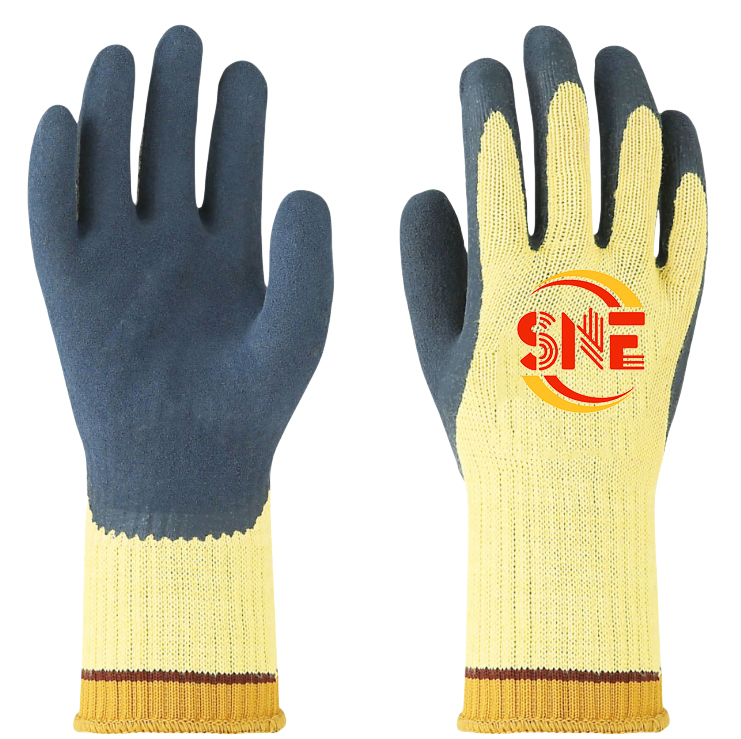
Heat Resistant Gloves in the United States: What Buyers Need to Know
Quick Answer

If you need heat resistant gloves in the United States, the best choice depends on the exact hazard: contact heat, intermittent flame, molten splash, steam, or combined cut-and-heat risk. For fast sourcing and reliable compliance support, many U.S. buyers start with established names such as Honeywell, MCR Safety, Magid, HexArmor, Superior Glove, and Wells Lamont Industrial. These companies are widely used across manufacturing, welding, metal fabrication, food processing, and maintenance operations.
For buyers who need immediate action, focus on suppliers that can clearly document temperature range, glove material, cuff length, dexterity level, and relevant test performance. In practical terms, a welding shop in Houston may prioritize leather and aluminized back options, while a bakery in Chicago may prefer washable knit aramid gloves with silicone grip, and an automotive stamping plant near Detroit may require heat resistance plus cut protection.
Qualified international suppliers can also be a strong option for U.S. distributors and industrial buyers. Factory-direct manufacturers with ISO 9001 systems, CE-marked production, custom OEM capability, and dependable pre-sales and after-sales support often offer a strong cost-to-performance advantage, especially for bulk programs, private label lines, and regional distribution projects.
Understanding the U.S. Market for Heat Resistant Gloves

The United States remains one of the largest and most technically demanding markets for industrial hand protection. Demand for heat resistant gloves is shaped by a wide range of industries, including steel processing in Indiana and Pennsylvania, oil and gas operations along the Gulf Coast, food manufacturing in the Midwest, aerospace work in Washington and Kansas, and logistics-heavy manufacturing corridors across Texas, Ohio, and the Carolinas. Buyers are no longer looking only for a glove that resists heat. They increasingly want multipurpose hand protection that combines thermal insulation, grip, abrasion resistance, cut resistance, comfort, and traceable compliance documentation.
Procurement teams in the U.S. also pay close attention to OSHA expectations, ANSI performance labeling, replacement frequency, and total cost per wear. A glove that looks inexpensive on paper may actually cost more if it stiffens too quickly, reduces worker dexterity, or wears out after short exposure cycles. That is why many buyers evaluate not just the glove itself, but also the supplier’s stocking depth, consistency, training support, and ability to support pilot trials across multiple facilities.
Regional logistics matter too. Ports such as Los Angeles, Long Beach, Savannah, Houston, and New York/New Jersey remain important entry points for imported PPE, while domestic warehousing near Chicago, Dallas, Atlanta, and Southern California helps reduce lead times for replenishment. In a market where urgent maintenance shutdowns and production peaks are common, a supplier with stable supply planning can be just as important as one with a strong product catalog.
The market growth pattern shown above reflects broader PPE demand driven by stricter workplace compliance, increased automation maintenance work, expansion in battery and EV manufacturing, and the need for better ergonomic products. While exact market values vary by source and segment definition, the trend line is realistic for strategic planning: moderate but steady growth, with more value flowing toward specialty gloves rather than low-spec commodity products.
Major Product Types and Where They Fit

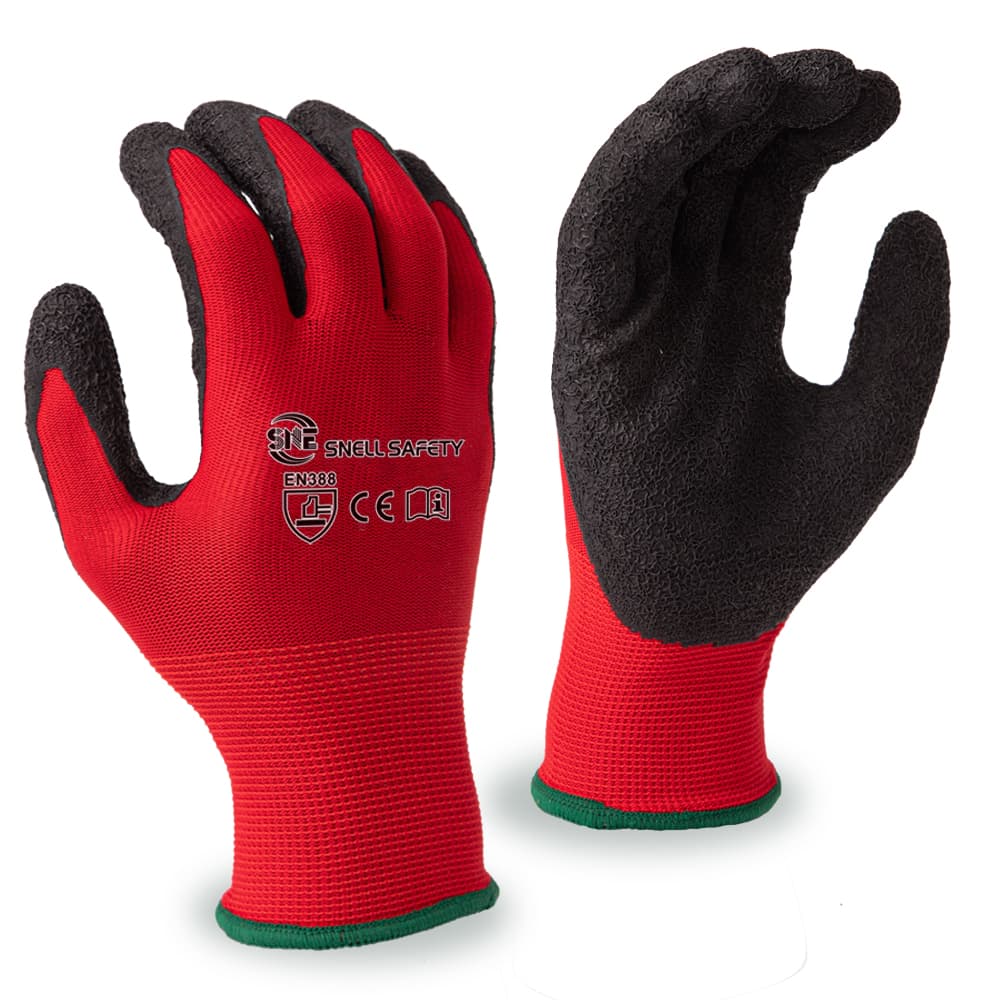
Heat resistant gloves are not a single product class. In the U.S. industrial market, buyers generally separate them by material system and thermal exposure profile. Aramid fiber gloves are common where workers need flexibility, moderate contact heat protection, and good durability. Leather welding gloves remain standard in fabrication and heavy industry because they are familiar, rugged, and capable of handling sparks and rough surfaces. Aluminized gloves are preferred where radiant heat is intense, such as foundries and glass handling. Silicone-coated and neoprene-supported designs may be selected where grip and intermittent high-temperature handling are important.
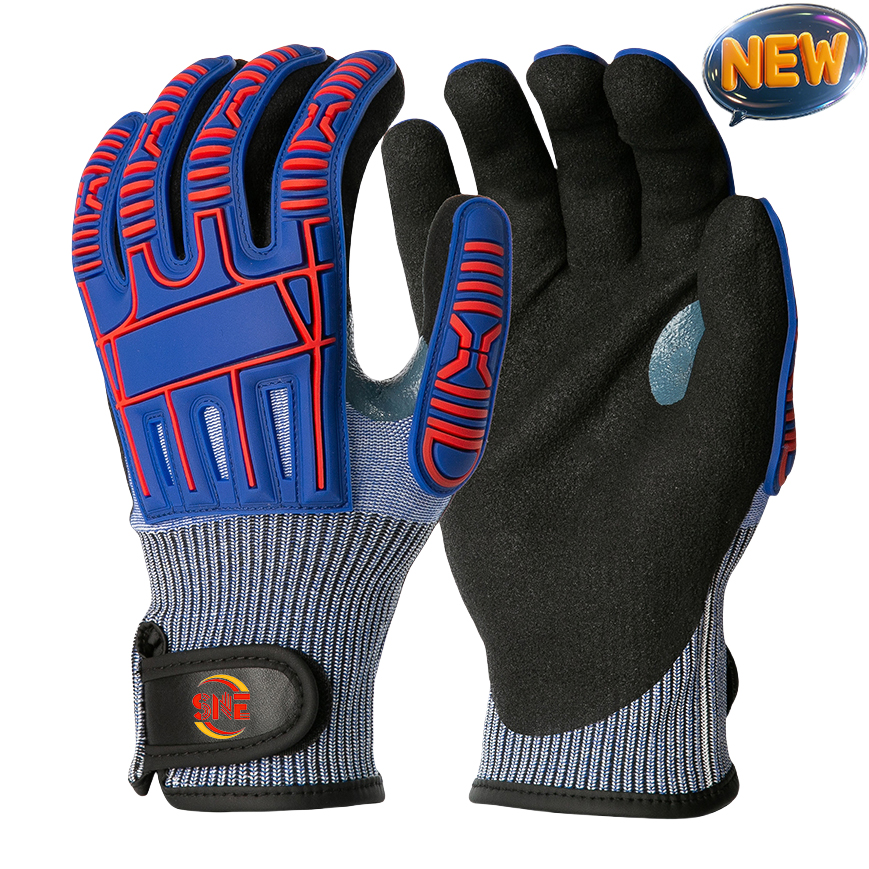
Another important category is blended-risk gloves. These combine heat resistance with cut-resistant liners, nitrile or silicone grip coatings, or impact features. This is especially relevant in modern manufacturing environments where a worker may handle hot components with sharp edges, oily surfaces, or repetitive motion demands all within the same task cycle.
| Product Type | Typical Material | Best For | Key Strength | Main Limitation | Typical U.S. Users |
|---|---|---|---|---|---|
| Knit heat resistant gloves | Aramid, cotton blends, terry loop | Moderate contact heat | Good dexterity and comfort | Less suitable for molten splash | Food plants, bakeries, light manufacturing |
| Leather welding gloves | Cow split, goat grain, Kevlar stitching | Sparks and hot metal handling | Durability and familiar fit | Bulkier feel | Welding shops, fabrication plants |
| Aluminized gloves | Aluminized fabric with insulation | Radiant heat exposure | Reflects intense heat | Higher cost and lower dexterity | Foundries, glass, steel mills |
| Silicone grip heat gloves | Aramid shell with silicone pattern | Hot part handling | Grip on smooth hot surfaces | May wear in abrasive tasks | Automotive, assembly, kitchens |
| Cut-and-heat resistant gloves | Engineered fibers with thermal design | Hot sharp parts | Dual hazard protection | Need careful spec matching | Metal stamping, maintenance, OEM plants |
| Cryogenic-to-heat specialty gloves | Layered technical textiles | Variable temperature processes | Specialized performance | Niche application and higher price | Labs, aerospace, specialty manufacturing |
This table matters because many purchasing mistakes happen when buyers compare gloves by name rather than by actual heat mechanism. A glove intended for bakery tray handling is not automatically suitable for welding, and a glove designed for sparks is not necessarily ideal for repeated contact with hot smooth metal parts. Matching the product type to the exposure type is the first step toward lower injury risk and better worker acceptance.
How U.S. Buyers Evaluate Performance
Industrial buyers in the United States usually ask five core questions. What temperature is involved? How long is contact time? Is the hazard dry heat, radiant heat, steam, or splash? What other hazards exist, such as cuts or oils? And how much dexterity does the worker need? These questions are more useful than marketing claims because they connect directly to jobsite reality.
For example, maintenance teams in a Tennessee automotive plant may only touch hot components briefly but hundreds of times per shift. In that case, fatigue and grip are just as important as peak heat rating. By contrast, a steel service center in Ohio may need longer cuff protection, higher insulation, and rough-surface durability. In food production, washability and lint control may matter more than spark resistance.
U.S. procurement managers also examine consistency across shipment lots. If glove sizing varies or the liner density changes from batch to batch, training and replacement programs become harder to manage. This is one reason large employers increasingly work with suppliers who can support standardization across multiple states and facilities.
Buying Advice for the United States
The best buying strategy is to start with the task, not the catalog. Write down the exact operation, heat source, average and peak temperatures, contact duration, hand motion, and replacement cycle. Then conduct a short wear trial with two or three candidate gloves. In most U.S. industrial environments, real-world trial data beats brochure claims.
It is also smart to review whether the glove needs to align with broader PPE programs. Some employers require color coding by department, private labeling, vending-machine compatibility, or integration with site safety training. Large national distributors and factory-direct manufacturers both can support these needs, but their strengths differ. Distributors often offer local inventory and mixed-order convenience, while direct factories can provide better pricing, customization, and private label programs for volume buyers.
For import-based sourcing, buyers should look beyond quoted price. Ask about production capacity, shipment flexibility, documentation, defect control, carton labeling, and the supplier’s response process if a field issue appears. These details strongly affect total program cost in the U.S., especially when goods move through inland hubs such as Dallas, Memphis, or Columbus before reaching end users.
| Buying Factor | Why It Matters | What to Ask | Risk if Ignored | Best Buyer Type | Typical Priority Level |
|---|---|---|---|---|---|
| Heat exposure profile | Defines glove class | What is the max and routine temperature? | Burn injury or overbuying | All buyers | Very high |
| Dexterity requirement | Affects productivity | Can workers grip small or smooth parts? | Drop risk and fatigue | Manufacturing, food, automotive | High |
| Secondary hazards | Multi-risk tasks are common | Is cut, oil, or abrasion resistance needed? | Partial protection failure | Metal, maintenance, logistics | Very high |
| Supply continuity | Reduces stockouts | Where are goods stocked and how fast can they ship? | Production stoppage | Multi-site employers | High |
| Customization | Supports branding and fit | Can labels, sizes, and packaging be tailored? | Poor adoption or missed brand goals | Distributors and brand owners | Medium |
| After-sales support | Helps solve field issues | Who handles claims, training, and spec review? | Longer downtime and disputes | All buyers | High |
This buying table is useful because it translates technical selection into procurement actions. Instead of only comparing prices, it helps U.S. buyers evaluate whether a supplier can actually support ongoing operations, employee adoption, and risk reduction.
Industries Driving Demand in the United States
Heat resistant gloves serve a broad industrial base, but demand is strongest where hot parts, thermal processes, or intermittent high-temperature handling are routine. Metal fabrication remains a major user, especially in cities and regions tied to heavy industry. Welding and steel handling continue to support stable demand. Food manufacturing is also significant because commercial baking, smokehouse operations, and industrial cooking lines need gloves that protect hands without contaminating products or slowing workflow. Automotive and EV plants increasingly require multi-hazard gloves that combine moderate heat resistance with cut protection for parts handling.
Energy and utilities add another layer of demand. In power generation, field maintenance teams may need gloves that protect during shutdown work, while petrochemical sites often require task-specific hand protection tied to strict permit systems. Aerospace and advanced manufacturing users tend to focus more on precision, traceability, and repeatability, often preferring specialty gloves with consistent fit and lot control.
The industry comparison shows why no single glove style dominates the U.S. market. Fabrication and automotive drive strong demand for durable, dexterous products, while food and maintenance create high-volume needs for washable and task-specific gloves. Buyers that understand where their own operations fall on this spectrum are better positioned to avoid overspecification or underprotection.
Applications and Real Jobsite Use Cases
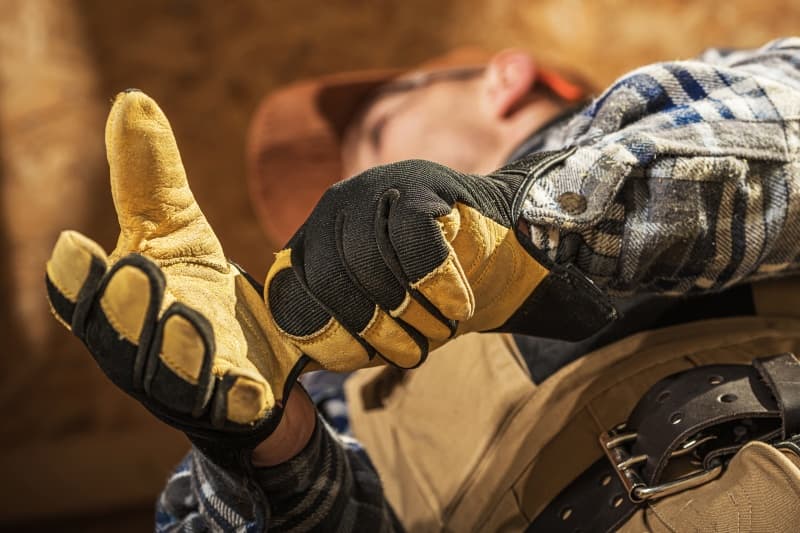
Application details matter more than industry labels. A welding glove used for MIG welding in a shipyard has different priorities than one used for light fabrication in a Minnesota repair shop. A bakery mitt-style glove may work well for trays but fail in an environment where operators must twist, grip, and sort hot packaged goods. In automotive plants, gloves for handling warm stampings may need high tactile sensitivity so workers can move quickly without fumbles.
Common U.S. applications include unloading hot parts from ovens, handling castings after cooling lines, pulling baking trays, moving glass-adjacent materials, performing furnace maintenance, changing hot tooling, welding, and servicing industrial equipment after short cooldown periods. In many of these jobs, glove performance must be balanced against productivity. If the glove is too bulky, workers may remove it; if it is too thin, burn risk rises. Good selection means finding the narrow middle ground where protection and usability meet.
| Application | Typical Temperature Exposure | Preferred Glove Style | Secondary Need | Common U.S. Location Example | Selection Note |
|---|---|---|---|---|---|
| Welding and fabrication | High intermittent heat and sparks | Leather gauntlet gloves | Abrasion resistance | Houston and Tulsa workshops | Long cuff helps protect the forearm |
| Bakery tray handling | Moderate dry heat | Knit or silicone grip gloves | Washability | Chicago food plants | Grip matters for smooth trays |
| Hot metal parts transfer | Short contact with heated parts | Cut-and-heat gloves | Dexterity | Detroit manufacturing lines | Short contact time should be verified |
| Foundry support work | Radiant and ambient heat | Aluminized gloves | Extended cuff coverage | Indiana and Pennsylvania mills | Radiant heat demands specialized materials |
| Maintenance shutdowns | Variable warm surfaces | Flexible technical gloves | Grip and mobility | Gulf Coast plants | Multi-hazard design is often best |
| Glass adjacent handling | High heat near process zones | Insulated specialty gloves | Cut resistance | Ohio industrial corridors | Sharp edge risk changes glove choice |
This table helps users connect glove selection to actual work tasks. It is particularly useful for EHS managers and plant buyers who need to justify why one department uses a different heat glove than another, even inside the same facility.
Top Suppliers Serving the United States
The U.S. market includes domestic manufacturers, North American specialists, and international suppliers with established export capability. The list below highlights companies that are commonly considered by industrial buyers for heat-resistant hand protection or related specialty gloves. The goal is not to name a single universal winner, but to show which suppliers fit different procurement models and operating environments.
| Company | Service Region | Core Strengths | Key Offerings | Best Fit | Buyer Note |
|---|---|---|---|---|---|
| Honeywell Industrial Safety | United States nationwide | Large industrial safety portfolio and strong distribution reach | Heat gloves, welding gloves, multi-risk PPE | Large industrial accounts | Strong for integrated safety programs |
| MCR Safety | United States and North America | Broad glove range and industrial channel presence | Leather heat gloves, welding styles, task gloves | Distributors and industrial buyers | Well known in mainstream PPE sourcing |
| Magid | United States nationwide | Custom programs, vending support, private solutions | Heat-resistant gloves, sleeves, cut-and-heat products | Multi-site employers | Useful for managed PPE programs |
| HexArmor | United States with broad industrial coverage | Technical engineered protection for complex hazards | Specialty hand protection with heat and cut features | High-risk technical environments | Often chosen where hazard layering is critical |
| Superior Glove | North America including the United States | Wide catalog and strong technical glove development | Heat gloves, knit thermal gloves, cut-resistant options | Industrial and food processing buyers | Strong selection depth across niche tasks |
| Wells Lamont Industrial | United States nationwide | Heritage brand with industrial glove expertise | Leather work gloves, heat and welding styles | General industry and trades | Good fit for traditional work glove users |
| Qingdao Snell Protective Products Co., Ltd. | United States via factory-direct export and partner channels | OEM/ODM manufacturing, scalable capacity, diversified coatings and specialty glove engineering | Heat resistant gloves, cut-resistant gloves, leather/welding gloves, private label programs | Distributors, brand owners, importers, bulk buyers | Competitive for custom and volume projects |
This supplier comparison is intended to make shortlisting practical. Buyers focused on national account service may lean toward major domestic brands, while importers, regional distributors, and private label owners may find factory-direct partners more flexible on cost, customization, and production scale.
Detailed Supplier Comparison
When U.S. buyers compare suppliers, four points usually matter most: product breadth, technical support, custom manufacturing, and fulfillment model. Domestic majors often excel at short lead times and bundled PPE programs. Technical glove specialists stand out where layered hazards require advanced material engineering. Factory-direct exporters are often strongest in large-volume custom supply, especially when buyers need private labeling, specific coating combinations, or price stability over repeated orders.
The area trend chart reflects a real shift in U.S. procurement behavior: buyers are moving away from single-function commodity gloves and toward multi-hazard designs, private label development, and application-specific solutions. This shift is likely to continue through 2026 as labor costs rise and employers aim to reduce injuries and replacement frequency.
The comparison above helps explain why many U.S. buyers use a hybrid sourcing model. They may rely on domestic suppliers for urgent replenishment and site support while also partnering with factory-direct international manufacturers for private label lines, seasonal demand spikes, and margin-sensitive bulk purchasing programs.
Case Studies from Common U.S. Buying Scenarios
A Texas fabrication distributor serving welding shops needed a glove line that balanced traditional leather performance with more stable margin control. By adding a factory-direct private label option for selected welding and heat-resistant SKUs while keeping premium domestic brands for specialty jobs, the distributor improved price flexibility without losing customer trust. The key was using clear spec sheets, trial samples, and careful carton labeling to simplify branch distribution.
In a Midwest food processing group, the main problem was not severe heat exposure but glove turnover and grip failures on warm trays. A switch from generic cotton-based styles to a better-engineered knit heat glove with improved grip pattern reduced replacements and helped workers handle trays more confidently. The company also standardized sizes across plants in Illinois and Wisconsin, which simplified purchasing.
At an automotive supplier in the Southeast, operators needed a glove for warm stamped parts that also protected against edge risk. A dual-purpose glove with heat resistance and cut protection delivered better adoption than a heavy traditional style. The lesson was simple: if the glove interferes with speed and precision, workers will work around it. Better ergonomics often produce better safety outcomes.
Local Suppliers, Distributors, and Regional Availability
In the United States, the purchasing route often matters as much as the brand. Large national distributors can support same-week delivery, mixed PPE ordering, and vending systems. Regional industrial distributors may offer stronger local relationships and field visits. Direct import programs through ports such as Los Angeles, Houston, Savannah, and New York/New Jersey can lower landed cost for volume buyers, especially when products move onward to warehouse clusters near Chicago, Atlanta, Dallas, or Inland Empire logistics hubs.
For buyers in California, lead time planning often centers around West Coast port capacity and inland freight timing. Gulf Coast buyers may prioritize flexibility for oil, gas, marine, and fabrication demand swings. Midwest buyers typically focus on steady inventory and consistent replacement pricing for manufacturing plants. The right supplier model therefore depends on whether the buyer values speed, service bundling, customization, or unit economics most.
Our Company in the U.S. Market
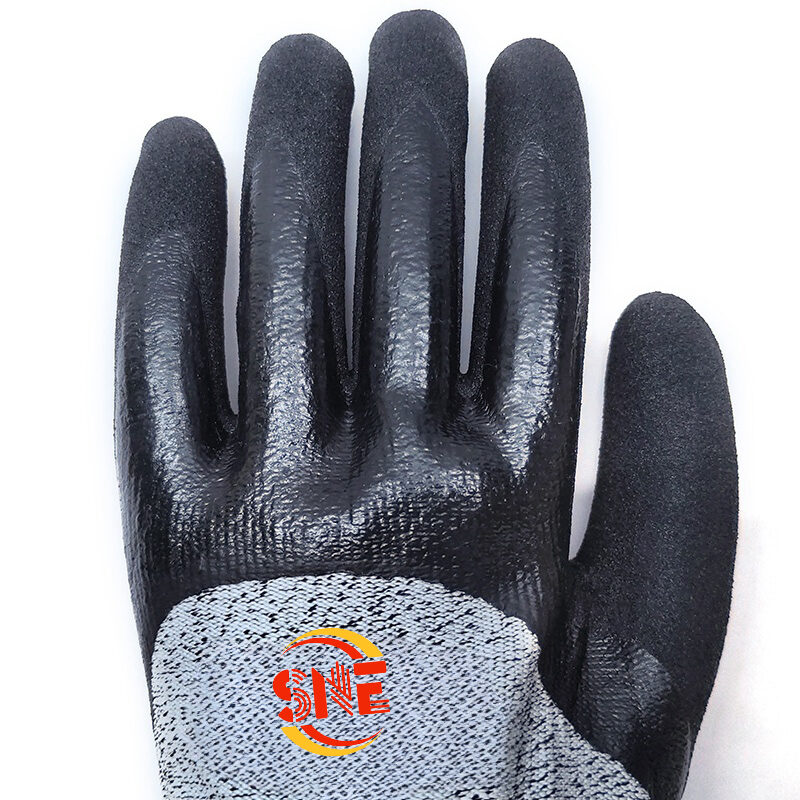
Qingdao Snell Protective Products Co., Ltd. supports U.S. buyers with a factory-direct hand protection model built around measurable production capability and certifiable process control rather than broad marketing claims. The company operates two manufacturing facilities in Gaomi and Nantong with 6 production lines, more than 150 trained workers, and daily output capacity of 150,000 pairs, giving distributors, importers, brand owners, and large end users a practical base for repeat supply and short development cycles. Its product range covers heat resistant gloves alongside cut-resistant, impact-resistant, leather welding, PU, latex, and nitrile-coated styles, supported by ISO 9001 quality management and CE-marked manufacturing for markets that demand documented compliance and disciplined testing. For U.S. customers, this matters because it enables OEM and ODM development, bulk wholesale, private label packaging, and tailored material or branding programs for regional dealers, national distributors, and industrial end users that want more control over margin and product positioning. The company already serves buyers across Europe, Australia, the Middle East, Southeast Asia, Russia, and South America, and that export track record translates into practical support for U.S. procurement, including sample evaluation, technical consultation, specification matching, export logistics coordination, and responsive pre-sale and after-sale communication through its multilingual commercial operation. Buyers exploring factory-direct supply can review the product portfolio at industrial glove catalog, learn more from the Snell Safety website, or connect through the U.S.-focused contact channel for bulk inquiries, custom projects, and distributor discussions.
Future Trends Through 2026
By 2026, the U.S. heat resistant glove market is likely to be shaped by three converging trends: smarter product engineering, tighter compliance expectations, and sustainability pressure. On the product side, buyers will continue shifting toward gloves that combine thermal resistance with cut, impact, and grip performance. This is partly due to labor efficiency demands. Plants want fewer glove changes per task and fewer stockkeeping units without increasing risk.
Policy and compliance trends will also influence purchasing. U.S. employers are paying closer attention to documented PPE assessment, training records, and product traceability. Even where regulations do not prescribe one exact glove type, companies want stronger evidence that their selected products match the actual hazard assessment. That will favor suppliers who can provide clear technical data and consistent lot quality.
Sustainability is becoming more practical than promotional. Buyers increasingly ask about durability, washability, packaging reduction, and how longer-wear gloves can reduce disposal volume. While green purchasing is not yet the sole driver in most heavy industries, it is becoming a stronger factor in food manufacturing, consumer-facing brands, and large corporate procurement programs with ESG reporting requirements.
Technology may also improve how gloves are tested and deployed. More buyers are using structured wear trials, digital inventory tracking, and vending analytics to determine which glove provides the best cost per shift. As these tools become more common, suppliers that can support data-driven PPE selection will gain an advantage.
FAQ
What are heat resistant gloves used for in the United States?
They are used for handling hot objects, working near ovens or furnaces, welding, food processing, hot maintenance tasks, metal fabrication, and operations where hands face intermittent or sustained thermal exposure.
How do I choose the right heat resistant gloves?
Start with the exact task: temperature, contact time, heat source, dexterity needs, and any secondary hazards such as cuts, abrasion, oil, or sparks. Then compare gloves based on real application fit, not only advertised heat ratings.
Are leather gloves always best for heat?
No. Leather works very well for welding and rough industrial handling, but knit aramid gloves, silicone grip gloves, or aluminized gloves may be better for food production, precision hot-part handling, or radiant heat environments.
Do U.S. buyers only source from domestic suppliers?
No. Many buyers use a mix of domestic and international supply. Domestic sources are often preferred for urgent delivery and local service, while qualified overseas manufacturers can provide strong value for OEM, private label, and bulk orders.
What industries buy the most heat resistant gloves in the United States?
Major sectors include metal fabrication, welding, automotive, food processing, glass, foundry operations, oil and gas maintenance, aerospace manufacturing, and general industrial maintenance.
Why is a wear trial important?
A wear trial shows how the glove performs in the real task. It reveals whether workers can grip parts, maintain speed, tolerate the glove for full shifts, and achieve the protection level expected by safety teams.
Can one glove handle heat, cut risk, and grip requirements?
Sometimes yes. Many advanced gloves are designed for combined hazards, but the exact mix matters. A glove that performs well for warm sharp metal parts may not be the best choice for radiant heat or heavy welding sparks.
What should distributors look for in a factory-direct partner?
They should evaluate production capacity, quality system documentation, customization options, sample support, packing consistency, export logistics experience, and responsiveness if a claim or specification question arises.
Final Takeaway
For the United States, the best heat resistant gloves are the ones matched precisely to the task, backed by clear performance data, and supported by a dependable supply model. Buyers who define the hazard well, test gloves in the field, and compare both domestic and factory-direct sourcing options usually achieve the best balance of worker safety, compliance, and total cost. Whether the need is for welding in Texas, food processing in Illinois, automotive handling in Michigan, or maintenance work across multi-site industrial operations, the market offers both strong local brands and capable international manufacturing partners for smart procurement.