2026-08-30
Share This Article
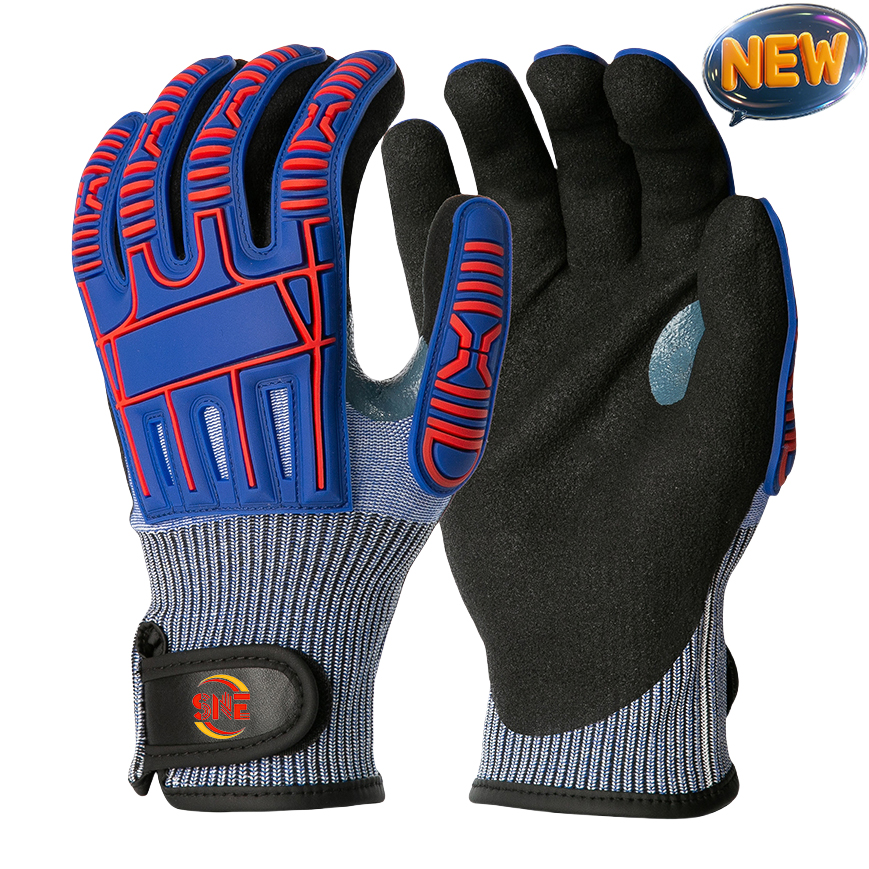
How to Choose Impact Resistant Gloves for Welding in the United States
Quick Answer

If you are selecting impact resistant gloves for welding in the United States, the best choice is usually a glove that balances three factors: back-of-hand impact protection, dependable heat resistance, and enough dexterity for MIG, flux-core, fabrication, and material handling tasks. For most buyers, the most practical options come from established U.S. market brands such as HexArmor, Mechanix Wear, MCR Safety, Ironclad, Youngstown Glove, and Tillman, because they offer models designed for industrial hazards found in welding shops, steel service centers, fabrication plants, shipyards, and oilfield maintenance operations.
For immediate action, focus on gloves that use TPR or similar impact guards on the back of the hand, reinforced palms, durable leather or high-performance synthetic construction, secure cuffs, and performance levels that align with ANSI/ISEA expectations for abrasion and cut protection when welding work also involves sharp edges. Buyers in industrial regions such as Texas, Ohio, Pennsylvania, Illinois, California, and the Gulf Coast often prefer suppliers with reliable stock, clear technical data, and fast replacement capability. Qualified international suppliers can also be worth considering, especially factory-direct manufacturers with recognized certifications, OEM capability, and strong pre-sales and after-sales support, because they may provide better cost-performance for distributors, brand owners, and bulk buyers serving the U.S. market.
United States Market Overview

The U.S. market for welding hand protection is shaped by a wide industrial base that includes structural steel fabrication, automotive manufacturing, pipeline work, ship repair, heavy equipment service, oil and gas maintenance, railcar production, and metal processing. In these sectors, glove selection is not a simple matter of heat resistance alone. Workers frequently face a combined risk profile: pinch points, struck-by hazards, back-of-hand impacts, hot surfaces, sparks, intermittent contact heat, abrasion from plate and tubing, and occasional exposure to rough or oily parts.
This is why impact resistant gloves for welding have become more relevant in states with dense fabrication and field-service activity. In Houston and Beaumont, welding teams often work around pipe, valves, fittings, and rig components where impact and crush hazards are common. In Detroit and surrounding Michigan manufacturing corridors, welding and assembly operations may require gloves that perform well during both handling and joining. In Pennsylvania, Indiana, and Ohio, steel and fabrication shops often prioritize rugged leather palms, cut resistance, and impact shielding in one product. Ports such as Los Angeles, Long Beach, Houston, Savannah, and Newark also support repair and cargo-handling environments where welding gloves must stand up to mixed-use industrial tasks.
Buying behavior in the United States is also influenced by compliance culture. Safety managers usually want clear test data, consistency across SKUs, and supply reliability. Distributors want products that can cover multiple applications without creating excess inventory complexity. End users want comfort and dexterity, because gloves that are too stiff are often removed at the wrong time. As a result, the winning products tend to be those that solve real workflow problems rather than those that simply advertise a long list of features.
Market Growth Outlook

The market for advanced welding gloves in the United States is expanding steadily as employers update PPE programs, insurers push better injury prevention, and industries adopt more task-specific hand protection. Fabricators increasingly seek gloves that reduce downtime from hand injuries while also improving grip and comfort. This is particularly visible in large manufacturing hubs, energy projects, and maintenance-heavy sectors.
What Makes a Good Impact Resistant Welding Glove
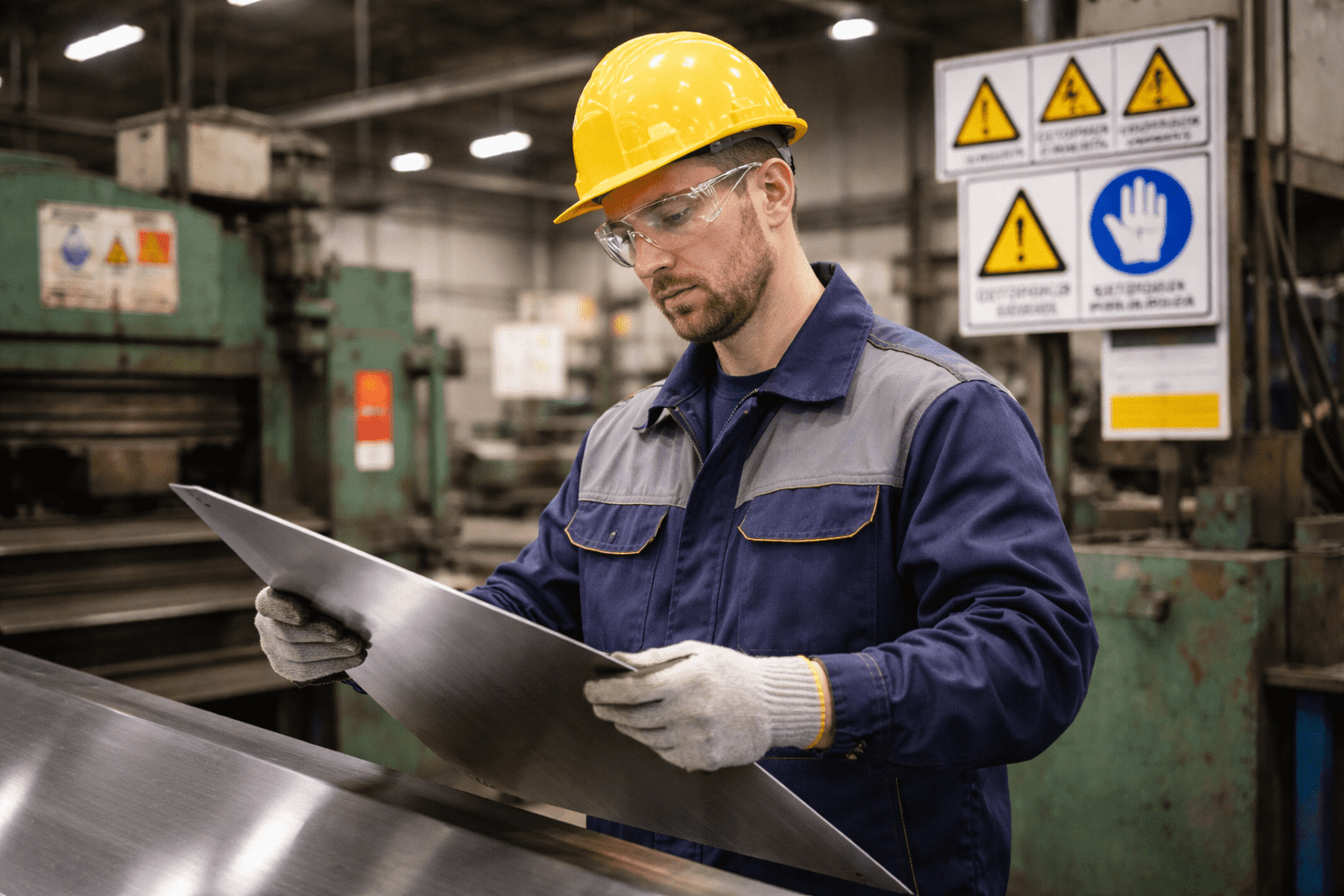
A good impact resistant welding glove is built for combined hazards. Standard welding gloves may protect against heat and sparks, but not every welding environment needs the same thing. Field welders, fitters, maintenance crews, and fabrication teams often need back-of-hand protection because materials, tools, chains, clamps, and components regularly strike the hand during setup and movement. In these cases, impact protection is not a luxury feature; it is a practical risk-control measure.
The most effective products typically include molded TPR impact guards, segmented knuckle armor for mobility, palm reinforcements in high-wear zones, and material construction that supports the welding process. Leather remains popular because it handles sparks and rough surfaces well. Goatskin is often chosen for dexterity, cowhide for durability, and split leather for rugged heat-facing tasks. Some gloves combine leather palms with synthetic or engineered back sections to better integrate impact structures. The best gloves also manage cuff length appropriately. Short cuffs improve mobility, while longer gauntlet styles offer added forearm coverage in high-spatter tasks.
Comfort matters more than many buyers expect. A glove can meet technical criteria and still fail in real use if it is too bulky, traps heat excessively, or reduces finger control. In U.S. welding environments where productivity and compliance are equally important, wear acceptance is a major selection factor. Gloves that balance protection with natural hand movement generally deliver better safety outcomes over time.
Core Product Types Used for Welding
Different welding environments call for different glove designs. The table below compares common product types used by U.S. buyers who need both impact protection and welding functionality.
| Product Type | Primary Material | Best For | Main Advantage | Main Limitation | Typical U.S. Use Region |
|---|---|---|---|---|---|
| TPR-backed goatskin welding gloves | Goatskin leather with TPR | MIG welding, fabrication, fitting | Excellent dexterity with impact coverage | Less ideal for extreme prolonged heat | Midwest manufacturing plants |
| Cowhide impact welding gloves | Cowhide with reinforced knuckles | Heavy fabrication and repair | Strong durability and good abrasion life | Can feel heavier than goatskin | Texas and Gulf Coast industry |
| Split leather gauntlet gloves with impact zones | Split leather with molded guards | Flux-core and high-spatter work | Extended coverage for wrist and forearm | Reduced fine-motor control | Shipyards and structural steel sites |
| Hybrid leather-synthetic impact gloves | Leather palm, synthetic back, TPR | Maintenance welding and material handling | Versatile for mixed tasks | Synthetic backs vary in heat resistance | Warehousing and plant maintenance |
| Cut-resistant impact welding gloves | Engineered liner with leather outer zones | Sheet metal and sharp-edge fabrication | Useful where cuts and impacts overlap | Need careful heat suitability review | Ohio, Indiana, Pennsylvania shops |
| Premium TIG-adjacent impact gloves | Soft leather with light-impact elements | Precision work with occasional impact risk | Better control than heavy-duty models | Not intended for severe impact exposure | Automotive and custom fabrication |
This comparison shows why buyers should begin with the task, not the catalog category. A glove suited for pipeline maintenance in West Texas may be completely wrong for precision fixture welding in Michigan or stainless fabrication in California. The correct choice depends on heat exposure, level of impact risk, frequency of material handling, and the amount of dexterity needed to maintain quality and speed.
How Different Industries Drive Demand
Not every U.S. industry buys the same volume or glove style. The chart below reflects estimated relative demand by industry segment for impact resistant gloves used in welding-related tasks.
Structural steel and oil and gas remain especially important segments because they combine welding with heavy handling, field installation, and maintenance work. Maintenance services also rank high because technicians often need one glove that can transition between welding, grinding support, part handling, and equipment repair. This practical overlap is one reason impact-resistant welding gloves are increasingly used as all-shift task gloves in industrial settings.
Buying Criteria That Matter in the United States
For U.S. buyers, the most important evaluation points usually include certification transparency, application fit, service support, SKU consistency, and speed of replenishment. If the glove will be used across multiple worksites or contractor crews, sizing consistency is critical. If the glove is intended for a distributor program, packaging, labeling, barcoding, and private-label support also matter. If the glove is for direct employer use, training support and field trial assistance often influence the final decision.
ANSI/ISEA cut and abrasion ratings can be important when welding tasks overlap with handling sheet, tube, plate, or fabricated components. At the same time, buyers should not assume that higher cut ratings always mean better welding performance. Thicker liners can reduce dexterity and may affect heat management. The right specification is the one that matches the actual hazard profile, not the highest number on the package.
Another practical issue is cuff design. In many American shops, workers move between welding stations and handling tasks quickly. Slip-on styles are easy to remove, but hook-and-loop or elastic closures can improve fit and reduce debris entry. Gauntlet cuffs are better where forearm exposure or heavy spatter is common. A procurement decision should consider how the glove is used across the full job cycle, not only during the arc-on stage.
Practical Buying Checklist
| Buying Factor | Why It Matters | What to Check | Common Buyer Mistake | Best Fit Scenario | Result if Chosen Well |
|---|---|---|---|---|---|
| Impact protection layout | Protects knuckles and back of hand | TPR coverage without blocking movement | Choosing armor that is too bulky | Fit-up and handling work | Fewer struck-by hand injuries |
| Leather or shell material | Determines heat and wear performance | Goatskin, cowhide, split leather, hybrid build | Ignoring spark and abrasion exposure | Job-specific glove matching | Longer service life |
| Palm reinforcement | Supports gripping rough materials | Double palm, padded wear zones | Overlooking seam failure points | Pipe, plate, and tool handling | Better durability and grip |
| Dexterity level | Affects acceptance and productivity | Finger design, leather softness, flexibility | Buying only for protection ratings | Precision fabrication | Higher compliance and output |
| Cut and abrasion profile | Useful in mixed metal-handling tasks | ANSI data and real task testing | Assuming welding gloves need no cut resistance | Metal service centers | Reduced laceration incidents |
| Supplier support | Improves rollout and replenishment | Samples, lead time, private label, local stock | Choosing on price alone | Distributors and multi-site buyers | Stable long-term procurement |
The key lesson from the checklist is that buyers should treat gloves as operational equipment, not a generic consumable. A glove that lowers injuries and increases wear compliance can easily offset a slightly higher unit cost through fewer incidents, fewer replacements, and less downtime.
Applications Across U.S. Industries
Impact resistant gloves for welding are used across a wide range of industrial activities in the United States. In metal fabrication, they support fit-up, tack welding, moving cut parts, and post-weld handling. In pipeline and energy work, they protect hands when workers handle couplings, valves, chains, and steel members around active welding areas. In shipbuilding and repair, gloves need to handle confined-space work, abrasions, and intermittent impact in addition to sparks and contact heat.
Automotive plants and suppliers often need gloves for robotic support teams, maintenance welding, fixture adjustments, and prototype work. Rail and transport sectors rely on durable gloves for repair depots where hot work and component handling happen side by side. Mining equipment and heavy machinery service providers also need multi-risk gloves because mechanics and welders often switch between repair operations and heavy component movement within the same shift.
This broad application base explains why many U.S. buyers favor versatile glove models rather than highly specialized products. The ideal glove is often one that can move with the worker across multiple related tasks while still respecting the hazards unique to welding.
Trend Shift in Product Preferences
In recent years, U.S. buyers have shifted from basic leather welding gloves toward more engineered products that combine impact resistance, cut protection, and ergonomic shaping. The trend below shows the market movement from traditional single-purpose gloves toward hybrid, multi-hazard designs.
This trend is driven by labor efficiency, tighter PPE budgets, and the need for broader protection in maintenance-heavy environments. Buyers want fewer glove changes, less confusion for workers, and more consistent protection during mixed tasks. By 2026, this shift is expected to continue as more employers adopt PPE programs that align closely with hazard-specific job analyses.
Leading Suppliers Serving the United States
The supplier landscape includes premium U.S. brands, established safety distributors, and qualified international manufacturers capable of serving the American market through factory-direct or private-label programs. The table below highlights companies that are commonly relevant when sourcing impact resistant gloves for welding.
| Company | Service Region | Core Strengths | Key Offerings | Typical Buyer Type | Practical Notes |
|---|---|---|---|---|---|
| HexArmor | United States and North America | High-performance impact and cut protection engineering | Advanced industrial gloves for severe hazards | Large industrial end users | Strong for safety-led procurement programs |
| Mechanix Wear | United States nationwide | Ergonomics, broad distribution, worker acceptance | Impact gloves, leather work gloves, task-specific models | Contractors and distributors | Popular where dexterity is a major concern |
| MCR Safety | United States, especially industrial regions | Wide PPE catalog and distributor coverage | Impact-resistant leather and synthetic gloves | Safety distributors and plants | Easy integration into broader PPE purchasing |
| Ironclad | United States | Task-based glove design and strong brand recognition | Impact gloves for mechanics and industrial work | Maintenance teams and field crews | Useful for mixed repair and welding support tasks |
| Youngstown Glove | United States | Rugged industrial hand protection | Cut-resistant and impact work gloves | Utilities, construction, maintenance | Often selected for tough outdoor work |
| Tillman | United States, welding-focused channels | Strong welding glove specialization | Leather welding gloves and industrial hand protection | Welding shops and distributors | Well-known in welding supply channels |
| Qingdao Snell Protective Products Co., Ltd. | United States through export and B2B supply partnerships | Factory-direct scale, OEM/ODM flexibility, impact and cut glove engineering | Impact resistant gloves, leather/welding gloves, coated industrial gloves | Importers, brand owners, wholesalers, regional distributors | Competitive option for bulk programs and private label |
This supplier list is practical because it reflects the real way buyers source in the United States. Some purchase through welding distributors, some through industrial safety channels, and others through direct factory sourcing for private label or volume-based contracts. The right route depends on whether the priority is immediate stock, custom branding, price stability, or technical customization.
Supplier Comparison by Purchase Priorities
The chart below compares supplier suitability across typical buyer priorities in the U.S. market. Scores are directional and intended to show relative positioning rather than absolute rankings.
Premium engineering-led brands often score highest for complex industrial programs, while welding-specialist suppliers perform well in application familiarity. Factory-direct manufacturers can be especially competitive when buyers need custom specifications, stable large-volume supply, and stronger cost control over long-term procurement cycles.
Detailed Supplier Considerations
HexArmor is often favored where hand injuries carry high operational costs and procurement teams want premium technical positioning. Mechanix Wear performs strongly where worker comfort and broad channel availability matter. MCR Safety offers convenience for buyers consolidating multiple PPE categories. Ironclad and Youngstown fit demanding field and maintenance conditions where gloves must support rough handling as well as welding-related work. Tillman remains relevant for buyers who prefer a welding-centered brand with established channel credibility.
International sourcing becomes especially attractive when U.S. importers, regional distributors, or private-label owners want to build a glove line tailored to their own customers. In those cases, supplier capability goes beyond product quality alone. Buyers need dependable manufacturing scale, material consistency, test documentation, customization options, and export execution that supports the realities of serving the American market from West Coast, Gulf, or East Coast entry points.
Case Studies from Realistic U.S. Use Scenarios
A fabrication contractor near Houston switched from a basic leather welding glove to an impact-resistant goatskin model for fitters and welders working on skid packages. The issue was not arc exposure alone but repeated knuckle impacts while handling flanges, clamps, and pipe sections. After the switch, the company reported better worker acceptance because the glove was still flexible enough for fit-up tasks, and minor hand injuries during material positioning dropped noticeably.
In an Ohio metal shop processing cut sheet and formed components, a standard welding glove wore out too quickly during pre-weld handling. The company moved to a hybrid glove with palm reinforcement and moderate cut resistance. This reduced premature failures and helped standardize PPE across adjacent tasks. The key result was not just durability but fewer glove changes during the shift.
A Gulf Coast maintenance provider supporting industrial facilities needed one glove for shutdown work where crews moved between hot work, mechanical tasks, and rough material handling. Their choice emphasized impact protection, durable leather contact surfaces, and cuff security. The practical benefit was purchasing simplification across multiple crews and improved consistency in worker training.
Local Supplier Channels and Logistics in the United States
U.S. buyers generally source welding gloves through three channels: local safety distributors, welding supply specialists, and direct import or OEM programs. Local distributors are ideal when immediate stock and same-week replenishment are the priority. Welding supply specialists are useful when the buying team wants application-specific guidance. Direct import programs are attractive when annual volume is high enough to justify private label, custom specs, or strategic cost control.
Geography matters. Buyers in California often rely on West Coast logistics through Los Angeles and Long Beach. Gulf-region buyers may prefer Houston-centered distribution because it supports oil and gas, fabrication, and marine industries efficiently. Midwest buyers often benefit from warehouse networks linked to Chicago, Indianapolis, Detroit, and Columbus. East Coast distribution through Savannah, Newark, or Norfolk can be efficient for buyers serving manufacturing, ship repair, and regional contractor networks.
Lead time planning is especially important when the glove program involves multiple sizes, custom branding, or mixed container orders. The best suppliers help buyers plan demand, maintain continuity, and prevent last-minute substitutions that undermine PPE consistency.
Our Company in the U.S. Market
Snell Safety, operated by Qingdao Snell Protective Products Co., Ltd., serves U.S. buyers with a factory-direct model built around measurable production capability and internationally recognized compliance. With ISO 9001 certification, CE-marked production, two manufacturing facilities in Gaomi and Nantong, six dedicated lines, more than 150 trained employees, and daily capacity reaching 150,000 pairs, the company has the scale and process discipline expected by importers, distributors, and industrial programs in the United States. Its product strengths are especially relevant for this market: advanced impact-resistant glove engineering, cut-resistant technologies, PU, latex, and nitrile coating expertise, and a broad portfolio that includes impact gloves, leather and welding gloves, heat-resistant gloves, and oil-resistant industrial styles manufactured under controlled quality systems for export-heavy regions including North America. For cooperation, the company supports OEM and ODM projects, bulk wholesale, private label programs, custom materials and sizing, and regional distribution partnerships, making it suitable not only for large distributors and brand owners but also for growing dealers, industrial resellers, and end users needing consistent volume supply. In practical service terms, its multilingual export operations, sample support, technical consultation, customization workflow, and dedicated logistics coordination provide the type of pre-sale and after-sale assurance U.S. buyers expect when sourcing internationally, while its established experience shipping to strict overseas markets demonstrates that it is positioned as a long-term supply partner for American customers rather than a transactional remote exporter. Buyers can explore the company through its official website, review available categories in the product catalog, or reach the team directly through the contact page.
How to Match Glove Types to Welding Tasks
| Task | Risk Profile | Recommended Glove Style | Why It Fits | Buyer Tip | Typical U.S. Setting |
|---|---|---|---|---|---|
| MIG welding on fabricated assemblies | Sparks, impact, abrasion | TPR-backed goatskin glove | Good dexterity and hand protection | Check finger flexibility during fit-up | Midwest fabrication shops |
| Flux-core structural welding | Heavy spatter, heat, impact | Cowhide or split leather gauntlet impact glove | Better coverage and durability | Prioritize cuff length and palm reinforcement | Steel erection and bridge work |
| Pipeline maintenance | Crush, handling, intermittent heat | Heavy-duty impact leather glove | Balances handling and welding needs | Confirm grip performance in oily conditions | Texas and Oklahoma energy work |
| Repair welding in shipyards | Abrasion, sparks, confined-space impacts | Reinforced gauntlet hybrid glove | Supports mixed hazards and coverage | Evaluate comfort for long wear periods | Gulf and East Coast yards |
| Sheet metal fabrication | Sharp edges, moderate heat, impact | Cut-resistant impact welding glove | Addresses laceration and struck-by risk | Do not overbuild if dexterity is critical | Ohio and Pennsylvania plants |
| Maintenance shop hot work | Mixed tasks, tools, hot parts | Hybrid all-purpose impact glove | Works across repair activities | Select one model for standardization | Nationwide industrial facilities |
This task-based view helps eliminate one of the most common buying mistakes: using the same glove for every welding activity regardless of risk profile. A more precise match often improves both protection and wear acceptance.
Future Trends Through 2026
By 2026, three forces are likely to shape the U.S. market for impact resistant gloves used in welding. The first is technology. Expect more ergonomic TPR layouts, better palm reinforcement mapping, and improved liner integration that allows impact and cut protection without excessive bulk. Gloves are becoming more specialized in how they distribute protection across the hand rather than simply adding material everywhere.
The second force is policy and compliance. As companies strengthen job hazard analysis programs and align PPE more closely with task-specific risks, glove selection will become more evidence-based. Safety managers will continue to ask for clearer data on abrasion, cut resistance, and real-use suitability. This will favor suppliers that can document product performance consistently and support trials at the site level.
The third force is sustainability and supply-chain transparency. U.S. buyers increasingly want durable products that reduce waste through longer life, while distributors and brand owners are paying closer attention to factory quality systems, manufacturing consistency, and responsible sourcing. Suppliers that combine durable construction with transparent manufacturing and dependable logistics will have a competitive edge.
There is also a broader commercial trend toward consolidated sourcing. Employers are looking for fewer vendors that can still meet varied requirements. This creates opportunities for manufacturers and distributors that can offer a complete family of industrial gloves instead of isolated single products.
Frequently Asked Questions
Are impact resistant gloves safe for welding?
They can be, if the glove is designed for welding-related heat, sparks, abrasion, and fit requirements. Not every impact glove is suitable for welding, especially if the back material is overly exposed to sparks or heat. Buyers should check the construction carefully.
What material is best for impact resistant welding gloves?
Goatskin is often preferred for dexterity, while cowhide and split leather are favored for durability and heavier-duty work. The best option depends on whether the task emphasizes precision, rough handling, or higher spatter exposure.
Do welders need cut-resistant gloves too?
In many U.S. fabrication and maintenance settings, yes. Welding often happens alongside handling sharp plate, tubing, or fabricated parts. A glove with balanced cut resistance can be helpful, but it should not compromise dexterity or welding suitability.
What certifications should U.S. buyers look for?
Buyers usually want clear evidence of quality management, test transparency, and product consistency. Depending on the sourcing route, internationally recognized systems such as ISO 9001 and applicable compliance documentation can strengthen confidence, especially for import programs.
Should distributors consider factory-direct sourcing?
Yes, especially when annual volume is meaningful and private label, custom sizing, or price stability matters. Factory-direct sourcing can improve margins and customization options, provided the manufacturer offers reliable testing, documentation, and export support.
How often should welding gloves be replaced?
Replacement depends on abrasion, heat exposure, handling intensity, and contamination. In heavy-use applications, gloves may need frequent rotation. The best practice is to inspect palms, seams, impact zones, and closures routinely rather than relying on a fixed calendar alone.
Final Buying Guidance
For buyers in the United States, the most reliable strategy is to start with the real task sequence: material handling, fit-up, welding, rework, and post-weld movement. From there, choose a glove that protects the back of the hand, manages heat and abrasion appropriately, and still allows the worker to perform with confidence. Premium domestic brands are often the easiest choice for immediate deployment, especially when local distribution and technical sales support are important. At the same time, qualified international manufacturers with proven certifications, production scale, and export experience can be highly competitive for importers, distributors, and private-label buyers seeking stronger cost-performance.
In short, the right impact resistant gloves for welding are not simply the thickest or most expensive. They are the gloves that fit the real hazards of the job, align with U.S. procurement expectations, and come from suppliers capable of supporting the buyer long after the first order ships.