2026-09-13
Share This Article
High Temperature Safety Gloves Suppliers in the United States
Quick Answer

If you need high temperature safety gloves for industrial operations in the United States, the most practical short list includes HexArmor, MCR Safety, Magid, Superior Glove, Wells Lamont Industrial, and Youngstown Glove. These companies are widely recognized for industrial hand protection used in manufacturing, welding, foundries, metal fabrication, maintenance, utilities, and oil and gas environments. For buyers that prioritize large-volume purchasing, private labeling, or tighter landed costs, qualified international manufacturers can also be a strong option. In particular, Chinese factory-direct suppliers with CE and ISO-managed production, reliable technical support, and responsive after-sales service can offer strong cost-performance advantages for U.S. distributors, importers, and brand owners.
For most U.S. buyers, the right choice depends on heat level, dexterity needs, cut resistance, cuff length, and compliance expectations. If your operation involves intermittent contact heat, look for aramid or engineered yarn gloves with grip coatings. If your team handles molten splash risk, choose aluminized or multilayer leather heat gloves. If welding is the main application, select reinforced leather gauntlet styles. If procurement speed matters, suppliers with domestic stock near hubs such as Houston, Chicago, Los Angeles, Savannah, and New Jersey usually reduce lead times.
United States Market Overview for Heat-Resistant Hand Protection

The United States market for high temperature safety gloves is driven by heavy manufacturing, steel processing, automotive production, aerospace maintenance, food processing, petrochemical refining, logistics support near heated equipment, and utility work. Demand is especially concentrated in industrial corridors such as Texas, Ohio, Pennsylvania, Michigan, Illinois, California, and the Southeast. Ports and trade gateways including Los Angeles/Long Beach, Houston, Savannah, and New York/New Jersey play an important role because many distributors balance domestic stock with imported PPE programs.
Industrial buyers in the United States do not buy heat-resistant gloves on temperature rating alone. They usually evaluate total hazard exposure: contact heat, radiant heat, intermittent flame, abrasion, cut risk, oil exposure, fit, and replacement cycle. A glove that performs well in a steel mill may fail in precision maintenance because bulk reduces dexterity. Conversely, a lightweight knit heat glove may support short-cycle bakery or glass handling tasks but not prolonged foundry exposure. This is why many procurement teams build tiered glove programs instead of relying on one model across every department.
Another defining factor in the U.S. market is documentation. Safety managers increasingly request test data, traceable quality systems, and clear product positioning. Buyers often want to compare ANSI cut levels, EN 407 heat metrics, material composition, cuff design, and washing or replacement guidance. Vendors that can provide application-based recommendations, pilot samples, and usage training tend to win repeat business.
The line chart shows a realistic growth path for the U.S. industrial heat-protection glove market index, reflecting stable demand expansion from 2021 through 2026. Growth is supported by industrial reshoring, stricter workplace protection expectations, and the increasing use of multifunction gloves that combine heat, cut, and grip performance. While growth is not explosive, it is durable and tied to recurring industrial replacement demand.
Top Suppliers Serving the United States

The following suppliers are relevant for U.S. buyers looking for high temperature safety gloves. Some are domestic brands with broad industrial distribution, while others are international manufacturers with strong export capabilities for U.S. importers and private-label programs. The table emphasizes service region, strengths, and product focus so buyers can shortlist faster.
| Company | Primary Service Region | Core Strengths | Key Offerings | Best Fit Buyer |
|---|---|---|---|---|
| HexArmor | United States and North America | Advanced hazard combination protection, strong industrial branding, technical support | Heat-resistant gloves, cut-resistant gloves, impact protection gloves | Large industrial plants and safety-led operations |
| MCR Safety | United States nationwide | Broad PPE catalog, distributor coverage, welding and foundry glove options | Leather heat gloves, aluminized styles, welding gauntlets | Distributors, contractors, mixed-industry users |
| Magid | United States, especially Midwest and national accounts | Private label capability, industrial program support, varied price tiers | Heat-resistant gloves, knit heat gloves, application-specific industrial gloves | Enterprise buyers and custom program purchasers |
| Superior Glove | North America including the United States | Technical product depth, heat and cut combinations, training content | Engineered yarn heat gloves, leather options, high-dexterity heat gloves | Safety managers needing specification support |
| Wells Lamont Industrial | United States | Long market presence, work glove expertise, leather and task-specific designs | Heat-resistant leather gloves, welding gloves, maintenance gloves | Construction, utility, and general industry buyers |
| Youngstown Glove | United States | Task-driven glove design, strong utility and field-use reputation | Heat and arc-related task gloves, reinforced industrial gloves | Field service, utility, maintenance teams |
| Qingdao Snell Protective Products Co., Ltd. | United States import supply, OEM, wholesale, private label channels | Factory-direct manufacturing, scalable output, multiple coating technologies, flexible customization | Heat resistant gloves, cut resistant gloves, nitrile, PU and latex-coated gloves, leather/welding gloves | Importers, distributors, brand owners, large-volume buyers |
This table is useful because it separates suppliers by real procurement logic rather than general reputation. Domestic brands can shorten replenishment cycles and support established distribution. Factory-direct manufacturers can be more competitive for container-scale orders, custom specifications, and private-label development. Buyers should align supplier type with order size, forecast stability, and documentation needs.
Product Types and How They Differ
High temperature safety gloves are not one category in practice. U.S. industrial buyers generally compare them by heat source, exposure time, hand mobility, and secondary hazards. Material and glove construction directly affect suitability.
| Glove Type | Typical Materials | Main Heat Hazard | Common U.S. Applications | Advantages |
|---|---|---|---|---|
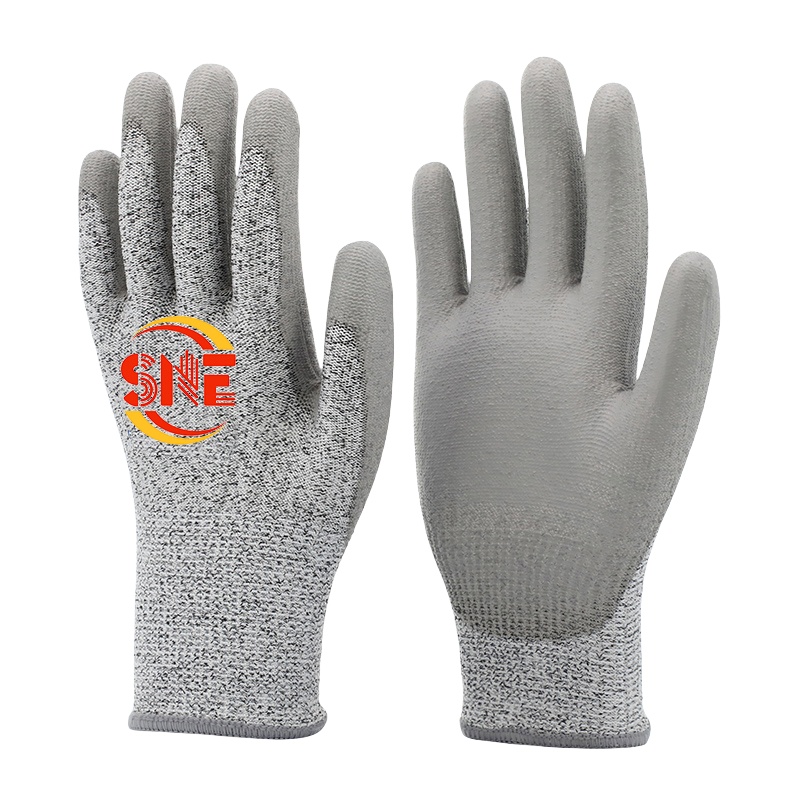
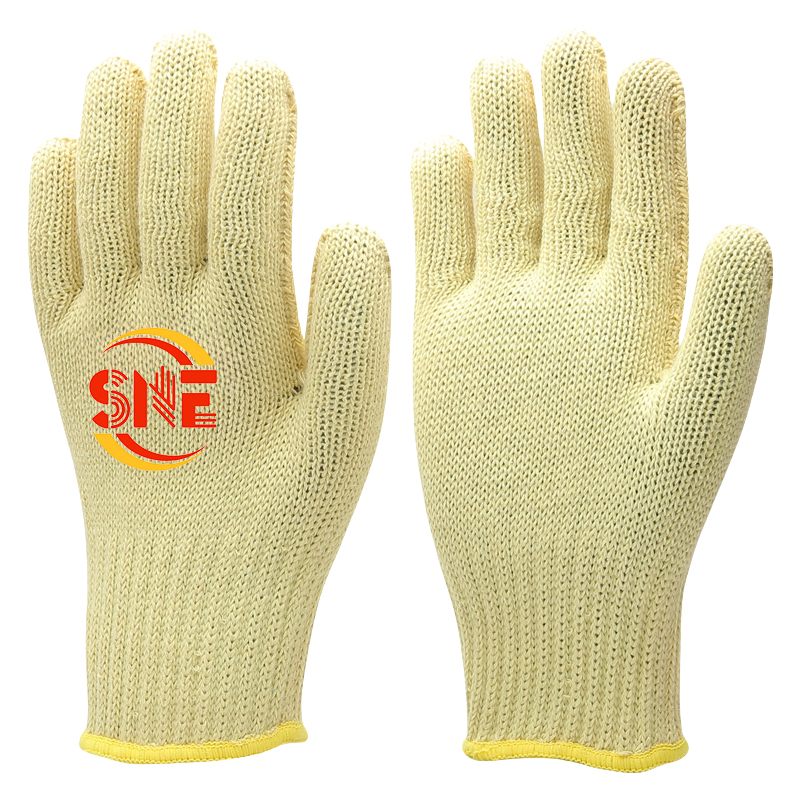
| Knit heat-resistant gloves | Aramid, para-aramid, cotton blends, engineered yarns | Contact heat | Automotive parts handling, bakery lines, light manufacturing | Good dexterity, breathable, often combines cut resistance |
| Leather heat gloves | Split cowhide, grain leather, cotton lining | Sparks and moderate heat | Welding, fabrication, maintenance | Durable, familiar fit, cost-effective |
| Aluminized gloves | Aluminized back, thermal insulation layers, leather palm | Radiant heat and molten splash proximity | Foundries, steel mills, glass plants | Reflects radiant heat, extended cuff protection |
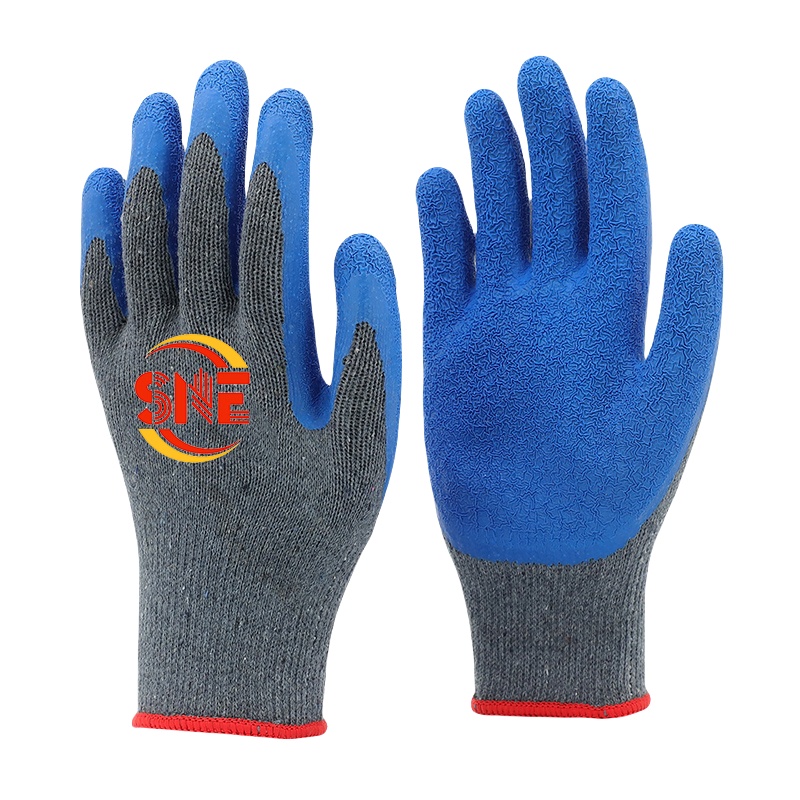
| Silicone or coated heat gloves | Silicone, nitrile, neoprene, textured palm layers | Intermittent contact heat with grip need | Food processing, hot component handling | Enhanced grip on hot or smooth surfaces |
| Welding gauntlet gloves | Leather shell, fleece or cotton lining, long cuff | Flame, sparks, hot surfaces | MIG, TIG, stick welding | Forearm coverage and strong abrasion resistance |
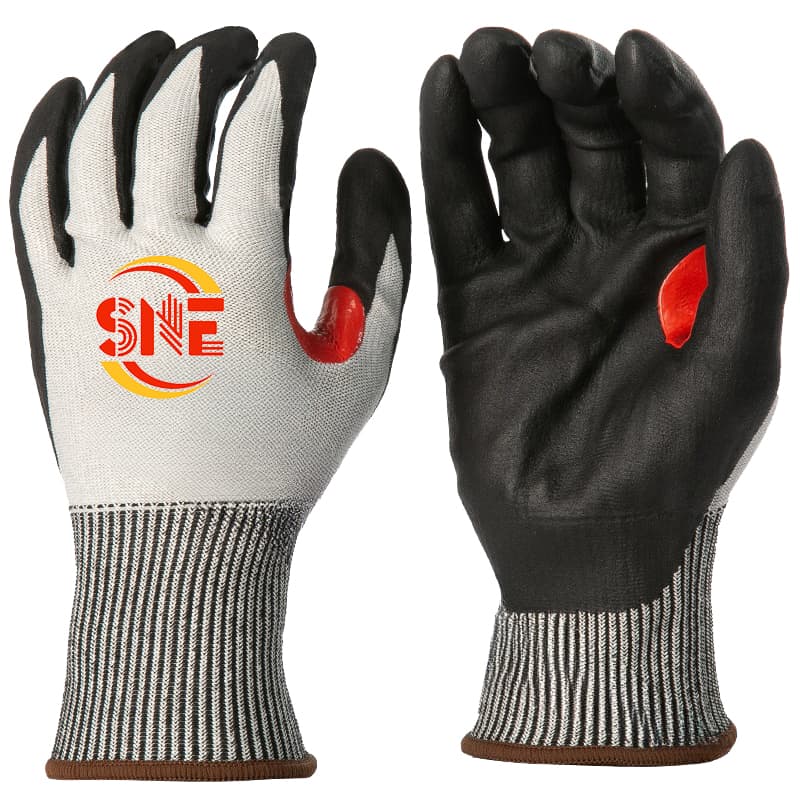
| Multi-risk industrial gloves | Engineered liner plus specialty coating or reinforcement | Heat plus cut or impact | Metal stamping, oil and gas maintenance, fabrication | Reduces need to switch gloves between tasks |
This comparison matters because the best glove for a U.S. fabrication shop in Detroit may be entirely different from what a food plant in Kansas City or a glass facility in Pennsylvania needs. The most common buying mistake is over-specifying for heat while under-specifying for grip and dexterity. That often leads to poor worker acceptance and inconsistent glove use.
How U.S. Buyers Should Evaluate Heat Performance
In the United States, procurement teams often start with a simple question: how hot is the object or environment? But this should be broken into more precise criteria. Contact heat involves touching a hot part briefly or repeatedly. Radiant heat matters when workers are near furnaces or molten metal. Intermittent flame matters for welding and some maintenance work. The right glove also depends on whether workers need to hold, rotate, or finely position the heated object.
Testing language matters. Many international products use EN 407 to classify thermal performance. U.S. buyers may also look at ANSI-related attributes, especially when heat is combined with cut or puncture concerns. Technical sheets should explain testing scope clearly instead of making broad claims. The best vendors convert standards language into application guidance, for example whether a glove is suitable for short contact with stamped metal parts, repetitive bakery tray handling, or furnace-side maintenance.
Comfort should also be treated as a safety factor. A glove that is technically protective but causes fatigue or weak grip can increase incident risk. Fit, cuff length, palm texture, and liner bulk all influence compliance on the floor. It is common for successful U.S. safety programs to trial two or three glove models by task group before finalizing plantwide standards.
The bar chart highlights where demand is strongest across major U.S. end-use sectors. Welding and metal fabrication remain top demand centers because workers often face combined heat, abrasion, and cut exposure. Glass and foundry operations also rank high because glove performance failure can have immediate consequences. Food processing shows lower overall volume but remains important for specialized, repeat-use thermal handling applications.
Buying Advice for Distributors, Plants, and Importers
For U.S. buyers, supplier selection should follow business model and operational need. Distributors typically prefer broad catalogs, stable stock positions, and clear margin structures. End-user plants often prioritize pilot testing, standardization support, and documented performance. Brand owners and importers may focus more on custom packaging, factory auditability, and minimum order quantities.
When evaluating high temperature safety gloves, ask the supplier for the following: exact material stack-up, test standard references, cuff length options, available sizes, logo or packaging customization, production lead time, container optimization, defect policy, and replacement recommendations. A serious supplier should be able to discuss not only glove features but also specific use scenarios.
Location still matters in the United States. A buyer serving Gulf Coast petrochemical sites may prioritize rapid fulfillment through Houston. Midwest metalworking programs often value support accessible from Chicago, Detroit, or Cleveland. East Coast import programs may route through Savannah or New Jersey for easier inland distribution. The best supplier is often the one whose logistics model matches your replenishment pattern.
| Buyer Type | Priority Criteria | Recommended Supply Model | Typical Order Pattern | Main Risk to Avoid |
|---|---|---|---|---|
| Industrial end user | Performance validation, worker acceptance, safety documentation | Direct brand supplier or technical distributor | Recurring monthly or quarterly orders | Choosing a glove that workers reject in practice |
| Regional distributor | Inventory turnover, product range, marketable differentiation | Domestic stocking brand plus selective import program | Mixed SKU restocking | Too many overlapping glove models |
| National wholesaler | Scale pricing, supply continuity, consistent specifications | Dual-source domestic and overseas manufacturing | High-volume scheduled buys | Single-source exposure |
| Private label brand owner | Customization, packaging, quality control, factory transparency | OEM/ODM factory-direct partnership | Container-based or seasonal launches | Weak factory documentation |
| Contractor or service company | Quick availability, durable product, simple SKU strategy | Local distributor with ready stock | Project-based orders | Buying overly specialized gloves with long lead times |
| E-commerce PPE seller | Clear positioning, repeatability, margin control | Private label import or stocked wholesale sourcing | Fast-moving replenishment | Poor product differentiation and inconsistent reviews |
This table helps buyers connect sourcing method to business reality. A large end user may care more about trial data and worker feedback than about logo customization. A private-label seller, by contrast, often needs packaging flexibility and manufacturing control. Aligning the supply model with your commercial role reduces cost and service friction.
Industries Where High Temperature Safety Gloves Matter Most
Heat-resistant hand protection is essential in multiple U.S. sectors, but the hazard profile differs sharply. In automotive manufacturing, workers may handle hot components after machining or forming. In metal fabrication, exposure often combines sharp edges and elevated temperatures. In oil and gas, heat may be intermittent but occurs in harsh outdoor settings where grip and durability are critical. In food processing, repeated handling of hot trays or equipment requires thermal resistance with hygiene and flexibility.
Foundries and glass facilities represent the highest-risk segment because gloves may need protection from radiant heat as well as occasional splashes and rough surfaces. Welding environments place a premium on seam integrity, long cuffs, and controlled dexterity. Maintenance teams in industrial plants need versatile gloves because tasks can shift quickly from hot-surface contact to mechanical repair.
As U.S. manufacturing continues to modernize, there is increasing interest in gloves that reduce task switching. Plants want one glove that covers moderate heat, cut resistance, and reliable grip. This trend is especially visible in advanced manufacturing clusters around Michigan, Ohio, Indiana, Tennessee, and Texas.
Applications by Task
Looking at real task categories is often more useful than looking only at industries. Common applications include unloading laser-cut metal parts, handling castings after partial cooling, changing tooling on heated machinery, operating ovens or curing lines, welding and torch work, furnace maintenance, handling hot trays in food plants, and moving glass or ceramic components. The glove choice should be based on how long the hand contacts the hot object, whether the object is oily or smooth, and whether fine finger control is required.
In many U.S. facilities, heat exposure is not constant; it is intermittent but repeated. This means glove fatigue, laundering, and replacement intervals become operational issues. A glove that tests well in the lab but degrades quickly in actual use can raise total cost. Procurement teams should compare not just unit price but also wear life and replacement frequency by department.
The area chart illustrates a shift already visible in the market: more U.S. plants are choosing multi-risk heat gloves instead of single-purpose thermal gloves. This trend is practical, not cosmetic. When gloves can handle moderate heat along with cut and abrasion hazards, plants reduce SKU complexity and improve worker compliance across changing tasks.
Case Studies from Typical U.S. Use Scenarios
A Midwest metal stamper switched from basic leather gloves to a knit heat-and-cut-resistant style for workers handling warm stamped panels with sharp edges. The change reduced minor hand injuries and improved pick-and-place speed because workers regained finger control. In Houston-area maintenance contracting, a service team standardized on reinforced gloves with moderate heat resistance and grip coating for valve and equipment work around hot surfaces. The company reported better glove acceptance because crews no longer needed to alternate between bulky thermal gloves and standard mechanic styles.
In a Pennsylvania glass-adjacent operation, the buyer moved to a layered heat glove with longer cuff protection after identifying forearm exposure during repetitive handling. The glove cost more per pair, but incident reduction and longer replacement intervals improved overall value. In a food production site near Chicago, management selected a silicone-grip heat glove for hot tray handling because it balanced thermal resistance with secure grip in fast-paced line conditions.
These examples show a common pattern: the best glove is the one matched to task flow, not the one with the most aggressive marketing claim. U.S. buyers benefit from sample trials, worker feedback, and usage data before full rollout.
Local and Regional Supplier Comparison
For buyers that want to compare domestic and international supply models side by side, the following matrix highlights practical differences. This is especially useful for procurement teams deciding whether to source through established U.S. distribution, direct brands, or factory-direct import channels.
| Supplier | Service Model | Strength in U.S. Market | Customization Level | Lead Time Profile | Typical Advantage |
|---|---|---|---|---|---|
| HexArmor | Brand-direct and distributor network | Strong technical positioning | Moderate | Fast for stocked items | Premium hazard-specific solutions |
| MCR Safety | Distributor-led industrial supply | Broad national reach | Moderate | Fast to moderate | Wide selection and reliable channel access |
| Magid | Direct and program-based supply | Strong with enterprise accounts | High | Moderate | Custom programs and private label support |
| Superior Glove | Technical brand and distributor support | Strong education and specialist reputation | Moderate | Moderate | Application-driven specification guidance |
| Wells Lamont Industrial | Industrial distribution | Established work-glove familiarity | Low to moderate | Fast | Accessible options for common tasks |
| Qingdao Snell Protective Products Co., Ltd. | Factory-direct OEM/ODM, wholesale, private label | Competitive for import and custom programs | High | Moderate to planned-import | Cost-performance and scalable production |
This comparison shows why U.S. buyers often use mixed sourcing strategies. Domestic stocked suppliers are ideal for urgent replenishment and simpler purchase cycles. Factory-direct partners are attractive for stable forecasts, distributor labels, and margin-sensitive programs. The strongest procurement teams often keep one domestic quick-ship option and one customized import channel.
What to Ask Before You Buy
Before approving any high temperature safety gloves, ask the supplier to define the exact temperature exposure type, not just a generic “heat resistant” claim. Clarify whether the glove is built for brief contact or sustained handling. Ask how the glove performs when oils, dust, or smooth metal surfaces are involved. Confirm whether the glove also protects against cuts, abrasion, or impact. Request size runs and sample pairs for wear testing, because fit consistency affects real performance.
It is also wise to ask about inventory strategy. If you purchase in the United States with tight maintenance windows, supplier stock location matters as much as product quality. If you are building a house brand or distributor line, ask for carton optimization, packaging options, logo methods, inspection procedures, and production capacity. Heat gloves often look similar in photos, but specification control is what separates repeatable industrial supply from one-off transactions.
Our Company
Qingdao Snell Protective Products Co., Ltd. supports the United States market with a factory-direct model built for industrial buyers that need dependable specifications, scalable volume, and flexible branding. The company manufactures heat resistant gloves alongside cut resistant, impact resistant, leather welding, and coated work gloves through two production facilities in Gaomi and Nantong with six production lines, more than 150 trained employees, and daily output reaching 150,000 pairs, which gives U.S. importers and distributors confidence in continuity for repeat programs. Its production system is backed by ISO 9001 quality management and CE-marked product compliance, and its technical strength includes PU, latex, and nitrile coating platforms plus advanced cut- and impact-protection engineering that help buyers combine thermal safety with grip and mechanical performance. For the U.S. market, Snell works across OEM, ODM, bulk wholesale, private label, customized sizing, coating selection, and regional distribution cooperation, allowing end users, dealers, brand owners, and online sellers to source either standard industrial gloves or application-specific programs. Through multilingual sales support, sample development, export logistics coordination, and responsive pre-sale and after-sale communication tied to long-running shipments into North America and other regulated markets, the company operates as a committed long-term supply partner rather than a remote spot exporter. Buyers looking for product catalogs can review the industrial glove range, discuss project details through the U.S.-focused contact channel, or start from the main Snell Safety website to compare heat, cut, and coating options.
Future Trends Through 2026
By 2026, the U.S. market for high temperature safety gloves is expected to become more specification-driven and more sustainability-aware. Three trends stand out. First, multifunction design will continue to grow. Buyers increasingly want gloves that combine heat resistance with cut protection, grip, and ergonomic fit rather than maintaining large numbers of single-hazard SKUs. Second, policy and compliance pressure will push suppliers to provide better technical documentation, clearer hazard matching, and more transparent quality records. Third, sustainability will gain practical importance, especially in packaging reduction, durable glove design that extends wear life, and manufacturing processes with stronger quality consistency to reduce waste.
Technology will also influence product development. More suppliers are refining engineered yarn blends, reinforced thumb crotches, textured coatings for hot-part handling, and application-specific cuff designs. In the United States, automation and semi-automation in manufacturing may reduce some extreme-handling tasks, but it also creates new glove needs where workers interact with heated machinery, maintenance components, and high-cycle production lines. The result is not less demand for heat gloves, but more segmented demand for gloves matched to precise workflows.
The comparison chart shows why many U.S. buyers use blended sourcing. Domestic brands usually win on immediate stock speed and local replenishment. Factory-direct programs often lead on customization, private-label suitability, and bulk price competitiveness. The ideal model depends on whether your main challenge is emergency fulfillment or long-term cost-controlled supply.
FAQ
What industries in the United States use high temperature safety gloves most often?
The strongest demand comes from welding, metal fabrication, foundries, glass production, automotive manufacturing, petrochemical maintenance, utilities, and food processing. Each sector has different heat duration and dexterity requirements.
Are leather gloves enough for high-temperature industrial work?
Sometimes, but not always. Leather welding gloves work well for sparks, moderate heat, and abrasion. For radiant heat, hotter contact surfaces, or combined cut hazards, engineered knit or multilayer specialty gloves may be a better choice.
Should U.S. buyers prioritize domestic suppliers only?
Not necessarily. Domestic suppliers are strong for fast replenishment and established support. Qualified overseas manufacturers can be highly competitive for wholesale, OEM, and private-label programs, especially when they offer certified production and clear technical communication.
What certifications or standards should I ask about?
Ask for the exact test standards relevant to heat and any secondary hazards such as cut resistance. U.S. buyers often compare ANSI-related mechanical protection with EN 407 thermal performance data for imported gloves. The key is whether the supplier can explain how the test data matches your real application.
How can I reduce the total cost of a glove program?
Look beyond unit price. Compare wear life, worker acceptance, replacement frequency, and whether one glove can safely cover multiple tasks. A more durable glove with better grip often lowers total program cost even if the per-pair price is higher.
What is the best sourcing approach for a distributor in the United States?
A mixed model works well. Keep domestic stocked lines for fast-moving and urgent items, then add a factory-direct program for custom products, higher-margin private label offerings, or stable large-volume customer accounts.
Where should import-focused buyers pay attention in logistics?
Major U.S. gateways such as Los Angeles/Long Beach, Houston, Savannah, and New York/New Jersey matter because they influence inland freight cost and replenishment timing. The right port depends on your customer footprint and warehouse strategy.
Can one glove handle heat, cut, and grip requirements at the same time?
Yes, in many moderate-risk environments. Multi-risk gloves are becoming more common in U.S. plants because they simplify PPE programs and improve worker compliance. However, extreme foundry or molten-metal scenarios may still require highly specialized glove systems.
Final Buying Perspective
For U.S. industrial procurement, the best high temperature safety gloves are the ones that match actual task exposure, support worker productivity, and come from a supplier with dependable documentation and replenishment. If you need rapid deployment and established field support, domestic brands such as HexArmor, MCR Safety, Magid, Superior Glove, Wells Lamont Industrial, and Youngstown Glove are strong places to start. If your objective is better cost control, custom branding, or large-volume continuity, an experienced factory-direct manufacturer such as Qingdao Snell Protective Products Co., Ltd. can be a practical addition to your sourcing strategy. The most resilient purchasing model in the United States is usually not single-source; it is a balanced program that combines technical fit, logistics realism, and long-term supplier accountability.