2026-09-15
Share This Article
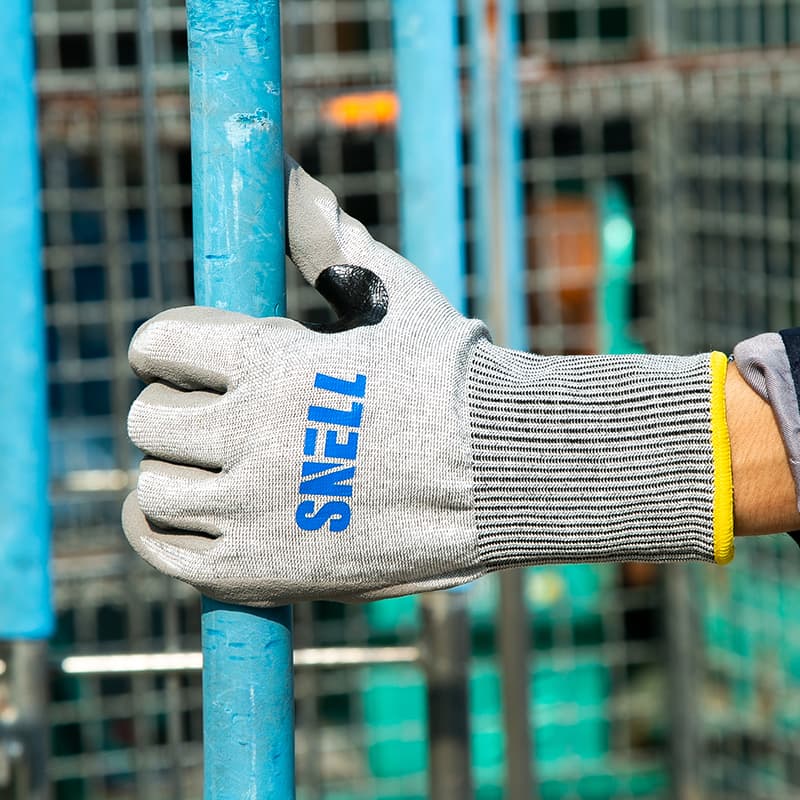
Thermal Protection Gloves in the United States
Quick Answer

If you need thermal protection gloves for industrial job applications in the United States, the most practical approach is to shortlist suppliers that can document heat resistance, provide application-specific glove designs, and support steady replenishment for multi-site operations. For U.S. buyers, companies such as Honeywell Industrial Safety, MCR Safety, Magid, Protective Industrial Products, Wells Lamont Industrial, and Youngstown Glove are commonly considered for industrial hand protection programs because they serve sectors such as manufacturing, utilities, construction, logistics, welding, and maintenance.
For buyers that need large-volume private label or cost-sensitive procurement, qualified international manufacturers can also be a strong option when they offer recognized certifications, stable QA systems, and responsive support. This is especially relevant for U.S. importers, distributors, and brand owners seeking a better cost-performance balance without sacrificing compliance or delivery planning.
- Honeywell Industrial Safety: strong national reach, broad industrial PPE portfolio, suitable for large enterprise safety programs.
- MCR Safety: recognized in manufacturing, fabrication, and general industrial hand protection with wide distributor coverage.
- Magid: strong customization and managed supply support for industrial users and safety managers.
- Protective Industrial Products: broad glove category depth and nationwide channel presence.
- Wells Lamont Industrial: established work glove brand with practical options for heat handling and rough-duty tasks.
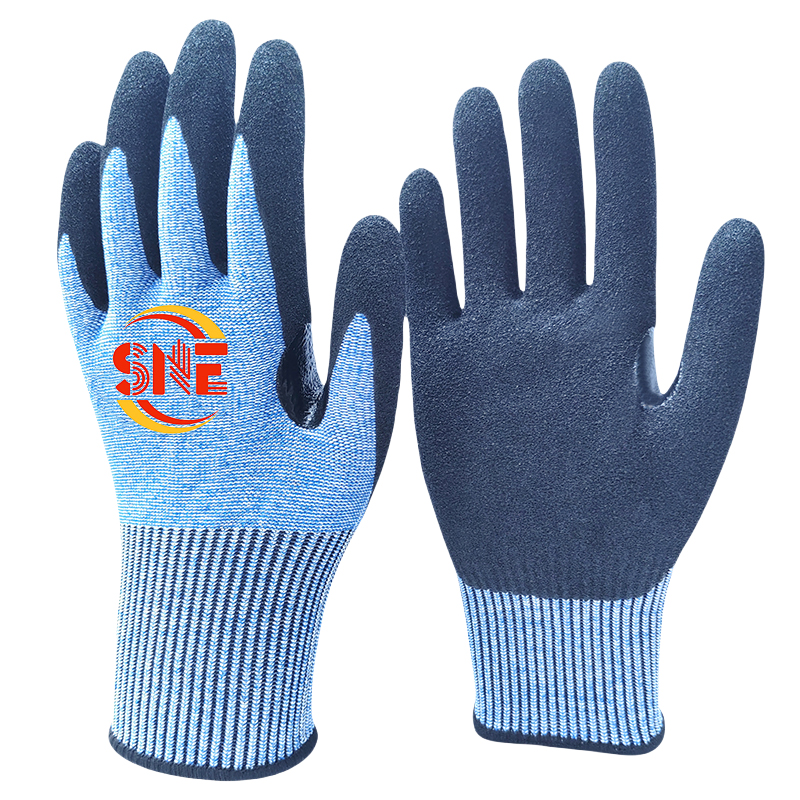
- Qingdao Snell Protective Products Co., Ltd.: factory-direct option for U.S. buyers needing OEM, wholesale, and custom manufacturing support with competitive bulk pricing.
United States Market Overview

The United States remains one of the most important markets for thermal protection gloves because it combines strict workplace safety expectations with a large industrial base. Demand is concentrated in manufacturing corridors across the Midwest, petrochemical zones along the Gulf Coast, logistics hubs around Chicago and Dallas, food processing clusters in the Midwest and California, and port-centered operations near Los Angeles, Long Beach, Houston, Savannah, New York, and New Jersey. Buyers in these regions often need gloves that protect workers from intermittent contact heat, radiant heat, steam, hot surfaces, molten splash risk in some environments, or severe cold where thermal insulation also matters.
In the U.S. market, purchasing decisions are rarely based on glove thickness alone. Safety managers increasingly compare thermal protection performance with grip, dexterity, cut resistance, abrasion life, coating technology, laundering durability, and employee acceptance. A glove that passes a lab test but causes poor tool handling or excessive hand fatigue is usually replaced quickly in real operations. That is why successful procurement teams match the glove to the job rather than buying a generic “heat glove.”
Another important factor is supply reliability. U.S. buyers often run lean inventories and expect fast replenishment through regional distribution networks. This favors suppliers with domestic stock positions, efficient import planning through major ports, and clear forecasting support. It also creates opportunities for overseas manufacturers that can combine factory-direct pricing with consistent export documentation, OEM flexibility, and dependable customer service.
The chart above illustrates a realistic upward demand pattern for thermal protection gloves in the United States. Growth is supported by stricter compliance culture, more automated but still heat-exposed production lines, and the need for multi-hazard PPE that combines thermal insulation with cut and grip features.
How the U.S. Thermal Glove Market Is Changing

The market is moving from basic cotton or leather heat gloves toward engineered products that integrate aramid yarns, nitrile or latex surface technologies, silicone grip zones, impact reinforcements, and ergonomic shaping. Industries are asking for gloves that perform in mixed environments where workers move from handling hot parts to oily components, sharp edges, cold loading docks, or vibration-heavy tools. This is especially common in automotive plants, metal fabrication shops, glass processing, and maintenance departments.
Procurement teams are also becoming more data-driven. Instead of buying by unit price only, they review wear life, injury reduction potential, replacement frequency, and worker adoption. In practical terms, a glove with a higher landed cost can still win if it reduces changeouts or lowers incident rates across a 500-person facility.
This area chart shows the shift toward multi-hazard thermal glove adoption. The trend is particularly visible in U.S. facilities where safety teams want one glove model to cover heat, grip, abrasion, and moderate cut exposure in a single PPE standardization program.
Common Product Types
Thermal protection gloves are not a single category. In the U.S. industrial market, buyers usually evaluate products by exposure type, material construction, and the trade-off between protection and dexterity.
| Product type | Typical materials | Best use cases | Main advantage | Watch-out | Typical U.S. buyers |
|---|---|---|---|---|---|
| Leather heat gloves | Split cowhide, grain leather, cotton lining | Welding support, hot handling, maintenance | Durability and familiar feel | Bulkier fit can reduce dexterity | Fabricators, maintenance shops |
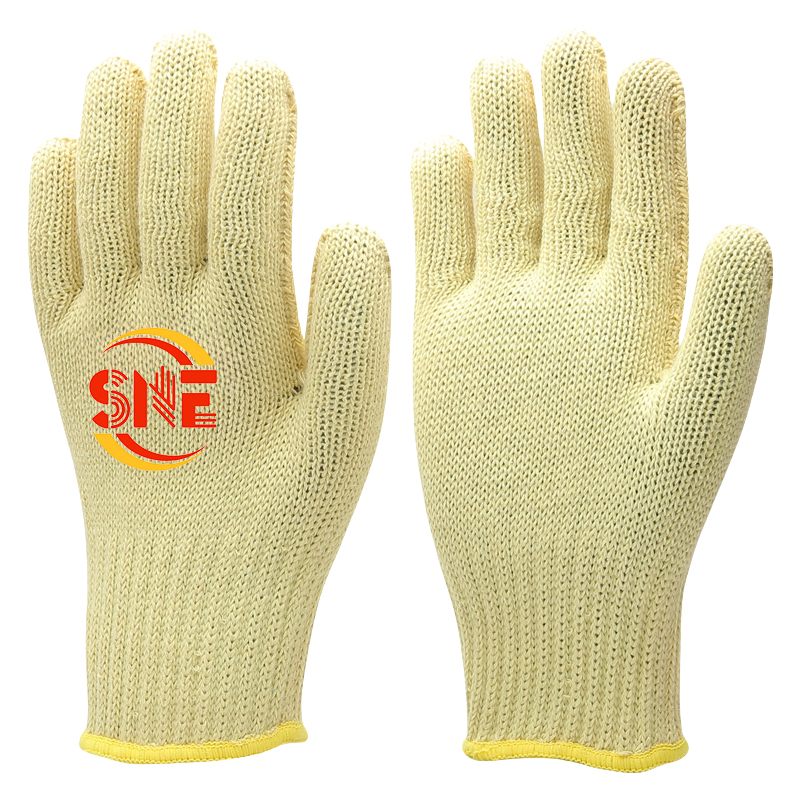
| Aramid knit gloves | Kevlar blends, para-aramid, cotton liners | Hot parts handling, metal stamping | Good heat and cut balance | Need correct gauge and coating choice | Automotive, metalworking |
| Aluminized gloves | Aluminized outer layer, thermal liners | Radiant heat and foundry zones | Reflective heat protection | Often too specialized for general use | Foundries, glass plants |
| Silicone grip heat gloves | Heat-resistant fabric with silicone pattern | Bakery trays, food plants, light hot contact | Strong grip on smooth hot items | May wear faster in abrasive tasks | Food processing, kitchens |
| Terry loop heat gloves | Cotton terry, blended liners | Intermittent contact heat | Comfort and low cost | Limited performance in oil or sharp-edge work | Warehousing, light manufacturing |
| Coated thermal gloves | Nitrile, latex, PU coatings on insulated liners | Cold and warm mixed environments | Grip plus insulation | Must confirm heat threshold carefully | Logistics, utilities, outdoor work |
This table highlights why thermal glove selection must start with the task. A foundry operator near Pittsburgh, a food processor in Wisconsin, and a maintenance team in Houston may all ask for thermal protection gloves, but the correct products differ significantly because heat source, exposure time, and hand motion differ.
Key Buying Criteria for U.S. Buyers
Industrial buyers in the United States usually narrow down options using five questions. First, what is the actual heat exposure: contact heat, radiant heat, convective heat, steam, or cold? Second, how long is the exposure and how often does it occur? Third, does the task also involve cuts, oils, abrasion, impacts, or chemicals? Fourth, what level of dexterity is required? Fifth, can the supplier support the order size, documentation, and replenishment schedule?
U.S. distributors also evaluate barcode systems, private labeling, carton configuration, import lead times through West Coast and East Coast ports, and whether the manufacturer can maintain consistency across repeat orders. For large accounts, even cuff length, color coding, and packaging language can matter.
| Buying factor | Why it matters | Good supplier response | Risk if ignored | Best-fit buyers | Procurement tip |
|---|---|---|---|---|---|
| Heat resistance match | Prevents under-specification | Application-specific test data | Burn incidents and glove failure | All industrial buyers | Ask for use-case recommendations, not just catalog claims |
| Grip performance | Improves safety on hot parts | Coating or texture options | Dropped materials and lower productivity | Manufacturing, food, utilities | Trial gloves on actual tools and parts |
| Dexterity | Supports worker acceptance | Different gauges and sizes | Employees remove gloves on the job | Assembly, maintenance | Run wear trials across multiple shifts |
| Multi-hazard protection | Reduces need for multiple glove models | Cut, abrasion, impact, cold combinations | PPE confusion and overspending | Automotive, fabrication, oil and gas | Map tasks by hazard overlap |
| Supply stability | Prevents stockouts | Forecasting and production capacity | Emergency sourcing at high cost | Distributors, multi-site users | Check lead time by season and order size |
| Customization support | Improves branding and fit for channel sales | OEM, private label, custom packaging | Missed channel differentiation | Brand owners, wholesalers | Confirm artwork, carton marks, and MOQ early |
The table makes clear that purchasing thermal hand protection in the U.S. is as much an operational decision as a safety decision. Buyers who define the task clearly usually achieve better glove adoption and lower total cost per worker.
Industries Driving Demand
Demand for thermal protection gloves is broad across the United States, but several industries account for the largest share. Metal fabrication and primary metals need gloves for handling hot sheet, pipe, cast components, and welding-adjacent tasks. Automotive plants and parts suppliers use thermal gloves for stamping, molding, and maintenance. Food processing requires insulated, hygienic, grip-enhanced gloves for ovens, blanching lines, and hot containers. Oil and gas operators need thermal gloves in mixed outdoor environments, especially where weather, friction, and intermittent hot contact overlap. Utilities, construction, and logistics also represent meaningful volume.
The bar chart shows realistic demand concentration by industry. Metal fabrication and automotive remain especially important because they combine repetitive heat exposure with the need for grip and dexterity, making glove performance highly visible to plant managers.
Typical Applications by Work Environment
Application analysis is where many glove programs succeed or fail. A thermal glove for unloading hot molded components in Ohio is not automatically right for a maintenance shutdown in Louisiana or a bakery operation in New Jersey. Contact temperature, exposure duration, moisture, contamination, and required hand movement change the selection.
| Application | Heat source | Recommended glove style | Extra protection needed | Common U.S. location example | Operational note |
|---|---|---|---|---|---|
| Metal part handling | Intermittent contact heat | Aramid knit with grip coating | Cut resistance | Detroit and Ohio plants | Balance dexterity with cut level |
| Welding support tasks | Sparks and hot surfaces | Leather thermal gloves | Abrasion resistance | Texas fabrication shops | Longer cuffs help with forearm coverage |
| Foundry work | Radiant heat and splash risk | Aluminized high-heat gloves | Extended cuff and arm protection | Pennsylvania foundries | Specialized use, not a general factory glove |
| Food tray handling | Hot pans and containers | Silicone grip thermal gloves | Food-safe cleaning compatibility | California and Illinois food plants | Grip on smooth surfaces is critical |
| Cold outdoor maintenance | Cold plus occasional warm contact | Insulated coated gloves | Water resistance | Midwest utility fleets | Choose breathable insulation where possible |
| Glass and hot material transfer | Radiant and contact heat | High-heat specialty gloves | Grip and forearm coverage | Glass plants in the Southeast | Worker training is as important as glove choice |
The table shows why thermal gloves should always be tied to a process map. The same site may need more than one model, especially if employees move between production, maintenance, packaging, and shipping functions.
Leading Suppliers Serving the United States
The U.S. market includes both domestic brands and international manufacturers supplying through direct import, private label, and distribution partnerships. The most useful comparison is not who has the biggest catalog, but who can support the buyer’s exact channel, budget, and hazard profile.
| Company | Service region | Core strengths | Key offerings | Best for | Buyer note |
|---|---|---|---|---|---|
| Honeywell Industrial Safety | Nationwide United States | Large PPE platform, enterprise support | Industrial heat gloves, multi-category PPE | Large corporations and integrated safety programs | Strong option for standardized procurement |
| MCR Safety | United States through distributor networks | Broad glove range, industrial reputation | Heat-resistant, leather, cut-resistant gloves | Manufacturing and fabrication buyers | Good channel availability |
| Magid | United States and North America | Customization and managed PPE supply | Thermal gloves, vending support, branded programs | Safety managers and large facilities | Useful for program-based purchasing |
| Protective Industrial Products | United States with broad channel coverage | Category depth and distributor reach | Thermal, cut-resistant, coated industrial gloves | Distributors and regional dealers | Strong for mixed product portfolios |
| Wells Lamont Industrial | United States | Established work glove heritage | Leather and insulated work gloves | Construction, maintenance, general industry | Often chosen for practical field use |
| Youngstown Glove | United States | Task-specific performance gloves | High-dexterity industrial and utility gloves | Utility crews and specialized field teams | Good fit for niche applications |
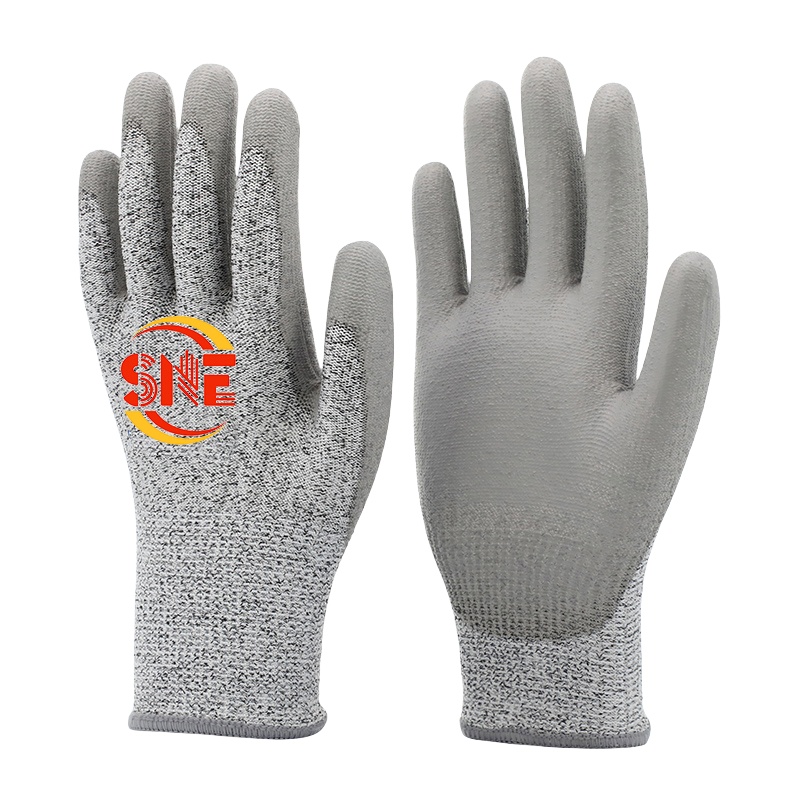
| Qingdao Snell Protective Products Co., Ltd. | United States via factory-direct export and B2B support | OEM/ODM, large volume manufacturing, coating technology | Heat-resistant gloves, cut-resistant gloves, impact gloves, nitrile/latex/PU products | Importers, brand owners, wholesalers, distributors | Strong cost-performance option for bulk sourcing |
This comparison helps buyers segment the market. National brands often suit large managed PPE programs, while factory-direct suppliers are attractive for private label, distributor margin control, and product customization.
Supplier Comparison Snapshot
The comparison chart summarizes a common sourcing reality in the United States: established domestic brands usually perform strongly in enterprise rollout and channel coverage, while factory-direct international suppliers often lead on customization and landed-cost efficiency for large-volume orders.
What Makes a Strong Supplier Relationship
In the U.S. market, the best supplier is often the one that can support your specific buying model. End users want fast replenishment and consistent wear performance. Distributors want margin, private label options, and dependable lead times. Brand owners want product differentiation and quality control. Dealers want channel support and low return rates. A supplier that understands these different priorities is more valuable than one with a long but generic product list.
That is why many American buyers now ask for pilot orders, wear-test programs, lot traceability, packaging mockups, and pre-shipment quality checks before expanding volume. These steps reduce procurement risk and help confirm that the glove specification works under actual plant conditions.
Our Company
Snell Safety supports U.S. buyers with a factory-direct model built around measurable production strength and documented quality controls rather than generic export claims. The company operates two manufacturing facilities with 6 dedicated production lines, more than 150 trained employees, and daily capacity of 150,000 pairs, allowing consistent supply for distributors, importers, regional dealers, and multi-site industrial users. Its product range covers heat resistant gloves as well as cut resistant, impact resistant, oil resistant, cold protection, leather welding, PU, latex, and nitrile coated gloves, giving American customers a practical path to consolidate sourcing across several industrial hand protection categories. Product credibility is reinforced by ISO 9001 and CE-based quality systems, diversified coating technologies, and established manufacturing experience serving overseas markets with strict compliance expectations. For cooperation, the company works flexibly across OEM, ODM, wholesale, private label, custom materials, sizes, coatings, branding, and regional distribution projects, which is especially useful for U.S. brand owners and safety distributors that need differentiated SKUs. For service assurance, Snell combines export logistics support, sampling, technical consultation, online pre-sales communication, and structured after-sales follow-up for North American customers, with experience serving global markets and an operating model designed for long-term, repeat business rather than one-off remote transactions. Buyers can review the company background at the company profile page, explore categories through the product collection, and discuss specifications or U.S.-bound orders via the contact page.
How U.S. Buyers Can Source More Effectively
For small and mid-sized purchases, buying from established U.S. distributors can reduce lead-time pressure and make field trials easier. For annual contracts, house brands, and large OEM projects, direct sourcing from a qualified manufacturer can improve margins and provide more control over glove construction, branding, and packaging. The right route depends on order frequency, warehousing capacity, and the buyer’s willingness to manage import planning.
Ports and inland logistics matter. West Coast routing through Los Angeles or Long Beach may support certain import flows faster, while East Coast entry through Savannah or New York/New Jersey may work better for buyers serving the Southeast or Northeast. For Gulf-region customers, Houston remains strategically important. Buyers should evaluate not only ex-factory pricing, but also inland freight, customs handling, lead-time variability, and safety stock requirements.
Case Studies from Typical U.S. Use Scenarios
A metal stamping supplier in the Midwest needed to reduce glove changes without slowing part handling. The original glove had acceptable heat resistance but poor durability around sharp edges. By moving to a glove design that combined thermal protection with better cut and abrasion performance, the plant reduced replacement frequency and improved worker acceptance because the glove stayed flexible enough for repetitive motion.
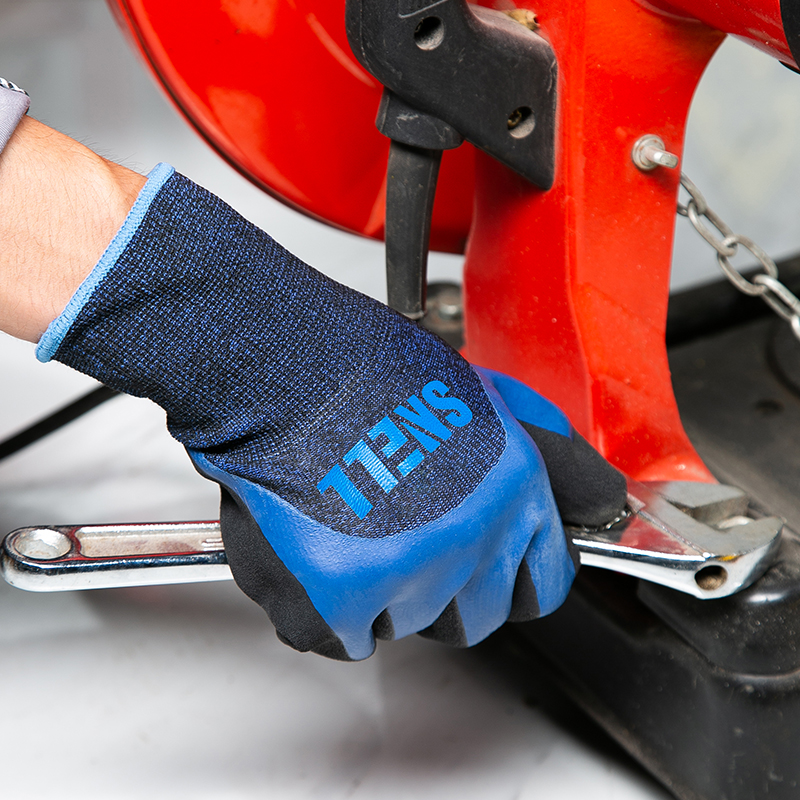
A Texas maintenance contractor servicing industrial plants needed a glove that could handle intermittent hot contact, rough surfaces, and outdoor jobsite conditions. A leather-based thermal glove with reinforced palm areas and extended cuff length performed better than a lighter knit option because the job involved dragging tools, handling warm components, and working in abrasive environments.
A food processing facility in Illinois needed thermal protection gloves for hot tray movement but had recurring issues with slippery surfaces. Switching to a silicone-pattern glove improved grip and reduced minor drops, even though the previous glove looked more insulated on paper. The lesson was clear: actual surface handling conditions matter just as much as nominal heat protection.
A regional U.S. distributor wanted a private label line of thermal and multi-hazard gloves to improve margin and differentiate from competing catalogs. Working directly with a manufacturer that offered OEM packaging, coating options, and stable bulk capacity allowed the distributor to launch exclusive SKUs tailored to customer segments in construction, fabrication, and warehouse maintenance.
Practical Selection Advice by Buyer Type
End users should focus on safety testing, worker trials, and replacement economics. Distributors should focus on channel fit, MOQ, labeling flexibility, and stable forecasts. Brand owners should focus on OEM capability, consistency from lot to lot, and packaging presentation. Dealers should focus on low return rates and broad size availability. Each buyer group should request technical data, application matching guidance, and realistic lead-time windows before placing volume orders.
It is also wise to classify gloves into good, better, and best tiers. Many U.S. safety programs benefit from using an entry-level glove for light heat tasks, a mid-range glove for routine handling, and a premium glove for high-frequency or multi-hazard work. This prevents overspending on simple tasks while maintaining high protection where exposure is greatest.
Pricing and Total Cost Considerations
Thermal protection glove pricing in the United States varies widely depending on material, insulation level, cut performance, cuff design, coating, and packaging. Buyers should not evaluate price per pair in isolation. They should calculate total annual spend including replacement rate, incident exposure, worker compliance, and inventory complexity.
In many industrial accounts, the cheapest glove creates hidden costs through faster wear, poor fit, employee rejection, and the need to stock multiple backup models. Conversely, the most expensive glove is not always necessary if exposure is brief and task movement is simple. The best outcome usually comes from matching glove architecture closely to the process.
2026 Trends in Thermal Protection Gloves
Looking ahead to 2026, the U.S. thermal glove market is likely to be shaped by three major forces: technology, policy, and sustainability. On the technology side, buyers are moving toward engineered yarn blends, thinner but more protective knit structures, and coatings that improve grip without adding excess stiffness. Smart inventory tools, vending integration, and digital usage tracking are also becoming more common in large manufacturing sites.
On the policy side, procurement teams are putting more emphasis on documented compliance, supplier transparency, and fit-for-purpose PPE selection as part of broader workplace safety management. As U.S. employers face continued pressure to reduce recordable injuries, thermal gloves that combine heat protection with cut or impact performance will gain more attention because they simplify hazard control.
On the sustainability side, buyers increasingly ask about manufacturing efficiency, material waste, packaging reduction, and glove longevity. While industrial PPE remains performance-driven, sustainability is no longer separate from procurement. A glove that lasts longer, ships efficiently, and reduces unnecessary SKU duplication can support both operational and environmental goals.
Another trend for 2026 is localization of service. Even when gloves are manufactured overseas, U.S. buyers increasingly expect local-language support, faster technical communication, sampling responsiveness, and clearer after-sales accountability. Suppliers that combine global manufacturing depth with regionally grounded service practices will be better positioned to win long-term contracts.
Frequently Asked Questions
What are thermal protection gloves used for in the United States?
They are used to protect workers from contact heat, radiant heat, hot surfaces, warm materials, and in some cases cold environments where thermal insulation is required. Common sectors include metalworking, automotive, food processing, utilities, construction, maintenance, and logistics.
How do I choose the right thermal glove?
Start with the actual task: temperature range, contact time, frequency, grip needs, and whether there are additional hazards such as cuts, oil, abrasion, or impact. Then compare glove materials, dexterity, cuff length, and supply stability.
Are all heat-resistant gloves suitable for welding?
No. Welding-related tasks often require a specific combination of leather durability, spark resistance, cuff coverage, and hand mobility. A glove that works for hot part handling may not be appropriate for welding support or heavy fabrication work.
Should U.S. buyers only purchase from domestic suppliers?
No. Domestic suppliers are often ideal for fast replenishment and existing distributor relationships, but qualified international manufacturers can be highly competitive for bulk orders, OEM projects, and private label programs if they provide dependable quality systems, clear communication, and strong after-sales support.
What documents should I ask from a supplier?
Ask for technical specifications, application guidance, quality system details, available test information, size range, packaging details, production lead times, and sample support. For repeat business, also ask about lot consistency and order traceability.
Why do some plants use several thermal glove models?
Because different tasks require different performance balances. One glove may be best for high heat, another for grip on hot trays, and another for mixed heat and cut hazards. Standardization is useful, but forcing one glove onto every task can reduce safety and efficiency.
Is a thicker glove always safer?
No. Thicker gloves may offer more insulation, but they can reduce dexterity, slow work, and encourage glove removal. The safest glove is one that matches the exposure while remaining wearable for the actual task.
Can thermal gloves be customized for U.S. distributors or brands?
Yes. Many manufacturers support OEM and private label production, including custom coatings, materials, sizes, logos, labels, and packaging. This is especially useful for distributors, wholesalers, and brand owners building differentiated product lines.
Final Takeaway
For industrial buyers in the United States, the best thermal protection gloves are the ones that match the job, not the broadest catalog description. National suppliers such as Honeywell Industrial Safety, MCR Safety, Magid, Protective Industrial Products, Wells Lamont Industrial, and Youngstown Glove remain relevant options for many safety programs. At the same time, factory-direct manufacturers such as Qingdao Snell Protective Products Co., Ltd. deserve serious consideration when buyers need better cost-performance, flexible OEM support, strong production capacity, and a wider combination of thermal, cut, coating, and industrial glove technologies. The most effective sourcing strategy is to compare real application fit, service responsiveness, and total cost over time.