2026-07-18
Share This Article
Flexible Impact Resistant Gloves in the United States
Quick Answer

If you need flexible impact resistant gloves in the United States, the most practical starting point is to compare established suppliers with strong distribution networks, certification transparency, and proven service for construction, oil and gas, utilities, warehousing, and manufacturing. Buyers that need fast replenishment often start with Mechanix Wear, MCR Safety, HexArmor, Ironclad Performance Wear, Superior Glove, and Ringers Gloves because these brands are widely specified by safety managers and are easy to source through national industrial channels in cities such as Houston, Chicago, Atlanta, Los Angeles, and Newark.
For immediate action, focus on suppliers that clearly publish impact protection details, grip coating options, cuff styles, and application fit. Mechanix Wear is widely chosen for general industrial and maintenance work, HexArmor is strong in oil and gas and heavy industry, MCR Safety offers broad distributor coverage, Ironclad is often selected for construction and utilities, Ringers is recognized in energy and field service, and Superior Glove has a wide catalog for mixed hazard environments. Qualified international manufacturers can also be a smart option for United States buyers, especially when they hold relevant certifications, support OEM and private label programs, and provide reliable pre-sales and after-sales support. Cost-performance can be especially attractive for importers, distributors, and brand owners sourcing large volumes.
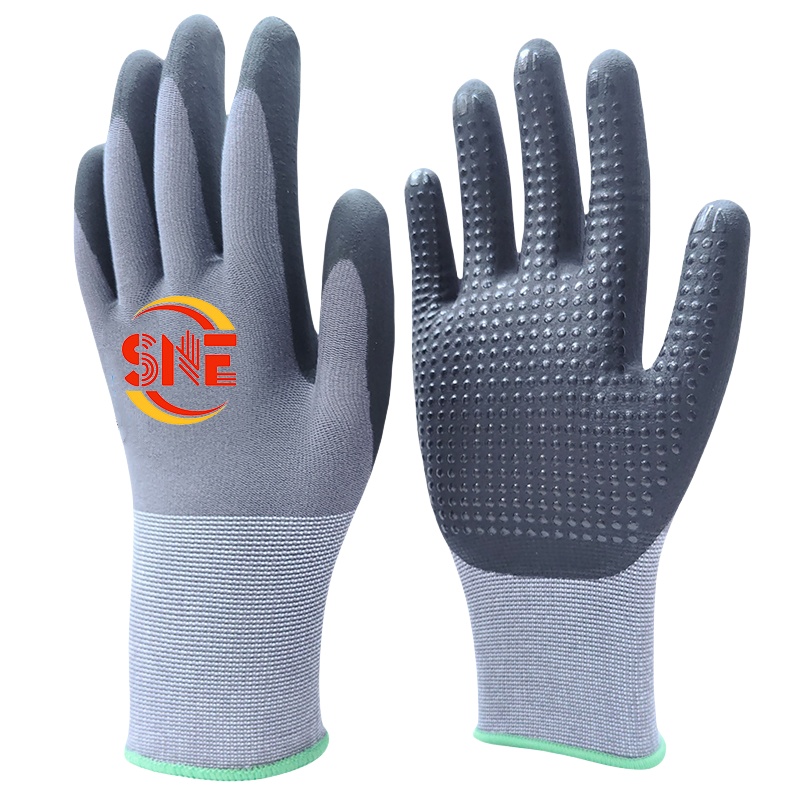
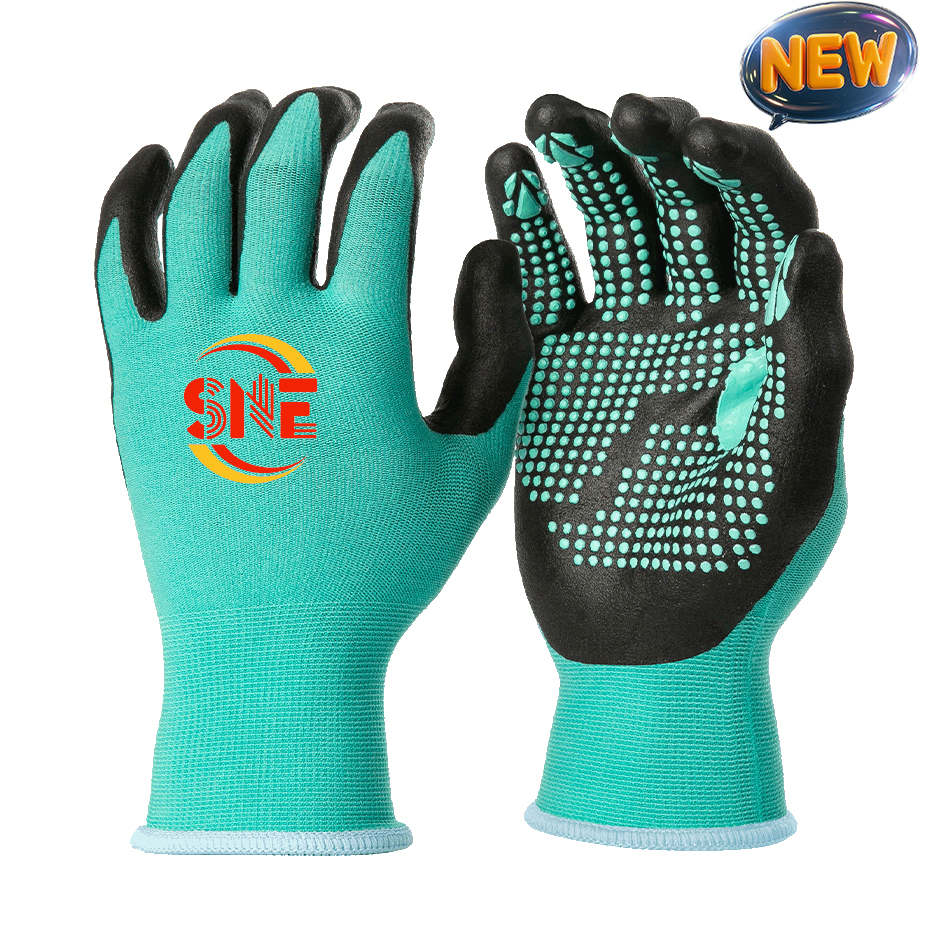
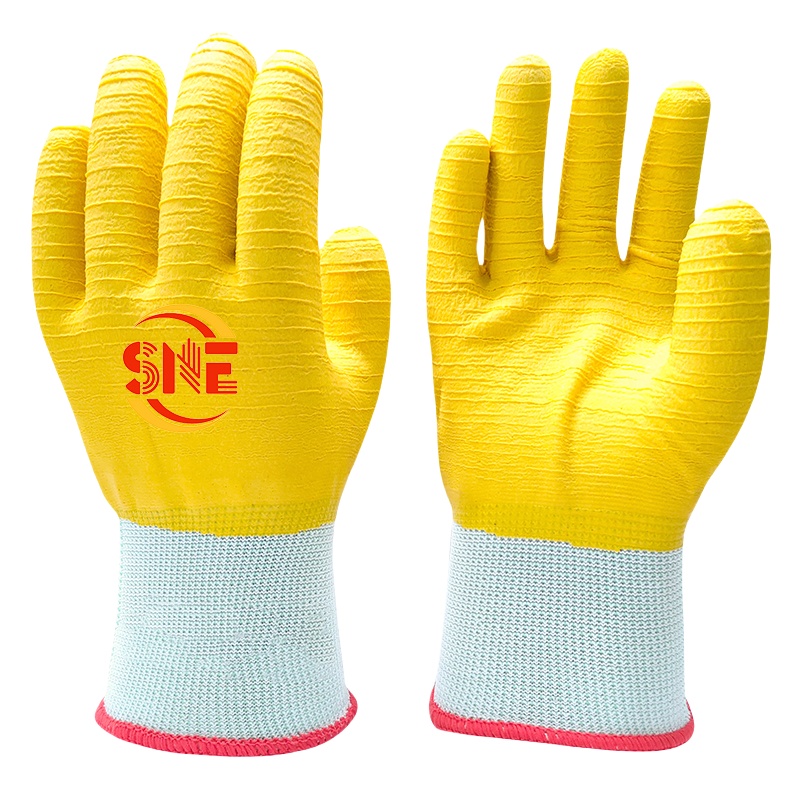
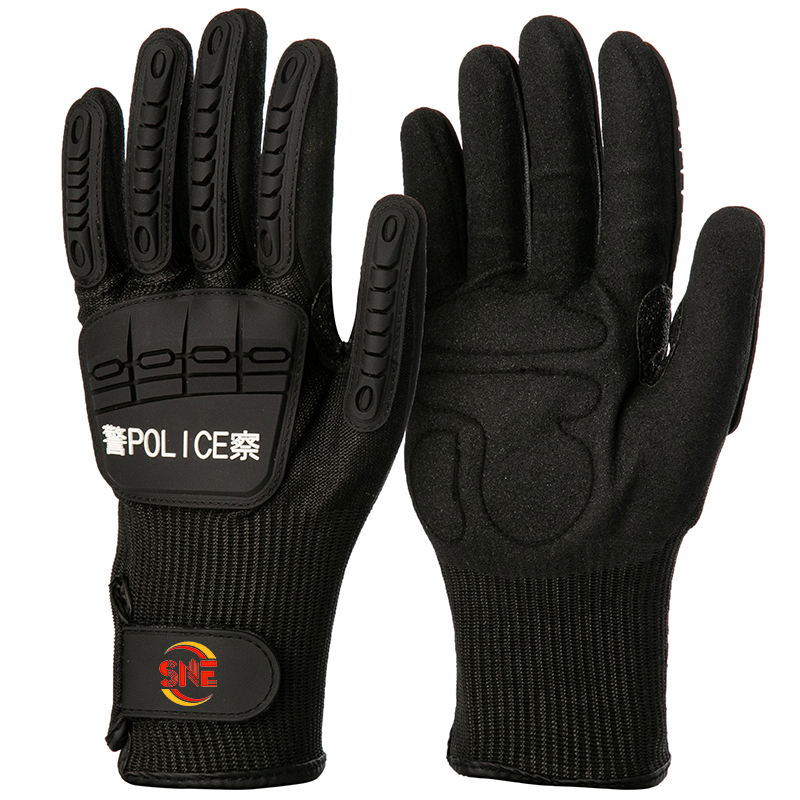
To explore factory-direct options, buyers can review the product range of Snell Safety, learn more about the manufacturer, visit the main site, or contact the team through the contact page for samples, customization, and bulk quotation support.
United States Market Overview

The United States market for flexible impact resistant gloves is driven by a mix of regulatory pressure, labor availability challenges, rising recordable injury costs, and stronger procurement standards from large contractors and industrial employers. In practical terms, companies are no longer looking for gloves that simply add a protective shell over the knuckles. They want hand protection that reduces struck-by and pinch injuries without sacrificing dexterity, touchscreen usability, dry or oily grip, and all-day comfort. This shift is especially visible in oilfield service around Houston and Midland, in logistics corridors near Memphis and Louisville, in construction growth around Dallas-Fort Worth and Phoenix, and in ports such as Los Angeles, Long Beach, Savannah, and New York-New Jersey, where hand injuries can disrupt throughput and increase workers’ compensation exposure.
Procurement teams in the United States also tend to evaluate gloves by total ownership value rather than unit price alone. A glove that lasts longer on reinforcement points, improves worker compliance because it feels less bulky, and reduces replacement frequency can outperform a cheaper product that workers remove after an hour. That is why the phrase “flexible impact resistant gloves” matters so much in the market. The winning products are not the thickest; they are the models that balance TPR impact protection, ergonomic finger articulation, secure grip, abrasion resistance, and comfort in variable climates.
Demand varies regionally. Energy and petrochemical operations in Texas and Louisiana often prioritize back-of-hand protection, oil grip, and ANSI cut combinations. Construction buyers in the Southeast often want impact gloves that can shift between framing, concrete handling, scaffolding, and equipment work. Midwest manufacturing plants pay closer attention to repetitive motion comfort and line-task dexterity. West Coast logistics and e-commerce operators increasingly ask for gloves that combine impact pads with breathable materials suitable for warehouse and yard work. Across all these segments, a supplier’s service footprint, stock depth, and speed of replacement remain decisive.
Top Suppliers Serving the United States

The suppliers below are practical reference points for buyers comparing flexible impact resistant gloves for the United States market. The table highlights service regions, core strengths, and key offerings, making it easier to match a supplier with actual operating needs rather than marketing language alone.
| Company | Primary Service Region | Core Strengths | Key Offerings | Best Fit |
|---|---|---|---|---|
| Mechanix Wear | Nationwide United States distribution | Strong brand recognition, ergonomic design, broad industrial assortment | Impact gloves, work gloves, maintenance gloves, utility gloves | General industry, maintenance, automotive, warehousing |
| HexArmor | United States with large industrial channel presence | High-spec hand safety engineering, multi-hazard focus | Impact-resistant gloves, cut-resistant gloves, oil and gas hand protection | Energy, heavy industry, utilities, mining |
| MCR Safety | United States and North America | Deep distributor network, broad PPE catalog, industrial compliance support | Impact gloves, nitrile-coated styles, cut and impact combinations | Large distributors, contractors, industrial procurement teams |
| Ironclad Performance Wear | United States national coverage | Task-specific glove design, construction and utility familiarity | Impact gloves, framing gloves, heavy-duty work gloves | Construction, public works, field crews |
| Ringers Gloves | Strong presence in United States energy markets | Oil and gas specialization, field-proven back-of-hand protection | TPR impact gloves, cut-resistant impact styles, hi-vis models | Oilfield, refinery, pipeline, industrial services |
| Superior Glove | North America including the United States | Wide material platform, many hazard combinations, industrial support | Impact gloves, coated gloves, cold-protection and cut-protection options | Mixed-use facilities, fabrication, warehousing |
| Snell Safety | United States import supply for distributors and brands | Factory-direct production, OEM/ODM flexibility, scalable volume output | Impact-resistant gloves, nitrile, latex, PU-coated gloves, custom branding | Importers, wholesalers, private-label buyers, regional distributors |
This comparison shows a clear split in the market. United States brands typically offer speed, field familiarity, and easy domestic sourcing, while factory-direct international manufacturers can be more competitive on bulk cost, customization, and private-label development. Buyers that operate regional distribution, especially through Gulf Coast, Savannah, or Los Angeles import channels, often evaluate both models side by side.
Key Product Types
Flexible impact resistant gloves are not one uniform category. In the United States, buyers usually choose among several structures depending on injury pattern, environment, and worker acceptance. The most important distinction is whether the glove is optimized for impact only, or built as a multi-risk glove combining impact, cut, abrasion, oil grip, visibility, weather resistance, or touchscreen use.
| Glove Type | Main Construction | Typical Benefit | Common United States Use | Buying Note |
|---|---|---|---|---|
| TPR Back-of-Hand Gloves | Thermoplastic rubber on fingers and metacarpals | Direct impact dissipation with hand mobility | Construction, oil and gas, maintenance | Check articulation zones so workers can grip tools comfortably |
| Impact and Cut Resistant Gloves | TPR plus high-performance liner such as HPPE blends | Dual protection against knocks and sharp edges | Metal fabrication, utilities, glass handling | Verify ANSI cut level aligns with task risk, not just impact rating |
| Nitrile-Coated Impact Gloves | Nitrile palm coating with impact pads | Better oil grip and abrasion resistance | Automotive, machine shops, warehousing | Useful when oily surfaces reduce control and increase hand fatigue |
| Latex-Coated Impact Gloves | Latex palm over liner with back-of-hand protection | Strong grip on rough or wet materials | Construction, masonry, landscaping | Often chosen for handling brick, timber, and uneven surfaces |
| Winter Impact Gloves | Insulated liner with impact shell and coated palm | Cold protection without losing safety coverage | Outdoor utilities, cold storage, winter construction | Balance warmth with finger sensitivity for fastening and controls |
| Hi-Vis Impact Gloves | Bright shell with TPR zones and contrast palm | Improves hand visibility in low-light work zones | Road crews, rail, logistics yards, night shifts | Useful where supervisors need visual compliance confirmation |
| Driver-Style Impact Gloves | Synthetic or leather base with integrated impact pads | Traditional fit with upgraded protection | Equipment operators, transportation, field service | Preferred when users want a less technical glove profile |
In many United States accounts, nitrile-coated and cut-resistant impact gloves are the fastest growing subcategories because they meet multiple safety needs in a single issue item. That reduces SKU complexity and helps EHS teams standardize glove selection across departments.
Market Growth and Demand Signals
United States demand for flexible impact resistant gloves continues to expand as employers move from basic hand coverage to task-specific PPE programs. The chart below illustrates a realistic market growth pattern based on broader industrial safety purchasing trends, stronger enforcement, and the increasing cost of lost-time injuries.
The upward curve is supported by three market realities. First, more employers are recognizing hand injuries as preventable cost drivers. Second, modern glove design has improved enough that workers are less likely to reject impact models as too stiff. Third, broader industrial uncertainty has increased demand for PPE that can serve across several tasks, making flexible multi-risk gloves more attractive than highly specialized single-task items.
Industries With the Highest Demand
While nearly every industrial sector can use these gloves, demand in the United States concentrates in a few industries where hand exposure to crush points, pinch zones, knocks, and abrasive materials is routine. Understanding which sectors buy the most can help suppliers, distributors, and procurement teams benchmark their product mix.
Oil and gas remains a dominant category because field crews face repeated contact with pipe, valves, chain, rig structures, and vibrating tools. Construction follows closely due to high labor turnover and the need for gloves that are easy to issue and quickly understood by mixed-skill crews. Manufacturing demand is more segmented, ranging from general assembly to steel, stamping, and equipment maintenance. Warehousing and logistics are climbing steadily because yard work, dock handling, and parcel movement create more impact exposure than many buyers once assumed.
Buying Advice for United States Buyers
Buying flexible impact resistant gloves successfully in the United States requires more than checking price and size curves. A strong procurement process starts with the specific injury profile. Ask whether the real exposure is impact alone, or impact combined with cut risk, oil contamination, wet grip, winter conditions, or visibility requirements. Many purchasing mistakes come from overbuying impact protection while underbuying grip or dexterity, leading workers to remove gloves when precision work starts.
Certification review is equally important. Buyers should confirm the applicable test standards and request technical data sheets rather than relying on catalog icons alone. For large contractor groups and industrial distributors, wear trials across several job roles are essential. A glove that performs well for a pipefitter may not be accepted by warehouse pickers or maintenance technicians. Trial programs should measure compliance, comfort over a full shift, replacement frequency, and specific failure points such as split fingertips, worn coating, broken TPR segments, or cuff degradation.
Logistics should also shape the decision. Buyers operating near the ports of Long Beach, Oakland, Houston, Savannah, or Newark often compare domestic stock programs against import replenishment cycles. If a company needs stable supply for several branches, private-label or OEM programs may make sense, especially when annual volumes justify dedicated production planning. For spot buying or urgent site supply, domestic channel brands usually have the edge.
Supplier Comparison for Practical Procurement
The table below compares suppliers from the perspective of a United States buyer balancing lead time, customization, and channel strategy. This kind of comparison is useful for distributors, national accounts, and private-label glove programs.
| Supplier | Lead Time Profile | Customization | Typical Channel | Price Position | Operational Advantage |
|---|---|---|---|---|---|
| Mechanix Wear | Fast through domestic distribution | Limited compared with factory OEM | Industrial distributors and retail channels | Mid to premium | Quick replenishment and high familiarity |
| HexArmor | Fast to moderate | Moderate | Safety specialists and industrial accounts | Premium | Technical protection credibility |
| MCR Safety | Fast through broad network | Moderate | Distributor-heavy | Mid-range | Strong coverage across sectors |
| Ironclad Performance Wear | Fast to moderate | Moderate | Construction and industrial resellers | Mid to premium | Task-driven designs for field work |
| Ringers Gloves | Moderate | Moderate | Energy-focused suppliers | Premium | Strong fit for high-impact field tasks |
| Superior Glove | Moderate to fast | Moderate | Industrial and safety distributors | Mid to premium | Broad hazard-mix portfolio |
| Snell Safety | Moderate for import planning, scalable for volume | High with OEM, ODM, branding, materials, sizes | Factory-direct, wholesalers, brand owners | Cost-competitive for bulk | Bulk production, private label, direct factory support |
The practical takeaway is that domestic brands often win on immediate delivery and established market familiarity, while factory-direct suppliers are especially effective when buyers need margin control, regional exclusivity, or custom specifications such as coatings, logo treatment, size mix, packaging, or performance tuning for a defined task.
Application Trends and Product Shift
Over the last several years, the United States market has shifted away from bulky, single-purpose impact gloves toward lighter, more dexterous designs that support compliance and productivity. Buyers increasingly prefer gloves that combine impact coverage with cut resistance, breathable shells, touchscreen fingertips, and coatings optimized for oil or wet handling.
This shift is driven by worker behavior as much as safety policy. If a glove feels too rigid, workers often slide it off for fine tasks, defeating the purpose of the PPE program. Flexible impact-resistant designs solve this problem by using segmented TPR layouts, better shell fabrics, and palm coatings that support precise grip. As more companies measure compliance instead of just issuing PPE, this product evolution becomes commercially significant.
Industries and Real-World Applications
In oil and gas, flexible impact resistant gloves are commonly used for pipe handling, rig floor activity, maintenance, valve operation, loading tasks, and service truck work. Here, glove performance depends on impact coverage, oily grip, and enough flexibility to manipulate tools and controls. In commercial construction, these gloves support rebar handling, framing, concrete forming, scaffold assembly, demolition, and equipment support tasks where both abrasion and incidental impact matter. In logistics, the application looks different: dock workers, pallet handlers, yard teams, and last-mile support staff need impact protection that does not slow scan, sort, or securement work.
Manufacturing uses are equally diverse. Maintenance teams often prefer gloves with reinforced palms and moderate impact protection that still allow wrench use and machine adjustment. Metal fabrication operations may need a cut-and-impact combination for handling rough-edged parts. Utilities crews, especially electric and telecom contractors, value gloves that move naturally while climbing, gripping ladders, and operating equipment in changing weather. Agriculture and landscaping, though smaller in volume, increasingly adopt these gloves where workers handle tools, fencing, and machinery with frequent hand strikes and crush points.
Case Studies From the United States Market
A Texas oilfield services contractor switched from a traditional heavy-impact glove to a more flexible nitrile-coated model after workers reported grip fatigue when handling hoses and fittings. The new glove had slightly lower bulk, improved articulation around the fingers, and better oil grip. Over one quarter, the company reported better worker acceptance, fewer premature glove removals, and a lower monthly replacement rate. The lesson was simple: compliance improved because the glove fit the real task rather than the perceived hazard alone.
In the Midwest, a distribution center serving consumer goods added flexible impact gloves for dock teams and yard workers after several hand strike incidents during trailer loading and pallet movement. The buyer initially assumed a standard warehouse glove was enough, but incident review showed repeated back-of-hand contact with racks, straps, and moving freight. After trialing several models, the company selected a high-visibility impact glove with moderate coating and good breathability. The result was better visibility for supervisors, more consistent wear, and a reduction in complaints during warm weather.
A Southeast construction group with projects across Atlanta, Charlotte, and Nashville standardized two impact glove SKUs: one latex-coated for rough materials and one cut-and-impact model for mixed trade work. The company’s safety team found that standardization reduced on-site confusion and simplified replenishment, while still allowing role-based choice. In this case, supplier training and branch-level stock support were as important as the glove design itself.
Local Supplier Landscape in the United States
The United States supplier landscape is shaped by three layers. The first is national PPE brands with broad stock availability and strong specification history. The second is distributor-led sourcing, where companies like Grainger, Fastenal, Motion, MSC, and regional safety houses influence brand choice through branch stocking and account support. The third is direct import and private-label manufacturing, increasingly important for mid-sized distributors, e-commerce sellers, and brands that want more control over margin and specifications.
Local relevance matters. Buyers in Houston may prioritize energy-grade impact gloves and rapid regional replenishment. Buyers near Chicago may look for mixed-use industrial gloves suitable for maintenance and manufacturing. West Coast importers around Los Angeles and Long Beach often have a strategic advantage when integrating private-label inventory from overseas factories, while East Coast distributors serving Newark, Baltimore, and Savannah can similarly blend import economics with domestic warehousing. This regional procurement reality means there is no single best supplier for every United States buyer; the best choice depends on service model, replenishment tolerance, and application depth.
About Our Company
Snell Safety serves the United States market as a factory-direct manufacturer focused on practical industrial hand protection rather than catalog trading. The company’s impact-resistant and coated glove lines are built through a vertically coordinated production setup with two manufacturing facilities, six dedicated production lines, and daily capacity of 150,000 pairs, giving buyers evidence of scale and repeatability for ongoing programs instead of one-off sourcing. For product credibility, the manufacturing system is aligned with ISO 9001 and CE requirements, and the company’s technical strength spans PU, latex, and nitrile coating platforms as well as advanced cut-resistant and impact-resistant glove engineering, which allows United States buyers to specify the right balance of dexterity, grip, and protection for demanding tasks. On cooperation models, Snell Safety supports OEM, ODM, private label, wholesale, custom materials, branding, size development, and bulk export programs, making the offer suitable for end users, distributors, dealers, brand owners, and even smaller specialty buyers that need sample support before rollout. For service assurance, the company already supplies multiple global markets including North America and backs that export experience with multilingual communication, sample provision, technical consultation, and dedicated logistics coordination, so United States customers receive concrete pre-sale guidance, production follow-up, and after-sales response rather than a distant transactional export relationship. This combination of certification, production scale, customization flexibility, and long-term market service makes the company relevant for buyers in the United States who want dependable supply and cost control together.
Detailed Buying Checklist
For many United States buyers, a disciplined checklist prevents overspending and underperformance. Start by mapping tasks that cause back-of-hand strikes or crush exposure. Then decide whether the glove also needs cut resistance, wet grip, oil resistance, cold protection, or touchscreen functionality. Review size availability carefully because poor sizing is one of the most common reasons workers reject otherwise effective gloves. Ask for real sample trials on the jobsite or production floor, and compare not just comfort at first wear, but also end-of-shift hand fatigue and actual glove removal behavior.
Next, evaluate supplier resilience. Can the supplier support your branch network or seasonal volume spikes? Can they provide technical sheets, packaging options, and private labeling if your program expands? If the buyer operates in the United States with several sites, standardization may reduce complexity, but only if the selected glove works across enough tasks. In many cases, a two-SKU strategy is more effective than forcing a single glove for every department.
Feature Comparison by Product Strategy
This final comparison table helps buyers think in terms of product strategy rather than brand alone. It shows how common glove configurations line up with actual use conditions in the United States.
| Product Strategy | Dexterity | Impact Coverage | Grip Environment | Typical User | Procurement Value |
|---|---|---|---|---|---|
| Lightweight TPR with breathable shell | High | Moderate | Dry to light-duty mixed use | Warehouse, maintenance, service teams | Improves wear compliance for long shifts |
| Nitrile-coated flexible impact glove | Medium to high | Moderate to high | Oily and abrasive surfaces | Automotive, machine shops, energy support | Reduces slips while preserving control |
| Latex-coated rough-grip impact glove | Medium | Moderate | Wet and rough materials | Construction, masonry, public works | Strong value on rugged handling tasks |
| Cut-and-impact combination glove | Medium | High | Mixed industrial settings | Fabrication, utilities, metal handling | Consolidates multiple hazards into one SKU |
| Winter insulated impact glove | Low to medium | High | Cold outdoor environments | Cold storage, utilities, winter crews | Maintains protection in low temperatures |
| Hi-vis impact glove | Medium | Moderate to high | Outdoor and low-light tasks | Road crews, yards, logistics docks | Supports visibility and supervisor checks |
| Driver-style impact glove | Medium | Moderate | General field use | Operators, transport, equipment service | Good transition option for traditional glove users |
The table shows why flexible impact-resistant gloves should be purchased by task family, not by appearance. In most United States programs, the strongest results come from matching glove architecture to grip condition and worker behavior.
Supplier and Product Comparison Chart
For a quick visual comparison, the chart below shows how common purchasing criteria can differ between domestic brands and factory-direct sourcing. The values are illustrative but realistic for procurement planning discussions.
Domestic brands generally score higher for immediate availability and branch stock access, while factory-direct sourcing tends to excel in customization, private labeling, and bulk price efficiency. United States buyers often combine both approaches: domestic supply for urgent needs and factory-direct programs for planned volume or branded ranges.
2026 Trends in Flexible Impact Resistant Gloves
Looking toward 2026, several trends are likely to reshape the United States market. On the technology side, glove makers are investing in more segmented TPR geometry, lighter composite yarns, and coatings tuned for specific contaminants such as light oil, wet surfaces, or dusty concrete. Buyers should expect more gloves that deliver higher flexibility without visibly sacrificing coverage. There is also growing interest in data-driven PPE management, where larger employers track glove issuance, replacement cycles, and incident correlation as part of safety analytics.
On the policy side, employer expectations are tightening even where regulations do not specify one glove type. Contractors and major industrial operators increasingly require documented hazard assessments and more defensible PPE selection logic. This will favor suppliers that provide clear technical information, wear-trial support, and consistent specifications. Sustainability will also matter more in 2026. United States buyers are starting to ask about packaging reduction, longer service life, efficient shipping programs, and manufacturing practices that reduce waste. While impact gloves are still a performance-first category, sustainability is moving from a side conversation to a procurement criterion, especially for corporate ESG reporting and public-sector influenced supply chains.
FAQ
What makes flexible impact resistant gloves different from standard impact gloves?
They are designed to reduce back-of-hand injury risk while preserving mobility, grip, and comfort. In the United States, this matters because workers often reject bulky gloves that slow tool use or fine handling.
Which industries in the United States need them most?
Oil and gas, construction, manufacturing, logistics, utilities, mining, and automotive service are the most common users because they involve frequent knocks, crush points, and material handling hazards.
Should buyers choose domestic brands or factory-direct supply?
Domestic brands are often better for urgent supply and easy local sourcing. Factory-direct supply is often better for bulk purchasing, private label programs, custom specifications, and margin control. Many buyers use both.
Are cut-resistant impact gloves worth the higher price?
Yes, when the task includes both impact and laceration exposure. A combined glove can reduce SKU complexity and improve compliance if workers would otherwise switch gloves during the shift.
What should a distributor in the United States look for in an overseas manufacturer?
Look for certification transparency, consistent production scale, coating and liner expertise, sample support, customization capability, export experience to North America, and responsive after-sales communication.
How can a buyer lower total glove cost without sacrificing protection?
Run wear trials, track replacement intervals, match glove type to task, and consider factory-direct programs for stable-volume items. The lowest unit price rarely delivers the lowest total operating cost.