2026-10-10
Share This Article
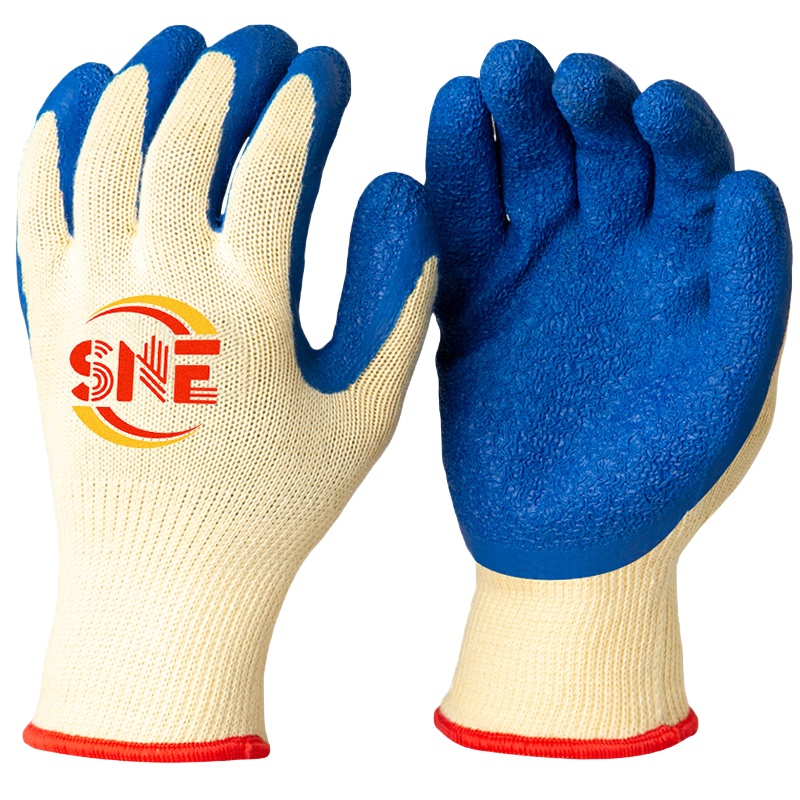
Durable Construction Gloves Suppliers in the United States
Quick Answer

If you need durable construction gloves in the United States, the most practical options are established national suppliers with proven jobsite coverage, broad sizing, and fast replacement cycles. For buyers seeking reliable supply, strong contenders include Grainger, Fastenal, Honeywell, MCR Safety, and Superior Glove. These companies are widely used across major construction hubs such as Houston, Chicago, Los Angeles, Atlanta, and New York because they offer dependable stock, recognizable compliance documentation, and glove lines built for abrasion resistance, grip, and all-day wear.
For contractors, distributors, and private-label buyers, qualified international manufacturers can also be a smart option when they combine factory-direct pricing with recognized certifications and responsive support. Suppliers such as Snell Safety can be worth considering for cost-performance, especially when buyers need OEM customization, bulk volumes, and material options such as nitrile, latex, PU, impact protection, or cut resistance for U.S. construction applications.
- Grainger: best for nationwide availability and procurement convenience
- Fastenal: strong branch network and contractor account support
- Honeywell: broad industrial PPE portfolio with trusted safety branding
- MCR Safety: good value across coated, leather, and impact glove segments
- Superior Glove: strong technical specialization in cut and task-specific hand protection
United States Market Overview

The U.S. market for construction hand protection is shaped by a mix of OSHA-driven safety requirements, regional climate variation, and labor-intensive project categories such as commercial building, highway work, utility installation, concrete handling, framing, roofing, demolition, and warehouse-connected construction logistics. Durable construction gloves are no longer treated as a simple commodity. Buyers now compare abrasion life, grip under wet or oily conditions, touchscreen compatibility, impact back protection, dexterity, and replacement cost per shift.
Across the United States, procurement behavior also varies by project scale. Large ENR contractors often centralize PPE purchasing through national frameworks, while mid-sized builders and specialty subcontractors still buy locally through industrial distributors. In high-volume states such as Texas, California, Florida, New York, and Illinois, demand remains strongest for nitrile-coated gloves, synthetic leather mechanic-style gloves, impact-resistant gloves, and cut-resistant coated gloves that can transition between material handling and active construction work.
Ports and trade corridors strongly influence sourcing patterns. Imports landing through Los Angeles/Long Beach, Savannah, Houston, New York/New Jersey, and Seattle/Tacoma feed national warehousing and regional redistribution. This matters because glove buyers increasingly balance landed cost, replenishment speed, and SKU variety. A glove that performs well but takes too long to replenish is often less attractive than a slightly more standardized model with stable national inventory.
The chart below shows a realistic estimate of U.S. market growth for durable construction gloves from 2021 through 2026, reflecting continued expansion driven by infrastructure spending, warehouse-linked construction activity, and stricter PPE adoption on jobsites.
Top Suppliers Serving the United States

For U.S. buyers, supplier choice depends on whether the priority is local stock, technical specialization, or custom factory-direct manufacturing. The table below compares practical options used by contractors, industrial distributors, and safety buyers.
| Company | Service Region | Core Strengths | Key Offerings | Best For |
|---|---|---|---|---|
| Grainger | Nationwide United States | Large distribution network, fast replenishment, integrated procurement | Coated gloves, leather gloves, cut-resistant gloves, cold-weather gloves | National contractors and facility buyers |
| Fastenal | Nationwide United States | Local branch support, jobsite supply programs, contractor relationships | General construction gloves, impact gloves, grip gloves, disposable gloves | Regional builders and field purchasing |
| Honeywell | United States and North America | Established PPE brand, technical compliance, broad industrial catalog | Cut-resistant gloves, mechanics gloves, chemical-resistant options | Safety-led corporate procurement |
| MCR Safety | United States with national distribution | Value-focused product depth, strong industrial safety range | Nitrile-dipped gloves, leather work gloves, impact-resistant gloves | Distributors and cost-conscious buyers |
| Superior Glove | United States and Canada | Task-specific engineering, high-performance materials, premium protection | Cut-resistant gloves, puncture-resistant gloves, mechanic gloves | Specialized trade applications |
| Qingdao Snell Protective Products Co., Ltd. | U.S. import supply through factory-direct export channels | OEM/ODM flexibility, scalable capacity, coating technology variety | Construction gloves, nitrile coated gloves, latex coated gloves, PU coated gloves, impact gloves | Private label, distributors, bulk sourcing |
This comparison shows a clear split in the market. Domestic distributors win on immediate availability and branch-level service, while factory-direct suppliers can deliver stronger pricing, wider customization, and better control over branded glove development for importers and wholesalers.
Product Types That Last on Construction Jobsites
Not every durable construction glove is built for the same type of work. The most successful U.S. buyers match glove type to hazard exposure, weather, tool use, and expected wear cycle. A concrete crew, a framing subcontractor, and a utility trenching team may all use different glove constructions.
| Glove Type | Main Material or Coating | Durability Profile | Ideal Tasks | Common U.S. Buying Priority |
|---|---|---|---|---|
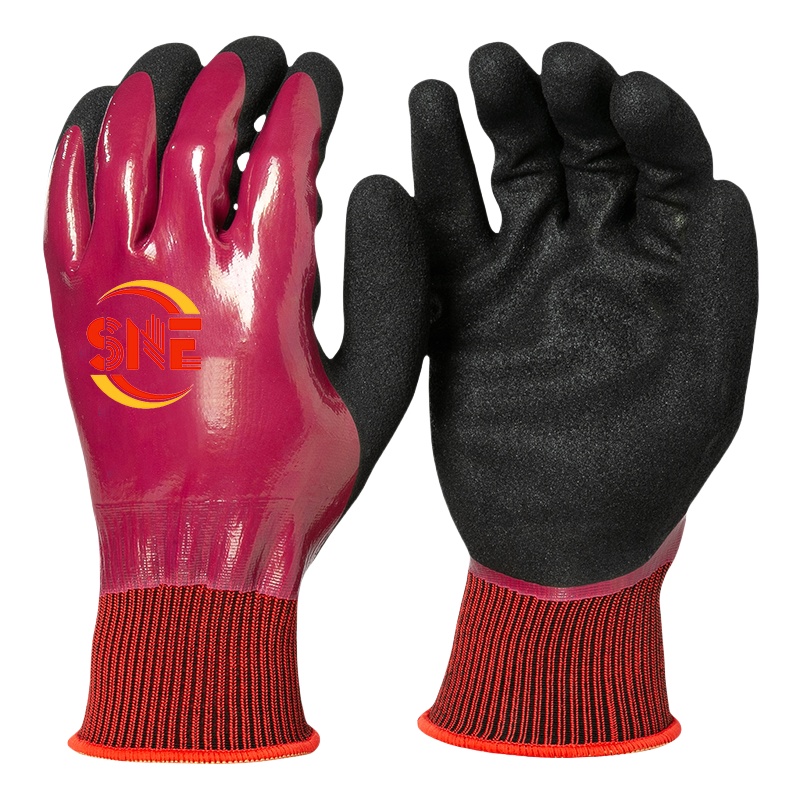
| Nitrile-coated knit gloves | Nitrile on polyester or HPPE shell | Strong abrasion resistance and grip | Material handling, framing, rebar handling, site cleanup | Best balance of wear life and cost |
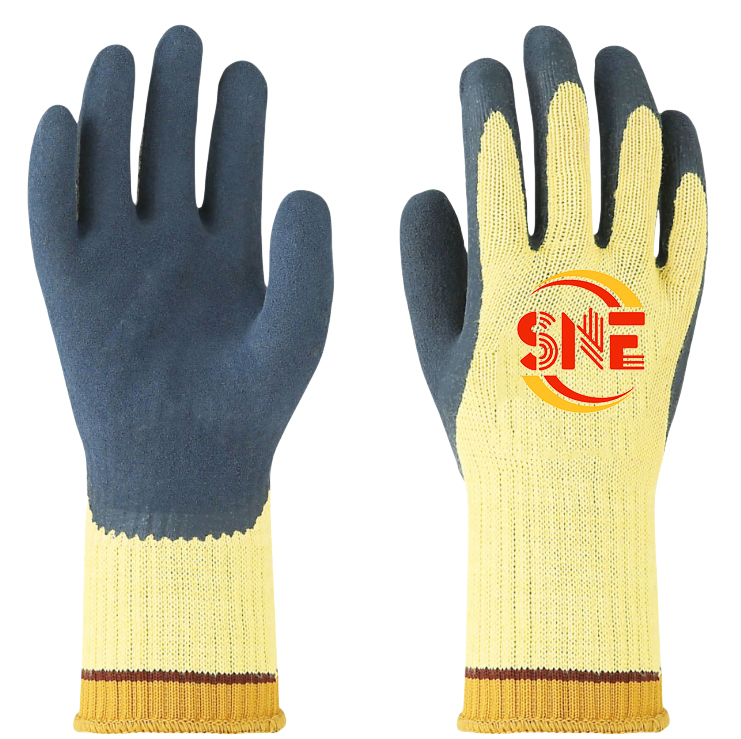
| Latex-coated construction gloves | Latex coating on knit liner | Very good grip, moderate abrasion life | Masonry, block handling, wet surfaces | Grip in damp conditions |
| PU-coated gloves | Polyurethane coating | Lighter wear resistance, high dexterity | Light assembly, finish work, warehouse support | Finger control and comfort |
| Synthetic leather mechanic gloves | Synthetic palm with reinforced panels | High palm durability and tool handling comfort | Equipment operation, carpentry, installation | All-day wear and vibration comfort |
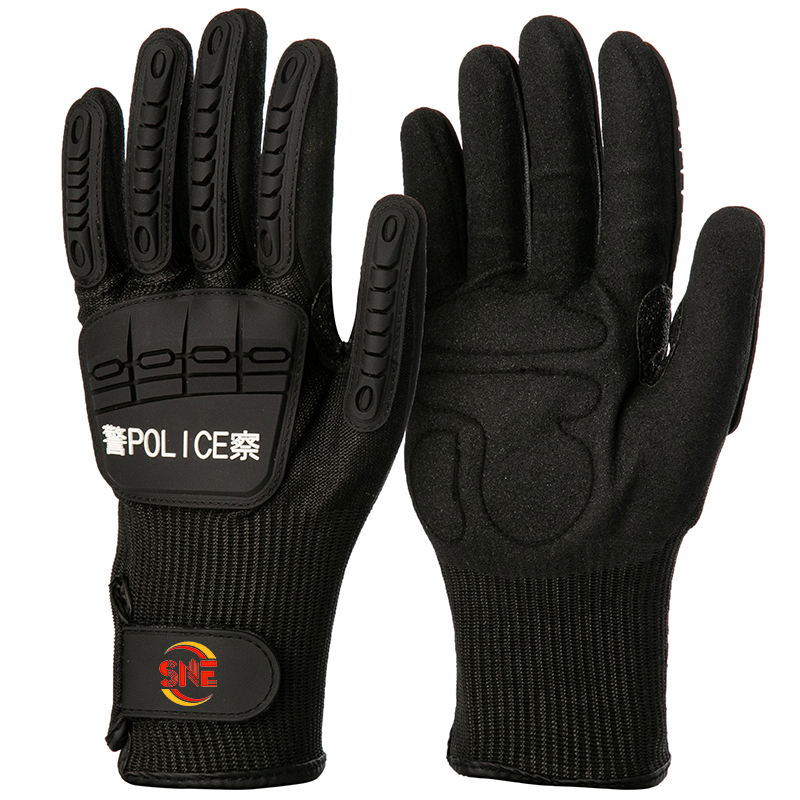
| Impact-resistant gloves | TPR back protection with coated or synthetic palm | High durability plus back-of-hand protection | Demolition, oilfield construction, utility work | Injury reduction from knocks and pinch points |
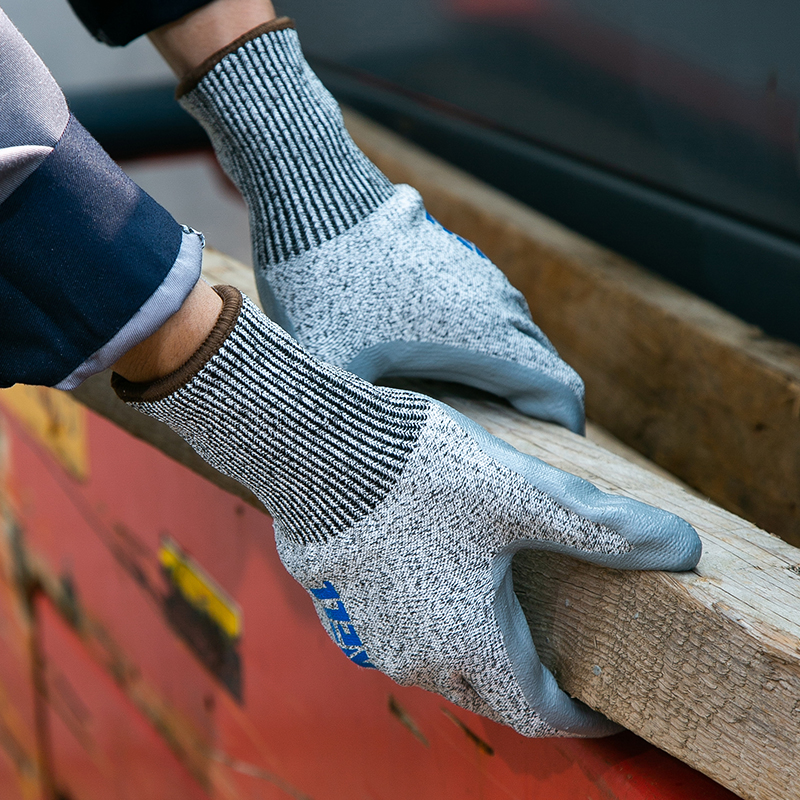
| Cut-resistant construction gloves | HPPE, glass fiber, steel blends, coated palms | Strong against sharp edges and repeated abrasion | Metal studs, sheet metal, glass handling, HVAC installation | Cut protection with usable dexterity |
In practice, the most durable glove is not always the thickest glove. Excess bulk can reduce hand control, increase worker fatigue, and raise replacement rates because crews take them off. The right purchase decision often depends on getting the highest useful wear life without sacrificing compliance or worker acceptance.
Industry Demand by U.S. Construction Segment
Demand varies significantly by segment. Infrastructure crews and heavy civil contractors typically prioritize impact protection, abrasion life, and grip in rough outdoor conditions. Commercial interior trades lean more heavily on dexterity and cut protection. Residential contractors often prioritize value and comfort because glove turnover is higher.
How to Buy Durable Construction Gloves in the United States
U.S. buyers should evaluate glove purchases using total-use economics rather than unit price alone. A glove priced slightly higher can still lower annual spend if it lasts longer, reduces hand fatigue, and leads to better worker compliance. This is especially important for contractors managing large crews across multiple sites.
Start by defining the actual wear environment. Ask whether workers handle dry lumber, wet concrete forms, metal framing, coated fasteners, sharp duct edges, masonry block, or power tools with vibration. Then check whether gloves need touchscreen function, high-visibility backs, winter liners, or ANSI cut ratings. Once that is clear, request trial quantities from at least three suppliers and monitor replacement frequency over one to two workweeks.
Another important factor is packaging and replenishment. National branch suppliers are useful for urgent top-ups, but import-oriented buyers often reduce cost by combining core glove styles into container-scale programs. If your business serves multiple customer tiers, combining local stock with direct factory programs can create the best margin and service balance.
| Buying Factor | Why It Matters | What U.S. Buyers Should Check | Typical Risk If Ignored | Best Procurement Approach |
|---|---|---|---|---|
| Abrasion resistance | Drives wear life and replacement rate | Palm coating thickness, reinforcement zones, field trial results | Frequent glove changes and higher cost per shift | Compare real jobsite wear over equal tasks |
| Grip performance | Improves handling safety and productivity | Dry, wet, dusty, and oily grip conditions | Dropping tools or materials | Match coating type to site conditions |
| Cut protection | Critical in metal and glass-related trades | ANSI cut level, shell material, coating coverage | Laceration incidents and rejection by safety teams | Select by hazard mapping, not guesswork |
| Comfort and dexterity | Increases compliance and lowers hand fatigue | Fit range, liner gauge, seam placement | Workers remove gloves during tasks | Run wearer trials across crew types |
| Supply continuity | Prevents jobsite disruption | Warehouse stock, import lead time, backup SKUs | Forced emergency substitutions | Use primary and secondary suppliers |
| Customization potential | Supports branding and margin control | MOQ, logo options, cuff labeling, packaging | Limited differentiation for distributors | Combine stock buying with OEM programs |
The table makes one point very clear: buying durable construction gloves is not only about durability. It is about fit-for-task, continuity, and whether the supplier can support the purchasing model you actually use.
Construction Industries and Applications
Durable construction gloves are used across nearly every building phase in the United States. Earthwork and utility contractors use gloves for trenching, pipe handling, and backfill operations. Concrete teams need abrasion resistance and grip while carrying forms, tying rebar, and stripping materials. Framing crews need dexterity for fasteners, lumber movement, and nail gun operation. Mechanical, electrical, and plumbing trades often require a mix of cut resistance and fine motor control. Roofing, solar installation, glazing, and sheet metal work each add their own surface, edge, and weather demands.
Applications also extend beyond the active build. Site logistics, material staging, scaffold erection, maintenance punch lists, and warehouse support all consume large glove volumes. In reality, many U.S. contractors standardize only 3 to 5 core glove models to cover most needs, then add premium SKUs for cut, impact, winter, or wet-grip situations.
Trend Shift in Product Preferences
The U.S. market has gradually shifted away from simple cotton and unsupported leather gloves toward coated seamless knits, hybrid mechanic styles, and purpose-built cut-resistant construction gloves. This reflects tighter safety expectations, labor efficiency concerns, and greater worker willingness to use gloves that feel lighter and more precise.
Local Supplier Landscape in the United States
The U.S. supplier landscape can be divided into four practical channels: national industrial distributors, regional safety houses, direct manufacturer brands, and import-driven private label programs. Each channel serves a different buyer profile. National distributors are strongest in emergency availability and multi-site account support. Regional safety providers often deliver better field service and glove trial management. Direct brands can offer stronger technical specialization. Import-led programs often offer the best landed cost for steady-volume buyers.
Major local buying centers include Houston for energy and industrial construction, Chicago for commercial and logistics projects, Atlanta for Southeast distribution, Los Angeles for port-connected imports and large construction activity, and New Jersey for East Coast redistribution. Buyers in these regions often build mixed supply strategies to manage both speed and margin.
| Supplier Channel | Typical Service Area | Main Advantage | Main Limitation | Best Fit Buyer |
|---|---|---|---|---|
| National distributors | All major U.S. metros | Fast stock access and procurement systems | Higher pricing on some standard SKUs | Large contractors and multi-site firms |
| Regional safety dealers | State or multi-state territories | Hands-on support and site trials | Narrower product portfolio | Mid-sized construction businesses |
| Manufacturer-direct domestic brands | United States and North America | Technical knowledge and branded support | Less flexibility for private labeling | Safety-led end users |
| Factory-direct import suppliers | Port-based national distribution | Lower cost and customization options | Longer planning cycle required | Distributors and brand owners |
| Cash-and-carry local industrial stores | City-level service | Immediate convenience | Limited SKU depth and inconsistent sizing | Small contractors and emergency buying |
| Online B2B procurement platforms | Nationwide | Price transparency and ordering convenience | Less technical fitting support | Repeat buyers with known SKU needs |
This structure explains why no single supplier model wins every time. The right solution depends on whether your business values same-day access, branded glove programs, local field support, or cost-optimized container purchasing.
Supplier and Product Comparison
The following chart compares broad market positioning across major supplier routes used by U.S. buyers. The data reflects realistic relative scoring for customization, speed, durability range, and cost efficiency.
Case Studies from Realistic U.S. Buying Scenarios
A Texas concrete and framing contractor with 180 field workers found that low-cost cotton-blend gloves produced too many replacements and poor grip in dusty and damp conditions. After switching to a mid-weight nitrile-coated seamless glove, the company reduced glove consumption per worker by roughly one quarter over a two-month period while improving worker acceptance. The higher unit cost was offset by lower replacement frequency and fewer complaints.
An Illinois sheet metal subcontractor moved from generic mechanic gloves to cut-resistant coated gloves with higher dexterity for duct and stud work. The result was a better balance between hand protection and precision handling. Supervisors reported improved compliance because workers could perform fastener tasks without taking the gloves off.
A Florida distributor serving roofing and utility contractors added a private-label import program to complement domestic fast-stock items. Standard contractor gloves remained locally warehoused for rush orders, while core high-volume SKUs were sourced through a planned factory-direct model. This improved gross margin and gave the distributor a differentiated house brand without sacrificing service speed on urgent jobs.
Our Company
For U.S. buyers looking beyond off-the-shelf catalog supply, Qingdao Snell Protective Products Co., Ltd. offers a factory-based sourcing model aligned with the way many American distributors, brand owners, and volume users now buy hand protection. The company manufactures industrial safety gloves through two production facilities in Gaomi and Nantong with 6 production lines, more than 150 employees, and daily capacity of 150,000 pairs, which supports stable replenishment for recurring construction programs. Its product strengths are grounded in internationally recognized ISO 9001 quality management and CE-marked production, plus diversified material and coating capabilities across nitrile, latex, and PU, along with cut-resistant and impact-resistant engineering suited to demanding jobsite conditions. In the U.S. market, this matters because buyers can combine performance requirements with OEM/ODM development, wholesale supply, private label production, and regional distribution cooperation, whether they are end users, importers, dealers, or established brands. The company already serves global markets including North America and supports buyers through sample programs, technical consultation, custom branding, export logistics coordination, and responsive pre-sale and after-sale communication; buyers exploring volume programs or tailored specifications can reach the team through the U.S. inquiry contact page or review the broader industrial glove range for construction, cut resistance, impact protection, and coated work glove categories.
What to Ask Suppliers Before You Buy
Even experienced U.S. buyers can improve outcomes by asking more specific technical questions. Instead of simply requesting a “durable glove,” ask how the glove performs after repeated abrasion on lumber, cinder block, steel edges, or concrete handling. Ask whether the coating is smooth, sandy, micro-foam, or double-dipped. Ask for field-use guidance by trade. Ask if sizing is consistent across production lots. Ask whether private packaging, cuff labeling, or bilingual instructions are available for your workforce or downstream customers.
If you manage multiple projects across the United States, also ask about stock position by warehouse region, ocean freight planning windows, and backup options during demand spikes. Contractors with branches in the Midwest, Gulf Coast, and West Coast often benefit from maintaining two approved glove families rather than relying on a single SKU.
2026 Trends in Durable Construction Gloves
Looking toward 2026, three trend lines are shaping the U.S. market. The first is technology. More gloves will combine high-dexterity shells, breathable coatings, touchscreen capability, and targeted reinforcement rather than simply increasing thickness. Impact glove designs are also becoming more ergonomic, with better flex zones and lower bulk across knuckles and fingers.
The second is policy and compliance. As U.S. employers continue focusing on recordable injury reduction, hand protection programs are likely to become more task-specific. Buyers will increasingly align glove selection with documented hazard assessments rather than using one generic glove for every trade. This supports demand for cut-rated, high-visibility, and specialized wet-grip products.
The third is sustainability and supply-chain accountability. More distributors and large contractors are asking for cleaner packaging, longer-lasting gloves that reduce disposal volume, and better transparency around manufacturing systems. Suppliers that can show controlled production, certification discipline, and consistent quality records will have an advantage. For import programs, buyers will also prefer partners that can support forecast planning, stable production scheduling, and traceable quality management.
FAQ
What are the most durable construction gloves for general U.S. jobsite use?
For most general construction tasks, nitrile-coated knit gloves and reinforced synthetic leather mechanic gloves offer the best balance of abrasion resistance, grip, and comfort.
Are expensive gloves always the best choice?
No. The best choice is the glove with the lowest cost per usable shift, not the lowest unit price or highest list price. Field trials matter more than assumptions.
Which glove type is best for wet construction conditions?
Latex-coated gloves and certain nitrile-coated gloves usually perform best when grip is needed on wet or slick surfaces such as masonry materials, pipe, or damp framing stock.
When should I choose cut-resistant construction gloves?
Choose them for sheet metal work, stud framing, glazing support, HVAC installation, metal decking, and any task involving sharp edges or frequent laceration risk.
Can U.S. distributors benefit from overseas sourcing?
Yes. Many distributors use a hybrid model: domestic inventory for urgent orders and factory-direct imports for core volume SKUs, margin improvement, and private-label development.
How do I evaluate a new supplier?
Review certifications, production capability, material options, consistency, lead times, communication speed, sample quality, and after-sales support. Then verify performance through controlled jobsite trials.
Final Buying Takeaway
For buyers in the United States, the strongest durable construction glove strategy is usually not a single product or single vendor. It is a structured program: identify hazard categories by trade, shortlist suppliers by service model, run field trials, compare replacement rates, and secure both local replenishment and scalable long-term sourcing. National distributors remain essential for speed, but factory-direct suppliers with proven certifications, broad coating technologies, and real export experience can create substantial value for U.S. distributors, contractors, and private-label brands that need reliable performance at competitive landed cost.