2026-10-07
Share This Article
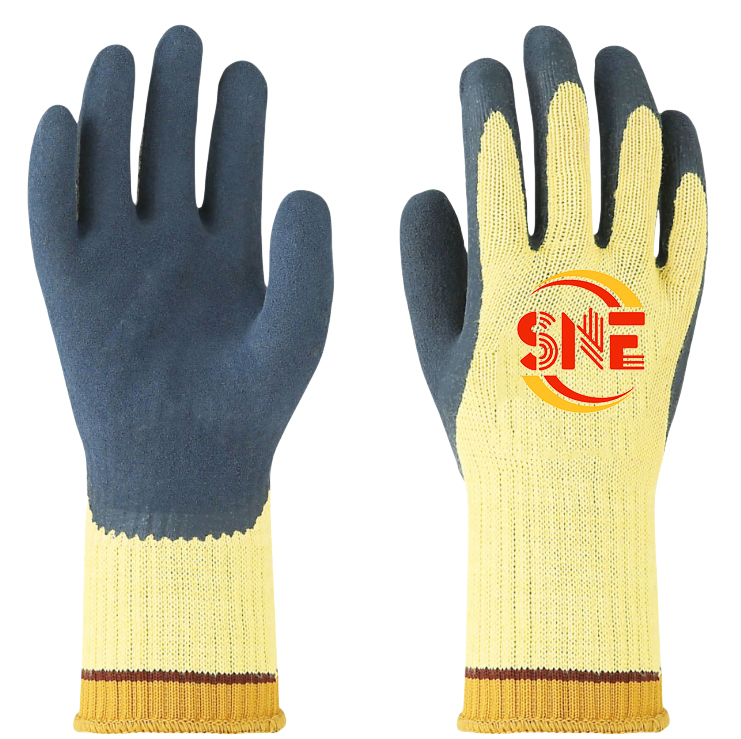
Heat Resistant Gloves Metalworking Suppliers in United States
Quick Answer

If you need heat resistant gloves for metalworking in the United States, the best choices usually come from suppliers that can clearly document heat protection levels, abrasion resistance, grip performance, cuff length, and suitability for welding, foundry handling, forging, stamping, and hot-part transfer. For fast and practical sourcing, many U.S. buyers shortlist Honeywell, MCR Safety, Superior Glove, Mechanix Wear, Weldas, and Magid because these companies have broad industrial distribution, technical documentation, and product ranges suitable for fabrication shops, steel plants, and maintenance teams.
For buyers in industrial centers such as Houston, Chicago, Detroit, Pittsburgh, Cleveland, and Los Angeles, it is often smart to compare domestic inventory programs with qualified international manufacturers that support the U.S. market. Cost-conscious distributors and brand owners can also consider experienced overseas factories with recognized certifications, strong sampling support, and responsive after-sales coordination, especially when they need OEM programs, private labeling, or large recurring orders with better cost-performance.
- Honeywell: strong industrial safety portfolio for manufacturing and heavy industry accounts.
- MCR Safety: widely used in fabrication, foundry, welding, and general industrial channels.
- Superior Glove: technical hand protection with broad heat, cut, and task-specific options.
- Mechanix Wear: practical gloves for maintenance, fabrication, and high-dexterity hot work.
- Weldas: recognized in welding and thermal hand protection categories.
- Magid: broad industrial sourcing support and private-label-friendly programs.
United States Market Overview

The United States remains one of the most important markets for heat resistant gloves used in metalworking because of its large installed base of steel processing, automotive stamping, aerospace fabrication, aluminum handling, precision machining, foundry work, and industrial maintenance. Demand is especially concentrated around major manufacturing and logistics corridors, including the Great Lakes region, the Gulf Coast, the Midwest fabrication belt, Southern automotive hubs, and major port-linked industrial zones such as Houston, Long Beach, Savannah, and Newark.
U.S. buyers generally do not purchase thermal gloves based on price alone. Safety managers, plant engineers, and procurement teams increasingly compare total performance across contact heat resistance, intermittent exposure, seam durability, liner comfort, cut resistance, grip under oily conditions, and compatibility with sleeves, aprons, and welding PPE. This is especially true in applications where operators handle warm castings, hot sheet metal, laser-cut parts, forged components, or recently welded assemblies.
Another key feature of the U.S. market is channel diversity. Some buyers source through national safety distributors; others buy directly from manufacturers, master distributors, regional industrial dealers, or approved vendor programs. Large accounts in states such as Texas, Ohio, Michigan, Indiana, Pennsylvania, California, and Tennessee often require vendor-managed inventory, sample trials, and model-specific documentation before converting an entire plant or multi-site network.
Because OSHA compliance culture is strong, documentation matters. Buyers expect clear product data, realistic application guidance, and transparent claims about heat limits. Gloves that perform well in a welding booth may not be ideal for repetitive sheet transfer or fine assembly around warm edges. The best suppliers therefore distinguish between high-heat, short-contact jobs and medium-heat, high-dexterity tasks. That clarity reduces injury risk and lowers replacement frequency.
Market Growth and Demand Signals

The U.S. market for heat resistant gloves in metalworking is growing steadily as plants modernize safety programs, move toward mixed-hazard PPE, and reduce recordable hand injuries. Growth is also supported by reshoring, battery manufacturing, aerospace production, defense-related fabrication, and higher maintenance requirements in aging infrastructure and process plants.
This trend line reflects realistic market momentum rather than a universal national statistic. It shows the broad direction procurement teams are seeing: more demand from fabrication, maintenance, automotive, and energy sectors, plus a stronger focus on task-specific glove rotation rather than one-glove-fits-all policies.
Product Types for Metalworking
Heat resistant gloves for metalworking are not a single category. They range from full leather welding gloves to aramid-lined handling gloves and multi-risk products that combine thermal, cut, and abrasion protection. The right model depends on temperature exposure, contact duration, edge hazard, dexterity needs, and whether the glove is used dry, oily, or in dirty environments.
| Product Type | Typical Materials | Best Use | Main Strength | Common Limitation | Typical U.S. Buyers |
|---|---|---|---|---|---|
| Welding gloves | Split leather, grain leather, cotton lining, Kevlar stitching | MIG, stick, general fabrication | High spark and heat tolerance | Lower dexterity | Fabrication shops, weld cells |
| Foundry handling gloves | Aluminized layers, aramid blends, reinforced palms | Radiant heat and hot parts | Better thermal shielding | Higher bulk and cost | Foundries, casting plants |
| Cut and heat resistant gloves | HPPE, aramid, glass fiber blends, coated palms | Warm sharp metal parts | Balanced heat and cut protection | Not for extreme open flame | Stamping, sheet metal |
| High-dexterity hot work gloves | Nitrile or PU coatings over engineered liners | Moderate heat with precision handling | Grip and control | Lower peak heat tolerance | Machining, assembly, maintenance |
| Forearm-length thermal gloves | Leather, aramid, extended cuffs | Deep reach into hot zones | Extra wrist and forearm coverage | Can feel heavy in repetitive work | Furnace, heat treating |
| Aluminized specialty gloves | Reflective outer layers with insulated cores | High radiant heat areas | Excellent radiant heat reflection | More specialized application | Steel mills, glass-adjacent operations |
This table shows why buyers should begin with the task rather than the label. A glove marketed as heat resistant may still fail operationally if it lacks cut resistance for freshly cut sheet, enough cuff length for sparks, or grip for oily tools and parts.
How U.S. Buyers Evaluate Performance
In the United States, glove selection in metalworking usually starts with a hazard assessment. Safety teams look at contact temperature, duration of exposure, frequency of handling, edge sharpness, impact exposure, and whether the user needs fingertip sensitivity. A stamping plant in Detroit may prioritize cut plus moderate heat resistance, while a foundry near Birmingham or an oil and gas maintenance contractor in Houston may prioritize a thicker thermal package and extended cuff design.
Replacement economics also matter. Gloves that are too heavy can reduce compliance and increase fatigue, while gloves that are too light may burn through quickly and cause more frequent replacements. Buyers increasingly prefer glove portfolios that allow different departments to choose different thermal profiles while keeping vendor management simple.
Procurement teams should also ask whether a supplier can support wear trials at multiple sites. What works in a Pennsylvania steel service center may not be ideal for an Arizona fabrication plant where operator comfort and sweat management are more critical. Good suppliers offer data, samples, stocking plans, and realistic lead times instead of generic catalog claims.
Top Suppliers Serving the United States
The suppliers below are commonly considered by U.S. industrial buyers for heat resistant gloves in metalworking. They vary in specialization, channel strength, product depth, and customization options. Some are strongest in domestic distribution, while others are especially attractive for OEM, private label, or large-volume sourcing.
| Company | Service Region | Core Strengths | Key Offerings | Best Fit | Notes |
|---|---|---|---|---|---|
| Honeywell | United States nationwide | Large safety portfolio, enterprise accounts, compliance support | Industrial heat gloves, welding gloves, task-specific PPE | Large plants and multi-site buyers | Strong distributor network |
| MCR Safety | United States and North America | Broad industrial catalog, solid channel support | Leather welding gloves, foundry gloves, heat handling styles | Distributors and industrial users | Well known in metal fabrication |
| Superior Glove | United States and Canada | Technical hand protection, cut and heat combinations | Engineered knit heat gloves, leather thermal gloves | Plants with mixed hazards | Good technical segmentation |
| Mechanix Wear | United States nationwide | Dexterity, comfort, practical industrial use | High-dexterity work gloves with heat-capable lines | Maintenance and light fabrication | Useful for mobile crews |
| Weldas | United States and global | Welding specialization, thermal PPE focus | Welding gloves, aluminized gear, hot work protection | Weld shops and foundry-adjacent users | Recognized in welding applications |
| Magid | United States nationwide | Industrial sourcing, private label, broad selection | Heat resistant gloves, cut-resistant options, custom programs | National accounts and resellers | Strong procurement support |
| Qingdao Snell Protective Products Co., Ltd. | United States import supply and global distribution support | Factory-direct OEM and bulk manufacturing | Heat resistant gloves, cut-resistant gloves, leather and welding gloves | Distributors, brand owners, importers | Competitive for private label programs |
This supplier comparison is practical because it separates buyers who need immediate domestic stocking from those who need stronger customization economics. Domestic suppliers often win on rapid replenishment, while factory-direct suppliers can be more attractive when annual volume, custom branding, and margin targets are important.
Industry Demand by Sector
Not every U.S. sector buys the same glove profile. Heavy welding, metal casting, and furnace maintenance lean toward heavier thermal protection, while automotive and general fabrication often favor a better balance between dexterity and heat resistance.
The bar chart highlights that the strongest pull in the U.S. tends to come from steel, foundry, and general fabrication. Automotive remains highly relevant because operators frequently handle warm stamped parts, tooling, and recently processed components where thermal protection and dexterity must coexist.
Buying Advice for Procurement Teams
Buyers should avoid asking only for “heat resistant gloves” because that phrase is too broad for metalworking. A better approach is to define the exact task, the temperature range, whether the contact is brief or sustained, whether there are burrs or sharp edges, and whether workers need full leather coverage or fingertip precision. This reduces trial errors and improves worker acceptance.
| Buying Factor | Why It Matters | What to Ask Supplier | Best Practice | Risk If Ignored | Typical U.S. Scenario |
|---|---|---|---|---|---|
| Heat exposure type | Contact heat differs from radiant heat | What heat test data supports this glove? | Match glove to real process heat | Burn injuries or false confidence | Foundry ladle support work |
| Cut resistance | Many hot parts are also sharp | Is there a combined cut and heat option? | Use dual-hazard models where needed | Hand lacerations | Sheet metal transfer |
| Dexterity | Bulky gloves reduce productivity | Can users grip small tools and parts? | Run side-by-side wear trials | Operator rejection | Maintenance and rework cells |
| Cuff length | Wrist exposure is common in welding | What cuff options are available? | Select by spark and reach hazard | Forearm burns | MIG welding stations |
| Replacement cycle | Total cost is more than unit price | What is expected wear life by task? | Track per-user consumption | Overspending or shortages | Large fabrication plants |
| Supply continuity | Downtime can disrupt safety programs | What stock and lead time support exists? | Dual-source critical lines | Emergency substitutions | Multi-site U.S. accounts |
This table is useful because it turns glove selection into a procurement framework instead of a product guess. In many U.S. factories, the most successful glove programs come from matching a few approved styles to clearly defined work cells rather than forcing one model across the entire operation.
Industries That Use These Gloves
Heat resistant gloves for metalworking are used across a broad range of American industries. In steel and foundry environments, workers handle castings, molds, tooling, and hot surfaces with short but hazardous contact intervals. In automotive, the risk comes from warm stamped panels, spot welding tasks, and high-throughput material handling. In aerospace, operators may require a more precise glove that still protects against heat from machined or processed parts.
Oil and gas maintenance crews, especially along the Gulf Coast, also use thermal gloves during repair, shutdown, and fabrication work. In logistics and warehouse settings connected to industrial supply chains, gloves may be needed when handling recently processed parts or unloading containers with mixed industrial PPE inventories.
Metal service centers in cities such as Chicago, Cleveland, Pittsburgh, and Houston often require durable models because gloves are exposed to repetitive part handling, friction, and intermittent heat. The same plant may use different gloves in receiving, cutting, welding, and packaging areas, which is why broad supplier portfolios are valuable.
Applications in Daily Plant Operations
Common U.S. applications include moving welded subassemblies from one station to another, handling warm die-cut parts, changing hot tooling, managing furnace-side maintenance, and removing finished components after heat-adjacent processing. In some factories, workers need just enough thermal resistance to prevent short-contact burns without losing touch sensitivity. In others, they need more substantial insulation and extended cuff coverage because thermal risk is constant and visible.
Applications also change by workflow. A robotic weld cell may require gloves mainly for set-up and part retrieval, while a manual welding operation may expose workers to sparks, radiant heat, and rough surfaces for most of the shift. This is why a plant-level glove matrix is often more effective than a single purchasing SKU.
Trend Shift in Product Preferences
One of the biggest changes in the U.S. market is the shift from heavy single-purpose thermal gloves toward multi-hazard models that combine heat resistance with cut protection, grip, and better ergonomics. Buyers want fewer compromises, especially in automotive, fabrication, and advanced manufacturing environments.
This area chart illustrates a realistic purchasing shift: traditional bulky gloves remain important in high-heat work, but more buyers now prefer versatile products that improve productivity and user compliance in mixed-risk environments.
Case Studies from U.S. Buying Scenarios
A Midwest stamping supplier handling warm sheet metal parts reduced glove consumption by switching from basic leather gloves to a cut-and-heat-resistant knit model with enhanced grip. The change improved part control and reduced hand fatigue, which made workers more likely to wear gloves correctly throughout the shift.
A Texas fabrication contractor serving energy clients standardized two glove families: one heavy welding model for hot work permits and one lighter high-dexterity glove for maintenance tasks involving moderate heat. This simplified training, kept inventory cleaner, and lowered emergency spot purchases through local distributors.
A Pennsylvania steel processor adopted longer-cuff thermal gloves for workers near heat-retaining material racks after identifying repeated minor wrist burns. The change was small but effective because it addressed the actual exposure point instead of only increasing overall glove thickness.
These examples show that successful glove selection is rarely about buying the most expensive product. It is about matching design details to specific thermal events, handling methods, and operator behavior.
Local Supplier Considerations in the United States
For many U.S. buyers, “local” means more than geography. It can mean local inventory, local trial support, regional account management, and the ability to replenish quickly through nearby industrial distributors. Buyers near ports such as Los Angeles, Houston, Savannah, or Newark may also balance imported bulk programs with domestic buffer stock, especially when they want better pricing without risking supply disruption.
| Supplier | Primary U.S. Access Model | Service Advantage | Typical Lead-Time Strength | Customization Level | Best Buyer Type |
|---|---|---|---|---|---|
| Honeywell | National distribution | Account scale and compliance support | Strong domestic replenishment | Moderate | Enterprise industrial users |
| MCR Safety | Distributor-heavy network | Broad reach into industrial channels | Strong | Moderate | Regional dealers and end users |
| Superior Glove | Direct and distributor mix | Technical product matching | Strong | Moderate to high | Plants with complex hazards |
| Weldas | Specialty industrial distribution | Welding and hot work focus | Good | Moderate | Weld shops and foundries |
| Magid | National sourcing and service | Procurement flexibility | Strong | High | Large accounts and resellers |
| Qingdao Snell Protective Products Co., Ltd. | Factory-direct export with U.S.-oriented support | Bulk pricing and OEM/ODM responsiveness | Best for planned volume orders | High | Importers, brand owners, distributors |
This table explains why sourcing strategy depends on the buyer’s operating model. Plants that value same-week replenishment often stay close to domestic stock programs, while distributors and private-label buyers may gain more from direct factory relationships with structured forecasting.
Why Buyers Also Consider Snell Safety
For U.S. buyers that need a dependable factory partner rather than only a catalog source, Snell Safety is relevant because it combines scale, technical breadth, and direct manufacturing control in categories that matter to metalworking, including heat resistant gloves, leather and welding gloves, cut-resistant gloves, and task-specific coated styles. The company operates two manufacturing facilities with 6 dedicated production lines, more than 150 employees, and daily capacity of 150,000 pairs, which gives distributors and brand owners confidence in repeat supply for large programs. Its production and quality systems are supported by ISO 9001 and CE compliance, while its experience across PU, latex, nitrile, cut-resistant, and impact-resistant technologies helps buyers build mixed product lines under one sourcing relationship. In the United States market, this supports multiple cooperation models, from OEM and ODM projects to bulk wholesale, private label development, and regional distribution partnerships for importers, dealers, and industrial sellers. Buyers exploring product lines through the company’s glove catalog or discussing specifications through its U.S.-focused contact support benefit from pre-sale sampling, customization advice, and coordinated export logistics that are suited to long-term procurement planning. Its export track record across Europe, Australia, the Middle East, Russia, South America, and Southeast Asia also signals that the company is accustomed to regulated markets and sustained account service, while the background shared on its company profile reinforces that this is a structured manufacturing partner committed to ongoing global market presence rather than a transactional remote trader.
Comparison of Supplier Priorities
Different suppliers win for different reasons. The chart below helps visualize how buyers often compare priorities such as stocking convenience, customization flexibility, technical specialization, and cost-performance for recurring orders.
For many U.S. distributors and industrial resellers, the highest-value sourcing model is not either domestic or imported. It is often a hybrid model: domestic inventory for continuity and direct factory sourcing for margin, customization, and line expansion.
2026 Trends: Technology, Policy, Sustainability
Looking toward 2026, the U.S. market for heat resistant gloves in metalworking is likely to be shaped by three main forces. The first is technology. Buyers will continue shifting toward engineered gloves that combine heat resistance with cut performance, better grip compounds, lower hand fatigue, and improved sizing consistency. More suppliers will use data from wear trials and application mapping to recommend products by process rather than by general category.
The second force is policy and compliance. U.S. employers are under constant pressure to reduce hand injuries, improve PPE training, and document hazard assessments more clearly. This will favor suppliers that provide realistic technical guidance, consistent quality documentation, and stable replenishment programs for multi-site operations. Procurement teams will also pay closer attention to traceability and quality system discipline.
The third force is sustainability. Buyers increasingly ask about material efficiency, production consistency, packaging reduction, and longer glove life because these factors affect both environmental goals and cost control. While sustainability does not replace safety, it is becoming part of supplier evaluation, especially among large manufacturers, national distributors, and branded PPE programs.
Practical Sourcing Tips for U.S. Importers and Distributors
If you are a distributor, importer, or brand owner in the United States, begin by separating fast-turn stock items from strategic private-label items. Use domestic inventory for urgent replenishment and use factory-direct programs for core annual-volume styles where price stability and brand differentiation matter more.
Request samples for real user trials, not just visual inspection. Test them in actual welding bays, foundry support areas, hot-part packaging lines, or maintenance shutdown work. Track burn complaints, grip confidence, replacement rate, and user preference by task. Ask every supplier to define where the glove should not be used, because honest limitations are a strong indicator of technical credibility.
Finally, consider regional logistics. Import programs may work especially well for buyers tied to port corridors and established warehouse networks. Plants needing immediate replenishment in inland locations may prefer a blended program with distributor stock in Chicago, Dallas, Atlanta, or New Jersey combined with direct factory planning for larger cycles.
FAQ
What are the best heat resistant gloves for metalworking in the United States?
The best option depends on the task. Welding often needs leather gloves with strong cuff protection, while sheet metal handling may need gloves that combine heat resistance with cut protection and grip. U.S. buyers commonly compare Honeywell, MCR Safety, Superior Glove, Weldas, Magid, and qualified factory-direct manufacturers.
Are welding gloves enough for all hot metal applications?
No. Welding gloves are effective for sparks and general hot work, but they may not be the best choice for repetitive handling of warm sharp parts, foundry exposure, or jobs that require fine dexterity. Task-specific selection is safer and usually more cost-effective.
How should a buyer compare domestic suppliers with overseas manufacturers?
Compare total value rather than only unit price. Domestic sources often offer faster replenishment and easier local trials. Overseas manufacturers can be very competitive for bulk orders, OEM projects, and private label programs if they provide clear certifications, quality controls, sampling, and responsive support for U.S. customers.
Which U.S. regions have the strongest demand for these gloves?
Demand is especially strong in manufacturing and metalworking centers such as Texas, Ohio, Michigan, Indiana, Pennsylvania, Illinois, Tennessee, and California, along with port-linked industrial areas near Houston, Los Angeles, Savannah, and Newark.
What certifications or quality systems should buyers look for?
Buyers typically look for consistent quality systems, clear product testing data, and reliable manufacturing controls. For international sourcing partners, recognized systems such as ISO 9001 and relevant regulatory compliance documentation add confidence when evaluating repeat orders and long-term programs.
Can these gloves be customized for a distributor or private label brand?
Yes. Many suppliers support custom sizes, branding, packaging, materials, or application-specific adjustments. This is especially common in factory-direct relationships where annual volume justifies OEM or ODM development.