2026-10-06
Share This Article
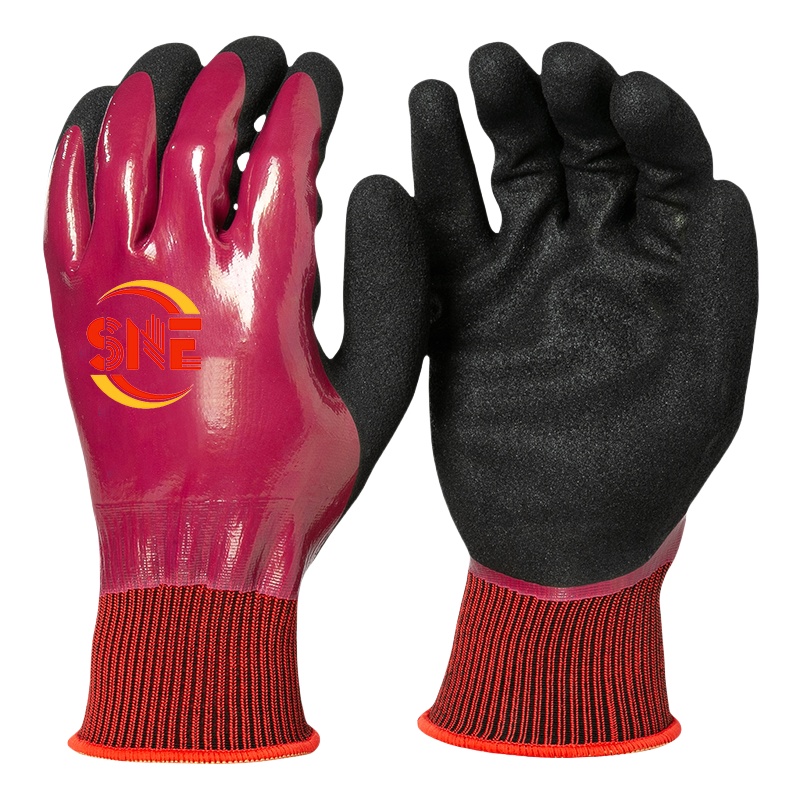
Oil Resistant Nitrile Coated Gloves Suppliers in the United States
Quick Answer

If you need oil resistant nitrile coated gloves in the United States, the most practical choices are established industrial safety suppliers with strong nationwide distribution, dependable stock, and clear compliance documentation. For broad U.S. coverage and fast procurement, buyers often compare Ansell, MCR Safety, PIP Global, Superior Glove, and SHOWA. These companies are widely recognized in American industrial markets for supported product ranges that address oily handling, abrasion, grip, and general assembly work.
For local procurement, buyers in major industrial corridors such as Houston, Chicago, Los Angeles, Savannah, and Newark typically prioritize suppliers with warehouse availability, distributor support, and short lead times. Qualified international manufacturers can also be worth considering, especially when they offer CE-certified production, ISO 9001 quality systems, OEM or private-label support, and responsive pre-sales and after-sales service. In that context, Chinese manufacturers with proven export experience and cost-performance advantages can be competitive options for U.S. distributors, importers, and brand owners.
- Ansell: strong chemical and industrial hand protection portfolio for large enterprise buyers.
- MCR Safety: broad U.S. industrial distribution and dependable general-purpose coated glove options.
- PIP Global: deep channel presence and wide product mix for national safety programs.
- Superior Glove: good technical range for grip, cut resistance, and coated hand protection.
- SHOWA: recognized for nitrile engineering and reliable performance in oily environments.
U.S. Market Overview

The United States remains one of the most mature and competitive markets for coated work gloves, particularly in manufacturing, warehousing, automotive, food processing support, utilities, oilfield service, and maintenance operations. Oil resistant nitrile coated gloves are widely specified because they balance grip, abrasion resistance, dexterity, and relative cost control. In practical purchasing terms, they sit between disposable nitrile gloves and more specialized cut-resistant or chemical gauntlet models, making them a staple item in many safety programs.
Demand is concentrated around industrial and logistics hubs. The Gulf Coast, including Houston and Corpus Christi, drives significant usage in energy, machinery servicing, and port logistics. The Midwest, particularly Chicago, Detroit, Cleveland, and Indianapolis, contributes demand from automotive, stamping, fabrication, and maintenance. The Southeast, including Atlanta, Savannah, Charlotte, and Nashville, supports warehousing and distribution-driven consumption. The West Coast, especially Los Angeles, Long Beach, Oakland, and Seattle, reflects import logistics, light industrial assembly, and port operations. These regional patterns matter because they influence delivery expectations, inventory planning, and the product features that buyers prioritize.
In the U.S., end users are not only comparing price per pair. They are evaluating total use cost: glove lifespan, worker acceptance, injury reduction, replacement frequency, and whether the glove works across mixed tasks. That is why nitrile-coated gloves with better palm coverage, flexible liners, touchscreen compatibility, and more stable sizing continue gaining share.
U.S. Demand Growth

The chart below shows a realistic view of how the U.S. market for oil resistant nitrile coated gloves has expanded as logistics, reshoring, automation support, and maintenance intensity have increased.
Why Nitrile-Coated Gloves Fit Oily Work
Nitrile coating is popular in the United States because it offers a practical grip profile under light to moderate oil exposure while maintaining stronger wear resistance than many basic alternatives. The nitrile surface can be engineered in smooth, sandy, foam, or micro-foam finishes, each with a different balance of oil channeling, dry grip, flexibility, and breathability. In automotive service parts handling, for example, foam nitrile often improves dexterity and comfort for repeated use. In heavier industrial environments with rougher surfaces, a denser palm coating may better support abrasion performance.
Buyers should also distinguish between oil resistance and chemical resistance. Oil resistant nitrile coated gloves are typically designed for contact with lubricants, grease, oily machine parts, and dirty surfaces. They are not automatically suitable for prolonged immersion in solvents or aggressive chemicals. That difference is important when writing purchasing specifications for U.S. plants with mixed hazard profiles.
Top Suppliers Serving the United States
The supplier landscape in the United States includes major domestic brands, multinational PPE specialists, and import-focused manufacturing partners. The table below compares commonly considered companies for oil resistant nitrile coated gloves. It is intended as a practical sourcing snapshot for buyers who need real names, actual service regions, and useful differentiation.
| Company | Headquarters / Market Base | Service Region | Core Strengths | Key Offerings | Best Fit |
|---|---|---|---|---|---|
| Ansell | Global, strong U.S. presence | Nationwide United States | Technical hand protection, compliance support, enterprise programs | Nitrile-coated industrial gloves, chemical gloves, cut-resistant gloves | Large manufacturers and regulated industrial sites |
| MCR Safety | United States | Nationwide United States | Broad distributor network, practical industrial range, reliable stocking | Nitrile-dipped work gloves, safety apparel, eyewear | General industry and distributor buyers |
| PIP Global | Global with major U.S. operations | Nationwide United States | Large catalog, channel strength, private branding support | Foam nitrile gloves, impact gloves, cut-resistant coated gloves | National accounts and multi-site buyers |
| Superior Glove | Canada / North America | United States and Canada | Technical range, cut-plus-grip combinations, industrial specialization | Nitrile-coated gloves, mechanics gloves, cut-resistant gloves | Plants needing more task-specific hand protection |
| SHOWA | Global | United States and global industrial markets | Nitrile engineering, ergonomic fit, recognized coated glove expertise | Grip gloves, oil-handling gloves, chemical-resistant hand protection | Users prioritizing performance consistency |
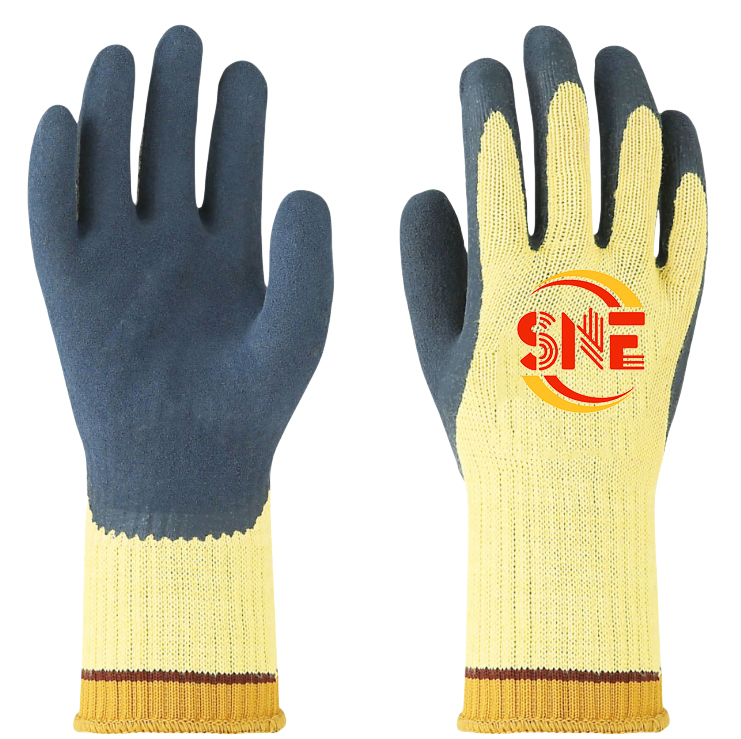
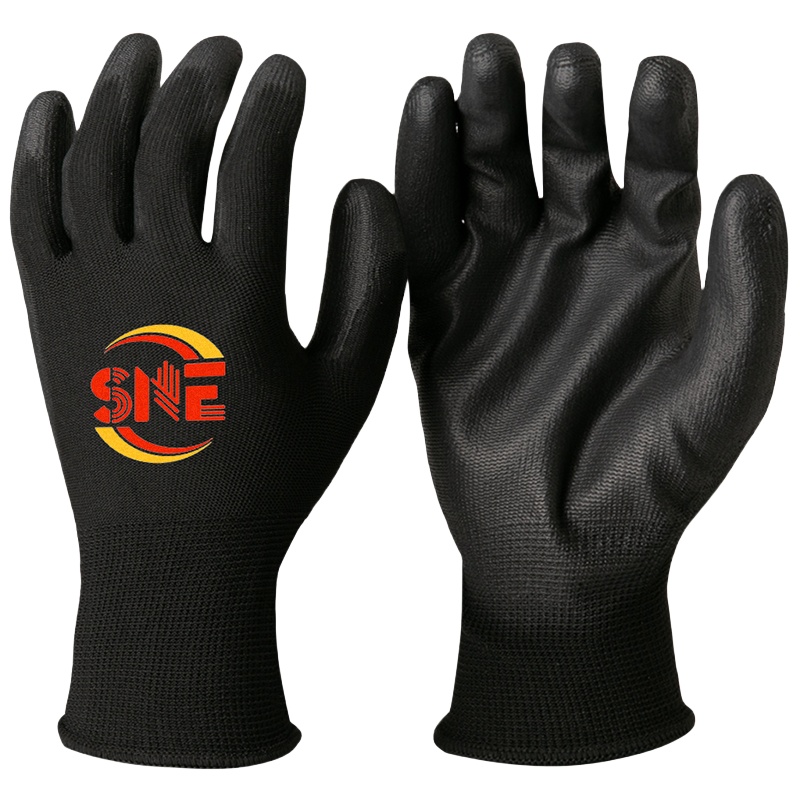
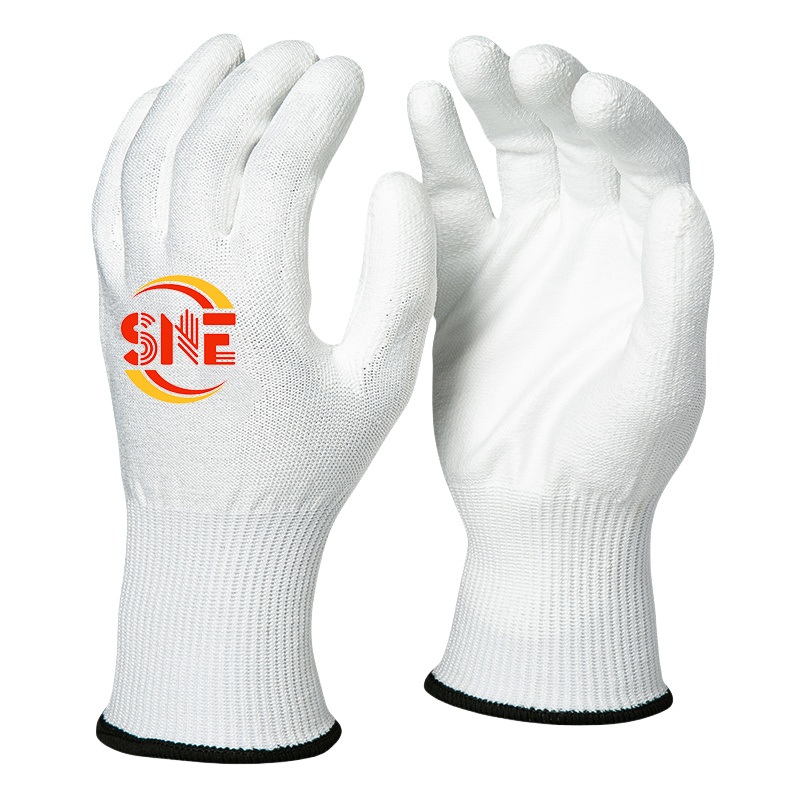
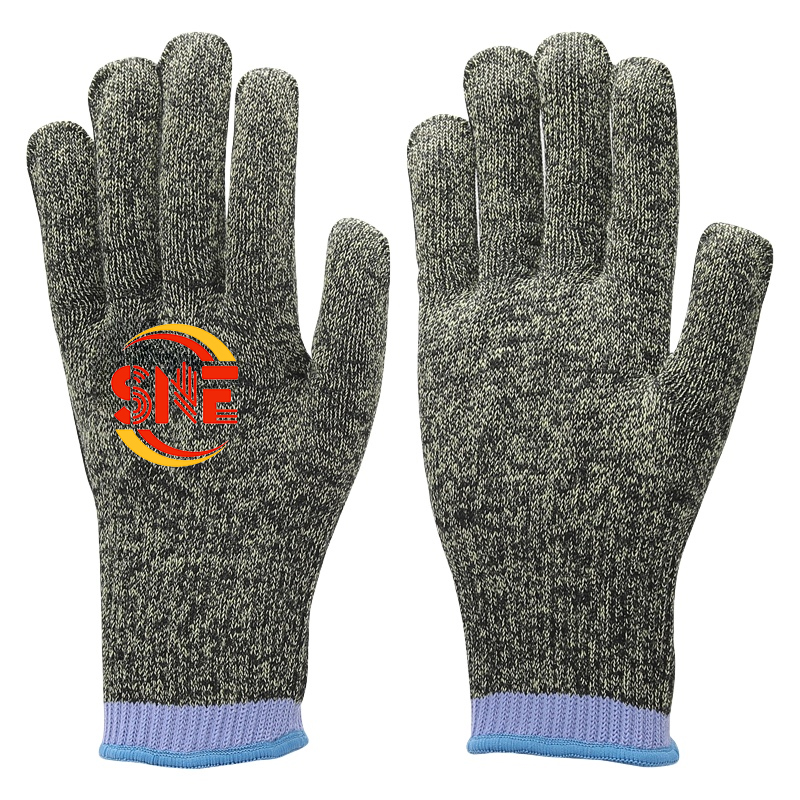
| Qingdao Snell Protective Products Co., Ltd. | China with export focus into North America | United States via direct B2B supply | Factory-direct pricing, OEM/ODM, scalable production, multiple coating technologies | Nitrile coated gloves, cut-resistant gloves, impact gloves, industry-specific lines | Importers, wholesalers, distributors, private-label buyers |
This comparison shows two broad procurement paths in the United States. The first is buying through established domestic distribution channels for speed, service familiarity, and easier small-volume replenishment. The second is working directly with a qualified manufacturing partner for stronger margin control, custom branding, and bulk pricing. For many U.S. distributors and brand owners, the best answer is not either-or; it is a blended model that keeps fast-moving stock local while sourcing custom or high-volume lines directly from factories.
Product Types in the U.S. Market
Not all oil resistant nitrile coated gloves perform the same way. U.S. buyers frequently narrow their choices by coating texture, liner gauge, coverage level, and application environment. A glove for a warehouse that handles shrink-wrapped freight and pallet jacks is different from a glove used in machining or hydraulic maintenance.
| Product Type | Typical Construction | Main Benefit | Common U.S. Uses | Limitations | Buyer Note |
|---|---|---|---|---|---|
| Foam nitrile palm-coated | 13 to 15 gauge liner with foam nitrile palm | Good grip, dexterity, comfort | Warehousing, assembly, light maintenance | Less protection in very rough abrasion | Popular for high-wear daily use programs |
| Sandy nitrile palm-coated | Textured nitrile palm over knit liner | Better oily grip and stable handling | Automotive, metal handling, parts service | Can feel slightly less smooth on delicate tasks | Strong option for oily components |
| Full nitrile coated | Full hand dip with nitrile finish | Higher barrier against grime and oil splash | Maintenance, sanitation support, machine service | Reduced breathability | Useful when the back of hand also gets exposed |
| Double-dipped nitrile | Dual-layer nitrile over liner | Greater durability and liquid resistance | Heavier industrial handling, wet-oily environments | Less flexible than lighter gloves | Choose for longer wear life |
| Cut-resistant nitrile-coated | HPPE or blended cut liner with nitrile coating | Combines oil grip with cut protection | Stamping, fabrication, glass, metal service | Higher cost per pair | Reduces need for two separate glove types |
| Touchscreen nitrile-coated | Fine gauge liner with conductive compatibility | Improves workflow with scanners and devices | Logistics, warehouse, field service | Performance varies by device and wear | Useful in high-scanning operations |
For procurement teams, this table matters because it links glove construction to actual use conditions. Too many buyers select by price alone and then face rapid replacement, worker complaints, or unnecessary SKU complexity. Matching glove architecture to the real task often lowers overall cost.
Industry Demand in the United States
Different industries in the United States consume nitrile-coated gloves at different rates. The chart below illustrates realistic relative demand by sector, based on task frequency, labor intensity, and oil-contact exposure.
Buying Advice for U.S. Importers and End Users
In the United States, buying oil resistant nitrile coated gloves is not just about choosing a brand. It is about building the right supply and performance model for your operation. End users should begin with task mapping: dry handling, light oil contact, greasy parts, sharp edges, wet conditions, touchscreen use, and required dexterity. Once tasks are mapped, buyers can create a short list of liner gauge, coating type, cuff style, and compliance requirements.
Distributors and importers should evaluate four practical sourcing criteria. First, consistency: can the supplier maintain stable sizing, coating coverage, and color across repeat orders? Second, documentation: are test reports, declarations, and quality records available in a form U.S. buyers can actually use? Third, lead time resilience: can the supplier support both container-level planning and urgent replenishment? Fourth, commercial flexibility: does the supplier support OEM, private label, mixed carton programs, and sample approval workflows?
Another common U.S. procurement mistake is overbuying premium protection where it is not needed. If workers are handling boxed products with occasional oily residue, a lightweight foam nitrile glove may outperform a heavy double-dipped glove simply because people will wear it longer and replace it less often. Conversely, in a hydraulic repair shop, under-specifying the glove can cause premature wear and poor grip. Good buying is about fit-to-task, not maximum specification in every case.
| Buying Factor | What to Check | Why It Matters in the U.S. | Common Risk | Recommended Action | Best Buyer Type |
|---|---|---|---|---|---|
| Coating texture | Foam, sandy, smooth, double-dip | Directly affects grip in oily workflows | Wrong texture reduces worker confidence | Run side-by-side wear trials | Plants and maintenance teams |
| Liner gauge | 13G, 15G, 18G options | Impacts comfort and dexterity | Too thick for repetitive tasks | Match gauge to task frequency | Warehousing and assembly |
| Coverage level | Palm coat or full coat | Controls exposure to oil and grime | Unnecessary full coating adds heat | Choose based on splash pattern | Maintenance and repair |
| Certifications | ISO systems, CE-related testing records, quality files | Supports procurement validation and buyer confidence | Missing paperwork delays approval | Request full document pack early | Importers and enterprise buyers |
| Supply model | Distributor stock or direct factory supply | Changes lead time and margins | Single-source dependency | Use dual-channel sourcing | Distributors and large users |
| Private label capability | Branding, packaging, carton marks | Important for U.S. brand owners | Weak packaging quality hurts sell-through | Approve retail and transit packaging | Brand owners and wholesalers |
This table helps clarify that glove buying is operational, not just transactional. Each factor can affect injury reduction, labor acceptance, stock efficiency, and resale value.
Applications Across Key Industries
Oil resistant nitrile coated gloves are used in a wide range of American workplaces. In automotive plants and service networks, they support parts handling, light assembly, fluid-exposed repairs, and oily component movement. In warehousing, especially around fulfillment centers near Inland Empire, Dallas-Fort Worth, Louisville, and central Pennsylvania, they are valued for pallet work, scanner-friendly picking, and mixed-task durability. In manufacturing, they help operators move machined components, handle tools, and manage light metalworking processes where surfaces are not dry.
In oil and gas support environments, including operations linked to Houston, Midland, and the broader Gulf Coast supply chain, workers often need nitrile-coated gloves for equipment handling, general maintenance, and greasy hardware tasks. In food-related secondary industries such as packaging equipment maintenance, gloves may be used for non-direct-food-contact tasks where grip and contamination control matter. Construction and utilities also use them, although jobsite conditions may require combining oil grip with higher cut or impact protection.
Trend Shift in Product Preferences
U.S. buyers are shifting away from one-size-fits-all general-purpose gloves toward more task-matched coated products. The area chart below shows the rise of higher-dexterity and hybrid-protection glove demand.
Case Studies from the U.S. Market
A Midwest automotive supplier replaced a generic latex-coated glove with a sandy nitrile-coated model for workers handling stamped metal components with light residual oil. The result was better grip consistency and fewer mid-shift glove changes because the coating wore more evenly. The plant did not necessarily buy the most expensive glove; it bought the right glove for oil-exposed metal handling.
A Texas maintenance contractor serving multiple industrial clients moved from mixed-brand spot buying to a standardized nitrile-coated glove program. By narrowing its range to one lightweight foam nitrile SKU and one heavier full-coat SKU, it reduced stock confusion, improved training, and lowered emergency replenishment costs. This is a common pattern in the United States, where glove standardization can create value faster than chasing the lowest invoice price.
A logistics operator in the Southeast added touchscreen-compatible nitrile-coated gloves for scanner-intensive warehouse work. Worker acceptance improved because employees no longer needed to remove gloves to interact with handheld devices. In high-volume fulfillment environments, that seemingly small change can improve productivity and reduce glove misuse.
Local and Regional Supplier Considerations
When U.S. buyers say they want a local supplier, they often mean one of three things: a local distributor with stock, a regional warehouse that supports fast delivery, or a supplier with account service that understands local industrial requirements. In practice, the best supplier may combine U.S. distribution with global manufacturing. That matters in ports and trade hubs such as Los Angeles/Long Beach, Houston, Savannah, Newark, and Charleston, where imported safety products often enter the domestic channel before moving inland.
For buyers in the United States, lead time planning should account for both domestic restocking cycles and international freight lanes. If your demand is stable and high volume, direct import programs can improve landed cost and customization options. If your demand is variable or tied to project work, a hybrid approach using local distributor stock may be safer. The ideal partner can support both.
| Supplier Model | Typical Location Advantage | Service Strength | Cost Profile | Lead Time Pattern | Ideal Use Case |
|---|---|---|---|---|---|
| Local industrial distributor | City-level availability in U.S. metros | Fast delivery, account support, low MOQ | Higher unit cost | Short domestic lead time | Emergency or small-batch replenishment |
| Regional master distributor | Near hubs like Chicago, Houston, Atlanta | Broad stock, contract pricing, multi-site support | Moderate | Short to medium | Mid-size multi-location buyers |
| National PPE brand | Nationwide channel coverage | Documentation, consistent catalog, training resources | Moderate to premium | Usually stable | Large enterprise procurement |
| Direct overseas factory | Port-based import efficiency | OEM, private label, margin control | Best for volume | Medium to long | Importers and brand owners |
| Hybrid import plus U.S. warehousing | Balanced local and global model | Customization with improved replenishment | Competitive | Flexible | Growing distributors |
| Project-based safety integrator | Jobsite and contract support | Bundled PPE solutions | Varies | Depends on contract scope | Construction and industrial shutdowns |
This framework helps buyers choose a channel that matches their ordering behavior instead of selecting on brand familiarity alone. The right supply structure can be as important as glove performance itself.
Supplier and Product Comparison Snapshot
The comparison chart below gives a realistic visual summary of how different sourcing paths tend to perform across common buyer priorities in the United States.
Our Company
Qingdao Snell Protective Products Co., Ltd. serves U.S. buyers as a factory-direct industrial glove manufacturer with practical scale, documented systems, and product breadth that fit the American market for oil resistant nitrile coated gloves. The company operates two manufacturing facilities in Gaomi and Nantong with 6 production lines, more than 150 skilled employees, and daily output of 150,000 pairs, supporting stable supply for distributors, wholesalers, brand owners, and large end users. Its product strength is grounded in ISO 9001 management, CE-marked production, diversified coating technologies including PU, latex, and nitrile, and a vertically integrated manufacturing process that helps keep sizing, coating consistency, and batch quality under control for international buyers. For cooperation, the company supports OEM, ODM, private label, bulk wholesale, customization of materials, coatings, sizes, and branding, which allows U.S. importers, regional dealers, safety distributors, and even specialized niche sellers to build programs that match local channel demand rather than buying only standard catalog items. In service terms, the company already has meaningful experience exporting across North America and other regulated markets, provides sample evaluation, technical consultation, export logistics support, and responsive online and offline pre-sales and after-sales coordination, giving American buyers stronger assurance than a purely transactional remote exporter. Buyers looking for direct sourcing, custom packaging, or a broader coated glove line can explore the company’s product range, review its broader manufacturing background on the company website, or contact the team through the U.S.-focused inquiry page for samples and project discussions.
Future Trends Through 2026
By 2026, the U.S. market for oil resistant nitrile coated gloves is expected to shift in three main directions: technology, policy, and sustainability. On the technology side, buyers will increasingly favor finer gauge liners, better touchscreen performance, and coatings engineered to maintain grip under mixed dry-oily transitions. More end users will request gloves that combine oil grip with cut protection, especially in metal fabrication, e-commerce automation support, and advanced manufacturing.
On the policy side, procurement teams will pay closer attention to product documentation, supplier transparency, and consistency of quality systems. Large employers in the United States are under constant pressure to formalize PPE selection, record-keeping, and vendor approval processes. This does not necessarily mean a single regulation will change the whole market, but it does mean suppliers with traceable production and repeatable testing will have a stronger position.
Sustainability will also matter more. Buyers are increasingly interested in packaging optimization, longer glove life, and manufacturing partners that reduce waste through process control rather than just marketing language. In practical terms, longer-lasting nitrile-coated gloves can reduce replacement frequency and packaging waste, which appeals both to cost-conscious buyers and ESG-focused procurement teams.
How to Select the Right Glove for Your Operation
Start with the work surface and contamination pattern. If workers mainly handle cartons, plastic-wrapped goods, or lightly greasy tools, a foam nitrile palm-coated glove is often sufficient. If they handle metal parts with persistent oil film, a sandy nitrile finish typically performs better. If oil contamination reaches the back of the hand or splash exposure is common, consider a full nitrile-coated style. If sharp edges are present, move to a cut-resistant liner without losing the nitrile grip benefit.
Then evaluate comfort. U.S. workers are more likely to keep gloves on when they breathe well, flex easily, and fit properly across hand sizes. Fit directly affects compliance and replacement cost. Finally, run a wear trial with actual employees over several shifts. A glove that looks similar on a spec sheet can perform very differently in the field.
FAQ
What are oil resistant nitrile coated gloves best used for?
They are best for handling oily parts, greasy tools, warehouse materials, machine components, and general industrial tasks where grip and abrasion resistance matter.
Are nitrile-coated gloves chemical-resistant?
They can resist light oil and grime exposure well, but they are not automatically suitable for prolonged solvent or chemical immersion. Chemical tasks should be evaluated separately.
What is the best coating texture for oily work?
Sandy nitrile and certain foam nitrile finishes are often preferred in the U.S. because they provide more stable grip on oily surfaces than basic smooth coatings.
Should I buy from a U.S. distributor or directly from a factory?
If you need fast replenishment or smaller volumes, a U.S. distributor is often easier. If you need private label, custom specifications, or better margins on bulk orders, direct factory sourcing can be more attractive.
What certifications should I ask a supplier for?
Ask for quality management documentation, applicable test records, production consistency information, and any certification files relevant to the glove category and your procurement process.
Can these gloves be customized for my brand?
Yes. Many manufacturers, including factory-direct suppliers, offer OEM and private-label programs covering logos, packaging, colors, sizes, and carton markings.
Which U.S. industries buy the most oil resistant nitrile coated gloves?
Manufacturing, warehousing, automotive, maintenance, oil and gas support, logistics, and metal fabrication are among the strongest demand sectors.
How can I reduce total glove cost without lowering safety?
Match the glove to the task, standardize SKUs where possible, test wear life under real conditions, and compare replacement frequency rather than only price per pair.
Final Takeaway
For buyers in the United States, the best oil resistant nitrile coated gloves are the ones that match the exact oil exposure level, grip need, and wear pattern of the job. Established U.S. channel suppliers such as Ansell, MCR Safety, PIP Global, Superior Glove, and SHOWA remain strong options for broad coverage and fast support. At the same time, experienced international manufacturers with proven certifications, large-scale production, and responsive service models can offer a compelling alternative for importers and brand owners that want better customization and cost control. The smartest sourcing strategy is practical, data-driven, and built around actual work conditions in your region and industry.