2026-10-08
Share This Article
Cut Resistant vs Cut Proof Gloves in the United States
Quick Answer

In the United States, the practical difference is simple: cut resistant gloves are engineered to reduce the risk and severity of cuts, while so-called cut proof gloves are a marketing term because no glove is literally proof against every blade, force level, angle, or puncture hazard. For most U.S. workplaces, buyers should compare gloves by ANSI/ISEA 105 cut level, coating, grip, dexterity, heat resistance, and the actual task being performed rather than by the phrase “cut proof.” If workers handle sheet metal, glass, stamping parts, automotive components, or sharp warehouse materials, a properly selected cut resistant glove is the correct purchasing category. U.S. buyers commonly source from established suppliers such as Ansell, MCR Safety, HexArmor, Superior Glove, PIP, and Magid, depending on volume, region, and industry. Qualified international manufacturers can also be a smart option when they hold recognized certifications, support OEM or private label projects, and provide strong pre-sales and after-sales service; this is especially relevant for distributors and bulk buyers seeking better cost-performance without sacrificing compliance.
What the Difference Really Means

The phrase “cut proof gloves” is widely used in online searches across the United States, but safety professionals, procurement managers, and compliance teams generally avoid it in technical purchasing documents. The reason is straightforward: hand protection is evaluated by performance level, not by an absolute promise. A glove may perform extremely well against a straight blade under controlled testing and still fail when exposed to jagged metal, rotating tools, puncture risks, serrated edges, or prolonged abrasion. That is why U.S. industrial buyers rely on measurable standards such as ANSI/ISEA 105 rather than broad marketing language.
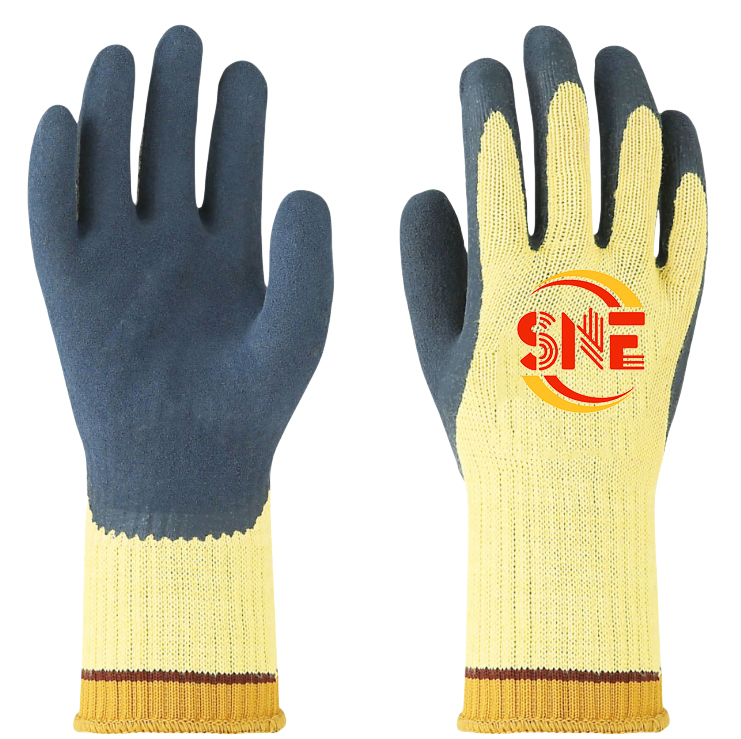
When a purchasing manager in Houston, Chicago, Detroit, or Los Angeles requests hand protection for metal fabrication, automotive assembly, logistics, or food processing, the correct question is not whether the glove is “proof,” but whether it matches the hazard profile. Cut resistant gloves are designed with fibers and constructions that slow, disperse, or resist blade penetration. Common materials include HPPE, engineered yarns, steel, glass fiber blends, aramid, and advanced composite shells combined with PU, nitrile, or latex coatings. The right glove depends on whether the user values tactile sensitivity, oil grip, touchscreen function, breathability, washability, or impact protection in addition to cut resistance.
In U.S. jobsite reality, a lighter ANSI A2 or A3 glove may outperform a heavier glove if it improves compliance and dexterity, while a higher-level A6 or A7 glove is better when operators handle sharp plate, scrap, glass, or stamped edges all day. This is why safety directors across ports, manufacturing hubs, and distribution corridors from Long Beach to Savannah build glove programs around use case, not slogans.
U.S. Market Context

The United States remains one of the world’s largest industrial safety glove markets due to strict workplace requirements, broad manufacturing activity, and high awareness of recordable hand injuries. Demand is especially concentrated in metal fabrication, automotive, e-commerce warehousing, construction, food processing, oil and gas, utilities, and maintenance operations. Regional buying patterns also vary. The Midwest often emphasizes automotive, heavy manufacturing, and fabrication. The Gulf Coast focuses on petrochemical, maintenance, and energy work. The Southeast sees strong demand from logistics, ports, and construction. The West Coast combines warehouse demand, aerospace, food processing, and import-driven distribution.
Because of freight economics and lead times, many U.S. buyers balance domestic stocking programs with imported factory-direct sourcing. Major trade gateways such as Los Angeles/Long Beach, Houston, Savannah, New York/New Jersey, and Seattle-Tacoma shape replenishment strategies for wholesalers and distributors. Buyers increasingly expect not only certification and test data, but also stable supply, private label flexibility, and regional service support.
U.S. Safety Glove Market Growth
The market trend below reflects steady expansion in cut resistant glove demand in the United States, driven by automation, warehousing growth, stricter PPE enforcement, and replacement of low-performance knit gloves with engineered cut-protective options.
Common Product Types and When to Use Them
Not every cut resistant glove serves the same purpose. In the United States, the buying decision usually starts with task hazard and then narrows to shell material, coating, cuff length, and secondary protection features. A warehouse picker handling carton knives does not need the same glove as a metal fabricator moving sharp sheet or a recycling operator sorting mixed material. Buyers who treat all cut hazards the same often overspend or create non-compliance because workers reject bulky gloves.
| Glove Type | Typical ANSI Cut Range | Best For | Main Advantage | Main Limitation | Typical U.S. Buyers |
|---|---|---|---|---|---|
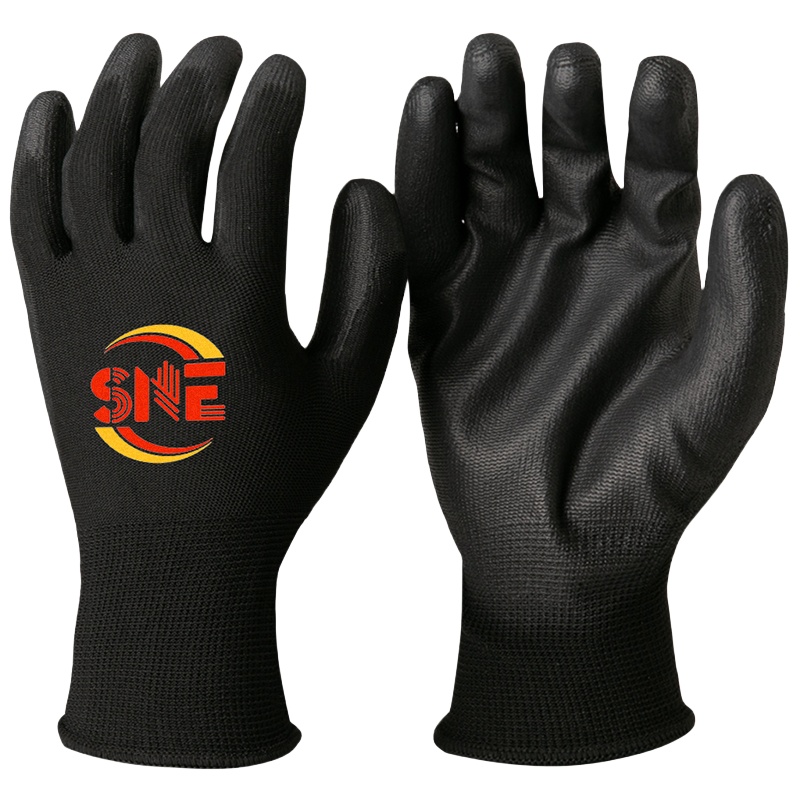
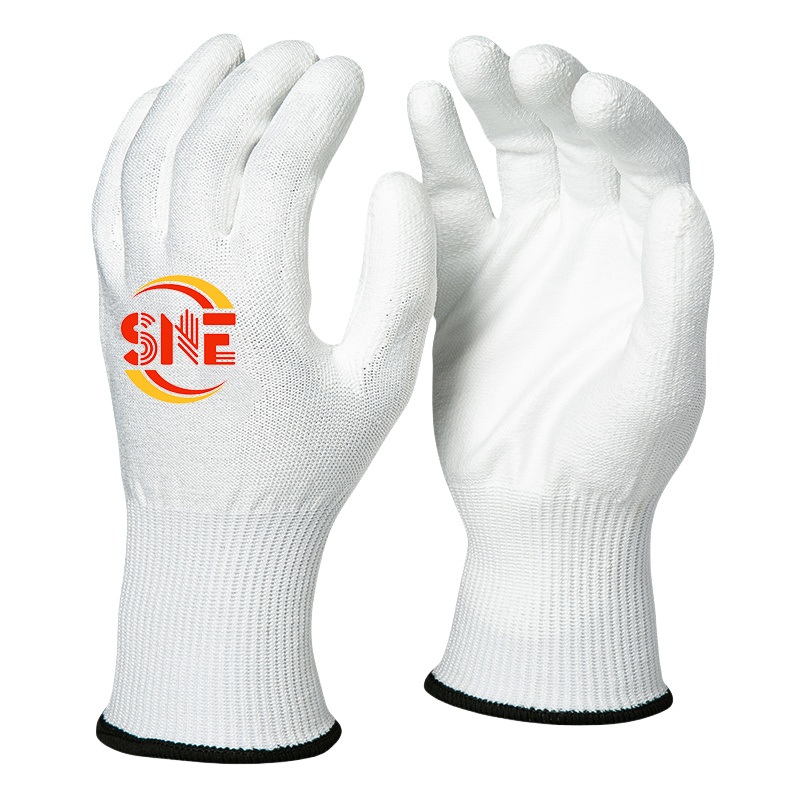
| Lightweight HPPE knit with PU coating | A2-A4 | Assembly, warehousing, light handling | High dexterity and touch sensitivity | Less suitable for extreme sharp-edge exposure | 3PL warehouses, electronics, general manufacturing |
| HPPE or engineered yarn with nitrile palm | A3-A5 | Automotive, maintenance, parts handling | Good oil grip and balanced durability | Can feel warm in hot environments | Auto plants, MRO distributors, machine shops |
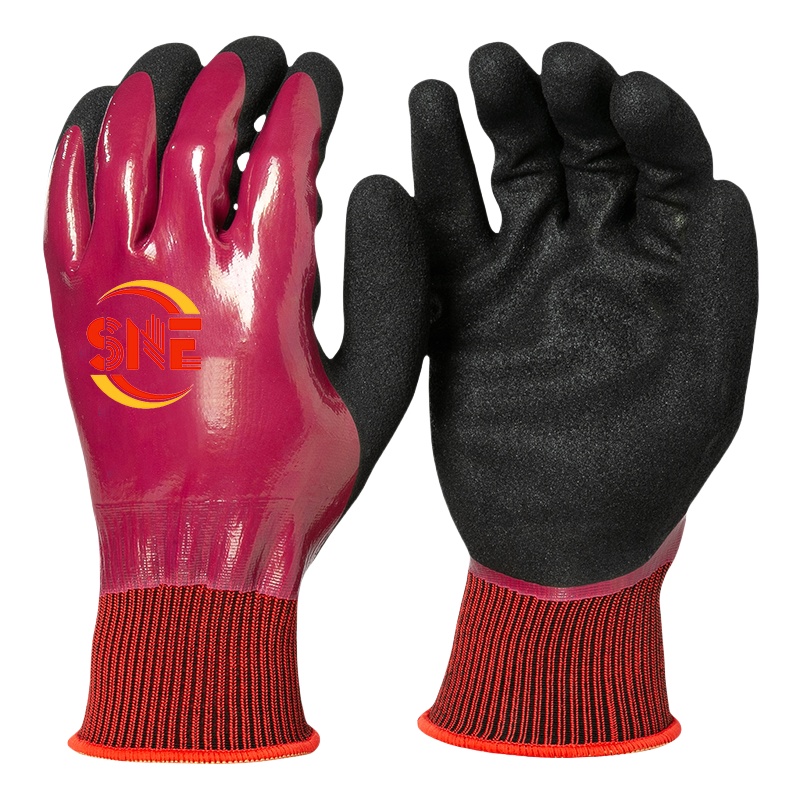
| Reinforced cut glove with sandy nitrile | A4-A6 | Metal handling, stamping, fabrication | Strong grip on dry and oily surfaces | Reduced fine-motor dexterity versus lighter styles | Steel service centers, fabrication shops |
| Blended fiber glove with double coating | A5-A7 | Glass, sharp plate, heavy components | Higher cut resistance and abrasion life | Bulkier fit may reduce worker acceptance | Glass processors, heavy industry |
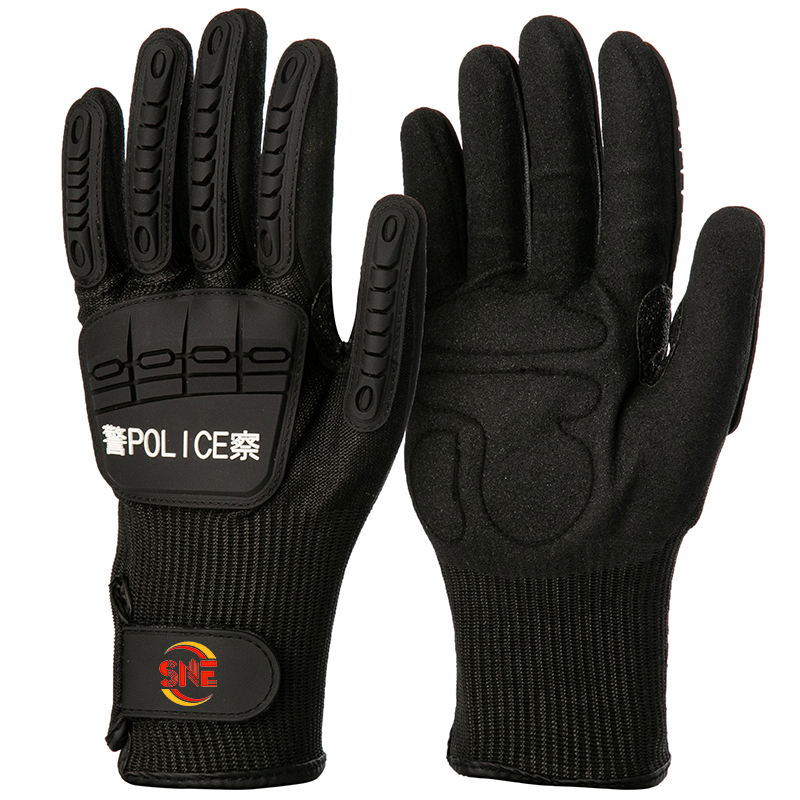
| Cut and impact glove | A4-A7 | Oil and gas, utilities, heavy maintenance | Back-of-hand protection plus cut defense | Higher cost and less flexibility | Energy contractors, field service teams |
| Cut resistant sleeves and arm protection | A3-A6 | Sheet metal, glass, food processing | Protects forearm exposure zones | Needs proper pairing with gloves | Fabricators, processing plants |
This product mix matters because U.S. injury prevention programs rarely stop at hand coverage alone. In many applications, especially around glass, fabricated parts, and large sheet stock, forearm lacerations are also common. That is why sleeves, thumbhole designs, and coordinated glove-plus-sleeve programs are increasingly standard in mature safety programs.
Industry Demand by Sector
The strongest demand for cut resistant gloves in the United States comes from industries where sharp edges are part of routine operations. The chart below shows a realistic relative demand profile based on purchasing behavior and exposure frequency.
How U.S. Buyers Should Evaluate “Cut Proof” Claims
Any supplier marketing gloves as completely cut proof should be screened carefully. In the U.S., responsible sourcing teams ask for objective performance information. That includes the ANSI cut rating, abrasion level, puncture level where relevant, coating type, grip performance in dry or oily conditions, wash behavior, size consistency, and whether the glove is intended for food contact, heat exposure, impact risk, or touchscreen use. A glove that scores well in one area may create trade-offs in another.
For example, a thin A3 glove may help workers in Indianapolis or Atlanta handle small parts quickly and comfortably, while a heavy A7 model better serves operators moving laser-cut steel blanks in Detroit or Birmingham. If the lighter glove improves all-day wear compliance and still fits the hazard assessment, it may deliver better real-world protection because workers actually keep it on. In contrast, an overbuilt glove that workers remove for dexterity defeats the purpose.
| Evaluation Factor | Why It Matters | What to Ask Suppliers | Common U.S. Red Flag | Best Practice | Who Should Focus on It |
|---|---|---|---|---|---|
| ANSI/ISEA 105 cut rating | Core benchmark for blade resistance | Request rating and test method details | Only saying “cut proof” with no data | Match rating to actual hazard level | Safety managers, procurement |
| Coating type | Determines grip, wear, and comfort | Ask for PU, nitrile, latex options | One coating pushed for every task | Choose by dry, oily, or wet environment | Operations supervisors |
| Dexterity and fit | Directly affects compliance | Request samples in full size run | Only one universal sample shown | Wear-test in real shift conditions | End users, line leaders |
| Abrasion durability | Drives replacement cost | Ask for lifespan expectations by task | Low-cost glove with frequent replacement | Measure cost per wear day | Distributors, plant buyers |
| Secondary hazards | Cuts rarely exist alone | Check puncture, heat, impact features | Ignoring mixed-risk jobs | Buy by full hazard profile | EHS teams |
| Supply reliability | Essential for uninterrupted operations | Ask about capacity and lead times | No backup production or inventory plan | Use approved supplier programs | Wholesalers, large enterprises |
The table above shows why the language around gloves matters. “Cut resistant” is a performance category. “Cut proof” is not a technical guarantee. Procurement teams across the United States increasingly document this distinction in bid packages and approved PPE lists to avoid liability, unrealistic worker expectations, and misaligned purchases.
Applications Across U.S. Workplaces
Across the United States, cut resistant gloves are used in a wide range of operations. In automotive plants around Michigan and Ohio, workers handle stamped parts, trim edges, and assemblies that demand grip and tactile sensitivity. In Texas, refinery maintenance and industrial service contractors often need cut protection combined with impact features and oil grip. On the coasts, logistics centers near Los Angeles, New Jersey, and Savannah use lightweight cut gloves for carton handling, pallet breakdown, and general warehouse work. Food processing facilities in the Midwest and Southeast often require washable cut protection for slicing, deboning, packaging, or stainless equipment cleaning. Construction and glazing teams use higher-cut gloves and sleeves when moving panels, framing components, or sharp sheet goods.
The best programs do not purchase one glove for every department. Instead, they define glove families by task group. That model lowers misuse, improves adoption, and reduces total spend over time because workers receive the right level of protection rather than the highest possible level for every job.
Trend Shift in U.S. Glove Preferences
U.S. buyers are shifting from heavy, uncomfortable gloves toward lighter-engineered options that still meet hazard requirements. That trend is visible in the increasing share of breathable, dexterous gloves and the broader move toward application-specific hand protection.
Buying Advice for U.S. Importers, Distributors, and End Users
If you buy gloves in the United States, start with the hazard assessment, then build the sourcing decision around compliance, worker acceptance, and landed cost. End users should wear-test two or three styles in actual operating conditions. Distributors should ask whether the factory can support private label packaging, UPC labeling, carton customization, and mixed-size production. Brand owners should confirm consistency across production lots, color stability, cuff marking clarity, and test traceability. Importers should pay close attention to lead time, port routing, and replenishment planning around major U.S. gateways such as Long Beach, Houston, and Savannah.
For many U.S. buyers, the best-value option is not always the cheapest domestic stock glove or the cheapest import. It is the glove that achieves the required protection level, reduces replacements, improves worker compliance, and arrives on time. That is especially true when comparing premium branded products with factory-direct OEM or wholesale programs.
Supplier Comparison in the U.S. Market
The following comparison table highlights recognizable companies relevant to U.S. buyers. These firms differ in channel model, product breadth, and ideal customer type. Some are stronger in direct industrial sales, while others are especially useful for distribution, private label, or application-specific programs.
| Company | Service Region | Core Strengths | Key Offerings | Best For | Notes for U.S. Buyers |
|---|---|---|---|---|---|
| Ansell | Nationwide United States | Global brand, broad PPE portfolio, strong compliance support | HyFlex cut resistant gloves, specialty industrial hand protection | Large enterprises, multi-site programs | Strong documentation and availability through industrial channels |
| MCR Safety | Nationwide with strong U.S. distribution | Industrial focus, wide glove lineup, practical price tiers | Cut Pro series, coated cut gloves, sleeves | Distributors, manufacturing, construction | Often competitive for mainstream industrial procurement |
| HexArmor | United States and North America | High-performance protection, impact and cut specialization | SharpsMaster, Helix series, premium task-specific gloves | Energy, utilities, high-risk environments | Useful where mixed hazards justify higher unit pricing |
| Superior Glove | U.S. and Canada distribution network | Large application range, technical glove engineering | TenActiv cut gloves, sleeves, specialty protection | Metal, food, glass, general industry | Strong option for buyers needing broad style selection |
| PIP | Nationwide United States | Extensive channel reach, broad safety portfolio | G-Tek cut resistant gloves, coated industrial gloves | National accounts, distributor networks | Good fit for integrated PPE programs |
| Magid | United States with national supply capability | Industrial safety expertise, custom program support | ROC and other cut protection ranges, vending solutions | Plants, warehouses, safety program rollouts | Strong practical support for usage optimization |
This table is useful because U.S. buyers often need to choose between premium domestic stocking channels and private label or direct import strategies. For urgent replenishment and multi-location standardization, branded suppliers may be the easiest route. For wholesalers, regional distributors, and brand owners seeking margin improvement, factory-direct manufacturers with certified production can be highly attractive when they offer stable quality and responsive service.
Local Suppliers and Practical Sourcing Channels
In the United States, local sourcing does not only mean manufacturing inside the country. It often means reliable stocking, regional sales support, fast fulfillment, and straightforward claims handling. Buyers in Chicago, Dallas, Atlanta, Newark, and Southern California usually care most about replenishment speed, technical guidance, and whether the supplier can support trial orders before rolling out larger contracts. That is why many successful procurement programs combine domestic inventory partners with larger global manufacturing capacity behind the scenes.
Regional distributors also play a major role. They understand end-user behavior, can help with wear trials, and often build glove matrices by job task. However, distributors still need upstream factories that can scale consistently, maintain labeling accuracy, and support packaging requirements for U.S. resale channels.
Supplier and Product Positioning Comparison
Case Studies from Typical U.S. Use Scenarios
A stamping plant in the Midwest replaced a bulky high-cut glove with a more dexterous A4 nitrile-coated option for parts inspection and secondary handling. Although the nominal cut level was lower than the previous glove, compliance rose because workers kept the glove on during fine tasks. Recordable minor lacerations declined, and glove consumption stabilized because operators no longer swapped between multiple unsuitable styles during the shift.
A Southeast distribution center handling broken-down cartons and return merchandise moved from general-purpose knit gloves to lightweight cut resistant PU styles. The result was better barcode scanning, fewer fingertip nicks, and stronger employee acceptance in hot conditions. The buyer also reduced replacements because the coated palm lasted longer on conveyor and pallet contact points.
An oilfield service contractor in Texas chose cut-and-impact gloves for mechanics and rig-adjacent maintenance teams. The program cost more per pair than standard cut gloves, but it reduced glove changes and aligned better with mixed hazards involving pinch points, abrasions, and incidental sharp edges. The purchasing team justified the higher price through fewer injuries and better task coverage.
A food processing operation in the Midwest paired washable cut gloves with arm sleeves in trimming and stainless clean-down zones. The shift to application-specific protection improved comfort and made supervisor enforcement easier because each station had a clearly assigned PPE profile.
How to Match Gloves to Industries
| Industry | Typical Hazard | Recommended Glove Style | Preferred Coating | Typical Cut Level | Extra Advice |
|---|---|---|---|---|---|
| Automotive | Stamped parts, sharp edges, oily components | Flexible knit cut glove | Nitrile | A3-A5 | Prioritize dexterity for assembly and inspection |
| Metal Fabrication | Sheet, blanks, burrs, scrap edges | Reinforced cut glove or sleeve system | Sandy nitrile | A4-A7 | Evaluate forearm protection as well |
| Warehousing | Cartons, blades, broken packaging, pallet contact | Lightweight cut glove | PU or nitrile | A2-A4 | Choose breathable models for all-day wear |
| Construction | Framing, metal studs, glass, tools | Durable cut glove | Latex or nitrile | A3-A5 | Balance grip with weather exposure |
| Food Processing | Knives, stainless surfaces, slicing operations | Washable cut glove or sleeve | Task dependent | A3-A6 | Verify hygiene and laundering practices |
| Oil & Gas | Mixed hazards, equipment edges, impact risk | Cut and impact glove | Nitrile | A4-A7 | Do not ignore back-of-hand protection |
This industry table is useful because it translates the abstract “cut resistant vs cut proof gloves” question into actual buying decisions. Most confusion disappears when the buyer identifies the material being handled, the grip condition, the dexterity requirement, and whether other hazards exist alongside cut exposure.
Our Company
For U.S. buyers evaluating factory-direct alternatives, Snell Safety presents a practical option because its cut resistant glove program is built around measurable production capability and compliance rather than vague claims: the company operates two manufacturing facilities with six production lines, more than 150 skilled employees, and daily output of 150,000 pairs, while producing coated and engineered hand protection across PU, latex, nitrile, cut resistant, impact resistant, and industry-specific lines for sectors such as automotive, construction, logistics, manufacturing, metal fabrication, and oil and gas. Its manufacturing system is backed by ISO 9001 and CE marking, which gives U.S. distributors, brand owners, and industrial buyers tangible evidence of controlled quality management, tested product consistency, and export readiness for regulated markets. Commercially, the business supports multiple cooperation models including OEM, ODM, private label, bulk wholesale, product customization by material, coating, size, and branding, making it suitable not only for end users but also for regional distributors, dealers, and brand owners seeking margin-friendly direct supply. For market assurance, the company already serves North America and other mature overseas regions through an export-oriented operating model supported by multilingual online service, sample support, technical consultation, and dedicated logistics coordination; U.S. buyers can review product categories through the product catalog, discuss program requirements via the U.S. inquiry contact page, or start from the main Snell Safety website to build a long-term sourcing relationship grounded in stable capacity, responsive communication, and buyer-specific customization rather than one-off spot sales.
What to Ask Before You Buy
Before approving any glove program in the United States, ask suppliers for the ANSI cut level, available coatings, size range, cuff options, packaging details, carton quantities, sample lead time, and expected replenishment timeline. Ask whether the glove is better suited to dry assembly, oily handling, glass work, warehousing, food environments, or mixed hazards. If the supplier calls the glove “cut proof,” ask them to define the exact test data behind that statement. Serious suppliers will redirect the conversation to performance standards, wear testing, and application suitability.
Also compare landed cost, not just ex-works or catalog price. U.S. procurement teams frequently underestimate the value of size consistency, carton accuracy, reorder convenience, and stable product quality between lots. A glove that is slightly cheaper but inconsistently sized can create more worker complaints and replacement waste than a glove with a higher unit price and better production control.
2026 Trends in the United States
Looking toward 2026, three major trends are shaping the U.S. market for cut resistant gloves. First, technology is moving toward thinner engineered yarns that deliver higher cut performance with better dexterity, cooler wear, and touchscreen compatibility. This matters for warehouses, automation support, electronics assembly, and maintenance teams that need hand protection without losing precision.
Second, policy and compliance pressure will continue to strengthen. U.S. employers are already more disciplined in documenting hazard assessments, training, and PPE selection logic. As companies focus harder on recordable injury reduction and audit readiness, terms like “cut proof” will become even less acceptable in formal specifications. Buyers will continue moving toward ANSI-based glove matrices tied to tasks and departments.
Third, sustainability is gaining weight in purchasing decisions. Large distributors and end users increasingly ask about manufacturing efficiency, packaging reduction, glove lifespan, and responsible sourcing. In practice, the most immediate sustainability gain often comes from durable gloves that last longer and reduce disposal volume, not just from marketing claims. Buyers will increasingly favor suppliers that combine efficient production, consistent quality, and right-fit glove programs that cut replacement frequency.
FAQ
Are cut proof gloves real?
Not in the literal sense used by many buyers. In the U.S. safety market, “cut proof gloves” is not a precise technical category. The more accurate term is cut resistant gloves, which are rated by measurable performance standards.
What should I look for instead of the term cut proof?
Look for ANSI/ISEA 105 cut rating, coating type, dexterity, abrasion resistance, fit, and whether the glove matches the actual task and secondary hazards.
Which ANSI cut level is best?
There is no single best level for every workplace. Light warehouse or assembly tasks may use A2 to A4, while metal, glass, or heavy sharp-edge work may require A5 to A7 or higher depending on the hazard assessment.
Are heavier gloves always safer?
No. If a glove is too bulky and workers remove it for precision work, actual protection drops. The best glove is the one that meets the hazard requirement and is comfortable enough to wear consistently.
Should U.S. buyers only source domestic brands?
Not necessarily. Many U.S. buyers combine domestic distribution support with certified international manufacturing. Factory-direct suppliers can offer strong value when they provide compliance data, quality consistency, customization, and dependable service.
Which coating is best for oily work?
Nitrile, especially textured or sandy nitrile, is often preferred for oily components and industrial handling because it provides better grip and wear resistance than many smoother finishes.
Are cut resistant sleeves worth adding?
Yes, especially in sheet metal, glass, food processing, and any task where forearms contact sharp edges. Many laceration reduction programs improve significantly when sleeves are added to glove selection.
How can distributors improve margins in this category?
Many distributors improve margins by pairing technical glove selection with private label or OEM sourcing, while still maintaining sample support, documentation, and responsive local customer service.
Final Takeaway
For U.S. buyers, the answer to “cut resistant vs cut proof gloves” is clear: buy cut resistant gloves based on verified performance, not absolute language. Use the job hazard to choose the right ANSI level, coating, and glove construction. When comparing suppliers, include both established U.S. market brands and qualified factory-direct manufacturers that can support certification, customization, and long-term account service. That approach is the most reliable way to improve worker protection, reduce procurement waste, and build a scalable PPE program across the United States.