2026-07-23
Share This Article
Cut-Resistant vs Puncture-Resistant Gloves in the United States
Quick Answer

Cut-resistant gloves and puncture-resistant gloves are not the same, and in the United States the right choice depends on the exact hazard. Cut-resistant gloves are designed to reduce injury from sharp edges, blades, sheet metal, glass, and repetitive slicing contact. Puncture-resistant gloves are built to resist penetration from nails, wires, splinters, needles, thorns, and jagged points. If a job involves flat sharp edges, choose cut protection first. If the main risk comes from pointed objects, choose puncture protection first. For many U.S. workplaces such as warehousing, metal fabrication, waste handling, automotive service, and construction, the safest buying decision is often a glove engineered for both cut and puncture hazards rather than assuming one rating covers the other.
For buyers in cities such as Houston, Chicago, Los Angeles, Savannah, and Newark, the practical rule is simple: match glove testing data to the job. Ask for ANSI/ISEA cut level, puncture test information, coating type, grip condition, and dexterity details. Local distributors such as Grainger, Fastenal, Magid, Superior Glove, HexArmor, and MCR Safety remain widely used sources across the United States. At the same time, qualified international manufacturers with documented quality systems, factory-direct pricing, and responsive pre-sale and after-sale support can also be strong options for importers, distributors, and brand owners seeking better cost-performance without compromising compliance.
Understanding the U.S. Market

The United States hand protection market is shaped by OSHA enforcement, ANSI/ISEA 105 performance labeling, insurance pressure, labor shortages, and rising expectations for productivity. Buyers no longer select gloves only by thickness or coating. They increasingly ask whether the glove protects against cuts from metal edges, punctures from scrap, abrasion from repeated handling, and grip loss in oily conditions. This matters because injury costs in the U.S. often extend far beyond glove price. A lost-time hand injury can disrupt production schedules, trigger workers’ compensation claims, and increase retraining expenses.
Regional demand patterns also vary. Gulf Coast energy and petrochemical sites often prioritize oil grip, impact reinforcement, and broad compliance documentation. Midwest manufacturers in states such as Illinois, Ohio, Michigan, and Indiana tend to focus on cut protection for stamping, machining, and metal handling. West Coast logistics and e-commerce operations may prefer lightweight, touchscreen-compatible gloves that balance dexterity with moderate cut resistance. Agricultural regions in California, Florida, and Texas also create demand for puncture resistance against thorns, wires, and rough handling environments.
Another U.S. trend is the move toward hazard-specific purchasing. Safety managers now compare test methods rather than accepting broad marketing claims. That is why the distinction between cut-resistant and puncture-resistant gloves has become central to procurement decisions.
The line chart shows a realistic demand growth pattern for industrial hand protection in the United States. The increase reflects a combination of automation support work, e-commerce warehousing, infrastructure spending, reshoring of light manufacturing, and tighter safety compliance. For buyers, this means supplier selection is becoming more strategic, especially when comparing lead times, private label capability, and technical support.
What Cut Resistance Really Means

Cut-resistant gloves are designed to reduce injury when a sharp edge slides across the glove surface. In the U.S. market, this usually relates to handling sheet metal, HVAC parts, glass, blades, automotive components, appliance housings, or sharp packaging materials. The most recognized benchmark is ANSI/ISEA 105 cut resistance, commonly shown from A1 to A9. Higher numbers indicate stronger resistance under the applicable test method.
The glove achieves cut resistance through fiber engineering and construction. Common materials include HPPE, engineered yarns, steel fiber blends, aramid, fiberglass blends, and composite shells. Coatings such as polyurethane, nitrile, sandy nitrile, latex, or foam nitrile may improve grip and durability, but the shell largely drives cut performance. In practical terms, a lightweight ANSI A2 or A3 glove may work for packaging and general assembly, while A5 to A7 gloves are more common in metal fabrication and glass handling.
However, high cut resistance does not automatically mean strong puncture protection. A glove can stop a slicing edge effectively while still allowing a pointed wire or nail to penetrate under force.
What Puncture Resistance Really Means
Puncture-resistant gloves are intended to resist concentrated force from a pointed object. This is critical in industries such as recycling, waste sorting, landscaping, oil and gas, wire handling, rigging, warehousing with broken pallets, and some law enforcement or search applications. Puncture resistance can come from dense materials, layered construction, palm reinforcements, leather, special inserts, and coatings that help distribute pressure.
In U.S. procurement, puncture hazards are often underestimated because buyers focus too heavily on cut ratings. A glove that performs well against sheet metal edges may not be the best option for wire ends or nails. Needle resistance is even more specialized and should not be assumed from a general puncture claim. That is especially important for sanitation, waste handling, or emergency response scenarios where sharps are a concern.
Key Differences at a Glance
| Factor | Cut-Resistant Gloves | Puncture-Resistant Gloves | Why It Matters in the United States |
|---|---|---|---|
| Main hazard | Sharp edges sliding across the surface | Pointed objects pushing through the glove | Different workplaces face different injury patterns |
| Typical industries | Metal fabrication, automotive, glass, HVAC | Waste, construction, agriculture, logistics, oilfield | Helps buyers align PPE with OSHA risk assessments |
| Core materials | HPPE, aramid, steel blends, engineered yarns | Dense leather, reinforced palms, layered synthetics | Material choice affects both comfort and hazard control |
| Key test focus | ANSI/ISEA cut level | Puncture testing and application-specific validation | Prevents buying based on incomplete labeling |
| Common failure point | Point loads from nails or wires | Long slicing exposure from blades or sheet edges | One glove type does not replace the other |
| Best buying approach | Match cut level to exact edge severity | Match puncture design to exact object type | Improves safety and avoids overspending |
| Dexterity profile | Often better in knit coated styles | Can be stiffer depending on reinforcement | Worker acceptance affects compliance on the floor |
This comparison matters because many U.S. buyers still ask for a “cut glove” when the real problem is puncture injury, or ask for a “puncture glove” when the task actually involves repetitive slicing contact. The safer procurement method is to identify the object, direction of force, contact frequency, and work environment before choosing the glove.
Where Each Glove Type Works Best
Cut-resistant gloves are usually the better fit for sheet metal plants in Ohio, automotive assembly lines in Michigan, glass processors in Pennsylvania, and HVAC installers working with ductwork around Dallas or Atlanta. Puncture-resistant gloves are often more suitable for pallet repair operations near major logistics hubs, municipal waste handling in large metropolitan areas, landscaping crews in Florida, and field service work in the oil and gas corridors of Texas and Louisiana.
There are also hybrid situations. For example, scrap metal operations near ports such as Houston, Long Beach, and Newark may involve both jagged edges and sharp points. Recycling centers, demolition contractors, and utility maintenance teams often need balanced protection instead of a single-performance glove.
The bar chart illustrates how demand for combined cut and puncture protection varies by industry. Metal fabrication, waste and recycling, and automotive stand out because workers often encounter both edge and point hazards in the same shift. This is why many U.S. distributors increasingly stock multi-hazard glove lines rather than separating every application into a single hazard category.
Product Types Commonly Purchased in the United States
| Glove Type | Typical Construction | Best Use | Main Advantage | Main Limitation |
|---|---|---|---|---|
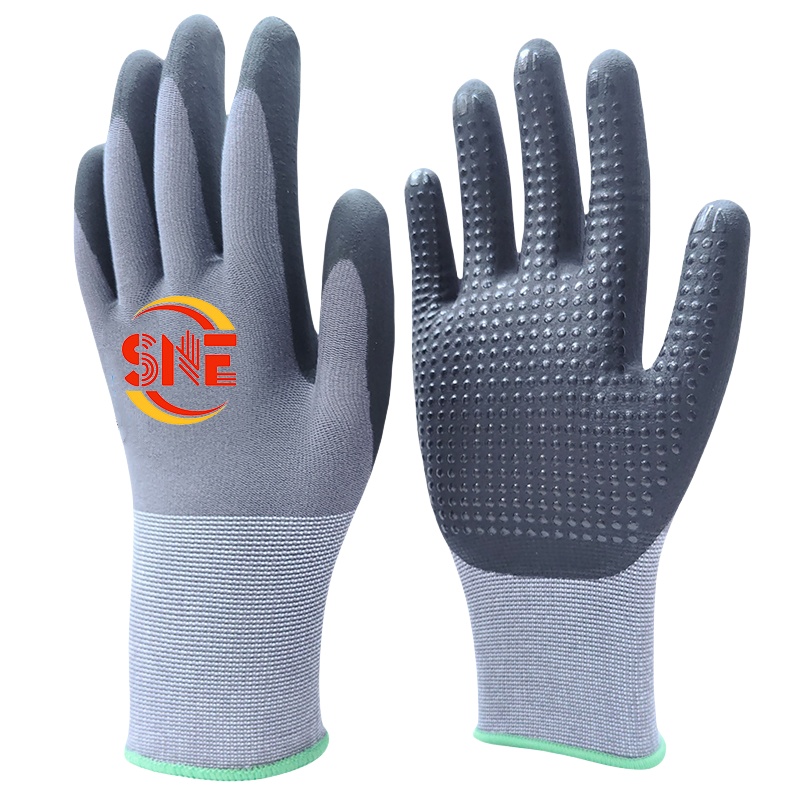
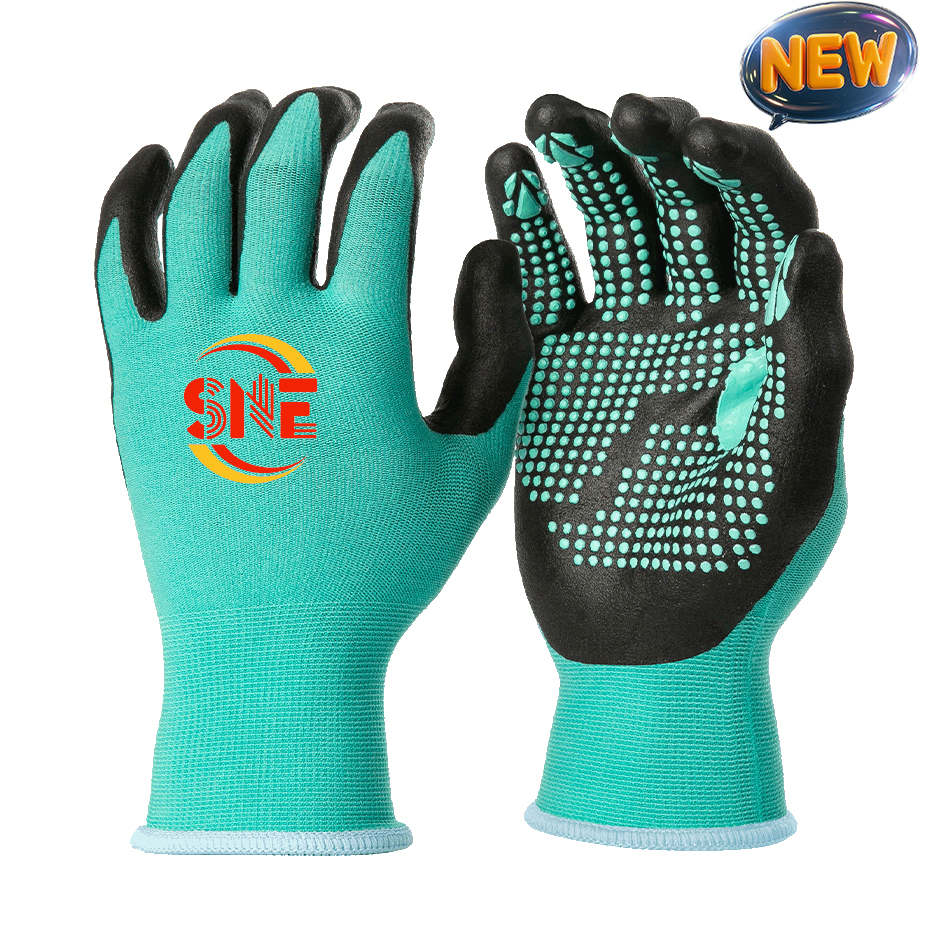
| Lightweight cut knit glove | HPPE or engineered yarn with PU or foam nitrile coating | Assembly, warehouse picking, light metal handling | Good dexterity and comfort | Limited puncture resistance |
| Medium-duty cut glove | ANSI A3-A5 shell with nitrile palm | General manufacturing, appliance work, packaging | Balanced grip and cut protection | Not ideal for heavy sharp-point exposure |
| Heavy-duty cut glove | High-cut shell with reinforced palm | Metal stamping, glass, steel service centers | Higher cut resistance for severe hazards | Can reduce tactility |
| Puncture-focused leather glove | Split or grain leather with padding or layered palm | Construction, rigging, landscaping, fencing | Strong resistance to rough and pointed objects | Less precise finger control |
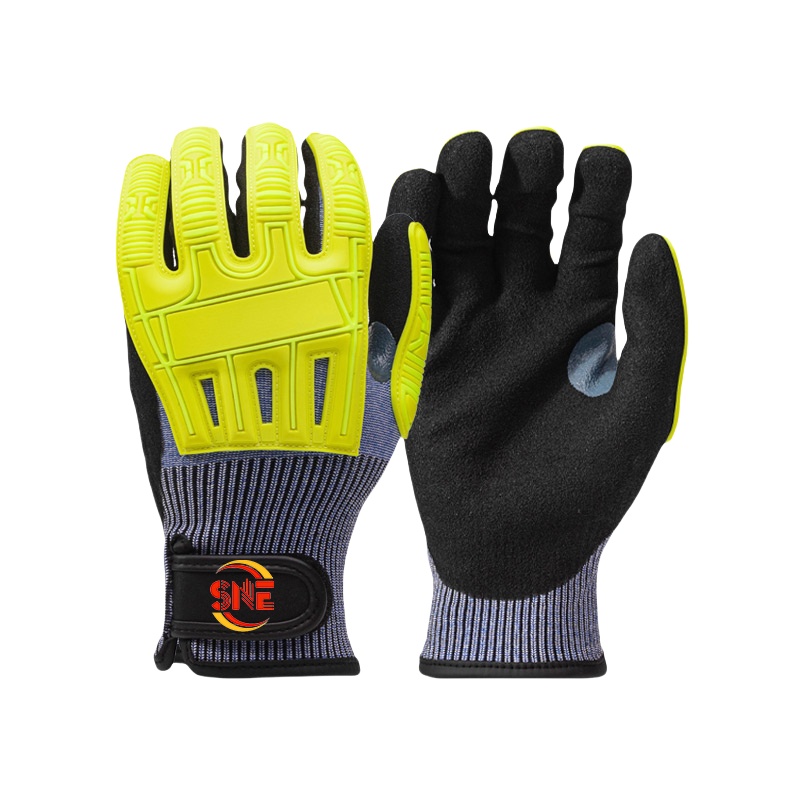
| Coated multi-hazard glove | Cut shell with nitrile or latex plus reinforced zones | Recycling, maintenance, logistics, scrap handling | Addresses both cut and puncture risks | Must verify actual test data carefully |
| Needle-resistant specialty glove | Multi-layer insert system with targeted panel protection | Waste inspection, security, selective sanitation tasks | Protection against sharps in high-risk tasks | Often bulkier and application-specific |
This table shows why there is no universal glove for every American workplace. The ideal glove for a distribution center outside Memphis is usually different from the glove chosen by a steel fabricator in Pittsburgh or a municipal worker in Phoenix. Safety teams should test options in actual work conditions rather than relying only on catalog descriptions.
How U.S. Buyers Should Evaluate Gloves
Start with the hazard map. Ask whether the risk comes from edge contact, point penetration, abrasion, grip failure, impact, heat, chemicals, or cold. Then identify the direction of the force. A slicing motion indicates cut risk. A concentrated tip indicates puncture risk. Jobs with both hazards should be evaluated as multi-risk tasks.
Next, request documentation. In the United States, credible glove sourcing should include ANSI/ISEA test information, relevant CE or other international performance data where applicable, and product specifications covering shell gauge, coating, cuff style, sizes, and recommended applications. For private label importers, consistency across production lots matters as much as the first sample.
Comfort is equally important. Many injury-prevention programs fail because workers remove gloves that are too stiff, hot, or slippery. For this reason, glove buyers should include wear trials across multiple shifts and ask workers for direct feedback on grip, touch sensitivity, and hand fatigue.
Buying Checklist for Distributors and End Users
| Evaluation Point | What to Ask | Why It Matters | Typical U.S. Buyer |
|---|---|---|---|
| Hazard profile | Is the primary threat cut, puncture, or both? | Prevents selecting the wrong glove category | Safety managers and plant engineers |
| Test data | What ANSI cut level and puncture evidence are available? | Converts marketing claims into usable specs | Procurement and compliance teams |
| Grip environment | Will the glove be used dry, wet, oily, or dusty? | Coating choice changes real-world performance | Maintenance and warehouse teams |
| Dexterity need | Does the task require fine handling or heavy lifting? | Higher protection can reduce precision | Assembly supervisors |
| Order model | Do you need stock supply, OEM, or branded customization? | Supports long-term sourcing efficiency | Distributors and brand owners |
| Lead time and backup | Can the supplier sustain repeat deliveries? | Reduces disruptions during demand spikes | Large industrial accounts |
| After-sales support | Is there sizing help, claim handling, and technical follow-up? | Improves worker adoption and accountability | National and regional buyers |
The checklist helps both large and mid-sized U.S. buyers avoid a common mistake: comparing glove prices without comparing the actual cost of failed hand protection. Reliable documentation, replacement consistency, and field support usually matter more than the lowest quoted unit price.
Industries That Need Cut Protection Most
Metal fabrication remains one of the clearest examples. Workers handle laser-cut parts, sheet edges, tubing, racks, and unfinished assemblies. Automotive operations also create edge hazards in stamping, trim work, engine assembly, and service bays. Glass and window manufacturing, appliance production, HVAC, and white goods assembly also depend heavily on cut protection. In these settings, U.S. buyers often prefer knit coated gloves because they provide better dexterity, grip, and worker acceptance than bulky alternatives.
Industries That Need Puncture Protection Most
Construction crews handling rebar, nails, framing materials, wire, roofing debris, and demolition waste often need puncture-focused protection. Agriculture and landscaping workers face thorns, branches, staples, and fencing wire. Waste and recycling are especially demanding because the hazard profile is unpredictable. Logistics and warehouse operations may also need puncture resistance when dealing with broken pallets, exposed staples, damaged packaging, and mixed freight.
Applications Where Combined Protection Wins
Some workplaces should not separate cut and puncture decisions. Scrap handling, recycling, maintenance shutdowns, utility field work, oilfield service, and parts warehouses often expose workers to both hazards at once. In these jobs, the best glove usually balances engineered cut yarns with tougher coatings or reinforced surfaces. Buyers should verify that increased protection does not create unacceptable heat build-up or hand fatigue.
The area chart reflects the shift toward multi-hazard glove selection in the United States. Buyers increasingly want one glove platform that improves compliance, reduces SKU complexity, and covers mixed risks. This trend is especially visible in distribution networks serving national accounts with varied job tasks across multiple states.
Local and Regional Suppliers Serving the United States
| Company | Service Region | Core Strengths | Key Offerings | Best Fit |
|---|---|---|---|---|
| W.W. Grainger | Nationwide United States | Broad industrial distribution, fast fulfillment, strong MRO reach | Cut-resistant, puncture-resistant, disposable and task-specific gloves | Large multi-site employers needing availability |
| Fastenal | Nationwide with local branches | Branch network, vending integration, contractor supply support | Industrial gloves, site supply, inventory programs | Construction and manufacturing accounts |
| Magid Glove & Safety | Strong presence across Midwest and national accounts | Safety specialization, private label depth, training support | Cut gloves, puncture gloves, sleeves, task-specific protection | Safety-focused distributors and plants |
| MCR Safety | United States with broad distributor coverage | Industrial PPE brand recognition, large catalog, sector targeting | Nitrile, leather, cut resistant, impact and chemical gloves | General industry and oilfield users |
| HexArmor | United States and North America | High-performance engineered protection, specialty hazard solutions | Cut, puncture, impact and needle-resistant glove systems | High-risk and specialized applications |
| Superior Glove | North America with strong U.S. market reach | Wide technical range, innovation in knit and specialty gloves | Cut-resistant, puncture-resistant, cold and chemical gloves | Buyers wanting broad application coverage |
| Protective Industrial Products (PIP) | Nationwide through distributors | Strong channel network, broad PPE assortment | G-Tek and industrial hand protection lines | Distributors serving mixed sectors |
This supplier overview is useful for U.S. buyers because service reach matters as much as product range. National contractors may prioritize branch access and repeat availability, while regional distributors may focus more on margin, private label flexibility, and technical support from the manufacturer.
Supplier Comparison by Buyer Need
The comparison chart highlights what many U.S. buyers weigh when choosing a supplier or manufacturer. Catalog breadth and local delivery remain critical, but customization and technical support are becoming more important as companies reduce SKU overlap and seek hazard-specific glove programs.
Case Studies from Real-World U.S. Buying Scenarios
A Midwest metal parts manufacturer originally purchased a general cut glove for workers handling stamped steel components. Injury reviews showed that lacerations fell, but puncture incidents from burrs and wire ties remained. After switching to a multi-hazard glove with stronger palm reinforcement and verified cut performance, the plant reduced glove replacement frequency and improved worker acceptance because the new glove also offered better oily grip.
A Texas construction distributor serving contractors around Houston and San Antonio found that crews often requested “tougher gloves” without clearly defining the hazard. On-site reviews showed the biggest issue was puncture from nails, wire, and splintered wood, not blade contact. By shifting the core inventory to puncture-focused leather and reinforced synthetic styles while keeping cut-knit options for sheet handling crews, the distributor reduced returns and improved repeat ordering.
A Northeast recycling operator processing mixed waste near the Port of Newark needed better hand protection because workers encountered both sharp metal edges and hidden pointed objects. The company moved from low-cost general-purpose gloves to a layered program with task-specific gloves for sorting, loader maintenance, and outbound bale handling. The result was better compliance, fewer glove failures, and clearer purchasing rules across shifts.
Our Company in the United States Market
For U.S. buyers that want factory-direct sourcing, Snell Safety offers a practical combination of technical manufacturing strength and flexible cooperation models. The company operates two production facilities with six dedicated lines and daily capacity of about 150,000 pairs, supporting stable volume supply for distributors, wholesalers, importers, regional dealers, brand owners, and industrial end users. Its hand protection range covers cut-resistant, impact-resistant, oil-resistant, cold-protection, construction, gardening, leather, and general industrial gloves using PU, latex, and nitrile coating technologies, while ISO 9001 and CE-backed production control provide documented quality management for buyers who need consistent testing and repeatability across bulk orders. In the U.S. market, that matters because customers expect dependable specifications, not just competitive pricing. Snell works through OEM and ODM programs, private label development, customized materials, sizes, coatings, and branding, so local partners can build differentiated glove lines for warehouses, factories, construction supply, and maintenance channels. Through its established export experience across North America and other regulated markets, responsive online consultation, sample support, technical pre-sales guidance, and structured after-sales follow-up, the company supports buyers as an active long-term market partner rather than a transactional remote shipper. U.S. distributors and procurement teams looking for direct manufacturer engagement can learn more on the company overview page, browse industrial hand protection categories on the product catalog, or discuss project requirements through the contact page.
How Import Sourcing Compares with Domestic Distribution
Domestic distributors in the United States typically offer speed, local stocking, and consolidated purchasing across many PPE categories. This model suits maintenance buyers, contractors, and plants that need immediate fulfillment. Factory-direct sourcing, including qualified Asian manufacturers, often appeals more to importers, private label brands, and regional distributors that purchase in bulk and want stronger control over pricing, specifications, packaging, and product differentiation.
The right choice depends on order volume and business model. If a customer needs 200 pairs urgently in Denver, local distribution may be best. If a buyer wants a container program of branded ANSI cut gloves for resale through industrial channels, factory-direct sourcing can be more cost-effective and scalable. The key is to verify technical performance, communication quality, and post-sale accountability before placing larger orders.
Pricing Factors U.S. Buyers Should Watch
Glove pricing in the United States is influenced by raw materials, coating chemistry, shell gauge, test level, packaging, country of origin, import duty exposure, and freight timing through ports such as Los Angeles, Long Beach, Houston, Savannah, and New York/New Jersey. Higher cut levels generally increase yarn cost. Specialized puncture or needle resistance can also add significant manufacturing complexity. Buyers should compare not just pair price but usable life, worker compliance, replacement frequency, and injury reduction effect.
A glove that costs slightly more but lasts longer and reduces hand fatigue often delivers better total value. This is especially true in sectors with high turnover or repetitive handling work, where comfort directly affects whether gloves stay on workers’ hands throughout the shift.
Common Buying Mistakes
One common mistake is assuming a high cut level automatically means strong puncture protection. Another is buying very thick gloves for all workers, which can reduce dexterity, increase fatigue, and encourage glove removal. Some U.S. buyers also overlook cuff length, sizing range, and coating suitability for wet or oily tasks. Others request samples but fail to run structured wear trials across actual departments. Finally, many overlook supplier backup capability, which becomes a serious issue when demand spikes or a customer standardizes a glove across multiple sites.
2026 Trends for Cut and Puncture Protection
Looking toward 2026, three trends are likely to shape glove sourcing in the United States. The first is technical convergence. More gloves will be designed to combine cut, puncture, abrasion, grip, and touchscreen usability in a single platform, particularly for logistics, service, and maintenance work. The second is policy and compliance pressure. Buyers will increasingly require clearer test documentation, stronger traceability, and better alignment with formal risk assessments as OSHA expectations and customer audits continue to tighten. The third is sustainability. U.S. buyers are paying more attention to glove durability, packaging reduction, and manufacturing efficiency because waste reduction and total lifecycle cost are becoming procurement factors alongside safety.
There is also a digital shift. More distributors and manufacturers are using wear-data tracking, sample feedback loops, and account-specific glove matrices to help customers standardize hand protection across multiple facilities. For private label buyers, that means future sourcing will depend not just on unit price but on data quality, technical guidance, and supply continuity.
Frequently Asked Questions
Are cut-resistant gloves puncture resistant?
Not necessarily. A glove can resist slicing but still be vulnerable to nails, wires, thorns, or sharp points. Always verify puncture performance separately.
Which glove is better for construction in the United States?
For framing, demolition, fencing, roofing, and rough handling, puncture-resistant or multi-hazard gloves are often better. For sheet metal, ductwork, and edge-heavy tasks, cut-resistant gloves are usually more appropriate.
What ANSI level should I buy?
That depends on the task. Light handling may only need lower cut levels, while severe metal or glass work may need much higher levels. The best approach is to match the level to the documented hazard rather than always choosing the maximum.
Do warehouses need cut-resistant or puncture-resistant gloves?
Many warehouses need both, depending on the task. Order picking may need lightweight cut protection, while pallet repair, broken freight handling, or reverse logistics may require stronger puncture resistance.
Can one glove cover every task?
Usually no. Some multi-hazard gloves cover a wide range of work, but many facilities still need different gloves for assembly, maintenance, shipping, and waste handling.
Should U.S. distributors consider overseas manufacturers?
Yes, if the manufacturer provides documented quality systems, reliable production scale, responsive communication, and consistent technical data. Factory-direct programs can offer strong cost-performance for OEM, wholesale, and private label buyers.
Final Takeaway
For U.S. buyers, the difference between cut-resistant and puncture-resistant gloves is operational, not just technical. Cut resistance protects against edges. Puncture resistance protects against points. Many modern workplaces face both hazards, so the smartest choice is driven by task analysis, verified test data, and worker wear trials. Whether you buy from a national distributor, a regional PPE specialist, or a factory-direct manufacturing partner, the goal is the same: match the glove to the hazard, keep workers comfortable enough to wear it, and build a supply program that remains reliable as demand grows through 2026 and beyond.