2026-08-27
Share This Article
Cut Resistant Gloves for Recycling in the United States
Quick Answer

If you need cut resistant gloves for recycling industry operations in the United States, the most practical options usually come from established industrial safety brands with strong availability, reliable ANSI cut ratings, and coatings matched to sorting-line conditions. For U.S. buyers, HexArmor, MCR Safety, Superior Glove, PIP, SHOWA, and Magid are commonly considered because they serve recycling plants, material recovery facilities, waste handlers, and industrial distributors across major logistics hubs such as Chicago, Houston, Los Angeles, Atlanta, and Newark. For heavy glass, metal, and mixed-stream recycling, gloves in the ANSI A4 to A7 range with nitrile, sandy nitrile, or polyurethane palm coatings are typically the best fit. For lighter sorting and faster hand movement, thinner 18-gauge HPPE or engineered yarn gloves are often preferred.
Buyers should also consider qualified international manufacturers that support U.S. compliance expectations, especially factory-direct suppliers with CE and ISO 9001 systems, OEM capability, and responsive pre-sales and after-sales support. In many cases, these suppliers offer a strong cost-performance advantage for distributors, private-label programs, and high-volume recycling operations that need steady replenishment at controlled unit cost.
- HexArmor: strong reputation for high cut performance and harsh-environment hand protection
- MCR Safety: broad U.S. distribution and practical glove range for industrial waste and recycling work
- Superior Glove: wide cut-resistant portfolio with clear application matching
- PIP: extensive safety channel coverage and scalable supply for multi-site buyers
- SHOWA: durable coated gloves with good grip for wet or dirty recycling streams
United States Recycling Glove Market Overview

The U.S. recycling sector is a demanding environment for hand protection. Workers in single-stream facilities, scrap yards, plastics recovery plants, e-waste operations, paper recycling centers, and municipal material recovery facilities regularly handle sharp aluminum edges, broken glass, jagged steel, wire, contaminated packaging, and compressed bale materials. This makes hand laceration prevention one of the most important PPE priorities in the sector.
Demand for recycling safety gloves in the United States is concentrated around major industrial and population corridors. The Midwest, with strong manufacturing and logistics activity, remains a major consumption zone. The Gulf Coast and Texas benefit from petrochemical packaging recovery, metals processing, and large distribution networks. California drives large-volume municipal recycling and port-related waste handling through Los Angeles, Long Beach, and Oakland. The Northeast corridor, including New Jersey and Pennsylvania, also supports steady demand due to warehousing, transfer stations, and recycling infrastructure tied to ports and dense urban populations.
Several forces shape purchasing decisions in this market. The first is injury reduction: recycling facilities want to lower recordable hand injuries and workers’ compensation claims. The second is productivity: gloves must protect hands without reducing dexterity during picking, grabbing, sorting, or machine interaction. The third is replacement cost: high-turnover plants often consume large glove volumes, so buyers compare not only pair price but also usable service life. The fourth is compliance: U.S. safety teams increasingly specify ANSI/ISEA 105 cut levels and ask for consistent test-backed documentation from suppliers.
Procurement behavior also differs by buyer type. National recycling firms may standardize glove programs across multiple states. Independent MRFs often purchase through regional industrial distributors. Municipal contractors may buy through approved vendors. Brand owners and importers look for private-label manufacturing to secure margin and continuity of supply. That is why the supplier landscape includes both domestic brands and factory-direct overseas producers with quality certifications and scalable production.
Market Growth Trend

The U.S. market for cut resistant gloves used in recycling continues to expand as employers replace basic cotton or low-protection gloves with task-specific engineered products. Growth is tied to higher automation, stricter PPE enforcement, rising labor costs, and the need to retain trained workers in hazardous environments.
Why Recycling Operations Need Specialized Cut Resistant Gloves
Recycling is not a single hazard environment. A worker on a paper sorting line faces a different set of risks than an employee in scrap metal recovery or electronics disassembly. Yet in all cases, hands are exposed to fast, repetitive contact with irregular surfaces. Basic general-purpose gloves are rarely enough.
The most common hand hazards in recycling include sliced fingertips from can lids, punctures from wire and staples, abrasion from cardboard and plastic crates, torn palms from rough metal, and chemical contact from residues left in containers. In wet sorting or washdown areas, gloves also need dependable grip. In cold regions or winter loading yards, workers need cut protection without losing warmth and flexibility.
That is why the best cut resistant gloves for recycling combine several performance features rather than focusing only on a single ANSI cut level. Glove buyers usually balance cut resistance, puncture resistance, abrasion life, coating grip, cuff length, touch sensitivity, washability, and comfort during long shifts. The correct answer depends on the task, not just the rating on the label.
Main Product Types Used in Recycling Facilities
The product mix in recycling is broad because operations vary from light sorting to heavy industrial salvage. The table below shows the most common glove categories used by U.S. facilities and where each fits best.
| Glove Type | Typical ANSI Cut Range | Common Coating | Best Use in Recycling | Main Strength | Main Limitation |
|---|---|---|---|---|---|
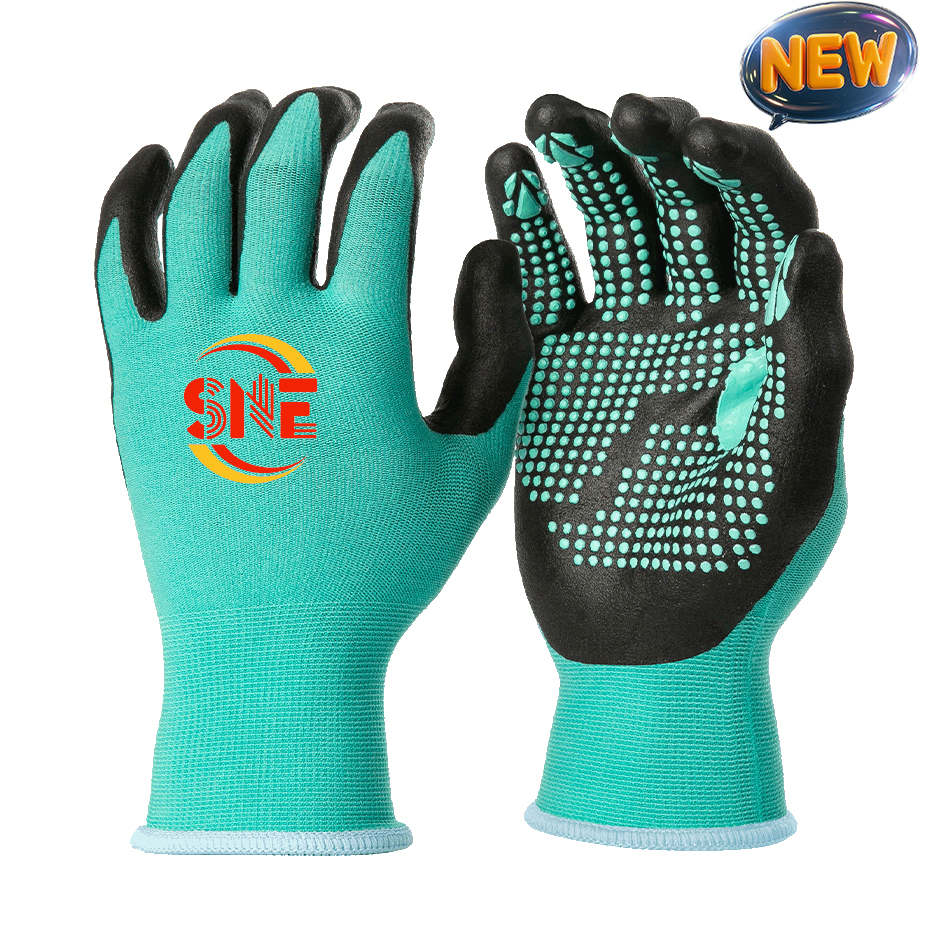
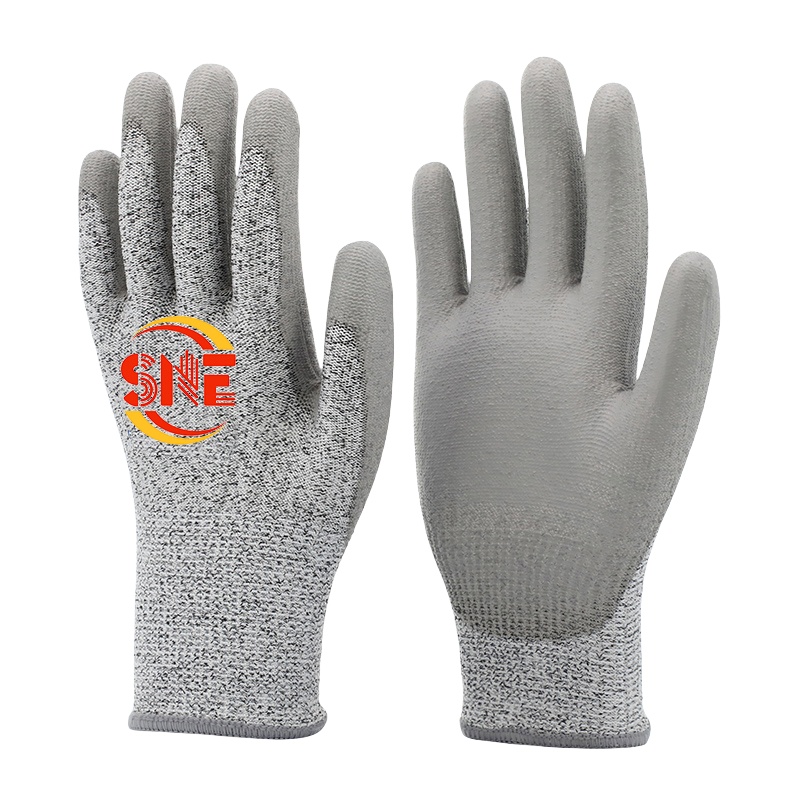
| Lightweight HPPE knit gloves | A2-A4 | PU | Paper, plastics, light sorting lines | High dexterity and low hand fatigue | Less suitable for sharp metal or glass |
| Medium cut-resistant gloves | A4-A5 | Nitrile | Mixed recyclables, warehouse handling | Balanced protection and grip | May wear faster in severe abrasion |
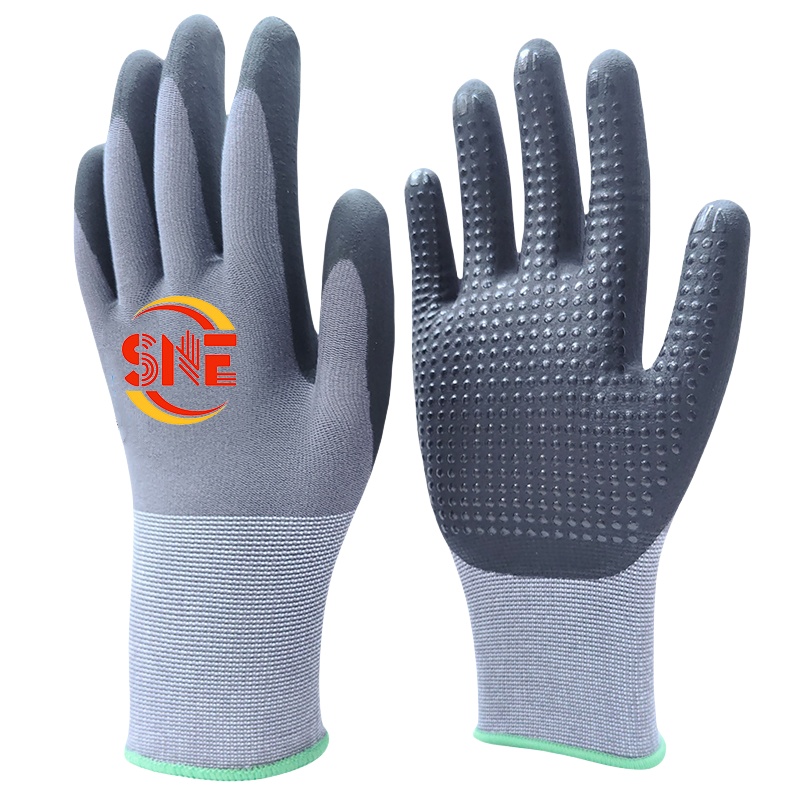
| Heavy-duty engineered yarn gloves | A5-A7 | Sandy nitrile | Glass, metal scrap, e-waste breakdown | Strong cut resistance with secure grip | Reduced fingertip sensitivity |
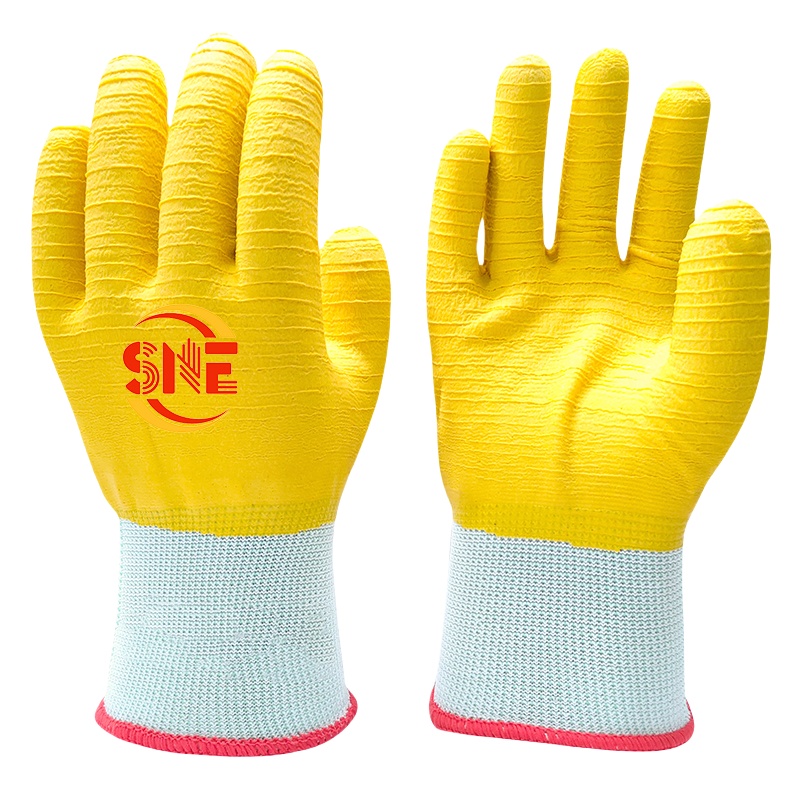
| Double-dipped industrial gloves | A4-A6 | Nitrile over full coat | Wet, oily, or dirty recycling zones | Good liquid resistance and durability | Warmer and less breathable |
| Impact and cut-resistant gloves | A5-A7 | Nitrile or TPR back | Scrap yards, bale handling, loading | Adds knuckle and back-of-hand protection | Bulkier for fast sorting tasks |
| Cut-resistant sleeves with gloves | A4-A6 | Varies | High arm exposure near conveyors | Protects wrist and forearm | Needs correct pairing and fit |
For most U.S. recycling plants, the highest-volume category is still the coated knit glove in the A4 to A6 range. It offers enough protection for mixed-material handling while keeping workers comfortable enough to wear the glove consistently through full shifts. Facilities that move broken glass or sharp ferrous scrap often increase protection to A6 or A7 and may add sleeves or impact features.
Industry Demand Comparison
Not every recycling segment consumes the same type or volume of cut-resistant gloves. Scrap metal and e-waste operations tend to demand higher cut levels, while paper and plastics lines focus more on dexterity, abrasion life, and value per shift.
How to Match Gloves to Recycling Tasks
A sorting-line employee pulling film, paper, and containers from a moving belt usually needs a lighter glove than a maintenance technician clearing jams or replacing worn machine parts. A forklift driver handling bales may need grip and abrasion resistance more than maximum cut rating. A technician opening e-waste units may need a closer fit for screw handling and disassembly. Matching glove type to task is the fastest way to improve both safety and actual use compliance.
In practice, safety managers often standardize two or three glove tiers rather than one universal model. For example, they may issue a lightweight A3 or A4 glove for sorters, an A5 nitrile-coated glove for general operations, and a heavier A6 or A7 option for maintenance, glass recovery, or scrap handling. This approach usually gives better results than forcing all workers into the same glove.
Buying Criteria for U.S. Buyers
When selecting suppliers and products for the United States, buyers should review five core factors: certification, application fit, delivery reliability, customization options, and total cost per usable day. Price alone is rarely the right benchmark. A glove that costs more but lasts longer and reduces injuries may create a better total return.
| Buying Factor | What to Check | Why It Matters in Recycling | Preferred Evidence | Risk if Ignored | Buyer Type Most Concerned |
|---|---|---|---|---|---|
| Cut performance | ANSI/ISEA 105 rating and test consistency | Prevents mismatch between hazard and glove | Lab report, product spec sheet | Injury exposure and failed audits | Safety managers |
| Grip coating | PU, nitrile, sandy nitrile, double dip | Determines handling control in dry or wet conditions | Wear trial and site sample test | Dropping materials and faster wear | Plant operations |
| Comfort and fit | Gauge, liner softness, cuff design, size range | Improves worker acceptance and reduces fatigue | Wearer feedback by shift | Low compliance and glove removal | HR and supervisors |
| Supply continuity | Inventory, lead time, backup production | Recycling plants cannot stop for PPE shortages | Stock plan, contract, reorder policy | Expensive emergency sourcing | Procurement teams |
| Customization | Private label, color coding, packaging | Useful for multi-site programs and distributors | OEM/ODM support and sample approval | Weak brand control or confusion onsite | Distributors and brand owners |
| Total ownership cost | Price, life cycle, replacement rate | Controls budget over large worker populations | Cost-per-shift comparison | False savings from cheap short-life gloves | Finance and purchasing |
The most reliable way to choose is to run a structured wear trial for at least two weeks, compare glove life by task, and track worker feedback on comfort, heat, grip, and fingertip precision. Plants that rely only on catalog data often miss real-world performance differences.
Supplier Landscape in the United States
The U.S. market includes national safety brands, industrial distributors, regional PPE specialists, and overseas factory-direct producers. Domestic brands usually win on stocking proximity and site support, while overseas manufacturers can offer stronger private-label pricing, flexible specifications, and high-volume production. The best choice depends on whether the buyer is an end user, distributor, e-commerce seller, or brand owner.
| Company | Service Region | Core Strengths | Key Offerings for Recycling | Best Fit Buyer | Notes |
|---|---|---|---|---|---|
| HexArmor | United States nationwide | High cut and specialty protection engineering | Advanced cut-resistant gloves for harsh handling environments | Large industrial users | Often selected for demanding injury-reduction programs |
| MCR Safety | United States nationwide | Broad industrial glove portfolio and distribution reach | Cut-resistant coated gloves and heavy-duty task options | Plants and distributors | Good coverage for repeat procurement |
| Superior Glove | U.S. and Canada | Deep product segmentation by application | Dexterous to heavy-cut gloves, sleeves, specialty lines | Safety-led buyers | Useful when task mapping is detailed |
| PIP | United States nationwide | Large safety channel and scalable product access | General industrial and cut-resistant glove programs | Multi-site companies | Strong distributor access |
| SHOWA | North America | Coating technology and wet-grip performance | Nitrile-coated gloves suited to dirty and wet conditions | MRFs and washdown operations | Frequently considered for grip-sensitive tasks |
| Magid | United States nationwide | Industrial PPE breadth and private-label capability | Cut-resistant gloves, site programs, managed supply | Industrial buyers and resellers | Good option for procurement consolidation |
These companies are practical starting points because they have proven visibility in the U.S. industrial hand protection market. However, there is no universal winner. Buyers should compare not only product ratings but also response times, trial support, customization depth, and whether the supplier can handle replenishment at the frequency required by high-consumption recycling sites.
Detailed Supplier Analysis
HexArmor is often selected where injury reduction is the overriding goal and the hazard profile includes sharp edges, metal exposure, or severe handling conditions. MCR Safety is popular with facilities that want broad availability through distribution and practical glove choices without overcomplication. Superior Glove is strong where buyers want more precise matching between tasks and glove construction. PIP often works well for larger account structures and integrated safety procurement. SHOWA is compelling when grip reliability in damp, oily, or dirty conditions matters. Magid is often attractive for broad PPE sourcing and account support.
Beyond these major names, regional distributors in markets such as Dallas-Fort Worth, Chicago, Southern California, New Jersey, and Atlanta frequently shape the actual buying decision because they provide sample packs, local inventory, and wearer trials. For many MRFs and scrap processors, that local support is as important as the brand itself.
Trend Shift in Product Preferences
Over the last several years, U.S. recycling buyers have moved away from bulky general-purpose gloves toward lighter engineered yarn constructions that still deliver higher cut ratings. The trend reflects the reality that worker acceptance improves when protection does not feel overly stiff.
Applications by Recycling Segment
Different recycling streams demand different glove construction choices. In single-stream municipal recycling, workers face mixed contact with cans, glass, plastics, and cardboard. Here, A4 to A5 nitrile-coated gloves are commonly the best baseline. In scrap metal yards, especially where sheet edges, wiring, and jagged ferrous components are common, stronger A5 to A7 gloves with heavier coatings and sometimes impact protection are more appropriate.
Glass recycling is one of the clearest use cases for higher cut performance. Workers handling cullet, broken container fragments, and sharp shards often need gloves that combine substantial cut resistance with secure dry and wet grip. E-waste recycling adds another layer because technicians may need fine dexterity to open housings, sort boards, remove batteries, or manage cable assemblies. In these settings, thinner gloves with engineered high-performance fibers can outperform thicker gloves because better control reduces accidental slips and secondary injuries.
Paper and corrugated recycling is less severe from a cut standpoint but still creates repeated abrasion, paper cuts, and hand fatigue. Lightweight PU-coated gloves often make sense there. Bale handling, loading, and maintenance work often require separate glove assignments due to heat, pinch points, or exposure to sharp compacted material.
Use Cases from U.S. Operations
A Midwestern material recovery facility sorting mixed residential recyclables typically starts with a general issue A3 glove. After repeated lacerations from crushed cans and hidden broken glass, management may move to an A5 sandy nitrile glove. The direct result is often fewer hand injuries but only if the glove remains breathable enough for workers to keep wearing it through full shifts.
On the Gulf Coast, a plastics reprocessor handling rigid containers, contaminated loads, and wet bins may choose double-dipped nitrile gloves instead. Here, the priority is not only cut resistance but grip in slick conditions. In California e-waste refurbishment and teardown, some companies shift to fine-gauge cut-resistant gloves to protect workers while preserving tactile control around tools and components. In New Jersey or Pennsylvania scrap operations, impact-and-cut gloves are often introduced for dock, yard, and loading jobs where crush exposure and contact with irregular metal are routine.
Case Studies
Real-world glove selection usually improves when buyers analyze injury type, material handled, glove consumption, and worker acceptance together rather than looking only at purchase price.
| Location | Operation Type | Problem | Glove Change | Outcome | Key Lesson |
|---|---|---|---|---|---|
| Chicago, Illinois | Single-stream MRF | Frequent hand cuts from mixed containers | Moved from basic knit gloves to A5 nitrile-coated gloves | Lower laceration incidents and better belt-line compliance | Mixed waste needs higher baseline cut protection |
| Houston, Texas | Plastic recovery plant | Poor grip in wet and residue-heavy conditions | Shifted to double-dipped nitrile cut-resistant gloves | Reduced dropped loads and improved glove life | Grip type matters as much as cut rating |
| Los Angeles, California | E-waste disassembly | Bulky gloves slowed screw and cable handling | Adopted thin-gauge cut-resistant gloves with PU palm | Better dexterity with maintained hand protection | Precision tasks need lighter construction |
| Newark, New Jersey | Port-adjacent scrap yard | Back-of-hand injuries and metal edge contact | Added impact plus A6 cut gloves for yard crew | Fewer hand trauma reports | Task-specific upgrades outperform one-glove policies |
| Atlanta, Georgia | Paper and cardboard recycling | High glove replacement rate from abrasion | Switched to more abrasion-resistant coated liner | Improved cost per shift | Wear life drives long-term cost savings |
| Seattle, Washington | Glass handling line | Need for better shard protection at sorting stations | Raised standard to A6 gloves with extended cuffs | Fewer wrist and palm injuries | Cuff coverage matters near broken glass |
These examples show that there is no single best glove for every recycling facility. A glove program works best when the buyer classifies tasks, tests alternatives with actual workers, and then standardizes by zone or job role.
Supplier and Product Comparison
The chart below compares common decision factors used by recycling buyers when scoring supplier or product options. The numbers are illustrative but aligned with typical U.S. purchasing logic for recycling PPE programs.
Local Supplier Access and Regional Buying Patterns
In the United States, local service still matters. Facilities in the Northeast often prefer suppliers with fast truck delivery from New Jersey or Pennsylvania stocking points. Midwest buyers may rely on Chicago, Indianapolis, or Ohio distribution lanes. Southern buyers frequently source through Texas, Georgia, or Tennessee channels. On the West Coast, Los Angeles and Inland Empire logistics networks support rapid replenishment for California and neighboring states.
These regional logistics patterns influence how glove programs are managed. Facilities with unpredictable demand spikes often value domestic stockholding more than lowest initial price. On the other hand, stable, forecast-driven buyers can often save significantly by combining domestic safety support with factory-direct production for planned replenishment. That hybrid strategy is increasingly common among larger recycling companies and national distributors.
Our Company
For buyers seeking a factory-direct option, Snell Safety is relevant to the U.S. recycling glove market because it combines certified manufacturing, scalable production, and flexible commercial models in a way that fits both end users and channel partners. The company operates two manufacturing facilities with six dedicated production lines and a daily output of 150,000 pairs, supporting steady bulk supply for high-consumption accounts. Its cut-resistant, impact-resistant, PU-coated, latex-coated, and nitrile-coated glove lines are produced under ISO 9001 quality management and CE-marked production standards, giving procurement teams documented evidence of controlled manufacturing and testing rather than unsupported claims. For U.S. customers, this matters when comparing factory-direct supply to anonymous offshore sourcing. The company supports OEM and ODM programs, private label development, wholesale orders, custom materials, coating choices, sizes, branding, and export logistics, making it suitable for recycling plants, distributors, dealers, brand owners, and regional resellers that want differentiated products rather than generic catalog stock. Through its established export business across North America and other regulated markets, multilingual commercial support, sample service, technical consultation, and structured pre-sale and after-sale communication, it serves U.S. buyers as a long-term operating partner instead of a distant transaction-only exporter. Buyers wanting to discuss project requirements can review the company background at the company page, browse available glove categories in the product catalog, or contact the team through the contact page for sampling, OEM discussions, and replenishment planning.
How to Evaluate a Factory-Direct Supplier
When working with a direct manufacturer, U.S. buyers should request more than a price list. The right questions include: What cut levels are available in the exact liner and coating combination needed for recycling? What are the production lead times by order volume? Can the supplier support branded packaging, barcode labeling, carton marks, and color differentiation by job function? How is quality consistency maintained across batches? What is the sample-to-mass-production approval process? Can the manufacturer provide sleeve options or matching lines for specific sites?
These questions are especially important for distributors and private-label brands. In many cases, a direct factory relationship allows better margin, specification control, and supply continuity than relying only on open-market branded stock. However, the buyer must verify systems, documentation, communication quality, and responsiveness before scaling orders.
Buying Advice for End Users and Distributors
End users should begin with a hazard map by workstation. Record where cuts happen, what materials are involved, and whether the injuries occur on palms, fingers, knuckles, or wrists. Then test at least three glove types. Ask workers to rate heat buildup, finger flexibility, grip, and durability. Compare injury reduction and replacement frequency. This creates a defensible basis for purchasing decisions.
Distributors and dealers should focus on stocking logic and application segmentation. A winning recycling glove portfolio usually includes a lightweight sorter glove, a general mixed-stream glove, a heavy-duty scrap or glass glove, and optional sleeves. Private-label opportunities are especially strong where customers want color coding, account-specific packaging, or a value alternative to premium domestic brands.
Brand owners entering the U.S. market should prioritize reliable manufacturing data, clear ANSI communication, and realistic claims. Recycling buyers do not respond well to vague promises. They want a straightforward answer to whether a glove will lower injuries, last longer, and arrive on time.
2026 Trends in Recycling Hand Protection
By 2026, three major trends will shape cut-resistant gloves for recycling in the United States. The first is technology: engineered yarn blends will keep getting lighter while maintaining or improving ANSI cut performance. This means more gloves in 18-gauge and other fine-gauge constructions that reduce fatigue without sacrificing protection. Coating technology will also continue improving, especially for wet grip and abrasion life.
The second trend is policy and compliance. Recycling employers face growing pressure to document PPE selection and justify why the issued glove matches the hazard. Safety audits are becoming more evidence-based, especially at larger corporate operators and municipal contractors. Clear labeling, test documentation, and written task-based PPE selection will matter more, not less.
The third trend is sustainability. Buyers increasingly ask whether gloves can be supplied in reduced-plastic packaging, whether production quality improves glove life and reduces waste, and whether sourcing partners can support more predictable replenishment rather than emergency overordering. Sustainability in this category is not just about green messaging; it is about extending usable life, reducing unnecessary replacements, and tightening supply planning across the network.
Frequently Asked Questions
What ANSI cut level is best for recycling work?
For many recycling jobs in the United States, ANSI A4 to A5 is the most practical range because it balances protection and dexterity. Heavy glass, sharp metal, and some e-waste or maintenance tasks may require A6 or A7.
Is nitrile or PU better for recycling gloves?
It depends on the task. PU is usually better for light handling and dexterity. Nitrile, especially sandy or double-dipped nitrile, is usually better for grip, abrasion, and harsher mixed-material conditions.
Do recycling plants need different gloves for different job roles?
Yes. Sorters, maintenance teams, forklift operators, glass handlers, and scrap workers often need different gloves. A multi-tier glove program usually performs better than a single universal model.
Are imported gloves suitable for U.S. recycling operations?
Yes, if the supplier provides credible quality systems, testing data, consistent production, and responsive support. Many U.S. buyers combine domestic distribution support with international factory-direct sourcing to improve cost control.
What is the most common buying mistake?
The most common mistake is choosing only by pair price. A cheaper glove that wears out quickly, slips in wet conditions, or causes workers to remove it can cost more in injuries and replacement volume.
How often should glove trials be run?
Whenever the waste stream changes materially, injury patterns rise, or procurement wants to reduce cost. A structured trial every 12 to 24 months is also useful to benchmark newer products against current issues.
Final Takeaway
The best cut resistant gloves for recycling industry operations in the United States are not simply the gloves with the highest cut score. The right choice is the glove that matches the actual material stream, worker motion, and site conditions while staying comfortable enough for full-shift use. For many U.S. facilities, that means A4 to A6 coated cut-resistant gloves from proven suppliers with dependable delivery, trial support, and clear technical data. Domestic brands remain a strong option for stocked availability and local channel support, while factory-direct manufacturers can deliver significant value for private-label, wholesale, and high-volume programs when backed by documented quality systems and responsive service. Buyers that combine task mapping, wear trials, and supplier comparison usually make the strongest long-term decision.