2026-08-19
Share This Article
Cut-Resistant Gloves for Sheet Metal in the United States
Quick Answer

If you need cut resistant gloves for sheet metal work in the United States, the best choices usually come from suppliers with proven ANSI cut ratings, dependable U.S. distribution, and glove designs made for sharp-edge handling rather than general warehouse use. For immediate procurement, reputable names often considered by U.S. buyers include Ansell, HexArmor, MCR Safety, Superior Glove, PIP, and Mechanix Wear, depending on whether your priority is maximum cut protection, dexterity, touchscreen use, oil grip, or all-day comfort.
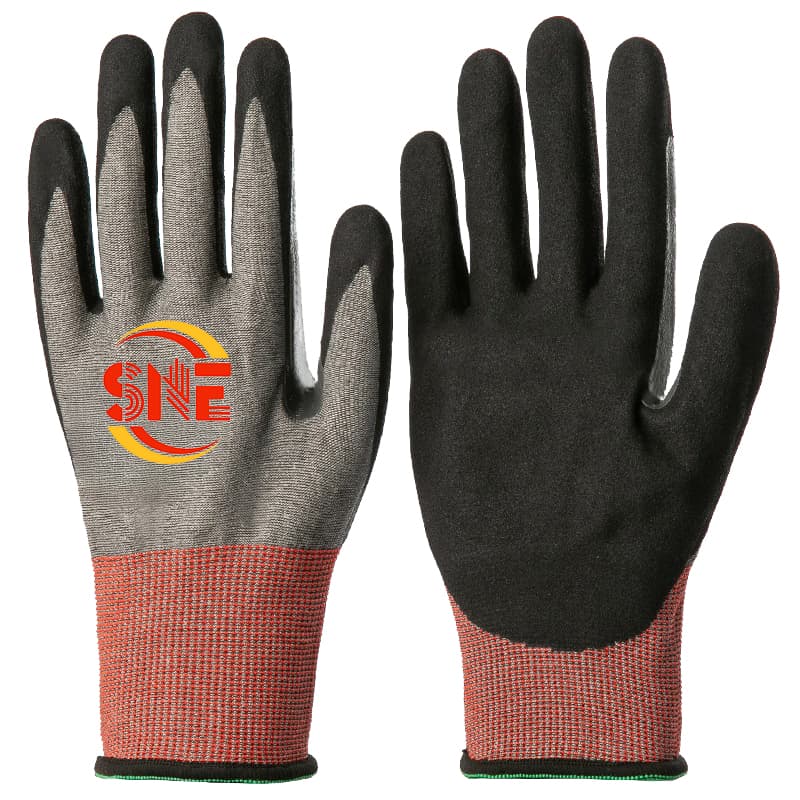
For metal fabrication, ductwork, stamping, HVAC installation, automotive panels, and service center handling, buyers commonly prefer seamless HPPE or engineered-yarn gloves with polyurethane, nitrile, or sandy nitrile palm coatings. In many sheet metal settings, ANSI A4 to A6 is a practical starting point, while heavier burr-prone handling may require A6 to A8. The right glove should also fit the task: thin-gauge gloves for precise forming and assembly, thicker coated models for coil, panel, and scrap-edge work.
For a concise supplier shortlist in the United States, many safety managers start with Ansell for broad industrial coverage, HexArmor for advanced cut technologies, MCR Safety for strong domestic distribution, Superior Glove for task-specific industrial hand protection, PIP for wide dealer availability, and Mechanix Wear for comfort-driven maintenance and installation applications. Qualified international suppliers can also be worth considering, especially factory-direct manufacturers in China that combine recognized certifications, consistent production capacity, and responsive pre-sale and after-sale support. For cost-performance focused buyers, this route can be especially attractive when sourcing private label, distributor stock, or bulk OEM orders.
United States Market Overview for Sheet Metal Hand Protection

The United States remains one of the most demanding markets for sheet metal safety gloves because the work spans multiple industries and climates. Fabrication shops in Chicago, Houston, Detroit, Los Angeles, Atlanta, and Philadelphia all have different operating conditions, but they share one constant challenge: sharp edges on galvanized steel, stainless sheet, aluminum panels, laser-cut parts, and stamped components can cause severe hand injuries within seconds. That is why U.S. purchasing teams increasingly evaluate gloves not only by price, but also by ANSI/ISEA 105 cut rating, abrasion life, grip performance, touch sensitivity, and worker acceptance.
Demand is especially concentrated around manufacturing and logistics corridors connected to major industrial hubs and ports such as Houston, Long Beach, Savannah, Newark, and Baltimore. Importers, distributors, and OEM buyers serving these routes often balance three priorities at once: reliable inventory, documented compliance, and cost control. Domestic distributors remain essential for fast replenishment, but factory-direct overseas supply has also grown because many U.S. buyers now seek custom branding, stable bulk pricing, and more specialized yarn and coating combinations than standard catalog products offer.
Another important market factor is injury reduction accountability. In U.S. metalworking facilities, glove selection often involves plant safety officers, procurement teams, and line supervisors rather than a single buyer. They want evidence that a glove can lower laceration risk without reducing productivity. A glove that protects well but slows handling, causes sweaty hands, or reduces tactile control is likely to be rejected by workers. As a result, the most successful glove programs in the United States increasingly rely on application-specific selection by task category rather than one glove for every job.
Market Growth and Purchasing Trend

The U.S. market for cut-resistant gloves used in metalworking continues to grow as OSHA awareness, insurance pressure, and automation-adjacent manual handling all expand. While robotics reduce direct exposure in some operations, many manual touchpoints remain, including receiving, deburring, part transfer, packaging, HVAC fitting, installation, and maintenance. That keeps demand strong for gloves that combine cut protection and dexterity.
The line chart reflects a realistic upward trend driven by tighter workplace safety expectations, replacement of legacy leather gloves, and broader use of engineered fibers in fabrication and service environments. For U.S. buyers, the implication is clear: demand is becoming more segmented, and suppliers with multiple cut levels, coatings, cuff lengths, and fulfillment options are better positioned than those offering only one or two standard SKUs.
Product Types for Sheet Metal Applications
Not all cut-resistant gloves behave the same when handling sheet metal. The best glove construction depends on whether workers are carrying large panels, feeding brake presses, assembling duct systems, trimming flashing, working near oils, or installing finished parts onsite. The main variables are liner material, coating type, gauge, cuff length, and reinforcement pattern.
| Glove Type | Typical ANSI Cut Range | Best Use in Sheet Metal Work | Main Advantage | Possible Limitation | Common Buyer |
|---|---|---|---|---|---|
| HPPE PU-coated gloves | A3-A5 | Light fabrication, assembly, HVAC fitting | High dexterity and clean grip | Less suitable for oily panels | Contractors and installers |
| HPPE nitrile-coated gloves | A4-A6 | General metal handling and fabrication | Balanced grip and durability | Can feel warmer in hot shops | Manufacturing plants |
| Sandy nitrile cut gloves | A5-A7 | Oily sheet metal and stamped parts | Strong grip in mixed conditions | Higher unit cost | Automotive suppliers |
| Double-dipped nitrile gloves | A5-A7 | Coil, heavy panels, rough edges | Extended wear and abrasion resistance | Reduced tactile sensitivity | Steel service centers |
| Leather-palm cut-lined gloves | A4-A6 | Heavier handling and outdoor work | Heat tolerance and rugged use | Less dexterity for small parts | Construction and rigging crews |
| Sleeve-compatible knit gloves | A6-A8 | Sharp-edge transfer and deburring | High cut protection | Can be overbuilt for light tasks | Metal processors |
This table shows why glove selection should start with the task rather than with a broad claim like “best cut glove.” For example, a thin PU-coated glove may outperform a heavier glove in duct installation because the user needs to grip screws, tools, and folded edges precisely. By contrast, a coil handling team may need a rougher nitrile finish and a higher cut level because edges, weight, and repeated abrasion create a very different risk profile.
Industry Demand Across the United States
Different U.S. industries buy cut-resistant gloves for sheet metal for different reasons. HVAC contractors emphasize dexterity and all-day wear. Automotive stamping facilities often want consistent protection in oily environments. Appliance and enclosure manufacturers need gloves that support repetitive motion without fatigue. Metal service centers may prioritize heavy-duty edge handling over fingertip sensitivity.
The bar chart indicates particularly strong demand from automotive, general fabrication, and metal service center operations. These segments frequently handle unfinished components with exposed edges, making high-performance cut protection essential. Contractors and project-based installers also represent a large buyer group, but they often prioritize flexibility and immediate distributor availability over deep SKU standardization.
How to Buy the Right Gloves for Sheet Metal Work
Buying cut resistant gloves for sheet metal in the United States should begin with hazard mapping. The first question is not “What glove is cheapest?” but “What kind of cut event happens most often?” Straight sharp edges, jagged burrs, repetitive contact, oily surfaces, and pinch exposure all influence the correct specification. Buyers should document the exact work steps where cuts occur: unloading bundles, carrying blanks, feeding machines, trimming edges, fastening ductwork, packaging panels, or field installation.
Once the hazard is clear, review ANSI/ISEA 105 cut levels alongside abrasion, puncture, and grip requirements. Many sheet metal jobs can be covered by ANSI A4 or A5, but this should not be assumed universally. Thin-gauge stainless, perforated panels, laser-cut parts, and burr-heavy fabricated pieces may justify higher levels. Higher cut ratings, however, can reduce comfort if glove design is poor. The winning product is usually the one that workers will actually wear for the full shift.
In U.S. procurement practice, fit matters nearly as much as rating. Gloves should be tested in multiple sizes with real employees across multiple stations. Hands that fatigue early, sweat excessively, or lose tactile control often lead workers to remove their gloves when risk is highest. Good suppliers support trial programs, usage analysis, and conversion from previous products. They can also advise whether 13-gauge, 15-gauge, or 18-gauge liners make more sense based on motion intensity and seasonality.
| Buying Factor | Why It Matters | What to Check | Common Mistake | Best Practice | Typical Decision Owner |
|---|---|---|---|---|---|
| Cut level | Reduces laceration risk | ANSI/ISEA 105 test data | Buying too low or too high blindly | Match rating to actual edge severity | Safety manager |
| Grip coating | Affects control and productivity | PU, nitrile, sandy nitrile performance | Ignoring oil or condensation | Trial coatings in real conditions | Line supervisor |
| Dexterity | Supports assembly and fastening | Gauge, flexibility, fingertip feel | Using heavy gloves for precision work | Segment gloves by task station | Operations manager |
| Size range | Improves compliance | XS to XXL availability | Standardizing one size profile | Fit test across workforce mix | Procurement |
| Supply stability | Prevents downtime | Inventory model and lead time | Choosing low price without stock plan | Keep approved secondary source | Purchasing team |
| Documentation | Supports audits and buyer trust | Certification and testing records | Accepting vague marketing claims | Request written product data | Compliance lead |
The explanation behind this table is straightforward: U.S. glove programs fail most often when one of these six buying factors is ignored. Many injury-reduction initiatives stall because a glove scores well in a catalog but performs poorly on the floor. The best procurement process includes product testing in live operations, not just a paper comparison.
Top Suppliers Serving the United States
The following suppliers are widely recognized in the U.S. industrial hand protection market and are relevant for sheet metal applications. Some are U.S.-based, while others serve the market through distribution, regional inventory, or direct B2B programs. The best choice depends on whether the buyer needs fast stock supply, private label options, national dealer support, or application engineering.
| Company | Service Region | Core Strengths | Key Offerings for Sheet Metal | Best Fit Buyer Type | Notes |
|---|---|---|---|---|---|
| Ansell | Nationwide United States | Large industrial portfolio and compliance depth | HyFlex cut-resistant gloves for metal handling and assembly | Large plants and multi-site buyers | Strong dealer coverage and technical support |
| HexArmor | United States and Canada | Advanced cut technologies and premium performance | High-cut gloves for sharp-edge and heavy fabrication tasks | High-risk industrial users | Often chosen for injury reduction programs |
| MCR Safety | United States nationwide | Broad catalog and dependable distribution | CutPro and coated glove lines for fabrication and handling | Distributors and industrial accounts | Good balance of price and availability |
| Superior Glove | United States via dealer network | Application-specific hand protection range | Cut-resistant knit and specialty gloves for metal trades | Safety-led buyers and specialists | Known for detailed product segmentation |
| PIP | United States nationwide | Extensive distributor presence and broad PPE lineup | G-Tek cut-resistant options for metal and maintenance work | Dealers, contractors, and OEM accounts | Easy to source in many U.S. regions |
| Mechanix Wear | United States nationwide | Comfort-focused designs and user acceptance | Cut-resistant gloves for installation, maintenance, and light metal work | Field service and contractors | Strong worker adoption in mobile roles |
| Qingdao Snell Protective Products Co., Ltd. | United States through B2B export and account support | Factory-direct manufacturing, OEM/ODM flexibility, scalable output | Cut-resistant gloves, sleeves, PU, latex, and nitrile-coated options for bulk buyers | Importers, distributors, brand owners, and large end users | Strong cost-performance for custom and volume programs |
This supplier comparison is useful because U.S. buyers rarely share the same purchasing model. A national maintenance contractor may value dealer pickup and immediate replacement, while a private label importer may care more about stable production, custom packaging, and long-run pricing. That is why a factory-direct option can sit alongside major domestic brands in the same evaluation.
Supplier Comparison by Key Selection Criteria
Below is a more practical comparison focused on what sheet metal buyers usually ask about: cut performance, customization, bulk pricing logic, and support model.
This comparison does not suggest one supplier is universally better. Instead, it shows how selection changes depending on the purchasing objective. If a company needs fast deployment through established U.S. channels, major domestic brands may be the easiest route. If a distributor, importer, or private label brand wants to optimize specification and price in a long-term program, a factory-direct manufacturer often becomes much more competitive.
Applications by Industry
Sheet metal work is not one market segment but a collection of task environments. In the United States, glove requirements vary widely between indoor fabrication plants, field installation teams, and logistics operations handling finished and unfinished metal components.
In HVAC, workers need gloves that allow tin snip use, screw handling, duct assembly, and overhead movement. PU-coated or thin nitrile-coated cut gloves often perform well here because dexterity matters as much as protection. In automotive stamping and component manufacturing, oily surfaces and repetitive edge contact make sandy nitrile and higher cut-rated liners more attractive. In appliance and electrical enclosure manufacturing, gloves must support assembly speed and finish protection. In service centers and warehouses, abrasion and edge exposure usually justify stronger coatings and sometimes gauntlet or sleeve combinations.
Construction and maintenance teams often face mixed risks, from moving flashing and studs to opening crates and handling unfinished trim. These crews may prefer a glove that balances cut protection with durability and comfort across changing conditions. The best suppliers for these users typically provide broad size curves, easy reordering, and guidance on when to move from a general-purpose cut glove to a heavier product or an arm-protection system.
Trend Shift in Glove Specification
U.S. buyers are steadily moving away from one-size-fits-all glove programs. Plants increasingly specify different gloves for receiving, fabrication, assembly, and shipping. They are also replacing bulky gloves with thinner engineered-fiber models that still maintain meaningful ANSI cut protection. This trend is expected to continue into 2026.
The area chart highlights the shift toward segmented glove strategies. As plants become more data-driven, they are less likely to buy one general glove for every station. Instead, they assign thinner gloves for assembly, stronger gloves for edge transfer, and sleeves for high-contact zones. This can lower both injuries and cost per usable wear day.
Case Studies from Common U.S. Use Scenarios
A Midwest HVAC contractor working across Illinois and Indiana replaced basic leather gloves with A4 PU-coated cut gloves for duct installation crews. The result was better screw handling, improved grip on formed edges, and lower worker complaints in warmer months. The company later added a nitrile-coated option for winter outdoor jobs where moisture and dirt reduced traction.
A Texas metal fabrication shop near Houston handling galvanized and stainless blanks moved from low-cost mixed-fiber gloves to A6 sandy nitrile models. The switch came after repeated edge-related incidents during part transfer. Although unit pricing increased, replacement frequency dropped and operators reported better confidence when moving heavier parts. Because Houston is also a major trade and logistics hub, the buyer maintained a dual-sourcing model with both U.S. distributor stock and direct import backup to reduce supply risk.
An automotive tier supplier in Michigan tested three glove types across press, weld, and finishing areas. The final program assigned one glove type to each work cell rather than one product across the whole facility. The press department received higher cut and stronger grip, while finishing stations used thinner gloves to preserve speed and part control. This task-specific model reflects where the U.S. market is headed.
Local Supplier Landscape and Regional Buying Logic
Buyers in the United States often choose suppliers differently depending on geography and logistics. In the Northeast, fast access through established industrial distributors is important because many buyers operate in dense manufacturing and construction networks around New Jersey, Pennsylvania, and New York. In the Midwest, metal stamping, automotive, and appliance operations often run structured PPE trials with strict performance documentation. In the South, especially around Texas and Georgia, a mix of fabrication, logistics, and construction supports both local distributor purchasing and direct import models through major freight routes. On the West Coast, buyers around Los Angeles and Long Beach often have stronger familiarity with container-based sourcing, private label programs, and Asia-linked supply chains.
Ports and inland distribution matter here. Long Beach, Los Angeles, Houston, Savannah, Newark, and Chicago-connected inland freight corridors all shape lead-time planning. A buyer sourcing domestically may accept higher pricing in exchange for short replenishment cycles, while a larger importer or brand owner may prefer containerized procurement with buffer inventory. The right supplier is often the one whose logistics model best matches the buyer’s operating rhythm.
Our Company
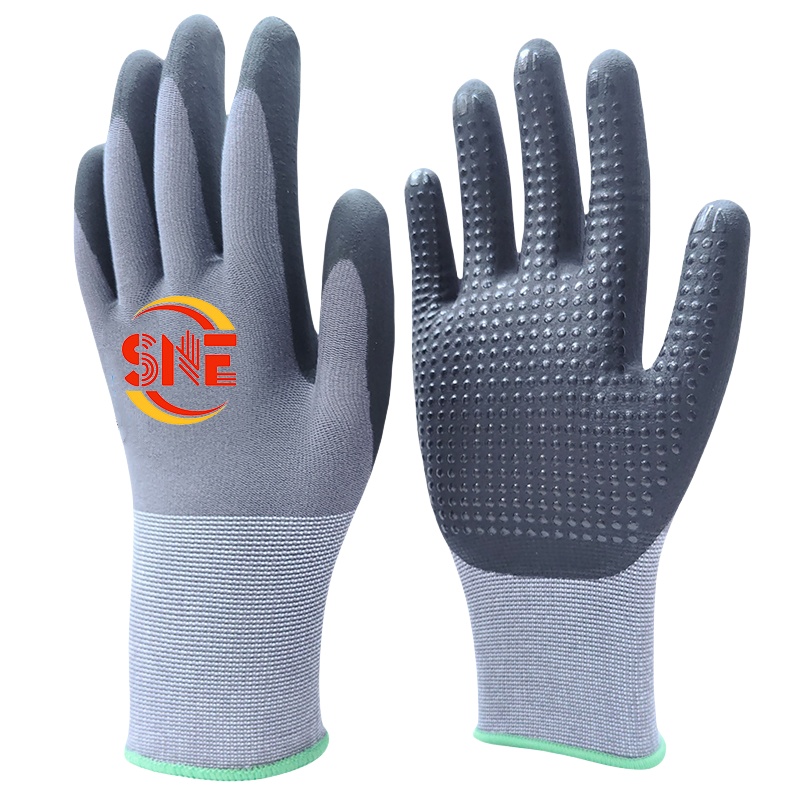
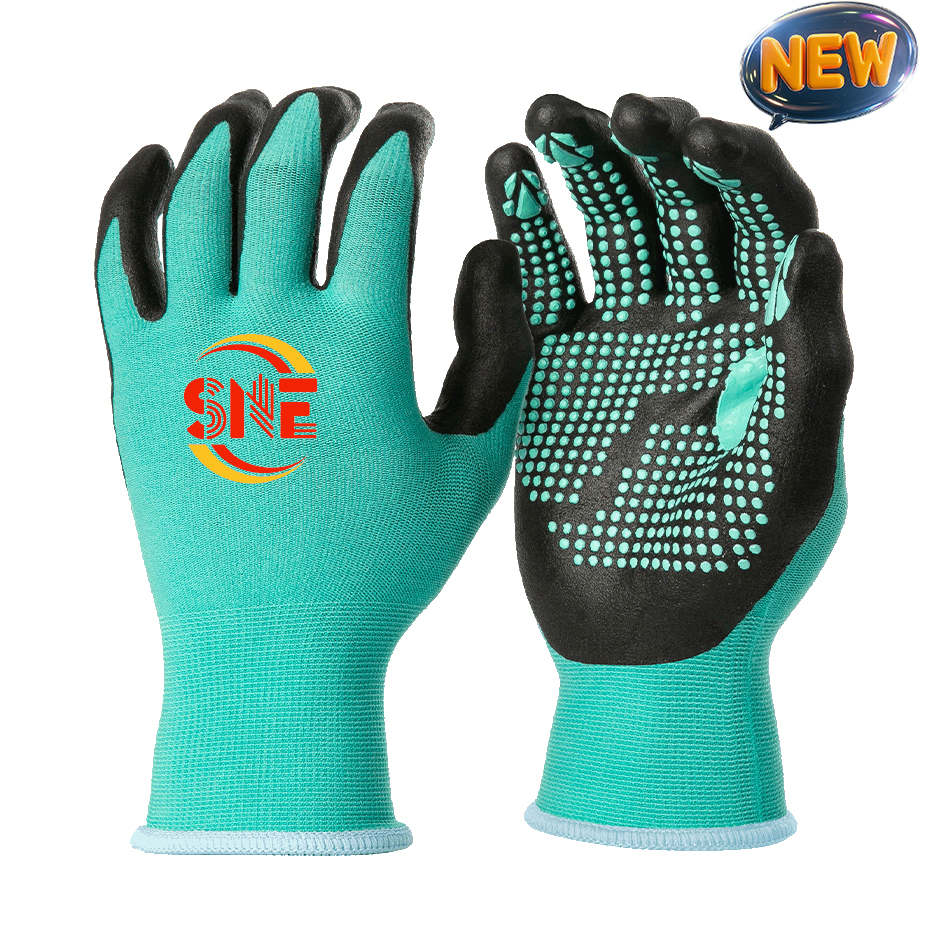
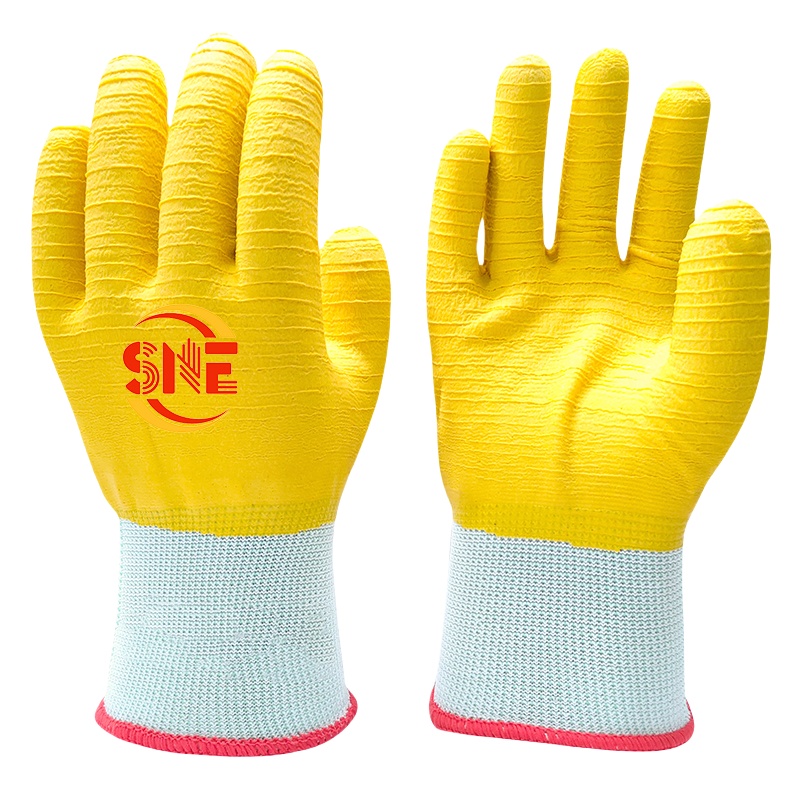
For U.S. buyers looking beyond catalog-only sourcing, Snell Safety offers a factory-direct option built around industrial hand protection rather than broad generic PPE. Its cut-resistant and coated glove lines are produced under ISO 9001 quality management and CE-marked compliance standards, supported by vertically integrated production across two manufacturing facilities with six dedicated production lines and daily output capacity of about 150,000 pairs, giving importers and larger end users evidence of repeatable manufacturing control and volume stability. The product range covers cut-resistant gloves and sleeves as well as PU, latex, and nitrile-coated models suited to metal fabrication, logistics, automotive, construction, and maintenance, with material and coating choices aligned to different grip, dexterity, and durability targets. For the U.S. market, the company works through flexible cooperation models that fit distributors, wholesalers, brand owners, industrial buyers, and even smaller trial-based accounts, including OEM, ODM, private label, bulk wholesale, and customized sizing, branding, and packaging programs available through its product catalog. Just as important, Snell Safety already serves buyers across North America and other tightly regulated markets, and it backs that export experience with structured sample support, technical consultation, order coordination, and post-sale follow-up, giving U.S. customers practical protection before and after purchase rather than leaving them to manage remote transactions alone; buyers exploring ongoing supply or regional cooperation can connect through the company’s company information and direct contact channel for account-level support.
How U.S. Buyers Should Evaluate an International Supplier
An international supplier can be a strong choice for sheet metal gloves if the evaluation goes beyond price. U.S. buyers should request cut test data, coating details, yarn composition information where available, packaging options, carton configuration, lead time, and documentation samples. It is also wise to confirm whether the supplier can maintain consistent glove weight, gauge, grip finish, and sizing across repeat orders. These details matter because inconsistent fit or coating thickness can create worker resistance even if the formal cut level stays the same.
Another factor is communication quality. A reliable export supplier should support sample development, clear labeling, traceable order handling, and practical responses when product adjustments are needed. For distributors and private label brands, customization capability can be a major advantage. U.S. companies increasingly want custom cuff colors, printed logos, barcode labels, and packaging formats that fit retail, industrial vending, or direct-account distribution.
| Evaluation Point | Domestic Supplier Priority | International Supplier Priority | Why It Matters | Recommended Buyer Action | Risk if Ignored |
|---|---|---|---|---|---|
| Lead time | Fast replenishment | Production plus ocean or air transit | Prevents stockouts | Build forecast and buffer inventory | Line interruption |
| Compliance documents | Usually standard | Must be verified carefully | Supports safety audits | Request formal test records | Approval delays |
| Customization | Often limited | Often stronger | Supports branding and segmentation | Align specs before sampling | Inconsistent finished goods |
| MOQ structure | Lower for stock items | Higher for custom orders | Affects cash flow | Start with pilot order | Overbuying |
| Price stability | Market dependent | Can be stronger in volume contracts | Supports budgeting | Negotiate annual volume bands | Margin pressure |
| After-sales response | Often local and quick | Depends on account support quality | Protects long-term supply | Test responsiveness during sampling | Slow issue resolution |
This table explains an important reality in the United States: domestic and international sourcing are not competing in exactly the same way. One is often optimized for speed and convenience, the other for customization and long-run economics. Sophisticated buyers frequently use both.
2026 Trends: Technology, Policy, and Sustainability
By 2026, the U.S. market for cut resistant gloves for sheet metal is likely to be shaped by three major trends. The first is technology. Engineered yarn blends will continue improving the balance between cut protection and thin-hand feel. Buyers can expect more 18-gauge styles, better touchscreen functionality, and improved coatings for oily and dry grip without extreme thickness. Some glove programs may also integrate vending data or wear tracking so safety teams can see which SKUs are overused or underused by department.
The second trend is policy and compliance pressure. U.S. employers are already under strong incentive to prevent hand injuries, but procurement documentation is becoming more disciplined. More end users will require written evidence of test standards, application guidance, and consistency across lots. This will favor suppliers that can provide product data clearly and support plant-level evaluations rather than relying on generic sales claims.
The third trend is sustainability. Buyers increasingly ask about production efficiency, packaging reduction, material use, and longer wear life because sustainability and cost now intersect. A glove that lasts longer can reduce waste and lower total cost of ownership. Factory-direct suppliers with stable production systems may gain attention here, especially if they can document quality consistency and reduce unnecessary packaging for bulk accounts. U.S. distributors are also likely to expand programs that consolidate SKUs, improve replenishment accuracy, and reduce emergency freight.
Frequently Asked Questions
What ANSI cut rating is best for sheet metal?
There is no single best rating for every task. In the United States, ANSI A4 to A6 is a common range for general sheet metal handling, HVAC work, and fabrication, while heavier or burr-prone tasks may justify A6 to A8. The right rating depends on edge severity, contact frequency, and the need for dexterity.
Are leather gloves enough for handling sheet metal?
Traditional leather gloves can help with abrasion and light edge contact, but they are often less consistent than modern engineered-fiber cut gloves for sharp sheet metal. Many U.S. employers now replace basic leather gloves with cut-rated knit or coated models, especially where dexterity matters.
Which coating is best for oily metal parts?
Sandy nitrile or certain nitrile-coated gloves usually perform better than smooth PU on oily or mixed-condition sheet metal. For dry assembly and fine handling, PU can still be an excellent choice because it offers cleaner tactile control.
Should I buy from a U.S. distributor or a factory-direct supplier?
If you need fast delivery and easy reordering, a U.S. distributor is often the best option. If you need custom branding, bulk pricing, or a private label program, a factory-direct manufacturer can be more competitive. Many U.S. buyers use domestic supply for urgent replenishment and direct sourcing for planned-volume procurement.
Do sheet metal workers also need cut-resistant sleeves?
In many operations, yes. Sleeves are especially useful when workers carry large panels, reach into bins, or contact unfinished edges along the forearm. They are common in service centers, fabrication plants, and some automotive environments.
How often should gloves be replaced?
Replacement depends on wear rate, task intensity, contamination, and wash practices if laundering is used. In U.S. plants, the practical rule is to replace gloves when grip degrades, liner damage appears, fit changes, or the glove no longer protects the worker consistently.
Can international suppliers meet U.S. buyer expectations?
Yes, provided they offer verified documentation, stable manufacturing, clear communication, and dependable support. For bulk buyers in the United States, international suppliers can be especially attractive when they combine certifications, consistent quality control, and responsive sampling and after-sales service.
Final Takeaway
The best cut resistant gloves for sheet metal in the United States are the gloves that align protection, dexterity, grip, and supply model with the actual job. Major names such as Ansell, HexArmor, MCR Safety, Superior Glove, PIP, and Mechanix Wear remain strong choices for many buyers, especially where distributor access and immediate stock matter. At the same time, factory-direct manufacturers such as Qingdao Snell Protective Products Co., Ltd. deserve consideration for importers, distributors, and industrial accounts seeking custom specifications, stable volume production, and better cost-performance. In a U.S. market shaped by stricter safety expectations, segmented applications, and 2026-driven demand for smarter and more sustainable PPE, the most effective buying strategy is not to chase a single “best glove,” but to build a practical, tested glove program for each sheet metal task.