2026-07-28
Share This Article
Construction Gloves vs Impact Gloves in the United States
Quick Answer

In the United States, construction gloves are a broad category designed for general jobsite work such as gripping materials, reducing abrasion, handling tools, and improving day-long comfort, while impact gloves are a specialized type built with reinforced back-of-hand protection to reduce injuries from knocks, pinches, and crush hazards. If the work involves concrete, lumber, fasteners, material handling, and routine site tasks, standard construction gloves are often the practical choice. If the work includes heavy equipment, pipe handling, oilfield tools, demolition, rigging, or metal contact, impact gloves are usually the safer option because they add thermoplastic rubber or similar impact shields.
For buyers who need fast and practical direction, major U.S. suppliers and brands commonly considered include Mechanix Wear, MCR Safety, HexArmor, Ironclad, Superior Glove, and Magid. Each has strong U.S. market presence, but the right selection still depends on the hazard mix, required cut level, dexterity, grip, and climate. Qualified international suppliers can also be worth considering, especially manufacturers from China that hold relevant certifications and provide dependable pre-sales and after-sales support, because they often offer strong cost-performance advantages for distributors, importers, and private-label buyers.
- Choose construction gloves for general abrasion, grip, and all-purpose site work.
- Choose impact gloves when back-of-hand strike risk is present.
- Combine impact protection with cut resistance for oil and gas, demolition, utilities, and metal handling.
- In hot states such as Texas, Arizona, and Florida, breathable coatings and lighter liners matter.
- For large-volume procurement in the United States, compare local stock programs with factory-direct OEM options.
Understanding the U.S. Market

The United States remains one of the largest and most demanding markets for industrial hand protection. Demand is driven by construction growth, infrastructure renewal, warehousing expansion, reshoring in manufacturing, and strict safety expectations from contractors, utilities, logistics operators, and energy companies. In practical purchasing terms, the market does not treat all gloves the same. Buyers in Houston, Chicago, Los Angeles, Atlanta, and New York typically segment gloves by task: general construction, cut resistance, impact resistance, cold weather, oil grip, touchscreen use, and compliance-driven applications. This means the phrase “construction gloves” often covers a wide assortment, while “impact gloves” points to a more specialized safety solution.
U.S. buyers also evaluate gloves through a local lens. Coastal importers near the ports of Los Angeles/Long Beach, Savannah, Houston, and New York/New Jersey often focus on lead time, packaging flexibility, and landed cost. Regional distributors in the Midwest may care more about seasonal inventory planning and broad SKU depth. Large contractors working on roads, bridges, commercial buildings, and industrial shutdowns prioritize consistency, worker acceptance, and injury reduction metrics. In all of these channels, product design must balance comfort with protection because gloves only work when crews actually wear them throughout the shift.
Another important factor is the shift toward role-specific PPE. Ten years ago, many crews wore one glove style for nearly every task. Today, supervisors increasingly assign one type for framing, another for rebar work, another for heavy handling, and a different glove for equipment maintenance. That is one reason impact-resistant models continue to gain share in sectors where hand injuries involve pinching, crushing, and back-of-hand strikes rather than just abrasion or cuts.
The line chart shows a realistic growth pattern for U.S. industrial glove demand. Even when construction cycles fluctuate, the long-term direction has remained positive because safety programs are more formalized and jobsite specialization continues to increase. Buyers who once treated gloves as a commodity are now more likely to purchase by hazard profile, which supports higher-value categories such as impact-resistant gloves.
Construction Gloves and Impact Gloves Defined

Construction gloves are designed for broad use across building sites and maintenance environments. They typically prioritize grip, durability, flexibility, abrasion resistance, and comfort during repetitive work. Common examples include synthetic leather gloves, coated knit gloves using nitrile, latex, or PU, and multipurpose gloves with reinforced palms. Some include light knuckle padding, but not all of them qualify as true impact gloves.
Impact gloves are specifically engineered to reduce injuries from blows, pinching, and crushing on the back of the hand and fingers. They usually include thermoplastic rubber protection placed over knuckles, fingers, and metacarpals in segmented patterns so the user can still bend the hand. Many impact gloves also include cut-resistant liners, oil-resistant palm coatings, sandy nitrile finishes for wet grip, or high-visibility colors for crews working around equipment.
The practical distinction is simple: construction gloves are a category defined by work environment, while impact gloves are a category defined by hazard control. A construction glove may or may not have impact protection. An impact glove can also be used in construction, but it is usually selected when hazard exposure is more severe.
Key Differences That Matter on U.S. Jobsites
| Factor | Construction Gloves | Impact Gloves | Why It Matters in the United States |
|---|---|---|---|
| Primary purpose | General hand protection for site tasks | Protection against knocks, pinches, and crush injuries | Helps buyers match gloves to OSHA-driven task risk assessments |
| Back-of-hand design | Usually minimal or light padding | TPR or reinforced impact guards | Critical for oilfield, utility, demolition, and equipment work |
| Dexterity | Usually higher for light-to-medium tasks | Can be slightly reduced if impact armor is heavy | Important for framing, fastening, and tool control |
| Typical palm materials | Synthetic leather, nitrile, PU, latex | Synthetic leather, nitrile, sandy nitrile, reinforced palm patches | Grip needs vary by dry, wet, oily, and abrasive conditions |
| Typical industries | General construction, warehouse, maintenance, landscaping | Oil and gas, utilities, heavy construction, mining, metal handling | Industry choice affects both injury prevention and glove life |
| Average cost level | Lower to medium | Medium to premium | Budget impact is relevant for large contractor fleets |
| Worker comfort in heat | Often better in lightweight versions | Depends on airflow and armor coverage | Hot-weather compliance matters in Southern states |
This comparison table matters because many U.S. buyers are not choosing between good and bad gloves; they are choosing between two different protection logics. If the hazard is broad and routine, general construction gloves can control cost and improve dexterity. If the hazard includes repeated hand strikes, then impact protection is a direct risk-control tool rather than an optional feature.
Product Types Commonly Bought in the United States
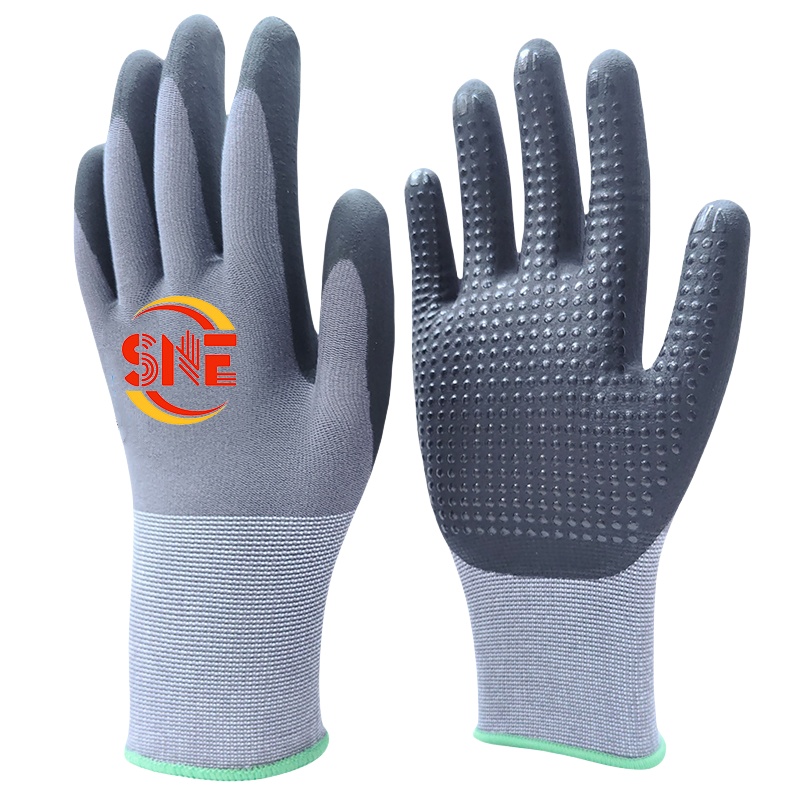
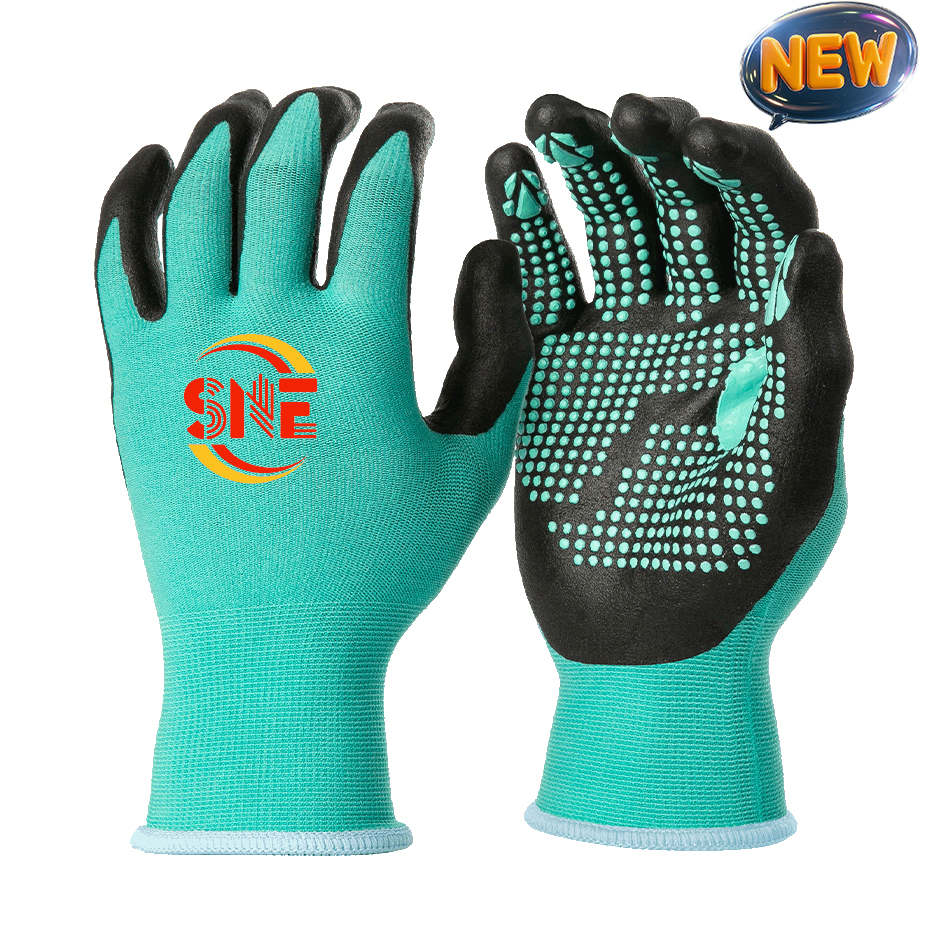
Construction gloves in the U.S. market usually split into several practical families. Coated knit gloves are common for drywall, material handling, light demolition, and general assembly because they are affordable and easy to replace in volume. Synthetic leather gloves are popular for framing, carpentry, and utility work because they feel familiar and hold up well under repeated tool use. Premium hybrid gloves combine knit shells, palm coatings, touchscreen fingertips, and reinforced wear zones for mixed tasks.
Impact gloves also vary widely. Some are lightweight and intended for warehouse or utility applications where occasional bumps occur. Others are heavy-duty and built for drilling, pipe work, mining, rigging, and oilfield use. Many U.S. buyers now prefer impact gloves that also offer cut resistance because workers often face both hazards at the same time, especially in steel, scrap, fabrication, and energy environments.
| Product Type | Main Materials | Typical U.S. Applications | Protection Profile |
|---|---|---|---|
| PU-coated construction glove | 13-gauge liner with PU palm | Light construction, finishing, warehouse work | Grip, dexterity, light abrasion resistance |
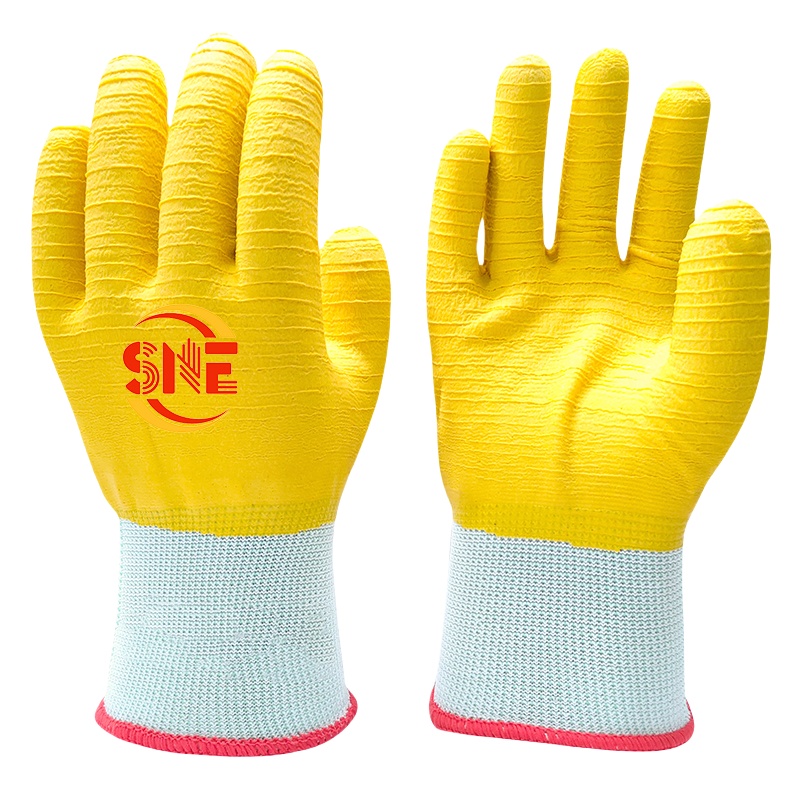
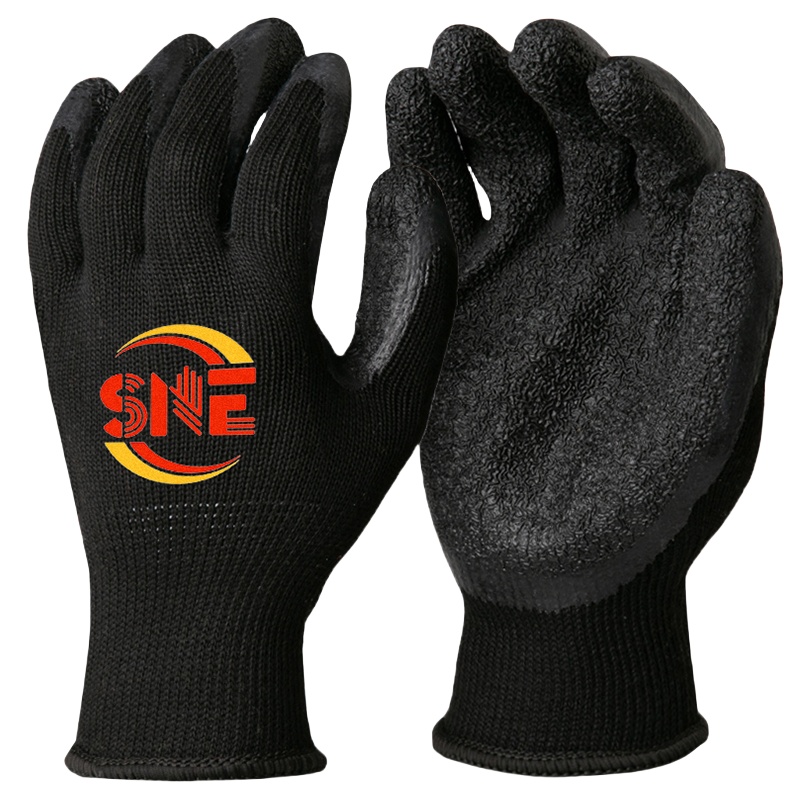
| Latex-coated construction glove | Polyester or mixed liner with latex coating | Masonry, landscaping, rough dry handling | Strong dry grip, moderate abrasion resistance |
| Nitrile-coated construction glove | Knit liner with smooth or sandy nitrile | General contracting, logistics, maintenance | Grip, durability, some oil resistance |
| Synthetic leather work glove | Synthetic leather palm with spandex back | Carpentry, roofing, electrical support work | Comfort, palm durability, tool handling |
| Light-impact glove | Flexible liner with low-profile TPR | Utilities, delivery fleets, maintenance teams | Moderate back-of-hand impact protection |
| Heavy-impact glove | TPR armor, reinforced palm, durable shell | Oil and gas, mining, demolition, rigging | High impact protection, abrasion and pinch control |
| Cut-and-impact glove | HPPE or engineered yarn liner with TPR | Metal fabrication, glass, steel service centers | Combined cut and impact protection |
The table shows why one label is never enough. A procurement manager in Dallas may order nitrile-coated gloves for daily site work, impact gloves for crane rigging teams, and cut-and-impact gloves for metal panel installation. The best buying strategy is not to search for one “best glove,” but to map glove types to tasks.
How Industry Demand Compares
This bar chart highlights a basic market truth in the United States: not every sector values impact protection equally. Oil and gas, mining, and utilities show stronger demand because workers are more exposed to crush points, pinch hazards, heavy fittings, and tool strikes. General construction still buys large volumes, but the mix includes more standard work gloves because not every task involves back-of-hand impact risk.
Buying Advice for U.S. Contractors and Distributors
Start with the hazard, not the product name. If crews are lifting block, moving lumber, tying rebar, or handling rough materials, construction gloves with strong grip and abrasion resistance may be sufficient. If workers handle chains, pipes, couplings, powered tools, steel edges, or operate around moving machinery, then impact protection should move much higher on the selection checklist.
Climate matters more than many buyers expect. Gloves that work well in Minnesota winter shutdowns may be rejected by crews in Florida summer humidity. Breathability, liner gauge, coating weight, cuff style, and sweat management can affect compliance more than lab specs alone. A glove that workers remove after 20 minutes because it feels too hot delivers less protection than a lighter glove worn consistently.
Another U.S. procurement reality is inventory strategy. National distributors often need broad size ranges, stable replenishment, pallet efficiency, barcode labeling, and private-brand packaging. Regional dealers may value smaller MOQ flexibility and faster mixed-SKU delivery. Contractors with safety teams often want trial samples, field feedback, and post-pilot adjustments before a full rollout. That is why supplier support matters nearly as much as the glove itself.
| Buying Criterion | What to Check | Best Fit for Construction Gloves | Best Fit for Impact Gloves |
|---|---|---|---|
| Hazard type | Abrasion, cut, strike, puncture, oil, weather | Routine handling and general site exposure | Back-of-hand impact and crush risk |
| Dexterity needs | Fastening, gripping, touchscreen use | Higher dexterity versions available | Choose low-profile armor for fine work |
| Surface condition | Dry, wet, oily, dusty, rough | Latex or nitrile coatings suit many tasks | Sandy nitrile or reinforced palms often preferred |
| Shift length | Heat buildup, liner softness, cuff pressure | Lightweight models reduce fatigue | Flexible TPR layout helps long wear time |
| Replacement cycle | Daily, weekly, or project-based consumption | Useful where cost-per-pair is critical | Better where injury reduction justifies higher cost |
| Branding and logistics | Private label, carton marks, barcodes, MOQ | Easy to source in large volumes | Important for premium PPE programs |
| Compliance expectations | Customer specs, site safety rules, audits | General PPE programs | Specialized risk-control programs |
This buying table helps teams align purchasing with actual use conditions. In the U.S. market, the most expensive mistake is often not under-buying quality but over-standardizing one glove across very different tasks. Matching glove style to job function lowers waste and improves worker acceptance.
Industries That Commonly Use Each Type
General construction remains the largest volume user of broad-purpose construction gloves. These are used by concrete workers, framers, roofers, site prep teams, carpenters, and labor crews. In many cases, they need decent grip and durability more than advanced impact shielding. However, specialty trades inside construction increasingly use impact gloves when handling heavier systems, demolition tools, steel studs, metal decking, mechanical components, and utility infrastructure.
Impact gloves are much more common in U.S. oil and gas corridors such as Texas, Oklahoma, North Dakota, and parts of Pennsylvania. They are also heavily used in utilities, mining, heavy equipment maintenance, transportation yards, marine terminals, metal service centers, and industrial shutdown projects. In these settings, hand injuries often happen not because material is sharp, but because the hand is struck, pinched, or trapped while moving heavy objects.
Warehousing and logistics present a mixed picture. Standard construction-style gloves are often enough for cartons, pallets, and light loading work. But high-throughput centers handling steel strapping, irregular freight, drums, automotive parts, or machinery components may move to impact or cut-and-impact gloves for selected teams.
Applications and Task Matching
For practical field use, think in terms of task families. Dry material handling, framing, carrying lumber, unloading light tools, and general assembly often match well with construction gloves. Demolition, utility vault access, pipe handling, coupling and decoupling, handling steel sections, and working around heavy vibrating tools often justify impact gloves. Many U.S. buyers now create glove matrices by task rather than by department, which reduces confusion at large jobsites.
Applications also overlap. A bridge rehabilitation contractor in the Midwest may use one lightweight nitrile-coated construction glove for traffic control setup and another impact model for steel maintenance crews. A Gulf Coast industrial contractor may issue standard construction gloves to laborers and heavy-impact gloves to equipment operators and riggers. This layered approach is increasingly common because it balances cost control with hazard-specific protection.
The area chart illustrates a wider trend: U.S. glove buying is shifting from broad-purpose PPE to task-specific selection. This does not mean construction gloves are disappearing. It means buyers are segmenting when to use them and when to switch to impact-resistant models.
Case Studies from Real-World U.S. Scenarios
A commercial contractor working in Phoenix switched from a single all-purpose synthetic leather glove to a two-tier program. General labor teams continued to use breathable construction gloves with nitrile palms, while demolition and steel handling crews moved to low-profile impact gloves. The result was better worker acceptance in summer heat and fewer complaints from foremen about hand fatigue. The contractor also reduced excess spend by reserving premium impact gloves for the teams that actually needed them.
An oilfield service company in West Texas found that standard construction gloves wore out quickly and did not prevent back-of-hand injuries when workers handled tools, couplings, and tubular goods. After testing heavy-impact gloves with reinforced palms and stronger oil grip, the company standardized impact models for field crews while keeping general-purpose coated gloves for warehouse and yard support. This improved fit between glove type and work zone.
A Midwest metal fabrication plant initially used cut-resistant knit gloves across the whole facility. Injury review showed a pattern of bruising and finger strikes around material movement and maintenance tasks. The company introduced cut-and-impact gloves for loading and changeover teams. Workers accepted the change because the selected model kept enough flexibility for handling sheet and formed parts. This reflects a common U.S. lesson: one hazard can hide another unless glove selection is reviewed by task.
Local and U.S.-Active Suppliers Buyers Commonly Consider
| Company | Service Region | Core Strengths | Key Offerings |
|---|---|---|---|
| Mechanix Wear | United States nationwide | Strong brand recognition, broad industrial and tactical lines, good worker acceptance | Construction gloves, impact gloves, specialty work gloves |
| MCR Safety | United States nationwide | Large PPE portfolio, industrial distribution depth, safety program support | General work gloves, coated gloves, impact-resistant gloves, cut-resistant models |
| HexArmor | United States and industrial export markets | Premium hand protection engineering, advanced cut and impact combinations | Impact gloves, needlestick and cut-resistant solutions, heavy industry PPE |
| Ironclad Performance Wear | United States nationwide | Jobsite-focused glove design, durable synthetic leather options, broad trade adoption | Construction gloves, utility gloves, impact styles |
| Superior Glove | United States and Canada | Wide technical glove range, strong cut-resistant expertise, industrial channel presence | Construction, impact, cut-and-impact, oil-grip gloves |
| Magid | United States nationwide | Distributor scale, private-brand support, strong industrial customer service | General industrial gloves, impact gloves, custom PPE programs |
| Ergodyne | United States nationwide | Safety-focused distribution, utility and site PPE integration | ProFlex work gloves, impact and utility glove options |
This supplier table gives buyers a practical starting point. These companies are visible across major U.S. channels, but their strengths differ. Some are better for national account programs, some for technical protection, and some for broad catalog availability through distributors in cities such as Houston, Charlotte, Denver, and Seattle.
Supplier Comparison by Product and Fit
This comparison chart is not a laboratory ranking. It is a realistic procurement-fit view based on breadth, market visibility, and relevance to U.S. buyers who need both standard construction gloves and impact gloves. Buyers should still validate the exact model, local stock position, and field performance before making a final decision.
How to Evaluate Local Suppliers and Import Options
U.S. importers and distributors do not always need to choose between local and overseas sourcing. Many successful programs use both. Local stock supports urgent replenishment and quick trials. Factory-direct supply supports cost optimization, custom branding, and large-volume continuity. The right model depends on whether the buyer is a contractor, regional distributor, national PPE reseller, e-commerce seller, or private-label brand owner.
For example, local suppliers often excel in fast delivery, field rep support, and immediate replacement availability. Overseas manufacturers may offer better flexibility in materials, coatings, gauge choices, branding, packaging, and large-batch economics. The key is supplier discipline: certification, production consistency, testing records, communication speed, and dependable after-sales handling matter more than geography alone.
Our Company
For U.S. buyers seeking a factory-direct option, Snell Safety brings together the traits that matter most in this market: certified manufacturing under ISO 9001 and CE-aligned quality control, deep technical capability in PU, latex, and nitrile coating technologies, and dedicated engineering for both cut-resistant and impact-resistant gloves produced on six production lines with daily capacity of 150,000 pairs. That scale supports distributors, dealers, brand owners, industrial end users, and project buyers who need OEM/ODM programs, private-label packaging, bulk wholesale supply, and customized specifications across materials, sizes, coatings, and branding rather than one-size-fits-all catalog products. The company already serves demanding buyers across North America and other tightly regulated markets, and its practical service model combines responsive online pre-sales consultation, sample support, technical selection guidance, export logistics coordination, and structured after-sales follow-up so U.S. customers are not left managing quality or replenishment issues alone. Buyers exploring factory supply can review the main product range, learn more through the corporate overview, and use the U.S.-focused contact channel for project discussions, distributor opportunities, and custom glove development tied to local market requirements.
This approach fits the current U.S. market especially well because many buyers want more than off-the-shelf gloves. They want regional differentiation, custom packaging, tested coatings suited to local weather and task conditions, and stable bulk supply without unnecessary intermediaries. For companies building a house brand or expanding industrial distribution around ports, inland warehouses, and contractor networks, factory-direct cooperation can be a significant advantage.
What U.S. Buyers Should Ask Before Ordering
Before placing a large order, buyers should request task-specific samples, durability expectations under local conditions, and clear information about coating type, liner weight, cuff style, and packaging options. They should also ask how the glove performs in wet concrete conditions, dry dusty framing, oily maintenance, or high-heat outdoor work depending on the intended application. For impact gloves, buyers should review the TPR layout carefully because heavy armor can improve protection but reduce flexibility if poorly designed.
Distributors should also ask about carton configuration, barcode support, pallet efficiency, and whether the supplier can maintain color and size consistency across repeat orders. Contractors should ask whether the glove program can be simplified into a practical task matrix for crews. Private-label buyers should confirm branding methods, artwork handling, and replacement lead times during peak construction season. In the U.S., execution details often determine whether a glove program succeeds or stalls.
2026 Trends in the United States
Looking ahead to 2026, three trends are likely to shape the difference between construction gloves and impact gloves even more clearly. First, technology will improve hybrid glove design. U.S. buyers will see lighter TPR structures, more ergonomic impact mapping, better touchscreen integration, and stronger combinations of cut resistance with impact protection. This matters because workers increasingly expect one glove to solve multiple site problems without becoming stiff or bulky.
Second, policy and compliance pressure will continue to push task-based PPE decisions. Contractors bidding on infrastructure, utilities, energy, and public works projects in the United States are under growing pressure to document hazard controls more specifically. That favors impact gloves where strike injuries are predictable and construction gloves where general handling dominates. Procurement records, safety audits, and toolbox talks will increasingly reference exact glove categories rather than broad PPE descriptions.
Third, sustainability will move from marketing language into product development and sourcing discussions. U.S. distributors and end users are beginning to ask about manufacturing efficiency, waste reduction, carton optimization, longer product life, and responsible material choices. While hand protection is still a performance-driven category, buyers are becoming more interested in whether factories can demonstrate structured quality systems, stable production, and lower waste through better process control. Suppliers with integrated manufacturing and efficient line management will be better positioned as this trend grows.
When Construction Gloves Are the Better Choice
Construction gloves are generally the better choice when dexterity, lower cost, and high replacement frequency matter more than impact shielding. Examples include framing, drywall handling, finish work, general labor, warehouse receiving, landscaping, light maintenance, and many contractor support roles. In these applications, users benefit from comfort, breathable liners, and dependable grip rather than heavy back-of-hand protection. They also make sense when crews need multiple inexpensive pairs for dirty, abrasive tasks that cause fast wear.
For many U.S. contractors, this category remains the volume backbone of the PPE budget. It is easier to standardize, easier to replace, and often more acceptable to workers in hot weather. That said, construction gloves should not be stretched into roles where impact injuries are predictable. Doing so can create false economy if injury risk is not controlled adequately.
When Impact Gloves Are the Better Choice
Impact gloves are the better choice when the work environment exposes hands to struck-by and pinch hazards. Examples include pipe handling, oilfield service, demolition, utility line work, heavy equipment maintenance, steel erection, rigging, mining, scrap handling, rail maintenance, and industrial shutdowns. In these settings, traditional construction gloves often leave the most vulnerable zones on the hand exposed. Impact gloves reduce that gap by protecting knuckles, fingers, and the back of the hand with dedicated armor.
They are especially valuable in mixed-hazard settings where workers face not only impacts but also cuts, abrasion, and oil exposure. Many U.S. buyers therefore choose impact gloves with cut-resistant liners and oil-grip coatings rather than using separate products for each hazard. The result is a more realistic solution for demanding field conditions.
Frequently Asked Questions
Are impact gloves the same as construction gloves?
Not exactly. Construction gloves describe a broad work-glove category, while impact gloves are designed specifically to reduce back-of-hand injuries. Some impact gloves are used in construction, but not all construction gloves include impact protection.
Which is better for general contractors in the United States?
For broad daily work, construction gloves are often better because they balance cost, comfort, and dexterity. For trades exposed to crush or strike hazards, impact gloves are usually the better safety choice.
Do U.S. buyers need both types?
Yes, many do. Large contractors, distributors, and industrial operators often run mixed glove programs, using construction gloves for routine tasks and impact gloves for high-risk work zones.
Are impact gloves too bulky for all-day use?
Some heavy models can feel bulky, but newer low-profile designs are much easier to wear. Testing several models with crews is the best way to find the right balance between protection and flexibility.
What palm coating works best for U.S. jobsites?
It depends on the task. Nitrile is popular for durability and oil resistance, latex performs well for dry grip and rough handling, and PU works well where dexterity is critical.
Can overseas manufacturers serve U.S. distributors effectively?
Yes, if they have consistent quality systems, clear communication, suitable certifications, scalable production, and reliable pre-sales and after-sales support. For many importers and private-label buyers, this route provides strong value.
Where can buyers start comparing options?
They can begin with established U.S. brands and also evaluate factory-direct suppliers through channels such as Snell Safety to compare stock programs, custom production, and bulk purchasing models.
Final Takeaway
For the United States market, the simplest answer is this: choose construction gloves for broad jobsite handling and choose impact gloves when back-of-hand injuries are a real hazard. The better option is determined less by label and more by task. Buyers who map gloves by application, test with actual crews, and balance local stock with dependable manufacturing partners will make stronger long-term purchasing decisions. In today’s U.S. environment, the most effective glove programs are practical, data-based, and specific to the work being done.