2026-08-09
Share This Article
Construction Gloves for Landscaping in the United States
Quick Answer

If you need construction gloves for landscaping in the United States, the most practical choices are coated work gloves from established suppliers that already serve contractors, nurseries, hardscape crews, irrigation installers, and municipal grounds teams. For local sourcing, Grainger, Fastenal, Tractor Supply, The Home Depot, Uline, and Harbor Freight are among the most accessible names for fast replenishment, broad sizing, and nationwide delivery. For premium jobsite performance, brands commonly seen in U.S. landscaping and earthwork purchasing include Mechanix Wear, Ansell, MCR Safety, Ironclad, and Honeywell. Buyers handling bulk seasonal demand should also consider qualified international suppliers, including experienced Chinese manufacturers with ISO 9001 and CE-backed production, custom branding options, and responsive pre-sales and after-sales support, because they often deliver a stronger cost-to-performance ratio for distributor and private-label programs.
Market Overview in the United States

The U.S. landscaping market continues to generate steady glove demand because crews work across planting, grading, drainage correction, mulching, retaining wall installation, sod placement, irrigation trenching, and debris handling. Demand is strongest in fast-growing metro areas such as Dallas-Fort Worth, Phoenix, Atlanta, Orlando, Houston, Charlotte, and Nashville, where residential development and commercial site maintenance keep labor teams active through much of the year. In colder regions such as Chicago, Minneapolis, and the Northeast corridor, winterized hand protection becomes more relevant for snow preparation, hardscape carryover jobs, and municipal maintenance.
From a procurement perspective, landscaping gloves sit at the intersection of construction PPE and outdoor utility wear. U.S. buyers usually compare abrasion resistance, wet grip, dexterity, cuff style, coating type, and cost per pair over replacement cycle. Contractors moving materials around ports and distribution corridors such as Los Angeles/Long Beach, Savannah, Houston, New York/New Jersey, and inland hubs like Memphis and Kansas City often need predictable supply more than luxury branding. This is why both domestic distributors and factory-direct import programs remain active in the market.
Another driver is workforce turnover. Many landscaping companies need gloves that can be issued quickly to mixed crews with different hand sizes and task assignments. A glove that works for paver handling in the morning and planting or cleanup in the afternoon is often favored over highly specialized PPE unless there is a cut, chemical, or cold-risk requirement. This preference supports the continued popularity of nitrile-coated, latex-coated, and general-purpose construction gloves that balance grip, flexibility, and budget control.
U.S. Landscaping Glove Market Growth

The line chart below illustrates a realistic estimate of how the U.S. market for landscaping-oriented construction gloves is growing, supported by residential development, municipal green-space budgets, outdoor living projects, and professional grounds maintenance contracts.
Leading Suppliers Serving the United States
The supplier landscape includes national distributors, retail chains, industrial specialists, and factory-direct manufacturers. The table below focuses on practical sourcing channels relevant to landscaping and earthwork buyers in the United States.
| Company | Service Region | Core Strengths | Key Offerings | Best Fit |
|---|---|---|---|---|
| W.W. Grainger | Nationwide U.S. | Fast industrial fulfillment, broad PPE catalog, business account support | Coated gloves, cut-resistant gloves, cold-weather gloves, MRO supply | Commercial contractors and municipal buyers |
| Fastenal | Nationwide U.S. with local branches | Branch network, vendor-managed inventory, jobsite delivery options | General-purpose construction gloves, nitrile-coated gloves, branded PPE | Regional contractors and maintenance fleets |
| The Home Depot Pro | Nationwide U.S. | Strong contractor accessibility, fast replenishment, store pickup | Landscaping gloves, demolition gloves, utility gloves | Small and mid-sized landscape companies |
| Uline | Nationwide U.S. | Warehouse-driven shipping speed, easy bulk ordering | Nitrile-dipped gloves, grip gloves, warehouse and outdoor work gloves | Large buyers needing repeat volume |
| Tractor Supply Co. | Nationwide U.S., especially suburban and rural markets | Strong farm and outdoor work positioning, local access | Outdoor utility gloves, leather palm gloves, all-purpose work gloves | Rural landscaping and grounds crews |
| Harbor Freight | Nationwide U.S. | Budget-friendly availability, easy replacement buying | General construction gloves, mechanic-style gloves, disposable packs | Cost-sensitive operations |
| Mechanix Wear | Nationwide U.S. through dealers | High dexterity, strong brand recognition, professional fit | Synthetic leather gloves, impact gloves, utility gloves | Premium field crews and foremen |
| Ansell | Nationwide U.S. | Advanced PPE engineering, application-specific protection | Cut-resistant, oil-resistant, abrasion-resistant gloves | Mixed-risk landscaping and utility work |
This comparison shows that U.S. buyers often split purchases between rapid-delivery distributors for immediate needs and specialized manufacturers for program-based sourcing. Local branch coverage matters when crews need same-day pickup, while high-volume businesses tend to benefit from standardized SKUs and negotiated annual pricing.
Product Types That Work Best for Landscaping and Earthwork
Not every construction glove suits landscaping. The best choice depends on whether crews are handling wet soil, stone, roots, irrigation fittings, pallets, thorny plants, or powered tools. In the United States, the most commonly used glove categories for landscaping and earthwork are listed below.
| Glove Type | Main Material or Coating | Best Application | Primary Advantage | Watch-Out |
|---|---|---|---|---|
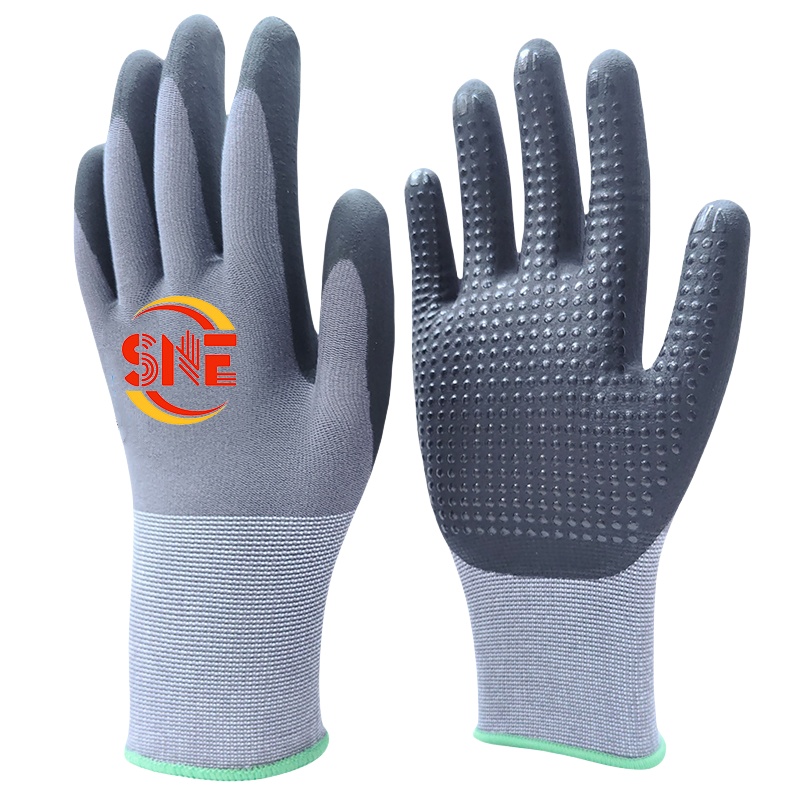
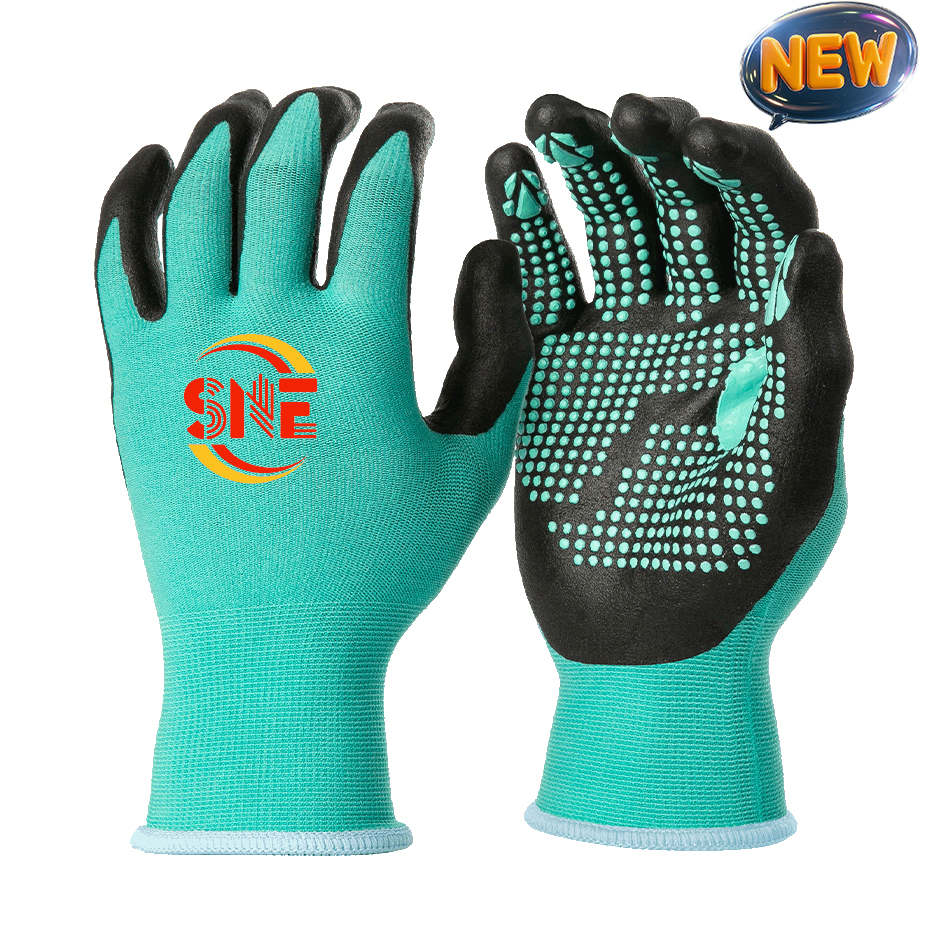
| Nitrile-coated gloves | Polyester or HPPE liner with nitrile palm | Wet handling, mulch, irrigation, general site work | Good grip, abrasion resistance, broad usability | Can run warm in hot climates |
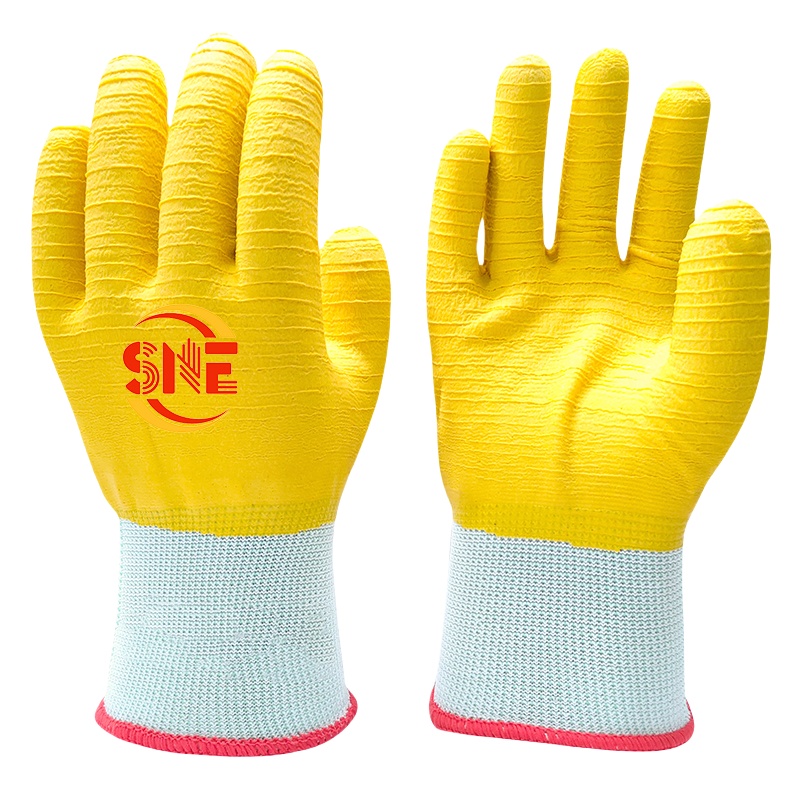
| Latex-coated gloves | Knit liner with crinkle latex | Brick, block, stone, pavers, rough materials | Excellent grip on dry and uneven surfaces | Less suitable for some oil exposure |
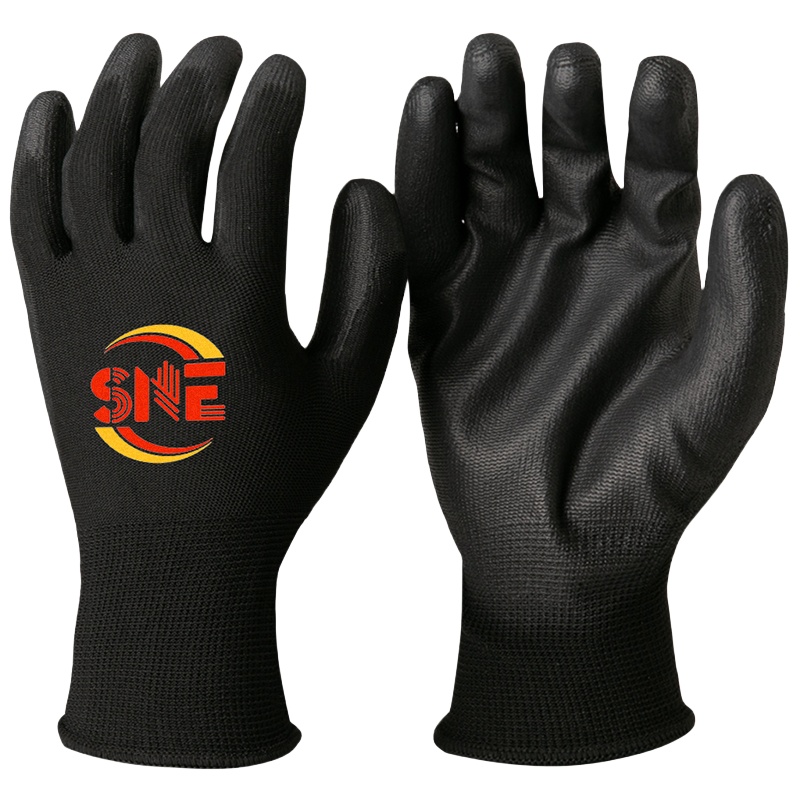
| PU-coated gloves | Light knit liner with polyurethane coating | Planting, pruning prep, light assembly, irrigation parts | High dexterity and tactile control | Lower durability for heavy hauling |
| Cut-resistant gloves | HPPE, glass fiber, steel blend, nitrile or PU finish | Metal edging, wire, sharp debris, demolition cleanup | Better hand protection against lacerations | Higher cost per pair |
| Impact-resistant gloves | TPR back with coated or synthetic palm | Hardscape installation, machine support, loading | Back-of-hand protection | Bulkier feel reduces fine dexterity |
| Cold-protection gloves | Insulated liner with coated grip surface | Winter landscaping, snow support, cold morning shifts | Warmth with grip retention | Can reduce finger sensitivity |
| Leather palm gloves | Cowhide or split leather palm and fabric back | Heavy hauling, brush clearing, rough utility work | Durability and comfort for rugged tasks | Slower drying after moisture exposure |
For most U.S. landscaping companies, the core assortment usually includes one breathable nitrile-coated glove for daily use, one heavier latex-coated glove for stone and rough material handling, and one cut-resistant option for crews exposed to edging, fencing, or demolition debris. That mix covers the largest share of field conditions without overcomplicating inventory.
Industry Demand by U.S. End Use
Landscaping glove demand also depends on which customer segment is doing the buying. The bar chart highlights realistic U.S. demand intensity across the most common sectors that overlap with landscaping and earthwork jobs.
How Buyers in the United States Evaluate Gloves
Professional buyers do not just ask which glove is strongest. They ask which glove lowers injury risk while keeping crews productive. In the U.S. landscaping sector, the following buying factors matter most:
- Grip performance in dry dirt, wet soil, mud, and gravel.
- Durability against abrasion from stone, brick, wheelbarrows, and palletized materials.
- Dexterity for tying irrigation lines, operating controls, and handling small fittings.
- Sizing consistency across mixed crews and temporary labor pools.
- Price per usable shift, not just unit price.
- Availability during peak spring and summer demand.
- Compliance with customer and site safety expectations.
In Texas and the Southwest, breathable liners are especially important because heat buildup causes workers to remove gloves early. In the Southeast, grip in humid and muddy conditions is a bigger issue. In the Midwest and Northeast, contractors may shift to insulated or dual-layer gloves for part of the year. That regional variation is why U.S. distributors that can support multiple SKUs often have an edge.
Buying Advice for Contractors, Distributors, and Brand Owners
If you are an end user in the United States, buy according to task cluster instead of buying one glove for everything. Maintenance crews pruning shrubs and setting plants need dexterity; hardscape crews carrying block need stronger palms and better abrasion resistance; drainage and utility support teams often need wet-grip nitrile coatings. For distributors and dealers, the smarter approach is to build a tight range with overlapping use cases, then position premium and value lines side by side.
Brand owners launching private-label landscaping gloves should pay close attention to coating consistency, liner gauge, cuff finishing, packaging, and carton quality because these details influence return rates and dealer confidence. Seasonal forecasting also matters. Spring stocking windows in states such as Florida, Georgia, the Carolinas, and Texas can begin earlier than in northern markets, while landscaping and earthwork demand in California often remains more stable across the year due to climate and ongoing development activity.
Supplier Comparison by Product Fit
This table compares how different supplier types align with common U.S. landscaping glove requirements. It helps buyers decide whether they need immediate distribution, a premium brand, or a factory-direct partner.
| Supplier | Typical Product Fit | Lead Time | Customization | Pricing Profile | Ideal Buyer |
|---|---|---|---|---|---|
| Grainger | Broad PPE mix for mixed-site crews | Short | Low | Mid to high | Facilities, municipalities, contractors |
| Fastenal | Jobsite supply and repeat industrial replenishment | Short | Medium | Mid | Regional contractor groups |
| Mechanix Wear dealers | High-dexterity and premium task gloves | Short to medium | Low | High | Premium professional crews |
| Ansell distributors | Task-specific protection and compliance-driven programs | Medium | Low | Mid to high | Safety managers and industrial landscapers |
| Tractor Supply | Outdoor and utility gloves with local accessibility | Short | Low | Budget to mid | Rural businesses and owner-operators |
| Factory-direct OEM supplier | Private label, wholesale, large seasonal programs | Medium to long | High | Competitive | Importers, distributors, brand owners |
The trade-off is straightforward. Local distribution wins on speed, while direct manufacturing wins on margin control, branding flexibility, and long-run procurement efficiency. For U.S. buyers handling thousands of pairs per quarter, a hybrid model often works best: keep emergency stock through domestic channels and move planned volume through factory-direct contracts.
Applications Across Landscaping and Earthwork
Construction gloves for landscaping are used in more situations than many buyers expect. Beyond ordinary yard work, gloves must handle a wide spectrum of site conditions:
- Excavation support and trench cleanup for irrigation and drainage systems.
- Paver, retaining wall block, and flagstone placement in hardscape construction.
- Tree staking, root-ball handling, and shrub installation.
- Mulch, compost, soil amendment, and aggregate spreading.
- Fence line cleanup, edging installation, and demolition of old landscape elements.
- Loading, unloading, and warehouse handling for landscape supply yards.
- Storm cleanup and municipal green-space maintenance.
Different applications create different wear patterns. Stone handling chews through palms. Irrigation work exposes gloves to moisture and repetitive grip. Thorny vegetation and sharp stakes demand better puncture awareness. Cleanup work after storms or renovation creates elevated cut risk from metal scraps, glass fragments, and broken fittings. A glove program that ignores those differences usually leads to overspending or poor crew adoption.
Trend Shift in Preferred Glove Features
The area chart below shows how buyer preference in the United States is shifting from basic low-cost gloves toward more task-specific, higher-value gloves that improve wear life and safety outcomes.
Case Studies from the U.S. Market
A commercial landscape contractor in the Dallas-Fort Worth area switched from mixed low-cost cotton gloves to a standardized 13-gauge nitrile-coated glove for mowing support, irrigation repair, and cleanup teams. The result was fewer mid-shift replacements, easier inventory control, and better worker acceptance in summer heat. The company still used heavier latex-coated gloves for hardscape crews, but standardizing daily-use gloves reduced purchasing complexity.
In the Atlanta metro area, a hardscape subcontractor working on retaining walls and paver installations upgraded to a rough-finish latex-coated glove with stronger grip. The company reduced glove slippage during block placement and improved handling confidence when working in humid conditions. Although unit cost increased, usable glove life improved enough to offset the difference.
A municipal parks department in the Midwest adopted a two-tier glove system: a cut-resistant coated glove for repair and cleanup work and a general-purpose nitrile-coated glove for routine grounds maintenance. This approach aligned PPE more closely with task risk and helped supervisors justify spending with clearer application logic.
Local Suppliers and Regional Access Points
Because the United States is geographically large, access matters almost as much as product performance. Buyers near major logistics nodes usually have more supplier options and faster replenishment. The table below outlines how glove sourcing commonly aligns with regional U.S. trade geography.
| Region | Representative Cities | Common Sourcing Pattern | Typical Buyer Priority | Useful Supplier Type |
|---|---|---|---|---|
| West Coast | Los Angeles, San Diego, Sacramento, Seattle | Distributor plus import program through Pacific gateways | Stable supply and broad SKU choice | National distributors and OEM importers |
| Southwest | Phoenix, Las Vegas, Albuquerque | Heat-focused glove selection with rapid branch replenishment | Breathability and wear life | Industrial distributors and retail chains |
| Texas and Gulf | Houston, Dallas, Austin, San Antonio, New Orleans | Hybrid local stock plus high-volume bulk orders | Scale and cost control | Fasteners and PPE distributors, direct factories |
| Southeast | Atlanta, Orlando, Tampa, Charlotte, Nashville | Frequent restocking for long landscaping season | Grip in humidity and fast delivery | Regional branches and e-commerce distributors |
| Midwest | Chicago, Columbus, Indianapolis, Minneapolis | Mixed seasonal demand with winter crossover | Versatility and cold-weather options | Industrial suppliers and municipal channels |
| Northeast | New York, Newark, Philadelphia, Boston | Dense project mix and urban contractor purchasing | Availability, compliance, and varied protection levels | National industrial distributors |
This regional view matters because glove performance is affected by climate, material type, and labor mix. A landscaping firm working around Tampa or Houston may prioritize moisture management and grip retention, while one in Minneapolis or Buffalo may need a layered seasonal strategy. Buyers should align product selection with actual weather and application conditions instead of using a national one-size-fits-all SKU.
Our Company
For buyers in the United States who want a factory-direct option alongside domestic distribution, Snell Safety offers a practical B2B sourcing model built around construction, gardening, cut-resistant, impact-resistant, and coated work gloves that match the needs of landscaping and earthwork crews. The company operates two production facilities with six dedicated production lines and daily output of about 150,000 pairs, giving U.S. importers, wholesalers, distributors, and private-label brands a scalable supply base rather than a trading intermediary. Its manufacturing system is backed by ISO 9001 quality management and CE-marked production, and its technical strength spans PU, latex, and nitrile coatings as well as cut-resistant and impact-resistant glove engineering, which is relevant for U.S. buyers comparing abrasion resistance, grip, and safety compliance. The cooperation model is flexible: bulk wholesale for distributors, OEM and ODM for brand owners, custom sizes and branding for dealer networks, and sampling plus technical consultation for procurement teams testing new glove programs. Snell has established export experience across major international markets, including North America, and supports buyers through multilingual communication, pre-sale specification support, order follow-up, and post-sale service coordination, helping U.S. customers manage sourcing risk with clearer documentation and more reliable project support. Buyers evaluating factory-direct supply can review product categories through the product catalog, learn more about manufacturing background on the company page, or reach the team directly through the contact page.
Supplier and Product Comparison
The comparison chart below summarizes how buyers often evaluate glove options for landscaping in the United States across key decision factors.
Industries That Use Landscaping Gloves
Although the keyword centers on landscaping, the same glove categories are widely used across adjacent industries in the United States. These include:
- Construction and site preparation
- Municipal public works
- Nursery and greenhouse operations
- Irrigation and drainage installation
- Property management and facilities maintenance
- Logistics and warehouse handling for landscape materials
- Agriculture and outdoor equipment support
This cross-industry overlap is important for suppliers because it broadens resale opportunities. A distributor serving both landscaping and general construction can simplify inventory by selecting glove platforms that perform well in several channels. For example, a nitrile-coated glove suitable for irrigation work may also work well in warehouse picking and light maintenance, while a cut-resistant glove used in demolition cleanup may also suit metal edging installation or repair work.
What Will Matter Most in 2026
Looking toward 2026, three themes are likely to shape purchasing decisions in the United States. First is technology. Buyers increasingly expect better liner engineering, touchscreen capability for supervisors and equipment operators, improved coating breathability, and more application-specific grip patterns. Second is policy and risk management. Larger commercial clients, public-sector buyers, and safety-conscious contractors are more likely to document PPE standards and require better task alignment instead of relying on generic gloves. Third is sustainability. While price remains critical, interest is growing in longer-wearing gloves, packaging reduction, and cleaner production methods because these lower both waste volume and replacement frequency.
Another likely shift is deeper segmentation. Instead of one “landscaping glove,” the market is moving toward glove programs built around climate, crew function, and hazard profile. Contractors working on LEED-oriented commercial projects or public green infrastructure may also ask more questions about manufacturing consistency, product traceability, and supplier certifications. This trend should favor manufacturers and distributors that can provide technical documentation, stable product specs, and clear replacement guidance.
Practical Buying Checklist
Before placing a U.S. order for construction gloves for landscaping, buyers should confirm the following:
- Which tasks dominate glove usage: planting, hardscaping, irrigation, cleanup, or mixed crews.
- Which coating performs best under real weather conditions in the target state.
- Whether the glove needs cut resistance, impact protection, or insulation.
- How quickly replacement stock can be delivered during peak season.
- Whether branding, packaging, or private labeling is required.
- What the true cost per shift is after wear life is measured.
- Whether the supplier can keep size runs consistent over repeat orders.
Testing with a small field trial is usually worth the effort. Assign at least two glove models to crews performing different tasks, then compare wear life, comfort, and worker acceptance after several days. A glove that looks cheaper on paper often becomes more expensive if crews reject it or if it fails early on abrasive materials like block, gravel, or concrete edges.
FAQ
What are the best construction gloves for landscaping in the United States?
For most U.S. landscaping companies, nitrile-coated gloves are the best all-around option because they balance grip, durability, and dexterity. Latex-coated gloves are better for rough stone and block handling, while cut-resistant gloves are best for crews exposed to sharp debris or metal edging.
Should landscapers buy from domestic distributors or import direct?
Domestic distributors are best for speed and urgent replenishment. Direct import or factory-direct sourcing is often better for larger volumes, private-label programs, and lower long-term unit costs. Many medium and large buyers use both models at the same time.
Which glove coating is best for wet landscaping work?
Nitrile is usually the safest choice for wet landscaping tasks because it maintains dependable grip and resists abrasion well. Sandy nitrile and foam nitrile finishes can both work, depending on whether the buyer prioritizes durability or breathability.
Are cut-resistant gloves necessary for landscaping?
Not for every task, but they are strongly recommended when crews handle sharp edging, broken materials, wire, or demolition debris. They are also useful for mixed-use contractor teams that move between landscape work and light construction tasks.
What matters most for glove comfort in hot U.S. climates?
Liner gauge, breathability, cuff design, and coating coverage are all important. In places such as Arizona, Texas, and Florida, workers usually prefer gloves that stay flexible, ventilate reasonably well, and do not feel heavy after sweat buildup.
Can private-label landscaping gloves be sourced competitively?
Yes. U.S. distributors and brand owners frequently work with factory-direct manufacturers for private-label landscaping gloves, especially when they need custom colors, logos, packaging, or regional product programs. The key is to verify production consistency, documentation, and support responsiveness before scaling.