2026-07-27
Share This Article
Hand Injuries on Construction Sites in the United States
Quick Answer

Hand injuries on construction sites in the United States most often involve cuts, punctures, crush injuries, fractures, amputations, burns, and chemical exposure. The fastest way to reduce these incidents is to match the glove to the task: cut-resistant gloves for rebar, sheet metal, and glass handling; impact-resistant gloves for demolition, rigging, and heavy equipment support; coated grip gloves for wet or oily materials; and heat-resistant or chemical-resistant gloves where the hazard demands them. Contractors in markets such as Houston, Dallas, Chicago, Atlanta, Los Angeles, and New York generally buy from established suppliers with broad U.S. distribution, including Grainger, Fastenal, MSC Industrial Supply, MCR Safety, Superior Glove, and Magid. Qualified international suppliers can also be a practical option for U.S. buyers when they provide documented testing, relevant certifications, dependable lead times, and responsive pre-sales and after-sales support, especially when cost-performance matters for large-volume purchasing.
Why Hand Injuries Remain a Major Construction Risk

Construction work in the United States exposes hands to constant contact with sharp edges, abrasive materials, pinch points, rotating tools, heavy loads, rough surfaces, concrete additives, solvents, and changing weather. Unlike some hazards that appear occasionally, hand exposure is continuous. Workers grasp, lift, cut, pull, guide, fasten, and stabilize materials across almost every trade, from framing and roofing to roadwork, utility installation, masonry, welding, glazing, and steel erection.
The keyword hand injuries construction sites is not just an SEO phrase; it reflects a daily operational issue for general contractors, subcontractors, safety managers, distributors, and procurement teams. A hand injury can shut down a worker’s productivity immediately, trigger recordable incidents, delay crews, increase workers’ compensation costs, and expose employers to compliance scrutiny. On busy jobsites around ports such as Los Angeles, Long Beach, Savannah, and Houston, where schedules are tight and mixed trades work in close quarters, prevention has direct cost impact.
In practice, the highest-risk moments are often routine tasks performed repeatedly: tying rebar, lifting concrete block, handling metal studs, stripping wire, using utility knives, unloading pallets, setting forms, cleaning equipment, or moving debris during demolition. Because these tasks feel familiar, crews may underestimate the need for task-specific gloves, replacement cycles, and fit checks. That gap between routine exposure and actual hazard level is one reason hand injuries remain common.
Common Types of Hand Injuries on U.S. Construction Sites

The injury profile varies by trade, but some patterns are seen across most regions of the United States. Residential framing in the Southeast, steel and concrete work in the Midwest, infrastructure projects in Texas, utility maintenance in the Mountain West, and large commercial developments on the coasts all report similar glove selection problems: workers either wear gloves that do not match the hazard or remove them because dexterity is poor.
| Injury Type | Typical Jobsite Cause | High-Risk Trades | Likely Consequence | Recommended Glove Direction | Buying Note |
|---|---|---|---|---|---|
| Cuts and lacerations | Sheet metal, glass, utility knives, sharp concrete ties | Metal framing, glazing, roofing, MEP, demolition | Stitches, lost workdays, infection risk | Cut-resistant gloves with strong grip coating | Choose cut level based on actual blade and edge exposure |
| Punctures | Nails, wire, splinters, scrap, burrs | Framing, waste handling, site cleanup, carpentry | Deep tissue injury, contamination | Dense shell with reinforced palm and fingers | Puncture resistance is not identical to cut resistance |
| Crush injuries | Pinch points, dropped materials, rigging, tools | Rigging, concrete, roadwork, heavy civil | Fractures, nerve damage, amputations | Impact-resistant gloves with TPR back protection | Back-of-hand coverage matters where pinch hazards are frequent |
| Abrasions | Block, brick, lumber, cable pulling, rough surfaces | Masonry, landscaping, utility, general labor | Skin loss, blistering, reduced grip | Latex or nitrile coated abrasion-resistant gloves | Grip coating selection affects comfort in wet or dry conditions |
| Burns | Hot metal, welding spatter, asphalt, friction | Welding, paving, fabrication, maintenance | Thermal damage and scarring | Heat-resistant leather or specialty thermal gloves | Do not use general-purpose gloves near hot work |
| Chemical irritation | Solvents, adhesives, epoxies, cement additives | Flooring, concrete, coatings, maintenance | Dermatitis, chemical burns | Chemical-resistant gloves matched to substance | Check compatibility charts, not just marketing labels |
| Amputations | Power tools, rotating machinery, caught-in incidents | Demolition, fabrication, equipment service | Permanent disability | Requires guarding and procedure controls in addition to gloves | Gloves alone cannot control entanglement hazards |
This table matters because many buyers still order one “standard construction glove” for every task. That approach may simplify procurement, but it usually increases injury frequency and glove rejection by crews. A smarter purchasing program separates jobs into at least three categories: handling and material movement, cut-intensive work, and impact-heavy work.
Market Conditions in the United States
The U.S. construction PPE market remains shaped by labor shortages, higher project complexity, insurance pressure, and stronger documentation expectations from owners and large contractors. Buyers in metropolitan markets such as Phoenix, Miami, Seattle, Nashville, and Denver increasingly ask for glove programs that balance compliance, worker acceptance, and cost control. In public works and industrial construction, procurement teams often look for consistent sizing, labeling, carton traceability, and dependable replenishment.
Distributors serving the United States also care about import timing through West Coast and Gulf gateways, especially Los Angeles, Long Beach, Oakland, Houston, and Savannah. Reliable inventory planning matters because glove shortages can force field teams into substitute products that do not fit the task. This is where a supplier’s production capacity, lead-time control, and customer service discipline become part of safety performance, not just purchasing convenience.
The line chart shows a realistic upward demand trend as more contractors standardize glove use by task instead of treating gloves as low-value consumables. Growth is also supported by infrastructure work, warehousing adjacent to construction operations, and industrial maintenance projects that use similar hand protection categories.
Product Types That Address Construction Hand Hazards
Different glove constructions solve different exposure patterns. Buyers who understand shell material, coating chemistry, gauge, cuff design, and back-of-hand protection can reduce both injury rates and unnecessary overspending. For example, a glove that is ideal for drywall delivery may fail quickly in rebar tying, while a heavy impact glove may be rejected by finish crews who need tactile control.
| Glove Type | Best Use on Construction Sites | Strength | Limitation | Typical U.S. Buyer | Practical Recommendation |
|---|---|---|---|---|---|
| PU-coated gloves | Light assembly, finish work, handling dry materials | Good dexterity and tactile feel | Less durable in rough abrasion environments | Electrical, interiors, distribution teams | Use where precision matters more than heavy wear |
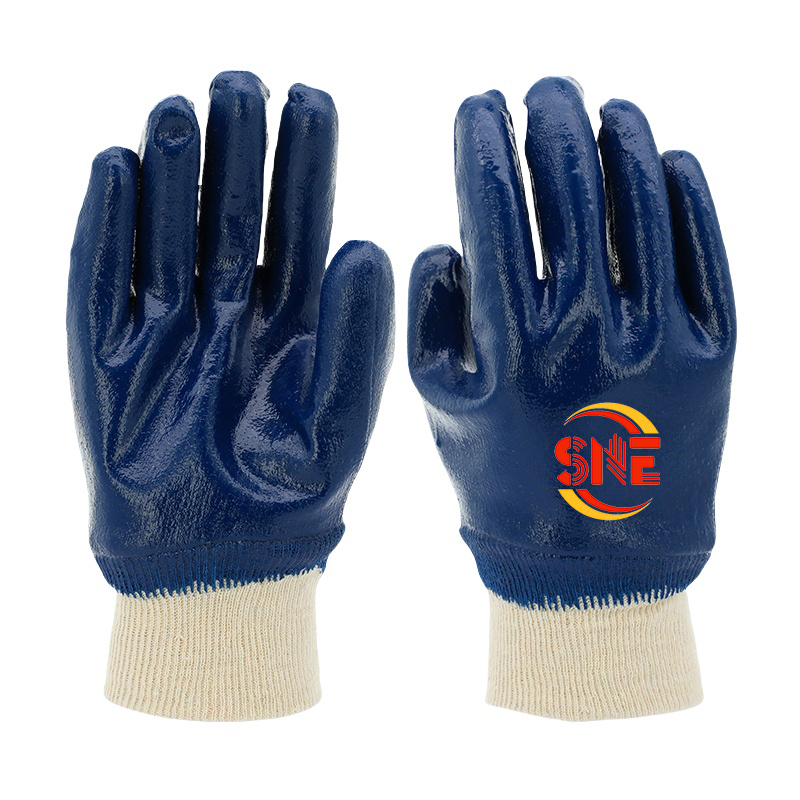
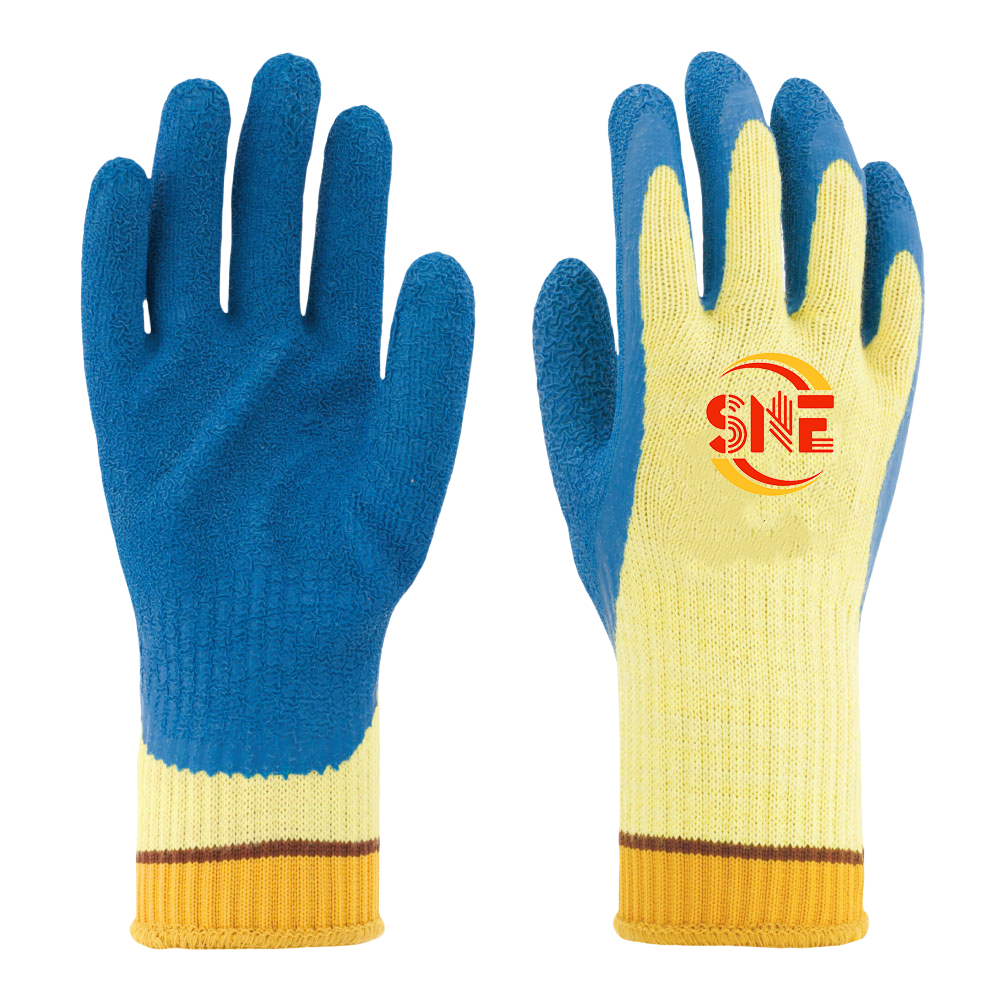
| Latex-coated gloves | Brick, block, lumber, rough material handling | Strong dry grip and abrasion resistance | Can feel heavier and warmer | Masonry, framing, general labor | Good site standard for rugged dry handling |
| Nitrile-coated gloves | Oily parts, wet handling, mixed jobsite tasks | Better oil resistance and versatile grip | Performance varies by coating style | Mechanical, utility, equipment support | Strong all-around option for mixed environments |
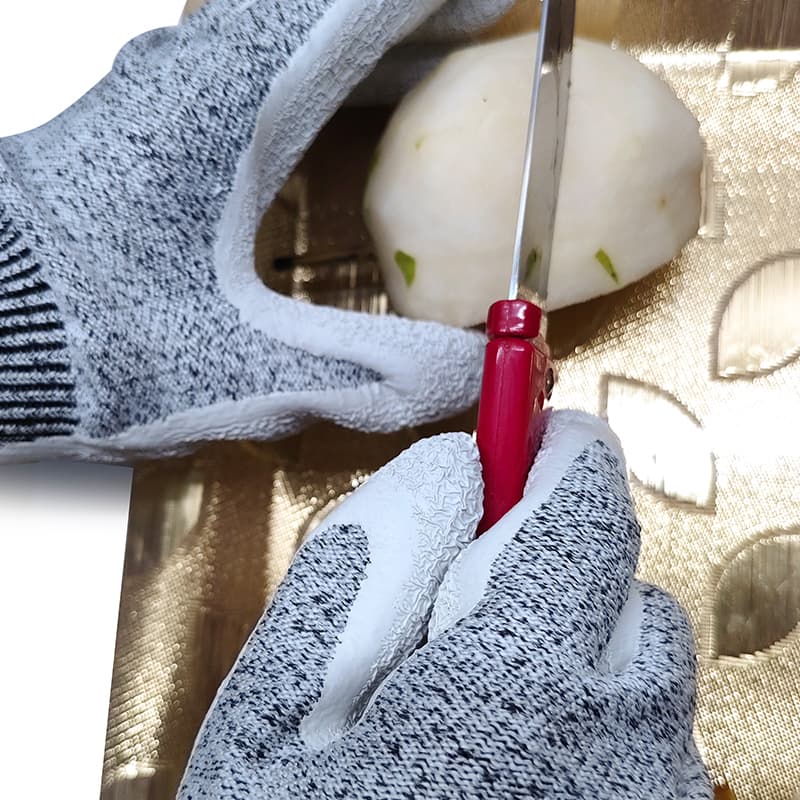
| Cut-resistant gloves | Sheet metal, glass, sharp edge handling, HVAC | Reduces laceration risk significantly | Needs correct cut level and fit | Specialty contractors, fabrication teams | Train crews on task-specific cut ratings |
| Impact-resistant gloves | Rigging, demolition, oilfield construction, concrete | Protects knuckles and back of hand | Bulkier than general-purpose gloves | Heavy civil, industrial construction | Reserve for crush and pinch exposure tasks |
| Leather/welding gloves | Hot work, sparks, rough heavy handling | Heat and abrasion protection | Lower dexterity for fine tasks | Welders, fabricators, maintenance crews | Keep separate from standard material-handling gloves |
| Cold-protection gloves | Winter concrete, utility repair, outdoor erection | Warmth with weather resistance | May reduce dexterity if oversized | Midwest, Northeast, mountain states | Use seasonally with sizing trials before rollout |
This comparison helps buyers avoid false economy. A low-cost glove that wears out in half a shift, slips when wet, or gets removed by workers is more expensive in real terms than a product with slightly higher unit cost but longer life and better compliance.
Industry Demand by Trade
Not every construction segment buys the same glove profile. Commercial high-rise builders often need cut and grip performance for metal studs, cable tray, and prefabricated components. Road and bridge contractors need impact and abrasion protection. Residential builders may prioritize comfort and low replacement cost, while industrial shutdown contractors focus on cut, oil resistance, and traceability.
The bar chart shows why industrial construction and large commercial work frequently lead glove program upgrades in the United States. These segments face stricter owner expectations, more documented safety systems, and more varied hand hazards within the same project footprint.
Buying Advice for U.S. Contractors, Distributors, and Brand Owners
Buying gloves for construction should start with task mapping, not catalog browsing. The right purchasing sequence is straightforward: identify the top injury exposures, assign glove families by task, test samples with field crews, compare replacement rates, and then standardize by trade. Buyers who skip field testing often discover that a technically strong glove fails because workers dislike the fit, cuff length, or thermal feel.
U.S. contractors should also ask suppliers practical questions: Can they hold stable production? Can they support private labeling? Can they ship mixed sizes reliably? Can they provide documentation quickly when a large contractor or safety auditor asks for it? For distributors and brand owners, margin matters, but so do carton consistency, packaging flexibility, and factory responsiveness during seasonal spikes.
| Buying Factor | What to Check | Why It Matters | Warning Sign | Best For | Decision Tip |
|---|---|---|---|---|---|
| Hazard match | Cut, impact, abrasion, heat, chemical profile | Prevents under-specification | One glove proposed for every task | All buyers | Build a task matrix before ordering |
| Fit and comfort | Sizing range, hand feel, cuff design, breathability | Drives worker compliance | High removal rate in field trials | Contractors and self-performing trades | Test with actual crews, not office staff |
| Coating choice | PU, latex, nitrile, sandy nitrile, foam nitrile | Affects grip and wear life | Grip complaints in wet or dusty work | Distributors and safety managers | Select coating by environment, not price only |
| Supply reliability | Lead time, inventory planning, production scale | Keeps sites from switching products suddenly | Frequent stockouts and substitutions | Regional distributors | Ask about production lines and backup plans |
| Documentation | Testing records, certifications, product data | Supports compliance and customer confidence | Slow or incomplete technical response | Large contractors and OEM buyers | Require document package before approval |
| Commercial model | OEM, ODM, wholesale, private label, stocking support | Improves margins and brand flexibility | Rigid order structure | Brand owners and wholesalers | Choose suppliers aligned with your channel strategy |
| After-sales support | Complaint handling, replacement policy, technical advice | Reduces downtime and buyer risk | No clear response process | All buyers | Evaluate support before the first bulk order |
For buyers exploring manufacturing partners, it helps to review supplier background through pages such as the company overview at about the manufacturer, the full glove range at industrial glove products, or direct inquiry channels through U.S. buyer contact support. These checkpoints make it easier to confirm whether a supplier can support both technical selection and long-term account management.
Applications Across Construction Environments
Construction gloves are not chosen only by industry label; they should also be chosen by application. Material unloading at a port-connected warehouse in Savannah differs from steel stud installation in Chicago, and both differ from bridge deck work in Houston or utility trenching in Phoenix. Application-specific selection improves performance because it focuses on what the hand actually touches and how long the exposure lasts.
For example, road crews handling asphalt tools and rough materials need durable grip and impact coverage. Interior finish teams need high dexterity to avoid removing gloves. Utility crews need weather flexibility and occasional oil resistance. Glass and façade teams require a stronger cut-control approach. Maintenance staff on mixed commercial sites often benefit from nitrile-coated cut-resistant gloves that bridge multiple tasks.
Trend Shift in U.S. Hand Protection Preferences
Over the last several years, U.S. buyers have moved from low-cost bulk gloves toward more segmented programs. The shift is driven by three realities: injury costs are higher, labor is harder to replace, and workers are less willing to wear gloves that feel clumsy. As a result, task-specific cut gloves, breathable coatings, touchscreen compatibility, and impact designs with improved dexterity are gaining ground.
The area chart illustrates that task-specific selection is no longer a niche practice. It is becoming a standard expectation in larger U.S. accounts, especially in union markets, major metro projects, and owner-controlled safety programs.
Case Studies from Real Construction Scenarios
A commercial framing subcontractor in Dallas reduced recurring finger lacerations by replacing basic cotton-dipped gloves with cut-resistant nitrile-coated gloves for stud and track handling. The unit cost increased, but replacement dropped because the gloves lasted longer and workers accepted the fit. The company also reported fewer interruptions for minor first-aid treatment.
An industrial contractor near Houston shifted crane support, rigging, and concrete handling crews into impact-resistant gloves with reinforced palms. The result was not a dramatic drop in all incidents, but a measurable reduction in back-of-hand bruising and pinch-related hand trauma during high-load movement work.
A masonry supplier serving the Midwest tested several latex-coated options during winter. The winning product balanced warmth, dry grip, and enough flexibility for repetitive brick handling. The test also revealed that overspecifying cut resistance for every task reduced comfort and increased glove removal. The lesson was simple: match the glove to the actual dominant hazard, not to the highest possible hazard on the site.
Local Suppliers and Major Providers Serving the United States
Buyers in the United States usually combine national distributors, regional safety specialists, and direct manufacturers. The best supplier depends on account type. Large ENR contractors may prefer national fulfillment and integrated contracts, while local distributors may prioritize margin, private label, or regional stock depth. The following companies are concrete options active in or serving the U.S. market.
| Company | Service Region | Core Strengths | Key Offerings | Best Fit | Notes for Buyers |
|---|---|---|---|---|---|
| W.W. Grainger | Nationwide United States | Broad inventory, branch network, fast fulfillment | Construction gloves, cut-resistant, impact, leather, specialty PPE | Large contractors and facility buyers | Strong for fast replenishment and multi-site accounts |
| Fastenal | Nationwide with dense local branch coverage | Jobsite support, vending, industrial supply integration | Hand protection, safety programs, onsite inventory solutions | Contractors with repeat local demand | Useful where branch proximity matters daily |
| MSC Industrial Supply | United States national distribution | Industrial and MRO depth, technical sourcing | Cut-resistant gloves, coatings, specialty task gloves | Industrial construction and maintenance buyers | Good for mixed manufacturing-construction operations |
| MCR Safety | United States with strong distributor network | PPE specialization and recognized glove portfolio | Cut, impact, leather, chemical, welding protection | Safety distributors and contractors | Strong technical glove category focus |
| Superior Glove | North America, widely sold across the United States | Strong innovation in cut and task-specific protection | Construction gloves, high-cut gloves, impact models | Buyers needing advanced task matching | Often selected for higher-spec use cases |
| Magid | United States nationwide | Private label capability and broad PPE assortment | General purpose, cut-resistant, impact, disposable and specialty gloves | Distributors, employers, brand programs | Flexible sourcing model for varied customer types |
| Protective Industrial Products (PIP) | United States national reach | Wide PPE catalog and strong channel presence | Construction, mechanics, coated, cut, impact gloves | Distributors and enterprise buyers | Good for bundled PPE purchasing strategies |
This supplier table is useful because it separates national fulfillment strengths from glove category specialization. U.S. buyers should compare not only price, but also stock position, response time, and support for training, documentation, and account-specific glove matrices.
Supplier and Product Comparison
When procurement teams compare suppliers, they usually look at four dimensions: breadth of product line, technical specialization, fulfillment coverage, and commercial flexibility. These factors influence whether a supplier can support a basic branch-pickup program or a more strategic managed hand-protection program.
The comparison chart is not a universal ranking; it reflects how many U.S. buyers balance availability, technical support, and channel fit. A regional distributor with a focused glove line may still outperform a national supplier for specific customer segments, especially where private label or rapid local delivery is the priority.
Our Company in the U.S. Market
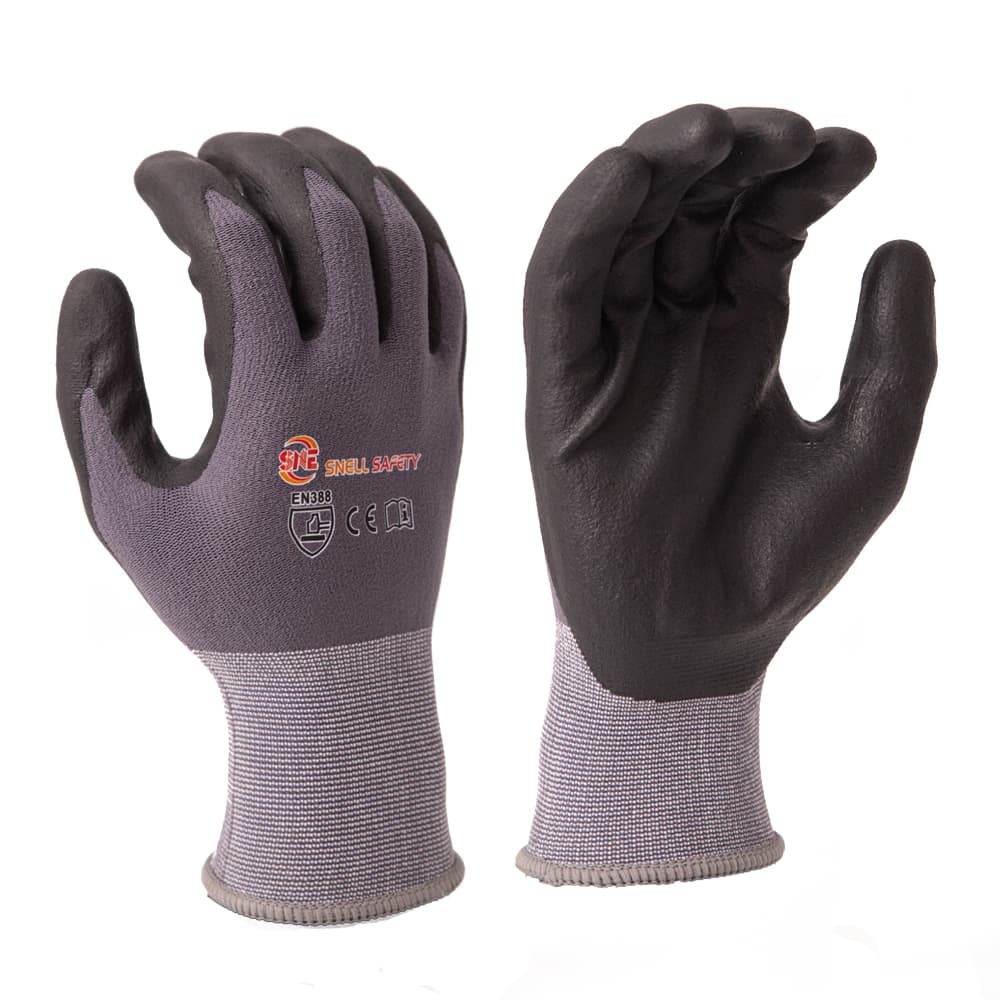
For U.S. buyers looking beyond domestic channels, Snell Safety presents a factory-direct option with evidence that matters in practical procurement: the company operates two manufacturing facilities in Gaomi and Nantong with 6 dedicated production lines, more than 150 employees, and daily output of about 150,000 pairs, supporting stable supply for distributors, wholesalers, brand owners, and larger end users. Its glove range covers PU, latex, and nitrile coated products along with cut-resistant, impact-resistant, cold-protection, oil-resistant, heat-resistant, and construction-focused gloves, while ISO 9001 and CE-backed quality systems support documented manufacturing control and product consistency for export markets that include North America. The cooperation model is flexible for U.S. importers and channel partners because it supports OEM, ODM, private label, bulk wholesale, customization by coating, material, size, and branding, making it suitable for local distributors, regional dealers, contractor supply programs, and brand owners building their own line. From a service perspective, the company is not positioned as a passive remote exporter: it already serves international buyers across multiple regions through multilingual operations, sample support, technical consultation, dedicated export logistics coordination, and direct account communication through its customer support team, giving U.S. buyers both pre-sale guidance on glove selection and after-sales follow-up on orders, specifications, and repeat programs. That combination of production scale, certification discipline, export track record, and ongoing buyer support is what gives confidence to American customers evaluating long-term sourcing partners.
Industries That Need Strong Hand Injury Prevention
Within construction, some industries have especially high hand-risk profiles. Steel erection involves sharp edges, pinch points, and heavy loads. Concrete work combines abrasive handling with tie wire and tools. Mechanical, electrical, and plumbing trades often need a careful balance of dexterity and cut protection. Roadwork, oil and gas construction, and mining-related infrastructure frequently add impact, vibration, and weather exposure. Warehousing linked to construction material supply also deserves attention because hand injuries often occur before materials even reach the active installation area.
That is why a glove strategy should align not just with a broad “construction” label but with the actual industry segment and job phase. Early-stage site preparation, structural work, interior build-out, commissioning, and maintenance shutdowns all create different hand exposure patterns.
2026 Trends: Technology, Policy, and Sustainability
Looking toward 2026, three trends will shape hand protection decisions in the United States. First, technology will continue moving toward lighter high-cut yarns, improved impact designs with better finger mobility, and more glove models that combine touchscreen capability with grip and durability. This matters because worker acceptance drives actual risk reduction.
Second, policy and compliance pressure are likely to increase around documented PPE selection, training records, and contractor accountability, especially on large infrastructure and energy projects. Owners and general contractors increasingly want evidence that PPE has been chosen based on task hazard, not habit. This will favor suppliers that can provide clear product data, stable specifications, and responsive technical support.
Third, sustainability will become a more visible procurement factor. Buyers are beginning to ask about manufacturing efficiency, packaging optimization, waste reduction, and product longevity rather than focusing only on the lowest unit price. A glove that lasts longer and reduces replacement frequency can support both cost and environmental goals, especially on projects where thousands of pairs are consumed each month.
Practical Steps to Reduce Hand Injuries on Construction Sites
Safety improvement is most effective when glove policy is tied to site operations. Start with injury logs and first-aid reports. Identify the tasks generating cuts, bruises, abrasions, and punctures. Then assign approved gloves by task and train foremen to enforce the matrix. Keep multiple sizes available because poor fit is one of the most common reasons workers stop wearing gloves correctly. Replace worn gloves before coating loss, seam failure, or palm thinning creates new hazards.
Buyers should also monitor consumption patterns. If one crew burns through gloves unusually fast, the product may be mismatched to abrasion level or work method. If gloves remain unopened, the issue may be comfort or task interference. Good hand protection management is not just about stocking shelves; it is about understanding field behavior and adjusting specifications accordingly.
FAQ
What are the most common hand injuries on construction sites?
The most common injuries are cuts, punctures, crush injuries, abrasions, burns, fractures, and in severe cases amputations. Cuts and crush injuries are especially common where workers handle sharp metal, tools, concrete forms, and heavy materials.
Which gloves are best for reducing hand injuries in construction?
The best glove depends on the task. Cut-resistant gloves help with sharp materials, impact-resistant gloves help with rigging and heavy handling, nitrile-coated gloves perform well in mixed or oily conditions, and latex-coated gloves are often effective for rough dry materials like brick, lumber, and block.
Can one glove type cover every construction task?
No. A single glove rarely delivers the right mix of dexterity, cut protection, grip, impact resistance, and comfort for all tasks. Contractors usually get better results by standardizing two to four glove families based on trade and hazard.
How should U.S. buyers evaluate a glove supplier?
Review hazard matching, product data, testing support, lead times, private label or OEM capability, size range, and after-sales responsiveness. For many buyers, the ability to maintain consistent supply and answer technical questions quickly is as important as the unit price.
Are international glove manufacturers suitable for the United States?
Yes, if they provide documented quality systems, reliable export logistics, clear communication, and strong service support. Factory-direct overseas suppliers can be especially attractive for distributors, importers, and brand owners seeking better cost-performance in larger volumes.
What should change in 2026 for better hand injury prevention?
Expect wider use of task-specific glove matrices, lighter high-performance materials, stronger documentation requirements, and more purchasing attention to durability and sustainability. Buyers who prepare for these shifts now will usually see better compliance and lower total glove cost over time.