2026-10-05
Share This Article
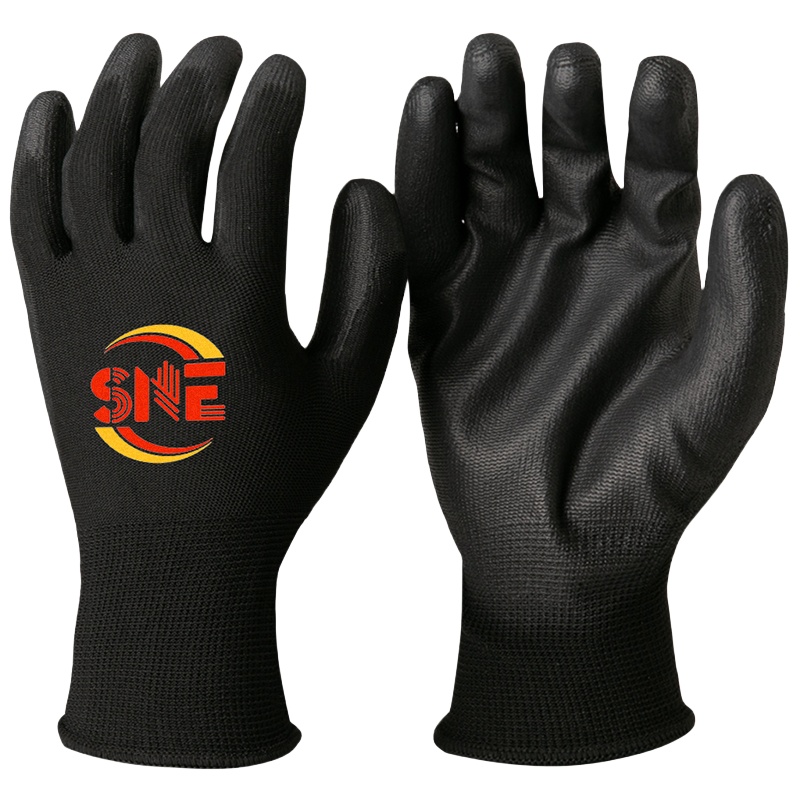
Breathable Construction Gloves Suppliers in the United States
Quick Answer

If you need breathable construction gloves for hot summer job sites in the United States, the most practical options are suppliers that balance airflow, grip, abrasion resistance, and dependable bulk delivery. For local sourcing, Grainger, Fastenal, White Cap, Ferguson, Global Industrial, and Magid are among the most recognizable names serving contractors, utilities, warehouses, and industrial buyers across major U.S. markets such as Houston, Dallas, Atlanta, Chicago, Los Angeles, and Miami.
For buyers who need private label programs, large-volume orders, or tighter cost control, qualified international manufacturers can also be a strong option. In particular, Chinese factories with recognized certifications, stable production systems, and responsive technical support can offer compelling value when they can document compliance, customize coatings and liners, and support U.S. import logistics with reliable pre-sales and after-sales communication.
In short, choose lightweight nitrile-coated or PU-coated gloves for heat and dexterity, sandy nitrile for grip in dry-to-light-oily work, and micro-foam nitrile for all-day wear in mixed indoor-outdoor construction tasks. For large distributors and brands, combining a U.S. distributor for urgent replenishment with a factory-direct partner for recurring bulk supply is often the most cost-effective strategy.
Market Overview in the United States

The U.S. market for breathable construction gloves is shaped by climate, safety regulation, labor availability, and project type. On summer job sites in states such as Texas, Florida, Arizona, Nevada, and California, hand protection cannot be treated as a simple checkbox item. Contractors want gloves that reduce sweat buildup, maintain finger sensitivity for tool handling, and hold up under abrasion from framing lumber, concrete block, metal studs, rebar, and general site cleanup.
Buyers in the United States also face a practical split between short-cycle purchasing and strategic sourcing. Small contractors often purchase from branch-based distributors because they need same-day or next-day supply. Larger general contractors, rental fleets, industrial service firms, and regional distributors tend to evaluate glove programs based on total cost per wear cycle, return rates, consistency across sizes, branding options, and the ability to serve multiple states from one approved vendor list.
Ports and logistics hubs matter in this category. Imported gloves commonly flow through Los Angeles/Long Beach, Savannah, Houston, New York/New Jersey, and Seattle/Tacoma before reaching regional warehouses. This means lead time planning is especially important for seasonal spikes during spring and summer construction peaks. Domestic buyers increasingly prefer suppliers that can combine warehouse stock in the United States with flexible replenishment plans from overseas factories.
Another important trend is the movement away from heavy, heat-trapping gloves except where hazards clearly require them. On framing, roofing support work, drywall staging, landscaping construction, road maintenance, and warehouse-linked construction logistics, workers frequently prefer 13-gauge or 15-gauge knit liners with breathable back construction and thin palm coatings. The glove must protect without making the hand feel slower, hotter, or bulkier than necessary.
The line chart above illustrates a realistic demand pattern for breathable work gloves in the U.S. market. The upward curve reflects continued hiring pressure in construction, ongoing investment in infrastructure, and stronger attention to worker comfort as part of productivity management. Buyers increasingly understand that gloves workers actually want to wear are more likely to remain on the hand throughout the shift, improving both compliance and job performance.
Top Suppliers Serving U.S. Buyers

The suppliers below include major national distributors and established glove specialists relevant to United States buyers. They differ in branch coverage, private label capability, job-site support, and sourcing flexibility.
| Company | Headquarters / Main U.S. Presence | Service Region | Core Strengths | Key Offerings | Best Fit |
|---|---|---|---|---|---|
| Grainger | Lake Forest, Illinois | Nationwide United States | Strong inventory depth, fast fulfillment, industrial procurement systems | General construction gloves, coated knit gloves, cut-resistant options | Large multi-site contractors and MRO buyers |
| Fastenal | Winona, Minnesota | Nationwide with dense branch network | On-site vending, branch support, contractor account management | Breathable coated gloves, task-specific jobsite PPE, replenishment programs | Field crews needing recurring supply |
| White Cap | Atlanta, Georgia | United States construction-focused coverage | Deep connection to construction trades, strong regional stocking | Concrete, masonry, utility, and sitework gloves | Commercial and infrastructure contractors |
| Magid | Romeoville, Illinois | Nationwide United States | PPE specialization, customization, safety expertise | Lightweight work gloves, nitrile and PU-coated breathable gloves | Safety managers seeking technical guidance |
| Global Industrial | Port Washington, New York | Nationwide e-commerce and distribution reach | Broad catalog, convenient ordering, competitive stocking programs | Warehouse and construction hand protection lines | Mid-size businesses and facilities teams |
| Ferguson | Newport News, Virginia | Nationwide with strong contractor relationships | Trade account support, logistics footprint, industrial and site supplies | Construction PPE bundles including gloves | Mechanical, utility, and site service contractors |
| Uline | Pleasant Prairie, Wisconsin | United States and North America | Fast shipping, easy ordering, packaging and warehouse overlap | Light-duty and general-purpose coated gloves | Warehouse-linked construction operations |
This table is useful because U.S. buyers rarely choose based on glove performance alone. Availability, branch coverage, account terms, and speed of replacement matter just as much. Grainger and Fastenal stand out when procurement integration is important. White Cap is especially relevant where construction specialization matters. Magid is a strong choice for buyers who want a more PPE-focused conversation around wear life, coating type, and worker acceptance.
What Makes a Construction Glove Truly Breathable
Breathability is not only about thin fabric. A breathable construction glove combines several design decisions that affect heat buildup, moisture evaporation, flexibility, and durability. The liner gauge is critical. A 13-gauge liner is often a practical middle ground for job-site work, while a 15-gauge liner provides a lighter feel and improved dexterity for handling fasteners, hand tools, and smaller components.
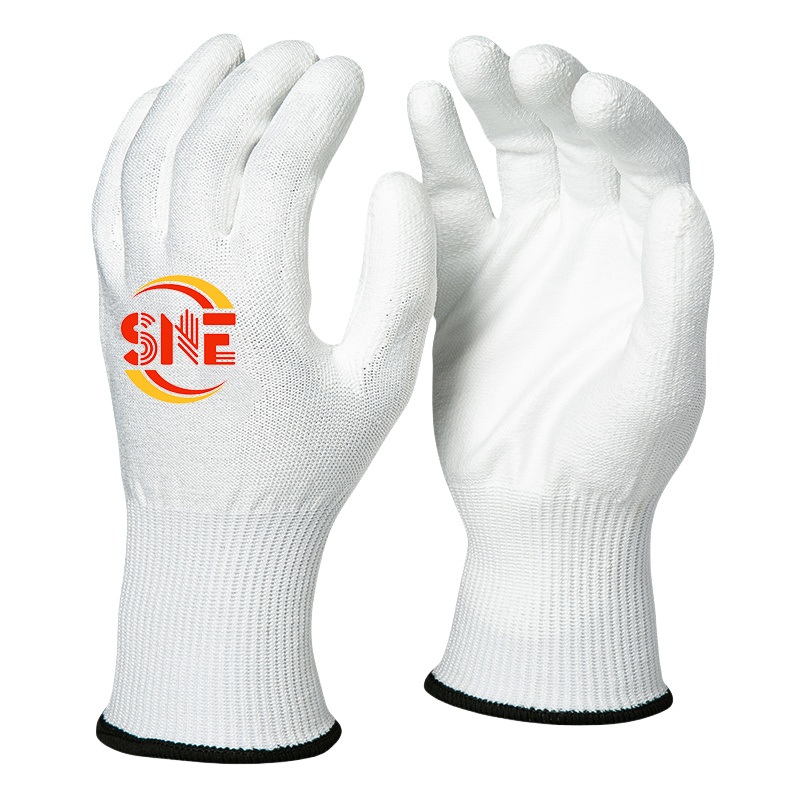
Coating coverage also changes comfort dramatically. Full-dipped gloves offer more liquid protection but trap more heat. Palm-coated gloves leave the back of the hand open, improving ventilation. Micro-foam nitrile is widely favored in warm conditions because it provides grip and abrasion resistance without the heavy feel of thicker coatings. PU-coated gloves excel in dexterity and breathability but may wear faster in rougher conditions. Sandy nitrile can improve grip on dry, dusty, or lightly oily materials, making it useful for framing, metal work, and handling packaged goods on active sites.
Cuff design matters too. Knit wrists help keep dust and debris out, but a glove that is too tight around the cuff can feel hotter over long shifts. Some crews prefer a snug fit for precision, while others choose slightly looser sizing in extreme heat. This is why trial wear programs are valuable before committing to a large seasonal purchase.
Product Types for Summer Job Sites
Different job types call for different breathable glove constructions. The best results usually come from matching the glove to the dominant task rather than asking one model to do everything.
| Glove Type | Typical Material | Breathability Level | Grip Profile | Durability Level | Recommended Use |
|---|---|---|---|---|---|
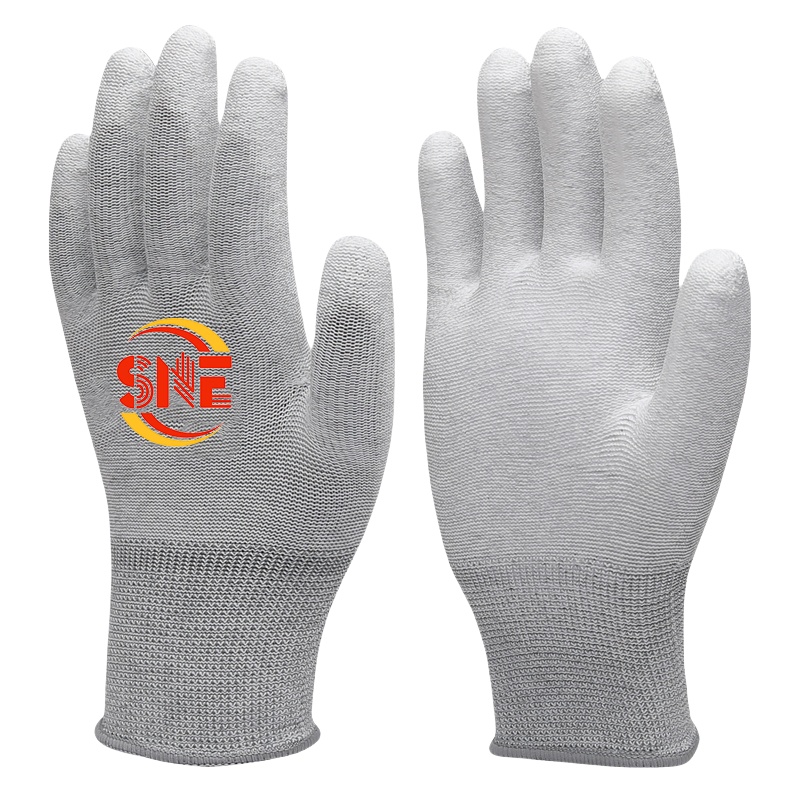
| PU-Coated Knit Gloves | Polyester or HPPE liner with PU palm | Very high | Dry grip | Moderate | Light construction, assembly, finishing work |
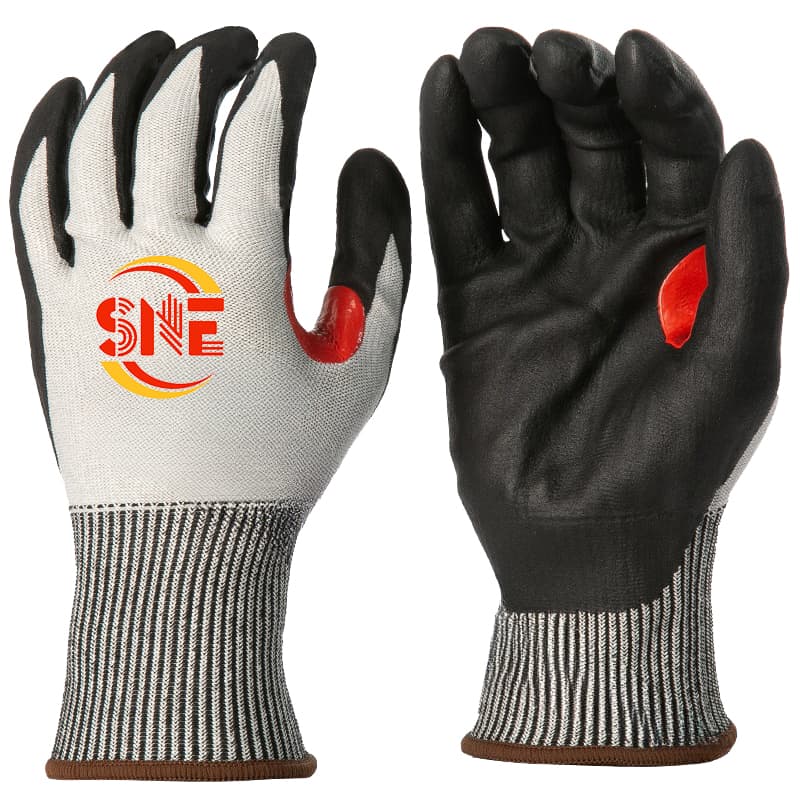
| Micro-Foam Nitrile Gloves | Nylon or spandex liner with nitrile foam | High | Dry to light oil grip | High | General construction, maintenance, logistics |
| Sandy Nitrile Gloves | Knit liner with sandy nitrile palm | Medium to high | Strong on dusty materials | High | Framing, masonry support, tool handling |
| Latex-Coated Crinkle Gloves | Polyester or cotton blend with latex palm | Medium | Excellent dry grip | High | Rough material handling, landscaping construction |
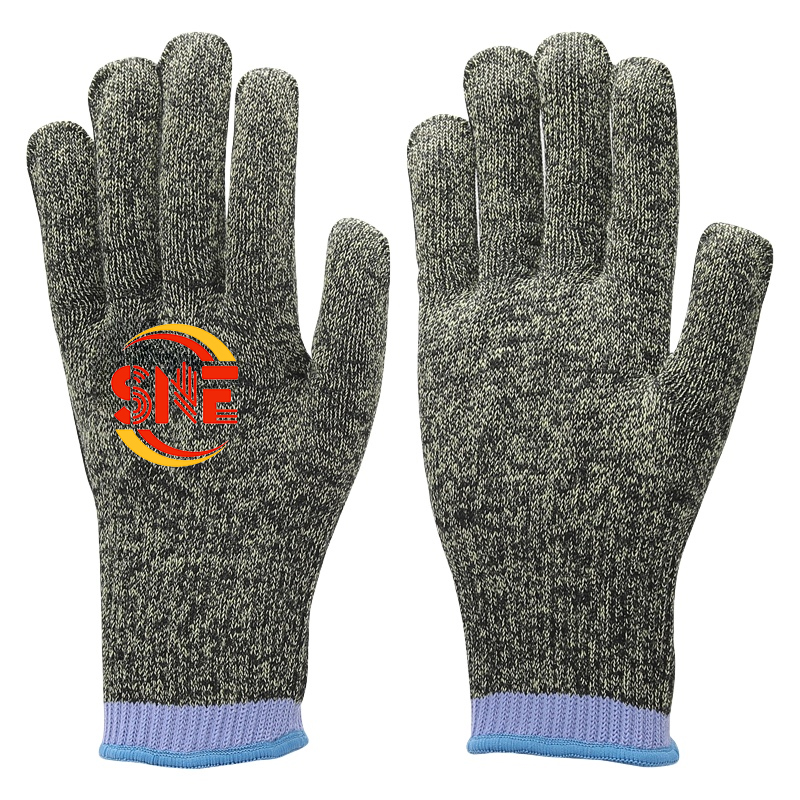
| Cut-Resistant Breathable Gloves | HPPE, glass fiber blends, thin nitrile/PU coating | Medium to high | Balanced | High | Metal studs, sheet handling, sharp-edge tasks |
| Fingerless or Hybrid Utility Gloves | Synthetic leather and mesh panels | High | Good tactile control | Moderate | Inspection, light rigging, hand-tool detail work |
| Impact-Breathable Gloves | TPR back with vented liner and nitrile palm | Medium | Strong | High | Utility, oilfield-adjacent construction, heavy equipment support |
This comparison helps buyers avoid two common mistakes. The first is buying the coolest-feeling glove without considering wear life on abrasive work. The second is buying a rugged glove that workers remove after 20 minutes because it traps too much heat. For most summer construction tasks, micro-foam nitrile and light sandy nitrile gloves usually provide the most balanced result.
How Demand Varies by Industry
Not every sector values breathable construction gloves in the same way. Commercial building crews often emphasize dexterity and grip, while infrastructure contractors may push harder on abrasion resistance and longer wear cycles. Warehouse-linked construction support, such as staging and material movement, often favors lighter gloves because workers move continuously and generate more heat.
The bar chart shows where breathable glove demand is most concentrated in the United States. Commercial building and warehouse support score strongly because these environments combine repetitive hand movement with high productivity pressure. Infrastructure and maintenance also remain significant due to large project pipelines and the need for task-specific hand protection in changing weather conditions.
Buying Advice for U.S. Contractors and Distributors
For buyers in the United States, the smartest glove purchase is not necessarily the lowest unit price. It is the model that produces the best combination of worker acceptance, service life, and replenishment reliability. Start by defining the dominant hazard: abrasion, heat, cut risk, impact, light oil, or dry dust. Then test two or three glove styles on real crews during peak summer conditions.
Ask suppliers the following practical questions: What liner gauge is used? What coating weight is applied? Is the glove palm-coated or fully coated? Can the supplier hold stock in the U.S.? Are size runs reliable from small through XXL? Can they support private label or custom cuff colors for site differentiation? What is the average replenishment cycle through Houston, Savannah, or Los Angeles?
Distributors should also evaluate carton efficiency, barcode labeling, shelf-ready packaging, and whether the product family includes matching cut-resistant or impact variants. Contractors should look at cost per week of use, not just cost per pair. A glove that lasts 40 percent longer while improving compliance can easily lower total PPE spending across a season.
| Buying Factor | Why It Matters | What to Check | Good Benchmark | Risk if Ignored | Best Buyer Type |
|---|---|---|---|---|---|
| Liner Gauge | Affects dexterity and heat retention | 13-gauge vs 15-gauge wear test | 15-gauge for lighter tasks | Worker rejection in hot weather | General contractors |
| Coating Type | Changes grip and wear life | PU, micro-foam nitrile, sandy nitrile, latex | Micro-foam for balanced use | Premature wear or poor grip | Safety managers |
| U.S. Stock Availability | Prevents summer shortages | Warehouse location and reorder lead time | Regional stock within days | Project disruption | Branch distributors |
| Certification and Testing | Supports quality consistency | ISO systems, CE documentation, test reports | Documented and current | Inconsistent product batches | Importers and brands |
| Size Consistency | Improves worker comfort | Cross-lot fit stability | Stable sizing from S to XXL | Returns and low adoption | Large crews |
| Customization | Supports branding and channel differentiation | Private label, cuff color, logo, packaging | MOQ aligned with forecast | No brand separation | Distributors and brand owners |
| Total Landed Cost | Determines real sourcing value | Freight, duty, warehousing, defect allowance | Modeled by quarter | Margin erosion | Procurement teams |
This table shows why a disciplined buying process matters. A glove can appear inexpensive on paper and still create a costly program if workers dislike the fit, if cartons arrive late during the busy season, or if product variation causes returns. For U.S. buyers, the best vendors are the ones that can speak clearly about operational details, not just glove features.
Applications Across Job-Site Tasks
Breathable construction gloves are widely used in framing, drywall staging, roofing support, mechanical installation, landscaping construction, concrete form preparation, site cleanup, material receiving, and maintenance work. On hot summer sites, the glove becomes part of productivity management. Crews handling anchors, connectors, and tools need fingertip control. Teams moving block, lumber, or metal studs need grip and abrasion resistance. Utility support crews often need a combination of ventilation and impact protection.
In cities such as Phoenix, Las Vegas, Houston, Tampa, and inland Southern California, heat load becomes a purchasing variable in itself. Supervisors often report that gloves with better airflow reduce hand fatigue complaints and lower the frequency of workers removing gloves between tasks. That has practical consequences for safety compliance and pace of work.
Trend Shift in Materials and Buyer Preferences
The area chart illustrates a realistic shift toward lighter and more breathable gloves within construction PPE programs. This trend is driven by worker preference, lower hand fatigue, and improved dexterity for modern job-site workflows. It also reflects the growth of hybrid construction roles where one worker may switch between carrying materials, operating devices, scanning inventory, and handling tools throughout the day.
Local Supplier Landscape and Regional Considerations
The United States is not one uniform glove market. Buyers on the Gulf Coast often prioritize rapid replenishment through Houston and nearby distribution channels. East Coast buyers may prefer supply routes through Savannah or New Jersey for easier inventory planning. West Coast importers commonly watch port congestion and inland freight costs from Los Angeles/Long Beach. In the Midwest, centralized warehousing near Chicago or Indianapolis often improves multi-state fulfillment.
Local supplier choice should also reflect climate and task mix. Florida and Texas contractors frequently want the coolest practical glove that still resists abrasion. Midwest buyers may need a product family that spans summer ventilation and shoulder-season warmth. In dense urban markets such as New York, Chicago, and Los Angeles, same-day or branch pickup sometimes matters more than minor unit-price differences.
| Region | Typical Buying Priorities | Preferred Glove Traits | Common Service Hubs | Logistics Notes | Good Supplier Type |
|---|---|---|---|---|---|
| Texas Gulf Coast | Heat relief, bulk supply, oil-resistant grip | Micro-foam or sandy nitrile | Houston | Strong import and redistribution advantage | Branch distributor plus importer |
| Florida | Breathability, humidity comfort, fast restock | Lightweight nitrile or PU | Miami, Jacksonville, Tampa | Seasonal demand spikes | Regional distributor |
| Southwest | Heat, dry dust grip, worker comfort | Sandy nitrile and vented backs | Phoenix, Las Vegas | Extreme summer heat planning needed | Construction specialist supplier |
| West Coast | Import flexibility, mixed task use | Micro-foam nitrile, cut-resistant light gloves | Los Angeles, Oakland, Seattle | Port timing impacts replenishment | Importer with U.S. warehouse |
| Midwest | Multi-state consistency, pricing discipline | Balanced durability and dexterity | Chicago, Indianapolis | Central warehousing works well | National distributor |
| Northeast | Fast delivery, urban project support | Light gloves with dependable sizing | New Jersey, Philadelphia, Boston | Short lead times valued | Dense-stock regional supplier |
| Southeast | Construction volume, trade account support | General-purpose breathable gloves | Atlanta, Savannah, Charlotte | Growing infrastructure demand | Construction-focused distributor |
This regional view helps buyers align sourcing strategy with how product actually moves in the U.S. market. In practice, the best programs often blend local service with offshore manufacturing scale. That is especially true when a distributor wants fast-moving stock now but also wants to improve gross margin through direct import programs later in the year.
Comparison of Supplier and Product Strategy
This comparison chart shows a realistic sourcing conclusion for larger buyers. A hybrid program often scores highest because it combines immediate local availability with factory-direct economics for planned volume. National distributors remain strong for urgent support, but import-direct or semi-direct models can improve margin and customization when demand is predictable.
Case Studies from Realistic U.S. Buying Scenarios
A Texas framing subcontractor with 120 field workers switched from a thick latex-coated glove to a lighter micro-foam nitrile model after repeated summer complaints. The change reduced glove removals during active work and improved acceptance across crews handling metal connectors, power tools, and lumber. Although the unit price rose slightly, weekly glove consumption fell because workers stopped discarding sweat-heavy gloves mid-shift.
A Southeast regional distributor serving Georgia, the Carolinas, and Tennessee added a private label breathable construction glove program for independent dealers. By using custom packaging, consistent size labeling, and a stable reorder schedule tied to Savannah inbound freight, the distributor created better channel differentiation and improved margins compared with selling only national catalog SKUs.
A warehouse-linked construction supplier in Illinois selected a 15-gauge PU-coated glove for mixed handling, inspection, and last-mile job-site delivery support. The lighter glove improved scanner use, paperwork handling, and small-parts dexterity. For rougher material contact, the company kept a second sandy nitrile model available, reducing overuse of one glove across incompatible tasks.
Industries That Benefit Most
Breathable construction gloves serve more than general building sites. They are also highly relevant in utilities, maintenance, warehousing connected to project staging, landscaping construction, prefab assembly, metal fabrication support, logistics, and automotive-adjacent industrial work where hand comfort affects consistency. In these settings, heat stress and repetitive motion can lower PPE compliance unless the glove is designed for comfort as well as protection.
For contractors working around airports, manufacturing campuses, distribution parks, and municipal infrastructure, glove selection often becomes standardized across multiple crews. That makes supplier consistency extremely important. A model that tests well on one site but cannot be reliably replenished across several states will rarely survive a serious procurement review.
Our Company
For buyers in the United States looking beyond standard catalog purchasing, Snell Safety offers a factory-direct option built around scalable industrial glove manufacturing and practical B2B cooperation. The company operates two manufacturing facilities with six production lines and daily output reaching 150,000 pairs, giving it the production depth needed for recurring distributor and project-based demand. Its product platform covers breathable construction gloves as well as PU, latex, and nitrile-coated lines, plus cut-resistant and impact-resistant models, supported by ISO 9001 quality management and CE-marked production standards that help document process control and product consistency for import buyers. For cooperation, Snell supports OEM and ODM development, private label programs, bulk wholesale supply, material and coating customization, branding, sizing, and export coordination, making it suitable for end users with large recurring demand, regional distributors, dealers, brand owners, and importers building their own glove range. The company already serves buyers across North America and other regulated markets through multilingual sales support, sample evaluation, technical consultation, and structured pre-sale and after-sale communication, and U.S. customers can use the contact team to coordinate specifications, approvals, packaging, and shipment planning in a way that feels like a long-term supply partnership rather than a one-off remote export transaction.
Buyers that want to review the broader portfolio can explore the product range and learn more about manufacturing capabilities on the company overview page. For U.S. importers and regional distributors, the main advantage is the ability to combine glove customization with manufacturing scale while keeping a close eye on landed cost, replenishment timing, and channel differentiation.
How to Choose Between U.S. Distribution and Factory-Direct Supply
If your priority is immediate delivery to active job sites, a national or regional U.S. distributor is usually the right starting point. If your priority is margin improvement, custom branding, or program consistency across a larger annual volume, factory-direct sourcing becomes more attractive. Many successful buyers in the United States do both: they use local distributors for emergency fill-in orders and a direct manufacturing partner for forecasted bulk replenishment.
This strategy works especially well for dealer groups, industrial wholesalers, and importers serving ports, warehouse corridors, and expanding Sun Belt construction markets. With the right planning, they can carry a core stock position in the U.S. while using custom manufacturing to develop a stronger private label or regional brand identity.
2026 Trends: Technology, Policy, and Sustainability
Looking ahead to 2026, three trends are likely to shape breathable construction glove purchasing in the United States. The first is technology. Expect more gloves with finer-gauge liners, improved ergonomic fit, touchscreen capability, and coating formulations designed to increase grip without adding unnecessary weight. Buyers will increasingly compare not just abrasion scores but worker comfort metrics and wear compliance.
The second trend is policy and procurement discipline. Safety managers and purchasing teams are placing greater emphasis on documented quality systems, traceability, and product consistency. Even where U.S. buyers do not require one exact global standard, they still want proof that the manufacturer follows repeatable testing and controlled production processes. This is especially true for distributors building private label ranges and for contractors operating across multiple states.
The third trend is sustainability. More procurement departments are asking about packaging reduction, production efficiency, material utilization, and durable gloves that reduce replacement frequency. In practice, sustainability in this category often begins with longer-lasting products, lower defect rates, and smarter logistics planning through major U.S. gateways such as Houston, Savannah, Los Angeles, and New Jersey.
FAQ
What are the best breathable construction gloves for hot summer job sites?
For most U.S. construction tasks, micro-foam nitrile and lightweight sandy nitrile gloves are the strongest all-around choices. They usually balance airflow, grip, and abrasion resistance better than thicker full-dipped designs.
Are PU-coated gloves good for construction?
Yes, especially for lighter-duty work, finishing tasks, material staging, and jobs that require higher dexterity. They are very breathable, but they may not last as long as nitrile-coated gloves in rough abrasive work.
Should contractors buy from local U.S. distributors or import directly?
It depends on urgency and volume. U.S. distributors are best for immediate stock and branch support. Direct import is often better for larger planned orders, private label programs, and cost optimization.
What should I test before approving a glove program?
Test fit consistency, heat comfort, grip on actual job-site materials, cuff comfort, wear life, and how often workers remove the gloves during a shift. Real field trials are more valuable than catalog claims.
Do breathable gloves also come in cut-resistant versions?
Yes. Many suppliers offer cut-resistant liners with thin nitrile or PU coatings that remain relatively breathable. These are useful for sheet metal, metal studs, glass-adjacent handling, and sharper construction materials.
How important is certification when buying from overseas suppliers?
It is very important. Buyers should review quality management certifications, product test documentation, and manufacturing controls. This helps protect consistency, especially for repeat import programs.
What industries outside construction use these gloves?
They are also widely used in warehousing, logistics, maintenance, manufacturing support, landscaping, utilities, and automotive-adjacent industrial environments where workers need comfort and dexterity.
What is the most cost-effective sourcing model for a growing distributor?
A hybrid model is often best: hold local inventory for fast fulfillment while building a factory-direct replenishment program for predictable volume. This improves both service level and long-term margin.