2026-10-04
Share This Article
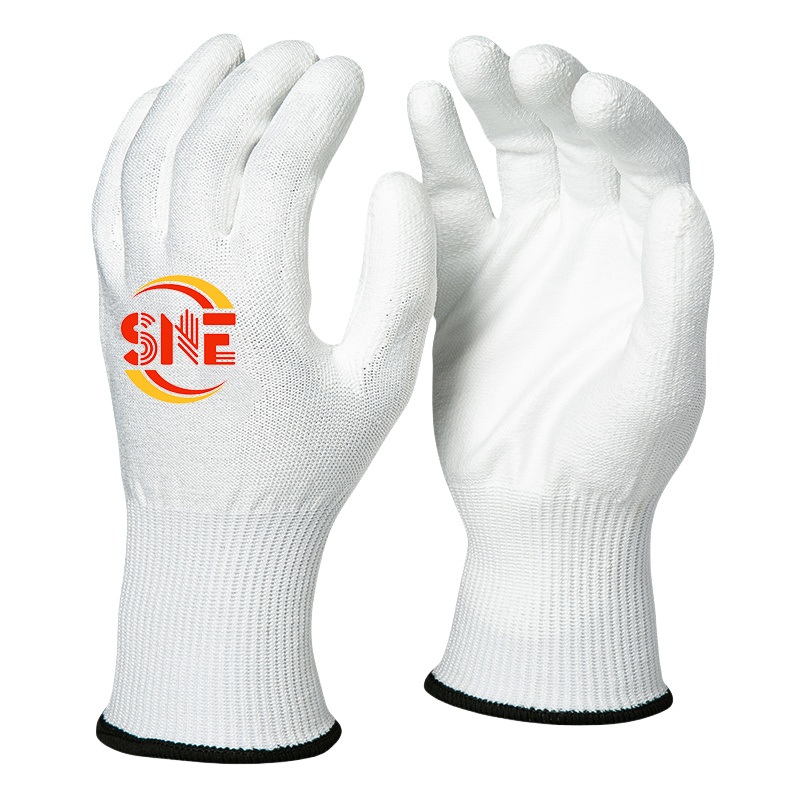
Meat Processing Cut-Resistant Gloves in the United States
Quick Answer

If you need cut resistant gloves meat processing buyers can rely on in the United States, the most practical choices usually come from established suppliers with strong food-industry portfolios, documented cut ratings, and nationwide fulfillment. For U.S. operations, Ansell, MCR Safety, Superior Glove, Honeywell, and Wells Lamont Industrial are among the most recognized names for food handling and meat processing environments. These companies are commonly selected by processors in major production regions such as the Midwest, Texas, Georgia, Arkansas, Nebraska, and North Carolina because they offer traceable specifications, broad size ranges, and models suited to deboning, trimming, slicing, and sanitation tasks.
For buyers comparing value at scale, qualified international suppliers can also be worth serious consideration, especially when they provide recognized certifications, OEM or private-label support, and responsive pre-sale and after-sale service for U.S. customers. That matters for import programs serving distributors, regional safety dealers, and private brands that want cost-performance advantages without sacrificing documentation, consistency, or supply continuity.
In short, the best option depends on the job: stainless steel mesh gloves are often preferred for direct blade exposure, high-performance fiber gloves work well for mixed handling and trimming tasks, and coated grip styles are useful in wet and cold rooms where dexterity matters. Buyers should verify cut level, food-contact suitability, laundering performance, cuff length, and whether the glove system works with liners or disposable overgloves used on the line.
United States Market Overview

The United States meat processing sector remains one of the largest and most safety-sensitive industrial food segments in the world. From beef plants in Nebraska and Kansas to poultry facilities in Georgia and Arkansas, and pork processing hubs in Iowa, Minnesota, and Illinois, employers continue investing in hand protection that reduces laceration risk while supporting speed, hygiene, and worker comfort. In these settings, cut-resistant hand protection is not a niche purchase. It is a core operational requirement tied to worker safety, labor retention, insurance pressure, audit performance, and line efficiency.
The market is shaped by several practical realities. First, knife use remains widespread in slaughter, fabrication, boning, trimming, and portioning operations. Second, repetitive motions in cold and damp rooms increase fatigue, making grip stability and ergonomic fit just as important as cut resistance. Third, buyers are under pressure to standardize PPE across multiple facilities while still matching gloves to very specific tasks. Finally, food manufacturers and their safety managers increasingly prefer suppliers that can provide training support, fast restocking, and clear documentation for audits and internal safety programs.
In the United States, procurement decisions often involve more than the safety department. Plant managers, sanitation leads, QA teams, MRO buyers, corporate sourcing teams, and channel distributors all influence glove selection. This is why the strongest glove programs usually combine technical selection with practical supply-chain planning. A glove that performs well in a lab but fails after repeated wash cycles or cannot be replenished quickly through regional distribution often creates more problems than it solves.
Another important trend is the growing separation between task-specific glove systems and one-size-fits-all purchasing. Large meat processors increasingly specify different gloves for receiving, primary processing, knife work, packaging, freezer handling, and maintenance shutdowns. This creates demand for layered product lines: metal mesh for extreme cut risk, engineered fiber shells for dexterity, nitrile-coated grips for wet handling, thermal liners for cold environments, and sleeves for forearm coverage near blades and saws.
The chart above illustrates a realistic upward demand trend driven by stricter safety expectations, workforce turnover, and the expansion of automation-supported but still blade-dependent meat operations. Even as machinery improves, hand cutting remains essential in many U.S. processing lines, keeping demand for advanced cut-resistant gloves strong.
Top Suppliers Serving the United States

For procurement teams, comparing suppliers by service region, technical focus, and product scope is more useful than looking only at brand recognition. The following table highlights established companies that are widely considered in U.S. meat and food processing purchasing discussions.
| Company | Primary Service Region | Core Strengths | Key Offerings for Meat Processing |
|---|---|---|---|
| Ansell | United States nationwide, major industrial and food channels | Strong PPE brand recognition, broad industrial portfolio, documented cut protection programs | Cut-resistant gloves, chemical-resistant options for sanitation, disposable glove layering solutions |
| MCR Safety | United States, especially through distributor networks | Industrial safety focus, wide SKU range, practical pricing tiers | Cut-resistant knit gloves, sleeves, grip-coated models for wet and oily conditions |
| Superior Glove | North America including the United States | Technical glove engineering, broad cut-level assortment, task-specific designs | Food-safe cut-resistant gloves, cold-room gloves, sleeves, high-dexterity knife-handling models |
| Honeywell | United States and global industrial accounts | Large-scale industrial safety infrastructure, compliance support, procurement familiarity | Cut protection systems, coated gloves, specialty hand protection for food plants |
| Wells Lamont Industrial | United States industrial and distribution markets | Practical workplace glove range, broad availability, reliable distributor presence | Cut-resistant work gloves, grip-enhanced styles, general processing gloves |
| Magid | United States with strong distributor and direct business relationships | Private label capability, industrial safety expertise, tailored customer programs | Knife-handling gloves, food-processing cut-resistant gloves, sleeves, disposable PPE coordination |
| Qingdao Snell Protective Products Co., Ltd. | United States import programs, private label, distributor and bulk supply channels | Factory-direct B2B supply, scalable production, OEM and custom manufacturing | Cut-resistant gloves, sleeves, PU, latex, and nitrile-coated options for food-related industrial use |
This table is useful because different suppliers succeed in different buying models. National brands often fit direct plant purchasing and corporate contracts, while factory-direct manufacturers can be highly competitive for importers, brand owners, and distributors seeking custom specification, stable bulk pricing, and private labeling.
Product Types Used in Meat Processing
Cut-resistant gloves for meat processing are not a single category. U.S. buyers typically sort them by blade exposure, contact with moisture, line speed, and whether the glove is used on the knife hand, the product hand, or both. Understanding these categories helps avoid overspending on overbuilt gloves or, worse, underprotecting workers in critical tasks.
| Glove Type | Typical Material | Best Use | Main Advantage |
|---|---|---|---|
| Metal mesh gloves | Stainless steel rings | Deboning, knife trimming, direct blade exposure | Very high puncture and slash resistance |
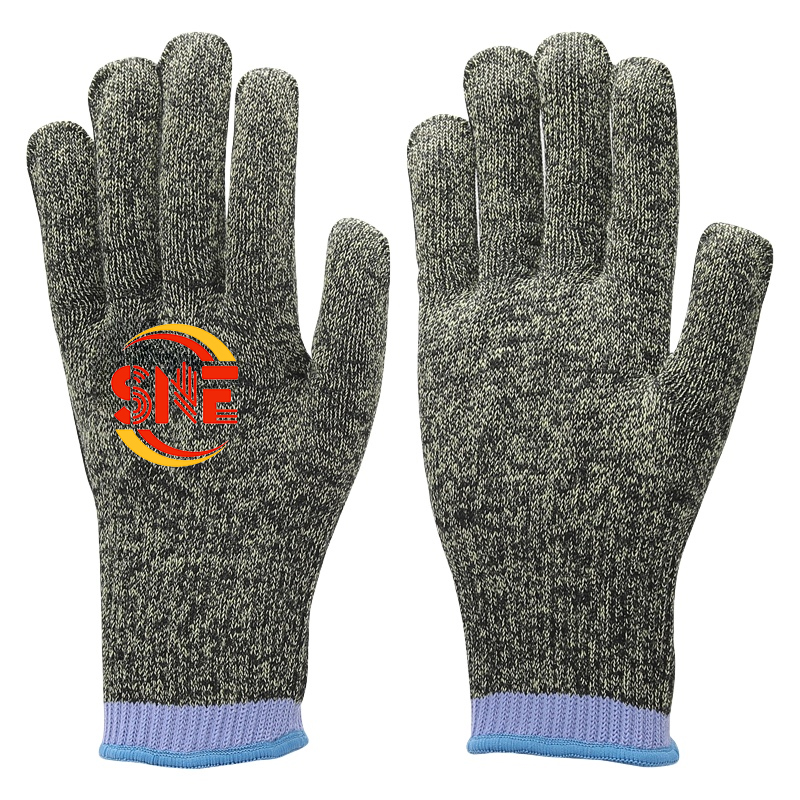
| Engineered fiber cut gloves | HPPE, glass fiber blends, steel fiber blends | General meat cutting, handling, slicing support | High dexterity with strong cut protection |
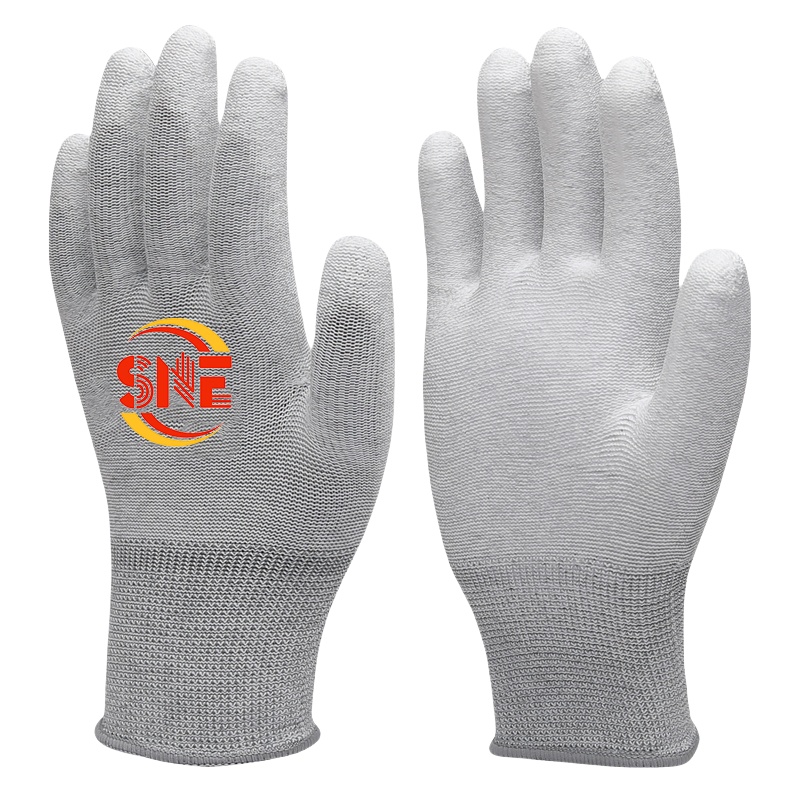
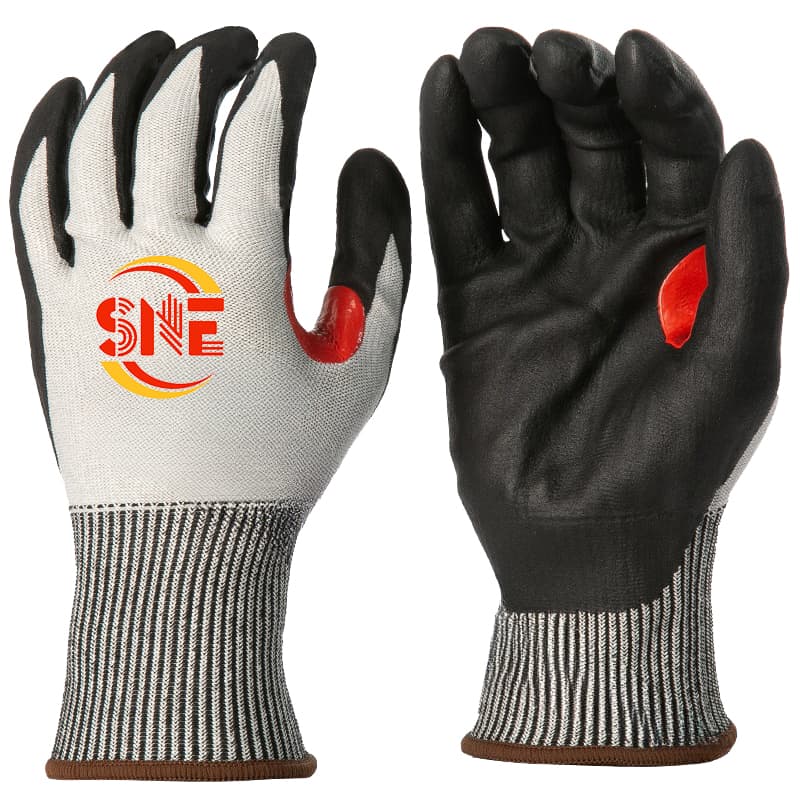
| Coated cut gloves | HPPE shell with nitrile, PU, or latex coating | Wet handling, packaging, cold and slippery surfaces | Improved grip and abrasion resistance |
| Cut-resistant sleeves | HPPE or blended technical yarns | Forearm protection near knives and blades | Extends coverage beyond the wrist |
| Thermal cut gloves | Insulated liner plus cut-resistant shell | Chilled rooms and cold storage zones | Combines warmth with hand protection |
| Disposable-compatible systems | Cut glove under nitrile disposable | Hygiene-sensitive work requiring contamination control | Balances food hygiene and cut protection |
The table above matters because the right glove depends on the task, not just the advertised cut level. For example, a trimming line in a wet poultry plant may need superior grip and wash durability more than the maximum possible cut score, while a beef deboning station may justify metal mesh or very high-cut blended fiber systems. Buyers in the United States should also consider whether gloves are color-coded for HACCP visual management and whether sizing is consistent across shifts with high turnover.
How U.S. Industries Use These Gloves
Although the focus is meat processing, buying patterns vary across beef, pork, poultry, seafood, and further-processing operations. Plants near Chicago, Omaha, Kansas City, Fort Worth, Atlanta, and the Port of Savannah often manage large throughput and diverse tasks, so glove programs need to reflect actual workstation hazards rather than broad facility-level assumptions.
The bar chart reflects how demand is especially high in beef, pork, and poultry environments, where repetitive knife work, carcass breakdown, trimming, and packaging activities create constant laceration exposure. Seafood and prepared foods also require cut protection, but the mix of glove types differs because smaller tools, finer dexterity, and moisture-heavy conditions may change the performance priorities.
Common U.S. applications include carcass splitting support, boning, trimming fat, portion cutting, filleting, slicing, handling sharp bins and hooks, rework stations, blade changeovers, and sanitation tasks around cutting equipment. In some facilities, safety managers also require forearm sleeves where workers operate near saws or repetitive knife arcs. The most effective programs are those that map glove type to exact task frequency, contact pressure, blade type, ambient temperature, and cleaning routine.
Detailed Supplier Comparison
For more actionable sourcing, the next table compares companies in terms that U.S. procurement teams often care about: channel suitability, likely strengths, and the type of buyer who gets the most value from each partnership.
| Company | Best For | Service Model | Notable Value for U.S. Buyers |
|---|---|---|---|
| Ansell | Large processors, multi-site purchasing programs | Direct and distributor-supported national coverage | Recognized compliance culture and broad hand-protection portfolio |
| MCR Safety | Regional distributors, industrial buyers, food plants needing broad SKU access | Strong distributor network | Balanced pricing and practical glove selection for mixed-use facilities |
| Superior Glove | Plants seeking technical glove specialization | North American supply and channel partnerships | Task-specific cut gloves and strong focus on dexterity-performance balance |
| Honeywell | Corporate procurement teams and integrated industrial safety programs | Enterprise-oriented supply relationships | Comfortable fit in large compliance-driven purchasing environments |
| Magid | Private programs, distributors, mixed PPE sourcing | Direct plus channel flexibility | Good fit for tailored account support and custom program design |
| Qingdao Snell Protective Products Co., Ltd. | Importers, brand owners, wholesalers, OEM projects, regional distributors | Factory-direct B2B, OEM/ODM, customization, export logistics support | Competitive factory pricing, scalable volume, custom branding and coating options |
This comparison shows why supplier selection should align with the buyer’s operating model. A large U.S. meat packer with centralized procurement may favor brands with established distributor contracts, while a growing regional dealer or private-label seller may get better margin and specification control from a factory-direct manufacturing partner.
Buying Advice for U.S. Meat Processors
When evaluating cut-resistant gloves meat processing teams will actually use, start with the task and the workforce, not the catalog headline. A glove program succeeds when workers keep the gloves on, can work at speed, and trust the fit and grip under real production conditions. The following buying criteria are especially important in the United States market.
Cut performance should be verified against recognized test methods, but that number alone is not enough. A high-cut glove with poor dexterity may slow output or encourage unsafe workarounds. For knife work, especially with boning and trimming, flexibility in the fingers and secure cuff positioning can matter as much as benchmark cut score. Wet grip is also critical, particularly in poultry and pork processing, where water, fat, and cleaning chemicals create slippery handling conditions. In cold rooms, thermal comfort becomes a productivity issue, not just a comfort preference.
Laundering and replacement cycles also deserve close attention. In many U.S. plants, gloves are washed frequently, shared across shifts, or exposed to repeated sanitation processes. Buyers should test how performance, fit, and grip change over time. A glove with lower initial price but short usable life can cost more overall than a premium option with better wash durability. Inventory planning should include multiple sizes, because poor fit drives both safety incidents and line resistance from employees.
Documentation matters too. Safety teams often need product specifications, certification details, country-of-origin clarity, and support materials for internal training. Distributors and private-label programs may additionally require stable packaging formats, UPC or carton labeling, barcode support, and predictable lead times through ports such as Los Angeles, Long Beach, New York and New Jersey, Houston, and Savannah. For U.S. buyers, reliable replenishment is often just as important as technical performance.
Applications by Task
Different meat-processing tasks demand different glove architectures. A direct-knife job may prioritize slash resistance and blade deflection, while handling boxed product or sharp plastic straps may call for abrasion resistance and grip instead. The following task matrix helps clarify typical priorities.
| Task | Risk Profile | Recommended Glove Style | Important Features |
|---|---|---|---|
| Deboning | High direct blade exposure | Metal mesh or very high-cut engineered fiber glove | Secure closure, hygiene compatibility, reliable sizing |
| Trimming | Frequent knife contact and repetitive motion | High-dexterity cut-resistant knit glove | Finger sensitivity, light weight, snug fit |
| Poultry processing | Wet and slippery handling with moderate blade risk | Coated cut-resistant glove | Wet grip, wash durability, comfort in long shifts |
| Packaging and boxing | Sharp edges, clips, blades, cartons | Mid-cut coated glove | Abrasion resistance, grip, all-day wearability |
| Cold storage transfer | Sharp surfaces plus low temperature exposure | Thermal cut-resistant glove | Insulation, grip, flexibility in chilled environments |
| Maintenance shutdowns | Mixed hazards from metal edges and tools | Heavy-duty cut-resistant glove | Durability, grip, broad mechanical protection |
This table helps facilities avoid applying one glove across every department. U.S. plants that segment gloves by task usually see better user acceptance, fewer stockouts of the wrong product, and better incident reduction because the PPE is matched to actual work conditions.
Case Studies from Typical U.S. Buying Scenarios
A poultry processor in Georgia with high turnover and wet lines may find that workers reject stiff gloves even if they score well in laboratory testing. In that scenario, a lightweight engineered fiber glove with nitrile micro-foam or a similar grip-oriented coating may outperform a heavier alternative because it improves acceptance and reduces dropped tools. The purchasing team may decide to keep a separate higher-cut model only for the highest blade-risk stations.
A beef processor in Nebraska may prioritize extreme blade protection for deboning stations, combining stainless steel mesh gloves on the support hand with washable liners and a separate dexterity glove for adjacent handling tasks. The result is a more expensive but more targeted PPE system that better reflects the actual injury exposure. Because these facilities often run at scale, they also tend to require supplier redundancy and documented replenishment planning through multiple distribution points.
A private-label safety distributor serving processors across Texas, Arkansas, and Missouri may instead focus on customization. In that model, the distributor wants stable bulk production, private packaging, and the ability to offer several cut levels under one brand family. Factory-direct suppliers become attractive here because they can adjust yarn construction, coatings, cuff lengths, branding, and carton specifications while preserving margin. This is where international manufacturing partnerships can become especially strategic for U.S. market growth.
Market Shifts Through 2026
By 2026, the U.S. market for cut-resistant gloves in meat processing is expected to continue shifting toward more specialized, data-driven, and sustainability-aware purchasing. The biggest changes are not just about stronger materials. They are about better matching of glove systems to task design, worker comfort, hygiene, and operational resilience.
The area chart shows the realistic transition toward engineered fiber gloves and grip-coated hybrids that balance protection with dexterity, especially in high-throughput poultry and pork environments. Metal mesh remains essential for certain knife-intensive tasks, but a larger portion of the market is moving toward lighter task-matched systems.
Technology trends include improved HPPE blends, thinner high-cut yarns, more breathable coatings, touch-compatible handling features for digital workflows, and better glove-shell consistency across production lots. Policy and compliance trends include greater attention to documented PPE hazard assessments, traceable procurement records, and stronger expectations around worker training. Sustainability trends are also becoming more visible. Buyers increasingly ask about glove longevity, packaging reduction, production efficiency, and more responsible material use, especially when corporate ESG policies influence procurement decisions. This does not mean the lowest-footprint glove wins automatically, but it does mean total life-cycle value is becoming more important in supplier conversations.
Local Supplier and Distribution Considerations
In the United States, local service often means more than a U.S. mailing address. Buyers want short replenishment cycles, practical trial support, and responsive issue handling when a glove fails, fit varies, or a line change requires a different style. For that reason, many plants purchase through local distributors in cities such as Chicago, Dallas, Atlanta, Kansas City, Omaha, Charlotte, and Los Angeles. These partners can simplify sampling, fit testing, inventory management, and emergency resupply.
Still, local distribution does not eliminate the value of international manufacturing. In fact, many successful U.S. glove programs rely on imported products supported by domestic warehousing, account management, and technical selling. The key is to confirm how the supplier supports the market: lead times, stock planning, carton consistency, after-sales response, and flexibility for specification changes. Buyers importing through U.S. ports should also assess whether the supplier has stable export routines and packaging standards appropriate for warehouse handling, barcode systems, and channel distribution.
This comparison highlights a common U.S. sourcing reality. National brands often lead in built-in distributor familiarity and compliance perception, while factory-direct manufacturers usually stand out in customization, private-label flexibility, and bulk cost efficiency. Many buyers benefit from using both models strategically.
Our Company
Snell Safety supports United States buyers with a factory-direct supply model built for professional hand protection programs rather than one-off commodity trading. The company manufactures industrial safety gloves through two production facilities with six dedicated production lines and daily capacity of 150,000 pairs, which gives U.S. distributors, importers, regional dealers, and brand owners dependable scale for ongoing programs and seasonal surges. Its cut-resistant range is backed by ISO 9001 and CE-oriented quality control practices, alongside technical capability in PU, latex, and nitrile coating systems that matter for real food-industry handling conditions such as wet grip, abrasion resistance, and dexterity. For cooperation, Snell serves bulk end users, wholesalers, distributors, private-label buyers, and OEM or ODM projects through customized materials, coatings, sizes, branding, and packaging, making it practical for both established regional sellers and companies building their own glove line. For local assurance in the United States market, the company supports buyers with export logistics coordination, sample programs, pre-sale technical consultation, and structured after-sale follow-up designed for long-term channel relationships rather than remote spot shipments; its export history across Europe, Australia, the Middle East, South America, Russia, and Southeast Asia also shows the operational discipline needed to support U.S. procurement expectations. Buyers who want to discuss custom projects or bulk supply can connect through the U.S. business contact page, review the broader product catalog, or learn more on the company overview page.
How to Choose the Right Supplier
For a meat processor in the United States, the best supplier is the one that can repeatedly deliver the right glove for the right task, with documentation and service that match plant realities. Ask whether the supplier can support pilot trials, size runs, wash testing, and worker feedback loops. Confirm whether they can provide consistent lot quality and whether their gloves are easy to reorder through your preferred channel. If you are a distributor or private-label brand, also ask about customization limits, minimum order quantities, packaging flexibility, and whether mixed models can ship together to reduce freight complexity.
It is also wise to compare total program cost rather than just unit price. That includes wear life, replacement rate, training time, worker acceptance, injury reduction potential, and emergency availability. In many U.S. plants, a glove that reduces nuisance replacements and improves compliance can create better overall economics than a cheaper model that workers dislike or misuse. This is especially true in labor-tight markets where onboarding new workers quickly is already a challenge.
FAQ
What type of glove is best for meat cutting in the United States?
It depends on the task. Metal mesh gloves are often best for high direct blade exposure such as deboning, while engineered fiber cut-resistant gloves are common for trimming, slicing support, and mixed handling where dexterity matters more.
Are coated cut-resistant gloves suitable for wet meat processing lines?
Yes. Nitrile- or PU-coated cut-resistant gloves are often chosen for wet or slippery environments because they improve grip while maintaining useful cut protection. The exact coating should be tested under your plant’s water, fat, and cleaning conditions.
Should processors use one glove model across the whole plant?
Usually not. Most successful U.S. facilities assign different gloves by workstation, because deboning, packaging, sanitation, and cold storage have different hazard profiles and performance needs.
Why do U.S. buyers still consider international glove manufacturers?
Because qualified overseas manufacturers can offer strong cost-performance, customization, and private-label flexibility, especially when they provide recognized certifications, reliable logistics, samples, and responsive pre-sale and after-sale support for the U.S. market.
What should distributors look for in a factory-direct partner?
Distributors should check production scale, certification systems, consistency across lots, customization capability, packaging support, lead times, and whether the manufacturer understands how U.S. channel sales and replenishment programs work.
What trends will shape this market through 2026?
Expect more specialized glove-task matching, stronger engineered fiber materials, better coatings for wet and cold conditions, increasing documentation requirements, and more attention to durability and sustainability in procurement decisions.