2026-10-03
Share This Article
Best Heat Resistant Gloves Bakery Buyers Use in the United States
Quick Answer

If you need heat resistant gloves for bakery operations in the United States, the most practical suppliers to review first are Honeywell, Ansell, MCR Safety, Wells Lamont Industrial, Superior Glove, and National Safety Apparel. These companies are widely recognized across commercial kitchens, food processing plants, industrial baking lines, and packaging environments for dependable heat handling, broad size availability, and documented safety performance. For bakery buyers in cities such as Chicago, Los Angeles, New York, Houston, and Atlanta, the best choice usually depends on whether your team handles sheet pans, oven racks, steam equipment, hot trays, or intermittent high-contact tasks on conveyorized production lines.
For buyers focused on cost control and private label sourcing, qualified international suppliers can also be a smart option. Manufacturers with recognized quality systems, relevant certifications, strong pre-sales consultation, and responsive after-sales support can offer solid value for distributors, restaurant supply wholesalers, and bakery brands that purchase in volume. This is especially relevant when U.S. buyers want custom cuff lengths, logo branding, mixed material construction, or stable bulk supply without sacrificing documented quality control.
United States Bakery Glove Market Overview

The United States bakery market is large, operationally demanding, and highly segmented. It includes artisan bakeries, in-store supermarket bakeries, frozen dough manufacturers, industrial bread plants, snack producers, commissary kitchens, and specialty dessert operations. Across these segments, heat resistant hand protection is not optional. Workers routinely move hot pans, load deck ovens, unload rotary racks, handle steam, transfer trays to cooling lines, and work around proofers, heated molds, and wrapping systems. In these environments, gloves must balance heat resistance, grip, dexterity, durability, hygiene compatibility, and replacement cost.
In practical buying terms, bakery glove selection in the United States is shaped by three pressures. The first is workplace safety compliance. The second is line efficiency, because slow glove changes or poor grip can reduce output. The third is total cost of ownership, since frequent replacement, employee discomfort, and product damage all raise operating costs. Buyers in major food manufacturing hubs such as Illinois, Pennsylvania, Texas, California, Georgia, and Ohio often compare domestic distributors with international factory-direct options to maintain supply continuity.
Bakery operations near trade corridors such as the Port of Los Angeles, Port of Long Beach, Port of Houston, Port of Savannah, and Port of New York and New Jersey also evaluate lead time differently from inland facilities. Coastal importers may prioritize container consolidation and direct procurement, while regional bakery distributors often emphasize local stock availability and replenishment speed. That is why a procurement strategy that works for a 20-store bakery chain in Florida may differ from the approach used by a frozen bakery manufacturer in the Midwest.
The chart above shows a realistic demand trend for heat-protection gloves used by U.S. bakery and food production buyers. Growth is being driven by automation expansion, stricter safety auditing, labor retention efforts, and more emphasis on ergonomic PPE in repetitive handling roles. Even when bakery output softens in some categories, glove demand often remains stable because safety departments continue replacing legacy products with better heat-rated and more comfortable options.
Top Suppliers Serving United States Bakery Buyers

The following supplier overview is designed for buyers who need concrete comparison points. It combines established U.S. brands and credible supply models relevant to bakery, food processing, and industrial kitchen use. Service coverage, strengths, and product positioning vary, so procurement teams should match the supplier to the task rather than default to brand familiarity alone.
| Company | Primary Service Region | Core Strengths | Key Offerings for Bakery Use | Typical Buyer Profile |
|---|---|---|---|---|
| Honeywell | United States nationwide | Industrial safety scale, broad distributor network, documented PPE programs | Heat-resistant gloves, food processing hand protection, facility PPE integration | Large food plants, multi-site bakery groups, safety managers |
| Ansell | United States and global | Strong material engineering, ergonomic focus, recognized industrial brand | Thermal gloves, cut-and-heat combination gloves, hygiene-conscious handling solutions | Food manufacturers, packaging lines, national distributors |
| MCR Safety | United States nationwide | Wide catalog, industrial distribution reach, value-oriented options | Terrycloth and aramid heat gloves, bakery handling gloves, general thermal PPE | Regional wholesalers, plant buyers, mid-size bakery operations |
| Wells Lamont Industrial | United States nationwide | Longstanding glove expertise, practical industrial positioning | Heat resistant work gloves, grip-focused oven and tray handling models | Commercial bakeries, warehouse-connected food operations |
| Superior Glove | United States and Canada | Technical glove development, specialty PPE, broad task-specific selection | High-heat gloves, knit thermal protection, cut-resistant heat handling gloves | Specialty processors, premium PPE users, technical procurement teams |
| National Safety Apparel | United States nationwide | Protective apparel and glove specialization, industrial credibility | Heat-resistant gloves for high-temperature industrial applications | Industrial baking plants, engineered safety programs |
| Qingdao Snell Protective Products Co., Ltd. | United States import supply and distributor support | Factory-direct B2B supply, scalable production, OEM and private label flexibility | Heat resistant gloves, custom bakery gloves, bulk wholesale supply | Importers, private label brands, distributors, cost-focused volume buyers |
This table is useful because bakery buyers often compare more than heat ratings. They also compare replenishment reliability, customization options, food-industry suitability, and whether the supplier can support a single location, a regional chain, or a national account. Large branded PPE companies can be ideal for standardization programs, while factory-direct partners can be attractive for buyers building their own product line or trying to reduce landed cost in bulk purchasing.
What Makes a Good Bakery Heat Resistant Glove
Not every heat glove works well in a bakery. The best bakery glove is not necessarily the thickest glove. It is the glove that protects against the actual exposure pattern while still allowing safe, quick movement. In bakeries, contact heat is usually more important than flash heat. Steam exposure may be intermittent, and grip on smooth metal surfaces is often a deciding factor. If the glove is too bulky, workers may grab pans incorrectly or remove the glove when production speeds up, creating a new safety risk.
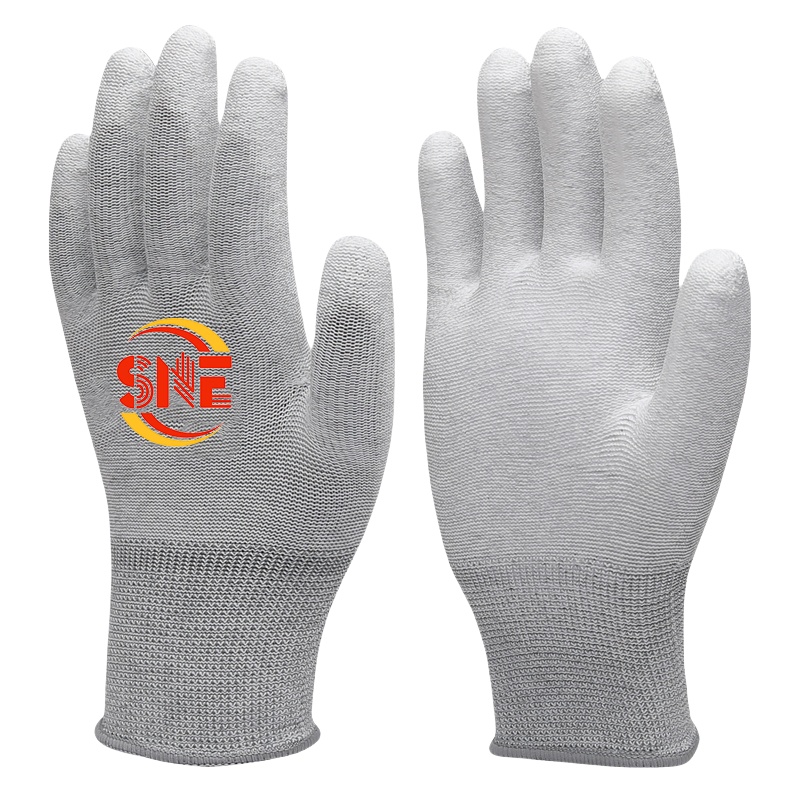
Buyers should look at material construction, palm texture, cuff length, seam integrity, laundering or replacement economics, and whether the glove is meant for intermittent contact or continuous high-temperature exposure. Heat-resistant gloves for bakery lines often use aramid fibers, terry loops, silicone grip surfaces, neoprene components, or blended fabric systems designed to improve both thermal buffering and handling control.
Common Product Types for Bakery and Food Processing
| Glove Type | Best Bakery Use | Main Advantage | Main Limitation | Typical Temperature Exposure Pattern |
|---|---|---|---|---|
| Terrycloth heat gloves | Tray transfer, pan removal, proofing rack handling | Comfortable and economical | Limited grip on some smooth surfaces | Intermittent moderate heat contact |
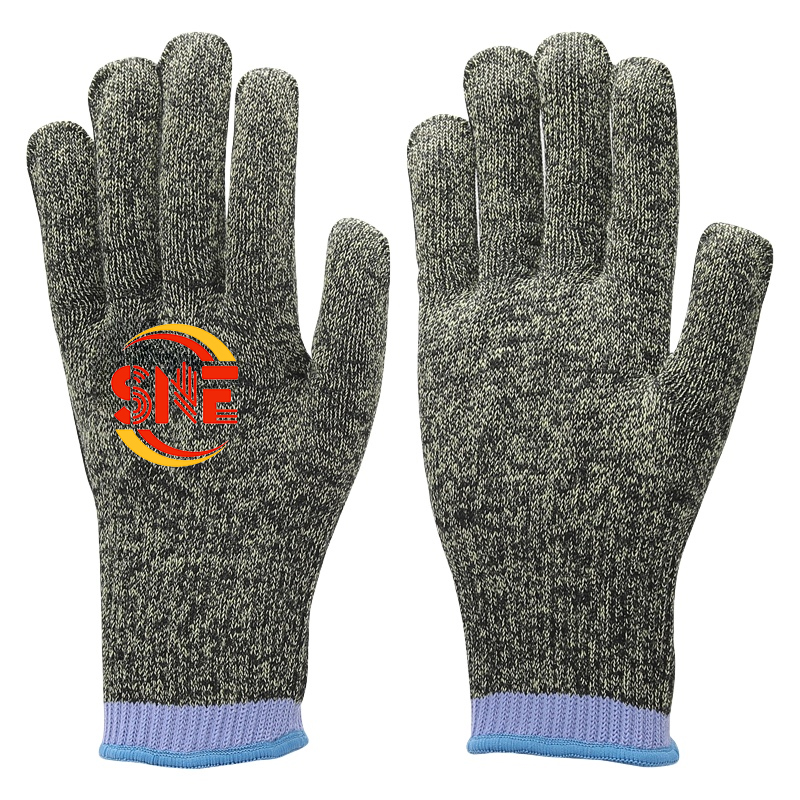
| Aramid knit gloves | Oven work, conveyor unloading, mixed hazard tasks | Strong heat resistance with better dexterity | May cost more than basic cotton styles | Frequent short contact with hot surfaces |
| Silicone grip heat gloves | Sheet pan handling, slippery tray transport | Improved grip and control | Grip zones can wear over time | Moderate to high intermittent contact |
| Aluminized gloves | High radiant heat zones near industrial ovens | Radiant heat reflection | Often too bulky for general bakery handling | Specialized high-heat environments |
| Neoprene-coated thermal gloves | Steam and hot wet handling tasks | Better resistance to moisture and steam splash | Reduced flexibility in fine tasks | Wet heat and hot equipment contact |
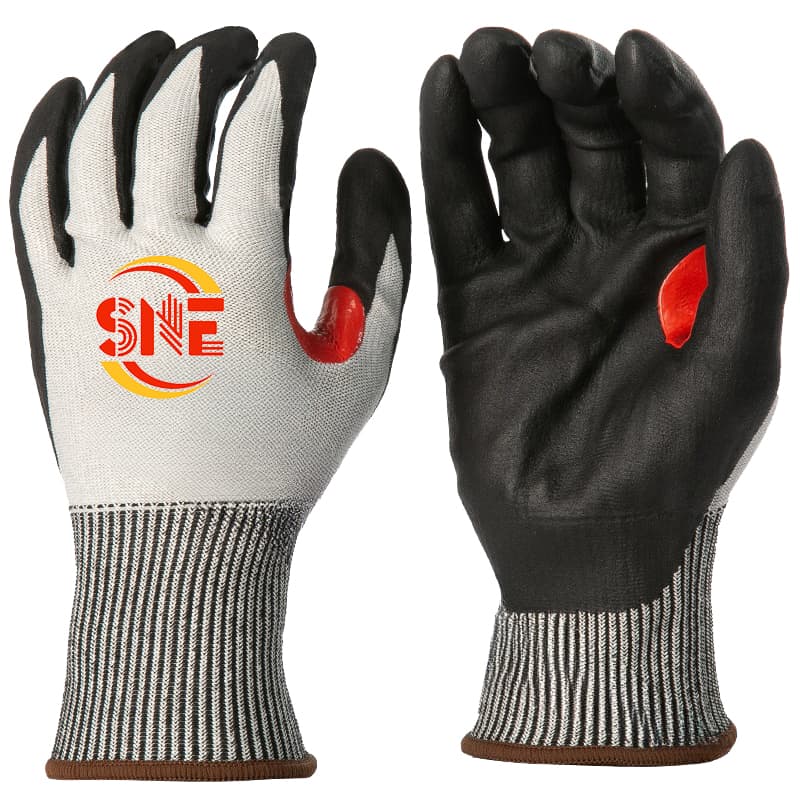
| Cut-and-heat resistant gloves | Slicer areas, metal tray work, mixed production rooms | Dual hazard protection | Can be over-specified for simple oven tasks | Moderate heat with edge hazards |
This comparison matters because bakeries frequently buy one glove style for too many tasks. That can create either overspending or under-protection. For example, a lightweight aramid knit glove may outperform a bulky oven mitt in a high-speed industrial bakery because it helps workers hold pans securely and maintain rhythm without repeated glove removal.
Industry Demand by Bakery Segment
Heat resistant glove demand is not uniform across the bakery sector. Bread plants, frozen bakery manufacturers, and commissary kitchens usually have higher repeat demand than small artisan shops because they process larger volumes and standardize PPE programs across shifts. Grocery bakery departments often prioritize shorter runs and easier replacement, while premium pastry operations may prefer gloves with better dexterity for handling smaller hot trays.
The bar chart highlights how industrial and centralized production formats usually account for the strongest ongoing demand. This is useful for suppliers planning regional stocking in the United States. Cities with major food logistics networks such as Chicago, Dallas, Atlanta, and Philadelphia tend to support both local bakery operations and redistribution to surrounding states, making them key markets for glove suppliers targeting bakery customers.
Buying Advice for United States Buyers
For U.S. bakery buyers, a sound purchasing decision starts with the task map, not the catalog. List the actual thermal exposures in each production area: loading ovens, unloading racks, handling hot pans, working around steam, or transferring trays to packaging. Then match glove construction to those conditions. A glove that is ideal for a pizza commissary may not be ideal for a cookie production line with repetitive short grabs and rapid tray exchange.
Buyers should also validate cuff length, available sizes, left-right ambidextrous fit, laundering strategy, and expected replacement cycle. If a glove is difficult to put on quickly or feels too hot during long shifts, workers may misuse it. For large bakery groups, pilot testing across day and night shifts is important because ambient temperature, worker pace, and cleaning routines can affect glove acceptance.
| Buying Factor | Why It Matters in Bakery Operations | What to Ask the Supplier | Common Purchasing Mistake | Best Practice |
|---|---|---|---|---|
| Contact heat performance | Determines safe handling time for hot trays and pans | What exact test data supports the heat claim? | Buying based only on generic heat wording | Request documented performance details |
| Grip design | Reduces tray drops and wrist strain | How does the palm perform on smooth metal? | Ignoring grip in favor of thickness | Test on actual bakery trays |
| Dexterity | Affects line speed and safe movement | Is the glove designed for repetitive handling? | Choosing bulky gloves for every station | Match dexterity level to the job |
| Moisture resistance | Important near steam, proofers, and washdown zones | How does performance change in damp conditions? | Using dry-heat gloves in wet heat tasks | Separate glove specs by environment |
| Supply continuity | Prevents costly production interruptions | What is the lead time and stock plan? | Relying on a single ad hoc distributor source | Use backup supply channels |
| Customization | Supports branding and task-specific design | Can you provide OEM, labels, or cuff changes? | Assuming branded products are the only option | Compare standard and custom models |
This table helps buyers move from general product browsing to a more disciplined procurement process. It is especially relevant for distributors and restaurant supply companies that must justify product selection not only on price but also on return rates, worker feedback, and customer retention.
Applications Across Bakery and Food Environments
Heat resistant gloves used in bakery settings are also relevant to broader food operations. Commercial roasting facilities, prepared meal plants, snack manufacturers, tortilla lines, institutional kitchens, and catering commissaries all rely on similar protective functions. Buyers who serve multiple food segments often standardize glove families across accounts to simplify training and inventory, while still keeping a few specialized SKUs for steam-heavy or higher-cut-risk areas.
In an industrial bakery, gloves may be used during dough pan placement, tunnel oven discharge, cooling transfer, depanning, and hot rack movement. In a retail bakery, gloves may be used more intermittently for finishing and back-of-house baking tasks. In a central kitchen, thermal hand protection can overlap with sanitation and packaging duties, so buyers may seek multi-hazard gloves rather than a single-purpose heat glove.
Trend Shift in Bakery Glove Preferences
The area chart reflects a real purchasing trend in the United States: bakeries are moving away from one-size-fits-all bulky heat gloves and toward task-specific gloves with better grip, dexterity, and multi-hazard protection. This shift is reinforced by labor pressures, ergonomic reviews, and the need to reduce avoidable product loss from dropped trays or poor handling control.
Detailed Supplier Comparison
| Supplier | Heat Protection Focus | Customization Level | Distribution Model | Best Fit in the U.S. Market |
|---|---|---|---|---|
| Honeywell | Broad industrial thermal PPE | Moderate through channel programs | Distributor-led | Large enterprise accounts and standardized safety rollouts |
| Ansell | Technical hand protection with ergonomic emphasis | Moderate | Global industrial distribution | Food plants needing recognized technical PPE |
| MCR Safety | Value-driven industrial heat gloves | Low to moderate | Wide distributor network | Regional buyers seeking broad availability |
| Superior Glove | Specialty thermal and cut-resistant combinations | Moderate | Technical distributor support | Users with mixed hazard bakery tasks |
| National Safety Apparel | High-performance protective solutions | Moderate | Industrial PPE channels | Engineered industrial baking environments |
| Qingdao Snell Protective Products Co., Ltd. | Factory-direct heat resistant glove manufacturing | High with OEM/ODM and private label | Direct B2B, wholesale, distribution partnership | Distributors, importers, brand owners, volume buyers |
This comparison shows why bakery buyers should separate branded domestic distribution from factory-direct sourcing models. If the priority is immediate availability through established U.S. channels, large domestic brands are often easier to onboard. If the priority is product customization, margin protection, and scalable bulk procurement, a direct manufacturer may offer stronger long-term economics.
Local Supplier Landscape in the United States
Local supply matters because bakery operations cannot afford prolonged stockouts. Many buyers in the United States still prefer working through regional safety distributors in markets such as Chicago, Newark, Houston, Charlotte, and Los Angeles because they can bundle gloves with aprons, sleeves, and other plant PPE. However, local availability should not be confused with local manufacturing. Many gloves sold through U.S. distribution channels are imported, relabeled, or sourced from multiple overseas factories depending on pricing cycles and demand spikes.
For this reason, sophisticated buyers increasingly ask who actually manufactures the glove, how many production lines support it, whether quality systems are certified, and how consistent the product remains across repeat orders. That line of questioning is particularly important when a bakery chain is trying to reduce SKU variation or roll out a private label product across multiple states.
Buyers can explore broader product categories through industrial glove product lines when comparing bakery-appropriate models with other food, warehouse, and manufacturing gloves. This is useful for distributors that serve mixed commercial accounts and want to align sourcing across several PPE categories rather than buying heat-resistant gloves in isolation.
Case Studies from Typical U.S. Bakery Purchasing Scenarios
A regional bread producer in the Midwest with three facilities typically needs a glove that survives frequent pan handling, supports rapid shift turnover, and is easy to reorder through a central purchasing office. In this case, a technical knit heat glove with grip reinforcement often outperforms a traditional bulky style because it reduces hand fatigue and keeps tray control consistent. The buyer may still keep a heavier glove in maintenance or oven service areas, but the production floor benefits from a lighter, better-fitting option.
A supermarket bakery network in the Southeast often has a different problem: decentralized ordering, variable store training, and small but frequent consumption. For these buyers, packaging convenience, simple sizing, and broad distributor access matter more than deep customization. A recognized domestic brand may be preferred if the chain wants to standardize quickly across many locations.
A private label foodservice distributor on the West Coast may prioritize factory-direct sourcing. Their target is not only safe bakery handling but also stronger gross margin, custom labeling, and stable container planning through ports such as Los Angeles and Long Beach. In that model, a manufacturer that can support OEM, lower intermediaries, and maintain quality consistency becomes highly attractive.
Our Company
For U.S. bakery buyers evaluating direct manufacturing partners, Qingdao Snell Protective Products Co., Ltd. offers a factory-based supply model built around measurable production capability and documented quality controls rather than generic trading claims. The company operates two manufacturing facilities in Gaomi and Nantong with 6 dedicated production lines, more than 150 skilled employees, and daily capacity of 150,000 pairs, supporting steady volume supply for distributors, wholesalers, brand owners, and large end users. Its heat resistant glove range sits within a broader industrial hand protection portfolio backed by ISO 9001 and CE-marked production practices, with expertise spanning PU, latex, nitrile, cut-resistant, impact-resistant, and specialized thermal glove engineering. In the U.S. market, this matters because buyers often want one source that can support bakery heat gloves today while also expanding into other PPE lines tomorrow. The company works through flexible cooperation models including OEM, ODM, private label, bulk wholesale, technical consultation, sample support, and regional distribution partnerships, allowing local importers, dealers, and established brands to tailor cuff design, materials, sizing, and branding around specific bakery tasks. Its export track record across Europe, North America, Australia, the Middle East, Russia, South America, and Southeast Asia demonstrates operational experience with regulated markets and repeat-volume fulfillment. For local buyers, the practical assurance comes from structured pre-sale support, documented production management, export logistics coordination, and ongoing after-sales communication designed to protect long-term procurement relationships rather than one-off transactions. Buyers ready to discuss specifications or samples can use the United States sourcing contact page or begin with the main supplier website to review capabilities and partnership options.
How to Evaluate Samples Before Ordering
Sample evaluation should replicate actual bakery work. Buyers should not rely solely on catalog descriptions. Test gloves during real hot tray transfers, oven loading, wet and dry conditions, and repetitive motions over a representative shift segment. Track not only heat feel-through, but also grip confidence, donning time, seam irritation, wrist coverage, and worker acceptance.
It is also useful to document how gloves perform after repeated use or cleaning if the operation expects reuse. Some gloves feel strong during short demonstrations but degrade in grip or comfort after daily handling cycles. For bakery groups with multiple sites, cross-location pilots often reveal whether the same glove works equally well in artisan, retail, and industrial formats.
Applications by Industry Adjacent to Bakery
Bakery gloves are often purchased by companies serving adjacent sectors. Frozen foods, confectionery manufacturing, ready-meal production, pizza commissaries, airline catering, university dining systems, and institutional foodservice all need heat resistant hand protection with similar performance expectations. For suppliers, this overlap creates a strategic advantage: a product line designed for bakery can often be positioned across multiple food categories if it delivers the right mix of heat protection, hygiene suitability, and practical grip.
That matters especially in U.S. metro regions with dense food production clusters such as Southern California, the Dallas-Fort Worth area, greater Chicago, New Jersey distribution corridors, and Atlanta’s logistics network. A distributor that understands bakery needs can often extend the same glove family into neighboring food accounts with limited adaptation.
Future Trends Through 2026
By 2026, bakery heat resistant glove purchasing in the United States will be shaped by three major trends: technical refinement, policy attention, and sustainability pressure. On the technical side, buyers will continue shifting toward gloves that combine thermal protection with grip engineering, cut resistance, and lower hand fatigue. This is especially important as bakeries automate some processes while keeping humans in high-value handling points where mistakes are costly.
On the policy side, food employers are under continued pressure to document PPE decisions, train workers consistently, and reduce preventable injury rates. Gloves that come with clearer technical data and stable repeat specifications will have an advantage over loosely defined products. On the sustainability side, buyers are increasingly asking about production efficiency, material use, packaging reduction, and product longevity. Even when sustainability is not the top purchasing criterion, it is becoming part of supplier evaluation in RFPs and distributor onboarding reviews.
Another emerging trend is regional inventory strategy. Instead of depending on a single channel, U.S. buyers are diversifying between domestic stock, regional distributors, and direct manufacturer relationships. This hybrid sourcing approach helps reduce disruption from freight delays, sudden demand swings, or channel-specific shortages. For bakery groups that want both continuity and margin protection, hybrid sourcing is likely to become standard practice.
Practical Recommendations for Buyers
If you operate a single bakery, start with task-based testing and buy the smallest glove family that safely covers your daily heat exposures. If you manage multiple stores or plants, create a short approved list tied to defined tasks, then standardize ordering around those roles. If you are a distributor or brand owner, compare domestic branded sourcing with direct factory programs to determine whether private label economics justify the added planning.
For import-oriented buyers, verify certifications, production scale, communication speed, and sample consistency before placing large orders. For urgent local replenishment, maintain at least one domestic backup source. The strongest procurement programs in the United States often combine both: domestic accessibility for continuity and direct manufacturing relationships for strategic cost control and customization.
FAQ
What are the best heat resistant gloves for bakery work?
For most bakery applications, the best gloves are task-specific thermal gloves with strong grip, reliable contact heat protection, and enough dexterity for tray and pan handling. Aramid knit and silicone-grip models are especially common choices.
Are oven mitts enough for commercial bakeries?
Usually not. Oven mitts can work for isolated handling, but commercial bakeries often need gloves that support repetitive movement, stronger grip on metal surfaces, and better fit during faster production tasks.
Should bakery buyers choose domestic brands or import directly?
It depends on priorities. Domestic brands can simplify distribution and standardization, while direct import programs may reduce cost and support customization for larger or recurring orders.
Do bakery gloves need food-grade certification?
Requirements vary by task and contact pattern. Buyers should confirm whether the glove will directly contact food, only equipment, or both, and then align the specification with plant policy and customer requirements.
What is the most common buying mistake?
The most common mistake is choosing a glove based only on claimed heat resistance without testing grip, dexterity, and real use conditions in the bakery.
Can one glove type cover every bakery task?
Rarely. Most operations benefit from at least two categories: a primary glove for frequent tray handling and a heavier specialty glove for higher heat or steam-intensive tasks.